Jug Fishing for Catfish
There’s a unique thrill that comes with the unexpected, the quiet anticipation of what might be lurking just below the surface, especially when you’re chasing those powerful, whiskered giants we call catfish. But let’s be honest, sometimes sitting with a rod and reel for hours on end, waiting for that elusive bite, can test even the most patient angler. That’s where jug fishing comes in – a fantastic, often overlooked method that allows you to cover more water and increase your chances of reeling in some seriously impressive flatheads, channel cats, or blue cats without needing to hold a rod the entire time. If you’re curious about how to master this exciting technique in Virginia’s abundant waters, you’ve come to the right place.
Understanding Jug Fishing
Jug fishing, for the uninitiated, might sound a bit unconventional, conjuring images of old milk jugs bobbing on the water. While that's certainly part of the picture, it's a legitimate, highly effective, and deeply satisfying way to target catfish, especially when they're spread out or actively foraging. It’s a method that allows the bait to drift naturally with the current, reaching fish that might ignore stationary lines.
What Exactly is Jug Fishing?
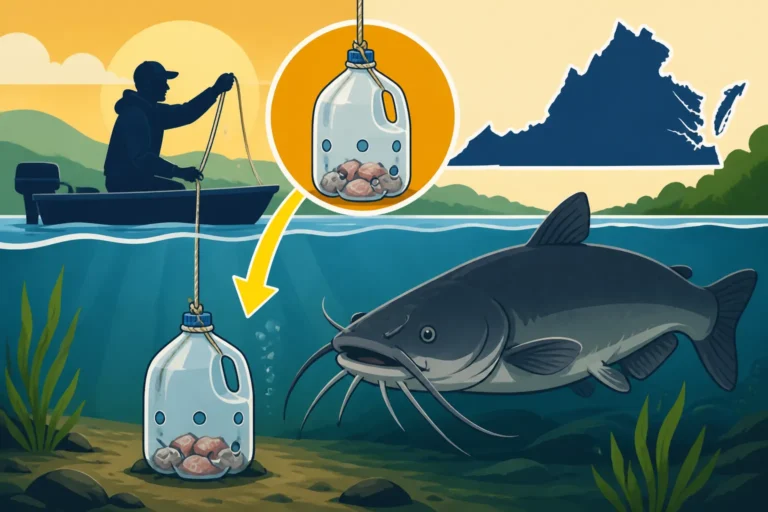
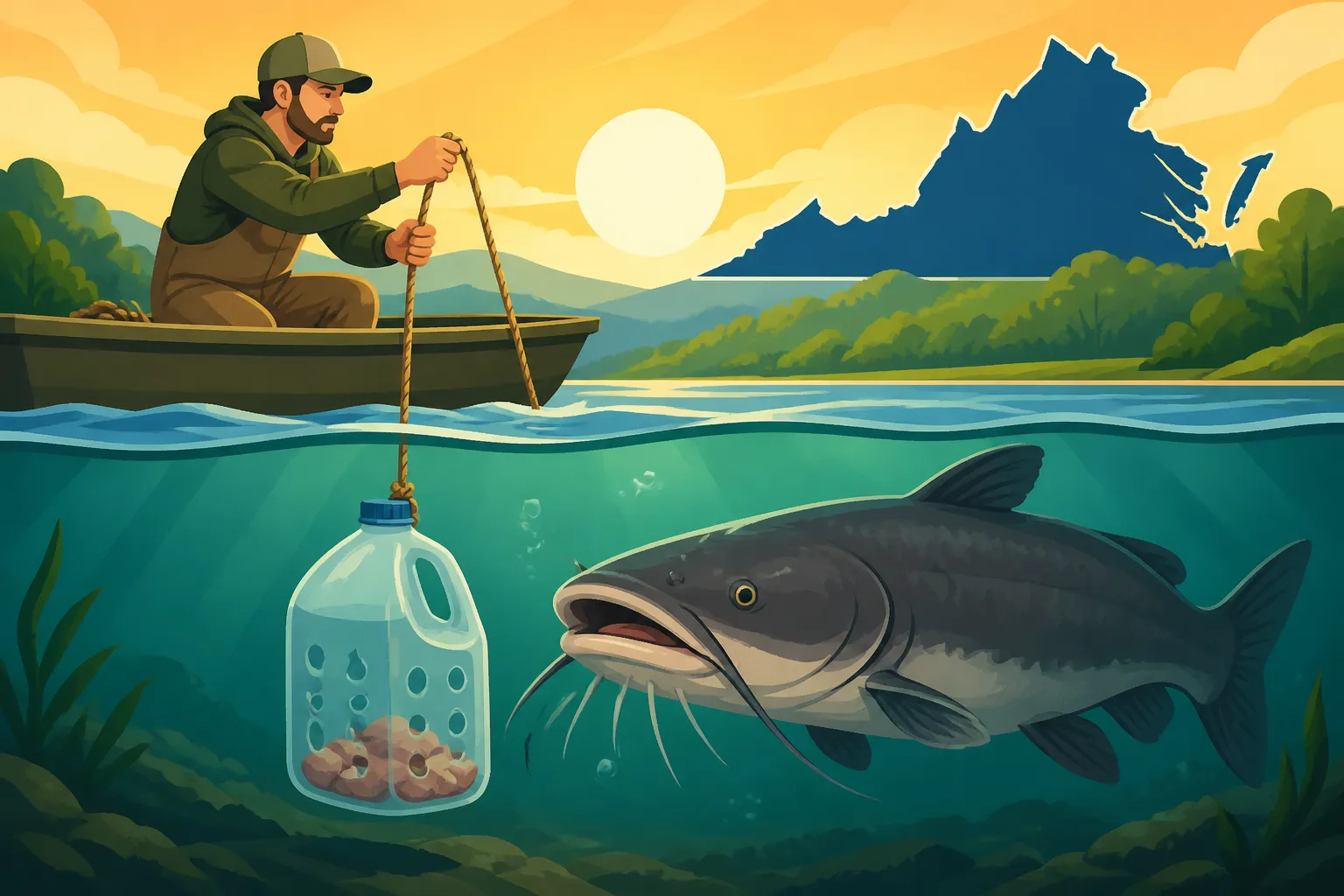
At its heart, jug fishing involves using multiple individual fishing lines, each attached to a floatation device – traditionally a plastic jug, but it can be anything from pool noodles to custom-made foam floats. Each line is weighted and baited, then set adrift in a body of water. The beauty of it is that the jug acts as both a float and an indicator. When a fish takes the bait, the jug starts to move, dip, or even disappear, signaling a bite. It’s a passive yet active form of fishing, allowing you to manage several lines simultaneously from a boat, systematically covering a wide area.
Think of it as a floating trap line, but one where the fish aren't just caught, they're actively fought once you retrieve the jug. You're not casting and retrieving in the traditional sense; instead, you're deploying your baited lines and then patrolling the area to check on them. This method is particularly popular for catfish because these fish often cruise extensive areas, searching for food. A drifting jug can present a bait in a way that mimics natural prey carried by the current, making it incredibly enticing. Plus, the slight movement of the jug in the water can add an attractive action to your bait that a stationary rig simply can't replicate.
Why Catfish Love Jugs
Catfish, especially the larger varieties like blue cats and flatheads, are opportunistic feeders and often scavengers. They rely heavily on their acute sense of smell and their barbels to locate food, even in murky waters or at night. A jug line, with its free-drifting motion, can carry the scent of a potent bait over a significant distance, drawing in curious catfish from afar. Unlike a stationary bottom rig that might only appeal to fish within a very small radius, a jug line is constantly exploring new territory, increasing its chances of intersecting with a hungry cat.
Moreover, the way the bait hangs from a jug line—often suspended in the water column or just off the bottom, depending on your weight and line length—can be incredibly effective. Catfish don't always feed directly on the bottom; they will readily strike at baits that are drifting or suspended. This dynamic presentation, coupled with the ability to use large, smelly baits, makes jug fishing a true catfish magnet. The slight give and play of a free-floating jug also means that when a big cat hits, it might feel less resistance than a rod in a rod holder, leading to a more confident bite.
Pros and Cons of This Method
Like any fishing technique, jug fishing comes with its own set of advantages and disadvantages. On the positive side, one of the biggest benefits is its efficiency and coverage. You can deploy many lines, effectively fishing a much larger area than you could with traditional rod-and-reel setups, drastically increasing your odds of finding active fish. It’s also incredibly relaxing once the jugs are set; you spend your time patrolling and enjoying the scenery until a jug signals a strike. For anglers targeting large, trophy catfish, jug fishing can be exceptionally effective, as the drifting bait appeals to their natural foraging instincts. It’s also a relatively inexpensive way to get started, especially if you opt for DIY jugs made from recycled materials.
However, there are downsides. The primary one is the potential for lost gear if your lines get snagged or if a huge fish makes off with your jug (though good identification can help). It also requires constant vigilance; you can't just set your jugs and forget about them, especially when boating traffic is present. You need a boat to effectively deploy, monitor, and retrieve jugs, which isn't always an option for bank anglers. Finally, there's a certain lack of "sport" for some anglers who prefer the direct fight of a rod and reel from the initial strike, as you're essentially retrieving a fish already hooked. But for those looking to put some delicious catfish in the cooler or target truly massive specimens, the pros often outweigh the cons.
Virginia Regulations and Ethics
Before you even think about tossing your first jug into a Virginia waterway, it’s absolutely critical to understand the state's specific regulations. Virginia’s Department of Wildlife Resources (DWR) has clear rules on jug fishing, and failure to follow them can lead to hefty fines and even confiscation of your gear. Respecting these rules isn't just about legality; it's about responsible angling and preserving our natural resources. You can always refer to the full Virginia Fishing Regulations Explained for the most up-to-date information.
Permits and Licensing Requirements
First and foremost, you absolutely need a valid Virginia fishing license to jug fish, just as you would for any other method. There's no special "jug fishing license" per se, but your standard Virginia Fishing License Guide or Virginia Fishing License Costs and Types Explained will cover you. Whether you need a freshwater, saltwater, or combination license depends entirely on where you plan to fish. For instance, if you're targeting catfish in the tidal James River, you might need a saltwater license or a combination. Always check the specific body of water you intend to fish.
Additionally, certain waters might have specific permitting requirements or closures to jug fishing. While jug fishing is legal in many parts of Virginia, it's not universally allowed. For example, some smaller, more intensely managed lakes or reservoirs might prohibit it to prevent overharvesting or conflict with other recreational users. Always double-check the DWR regulations for the specific lake, river, or estuary you're heading to. Ignorance of the law is never an excuse, and wardens are out there making sure everyone plays by the rules to protect our fisheries.
Number of Jugs and Identification
Here's where Virginia gets very specific. According to DWR regulations, anglers are generally allowed to fish with a maximum of 50 jug lines per person. This might seem like a lot, but for serious catfishing, it allows you to truly fan out and find the fish. However, this number can also vary by specific water bodies, so always confirm. More importantly, every single jug line must be clearly and indelibly marked with the angler's full name and address or their DWR customer identification number. This isn't just a suggestion; it's a mandatory requirement.
Imagine this: you've got several jugs drifting, and one gets snagged or a fish pulls it far away, or maybe it gets loose. Without proper identification, that gear is lost, contributing to litter and potential hazards for wildlife or other boaters. Moreover, DWR wardens will check these markings. If your jugs aren't properly identified, they can be confiscated, and you could face penalties for fishing with illegal gear. Many anglers use a permanent marker on the jug itself or attach a waterproof tag. It’s a small step that makes a huge difference in compliance and responsibility.
Ethical Considerations and Responsible Angling
Beyond the legal requirements, there are crucial ethical considerations for jug fishing. The most important is constant attendance. While you're not holding a rod, you must actively monitor your jugs. This isn't a "set it and forget it" method. Unattended jugs can lead to fish being stressed or dying on the line, or the gear becoming a navigational hazard. Plan to stay within sight and a reasonable distance of your jugs, patrolling them regularly to check for activity.
Another ethical point is selective harvest. Just because you can catch a lot of fish with jugs doesn't mean you should keep every single one. Be mindful of catch limits and size restrictions, and consider practicing catch-and-release for larger, breeding-stock fish, especially the big flatheads and blue cats that contribute significantly to the fishery. The future of Virginia fishing depends on all of us being good stewards. Finally, always retrieve all your gear. Lost jugs become litter and can ghost fish, continuing to catch and kill without human intervention. Leaving your jugs behind is not only illegal but deeply irresponsible.
Gear Up for Success
You don't need a massive investment to start jug fishing, which is part of its charm. However, having the right gear, properly set up, will make all the difference between a frustrating tangle and a successful day of battling big catfish. It's about combining simplicity with durability.
Choosing Your Jugs and Lines
When it comes to the "jugs" themselves, you have options. The classic choice is a plastic gallon milk jug or an anti-freeze container. These are cheap, readily available, and float well. However, they can be a bit flimsy for truly large fish or heavy currents. Many experienced jug fishermen upgrade to pool noodles cut into segments (often 12-18 inches long), which are then capped at the ends or used with a central PVC pipe. These are more durable, less prone to sinking, and highly visible. Some anglers even craft specialized foam floats designed for jug fishing, often brightly colored for easy spotting. You can find pre-made jug fishing kits on sites like Amazon, offering durable, reusable options that are often superior to makeshift solutions.
Regardless of your chosen float, the line is paramount. You need something strong, abrasion-resistant, and relatively inexpensive since you’ll be using many lines. Monofilament fishing line in the 50-100 lb test range is a popular choice for its affordability and stretch, which can act as a shock absorber when a big fish strikes. However, many serious jug fishermen prefer braided line of similar breaking strength (e.g., 80-100 lb) due to its superior strength-to-diameter ratio, zero stretch for better hooksets, and excellent abrasion resistance against submerged timber. The length of your line per jug should be at least 1.5 to 2 times the maximum depth of the water you're fishing, allowing for adjustments to suspend bait at different depths. For most Virginia waters, lines between 10 to 20 feet are common, but for deeper lakes like Claytor Lake, you might need more.
Hooks, Weights, and Swivels
This is the business end of your jug rig, and quality components are non-negotiable. For hooks, size matters, especially for the robust mouths of catfish. You'll want large, heavy-duty circle hooks in sizes ranging from 8/0 to 12/0. Circle hooks are essential for jug fishing because they are designed to hook fish in the corner of the mouth, minimizing deep hooking and making catch-and-release much easier and safer for the fish. They also self-set more reliably, which is crucial when you're not holding the rod. Brands like Mustad or Gamakatsu offer excellent options.
Weights are crucial for keeping your bait at the desired depth. The amount of weight will depend on the current and the size of your bait. A good starting point is a 1-2 ounce egg sinker or pyramid sinker. Some anglers prefer to slide the sinker directly onto the main line above the hook, while others use a three-way swivel to create a dropper line for the weight, keeping the bait slightly suspended off the bottom.
Speaking of swivels, they are your best friend in preventing line twist, especially when a big catfish starts rolling. Use heavy-duty barrel swivels or, even better, a large, robust snap swivel above your hook to connect your leader. Swivels rated for 100-200 lbs are not overkill; they’ll withstand the torque of a powerful fish and the constant movement of the jug. Also, consider adding a leader of heavy monofilament (e.g., 80 lb test) or fluorocarbon (which is more abrasion-resistant but pricier) between your main line and hook. This acts as a buffer against toothy fish or abrasive structure and is easier to replace than your entire main line if it gets frayed.
The Best Baits for Virginia Catfish
Catfish are not picky eaters, but some baits are undeniably more effective than others, especially when you're trying to out-compete other food sources in the water. For jug fishing, you want something durable enough to stay on the hook while drifting and potent enough to attract fish from a distance.
Cut bait is arguably the king of catfish baits for jug lines. Freshly cut pieces of oily fish like shad, herring, bluegill, or carp release a strong scent trail that catfish can't resist. Many anglers will catch their own bait fish, but you can also buy frozen bait fish from tackle shops. Just make sure the pieces are large enough to deter smaller nuisance fish but not so large that they obscure the hook point.
Stink baits are another popular choice, particularly for channel catfish. These come in various forms, from pre-made dough balls to dip baits and punch baits, often infused with strong, fishy, or cheesy odors. For jug lines, punch baits or more solid stink baits that can be molded onto a sponge or a tube work best, as they tend to stay on the hook longer. Popular brands like Catfish Charlie or Sonny's Super Sticky Baits are readily available at tackle shops and even on Amazon.
Live bait can be incredibly effective, especially for trophy flatheads. Small bluegill, sunfish, or even shiners (where legal) hooked through the back or lips will attract the attention of predatory flatheads. Just ensure your live bait is healthy and actively swimming to draw in strikes. Make sure to check Virginia’s specific regulations on using live fish as bait, as some species might be prohibited to prevent the spread of disease or invasive species. Remember, the stronger the scent and the more natural the presentation, the better your chances of success.
Mastering the Technique
Jug fishing isn't just about throwing a bunch of baited lines into the water and hoping for the best. There's a method to the madness, a strategic approach that will significantly improve your success rate.
Scouting the Perfect Spots
Choosing the right location is paramount. Catfish are structure-oriented fish, meaning they'll congregate around features that offer cover, current breaks, or food sources. When jug fishing, you're looking for areas where catfish are likely to be actively moving or feeding.
River channels and deep holes are prime targets, especially in major Virginia river systems like the James River, Rappahannock River, or Potomac River. These areas provide current that carries scent and often hold deeper, cooler water where catfish retreat during warmer months. Look for bends in the river, confluences where two waterways meet, or areas downstream from dams, which often concentrate fish.
In larger lakes such as Kerr Lake, Lake Anna, or Smith Mountain Lake, focus on submerged creek channels, humps, ledges, and points. Catfish will use these features as highways and ambush points. Using your boat's sonar can help you identify these hidden structures and even mark schools of baitfish, which often indicate the presence of predators like catfish. Pay attention to water depth and temperature; catfish often prefer specific thermal layers. Also, areas with heavy timber or brush piles are catfish havens, but be prepared for snags if you drift too close. The key is to find areas with a gentle current or drift that will slowly carry your jugs over productive grounds without them getting snagged immediately.
Setting Your Jugs Effectively
Once you’ve scouted your spot, it’s time to deploy. The strategy here is to create a "spread" that covers a good section of water. Don't just drop all your jugs in one tight cluster. Instead, space them out, perhaps 50 to 100 feet apart, allowing them to drift independently and cover different lanes.
Vary the depth of your baits from jug to jug. Some catfish might be suspended, others tight to the bottom. By setting some lines to present bait just off the bottom, others a few feet up, and some even higher, you increase your chances of finding the fish's preferred feeding depth. Remember that your line length should be adequate to reach the bottom and allow for adjustments. As your jugs drift, the current will spread them out further, creating a wider net. It's often best to deploy them upstream of the area you want to fish, letting the current carry them through the prime zones.
Always keep an eye on your first few jugs as you deploy the others. This gives you a real-time indication of the current's speed and direction, allowing you to adjust your spacing and initial placement. Use a marker buoy if you need to remember your starting point, but always retrieve it before you leave.
Checking and Retrieving Your Catch
This is where the excitement truly begins! Once your jugs are deployed, your job is to keep a watchful eye. A jug that suddenly starts moving quickly, dipping erratically, or even disappearing beneath the surface is a sign that a catfish has taken the bait. When you spot a hot jug, motor over cautiously.
Approach the jug slowly to avoid spooking the fish or tangling other lines. Once you reach it, grab the jug firmly and begin to retrieve the line by hand. This is where those heavy-duty gloves become invaluable! Big catfish can pull hard, and line can quickly cut into unprotected hands. The fight with a large catfish on a jug line can be intense and direct. There's no rod to absorb the shock, so you'll feel every head shake and powerful run directly through the line. Be patient, let the fish tire itself out a bit, and use a net or a gaff for larger fish to safely bring them into the boat.
Once the fish is landed, handle it carefully. If you're releasing it, do so quickly and gently. If you're keeping it, dispatch it humanely and place it in a cooler with ice immediately to preserve its quality. After dealing with the fish, check your hook, re-bait, and redeploy the jug. Don't forget to remove any twists from the line and ensure your identification is still clear. This continuous cycle of checking, retrieving, and redeploying is what makes jug fishing so engaging.
| Jug Type | Material | Pros | Cons | Ideal Use Case |
|---|---|---|---|---|
| Milk Jug | HDPE Plastic | Very cheap, readily available, floats well. | Can crush or leak, less durable, less visible. | Budget-friendly, casual fishing, smaller catfish. |
| Pool Noodle | Foam | Highly visible, durable, good buoyancy, customizable. | Requires assembly (cutting, weighting, capping). | General-purpose, versatile, easy to spot. |
| PVC Pipe | PVC/Foam | Extremely durable, holds heavy weights/fish well. | Heavier, more complex to build, less flexible. | Heavy currents, targeting large trophy catfish. |
| Custom Foam | Closed-cell foam | Excellent buoyancy, very durable, often brightly colored. | More expensive, might require specialized purchase. | Dedicated anglers, professional setups, tournaments. |
Top Virginia Catfish Waters for Jug Fishing
Virginia is blessed with an abundance of fantastic catfishing opportunities, from wide, sprawling rivers to vast lakes and even tidal estuaries. Understanding where to focus your efforts can make your jug fishing trips far more productive.
River Systems to Target
Virginia's major river systems are absolute havens for catfish, particularly the mighty blue cats and flatheads that grow to impressive sizes.
The James River is legendary for its massive blue catfish. From Richmond downstream into the tidal waters of the Chesapeake Bay, the James offers incredible jug fishing. Look for deep holes, channel edges, and areas around submerged structures. The current here is often manageable, making it ideal for drifting jugs. Anglers often report catching fish well over 50 pounds, with some exceeding 100 pounds! This river is truly a world-class blue catfish fishery.
The Rappahannock River also boasts an excellent catfish population, especially from Fredericksburg downstream. Like the James, it has deep channels and plenty of forage for blue and channel catfish. The tidal sections are particularly productive. Access points are available along its length, offering plenty of room to spread out your jugs.
Don't forget the Potomac River, particularly its Virginia tributaries and main stem as it flows towards the Chesapeake Bay. This river is known for its diverse fishery, including robust populations of channel and blue catfish. Areas with slower currents and access to deeper water are key here. Exploring these river systems offers not only great fishing but also beautiful scenery and a sense of history.
Lake Hotspots
While rivers are often famous for their giants, Virginia's lakes provide fantastic opportunities for consistent catfish action, often with less current to contend with.
Kerr Lake (Buggs Island Lake), shared with North Carolina, is a behemoth known for its outstanding populations of channel catfish, blue catfish, and even some flatheads. Its vast size, numerous creek arms, and submerged timber offer endless possibilities for jug fishing. Focus on submerged river channels, main lake points, and the mouths of creeks, especially during warmer months when catfish cruise these areas. This lake is so large that you can easily find secluded areas to deploy your jugs without interference. For more specific insights, check out the Kerr Lake Fishing Guide for Beginners.
Lake Anna is another excellent choice. While perhaps better known for its bass and stripers, Lake Anna has a thriving population of channel and blue catfish. The lake's structure, including deep main lake points and humps, provides ideal habitat. Jug fishing in the main lake basins or larger creek arms can be very productive. Be mindful of recreational boat traffic, especially on weekends, and choose your jug fishing times accordingly.
Smith Mountain Lake, while famous for its stripers and bass, also holds good numbers of channel catfish. Its clear waters mean you might need to focus on deeper sections or fish during low light conditions, but the rewards can be significant. Look for areas with access to deep water and submerged timber.
Tidal Waters and Estuaries
The tidal sections of Virginia's rivers and the vast Chesapeake Bay offer a unique jug fishing experience, especially for blue and channel catfish. Here, the ebb and flow of the tide become crucial factors. The Bay itself, and the lower sections of its feeder rivers like the York, Piankatank, and Rappahannock, hold significant numbers of catfish that tolerate brackish water.
In these environments, catfish will often move with the tides, using current breaks and channel edges as feeding stations. Deploy your jugs to drift with the tide, ensuring they cover prime feeding grounds. The availability of diverse baitfish in these tidal waters makes them particularly attractive to catfish. However, the stronger currents associated with tidal flows mean you need robust jugs and proper weighting to keep your baits in the strike zone. Pay close attention to current charts and plan your jug drops to maximize your drift over productive areas without drifting into areas of excessive boat traffic or restricted zones.
Safety and Best Practices
Jug fishing, while generally a safe activity, involves being on the water, often at night or in challenging conditions. Adhering to safety protocols and best practices is not just smart, it's essential for an enjoyable and incident-free trip.
Navigational Safety
When you're out on the water, especially at night when catfish are most active, proper lighting on your boat is non-negotiable. Ensure your navigation lights are fully functional and visible. Consider having a powerful spotlight or headlamp to help you spot your jugs and avoid obstacles. A GPS unit or a reliable chart plotter is also incredibly useful for marking your jug deployment area and safely navigating back, especially in unfamiliar waters or low visibility. You can even track your jugs if your GPS allows for multiple waypoints.
Always be aware of other boat traffic. While your jugs are likely small, they can still be a hazard, especially in busy waterways. Try to choose times and locations where recreational traffic is minimal. If you're on a multi-person boat, assign someone to be a dedicated lookout. Additionally, personal flotation devices (PFDs) are a must for everyone on board. It’s too easy for an unexpected bump or a sudden pull from a large fish to send someone overboard. Have them readily accessible, or better yet, wear them, particularly when retrieving jugs in rougher water or at night.
Weather Awareness
The weather can change quickly on Virginia's large rivers and lakes. Always check the marine weather forecast before heading out, and be prepared for sudden shifts. Catfish bite well in many conditions, but strong winds, thunderstorms, or rapidly dropping temperatures can make jug fishing dangerous or impossible. Pay attention to wind speed and direction, as it will dictate how your jugs drift and how easy it is to retrieve them. High winds can make controlling your boat difficult and cause your jugs to drift much faster than anticipated, spreading them out over a vast area.
If a storm rolls in, don't hesitate to pull your jugs and seek shelter. No fish is worth risking your safety. Have a plan for rough weather, including knowing the nearest safe harbor or protected cove. Bringing extra clothing, rain gear, and a first-aid kit are always wise precautions, regardless of the forecast.
Leaving No Trace
Responsible angling means leaving the environment better than you found it. This is especially true for jug fishing, where multiple pieces of gear are deployed. Always retrieve every single jug. Not only is it illegal to leave unmarked or abandoned gear, but it also creates unsightly litter and can ghost fish, continuing to kill them long after you’ve left. Take a few minutes at the end of your trip to count your jugs and ensure none are left behind.
Carry a trash bag on your boat for all your discarded bait wrappers, old line, and any other litter. Never throw anything overboard. If you encounter abandoned jugs or other fishing gear while you're out, consider safely retrieving it if you can and disposing of it properly. Every angler has a role in keeping Virginia's waters clean and healthy for both wildlife and future generations of fishermen. This commitment to conservation helps ensure that techniques like jug fishing remain a sustainable and enjoyable pastime.
Disclaimer
Please note that fishing regulations, including those for jug fishing, can change. Always consult the official Virginia Department of Wildlife Resources (DWR) website or their current fishing regulations guide before heading out on the water to ensure you are compliant with all laws and rules.