Best Live Bait for Striped Bass Fishing
For many Virginia anglers, the pursuit of striped bass, often affectionately called "rockfish" along our coast, is a true passion. But there's a common hurdle many face: figuring out which bait truly makes the difference, especially when you're after those elusive trophy fish. It can be incredibly frustrating to spend a day on the water, watching others reel in big stripers while your artificial lures just aren't getting the job done. This comprehensive guide is here to cut through the confusion, meticulously detailing the best live bait options for striped bass fishing in Virginia, how to use them effectively, and where to find them to dramatically increase your chances of a successful catch.
Understanding Striped Bass Foraging Habits
Before we even talk about specific baits, it's really helpful to step into the mind of a striped bass. These fish aren't just swimming around willy-nilly; they're constantly on the hunt, and their diet dictates much of their behavior. Knowing what they naturally eat in Virginia's waters is the biggest secret to choosing the right live bait. It's about providing them with a meal they can't resist, something that looks, smells, and moves exactly like what they're already accustomed to devouring.
The Opportunistic Hunter
Striped bass are classic ambush predators and incredibly opportunistic feeders. This means they'll often go for whatever is most abundant and easiest to catch in their immediate environment. If there's a huge school of small baitfish passing through, you can bet the stripers will be gorging on them. If larger, slower-moving prey like eels are present, they won't hesitate to target those either. This adaptability is what makes them such formidable game fish, and it's also why having a variety of live bait options in your arsenal is a smart move. What works one day or in one location might not work the next, largely because their primary food source has changed.
They have excellent eyesight, a keen sense of smell, and a lateral line system that detects vibrations in the water, all of which they use to locate prey. When you use live bait, you're tapping into all these senses. The panicked vibration of a struggling baitfish, the subtle scent it releases, and its natural swimming motion are all irresistible signals to a hungry striper. Understanding this primal hunting instinct helps us choose baits that trigger their feeding response most effectively, rather than relying on something that just looks good to us.
Mimicking Natural Forage
The golden rule for live bait fishing is simple: match the hatch. This means using bait that closely resembles what the striped bass are naturally feeding on in that specific body of water at that particular time. In the Chesapeake Bay, for example, menhaden (also known as bunker) are a cornerstone of the striper diet. Up in the freshwater impoundments like Smith Mountain Lake, however, threadfin shad or gizzard shad might be the prevalent forage. By observing what baitfish are present, perhaps seeing them jump on the surface or marking them on your fishfinder, you can make an educated guess about what the stripers are keying in on.
Virginia's diverse waters, from the vast tidal estuaries of the Chesapeake Bay and its tributaries like the James River and York River, to the deep, clear waters of inland lakes, all have different ecosystems supporting various bait species. So, while a particular bait might be a consistent winner in one area, it could be virtually ignored in another. Always do a little reconnaissance before your trip. Talk to local bait shops, check fishing reports, or even observe what the birds are diving on, as they often indicate schools of baitfish. The closer your live bait comes to being a natural part of the local ecosystem, the more confident you can be in its effectiveness.
Top Live Bait Choices for Virginia Striped Bass
Now, let's get down to the nitty-gritty: the specific live baits that consistently put Virginia striped bass in the boat. Each of these has its own strengths and situations where it truly shines, so understanding their nuances will elevate your striper game.
Menhaden (Bunker) – The King of Striper Baits
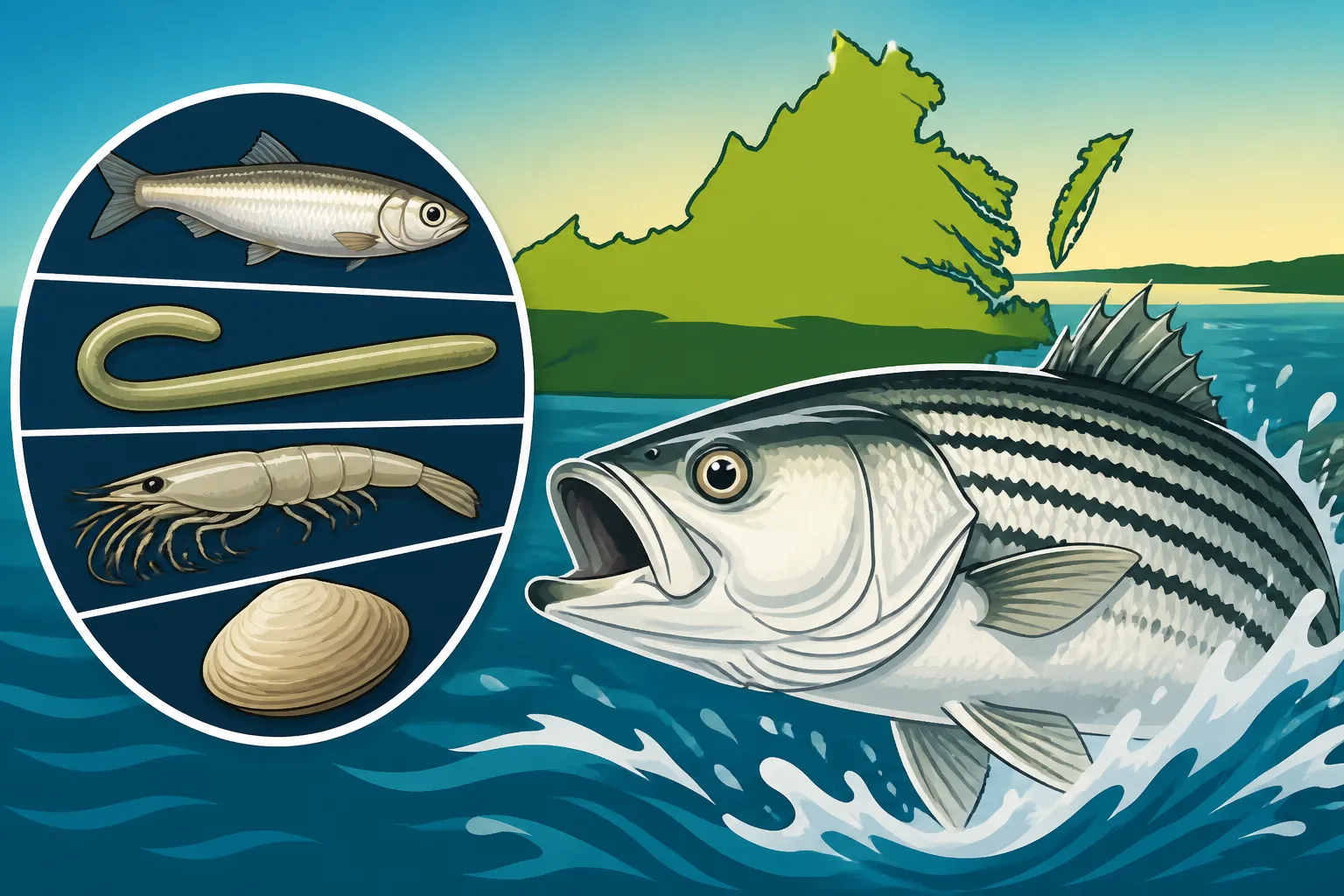
If there's one bait that's synonymous with striped bass fishing, especially in the saltwater and brackish portions of Virginia, it's the menhaden. These oily, schooling fish are absolutely packed with scent and nutrients, making them a prime food source for stripers and many other predators. Whether you're targeting big rockfish in the lower Chesapeake Bay or working the tidal rivers, menhaden are often the first choice for anglers serious about catching striped bass. They come in two main forms: Atlantic menhaden, found in coastal waters, and alewives, which are a freshwater cousin that can also be very effective.
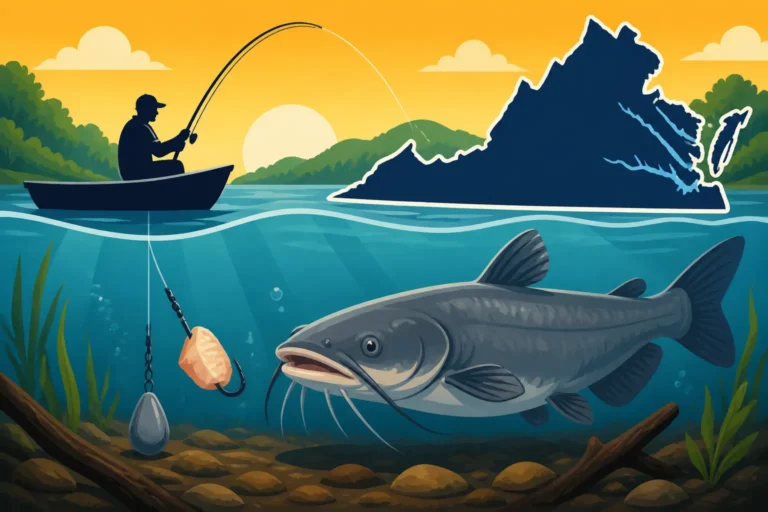
Live menhaden can be fished in several ways. One common method is to slow-troll them around schools of stripers or along structure. Another highly effective technique is to "chunk" them, which involves cutting them into pieces and creating a chum slick to draw fish in, then fishing a whole live menhaden on a hook among the chum. The frantic, struggling motion of a live menhaden, coupled with its strong oily scent, is an irresistible combination for a hungry striper. Many anglers swear by them, especially for targeting trophy-sized fish. You can often buy live menhaden at reputable bait shops or, for the dedicated angler, catch them yourself using a cast net in areas where they're abundant. For the ultimate guide to this fish, check out our article on the Best Bait for Striped Bass in Chesapeake Bay.
Eels – A Proven Big Fish Magnet
Eels might look a bit intimidating, but to a big striped bass, they look like a five-star meal. These long, slimy creatures are a natural prey item for larger stripers, especially in rocky areas, around bridges, and over wrecks. Their undulating, snake-like motion in the water is unique and often triggers strikes from more cautious, larger fish that might ignore traditional baitfish. Eels are particularly effective during low-light conditions, such as dawn, dusk, or even at night, when stripers are actively hunting in shallower water or around structure.
Fishing with live eels requires a bit of finesse. They are notoriously slippery, so handling them with a glove or a towel is recommended. They're typically rigged with a large circle hook through the lips or eye socket, allowing them to swim naturally. They can be drifted over structure, slow-trolled, or simply cast out and allowed to swim freely. Many anglers find that eels are a go-to bait when targeting those really big "cow" stripers. Their hardiness also means they can survive on the hook for a long time, presenting a continuous, enticing target. For more details on what other species target eels, you might find our guide on Freshwater vs Saltwater Striped Bass: The Virginia Rockfish Story insightful.
Spot and Croaker – Chesapeake Bay Favorites
When fishing in the shallower, brackish waters of the Chesapeake Bay and its tributaries, smaller baitfish like spot and croaker become incredibly effective. These panfish are abundant during warmer months and are a natural food source for striped bass, especially medium-sized fish. They're easy to catch on their own using sabiki rigs or small hooks with bits of squid or bloodworms, making them readily available for anglers willing to put in a little extra effort. Their smaller size also makes them perfect for presenting to schools of actively feeding stripers.
Live spot and croaker are usually rigged through the nose, lips, or back, allowing them to swim freely. They can be drifted with the current, fished under a popping cork, or simply cast out and allowed to search for cover. The vibration and visual appeal of these lively baits often prove irresistible. They're particularly effective around oyster reefs, submerged grass beds, and channel edges. Many anglers find that during the summer months when stripers move into shallower, warmer waters, a lively spot or croaker is often the key to success. For a broader overview of the fishing seasons, our Virginia Striped Bass Season and Slot Limit Guide covers when these baits are most prevalent.
Alewives and Herring – Seasonal Delights
While menhaden are present year-round in some areas, alewives and various types of herring are often more seasonal, playing a crucial role in the striper's diet during their spawning runs. These smaller, silver-sided baitfish migrate into rivers and estuaries in huge numbers, particularly in the spring, drawing in hungry striped bass right behind them. In freshwater lakes like Smith Mountain Lake, native alewives are a staple, and stripers key in on them heavily.
When these baitfish are abundant, fishing with a live alewife or herring can be incredibly productive. They are usually rigged similarly to spot or croaker, with a small, sharp hook through the nose or back. Their flash and frantic movements are very appealing to stripers that are accustomed to feeding on large schools of these baitfish. Catching them often requires fine mesh cast nets or specialized traps. Anglers frequently use light tackle to present these delicate baits, as their size and vulnerability make them an easy target for opportunistic stripers. The effectiveness of these baits is tied directly to their seasonal availability, so keeping an eye on local migration patterns is key.
Rigging and Presenting Live Bait Effectively
Having the best live bait in the world won't do you much good if you don't know how to rig it properly and present it in a way that tempts a striper. The goal is always to make your bait look as natural and as appealing as possible, maximizing its inherent qualities.
Essential Terminal Tackle
Getting your live bait to perform optimally starts with the right gear. Forget about heavy, clumsy tackle that might hinder your bait's natural movements. You're looking for gear that is strong enough to handle a powerful striper, yet subtle enough not to interfere with the bait.
- Hooks: Circle hooks are paramount when fishing with live bait for striped bass. Not only are they incredibly effective at hooking fish in the corner of the mouth, leading to fewer gut-hooked fish (which is great for conservation and complying with regulations like Virginia's 28 to 31 inch striped bass slot limit), but they also require less effort from the angler. When the fish takes the bait and swims away, the line tightens, and the hook simply rolls into place. Hook size will vary depending on your bait. For menhaden or eels, you might use a 7/0 to 9/0 circle hook. For smaller spot or croaker, a 5/0 to 7/0 might be more appropriate.
- Leader Material: A strong fluorocarbon leader is highly recommended. Fluorocarbon is nearly invisible underwater, which is a huge advantage when fishing for wary stripers, and it's also highly abrasion-resistant, offering protection against sharp gill plates or structure. A 50-80 lb test leader is typically sufficient, depending on the size of the fish you're targeting and the water you're fishing.
- Swivels and Sinkers: A high-quality barrel or ball-bearing swivel will prevent line twist, especially important when drifting live bait. When it comes to sinkers, use just enough weight to get your bait down to the desired depth and hold it in the current, but not so much that it restricts the bait's natural swimming action. Egg sinkers or bank sinkers are common choices, often used in a "fish-finder" rig setup where the sinker slides freely on the main line above a swivel, allowing the fish to pick up the bait without feeling immediate resistance. You can find a vast array of these essentials, including specialized leaders and hooks, on platforms like Amazon, making it easy to stock up before your next trip.
Common Rigging Techniques
The way you hook your live bait can make or break your trip. You want to keep the bait alive and lively for as long as possible, while also ensuring a solid hookup.
- Through the Nose/Lips: This is a gentle method often used for smaller baitfish like spot, croaker, alewives, or herring. Pass the hook through both upper and lower lips, or just the upper lip. This allows the bait to swim naturally and breathe freely, extending its life and maximizing its appeal. It's an excellent choice for drifting or slow-trolling.
- Through the Back: For a more active presentation, especially when you want the bait to dive or swim against the current, hooking through the back is effective. Place the hook just behind the dorsal fin, being careful not to hit the spine. This can make the bait "freak out" a bit, sending out distress signals that attract predators. This method is common for larger menhaden or when casting and retrieving slowly.
- Through the Eye Socket: Eels are often rigged by passing the hook through the lower jaw and then up through one of the eye sockets. This method is incredibly secure, preventing the eel from wriggling off, and still allows it to swim naturally. It's a robust rig for these tough baits.
- Bait Bridle: For truly large baits like substantial menhaden, a bait bridle rig is superior. This involves attaching a strong rubber band or wax string to a needle, passing it through the bait's nose or eye, and then using that loop to attach your circle hook. This keeps the hook completely free of the bait, allowing for maximum natural movement and ensuring a direct hook-up on the strike, greatly enhancing the bait's presentation.
Presentation Strategies
Once your bait is rigged, how you present it to the striped bass is the final piece of the puzzle. It’s all about putting your bait in the strike zone and making it look like an easy meal.
- Drifting: This is one of the most natural presentations. Allow your live bait to drift freely with the current, either unweighted or with minimal weight, over known striper haunts like oyster reefs, channel edges, or submerged structure. The bait's natural movement combined with the current makes it irresistible. This technique is particularly effective in tidal rivers and the Chesapeake Bay.
- Slow Trolling: Often used with larger live baits like menhaden or eels, slow trolling involves moving your boat at a very slow speed (often just enough to maintain steerage) while dragging your live bait behind. This allows you to cover more water and present your bait to a wider area. Pay attention to your fish finder to target schools of baitfish or stripers. You can find more specific advice in our article on How to Troll for Striped Bass in Deep Water.
- Chumming and Freelines: When stripers are schooled up or holding in a specific area, chumming with cut pieces of menhaden can draw them right to your boat. Once the fish are in a feeding frenzy, present a whole live menhaden on a freelined hook (no weight) among the chum slick. The live bait will look identical to the cut pieces they're eating, but it will also be actively swimming, making it an easy target.
- Casting and Retrieving: For active schools of stripers, especially when they are busting on the surface, casting a lively spot, croaker, or smaller menhaden into the fray and retrieving it slowly can be incredibly effective. The erratic movement of the live bait as you reel in can mimic a wounded fish, triggering aggressive strikes. This is especially useful during the spring and fall runs when stripers are actively pursuing baitfish. Knowing when to target these runs is key, and our guide on Best Time of Year for Bass Fishing in Virginia can help.
Sourcing and Keeping Your Live Bait Fresh
There’s nothing worse than having the perfect spot and the perfect rig, only to find your live bait is sluggish or, even worse, dead. Keeping your bait lively and healthy is as crucial as choosing the right species.
Where to Acquire Live Bait
Finding good quality live bait is often the first challenge. Your options generally fall into two categories: buying it or catching it yourself.
- Local Bait Shops: This is often the easiest route, especially for common baits like menhaden, eels, spot, or croaker. Reputable bait shops in coastal towns like Hampton, Newport News, or along the Outer Banks region often have fresh, healthy live bait available. Always call ahead to confirm availability, as popular baits can sell out quickly, especially during peak fishing seasons. When you're driving to your chosen fishing destination, like the Chesapeake Bay for some prime rockfish action, knowing where to stop for bait is vital. Many shops also carry a good selection of terminal tackle, making it a one-stop-shop for your needs.
- Catching Your Own: For the dedicated angler, catching your own bait can be incredibly rewarding and often ensures the freshest possible offerings.
- Cast Nets: Ideal for schooling baitfish like menhaden, spot, croaker, and various types of shad. Practice your cast net technique in advance to ensure you can deploy it effectively. Look for signs of baitfish on the surface, often indicated by diving birds or subtle disturbances in the water.
- Sabiki Rigs: These are small, multi-hook rigs designed to catch baitfish like herring, spot, and croaker. Drop them near docks, piers, or structure where baitfish congregate. A small piece of squid or fish bite on each hook can increase your catch rate.
- Small Rod and Reel: For spot and croaker, a small ultralight setup with a tiny hook (size 6-8) and a bit of shrimp, squid, or fish bite can be very effective. This method is particularly useful in shallower waters of the Chesapeake Bay. You can often find affordable sabiki rigs and cast nets on Amazon, making it convenient to gear up for catching your own bait.
Keeping Bait Alive and Healthy
A lively bait is a fish-catching bait. A sick or dead bait is often ignored. Investing in proper bait keeping equipment will pay dividends.
- Livewells: A quality livewell is paramount. It needs to be adequately sized for the amount of bait you plan to carry, have a good aeration or recirculation system to provide oxygen, and maintain a consistent water temperature. Overcrowding a livewell is a common mistake; give your baitfish plenty of space. Add a de-chlorinator if you're using tap water. You can find portable livewells or aeration systems on Amazon that attach to a cooler, transforming it into a temporary bait sanctuary.
- Water Quality: Regularly exchange water in your livewell, especially if you're keeping a lot of bait or if the water starts to look murky. Cooler, well-oxygenated water is key. Some anglers even use specialized bait treatments or ice to help keep water temperatures down and reduce stress on the bait.
- Careful Handling: Every time you handle a baitfish, you stress it out. Minimize handling as much as possible, and always use wet hands or a wet towel. Avoid squeezing them, as this can remove their protective slime coat, making them susceptible to disease. The less stress your bait experiences, the longer it will stay active and attractive to stripers. This is particularly important when managing your catch, as detailed in How Many Striped Bass Can You Keep in Virginia.
Legal Considerations for Baitfish
Virginia has specific regulations regarding baitfish, especially concerning non-native species and the transfer of water. It's crucial to be aware of these rules to avoid fines and protect local ecosystems.
- Non-Native Species: Be very cautious about bringing baitfish from one body of water to another, especially if they are from a different watershed or state. Virginia, like many states, has strict rules about preventing the introduction of invasive species, which can wreak havoc on native fish populations. Always check the latest Virginia Department of Wildlife Resources (DWR) regulations.
- Disease Prevention: The transfer of baitfish can also lead to the spread of diseases. If you're using baitfish caught from a particular body of water, it's generally best practice to only use them in that same body of water. Never dump unused live bait into a different waterway.
- Possession Limits: While there aren't usually possession limits on generic baitfish, specific species might be regulated, especially if they are also game fish. For example, some states have rules about using game fish as bait. Always consult the current Virginia Fishing Regulations Explained for any specific rules that might apply to your target bait species. These regulations are updated periodically, so staying informed is crucial. For example, learning Virginia's Fishing Rules Every Angler Should Know is an ongoing process.
By understanding the habits of striped bass, selecting the right live bait, mastering rigging and presentation techniques, and properly caring for your bait, you'll be well on your way to more successful and satisfying days chasing those magnificent Virginia rockfish.
| Bait Type | Primary Target Size | Best Conditions | Rigging Method (Common) | Pros | Cons |
|---|---|---|---|---|---|
| Menhaden | Medium to Trophy | Tidal currents, Chumming | Back, Nose, Bait Bridle | Oily, strong scent, natural prey | Can be delicate, require cast netting |
| Eels | Large to Trophy | Low light, Structure | Through jaw/eye | Very hardy, unique motion, big fish bait | Slippery, can be expensive |
| Spot & Croaker | Small to Medium | Warmer months, Shallower | Nose/Lips, Back | Readily available, lively, natural prey | Smaller fish, seasonal availability |
| Alewives/Herring | Small to Medium/Large | Spring runs, Schools | Nose/Lips, Back | Very natural, flash, strong scent | Highly seasonal, delicate, hard to keep |
Disclaimer
This article is for general informational purposes only and does not constitute professional advice. Laws, prices and regulations vary by location and change over time. Consult a qualified professional for guidance on your specific situation.