Freshwater vs Saltwater Striped Bass: The Virginia Rockfish Story
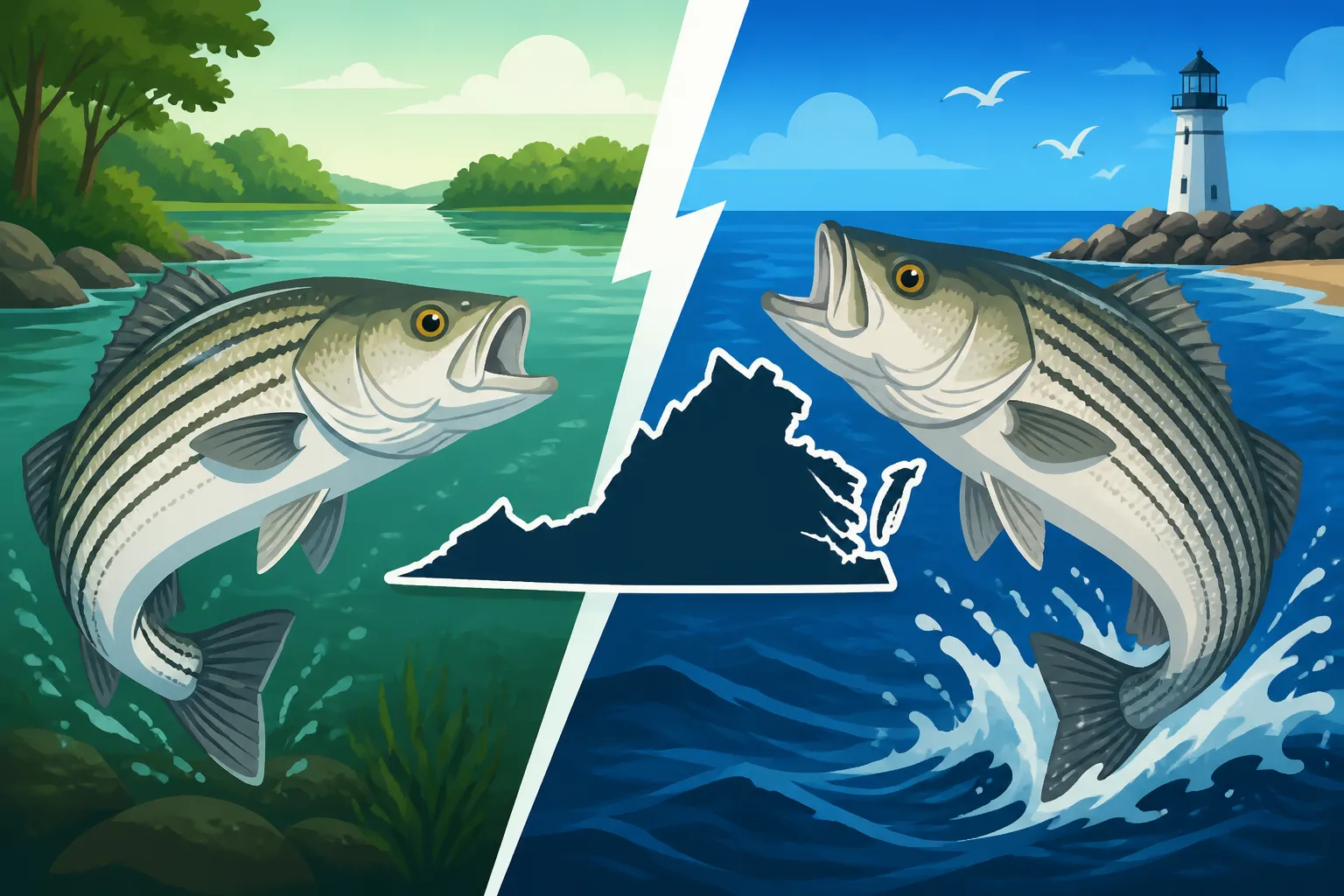
For many anglers in Virginia, the challenge of landing a striped bass is a true passion, but the distinctions between fishing for them in freshwater versus saltwater can be a real head-scratcher. It's not just about different locations; these fish adapt, behave, and even fight differently depending on their environment. This comprehensive guide will untangle the fascinating story of Virginia's striped bass, affectionately known as "rockfish," exploring their lives in both inland lakes and the vast Chesapeake Bay, and equipping you with the knowledge to pursue them successfully in either realm.
The Iconic Striped Bass: A Virginia Angler's Dream
There's something truly magnetic about the striped bass, Morone saxatilis. For generations of Virginia anglers, these powerful fish have been a symbol of challenging fights and rewarding catches. Whether you call them stripers, rockfish, or simply "linesides," their distinctive dark stripes running along their silver bodies are instantly recognizable, and their hard-hitting strikes are legendary. They embody the spirit of sport fishing in our state, drawing enthusiasts to both our pristine mountain reservoirs and our expansive tidal waters.
A Brief History of Virginia's Striped Bass Fishery
Virginia has a long and storied history with striped bass, dating back centuries. Indigenous peoples fished for them, and early European settlers quickly recognized their value as a food source and a challenging game fish. For a long time, the Chesapeake Bay and its tributaries were the primary focus, with commercial and recreational fishing thriving. However, overfishing and habitat degradation in the latter half of the 20th century led to a significant decline in populations. This crisis prompted a monumental conservation effort, including fishing moratoria and strict regulations, which ultimately helped bring the populations back from the brink. It was a stark reminder of our responsibility to protect these incredible fish, and the lessons learned continue to shape how we manage the fishery today. These historical challenges and successes are a vital part of A Guide to Striped Bass Fishing in Virginia.
Why the Striped Bass Holds Such a Special Place
Beyond their sheer fighting power, striped bass hold a special place in the hearts of Virginia anglers for several reasons. They are accessible—you can find them from the mountain lakes down to the Atlantic Ocean. They grow large, offering the thrill of a potential trophy catch. And importantly, they are a migratory species, connecting our diverse aquatic ecosystems. Anglers often talk about the "fall rockfish run" in the Bay or the consistent action on a major freshwater reservoir like Smith Mountain Lake. The pursuit of stripers often involves breathtaking scenery, from mist-shrouded mountain mornings to vibrant coastal sunrises, making every trip an experience to cherish. They're more than just a fish; they're a cornerstone of Virginia's angling culture.
Striped Bass in Freshwater: The Inland Powerhouses
While many immediately associate striped bass with the ocean, Virginia boasts some truly incredible freshwater striped bass fisheries. These are not just transient visitors; these fish have established thriving populations in large impoundments, providing a unique and exhilarating angling experience. The strategy for catching them here often differs significantly from their saltwater cousins, demanding a keen understanding of lake dynamics and baitfish behavior.
Key Freshwater Habitats in Virginia
Virginia's freshwater striped bass are predominantly found in large reservoirs where conditions mimic their natural tidal environments, offering ample space and a robust forage base. Lakes like Smith Mountain Lake, Lake Anna, and Claytor Lake are renowned for their healthy striper populations. These impoundments are often deep, with cooler water in their lower reaches during summer, providing thermal refuge for the stripers. They also host abundant populations of baitfish, such as gizzard shad and alewives, which are the primary food source for these landlocked giants. Understanding the topography of these lakes—deep channels, submerged humps, and standing timber—is crucial for locating schools of these predatory fish. Smith Mountain Lake Striped Bass Fishing in Virginia is a prime example of such a fishery.
Identifying Freshwater Striped Bass and Hybrids
One common point of confusion for freshwater anglers is distinguishing between purebred striped bass and their close relatives, hybrid striped bass (often called "wipers"). Purebred freshwater stripers look very much like their saltwater counterparts, with distinct, unbroken horizontal stripes running from gill plate to tail. Hybrid striped bass, on the other hand, are a cross between a striped bass and a white bass. They typically exhibit broken or irregular stripes, sometimes appearing smeared or disjointed, especially on their lower flanks. Hybrids also tend to be deeper-bodied and can be exceptionally strong fighters for their size. Both types thrive in Virginia's large reservoirs, but knowing the difference can be important for adhering to specific regulations that may apply to one or the other.
Fishing Techniques for Freshwater Stripers
Fishing for freshwater striped bass is often a game of locating baitfish and then presenting an appealing offering. Trolling is a hugely popular and effective method, especially on expansive lakes like Smith Mountain Lake, where anglers cover vast amounts of water using a spread of artificial lures or live bait. Downriggers and planers are often employed to get baits down to the depths where stripers are lurking. Live bait, particularly large shad or herring, fished under a balloon or free-lined, can be incredibly effective when stripers are actively feeding on schools of bait. Jigging spoons or soft plastics vertically over deep humps or near dam structures also produces strikes, especially in cooler months. For those early risers, topwater action at dawn can be explosive, as stripers herd baitfish to the surface for a feeding frenzy. High-quality fishing line and reels, which you can easily find on Amazon, are essential for handling these powerful fish.
Striped Bass in Saltwater: The Mighty Rockfish of the Coast
When most people think of striped bass, their minds drift to the vast, salty expanses of the ocean and the legendary Chesapeake Bay. Here, these fish are often referred to as "rockfish," and their pursuit is a deeply ingrained tradition, connecting generations of anglers to the rich maritime heritage of Virginia's coast. The scale of the fishery, the migratory patterns, and the sheer power of these saltwater giants make for an unforgettable experience.
The Chesapeake Bay: A Striped Bass Mecca
The Chesapeake Bay, the largest estuary in North America, is nothing short of a sanctuary for striped bass. It serves as a vital spawning and nursery ground for a significant portion of the Atlantic coast's striped bass population. Each spring, adult stripers migrate into the Bay to spawn in its freshwater tributaries, like the James, York, Rappahannock, and Potomac Rivers. Throughout the summer and fall, immense schools of rockfish reside within the Bay, feeding voraciously on menhaden, herring, and other baitfish. This makes the Chesapeake Bay a world-class destination for striped bass fishing, offering opportunities for anglers using everything from light tackle to heavy trolling gear. Exploring Chesapeake Bay Striped Bass: A World-Class Virginia Fishery reveals the incredible diversity of this environment.
Coastal Waters and Their Striped Bass Populations
Beyond the sheltered waters of the Chesapeake Bay, Virginia's coastal waters and the nearshore Atlantic Ocean also host robust populations of striped bass. These are often transient fish, migrating along the coast, following baitfish and seeking optimal water temperatures. During the spring and fall migrations, trophy-sized rockfish can be targeted by surf anglers, pier fishers, and offshore charter boats. Areas around the Chesapeake Bay Bridge-Tunnel, coastal inlets, and artificial reefs often hold significant numbers of these powerful fish. Fishing in these open-water environments often requires more robust gear and a keen eye for reading currents and locating bait pods, but the rewards—a hard-fighting, large rockfish—are often well worth the effort.
Identifying Saltwater Striped Bass (Rockfish)
Distinguishing a saltwater striped bass from a freshwater one, in terms of species, is actually quite straightforward—they are the same species! The key difference lies in their habitat. Saltwater rockfish exhibit the same iconic unbroken horizontal stripes. They tend to have a sleeker, more torpedo-like shape compared to some of the deeper-bodied freshwater hybrids. Their color can vary slightly depending on water clarity and diet, from silvery-white in open ocean to a darker, almost bronzed hue in estuarine waters. What really sets them apart in the angler's mind is the sheer size many of them attain, especially the migratory trophy fish that pass through Virginia's coastal waters during the spring and fall runs.
Biological Differences: Adapting to Two Worlds
While they are the same species, striped bass demonstrate remarkable adaptability, thriving in environments ranging from completely fresh water to full-strength ocean salinity. This versatility is thanks to specific biological mechanisms and behavioral patterns that allow them to flourish in such diverse habitats. Understanding these adaptations gives us a deeper appreciation for this incredible fish.
Salinity Tolerance and Physiological Adaptations
Striped bass are anadromous fish, meaning they are born in freshwater, migrate to saltwater to live most of their lives, and then return to freshwater to spawn. This lifecycle demands exceptional physiological adaptations to cope with drastic changes in salinity. Their kidneys and gills possess specialized cells that can regulate the salt balance within their bodies, allowing them to move seamlessly between fresh and saline environments. This ability is what makes the freshwater, landlocked populations so unique; while they no longer migrate to the ocean, their bodies still retain the genetic programming to handle varying levels of salinity, even if their current lake environment remains consistently fresh. This incredible tolerance is a hallmark of the species.
Growth Rates and Maximum Sizes
Generally, saltwater striped bass tend to grow larger and live longer than their freshwater counterparts. The vastness of the ocean and the Chesapeake Bay provides a more consistent and abundant food supply, allowing them to reach truly impressive sizes, sometimes exceeding 50 pounds. Trophy saltwater rockfish are a prized catch, and Virginia's waters consistently produce large specimens. Freshwater stripers, while still growing to respectable sizes (often in the 20-30 pound range in prime habitats like Smith Mountain Lake), are typically limited by the confines and food resources of their lake environments. However, what they lack in maximum size, they often make up for in sheer power and aggressive feeding, making them a formidable adversary on lighter tackle.
Spawning and Migration Patterns
The life cycle of the striped bass is intrinsically linked to migration. In saltwater populations, adult stripers undertake significant migrations each year. They leave their coastal ocean habitats to travel up the Chesapeake Bay and into its freshwater tributaries for spawning in the spring. After spawning, they disperse back into the Bay or move out to the Atlantic Ocean. This migratory pattern is critical for the survival of the species, ensuring their eggs are laid in the optimal low-salinity environment for development. Freshwater striped bass, however, have had this migratory instinct altered. They are effectively "landlocked" within their reservoirs. While they still seek out areas with current for spawning—often near dams or tributary mouths—their movements are contained within the lake system. They are still driven by a need to reproduce, but their journeys are on a much smaller scale. This difference is a major point of discussion when comparing Freshwater Striped Bass vs Saltwater Rockfish: Different Virginia Fishing Rules.
Fishing Regulations: Navigating the Rules for Both Environments
One of the most crucial aspects of fishing for striped bass in Virginia is understanding and adhering to the regulations, which can differ significantly between freshwater and saltwater. These rules are designed to protect the populations and ensure sustainable fishing for future generations. Failing to follow them can lead to substantial penalties, so it's always wise to check the latest guidelines before heading out.
Freshwater Striped Bass Regulations
For freshwater striped bass in Virginia's impoundments, the Department of Wildlife Resources (DWR) sets specific limits on size, creel (number of fish), and sometimes even season. These regulations are tailored to the individual lake's specific population dynamics and management goals. For instance, a lake known for producing trophy fish might have a slot limit to protect larger spawners, or a different daily creel limit than a lake where numbers are more critical. It's not uncommon to see regulations like a "five-fish daily limit, only one of which may be over 30 inches." Anglers should always consult the current Virginia Fishing Regulations for the specific body of water they plan to fish, which is readily available online or through local license agents. You'll often find specific rules for lakes like Smith Mountain Lake or Lake Anna.
Saltwater Striped Bass (Rockfish) Regulations
Saltwater striped bass, or rockfish, are subject to more complex regulations due to their migratory nature and the shared management across multiple states along the Atlantic coast. Virginia works with federal agencies and other states to establish rules that help protect the entire migratory stock. These regulations typically include specific seasons (which often split into spring and fall windows), size limits (usually a slot limit, like 28 to 31 inches, to protect both juvenile and large spawning fish), and creel limits (often just one fish per person per day). These rules can change annually based on stock assessments, so staying current is absolutely essential. For instance, Virginia Striped Bass Season and Slot Limit Guide provides a comprehensive overview of these critical dates and sizes.
Understanding Slot Limits and Seasons
Slot limits are a common management tool for striped bass in both fresh and saltwater. A slot limit means you can only keep fish that fall within a specific length range (e.g., 28 to 31 inches). Fish smaller than the minimum or larger than the maximum must be immediately released. The purpose of a slot limit is to protect either juvenile fish, allowing them to grow to maturity and reproduce, or large, mature spawning fish, ensuring they continue to contribute to the population. Seasons also play a critical role, closing fishing during sensitive times like the spawning period or when fish are particularly vulnerable to overfishing. Virginia's Striped Bass Slot Limit: 28 to 31 Inches is a regulation directly implemented to manage the stock. The idea is to allow enough fish to spawn and replenish the population while still providing recreational opportunities. These regulations are key components of Virginia Fishing Regulations Explained.
| Feature | Freshwater Striped Bass (Lake Anna, SML) | Saltwater Striped Bass (Chesapeake Bay, Coast) |
|---|---|---|
| Habitat | Large reservoirs, deep lakes | Estuaries (Chesapeake Bay), coastal ocean, rivers |
| Primary Forage | Gizzard shad, alewives, blueback herring | Menhaden, herring, eels, bunker |
| Typical Size Range | 10-30 lbs (can exceed) | 15-50 lbs+ (can exceed) |
| Growth Rate | Generally slower than saltwater counterparts | Generally faster and larger |
| Spawning Behavior | Replicate spawning in flowing tributaries/current within lake system | Migrate to specific freshwater tributaries of estuaries to spawn |
| Fight Characteristics | Powerful, deep runs, often stamina-based | Explosive initial runs, strong head shakes, brutal fight |
| Key Regulations | Lake-specific creel & size limits (e.g., slot limits) | State & coast-wide season, slot & creel limits |
| Common Techniques | Trolling, live baiting, jigging, topwater | Trolling, jigging, live bait, casting, surf fishing |
Gear and Tackle: Tailoring Your Approach
The differences in environment and fishing techniques naturally lead to variations in the gear and tackle you'll need for freshwater versus saltwater striped bass. While some items might overlap, optimizing your setup for the specific conditions will significantly improve your success and enjoyment. Having the right tools for the job can make all the difference, whether you're battling a striper in a mountain lake or a rockfish in the Bay.
Freshwater Striper Gear Essentials
For freshwater striped bass, especially in large lakes, you'll want a versatile setup that can handle powerful fish. A medium-heavy to heavy action spinning or baitcasting rod, typically 6'6" to 7'6" in length, is a good starting point. Pair this with a robust reel capable of holding 200-300 yards of 15-25 lb monofilament or 30-50 lb braided line. Braided line is often preferred for its sensitivity and strength, especially when trolling or jigging deep. When live baiting, circle hooks are often mandatory and can be found on Amazon, ranging from 4/0 to 7/0, depending on bait size. Trolling setups might include specialized rods and reels designed for downriggers or umbrella rigs. Essential accessories include a sturdy landing net, pliers, and a reliable scale to weigh your catches.
Saltwater Rockfish Tackle for the Bay and Ocean
Saltwater rockfish demand tougher gear to contend with their size, strength, and the often harsher marine environment. For casting or jigging in the Bay, a medium-heavy to heavy action rod (7' to 8' for casting, shorter for jigging) paired with a high-capacity spinning or conventional reel spooled with 30-60 lb braided line is standard. When trolling, heavier conventional tackle with line in the 50-80 lb range is common for pulling large umbrella rigs, Mojos, or deep-diving plugs. Offshore fishing might even call for heavier gear. Durable hooks, swivels, and leaders are paramount to resist corrosion and the immense strain of a large rockfish. Always carry a cutting tool, like heavy-duty scissors or braid cutters, which are available in many tackle shops or through Amazon for quick line changes and knot tying.
Bait and Lure Choices for Both Habitats
The food sources for striped bass differ, so your bait and lure choices will too. For freshwater stripers, live gizzard shad or alewives are often the most effective natural bait. Artificial lures that imitate these baitfish are also highly productive, including large jerkbaits, swimbaits, bucktail jigs, and topwater poppers or walk-the-dog lures during surface feeding frenzies. For saltwater rockfish in the Bay, live or fresh cut menhaden (bunker) is king. Eels are also incredibly effective. Artificial lures like large bucktail jigs, soft plastic paddle tails on jig heads, spoon jigs, and large trolling plugs are all proven fish catchers. In both environments, matching the hatch—using lures that mimic the local baitfish in size and color—is a fundamental principle for success. For specific tactics, consider Best Bait for Striped Bass in Chesapeake Bay.
Conservation Efforts: Protecting Virginia's Prized Fish
The incredible comeback of the striped bass from critically low numbers in the late 20th century is a testament to dedicated conservation efforts. Virginia, along with other Atlantic states and federal agencies, plays a crucial role in managing this valuable fishery. As anglers, our participation in these efforts is not just encouraged; it's essential for ensuring healthy populations for future generations. It's a collective responsibility that underpins our sport.
The Importance of Sustainable Fishing Practices
Sustainable fishing practices are the cornerstone of striped bass conservation. This means adhering strictly to regulations regarding size, creel limits, and seasons. It also means practicing responsible catch-and-release, especially for large spawning females or undersized fish. Using appropriate gear, minimizing handling time, and employing circle hooks when fishing with natural bait can significantly reduce mortality rates for released fish. Educating ourselves and other anglers about these practices helps foster a culture of stewardship. The health of the striped bass population is directly linked to how responsibly we, as anglers, engage with the resource. This is especially true for managing the annual migrations, as highlighted in Why Virginia's Striped Bass Season Splits Into Two Parts.
How License Fees Support Conservation
When you purchase a Virginia Fishing License Guide, a significant portion of those fees goes directly to funding wildlife and fisheries conservation efforts. These funds support critical scientific research into fish populations, habitat restoration projects, enforcement of fishing regulations, and the stocking programs that maintain freshwater fisheries. It's a tangible way that every angler contributes to the health of the ecosystems they enjoy. Without this funding, the robust management programs that have brought the striped bass back from the brink would simply not be possible. So, that license you buy isn't just a piece of paper; it's an investment in the future of Virginia's fishing heritage. Read more about this in How Fishing License Fees Support Wildlife Conservation in Virginia.
Angler's Role in Protecting the Future
Beyond buying a license and following regulations, anglers have an even broader role in conservation. This includes reporting poaching or violations, participating in angler surveys (which provide valuable data to biologists), and advocating for sound fisheries management policies. It also involves being mindful of our impact on the environment, properly disposing of trash, and minimizing disturbance to fish habitats. Every time we head out on the water, we are ambassadors for the sport. By acting responsibly and promoting conservation, we ensure that the thrill of catching a Virginia striped bass, whether in a freshwater lake or the salty Bay, remains a possibility for generations to come. Even on a Virginia's One-Fish Striped Bass Limit on Charter Trips, proper handling is critical.
Comparing the Fight: Freshwater vs. Saltwater Thrills
For many anglers, the ultimate measure of a fish is the battle it puts up. While both freshwater and saltwater striped bass offer incredible fights, there are nuances in their power, tactics, and endurance that make each encounter unique and exhilarating. Understanding these differences adds another layer of appreciation for these magnificent creatures.
The Freshwater Striped Bass Battle
A freshwater striped bass fight is often characterized by powerful, sustained runs. When hooked in a lake, these fish tend to dive deep, using their broad flanks to catch the water, making them incredibly difficult to turn. They'll make long, blistering runs, stripping line off the reel with surprising speed and power. The fight can feel like a tug-of-war, with the fish constantly trying to get back to deeper water or seek refuge in structure. Their endurance is impressive, and they can continue to pull hard throughout the battle, requiring anglers to apply steady pressure and rely on the drag system of their reel. It's a test of strength and stamina, and landing a big freshwater striper leaves your arms aching but your spirit soaring.
The Saltwater Rockfish Rush
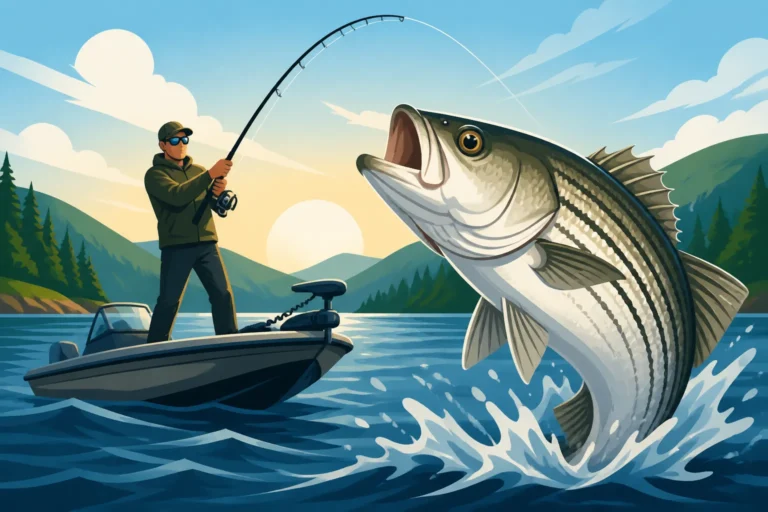
The fight from a saltwater rockfish, especially a large one in the strong currents of the Chesapeake Bay or the open ocean, is often described as more explosive and aggressive. They tend to make incredibly powerful, initial surges, sometimes leaping or thrashing on the surface before diving deep. The combination of their size and the strong tidal currents can make them feel like a freight train, ripping line off the reel at an alarming rate. They also often incorporate powerful head shakes and sudden changes in direction, trying to throw the hook. The saltwater environment and the abundance of larger prey likely contribute to their robust musculature, resulting in a raw, unadulterated power that few other fish can match. It's a fight that demands strong tackle, quick reflexes, and often leaves anglers breathless and exhilarated.
Disclaimer
This article is for general informational purposes only and does not constitute professional advice. Laws, prices and regulations vary by location and change over time. Consult a qualified professional for guidance on your specific situation.