Freshwater Striped Bass vs Saltwater Rockfish: Different Virginia Fishing Rules
It can be incredibly confusing for anglers, especially those new to the Old Dominion, to keep track of all the different fishing regulations. One common point of misunderstanding revolves around striped bass – often called "rockfish" – and the distinct rules that apply depending on whether you're targeting them in freshwater lakes or the vast saltwater expanse of the Chesapeake Bay. This guide is here to untangle that knot, making sure you know exactly what you need to do to stay legal and responsible when chasing these fantastic fish across Virginia's diverse waters.
Understanding the Striped Bass Identity Crisis in Virginia
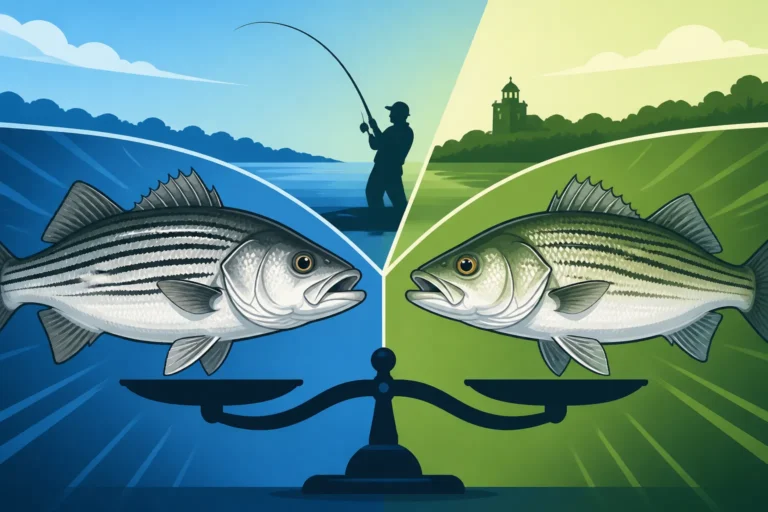
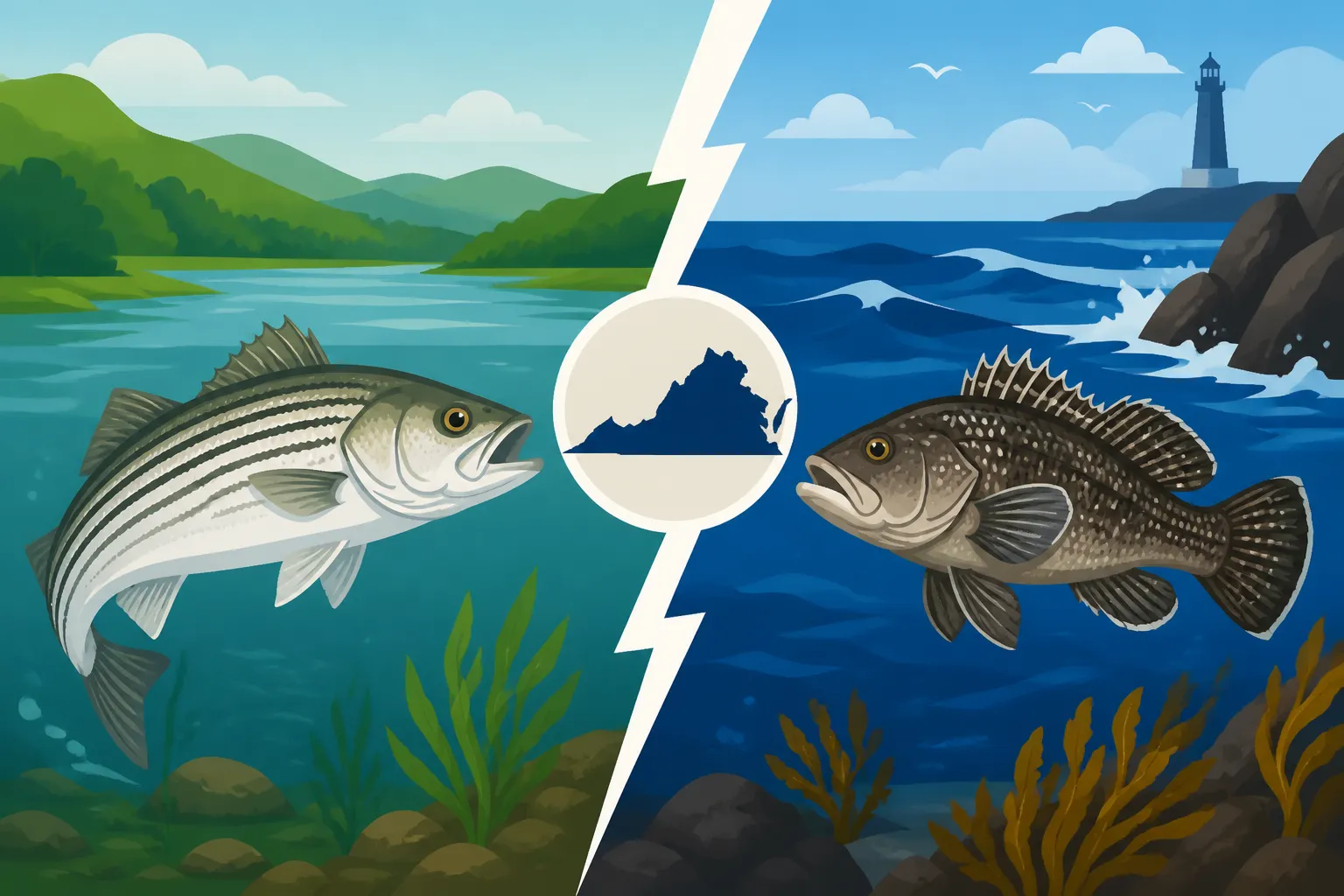
For many folks, a striped bass is just a striped bass, right? Well, not quite, especially when you're talking about Virginia's waters. While they share the same scientific name (Morone saxatilis), the populations that live in landlocked freshwater reservoirs behave and are managed very differently from their saltwater cousins who roam the Chesapeake Bay and the Atlantic Ocean. This distinction is crucial, not just for scientific reasons, but for every angler heading out with a rod and reel. Understanding this fundamental difference is the first step in navigating the complex, yet necessary, web of Virginia's fishing regulations. It's not just about what kind of fish it is, but where that fish calls home.
The "Rockfish" Nickname and Its Origins
You'll hear the term "rockfish" thrown around a lot in Virginia, especially when talking about striped bass in saltwater. This isn't just a quirky local slang; it's deeply ingrained in the culture of Chesapeake Bay and coastal anglers. The nickname likely comes from their tendency to congregate around rocky structures, jetties, and reefs in their saltwater environment, making them a common catch for those fishing these areas. It’s a term that evokes a sense of tradition and familiarity for generations of Virginia fishermen.
However, this popular nickname rarely extends to the freshwater populations. If you're talking to an angler on Smith Mountain Lake, for example, they'll almost certainly refer to them as "stripers" or "freshwater striped bass." This difference in nomenclature isn't just semantics; it reflects the distinct environments and fishing experiences associated with each population. Recognizing that "rockfish" specifically points to the saltwater contingent can help you immediately clue into the type of regulations you might be dealing with. You can delve deeper into this linguistic nuance by reading Why Virginia Anglers Call Striped Bass 'Rockfish'.
Geographic Realities: Where Each Type Thrives
The most significant factor separating these two populations is, quite simply, geography. Freshwater striped bass are found in large inland impoundments, lakes like Smith Mountain Lake, Lake Anna, and Claytor Lake, where they have been introduced and thrive without access to the sea. These populations are self-sustaining in many cases, though some might receive supplemental stocking from the Department of Wildlife Resources (DWR). They are confined to these freshwater bodies, completing their entire life cycle within these man-made ecosystems.
Saltwater rockfish, on the other hand, are anadromous. This means they spend most of their adult lives in saltwater, primarily the Chesapeake Bay and the Atlantic Ocean, but migrate into freshwater rivers and tributaries to spawn. The Chesapeake Bay acts as a critical nursery ground for these fish, making its health vital to the entire East Coast striped bass fishery. Therefore, understanding whether you're fishing in an inland lake or a tidal river/bay system is your first and most important clue to which set of rules applies. The specific water body you’re on dictates everything from license requirements to creel limits.
Freshwater Striped Bass: The Lake Dwellers
Chasing freshwater striped bass in Virginia's big lakes is an experience all its own. These aren't your typical pond fish; they're powerful, hard-fighting predators that offer an incredible challenge and reward. Their presence in these inland waters is a testament to successful fisheries management and stocking efforts over the years, creating thriving populations far from the ocean. Anglers often develop specialized techniques and gear to target these unique fish, recognizing that their habits and regulations differ significantly from their saltwater counterparts.
Key Characteristics and Habitat
Freshwater stripers, while genetically identical to their saltwater brethren, adapt to their landlocked environments. They tend to be strong, streamlined fish, built for chasing baitfish like shad in open water. They are often found in the deeper, cooler sections of large reservoirs, especially during the warmer months, seeking out areas with good oxygen levels and abundant forage. They'll often follow schools of bait, making them a moving target for anglers who rely on sonar and pattern recognition. Their diet in lakes consists primarily of gizzard shad, threadfin shad, and alewives, which influences the types of lures and baits that are most effective.
Unlike saltwater striped bass which are migratory and move with the seasons, freshwater populations establish more defined territories within their lake systems. They still exhibit seasonal movements, moving to shallower coves during cooler periods or following baitfish schools, but their overall range is confined. This means successful freshwater striper fishing often involves learning the specific contours and features of a particular lake, like humps, points, and creek channels, rather than tracking broad coastal migrations.
Virginia's Premier Freshwater Striper Fisheries
Virginia is blessed with several fantastic freshwater striped bass fisheries that draw anglers from all over. Smith Mountain Lake's Elite Virginia Striped Bass Fishery is arguably the most famous, renowned for its strong striper population and the sheer size some of these fish can achieve. Lake Anna is another top contender, offering excellent opportunities for both boat and shore anglers. Further south, Claytor Lake also holds a respectable population, providing diverse fishing experiences. These lakes are managed intensely by the DWR to ensure sustainable fisheries, which includes regular population surveys and, at times, stocking programs to supplement natural reproduction.
Each of these lakes presents its own unique challenges and rewards. Smith Mountain Lake is known for its deep, clear waters and trophy potential, often requiring sophisticated electronics and trolling techniques. Lake Anna, with its warmer waters due to its power plant influence, can offer year-round opportunities and unique striper patterns. Claytor Lake, with its varied depths and structure, provides diverse fishing scenarios. Regardless of which lake you choose, understanding the specific characteristics of that fishery will be key to your success. You can find more specific details in our Smith Mountain Lake Fish Species Guide.
Specific Rules for Freshwater Stripers
When fishing for freshwater striped bass in Virginia, it's absolutely crucial to know the specific regulations, as they can differ significantly from saltwater rules and even vary between lakes. Generally, freshwater striped bass will have their own daily creel limits (the number of fish you can keep per day) and minimum length limits. These are put in place to manage the specific population dynamics of each lake and ensure the long-term health of the fishery. For example, some lakes might have a slot limit, meaning you can only keep fish within a certain size range, protecting both smaller, growing fish and large, spawning adults.
It's also important to remember that a valid Virginia freshwater fishing license is required. This license is separate from a saltwater license, although a combination license is available. Always check the current Virginia DWR regulations before you head out, as these rules can change annually. The DWR website is your best friend for up-to-date information, but you can also find a good overview in our Virginia Fishing Regulations Explained guide. Don't rely on old knowledge or hearsay; what was legal last year or in another state might not be legal this year in Virginia.
Saltwater Striped Bass: The Chesapeake Bay's Icons
The saltwater striped bass, or "rockfish," holds an almost legendary status in Virginia, especially for those who frequent the Chesapeake Bay and its tributaries. These are the fish that drive major charter operations, fuel spirited tournaments, and provide countless hours of excitement for recreational anglers. Their migratory nature and powerful fighting ability make them a highly sought-after species, but their popularity also means they are subject to rigorous management to protect their populations across state lines.
Distinguishing Features and Migratory Habits
Saltwater rockfish are known for their striking appearance: seven or eight prominent dark stripes running horizontally along their silvery bodies. They are built for power and speed, capable of long migrations along the Atlantic coast. The Chesapeake Bay serves as one of the most vital spawning and nursery grounds for striped bass on the entire East Coast. Adult fish migrate from ocean waters into the Bay's freshwater rivers (like the James, York, Rappahannock, and Potomac) each spring to spawn. After spawning, they return to the Bay and then many migrate north along the Atlantic coast for the summer months, eventually returning south in the fall.
This migratory behavior is a key differentiator from their freshwater counterparts. Their movements are highly influenced by water temperature, forage availability, and spawning instincts. Tracking these migrations is a major focus for coastal anglers, often dictating where and when to fish. Understanding the Virginia Striped Bass Split Season Dates Explained is critical to planning your saltwater striper trips, as their presence and catchability are highly seasonal.
The Chesapeake Bay's Role as a Nursery and Fishery
The Chesapeake Bay is more than just a fishing spot; it's a critical ecosystem for the entire East Coast striped bass population. The Bay's vast network of rivers and estuaries provides the perfect conditions for spawning and the development of juvenile striped bass. This makes the health of the Bay paramount to the future of the species, and why federal and state agencies work together to manage the fishery. Protecting these nursery grounds is a continuous effort, reflected in the conservation-oriented regulations that anglers must follow.
As these fish grow, they spend their early years in the Bay, feeding on abundant baitfish. As they mature, they join the larger migratory population, but many will return to the Bay's rivers each year to spawn. This complex life cycle means that the Bay supports both resident and migratory populations, making it a dynamic and ever-changing fishery. Anglers targeting these fish are often tapping into this larger, coast-wide population, which adds another layer of importance to adhering to regulations. You can explore more about these opportunities in the Chesapeake Bay Striped Bass Fishing Guide.
Regulations Governing Saltwater Rockfish
Saltwater striped bass regulations in Virginia are often more complex and subject to change due to their migratory nature and multi-state management. These rules are usually set in coordination with other Atlantic coastal states through the Atlantic States Marine Fisheries Commission (ASMFC) to ensure consistent management of the shared stock. You'll typically find specific seasons, often split into different windows, along with strict size (slot) limits and daily creel limits. These regulations are designed to protect spawning fish, allow younger fish to mature, and manage the overall population.
For instance, Virginia frequently implements a Virginia's Striped Bass Slot Limit: 28 to 31 Inches, meaning you can only keep fish within that specific length range. The daily bag limit is often very restrictive, sometimes as low as Virginia's One-Fish Striped Bass Limit on Charter Trips. A valid Virginia saltwater fishing license, or a combination license, is required to fish for rockfish. Additionally, depending on your fishing location (e.g., federal waters vs. state waters), there might be different rules. Always consult the Virginia Marine Resources Commission (VMRC) for the absolute latest regulations before your trip.
Navigating the Rulebook: Key Differences in Regulations
It's clear by now that you can't treat all striped bass fishing the same in Virginia. The differences between freshwater and saltwater environments lead directly to different management strategies and, therefore, different rules for anglers. Failing to understand these distinctions can not only lead to confusion but also to potential legal trouble. Let's break down the most common regulatory disparities you'll encounter.
Size and Creel Limits: A Tale of Two Bass
This is perhaps the most immediate and impactful difference for anglers. Freshwater striped bass in Virginia's lakes often have different size and creel limits compared to saltwater rockfish in the Bay. For example, a freshwater lake might allow you to keep a certain number of fish, perhaps with a specific minimum length, or even a slot limit that focuses on maintaining the local population structure. These limits are tailored to the specific characteristics of that lake's striper fishery, considering factors like growth rates, natural reproduction, and stocking efforts.
Saltwater rockfish, on the other hand, often face more stringent regulations. Their slot limits are frequently narrower and more precise, like the 28 to 31 inch range, and the daily creel limits tend to be much lower, often just one fish per angler. This is because the saltwater population is managed as a single stock along the entire Atlantic coast, requiring a more cautious approach to ensure its overall health and sustainability. Always check the DWR for freshwater rules and the VMRC for saltwater rules; they are separate entities governing different waters. A general guide to these variations can be found in Virginia's Fishing License and Catch Limit Basics.
Seasonality: When and Where You Can Fish
The timing of fishing seasons is another major point of divergence. Freshwater striped bass in lakes often have much longer, if not year-round, open seasons. While their behavior changes with the seasons, impacting catch rates, the legal opportunity to fish for them is generally consistent. This allows freshwater anglers a wide window to enjoy their sport.
Saltwater rockfish seasons, however, are often highly constrained and may be split into multiple short windows. For instance, you might have an early spring season, a summer closure, and then a fall season. These closures are specifically designed to protect striped bass during critical periods, such as their spawning migration in the spring, or when they are particularly vulnerable to overfishing. This split season approach, common for saltwater rockfish, is a direct response to their migratory patterns and conservation needs. Understanding Virginia Striped Bass Season and Slot Limit Guide is essential for any saltwater angler.
| Feature | Freshwater Striped Bass (Lakes) | Saltwater Striped Bass (Chesapeake Bay/Ocean) |
|---|---|---|
| Typical Habitat | Large inland reservoirs (e.g., Smith Mountain Lake, Lake Anna) | Chesapeake Bay, tidal rivers, Atlantic Ocean |
| Common Name | Striper, Freshwater Striper | Rockfish, Striper |
| Migratory? | No (confined to individual lakes) | Yes (anadromous, coastal migrations) |
| License Type | Virginia Freshwater Fishing License | Virginia Saltwater Fishing License |
| Seasons | Generally longer, often year-round | Often split into shorter, specific windows |
| Creel Limits | Varies by lake, typically 2-4 fish/day | Often 1 fish/day (e.g., 28-31 inches) |
| Slot Limits | May have minimum size, or specific slots by lake | Common (e.g., 28-31 inches), varies by season |
| Primary Agency | VA Department of Wildlife Resources (DWR) | VA Marine Resources Commission (VMRC) |
| Conservation Focus | Lake-specific population management | Regional/coast-wide stock management |
License Requirements: Don't Get Caught Off Guard
This is where many anglers, particularly those who fish both types of water, can get tripped up. In Virginia, you generally need a separate license for freshwater and saltwater fishing. A standard Virginia Resident Freshwater Fishing License Cost covers your inland lake fishing, while a Virginia Resident Saltwater Fishing License Cost is required for the Bay and coastal waters. If you plan to enjoy both, a combination license is often the most convenient and cost-effective option, saving you the hassle of juggling two separate documents. Virginia Fishing License Costs and Types Explained goes into great detail about the various options.
It's not just about buying the right license, but also understanding where it applies. For instance, if you're fishing a tidal river that's technically freshwater but flows into the Chesapeake Bay, you might need a saltwater license or a combination. The delineation can sometimes be tricky, so it’s always best to err on the side of caution and check the specific regulations for the body of water you intend to fish. A quick search on the DWR or VMRC websites, or even a call to a local bait shop, can clear up any confusion before you cast your line.
Why These Differences Matter for Anglers
Understanding the distinct rules for freshwater versus saltwater striped bass isn't just about avoiding a ticket; it's about being a responsible, ethical angler and contributing to the health of these incredible fisheries for future generations. The regulations are designed with specific biological and ecological goals in mind, and every angler plays a part in their success. Ignoring these differences has broader implications than just a bad day on the water.
Conservation Efforts and Population Health
The separate regulations are a direct reflection of distinct conservation strategies. Freshwater striped bass populations are managed as self-contained units within their respective lakes. The DWR focuses on maintaining healthy populations within these specific ecosystems, often involving habitat enhancement, forage management, and strategic stocking. The rules are designed to prevent overfishing within that particular lake and ensure a stable population for local anglers. You can learn more about how fees support these efforts in How Fishing License Fees Support Wildlife Conservation in Virginia.
Saltwater rockfish, however, are part of a much larger, interconnected migratory stock. Their management involves multi-state and federal cooperation, as fish move across different jurisdictions. The regulations, particularly the often-restrictive slot and creel limits, are put in place to protect the overall East Coast population, ensuring enough fish survive to spawn and that the stock remains healthy across its vast range. Every fish legally harvested in the Bay or ocean directly impacts the broader health of this shared resource. Anglers are often encouraged to practice catch and release, particularly for larger, more fecund females, to aid in these conservation efforts.
Avoiding Fines and Ensuring a Legal Catch
Let's be blunt: getting caught breaking fishing regulations can be a real headache and an unnecessary expense. Fines for fishing without the correct license, exceeding bag limits, or keeping undersized or oversized fish can be substantial. Beyond the monetary cost, there's the inconvenience, the potential confiscation of your catch, and the knowledge that you've unintentionally harmed the resource. The game wardens in Virginia, whether DWR or VMRC, are well-versed in these distinctions and are out on the water to ensure compliance.
Imagine you're out on the Chesapeake Bay, having a great day, and you catch a beautiful striped bass, thinking the lake rules apply. A quick check by a VMRC officer and suddenly your exciting catch turns into a citation because the slot limit or season was different. That's a frustration no one wants. Investing a little time upfront to understand the specific rules for the water you're fishing will save you a lot of grief and ensure your fishing trip is nothing but enjoyable. Reading Penalties for Fishing Without a License in Virginia can give you a clear picture of the consequences of non-compliance.
Practical Tips for Anglers
Navigating the complexities of Virginia's striped bass regulations might seem daunting at first, but with a little preparation and the right mindset, it's completely manageable. Being a successful and responsible angler means doing your homework before you ever leave the house. Here are some actionable tips to help you keep everything straight and maximize your time on the water.
Research Before You Cast
Before you even load your boat or pack your tackle box, make a quick stop at the Virginia Department of Wildlife Resources (DWR) and Virginia Marine Resources Commission (VMRC) websites. These are your official sources for all current regulations. Don't rely solely on what a buddy told you last year, or a quick Google search that might pull up outdated info. Regulations can change, and they often do, sometimes annually. Look specifically for the body of water you'll be fishing and the species you're targeting. For example, if you're hitting Freshwater Striped Bass Fishing at Smith Mountain Lake, look up Smith Mountain Lake's specific rules.
Many anglers find it helpful to download and print the most current regulations summary to keep with their fishing gear, or even save the PDF to their phone for quick reference. Local bait and tackle shops are also invaluable resources; the folks who work there are usually passionate anglers themselves and are up-to-date on local rules and conditions. They can often clarify confusing points and even recommend the best baits and techniques for the current season. A quick browse for fishing information on platforms like Amazon can also turn up helpful guides or rulebooks that simplify understanding these regulations.
Gear Considerations for Both Environments
While a good fishing rod is a good fishing rod, there are some practical gear considerations that differ between freshwater and saltwater striped bass fishing. Saltwater environments are much harsher on equipment due to corrosion from salt, so reels and other metal components need to be specifically rated for saltwater use to ensure longevity. You might also find yourself needing heavier tackle for bigger, stronger saltwater rockfish, especially if you're targeting them in strong currents or deeper ocean waters.
For freshwater stripers, especially in large lakes, light to medium-heavy tackle is often sufficient. Consider having a variety of lures and baits that mimic common freshwater forage like shad. Trolling gear with downriggers or planer boards is popular on lakes like Smith Mountain Lake for covering vast areas and finding suspended fish. For saltwater, your tackle might lean towards heavier jigging spoons, larger topwater plugs, or live bait rigs, depending on the season and where the fish are holding. Again, local tackle shops are excellent places to get advice on the appropriate gear. You might even find specialized gear and tackle for either freshwater or saltwater striper fishing available on Amazon, ready to be delivered right to your door.
Remember, the goal is to enjoy your time on the water while respecting the fish and the regulations that protect them. By understanding the key differences between freshwater and saltwater striped bass, and by doing a little homework, you'll be well on your way to a successful and legal fishing adventure in Virginia!
Disclaimer
This article is for general informational purposes only and does not constitute professional advice. Laws, prices and regulations vary by location and change over time. Consult a qualified professional for guidance on your specific situation.