Where to Find Walleye in Virginia Lakes
It can be incredibly frustrating to hear whispers of a great fishing opportunity, like the chance to catch walleye in Virginia, only to realize that pinpointing where to actually find them is like searching for a needle in a haystack. Many anglers associate Virginia primarily with bass, stripers, or even saltwater species, often overlooking the elusive walleye. This guide is here to cut through the confusion and give you a detailed breakdown of the prime locations in Virginia where you can target these delicious, hard-fighting fish, along with insights into their preferred habitats and seasonal movements.
Understanding Walleye Habits in Virginia Waters
Walleye aren't quite as prevalent across Virginia as some other game fish, and they certainly don't behave like your typical largemouth bass, which can be found in nearly every farm pond. These fish prefer specific conditions, often requiring clear, cool water with rocky bottoms and a good supply of forage fish. Because Virginia sits on the southern edge of the walleye's natural range, successful fishing often comes down to knowing the specific lakes where they thrive, usually due to active stocking programs and suitable environmental factors.
Preferred Habitats and Structures
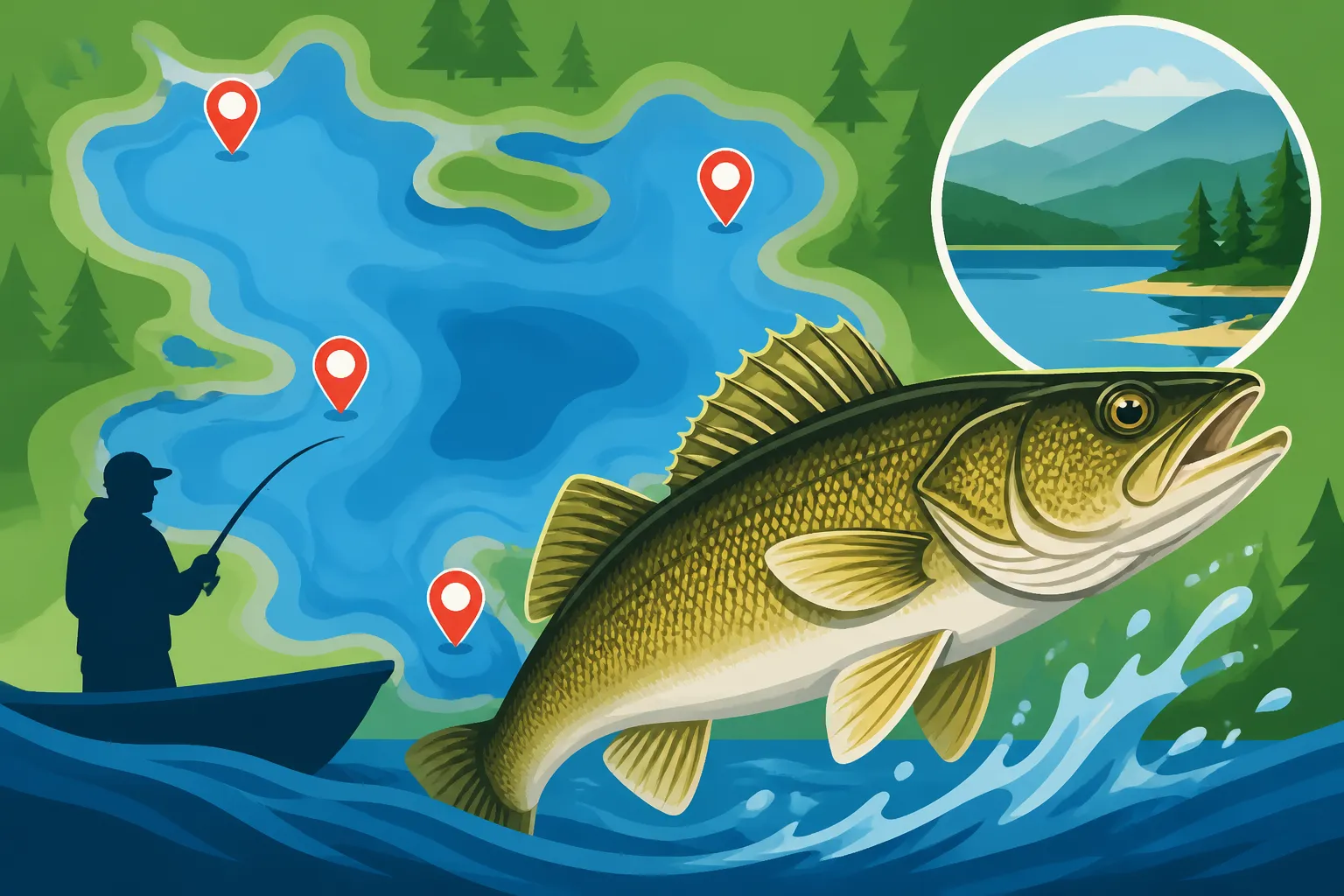
When you're out on the water, whether from a boat or the bank, you need to think like a walleye. They are highly structure-oriented and light-sensitive, which means they're usually found deeper during the day, or hugging cover that provides shade. Look for deep points, submerged humps, rocky ledges, and transition areas where hard bottoms meet softer mud or sand. These spots offer both cover from light and ambush points for baitfish. Rivers with clear, flowing water and rocky stretches can also hold walleye, particularly in deeper pools or behind current breaks. Don't overlook submerged timber or brush piles in certain lakes, as these can also provide excellent hiding spots. Remember, walleye are masters of camouflage, blending seamlessly with their surroundings, so a keen eye on your sonar or a good understanding of underwater topography is crucial.
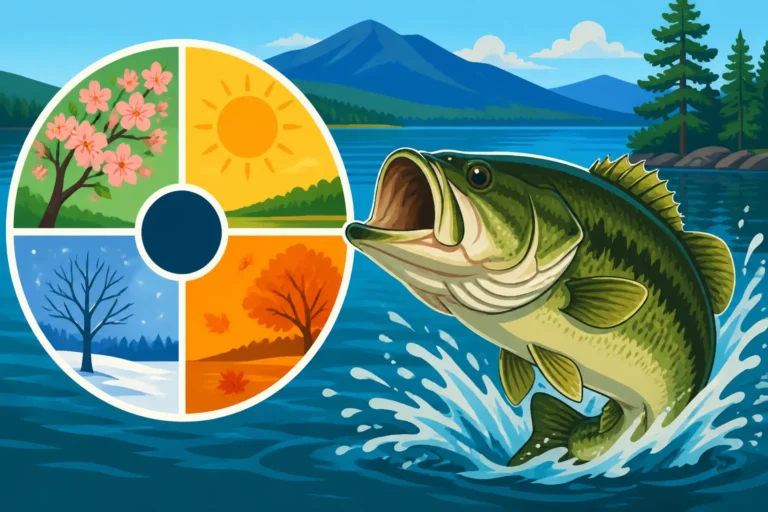
Seasonal Movements and Feeding Patterns
Like most fish, walleye movements are heavily influenced by water temperature and their spawning cycle. In early spring, as ice thaws and water temperatures begin to rise, walleye will move into shallower areas, often river mouths or rocky shoals, to spawn. This can be a fantastic time to target them, especially at dawn or dusk, or even after dark when they are most active. As spring progresses and waters warm further, they'll often retreat to deeper, cooler sections of the lake during the day, moving shallower again to feed during low-light conditions.
Summer presents a challenge, as walleye tend to go deep to find cooler, more oxygenated water. This is when your electronics really come into play, helping you locate thermoclines and deep-water structures. Fall sees them becoming more active again as water temperatures drop, often feeding aggressively in preparation for winter. During winter, they can still be caught, usually deep and often lethargic, requiring a slow, methodical approach. Understanding these patterns is key to consistently finding walleye, no matter the time of year. For more on how the seasons affect fishing, check out Virginia Fishing Seasons Explained.
Claytor Lake: Virginia's Walleye Hotspot
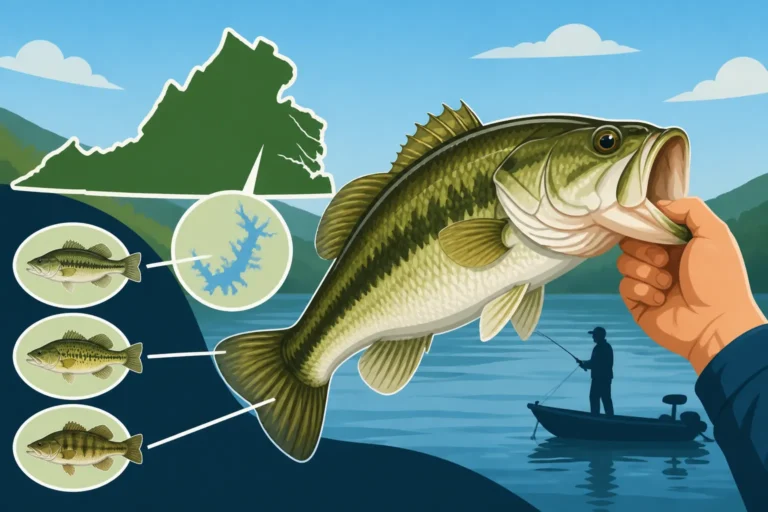
If you ask any seasoned Virginia angler about walleye, Claytor Lake in Southwest Virginia will almost certainly be the first name out of their mouth. It's truly a gem for walleye enthusiasts, boasting a robust population that provides excellent fishing opportunities year-round. This large, deep reservoir on the New River is perhaps Virginia's premier destination for targeting these toothy predators.
Why Claytor Lake Excels for Walleye
Claytor Lake just has that perfect recipe for walleye. First, its deep, clear, and relatively cool waters mimic the conditions walleye prefer, especially during the warmer months. The lake's vast size, spanning over 4,500 acres with 100 miles of shoreline, offers an incredible array of diverse habitats, from sheer rock walls to sloping points and submerged timber. The New River, which feeds the lake, also provides a consistent flow of fresh, oxygenated water. The Department of Wildlife Resources (DWR) has also made significant efforts to maintain and enhance the walleye population through stocking, ensuring a healthy and thriving fishery. The abundance of forage fish, like gizzard shad and alewife, gives the walleye a plentiful food source, contributing to their impressive size and fighting spirit. You'll find a mixed bag of species here, so be sure to check out Claytor Lake's Diverse Virginia Fish Species Guide for more on what else you might encounter.
Top Walleye Fishing Spots on Claytor Lake
Within Claytor Lake, certain areas consistently produce better walleye catches. The deeper sections of the main lake channel, especially around submerged humps and ledges, are prime territories. Near the dam, where the water is deepest, walleye will often congregate. Target areas where the New River flows into the lake, as the current and structure can create ideal ambush points. Points and coves with rocky bottoms, particularly those that drop off quickly into deeper water, are also excellent choices.
Some specific areas to explore include the waters near the Interstate 81 bridge, where deep structure and current eddies can hold fish. The mouths of major creek arms that feed into the lake often have good forage and depth transitions. Don't be afraid to use your sonar to locate schools of baitfish, as walleye are rarely far behind. Look for contour lines on your map that indicate significant depth changes, as these are often highways for walleye moving between shallow feeding grounds and deep sanctuary. For a more detailed look, you can often find maps on Amazon that highlight specific underwater structures and depth contours, which are invaluable for planning your trip.
Effective Techniques for Claytor Lake Walleye
Fishing for walleye on Claytor Lake requires patience and a versatile approach. Trolling with crankbaits or spinner rigs is a highly effective method, especially for covering large areas and finding active fish. For crankbaits, choose models that dive to the depths where you're marking fish or structure. Colors that imitate shad or perch are often winners. Jigging with bucktail jigs or blade baits can be very productive when you've located a school of fish on structure. Live bait, particularly shiners or nightcrawlers, presented on a slip sinker rig or a lindy rig, is often irresistible to walleye. In colder months or when fish are lethargic, a slow presentation is key. Many anglers find success by focusing on low-light hours – early mornings, late evenings, and even night fishing can be incredibly rewarding, as walleye's large, light-sensitive eyes give them a distinct advantage in the dark. For information on other species in the lake, you can check out Claytor Lake's Walleye Population and learn about other species that share this habitat.
Other Potential Walleye Waters in Virginia
While Claytor Lake stands out, it's not the only place you might encounter walleye in Virginia. Other waters occasionally yield catches, often in areas where they've been stocked historically or where river systems provide suitable habitat. These might not offer the same consistent action as Claytor, but they can surprise you if you're willing to put in the time.
South Holston Lake
Bordering Virginia and Tennessee, South Holston Lake is another deep, clear reservoir that occasionally gives up walleye. While it's more widely known for its excellent smallmouth bass and striped bass fishing, a dedicated angler might find success targeting walleye here, particularly in the deeper, rockier sections. Like Claytor, its cool, oxygenated waters provide suitable habitat, and some stocking efforts have been made over the years. Focusing on deep points, ledges, and river channels, particularly during cooler months or low-light conditions, will increase your chances. Look for areas with good forage bases, and consider using a similar array of trolling and jigging techniques that prove effective on Claytor. For more on the lake's fishing potential, read South Holston Lake Fishing Guide.
The New River (Above Claytor Lake)
The New River itself, especially the stretches above Claytor Lake, can also hold pockets of walleye. This ancient river system has a diverse fishery, and while smallmouth bass are the dominant game fish, walleye can sometimes be found in deeper pools, current breaks, and rocky eddies. Fishing the New River requires a different approach than lake fishing, often involving wading or float trips in smaller craft. Look for areas where the river widens and deepens, providing slower currents and more significant cover. Using jigs, crankbaits, or live minnows in these deeper pockets can sometimes entice a bite. Patience is key when targeting walleye in river environments, as they can be more scattered than in a reservoir.
Other Stocked Waters and River Systems
Historically, walleye have been stocked in a few other Virginia lakes, though often with varying levels of success and consistency compared to Claytor. These might include parts of the Shenandoah River system or certain impoundments. However, reliable information on active, thriving walleye populations outside of Claytor is generally sparse. The DWR occasionally conducts experimental stockings or maintains small populations in specific areas. Your best bet for these less-known spots is to consult the most recent Virginia DWR stocking reports or local tackle shops in the region you plan to fish. Sometimes, a well-placed question to a local expert at a bait and tackle shop, which you can often find via online searches or even reviews on Amazon for local fishing gear, can reveal a hidden gem or provide up-to-date intel on recent walleye activity in smaller, lesser-known waters.
| Lake/River System | Primary Walleye Potential | Key Habitat Features | Best Time to Fish | Common Techniques |
|---|---|---|---|---|
| Claytor Lake | Excellent | Deep, clear water, rocky points, submerged humps, channel | Spring, Fall, Night | Trolling, Jigging, Live Bait |
| South Holston Lake | Moderate | Deep sections, rock ledges, channel | Spring, Fall | Trolling, Jigging |
| New River (Upper) | Low-Moderate | Deep pools, current breaks, rocky eddies | Spring, Fall | Jigs, Crankbaits, Live Minnows |
Essential Gear for Virginia Walleye Fishing
Having the right tackle can make a significant difference in your success when targeting walleye. They have delicate bites and sharp teeth, so your gear needs to be up to the task. Don't skimp on quality, especially for your line and hooks.
Rods, Reels, and Line
For walleye, a medium-light to medium-action spinning rod, about 6'6" to 7' long, is a versatile choice. This length provides good casting distance and enough backbone to handle a fighting walleye, yet still offers the sensitivity needed to detect those subtle bites. Pair it with a quality spinning reel in the 2000-3000 size range. For line, 8-10 pound test monofilament or fluorocarbon is a good all-around choice. If you prefer braided line for its sensitivity and strength, use 10-15 pound test and always add a fluorocarbon leader (6-8 pound test) to make your presentation less visible and more abrasion resistant, especially around those rocky walleye haunts. You can easily find high-quality braided line and fluorocarbon leaders on Amazon, ensuring you're ready for any walleye encounter.
Lures and Baits
Walleye are opportunistic feeders, but certain baits and lures consistently outperform others. As mentioned, live bait is often king. Shiners, nightcrawlers, and leeches are excellent choices, usually presented on a simple slip-sinker rig or a Walleye-specific rig. For artificials, crankbaits that dive to different depths are essential, especially for trolling. Shad-imitating colors are always a good starting point. Jigs, from light finesse jigs to heavier bucktail jigs, tipped with a soft plastic or live bait, are also highly effective, particularly when vertically jigging over structure. Blade baits and lipless crankbaits can also be very productive, especially when fish are suspended. Having a good variety of these in your tackle box will prepare you for different conditions and moods of the walleye.
Electronics and Accessories
A good quality fish finder or sonar unit is arguably one of the most important pieces of equipment for walleye fishing, especially on a large lake like Claytor. Walleye are often found relating to specific deep structures, and your electronics will help you locate these, as well as mark schools of baitfish and even individual walleye. Look for units with side-imaging or down-imaging capabilities for even greater detail. A good pair of polarized sunglasses will help you spot shallow structure and fish during daylight hours, reducing glare. Don't forget a landing net with a fine mesh, as walleye can be quite lively at the boat, and their sharp dorsal fins can be tricky to handle. A good headlamp or spotlight is crucial for night fishing, allowing you to see what you're doing without spooking fish. For additional reading on finding fish with electronics, or even securing some of this gear, explore options online.
Considerations for Your Walleye Fishing Trip
Planning a successful walleye fishing trip in Virginia involves more than just knowing where to go. You'll need to consider legal requirements, respect for the environment, and basic safety practices to ensure a fun and responsible outing.
Fishing Licenses and Regulations
Always, always check the current Virginia fishing regulations before heading out. This is non-negotiable. You'll need a valid Virginia fishing license, and depending on whether you're fishing freshwater or saltwater (Claytor Lake is freshwater, but Virginia has both), you'll need the appropriate endorsement. There are specific size and creel limits for walleye, and these can change, so stay informed. The Virginia Department of Wildlife Resources (DWR) website is your go-to source for the most up-to-date information. Ignoring these rules can lead to significant penalties. For a detailed overview, check out Virginia Fishing Regulations Explained or Virginia Fishing License Guide.
Best Practices and Conservation
Catch and release is a great practice, especially for larger breeding fish, to help sustain the walleye population. If you do plan to keep fish, handle them carefully and only keep what you plan to eat within the legal limits. Proper handling minimizes stress on released fish. Be mindful of your impact on the environment; always pack out what you pack in, and avoid disturbing spawning areas. Supporting local conservation efforts, often funded by fishing license fees, helps ensure these fisheries remain vibrant for future generations. Knowing How Fishing License Fees Support Wildlife Conservation in Virginia might make the cost feel a little better!
Safety on the Water
Safety should always be your top priority. If boating, ensure you have all required safety gear, including life jackets for everyone on board. Check weather conditions before you go and be prepared for sudden changes. Tell someone your float plan – where you're going and when you expect to return. If wading, always wear appropriate footwear and be aware of current conditions and slippery rocks. Night fishing, while productive for walleye, requires extra caution due to reduced visibility. Carry a first-aid kit, a fully charged phone, and enough water and snacks, especially on longer trips. A little preparation goes a long way in preventing an emergency and ensures you can focus on the thrill of the catch.
Disclaimer
This article is for general informational purposes only and does not constitute professional advice. Laws, prices and regulations vary by location and change over time. Consult a qualified professional for guidance on your specific situation.