Virginia Walleye Fishing Tips for Beginners
Let's be honest, walleye fishing in Virginia can feel like trying to find a needle in a haystack for beginners. These elusive fish are known for their finicky nature and their preference for specific, often deeper, habitats, which can be super frustrating when you're just starting out and want to feel that rewarding tug on the line. But don't despair! This comprehensive guide is designed to demystify walleye fishing in the Commonwealth, giving you the practical tips and knowledge you need to start reeling in these delicious, sought-after fish.
Understanding Virginia's Walleye Waters
Virginia might not be the first state that comes to mind when you think of walleye, but we do have some fantastic fisheries if you know where to look and what these fish prefer. They're not going to be lurking in every pond or shallow creek, and that's often the first hurdle for a new angler.
Where to Find Walleye in Virginia
When it comes to walleye in Virginia, one name almost always comes up first: Claytor Lake. It's truly our flagship walleye fishery, and for good reason. The lake's deep, clear waters, abundant forage, and varied structure create an ideal environment for these cool-water predators to thrive. Anglers targeting walleye here will often find them around humps, points, submerged islands, and deep creek channels. Don't be afraid to study a map of Claytor Lake before you go; identifying these key features can save you hours of aimless searching. Beyond Claytor Lake's Walleye Population: What Anglers Should Know, you might also find walleye in other large impoundments like Lake Gaston, though typically in smaller numbers. Some rivers, particularly those with cooler, clearer water and good rocky bottoms, can also hold populations, but these are often more challenging to access and fish effectively for a beginner.
What makes these spots so appealing to walleye? It's all about their preferences. Walleye are light-sensitive fish, which is why they often hang out in deeper water during the day or feed more actively during low-light conditions like dawn, dusk, or even at night. They love structure – rocks, ledges, submerged timber, or even man-made structures like bridge pilings. This structure provides ambush points for them to surprise their prey, and it offers refuge from bright sunlight. So, when you're scouting a new spot, think about those deeper, structured areas with clear water. It might feel like you're fishing for ghosts at first, but patience and persistence pay off!
Key Environmental Factors for Walleye Success
Understanding how environmental factors influence walleye behavior is like having a secret weapon in your tackle box. It helps you anticipate where they might be and what they might be doing. The water temperature, for example, is a huge one. Walleye are cool-water fish, generally preferring temperatures between 60 and 70 degrees Fahrenheit. During the colder months, they'll often retreat to deeper, more stable temperatures. As the water warms in spring, they'll move shallower to spawn, and then head back to deeper, cooler sanctuaries during the heat of summer. Knowing the general water temperature of your chosen lake or river can give you a massive advantage in narrowing down their depth range.
Time of day and season are also critical. Many veteran walleye anglers swear by low-light conditions. Dawn and dusk are often prime feeding windows when walleye move shallower to hunt. Night fishing can also be incredibly productive, especially in clear lakes where the fish are extra wary during the day. As for seasons, spring is excellent as fish move to spawn, making them more predictable. Fall is another fantastic time, as walleye aggressively feed to bulk up for winter. Even winter can be good through the ice in suitable lakes, but that's a whole different ballgame for beginners! Finally, pay attention to the weather. Overcast days can extend the walleye's feeding window, making them more active throughout the day, whereas bright, sunny conditions will typically push them deeper. After a strong cold front, they might become lethargic and less willing to bite, so you might need to slow down your presentation considerably.
Essential Gear and Bait for Beginner Walleye Anglers
Don't let the sheer volume of fishing gear out there intimidate you. For walleye, you can start with a fairly basic setup and expand as you gain experience. The key is to have tackle that offers sensitivity and versatility.
Rods, Reels, and Line for Walleye
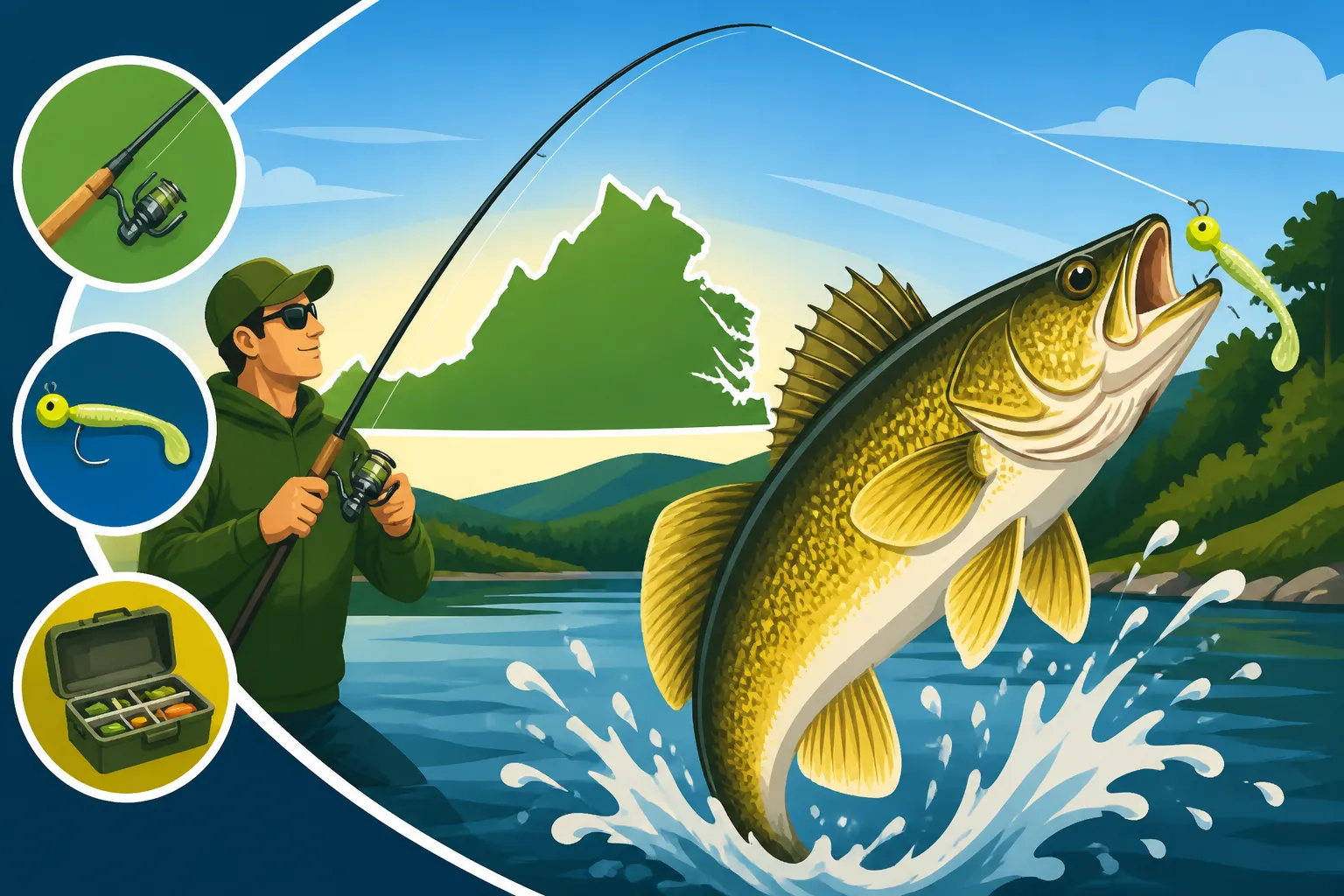
For beginner walleye anglers, a medium-light to medium power spinning rod, around 6 to 7 feet in length, is a fantastic starting point. This provides enough backbone to handle a good-sized walleye but still offers the sensitivity needed to detect those subtle bites. Pair it with a reliable spinning reel in the 2000 to 3000 size range, and you'll have a balanced setup that's easy to cast and retrieve. You don't need the most expensive gear on the market; a decent quality combo that feels comfortable in your hands will do the trick. If you're looking for recommendations, many reputable brands offer entry-level combos that perform really well. You can often find great deals and a wide selection on platforms like Amazon, making it easy to get started without breaking the bank.
When it comes to line, you have a few good options. Monofilament line, in the 6-10 pound test range, is a classic choice. It's affordable, easy to tie knots with, and has some stretch, which can be forgiving for beginners. Fluorocarbon line (often used as a leader) is nearly invisible underwater and very abrasion-resistant, making it great for clear waters or fishing around rocky structure. Braided line (10-20 pound test) offers incredible sensitivity and strength with almost no stretch, which is excellent for detecting faint bites in deeper water. Many experienced anglers use braided main line with a fluorocarbon leader. For a beginner, starting with 8 lb monofilament is perfectly fine, and you can always experiment with fluorocarbon leaders later. Remember, a lighter line generally allows for more natural bait presentation and is less visible to wary walleye.
Top Baits and Lures for Virginia Walleye
Walleye can be picky eaters, but there are a few tried-and-true baits and lures that consistently produce. For live bait, you can't go wrong with minnows (shiners or fatheads), nightcrawlers, or leeches. Minnows are excellent, especially when fished on a jig head or under a bobber. Nightcrawlers are incredibly versatile; you can fish them on a simple hook, a crawler harness, or threaded onto a jig. Leeches, though less common in some areas, are a walleye delicacy when available. These natural offerings are hard for walleye to resist, and they often entice bites when artificial lures fail. You can typically find these at local bait shops near Virginia's Best Freshwater Fishing Destinations.
When it comes to artificial lures, jigs are probably the most versatile and effective for walleye. Jig heads ranging from 1/8 to 1/2 ounce, tipped with soft plastics (grubs, paddle tails, minnow imitations), work wonders. Popular colors include chartreuse, white, orange, and natural baitfish patterns. Crankbaits are fantastic for covering water, especially when trolling. Look for models that dive to the depth where you expect the walleye to be. Spinner rigs, often adorned with a blade and beads, are also deadly, particularly when tipped with a half nightcrawler. A good selection of these can be found on Amazon, allowing you to compare different brands and styles easily. Don't be afraid to experiment with both live bait and artificial lures on your trips; walleye often have a preference on any given day.
| Bait/Lure Type | Best Use Cases | Pros | Cons |
|---|---|---|---|
| Live Minnows | Still fishing, under a bobber, jigging | Natural scent & action, highly effective | Requires live bait storage, can be fragile |
| Nightcrawlers | Bottom bouncing, spinner rigs, jigging, slip bobbers | Widely available, versatile, strong scent | Can be stolen easily by smaller fish |
| Jigs (Soft Plastic) | Vertical jigging, casting & retrieving over structure | Versatile, great feel for bites, cost-effective | Requires active presentation, color/size selection is key |
| Crankbaits | Trolling, covering large areas, targeting specific depths | Covers water quickly, mimic baitfish, good for active fish | Can be expensive, depth tuning can be tricky |
| Spinner Rigs | Trolling, slow retrieves, often with live bait | Good flash & vibration, excellent for enticing bites | Can tangle, requires specific speed to be effective |
Beginner-Friendly Walleye Fishing Techniques in Virginia
Getting a bite from a walleye can sometimes feel like a phantom touch – they're not always aggressive biters. Developing a feel for their subtle strikes is part of the learning curve, but these techniques will set you on the right path.
Jigging for Walleye: A Versatile Approach
Jigging is arguably one of the most effective and widely used techniques for walleye fishing, and it's something a beginner can pick up relatively quickly. There are two main approaches: vertical jigging and casting/retrieving.
Vertical Jigging: This is ideal when you've located a concentration of fish on your fish finder, or you're over a specific piece of structure. You simply drop your jig straight down to the bottom, then lift it a foot or so, letting it fall back down. The key is to control that fall, allowing the jig to flutter naturally. Walleye often hit on the fall, so pay close attention! Sometimes, a subtle lift-and-drop is all it takes; other times, a more aggressive snap-jigging motion will trigger a strike. The subtle tap or added weight you feel when a walleye bites can be incredibly faint, especially in deeper water. This is where a sensitive rod and braided line really shine. Practice makes perfect here – the more you do it, the better you'll become at distinguishing a fish bite from snagging a rock. If you are fishing from a boat, anchoring upcurrent from a promising spot on Claytor Lake Fishing Spots and Tips and letting your jig drift over it can be very effective.
Casting and Retrieving: This method is excellent for covering more water, especially if you suspect walleye are scattered or holding around points and drop-offs. Cast your jig out, let it sink to the bottom (or just above it), and then retrieve it with a series of short hops and pauses. Think of it like a slow, deliberate dance. Again, most bites will occur as the jig falls. Experiment with different retrieve speeds and jigging actions until you find what the fish prefer on that particular day. If you're fishing from the bank, casting a jig out and working it back slowly, especially around rocky areas or submerged timber, can yield results.
Trolling with Crankbaits and Spinner Rigs
Trolling is another extremely effective way to catch walleye, particularly when you're trying to locate fish over a larger area or when they're holding in open water. It involves dragging lures behind a moving boat, and it allows you to present baits at a consistent depth and speed. This can be less "hands-on" than jigging, making it a good option for beginners who want to cover ground.
Crankbait Trolling: Select crankbaits that are designed to dive to the depth where you believe the walleye are feeding. The packaging on most crankbaits will give you an estimated diving depth. You'll want to troll slowly, typically between 1 to 2.5 miles per hour, adjusting your speed until the lures are running true and you're getting bites. Having a couple of rods out at different depths with different crankbait colors can help you figure out the pattern more quickly. Pay attention to your line; a subtle quiver might indicate a weed, but a sudden jerk or bend in the rod often means a walleye. If you find yourself needing a new selection of crankbaits, or just want to explore different diving depths and colors, checking out options on Amazon can give you a great overview of what's available for walleye.
Spinner Rig Trolling: Spinner rigs, often called "crawler harnesses," are another fantastic trolling option, especially when tipped with a live nightcrawler. The spinner blade creates flash and vibration, attracting walleye, while the nightcrawler provides natural scent and action. These rigs are typically trolled slower than crankbaits, sometimes as slow as 0.5 to 1.5 mph. You'll need some weight to get them down to the desired depth, such as a bottom bouncer or an in-line sinker. The beauty of spinner rigs is their simplicity and effectiveness, making them very beginner-friendly. Don't forget that a Virginia Fishing License Guide is essential before you even think about putting lines in the water.
Bank Fishing vs. Boat Fishing Considerations
For many beginners, bank fishing is the most accessible way to start. While it's certainly possible to catch walleye from the bank, it generally presents a greater challenge because you're limited to specific depths and structures close to shore. Focus on areas with deep water access, rocky shorelines, or points that extend into the lake. Casting jigs, crankbaits, or even a slip bobber rig with live bait can work. Patience is your best friend when bank fishing for walleye.
Boat fishing, however, truly opens up the walleye world. A boat provides the mobility to access those offshore humps, deep channels, and vast flats where walleye often congregate. Crucially, a boat allows you to use electronics like a fish finder to actually see the fish and the underwater structure. This technology can significantly shorten your learning curve, as it helps you identify promising spots much faster than guessing. Even a basic portable fish finder available on Amazon can be a game-changer for new boat anglers, allowing you to scan depths and identify potential walleye hangouts. Whether you're in a fancy bass boat or a simple jon boat, the ability to cover water and fish diverse depths dramatically increases your chances of success.
Navigating Walleye Regulations and Conservation in Virginia
Before you even make your first cast, it's absolutely crucial to understand the rules. Fishing regulations are in place to protect fish populations and ensure healthy fisheries for everyone, and ignorance of the law is never an excuse.
Understanding Catch Limits and Size Restrictions
Virginia, like all states, has specific regulations for walleye, which can include minimum size limits and daily creel limits (how many fish you can keep per day). These rules can also vary by specific body of water. For instance, the regulations on Virginia Fishing Regulations Explained for Claytor Lake might be different from general statewide regulations or those in a less prominent walleye fishery. It's your responsibility as an angler to check the most current regulations for the specific lake or river you plan to fish before each trip. The Virginia Department of Wildlife Resources (DWR) website is your go-to source for this information. Penalties for not adhering to these rules can range from fines to confiscation of gear, so it's not something to take lightly. Always double-check, and if you're ever unsure, err on the side of caution. Knowing the rules isn't just about avoiding trouble; it's about being a responsible steward of our natural resources.
It's important to remember that these limits are set based on biological studies to ensure the long-term health of the walleye population. Some regulations might include slot limits, meaning you can only keep fish within a certain size range, releasing those that are too small or too large. This is often done to protect prime breeding stock. Always have a measuring device handy, and know how to accurately measure your fish (usually from the tip of the snout to the tip of the tail with the tail compressed). This attention to detail is a hallmark of an ethical angler.
Practicing Responsible Walleye Angling
Beyond just following the rules, truly responsible angling involves a commitment to conservation. Walleye are a valuable sport fish, and we want to ensure future generations can enjoy catching them.
Catch and Release Best Practices: For any fish you plan to release, minimizing stress and handling time is key. Use appropriate tackle to land the fish efficiently, avoid touching the fish with dry hands (it can remove their protective slime coat), and use a hook remover or pliers to quickly extract the hook. If the fish is deeply hooked, it's often best to cut the line as close to the hook as possible rather than trying to dig it out, which can cause more damage. Larger walleye, especially mature females, are often the most valuable for spawning, so consider releasing them to reproduce and grow even bigger. Learning Catch and Release Best Practices for Fish can make a huge difference in fish survival rates.
Protecting the Fishery: This extends to more than just individual fish. It means not littering, disposing of old fishing line properly (it's a hazard to wildlife), and being mindful of your impact on the environment. Understanding How Fishing License Fees Support Wildlife Conservation in Virginia also highlights the bigger picture; your license purchase directly contributes to managing and enhancing fisheries, including walleye programs. Finally, if you do decide to keep some walleye (within legal limits, of course!), they are absolutely delicious. They have a mild, flaky white meat that's excellent fried, baked, or broiled. Enjoying your catch is part of the experience, but always do so responsibly.
Disclaimer
This article is for general informational purposes only and does not constitute professional advice. Laws, prices and regulations vary by location and change over time. Consult a qualified professional for guidance on your specific situation.