Is Crappie Good to Eat?
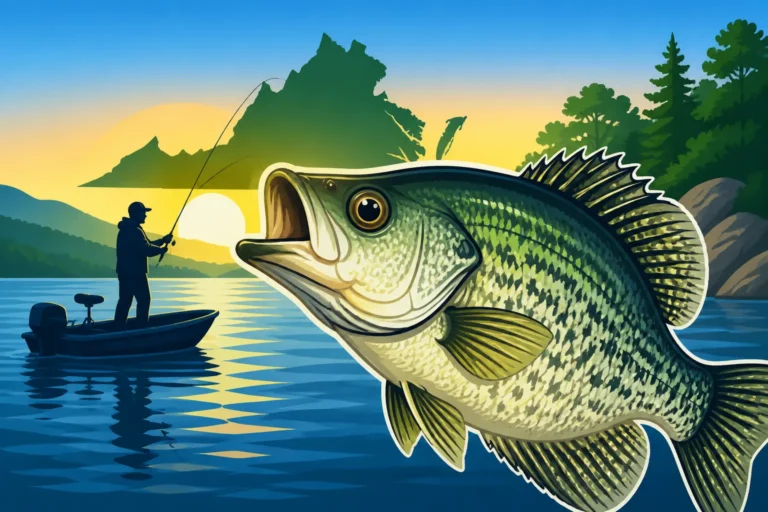
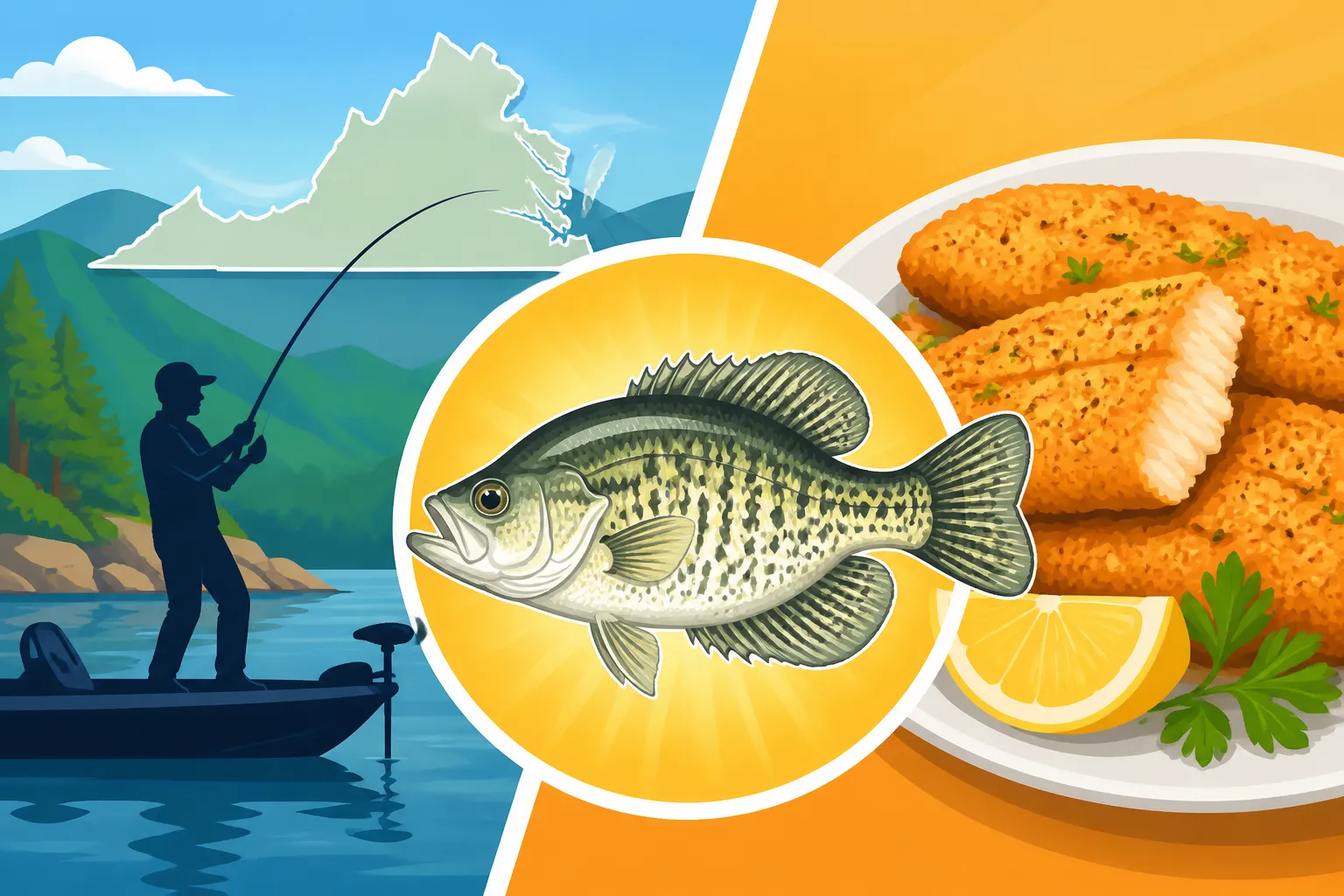
One of the most common questions I hear from new anglers, or even seasoned veterans who haven't tried their hand at panfish, is whether crappie actually tastes good. There's a lot of chatter out there, from folks who swear it's the finest table fish to those who are a little more skeptical. This guide is here to cut through the noise, give you the real scoop on crappie as a meal, and help you unlock its full flavor potential for your next shore lunch or dinner at home.
The Crappie Conundrum: Taste, Texture, and Expectations
Crappie hold a special place in many anglers' hearts, not just for their feisty fight or their tendency to school up, making for a fun day on the water, but also for their reputation as a delicious meal. But like any fish, its culinary appeal can be subjective, and often depends on how it's treated from the moment it leaves the water until it lands on your plate. Let's break down what to expect.
What Makes Crappie a Popular Table Fish?
For many, crappie is the quintessential panfish — a small to medium-sized fish caught with a hook and line, perfectly suited for a pan or fryer. Its popularity as a table fish stems from several key characteristics. First and foremost, crappie meat is known for being remarkably white and flaky. It's not dense or oily, which makes it incredibly appealing to a broad range of palates, even those who claim not to "like fish."
The flavor profile is often described as mild, delicate, and slightly sweet. It's not "fishy" in the way some fattier fish can be, which is a huge plus for families with picky eaters or those new to preparing fresh catches. This mildness means it's a fantastic canvas for various seasonings and cooking methods, allowing other flavors to shine through without being overpowered. You're not fighting a strong inherent taste; you're enhancing a subtle, pleasant one.
The Mildness Factor: Is it a Pro or a Con?
Now, that very mildness can be a double-edged sword, depending on your personal taste preferences. For some, it's absolutely a pro. It means the fish won't compete with strong sauces or bold spices, making it incredibly versatile. You can fry it simply with cornmeal, bake it with lemon and dill, or even pan-sear it with a garlic butter sauce, and the crappie will absorb those flavors beautifully. It’s like a culinary chameleon, adapting to whatever you throw at it.
However, for others, particularly those who prefer a more robust, distinct "fish" flavor, crappie's mildness might come across as a bit bland if not prepared thoughtfully. If you're someone who likes a strong salmon or mackerel taste, you might find crappie a little too subtle on its own. This isn't a flaw, just a characteristic to be aware of. The trick isn't to mask its flavor, but to complement it. Think fresh herbs, a squeeze of citrus, or a light spice blend rather than heavy, overpowering marinades. This delicate approach helps the crappie shine without getting lost.
Factors Influencing Crappie Flavor
Believe it or not, not all crappie taste the same. The environment a fish lives in, what it eats, its size, and even how you handle it after the catch can dramatically impact its flavor. Understanding these nuances can elevate your crappie dining experience from "good" to "unforgettable." Many of these factors are also true for other species, such as when you're considering Is Largemouth Bass Good to Eat? or Is Channel Catfish Good to Eat?.
Water Quality and Environment
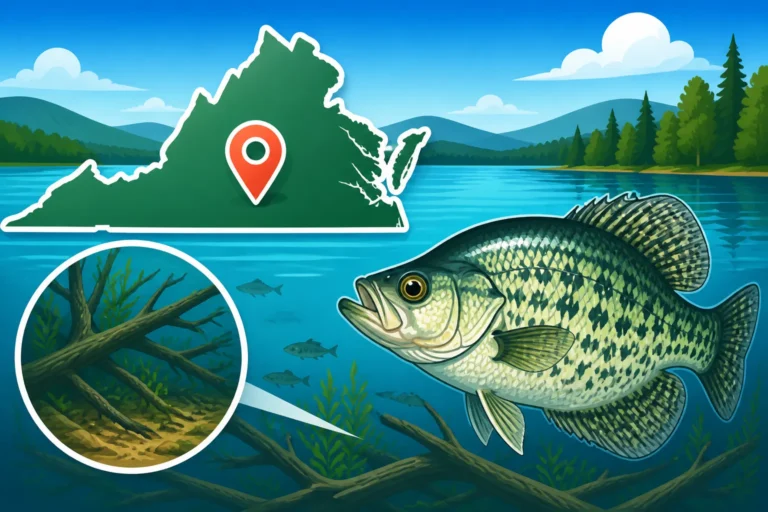
This is probably the single biggest determinant of how good your crappie will taste. Imagine pulling a crappie from a crystal-clear, cool, spring-fed lake versus one from a sluggish, muddy farm pond after a heavy rain. The difference in taste can be stark. Crappie caught in clean, cold, well-oxygenated water tend to have a cleaner, sweeter, and more pristine flavor. This is because the water itself is free from impurities that can be absorbed by the fish.
Conversely, fish from murky, warm, or stagnant waters, especially those with high algae content or industrial runoff, can develop off-flavors. These might manifest as an earthy, muddy, or even slightly metallic taste. This isn't unique to crappie; many freshwater species can be affected. When you're fishing in Virginia, knowing the general health of the lake or river you're on can give you a pretty good indication of the potential table quality of your catch. Spots known for good water quality, like some areas of Smith Mountain Lake Fishing Guide or Claytor Lake Fishing Spots and Tips, often yield superior-tasting fish.
Diet and Forage
What a crappie eats plays a significant role in its flavor and fat content. Crappie are opportunistic feeders, primarily consuming small minnows, insects, and crustaceans. If their diet consists mainly of aquatic insects and small baitfish, their meat tends to be firmer and milder. A varied, natural diet in a healthy ecosystem usually translates to a more pleasant flavor.
However, if crappie are living in an area where they feed on a less desirable or inconsistent food source, or if they are in an overcrowded environment where food is scarce, their flesh might not be as flavorful or firm. It's similar to how the diet of farm-raised vs. wild-caught salmon can affect taste and texture – a natural, diverse diet usually wins out.
Size of the Catch
When it comes to crappie, size absolutely matters for flavor. Most seasoned anglers agree that "plate-sized" crappie – those in the 9 to 12-inch range – are typically the best for eating. These fish are usually young enough to have tender, flaky meat but old enough to have developed a good flavor.
Larger, older crappie, while impressive to catch, can sometimes have tougher flesh and a stronger, more pronounced taste that some find less appealing. They might also accumulate more environmental flavors over their longer lifespan. On the flip side, very small crappie, while sweet, can be a lot of work to fillet for not much meat. So, when you're aiming for the dinner plate, don't always go for the biggest trophy; sometimes, the perfectly proportioned fish is the culinary winner. For tips on distinguishing them, check out Crappie Identification: Black Crappie vs White Crappie in Virginia.
Handling After the Catch
This is perhaps the most critical factor that anglers can control to ensure their crappie tastes amazing. Poor handling can ruin even the best-tasting fish. The moment a crappie is caught, its meat begins to degrade, especially in warm temperatures.
Here's the golden rule: keep your catch alive and/or on ice immediately.
- Bleeding: If you plan to eat the fish, consider bleeding it. A quick cut to the gills allows the blood to drain out. This reduces the amount of blood in the meat, leading to a cleaner, milder flavor.
- Icing: Get the fish into a cooler packed with ice (not just a little water with some ice cubes) as quickly as possible. This rapid cooling halts bacterial growth and preserves the texture and flavor of the meat. Don't just toss them into a livewell full of warm lake water if you're planning to eat them later. Keeping them cold is paramount.
- Gutting: If you can, gut the fish shortly after catching. This removes the digestive organs, which can quickly taint the meat if left inside, especially in warmer conditions. Even if you don't fillet them on the spot, gutting them and then putting them back on ice is a smart move.
Proper handling ensures that when you finally get to the kitchen, you're starting with the freshest, best-preserved fish possible. Many anglers find great success using insulated coolers available on platforms like Amazon to maintain optimal temperatures throughout their fishing trip.
Preparation is Key: Unlocking Crappie's Best Flavor
You've done the hard work of catching and properly handling your crappie. Now it's time for the kitchen magic! The way you prepare your crappie can make all the difference, transforming a good fish into a truly great meal.
Cleaning and Filleting for Success
Before you even think about cooking, proper cleaning and filleting are non-negotiable. Crappie have relatively thin bones, but a good fillet knife (which you can easily find on Amazon) will make quick work of them.
Here’s a basic approach:
- Rinse Thoroughly: Start by rinsing the whole fish under cold water to remove any slime or debris.
- Filleting: Make a cut behind the gill plate, down to the backbone. Then, turn your knife parallel to the backbone and slice along it, separating the fillet from the bones. Flip the fish and repeat on the other side.
- Skinning: Most people prefer crappie without the skin. Lay the fillet skin-side down, hold the tail end firmly, and make a small cut to separate the skin from the meat at the tail. Then, hold the skin firmly with one hand and slide your knife along the skin, separating it from the flesh.
- Removing Dark Meat/Fat: On some fish, especially larger ones, you might notice a thin line of darker meat or a bit of fatty tissue along the lateral line. While not always necessary for crappie due to its mildness, removing this can further enhance the clean flavor, as this is where some of the stronger "fishy" tastes can reside. Simply trim it away with your knife.
- Final Rinse: Give your cleaned fillets a quick, cold rinse and pat them dry with paper towels. Excess moisture can prevent a crispy crust if you're frying.
Popular Cooking Methods for Crappie
Crappie's mild flavor and flaky texture make it incredibly versatile. You can go classic or get a little adventurous.
- Frying (The Classic): This is, without a doubt, the most popular way to prepare crappie, especially in the South. The goal is a crispy, golden-brown crust and moist, tender meat.
- Batter: A simple cornmeal-based batter is traditional. Mix cornmeal with flour, salt, pepper, garlic powder, onion powder, and maybe a pinch of cayenne for a kick. Dip your dry fillets in an egg wash or buttermilk, then dredge thoroughly in the seasoned cornmeal mix.
- Oil: Fry in hot oil (vegetable, peanut, or canola) at around 350-375°F (175-190°C) until golden brown, usually just a few minutes per side depending on thickness. Don't overcrowd the pan, or the oil temperature will drop, leading to greasy fish.
- Baking: For a lighter, healthier option, baking is fantastic.
- Preparation: Place fillets on a lightly greased baking sheet. Drizzle with olive oil or melted butter. Season with salt, pepper, lemon zest, fresh dill, parsley, or your favorite seafood seasoning blend. A sprinkle of paprika can add color.
- Temperature: Bake at 375-400°F (190-200°C) for 10-15 minutes, or until the fish flakes easily with a fork.
- Grilling/Pan-Searing: These methods impart a lovely char and can be quick and delicious.
- Grilling: Brush fillets with oil, season well, and place them on a hot, clean, oiled grill grate. Cook for 3-5 minutes per side. Crappie fillets are delicate, so consider using a fish grilling basket to prevent them from falling apart.
- Pan-Searing: Heat a cast-iron skillet or heavy-bottomed pan with a little oil or butter until shimmering. Season fillets and place them in the hot pan. Sear for 2-4 minutes per side, creating a beautiful crust. Finish with a squeeze of lemon.
Complementary Flavors and Pairings
Because crappie is so mild, it welcomes a variety of fresh, bright, and savory additions.
- Herbs: Fresh dill, parsley, chives, cilantro, and even a touch of thyme or rosemary pair wonderfully.
- Citrus: Lemon is crappie's best friend. A squeeze of fresh lemon juice brightens the flavor, whether added before, during, or after cooking. Lime can also work well.
- Spices: Keep it simple! Salt, black pepper, garlic powder, onion powder, and paprika are staples. A good "Old Bay" style seafood seasoning blend is also a fantastic choice.
- Sauces: Tartar sauce is a classic accompaniment for fried crappie. Other options include a simple lemon-butter sauce, a light remoulade, or even a fresh pico de gallo or mango salsa for a vibrant contrast.
- Sides: Think classic comfort food: hushpuppies, coleslaw, French fries, roasted vegetables, or a simple green salad. The lighter sides complement the fish without overwhelming it, while the fried options embrace the tradition of a fish fry.
Crappie vs. Other Popular Panfish: A Taste Comparison
It’s often helpful to compare crappie to other familiar fish to really understand its taste profile. Many anglers pursuing crappie are also out there catching other panfish, like those mentioned in Virginia's Best Panfish Fishing Spots. Let’s see how crappie stacks up against a couple of its freshwater cousins.
Crappie vs. Bluegill/Bream
Bluegill and other sunfish, often collectively called "bream" in many parts of Virginia, are another beloved panfish, especially popular for getting kids hooked on fishing due to their aggressive bites and abundance. Both crappie and bluegill are known for their white, flaky meat and generally mild flavor.
- Taste: Crappie tend to have a slightly milder, perhaps even sweeter, flavor than bluegill. Bluegill can sometimes have a touch more "earthiness" or a slightly more robust "fish" flavor, especially if caught from warmer, weedier waters. It's subtle, but noticeable to a discerning palate.
- Texture: Both offer a delicate, flaky texture. Crappie might be slightly more tender and melt-in-your-mouth, while bluegill can sometimes be a bit firmer.
- Preparation: Both are excellent fried. Bluegill's smaller fillets sometimes make them better suited for cooking whole (after gutting and scaling), or simply pan-fried as small, crispy morsels. Crappie fillets, being generally larger, lend themselves better to baking or grilling as well.
Crappie vs. Perch
Yellow perch are another highly regarded freshwater panfish, known for their excellent table quality. In many ways, they are often considered very similar to crappie in terms of culinary appeal.
- Taste: The taste of yellow perch is remarkably similar to crappie – very mild, sweet, and clean. If anything, perch might have an even more delicate flavor, sometimes described as having a faint nuttiness. It's often considered one of the very best-tasting freshwater fish.
- Texture: Both have superb flaky, white meat. Perch might be just a hair firmer than crappie, but the difference is minimal.
- Preparation: Like crappie, perch is absolutely fantastic when fried. It also bakes and broils beautifully. Given their similar characteristics, if you enjoy one, you're almost certainly going to enjoy the other. Learning White Perch Identification for Virginia Anglers might even help you distinguish a good meal from an okay one when you're out.
| Feature | Crappie | Bluegill/Bream | Yellow Perch |
|---|---|---|---|
| Flavor Profile | Mild, delicate, slightly sweet, very clean | Mild, slightly more "fishy" or earthy | Very mild, clean, often described as sweet/nutty |
| Texture | Very flaky, tender, almost melts in mouth | Flaky, can be slightly firmer than crappie | Very flaky, firm but delicate |
| Typical Size | 9-12 inches (best for eating) | 6-8 inches (often cooked whole or small fillets) | 8-10 inches |
| Best Preparation | Frying, baking, pan-searing, grilling | Frying (whole or filleted), pan-searing | Frying, baking, pan-searing |
| Key Advantage | Versatile, large enough fillets for various recipes | Abundant, excellent for kids, good fried | Consistently excellent flavor, firm texture |
| Common Complaint | Can be bland if not seasoned well | Sometimes a bit more "fishy" | Fillets can be smaller, more work |
The Verdict: So, Is Crappie Good to Eat?
After all this discussion, you might be wondering if crappie truly lives up to its reputation. The short answer, for most people, is a resounding yes! Crappie is not just "good" to eat; it's often considered one of the very best freshwater fish you can put on your dinner table, especially if you love a mild, flaky white fish.
Why Many Anglers Swear By It
There's a reason why annual crappie derbies and fish fries are such popular events across the country, including right here in Virginia. Anglers rave about crappie for its delightful texture – that tender, flaky, snow-white meat that virtually melts in your mouth. Then there's the flavor: delicate, subtle, and clean, without the overwhelming "fishiness" that can turn some people away from other species. It's a crowd-pleaser, appealing to even the most discerning palates.
Beyond taste, crappie are often plentiful, providing a rewarding experience for both seasoned anglers and those just starting out. Imagine reeling in a stringer of these beautiful fish, knowing you're not just enjoying the sport, but also bringing home a genuinely delicious, healthy meal. It's a fantastic combination of sport and supper, making the effort of identifying and catching them, as detailed in Virginia's Fishing License and Catch Limit Basics, truly worthwhile.
Considerations for the Discerning Palate
While most people will agree that crappie is a fantastic table fish, it’s important to remember that personal preference and proper preparation are absolutely crucial. If you've tried crappie before and weren't impressed, it's worth considering the factors we've discussed:
- Source: Where was the fish caught? Was it from clean, clear water, or a murky, stagnant pond?
- Handling: Was it properly bled and iced immediately after being caught? This can make an enormous difference.
- Preparation: How was it cooked? Was it seasoned well, or left plain?
- Expectations: Were you expecting a strong, bold flavor like salmon, and were disappointed by its mildness? Adjusting your expectations can help.
Ultimately, crappie offers a superb dining experience for those who appreciate a delicate, flaky white fish. With a little care from the water to the plate, and a dash of your favorite seasonings, you'll understand why this humble panfish holds such a cherished spot in the hearts (and on the plates) of so many anglers. Whether you're fishing Best Crappie Fishing Lakes in Virginia or simply enjoying a quiet afternoon, a fresh crappie dinner is a treat worth savoring.
Disclaimer
This article is for general informational purposes only and does not constitute professional advice. Laws, prices and regulations vary by location and change over time. Consult a qualified professional for guidance on your specific situation.