Where to Catch Crappie in Virginia Lakes
Oh, the thrill of chasing crappie in Virginia's lakes! It's a passion many of us share, but let's be honest, figuring out where these elusive panfish are biting can feel like solving a complex puzzle. Virginia is blessed with a plethora of stunning lakes, each with its own quirks and hidden honey holes, making the search for crappie both exciting and a little overwhelming. This comprehensive guide is here to cut through the guesswork, helping you pinpoint the best crappie fishing lakes in the Old Dominion and equip you with the knowledge to land a cooler full of these delicious fish.
Understanding Crappie Habits and Habitats in Virginia Lakes
Crappie are fascinating fish. They're schooling fish, which means when you find one, you often find a whole bunch! But knowing where they like to hang out and why is the first step to consistent success. Virginia's diverse aquatic environments, from deep mountain reservoirs to sprawling tidal rivers, offer a variety of homes for these popular panfish.
Black Crappie vs. White Crappie: Subtle Differences in Preference
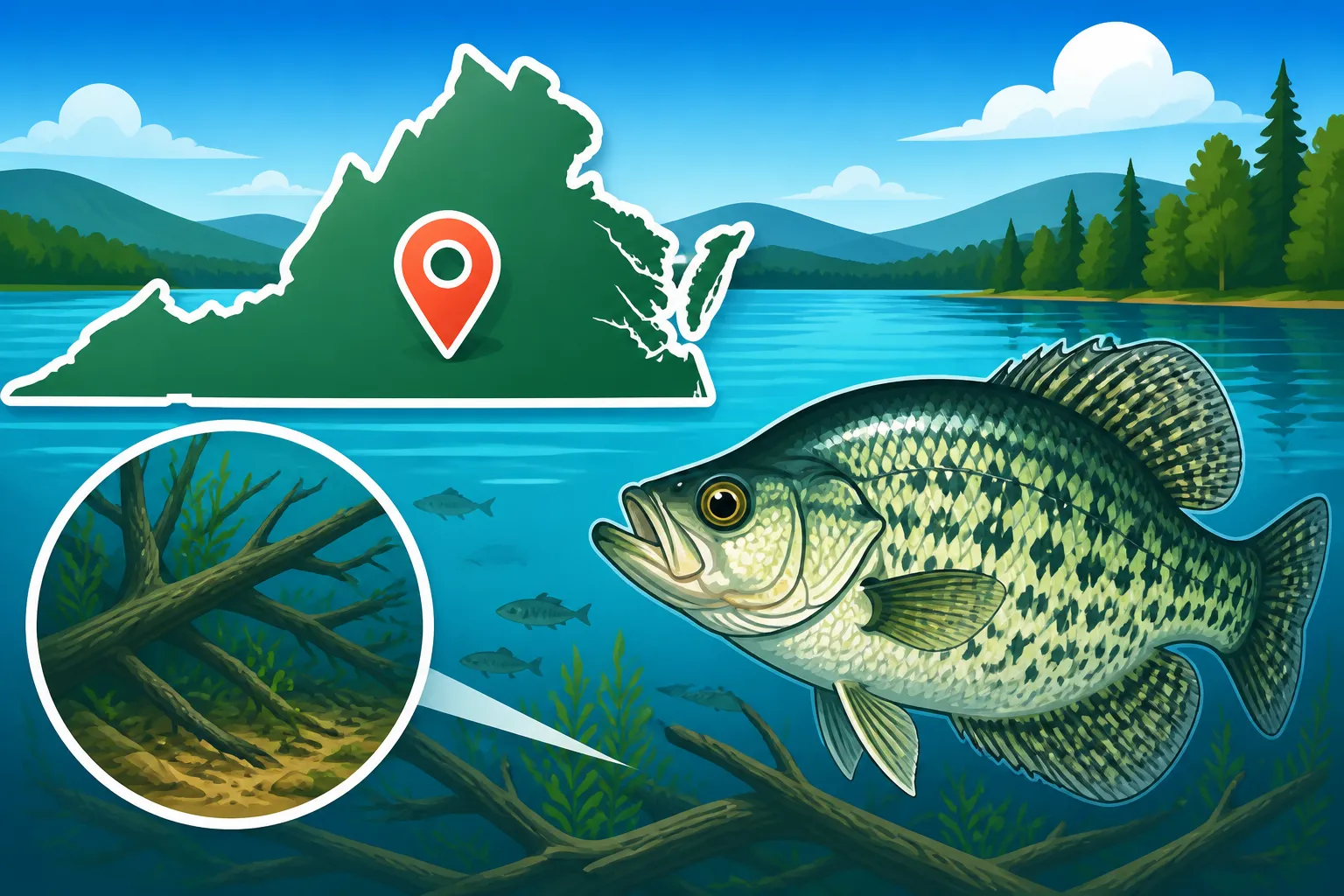
Virginia is home to both black crappie and white crappie, and while they share many similarities, they do have some subtle habitat preferences that can help you target them more effectively. Black crappie generally prefer clearer water with more vegetation and rocky structure. Think about lakes with a good amount of submerged timber, brush piles, or even dock pilings in relatively clear sections. They tend to be a bit more finicky about water clarity and are often found in areas that offer plenty of cover.
White crappie, on the other hand, are often more tolerant of turbid or murky water, and they frequently inhabit larger, more open areas with less defined structure, often associating with brush piles or submerged creek channels. They might be found in slightly warmer, slower-moving sections of reservoirs or wider river impoundments. Knowing which species is more prevalent in a particular lake, or even a specific arm of a lake, can inform your approach. For instance, a lake known for its clearer main channels might lean towards black crappie, while a muddier tributary might hold more white crappie. Both are fantastic to catch, but a little insight into their preferences can give you an edge.
Seasonal Migrations and Structure Affinity
Crappie are masters of seasonal movement, and understanding their annual cycle is paramount to finding them. In spring, as water temperatures rise, crappie move from deeper winter haunts into shallower waters for their spawn. This is prime time to find them staging around submerged brush, docks, downed trees, and bridge pilings in 3 to 15 feet of water. They're often aggressive and relatively easy to catch during this period. After the spawn, they'll gradually disperse, but often remain relatively shallow, feeding heavily.
As summer progresses and waters heat up, crappie typically retreat to deeper, cooler water. They'll gravitate towards thermoclines (layers of water with rapid temperature change), often holding suspended over creek channels, humps, or deep brush piles. They might also seek refuge in the shade of dense cover like bridge spans or deep docks. Finding these deeper structures with a good fish finder is key during the warmer months.
In fall, as water temperatures cool, crappie become active again and start moving shallower to feed aggressively, fattening up for winter. This is another fantastic time to fish for them, as they can be found in similar areas to spring, though perhaps a bit deeper or closer to main lake points. Finally, winter sees crappie congregating in large schools in deep creek channels, river bends, or on the main lake basin. They'll often suspend over submerged timber or tight to channel ledges, requiring a more subtle approach with vertical jigging. Each season demands a slightly different strategy, but their consistent reliance on structure remains a constant.
Ideal Water Conditions for Crappie
Beyond just depth and structure, crappie are also influenced by water clarity and temperature. While white crappie tolerate murkier water, generally, crappie thrive in moderately clear to stained waters where they can easily ambush prey. Extremely clear water can make them skittish and harder to approach, while extremely muddy water can make feeding difficult for them.
Water temperature is perhaps the most critical factor. Crappie become active when water temperatures are in the mid-50s to low 60s Fahrenheit, which triggers their feeding and spawning cycles. During the hot summer months, they'll actively seek out cooler water, which is why deeper water and areas with current or thermoclines become so important. Conversely, in winter, while they tolerate cold, they're looking for stable temperatures in deeper sections, often where baitfish are also holding. Sudden changes in temperature, especially cold fronts, can often make crappie temporarily shut down and become difficult to catch. Being aware of recent weather patterns and water temperatures, often available through local fishing reports or marine apps, can give you a significant advantage.
Virginia's Premier Lakes for Consistent Crappie Action
Virginia boasts several large reservoirs that consistently produce excellent crappie fishing. These lakes offer vast expanses of water with diverse habitats, ensuring that no matter the season, there's always a spot to find these speckled beauties.
Smith Mountain Lake: The Famous Striper Lake's Crappie Secret
When most people think of Smith Mountain Lake, their minds immediately go to its incredible Smith Mountain Lake Striped Bass Fishing in Virginia. And for good reason, it's a world-class striper fishery! But what many don't realize is that SML also holds a phenomenal crappie population. This massive 20,600-acre reservoir, known for its clear water and extensive coves, provides ideal habitat for black crappie.
The key to crappie fishing on Smith Mountain Lake is to focus on the myriad of submerged brush piles, standing timber, and dock pilings that line its extensive shoreline. The numerous creeks and coves, such as the Blackwater and Gills Creek arms, are particularly productive. During the spring, crappie move into the backs of these coves, often holding tight to docks and brush in 5-15 feet of water. Many anglers will tie up to a dock and use a small jig or a live minnow under a bobber, systematically working around the structure. In summer, look for crappie suspended in deeper creek channels, particularly around humps or submerged timber in 20-30 feet of water. Vertical jigging or slow trolling with multiple rods can be very effective. Winter fishing often finds them congregated in large schools in the deeper sections of the main lake or larger creek channels. Investing in a good map, or even asking local bait shops, for known crappie brush pile locations can dramatically increase your success on SML.
Lake Anna: Power Plant Warmth and Abundant Cover
Lake Anna, another popular central Virginia lake covering 9,600 acres, is unique due to its power plant influence, which creates a warm-water discharge area. This "hot side" provides an extended growing season and often keeps crappie active even in cooler months. Like SML, Lake Anna is primarily a black crappie fishery, benefiting from its clear to slightly stained waters and abundant submerged structure.
Crappie on Lake Anna are often found in association with the hundreds, if not thousands, of privately maintained brush piles, submerged timber, and deep water docks. The power plant discharge canal is a well-known winter hotspot, drawing crappie and baitfish into its warmer waters. During spring, target the backs of coves like Sturgeon Creek, Ware Creek, and Pamunkey Creek, where crappie stage in shallow water before and during the spawn. They'll be tightly holding to submerged cover, so a precise cast with a small jig or a minnow is essential. As temperatures rise in summer, crappie move to deeper brush piles along creek channels, or they'll suspend around bridge pilings and deeper docks. Night fishing under lights can also be incredibly productive on Lake Anna during the warmer months, drawing in both baitfish and crappie to the illuminated areas.
Kerr Reservoir (Buggs Island Lake): Expansive Waters, Countless Opportunities
Kerr Reservoir, affectionately known as Buggs Island Lake, is Virginia's largest lake, a colossal 50,000-acre impoundment that straddles the Virginia-North Carolina border. This vast reservoir is an absolute crappie paradise, renowned for its incredible numbers of both black and white crappie. Its size alone means there are countless fishing opportunities, but it can also be intimidating.
The key to Buggs Island is understanding its diverse topography. You'll find everything from shallow, stump-filled flats to deep, winding creek channels. The lake is fed by the Staunton (Roanoke) and Dan Rivers, providing plenty of nutrient-rich water. During spring, crappie move into the shallow coves and creeks, such as Grassy Creek, Bluestone Creek, and Rudds Creek, where they stage around submerged timber, brush, and stump fields. Spider rigging (slow trolling with multiple rods out from the boat) is a very popular and effective technique here, allowing anglers to cover a lot of water. In summer, crappie often suspend over deep creek channels or gather around main lake points with submerged brush. The fall offers another fantastic bite, with crappie once again moving shallower to feed aggressively. Winter crappie fishing can be phenomenal in the deep river channels, with fish congregating in huge schools over submerged structure. If you're serious about crappie, Buggs Island needs to be on your list. Kerr Lake Fishing Guide for Beginners can help you get started on this massive body of water.
Exploring Other Productive Crappie Waters Across Virginia
While Smith Mountain Lake, Lake Anna, and Kerr Reservoir are undoubtedly crappie powerhouses, Virginia has many other fantastic lakes and impoundments that offer excellent crappie fishing, often with less fishing pressure.
Claytor Lake: Western Virginia's Crappie Gem
Nestled in the beautiful mountains of Southwest Virginia, Claytor Lake is a 4,500-acre reservoir on the New River that offers a unique crappie fishing experience. While perhaps better known for its striped bass and smallmouth bass, Claytor Lake has a healthy population of crappie, primarily black crappie, thriving in its clear, deep waters.
The crappie in Claytor Lake relate heavily to the New River channel and the steep, rocky banks that define much of the lake. In spring, look for them staging in the backs of coves like Peak Creek and Little River, especially around submerged brush, docks, and rocky points in 10-20 feet of water. Because the water can be quite clear, a stealthy approach and light line are often beneficial. During the warmer months, crappie will suspend over the deeper river channel or seek refuge in shaded areas under large rock formations and deep docks. Trolling small jigs or live minnows at various depths can help you locate schools of suspended fish. Winter fishing can also be productive, with crappie schooling in the deeper sections of the river channel. Claytor Lake's Diverse Virginia Fish Species Guide provides more insights into what you can find here.
Leesville Lake and Philpott Lake: Lesser-Known but Rewarding Spots
Don't overlook Virginia's slightly smaller or less-publicized reservoirs; they can be absolute gems for crappie. Leesville Lake, located downstream from Smith Mountain Lake, is a 3,400-acre reservoir known for its clearer waters and excellent crappie population. It tends to hold good numbers of black crappie, and because it's often overshadowed by its larger neighbor, it can offer a more tranquil fishing experience. Focus on the extensive submerged timber and rock structures, particularly in the spring and fall when crappie are more accessible in shallower waters.
Philpott Lake, also known as the John H. Kerr Reservoir's smaller cousin in some ways, is a 2,860-acre lake in south-central Virginia. It's an Army Corps of Engineers lake, known for its deep, clear waters and steep banks. Philpott offers a strong population of crappie, again predominantly black crappie. Anglers targeting crappie here should look for submerged timber, brush piles, and creek channel drops, especially during the colder months when crappie school tightly. Access is good, with several boat ramps and public fishing areas. Both Leesville and Philpott offer excellent opportunities for anglers willing to explore beyond the biggest names.
Smaller Impoundments and Community Ponds: Accessible Crappie Fishing
While the big reservoirs get most of the attention, Virginia also has a fantastic network of smaller impoundments, county lakes, and even community ponds that hold surprisingly good crappie populations. These waters are often easier to access, especially for bank anglers or those with kayaks and small boats, and can be perfect for a quick afternoon trip.
Lakes like Lake Brittle, Lake Curtis, Lake Burke, and the numerous "DWR Public Fishing Lakes" scattered across the state are managed by the Virginia Department of Wildlife Resources (DWR) specifically for recreational fishing. Many of these waters are regularly stocked and managed to maintain healthy fish populations, including crappie. Look for downed trees, brush piles, and any man-made structures like fishing piers or culverts. These smaller bodies of water often warm up faster in spring, providing an earlier crappie bite, and can be less affected by major weather events than the larger lakes. Don't underestimate these local treasures; a simple search on the DWR website or a chat with folks at your local bait shop can reveal some fantastic hidden crappie spots right in your backyard. Many of these ponds are perfect for Easy Fishing Techniques for Kids too!
Mastering Crappie Fishing Techniques for Virginia Waters
Finding the crappie is one thing, but getting them to bite is another. Crappie can be notoriously finicky, so having a repertoire of techniques and understanding their feeding behaviors is essential for success.
Essential Lures and Baits: Jigs, Minnows, and More
Crappie are primarily sight feeders, and their preferred diet consists mainly of small minnows, insects, and crustaceans. This dictates the most effective baits and lures.
- Live Minnows: Without a doubt, live minnows are often the most effective bait for crappie, especially when they're less active. A small shiner or fathead minnow hooked through the lip or back and fished under a bobber or vertically jigged is deadly. You can buy these at almost any local bait shop.
- Small Jigs: Tiny jigs, typically 1/32 to 1/8 ounce, tipped with soft plastic bodies, are incredibly effective. Popular jig styles include tube jigs, grub tails, and small paddle-tail swimbaits. Colors can vary based on water clarity and sunlight: chartreuse, white, black, and various greens are always good starting points. Sometimes, a tiny splash of glitter in the plastic makes all the difference. Many anglers find a wide selection of these versatile lures on platforms like Amazon.
- Tipping with Bait: Many anglers combine the best of both worlds by tipping their jigs with a small piece of minnow, a crappie nibbler, or even a wax worm. This adds scent and a little extra enticement that can seal the deal when crappie are hesitant.
- Spinners and Road Runners: Small inline spinners or "Road Runner" style jigs (a jig head with a small spinner blade attached) can be excellent for active crappie, especially when you need to cover water. The flash and vibration can draw them in from a distance.
Remember, crappie have relatively delicate mouths, so light wire hooks are often preferred, as they penetrate easily.
Reading the Water and Utilizing Electronics
One of the biggest differences between consistently successful crappie anglers and those who struggle is the ability to "read the water" and effectively use fishing electronics.
- Reading the Water: Look for visible signs of crappie habitat: fallen trees, brush sticking out of the water, boat docks, bridge pilings, or even areas where baitfish are schooling on the surface. Pay attention to water color changes, current breaks, and areas where shallow water transitions into deeper water. Crappie are ambush predators, so they're always looking for cover or a strategic position to hide and wait for a meal. Understanding these visual cues can point you in the right direction even before you drop a line.
- Utilizing Electronics: A good fish finder is an invaluable tool for crappie fishing, especially in larger reservoirs. Modern sonar units with down imaging and side imaging can help you locate submerged brush piles, standing timber, creek channels, and even schools of crappie themselves. Look for "arches" or "blobs" of fish around structure. Once you've marked a school, use your trolling motor to stay on top of them, or anchor upwind and cast to the structure. Learning to interpret what your electronics are telling you about depth, structure, and fish presence is a skill that takes practice, but it's one that will drastically improve your crappie catch rates. A quality portable fish finder can be a fantastic investment, and you can find many options on Amazon.
Best Times of Day and Year to Target Crappie
Crappie fishing can be productive year-round in Virginia, but certain times are undeniably better, and even within a day, certain hours shine.
- Spring (Pre-spawn and Spawn): This is arguably the best time for crappie fishing in Virginia. As water temperatures rise into the 50s and 60s, crappie move shallow and are often very aggressive. Late March through May is prime time for many lakes. Early mornings and late evenings are often most productive, but on cloudy days, they can bite all day long.
- Fall: As water temperatures begin to drop in September and October, crappie become very active again, feeding heavily to prepare for winter. They'll often be found in similar areas to spring, just perhaps a bit deeper. This is another excellent time for consistent action, with fishing often good throughout the day.
- Summer: While crappie move deeper in summer, they can still be caught. Early mornings, late evenings, and night fishing are often the most productive. Look for them suspended in deeper water during the day.
- Winter: Don't count out winter! Crappie will congregate in large schools in deep creek channels and river beds. While the bite can be subtle, when you find them, you can often catch many. Mid-day, when the sun is highest, can be a good time, as even a slight warm-up can make them more active. Best Time of Year for Crappie Fishing in Virginia offers more seasonal breakdowns.
Here's a quick comparison of some of Virginia's top crappie lakes:
| Lake Name | Primary Crappie Species | Key Features for Crappie | Best Time to Fish | Typical Depths (Feet) | Notes |
|---|---|---|---|---|---|
| Smith Mountain Lake | Black Crappie | Abundant docks, brush piles, clear water | Spring, Fall, Winter | 5-30 | Excellent structure fishing; can be deeper in summer. |
| Lake Anna | Black Crappie | Power plant warm water, numerous brush piles, docks | Year-round (hot side) | 5-25 | Warm water discharge keeps crappie active in winter; great night fishing. |
| Kerr Reservoir | Black & White Crappie | Massive size, diverse habitats, river channels, stumps | Spring, Fall, Winter | 5-40 | Virginia's largest lake; spider rigging very popular. |
| Claytor Lake | Black Crappie | Deep, clear water, New River channel, rocky banks | Spring, Fall | 10-30 | Stealth often needed due to clear water. |
| Leesville Lake | Black Crappie | Submerged timber, rock structures, less pressure | Spring, Fall | 10-25 | Good numbers; quieter alternative to SML. |
| Philpott Lake | Black Crappie | Deep, clear, steep banks, DWR-managed brush piles | Spring, Fall, Winter | 10-35 | Good access, consistent populations. |
| DWR Public Fishing Lks. | Black & White Crappie | Managed habitats, smaller size, easy access | Spring, Early Summer | 3-15 | Great for bank anglers, kayaks, and Family-Friendly Fishing Spots in Virginia. |
Gear Up for Success: Recommended Equipment for Virginia Crappie Anglers
Crappie fishing doesn't require a ton of specialized gear, which is part of its charm. However, having the right setup can make a significant difference in your enjoyment and success.
Rods, Reels, and Line for Light Tackle Crappie Fishing
Crappie are known for their subtle bites and delicate mouths, so light tackle is the name of the game.
- Rods: Look for a light to ultralight spinning rod, typically 5 to 7 feet long, with a fast action tip. The sensitive tip allows you to detect those light bites, while the backbone helps you control the fish. Longer rods (8-12 feet, sometimes called "spider rigging" rods) are also popular for specialized techniques like single-pole jigging around brush or slow trolling multiple baits. You can find quality rods from brands like Ugly Stik or St. Croix on Amazon.
- Reels: Pair your rod with a small, lightweight spinning reel (sizes 500-1000). A smooth drag system is crucial to prevent tearing the hook out of a crappie's mouth.
- Line: Light line is essential for crappie. 4 to 6-pound test monofilament or fluorocarbon is ideal. Monofilament offers good knot strength and stretch, while fluorocarbon is nearly invisible underwater and has less stretch, providing better sensitivity. Some anglers use braided line (6-10 lb) for its sensitivity and strength, often with a fluorocarbon leader. Whichever you choose, ensure it's fresh line to prevent break-offs.
Tackle Box Essentials: From Hooks to Bobbers
Beyond your rod and reel, a few key items will ensure you're ready for any crappie situation.
- Hooks: Small, sharp hooks are a must. Aberdeen-style hooks in sizes #4 to #8 are popular for minnows, as they're light wire and typically cause less damage to the bait. Jig heads, as mentioned, in 1/32 to 1/8 ounce are standard.
- Weights: Split shot weights (various sizes) are useful for adding a little extra sink to your line when fishing with minnows or soft plastics.
- Bobbers/Floats: A variety of bobbers are helpful. Small, sensitive slip bobbers are fantastic for presenting baits at specific depths, especially when fishing around submerged brush. Fixed bobbers are good for shallow water.
- Soft Plastics: A selection of soft plastic crappie baits in different shapes (tubes, grubs, tiny paddle tails) and colors will serve you well. Don't be afraid to experiment!
- Tools: A small pair of pliers or forceps for hook removal, nail clippers for cutting line, and a ruler or tape measure to ensure your fish meet Virginia Fishing Regulations Explained are also essential.
- Storage: A small tackle box or a compact lure bag will keep your crappie gear organized and easily accessible.
Staying Safe and Comfortable on the Water
Finally, don't forget the practicalities that make your fishing trip enjoyable and safe.
- Life Jacket: Always have a properly fitting life jacket, especially if you're on a boat, kayak, or canoe. Safety first!
- Sun Protection: Sunscreen, a wide-brimmed hat, and sunglasses are vital, even on cloudy days. The sun reflecting off the water can be intense.
- Rain Gear: Virginia weather can be unpredictable. A lightweight rain jacket and pants can save a trip from being cut short.
- Cooler: Essential for keeping your catch fresh and your drinks cold. If you're planning to keep crappie for dinner (and trust me, you will!), a good cooler is non-negotiable.
- Fishing License: Last but certainly not least, ensure you have a valid Virginia fishing license! You can easily purchase one online through the DWR website. How to Buy a Fishing License Online in Virginia details the process. It's a small price to pay for the joy of crappie fishing and helps support Virginia's fisheries conservation efforts.
Crappie fishing in Virginia is a rewarding experience, whether you're a seasoned angler or just starting out. With its diverse lakes and abundant populations, the Old Dominion offers endless opportunities to enjoy this fantastic sport. So grab your ultralight rod, a bucket of minnows, and head out to one of these great Virginia lakes – your next crappie adventure awaits!
Disclaimer
This article is for general informational purposes only and does not constitute professional advice. Laws, prices and regulations vary by location and change over time. Consult a qualified professional for guidance on your specific situation.