Why the Shenandoah River Holds Both Cold-Water Trout and Warm-Water Bass
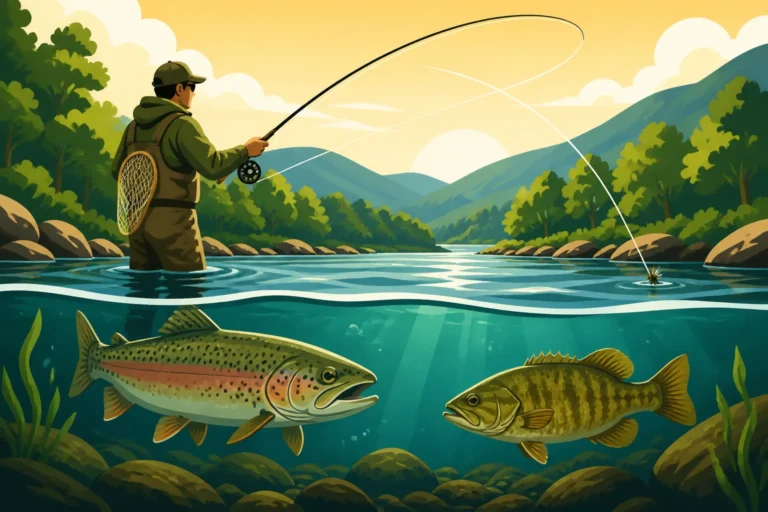
It's truly fascinating, isn't it? You can be standing on the banks of the Shenandoah River, casting for a feisty smallmouth bass one minute, and then, just a short drive upstream or into a tributary, you're knee-deep in water trying to tempt a wary trout. This unique coexistence often sparks curiosity among anglers, and it’s a question many ask: how can this one river system support both cold-water trout and warm-water bass? This guide will dive deep into the remarkable environmental factors and river dynamics that make the Shenandoah a haven for such diverse fish populations.
Understanding the Shenandoah River's Unique Geography and Flow
The Shenandoah River isn't just one monolithic waterway; it's a complex system with distinct sections and numerous feeder creeks that contribute to its incredible biodiversity. This geographical variety is the bedrock of its ability to host both temperature-sensitive trout and adaptable bass.
The North Fork and South Fork: Two Distinct Personalities
Imagine the Shenandoah as two arms converging into a powerful whole. The North Fork and the South Fork, originating in the higher elevations of the Allegheny and Blue Ridge Mountains respectively, each carve their own paths through the Virginia landscape. The South Fork, in particular, often runs through more mountainous terrain, with steeper gradients and more natural springs feeding into it. These conditions contribute to cooler average water temperatures, especially in its upper reaches. Conversely, as both forks widen and slow down in their lower sections, and particularly after their confluence near Front Royal, the river naturally warms up, creating ideal conditions for species that thrive in warmer environments.
It's a common misconception to view the river as uniformly one temperature, but in reality, it's a patchwork of microclimates. Anglers who understand these subtle differences are often the most successful. You might find yourself fishing the lower, broad sections of the South Fork near Luray, targeting smallmouth bass that love those warmer, rockier stretches, only to head an hour or two upstream into the national forest boundaries and discover a completely different fishery. This inherent duality is what makes planning a trip to the Shenandoah so exciting – you truly have options depending on your target species. You can read more about the prime locations in Best Rivers for Fishing in Virginia.
Mountain Runoff and Tributary Influence
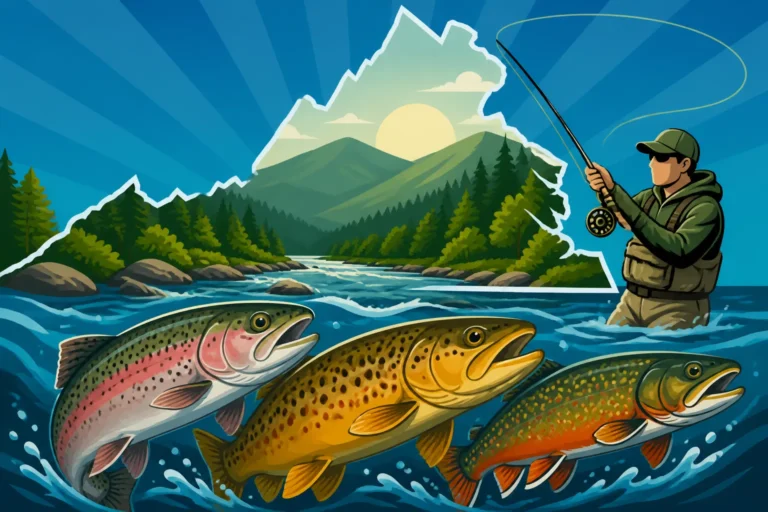
Beyond the main forks, the Shenandoah River system is fed by countless smaller streams and tributaries that tumble down from the surrounding mountains. These tributaries act like natural refrigerators, constantly introducing cooler, oxygen-rich water into the main stem. During periods of heavy rain or snowmelt, the influx of this mountain runoff can significantly drop the temperature of localized sections of the river, even in stretches that typically run warmer. This isn't just a temporary dip; the consistent flow from these cold-water sources creates pockets where trout can survive and even thrive, particularly during the warmer months when the main river might otherwise become too warm for them.
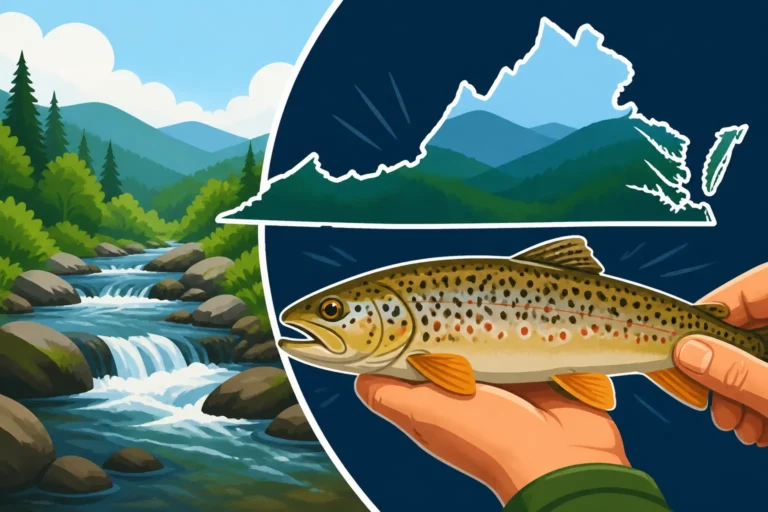
Consider a hypothetical scenario: a scorching July day, and the main river temperature is nudging into the upper 70s. For a native brook trout, that's pushing critical limits. However, if there's a spring-fed tributary entering nearby, that tributary will be pouring in water perhaps 10 or 15 degrees cooler. Fish, being intelligent creatures, will instinctively seek out these colder inflows, congregating in and around the mouths of these creeks. This phenomenon creates prime fishing opportunities for those in the know, offering a chance to catch trout when most anglers are targeting bass in the main river. Understanding these tributary systems is key to finding trout outside of typical mountain streams.
The Magic of Thermal Refuges for Cold-Water Species
While the overall perception of the Shenandoah might be a warmer, slower river, it possesses crucial "thermal refuges" – areas where water temperatures remain consistently cooler, even when ambient air temperatures soar. These refuges are vital for the survival and propagation of cold-water species like trout.
Deep Pools and Springs: Trout's Sanctuary
One of the most significant factors in the Shenandoah's ability to host trout, especially in its lower reaches, is the presence of deep pools and natural springs bubbling up from the riverbed. Deep pools act as thermal sinks; the sheer volume of water, combined with reduced exposure to direct sunlight, keeps the lower layers significantly cooler. Think of it like a natural refrigerator. Fish don't just hang out in these deep spots for shelter; they use them to regulate their body temperature. When the sun beats down on shallower sections, fish like trout will retreat to the cool depths, conserving energy and staying within their preferred temperature range.
Even more critical are the subterranean springs. These springs deliver groundwater that typically maintains a constant, cool temperature year-round, often in the low to mid-50s Fahrenheit. Where these springs emerge into the river, they create plumes of cold water that are invaluable to trout. These are often subtle and not always visible from the surface, but experienced anglers and guides often know where to find them. Spotting a stretch of river that holds both trout and bass means looking for these hidden pockets of cooler water, often marked by slightly different vegetation or a subtle current anomaly. Fly anglers often target these areas specifically, knowing that trout will be holding in the cooler, oxygenated water. To learn more about targeting specific species, check out Fly Fishing for Trout and Smallmouth Bass on the Shenandoah River.
The Role of Shade and Canopy Cover
The riparian buffer, the strip of trees and vegetation along the riverbanks, plays a much larger role than simply preventing erosion. This canopy provides crucial shade, especially during the hottest parts of the day and year. Imagine a section of the river running through a densely wooded area, where mature sycamores and oaks cast long shadows over the water. This shade prevents direct sunlight from heating the water, effectively lowering the surface temperature and, by extension, the overall temperature of that stretch of the river.
Dense canopy cover also helps maintain cooler air temperatures directly above the water, further reducing heat transfer. This is particularly important in smaller tributaries and the upper reaches of the main forks where the river is narrower. Without this natural shading, many of the smaller wild trout streams that feed into the Shenandoah would simply become too warm to support trout populations. When you're looking for trout, don't just look for fast-moving water; look for water that is well-shaded, especially in the afternoon. It's often where you'll find trout waiting for an easy meal, protected from the sun's intense rays.
Adapting to Warmer Stretches: A Haven for Bass
While trout seek out the cool refuges, much of the Shenandoah River, particularly its middle and lower sections, offers exactly what warm-water species like smallmouth bass need to thrive. These conditions are characterized by broader, slower moving water and abundant food sources.
Broad, Slower Sections and Rocky Structures
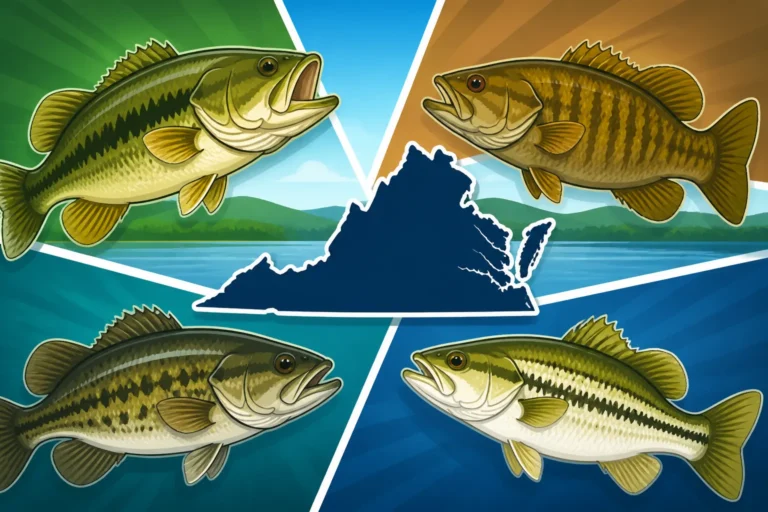
As the Shenandoah widens and its gradient lessens, the water slows down, allowing more sunlight absorption and leading to naturally warmer temperatures. These sections, often characterized by extensive rocky bottoms, ledges, and submerged boulders, are exactly what smallmouth bass adore. Smallmouth bass are ambush predators that thrive in rivers with a good current, but they also appreciate the structure and cover provided by these rocky features. The rocks themselves absorb heat from the sun, which can further warm the surrounding water, creating ideal conditions for bass, especially during the spring and fall when they're most active.
Fishing these broad, slower sections means focusing on structure. Cast towards those visible rock piles, submerged logs, and eddy lines where current breaks. Smallmouth bass will hide behind these structures, waiting to dart out and ambush passing prey. It's a different kind of fishing than stalking trout in a cold mountain stream; here, you're often covering more water with aggressive lures like spinnerbaits, crankbaits, or soft plastic jigs. Finding those prime smallmouth spots often means looking for long runs of current that sweep past these rocky havens. For specific tips on where to find them, check out Best Smallmouth Bass Spots on the Shenandoah River.
Forage Abundance in Warmer Waters
Warmer water temperatures lead to a higher metabolic rate for many aquatic organisms, which in turn means a more active and abundant food chain. The Shenandoah's warmer sections are teeming with various forms of forage that bass feast upon, including crayfish, hellgrammites, minnows, and various insects. This rich larder allows bass populations to grow robust and healthy, providing ample angling opportunities. The longer growing season in warmer waters also means fish can reach larger sizes more quickly.
Picture this: a bustling underwater cafeteria. Crayfish scuttling across the riverbed, minnows darting through submerged vegetation, and insect larvae clinging to rocks. This vibrant ecosystem provides a constant food supply for smallmouth bass throughout the spring, summer, and fall. Anglers looking to match the hatch, so to speak, will often choose baits that imitate these natural food sources. Soft plastic creature baits designed to look like crayfish are incredibly effective, as are small spinnerbaits that mimic a fleeing minnow. The sheer abundance of food in these warmer, nutrient-rich parts of the river is a primary reason why the Shenandoah boasts such a fantastic smallmouth bass fishery. You can find more details on techniques in How to Catch Smallmouth Bass in Rivers.
Seasonal Shifts and Fish Movement
The dynamic nature of the Shenandoah River means that fish aren't static residents; their behavior and location change throughout the year, heavily influenced by water temperature and flow. Understanding these seasonal shifts is crucial for any angler hoping to target both trout and bass successfully.
Winter Concentration and Summer Dispersion
During the cold winter months, both trout and bass tend to become less active and often concentrate in deeper, slower pools where water temperatures are more stable. Trout, while cold-water species, still prefer stable temperatures and will seek out those deeper thermal refuges when surface waters become excessively frigid. Bass, being warm-water species, will essentially hunker down, conserving energy, and feeding less frequently. Finding fish in winter often means locating these deeper wintering holes.
As spring arrives, the river comes alive. Water temperatures begin to rise, and both species become more active. Trout might move into shallower, faster-moving sections to feed on emerging insects, while bass start to move towards spawning areas in preparation for their annual rituals. By summer, the dispersion really kicks in. Trout will retreat to their thermal refuges – those cold springs, deep pools, and shaded tributaries – to escape the heat. Bass, on the other hand, will spread out across the warmer, oxygenated sections of the river, actively hunting and feeding. This seasonal dance means that an angler's approach and target locations need to adapt significantly from month to month. To understand the best times, explore Shenandoah River Trout Fishing Season in Virginia and Best Techniques for Spring Fishing.
Impact of Water Levels and Rainfall
Water levels and rainfall have a profound impact on the Shenandoah's ability to support both fish types. Heavy rainfall can, paradoxically, be both a blessing and a curse. While it introduces cooler, oxygenated water and flushes nutrients into the system, it can also lead to increased turbidity (murky water) and strong currents that make fishing difficult. Trout often benefit from higher, cooler flows in spring and fall, which allow them to move more freely throughout the system. However, excessive flooding can displace fish and their food sources.
Conversely, extended periods of low water and high temperatures, typical of late summer droughts, can stress both populations. During such times, the thermal refuges become even more critical for trout, as they are often the only places where the water remains cool enough. Bass might become lethargic and seek deeper holes or shaded areas. Anglers need to pay close attention to recent weather patterns and river gauges. A few days after a good rain, when the water begins to clear and drop, can be some of the most productive fishing, as fish become active and feed aggressively after the high water subsides. Always check conditions before heading out, and remember that Virginia Fishing Regulations Explained often take into account environmental factors like water levels for certain species.
Shenandoah River's Dual Identity: A Summary
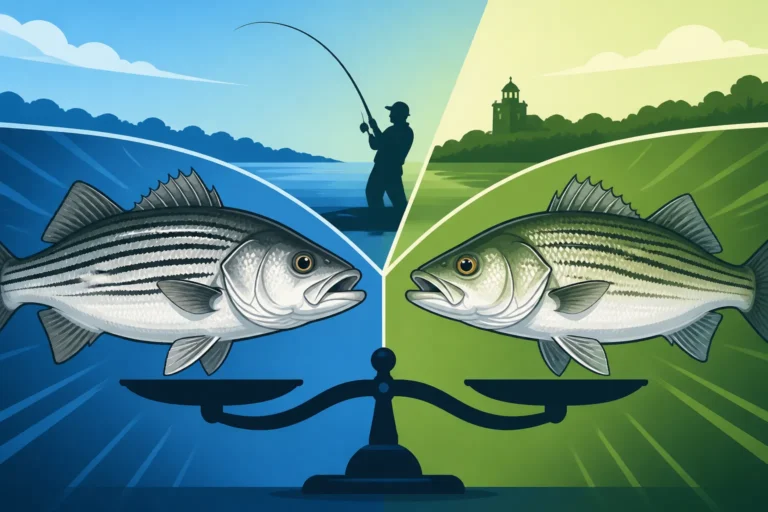
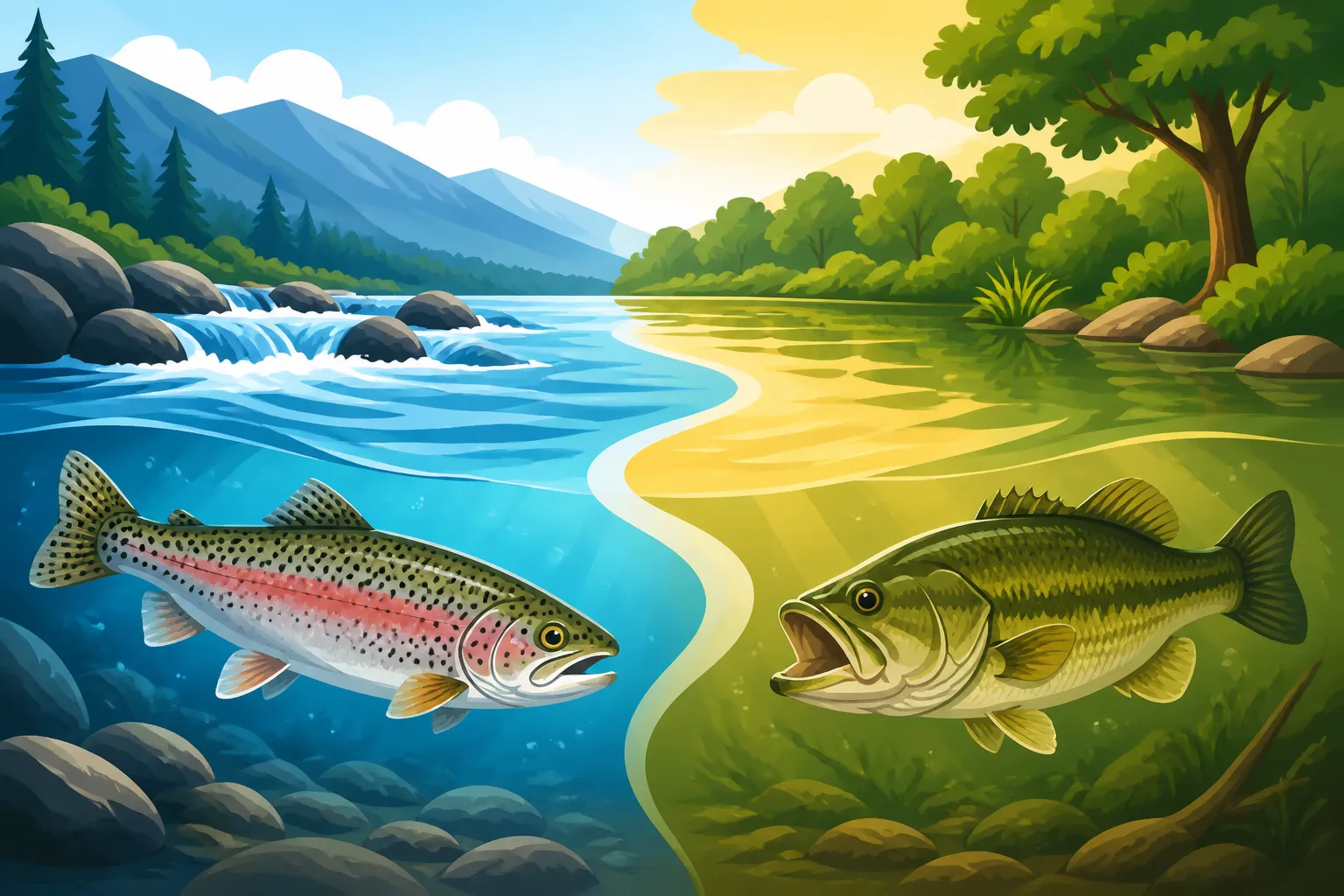
The Shenandoah River truly is a marvel, a river system that defies a simple classification. It's not just a warm-water bass river or a cold-water trout stream; it's both, coexisting through a delicate balance of geography, hydrology, and seasonal adaptation. The interplay of its two forks, the constant input from mountain tributaries, the deep pools, natural springs, and extensive canopy cover create thermal refuges for trout. At the same time, the broader, slower, and warmer stretches with abundant forage provide a perfect environment for robust smallmouth bass populations.
This duality means that anglers have incredible opportunities to pursue both species, often within a relatively short distance, by understanding and respecting the river's varied conditions. Whether you're a seasoned fly fisherman looking for wild brook trout in a secluded tributary or a power angler chasing trophy smallmouth in the main stem, the Shenandoah offers something for everyone. Just remember to grab your A Complete Guide to Fishing Licenses in Virginia before you head out, and perhaps a good waterproof map or an outdoor fishing book from Amazon to help you navigate its many twists and turns.
Here's a quick look at the key factors contributing to the Shenandoah's ability to host both cold and warm water species:
| Factor | Impact on Cold-Water Species (Trout) | Impact on Warm-Water Species (Bass) |
|---|---|---|
| River Sections | Upper reaches of North & South Forks, smaller tributaries | Wider, slower, lower sections of both forks and after confluence |
| Water Temperature | Seeks out cooler waters (below ~70°F) | Thrives in warmer waters (above ~60°F) |
| Thermal Refuges | Deep pools, natural springs, heavy shade, tributary inflows | Less reliant on these, but uses deep pools for wintering/hot spells |
| Habitat Preference | Clear, oxygenated, flowing water; rock/gravel bottoms, woody debris | Rocky structures, ledges, submerged wood, current breaks, varied depths |
| Food Sources | Aquatic insects (larvae, nymphs), smaller baitfish, terrestrial insects | Crayfish, hellgrammites, minnows, insects, frogs |
| Seasonal Movement | Retreats to cold refuges in summer; more active in spring/fall | Active in warmer months; concentrates in deep holes in winter |
| Oxygen Levels | Requires higher dissolved oxygen, often found in cooler, moving water | More tolerant of lower oxygen levels in warmer, slower water, but still needs healthy levels |
This intricate ecosystem is a testament to the adaptability of fish and the diverse natural resources of Virginia. Enjoy your time on the water, and remember that understanding the river is your best fishing tool.
Disclaimer
This article is for general informational purposes only and does not constitute professional advice. Laws, prices and regulations vary by location and change over time. Consult a qualified professional for guidance on your specific situation.