A Complete Guide to Fishing Licenses in Virginia
Navigating the world of fishing licenses can feel like trying to untangle a particularly stubborn fishing line – confusing, frustrating, and sometimes you just want to give up before you even start. You're not alone if you've ever found yourself wondering exactly what you need to legally cast a line in Virginia's beautiful waters, whether it's a quiet mountain stream or the vast Chesapeake Bay. This comprehensive guide is here to cut through the confusion, clearly explaining all the ins and outs of obtaining, understanding, and using your Virginia fishing license so you can focus on the joy of the catch.
Understanding the Basics: Why You Need a Virginia Fishing License
It might seem like just another hoop to jump through, another fee to pay, but the requirement for a fishing license in Virginia isn't just about bureaucracy. It's a critical component of conservation efforts, ensuring the health and sustainability of our aquatic ecosystems for generations to come. Without these funds and regulations, the incredible fishing opportunities we enjoy today simply wouldn't exist. It’s about being a responsible steward of our natural resources, and honestly, avoiding a hefty fine if a Virginia Department of Wildlife Resources (DWR) game warden checks your credentials.
The Role of Conservation and Management
Every dollar spent on a Virginia fishing license directly contributes to the management, protection, and enhancement of the state's fish and their habitats. Think about all the work that goes into stocking trout streams, monitoring fish populations in the Chesapeake Bay, researching disease prevention, and maintaining public access points along rivers like the James or the Shenandoah. These are not trivial tasks, and they require substantial funding. Your license fee helps pay for biologists, wardens, hatchery staff, and educational programs that keep Virginia's fishing vibrant.
For instance, the DWR uses a significant portion of these funds to maintain public boat ramps and fishing piers, ensuring that anglers across the state have places to enjoy their sport. They also invest in crucial research to understand fish migration patterns, spawning habits, and the impacts of environmental changes, all designed to make informed decisions about catch limits and seasons. It's a continuous, dynamic process, and your license is literally a ticket to supporting it. When you purchase your license, you're not just buying a piece of paper; you're investing in the future of Virginia's fishing heritage.
Penalties for Fishing Without a License
It's tempting to think you might slip under the radar, especially if you're just planning a quick, casual trip. But the truth is, DWR game wardens are highly active and incredibly good at their jobs. They patrol lakes, rivers, and coastal areas, often checking licenses at popular fishing spots, boat ramps, and even from kayaks or small boats. Getting caught without a valid Virginia fishing license can quickly turn a relaxing day into a stressful and expensive ordeal. The consequences aren't just a slap on the wrist; they come with real financial penalties.
If a game warden finds you fishing without the proper license, you could face fines and court costs that far exceed the cost of an annual license. The exact amount can vary depending on the specific violation and whether it's a first offense, but you can expect it to be a significant deterrent. Beyond the monetary cost, there's the inconvenience of a court appearance and the possibility of having your gear confiscated. It's simply not worth the risk. Always make sure your license is current and appropriate for the waters you plan to fish. You can learn more about the potential repercussions by checking out the penalties for fishing without a license in Virginia.
Types of Virginia Fishing Licenses Available
One of the biggest sources of confusion for anglers, especially those new to Virginia or just getting back into the sport, is figuring out which specific license they actually need. It's not a one-size-fits-all situation, and the type of water you're fishing – whether it's freshwater, saltwater, or both – will dictate your choice. Add in different durations, and it can quickly become a puzzle. Let's break down the main categories so you can select the perfect license for your angling adventures.
Freshwater Fishing Licenses
If your heart belongs to the lakes, rivers, and streams that wind through Virginia's beautiful inland landscapes, a freshwater fishing license is what you'll need. This covers all non-tidal waters, from the tranquil ponds in state parks to major rivers like the James, Shenandoah, or the Dan. Whether you're chasing largemouth bass at Smith Mountain Lake, fly fishing for smallmouth bass on the Shenandoah River, or dropping a line for catfish in a local reservoir, this is your go-to.
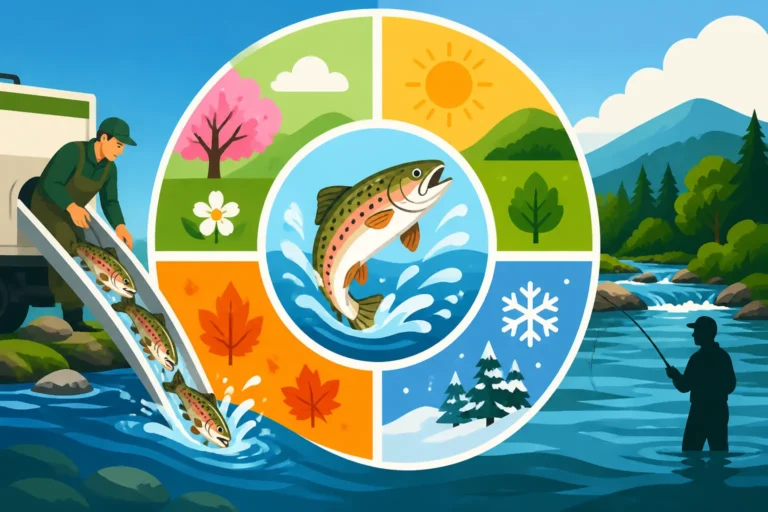
Virginia offers several options for freshwater licenses. The most common is the annual resident freshwater fishing license, which is a great value if you plan to fish throughout the year. For those who visit occasionally or just want to try it out, there are shorter-term options like the 5-day freshwater fishing pass. It's important to remember that some specific activities, like fishing in designated stocked trout waters, might require an additional permit or stamp on top of your base freshwater license. Always double-check the specific regulations for the water body you intend to fish, as rules can vary.
Saltwater Fishing Licenses
Virginia boasts an incredible coastline and the vast, productive waters of the Chesapeake Bay, making saltwater fishing a huge draw. From battling striped bass (or "rockfish" as they're often called locally) in the Bay to targeting flounder, drum, or croaker from a pier or boat in Virginia Beach, you'll need a saltwater license. These licenses are specifically for tidal waters and the open ocean within Virginia's jurisdiction.
Similar to freshwater, you have choices for saltwater fishing. There's the annual resident saltwater fishing license, which is ideal for dedicated coastal anglers. For shorter trips, especially popular with tourists or those planning a quick weekend at the beach, Virginia's 10-day saltwater fishing license offers a convenient and affordable option. It's crucial to understand that even if you're fishing from a private dock or pier that extends into tidal waters, you'll still need this license. The distinction between tidal and non-tidal waters is key here, and if you're ever unsure, assume you need the saltwater license if you're near the coast or the mouth of a major river.
Combination and Specialty Licenses
For many anglers in Virginia, the call of both freshwater and saltwater is simply too strong to resist. You might enjoy casting for bass one weekend and then heading to the Bay for stripers the next. That's where combination licenses become incredibly convenient and often more cost-effective than buying two separate annual licenses. A resident combination fishing license price bundles both freshwater and saltwater privileges into one easy-to-manage document.
Beyond the basic freshwater and saltwater options, Virginia also offers specialty licenses and stamps that cater to particular types of fishing. For example, if you're specifically targeting trout in the state's stocked trout waters, you'll need to purchase a Virginia stocked trout license in addition to your regular freshwater license. There are also specific permits for certain organized events like fishing tournaments. These specialty licenses ensure that dedicated funding is available for specific programs and species, further enhancing the quality of these unique fishing experiences. Always read up on the Virginia Fishing Regulations Explained before heading out, as these details can often be found there.
| License Type | Resident Annual Cost (Approx.) | Non-Resident Annual Cost (Approx.) | Covers | Notes |
|---|---|---|---|---|
| Freshwater Only | $23 | $47 | All non-tidal lakes, rivers, streams. | Required for stocked trout plus a trout license. |
| Saltwater Only | $17.50 | $25 | All tidal rivers, Chesapeake Bay, Atlantic Ocean. | Does not cover FIP for seniors. |
| Combination (Freshwater & Saltwater) | $39.50 | $71 | Both freshwater and saltwater. | Most comprehensive annual option. |
| 5-Day Freshwater Pass | $14 | $14 | Non-tidal waters for 5 consecutive days. | Great for short trips or trying it out. |
| 10-Day Saltwater Pass | $10 | $10 | Tidal waters for 10 consecutive days. | Excellent for coastal vacations. |
| Trout License (Annual) | $23 | $23 | Required for stocked trout waters. | Must be purchased in addition to freshwater license. |
Resident vs. Non-Resident: What You Need to Know
The distinction between a Virginia resident and a non-resident is probably the most significant factor influencing the price and types of fishing licenses available to you. It's not just about where you currently live, but often about how long you've lived there, and what documentation you can provide to prove your residency. This can be a point of frustration for many, especially those who split their time between states or are new to the Commonwealth. Understanding these definitions is crucial to ensuring you buy the correct and most cost-effective license.
Defining Virginia Residency for Licensing
The Virginia Department of Wildlife Resources (DWR) has specific criteria for what constitutes a "resident" for fishing license purposes. Generally, you are considered a resident if you have resided in Virginia for at least six consecutive months immediately prior to purchasing your license, and you do not claim residency in any other state. This often means providing proof like a Virginia driver's license, voter registration card, or a current lease agreement. Simply owning property in Virginia but primarily living elsewhere usually doesn't qualify you as a resident.
There are also special provisions for military personnel. Active-duty military members permanently stationed in Virginia, and their dependent family members residing with them, are generally considered residents regardless of their prior state of residency. College students attending a Virginia institution can also sometimes qualify, but it often involves specific circumstances and documentation. Always be prepared to show appropriate identification to verify your residency when purchasing a license, especially if you're buying it in person from a vendor.
License Options and Costs for Non-Residents
If you don't meet Virginia's residency requirements, you'll be considered a non-resident, and the fees for your fishing license will be higher. This is a common practice across states, designed to ensure that those who primarily benefit from and contribute to the local economy (residents) receive a discounted rate, while still gaining revenue from visitors who enjoy the state's natural resources. Don't worry, though; Virginia still offers plenty of convenient options for out-of-state anglers to enjoy its fantastic fishing.
Non-resident annual licenses, such as the nonresident freshwater fishing license in Virginia or the nonresident annual saltwater fishing license in Virginia, are available for those planning extended stays or multiple trips throughout the year. For shorter visits, which are incredibly popular in a tourist-friendly state like Virginia, you'll find excellent short-term options. For instance, the Virginia's 5-day freshwater fishing pass and Virginia's 10-day saltwater fishing license are identical in price for both residents and non-residents, making them a super accessible choice for vacationers. This makes it easy for folks visiting places like Virginia Beach or heading to the Blue Ridge Mountains to grab a license for their trip without breaking the bank. You can check out more details about typical nonresident fishing license fees to help plan your budget.
Special Considerations: Seniors, Kids, and Disabled Anglers
Fishing is a pastime that truly spans all generations and abilities, and Virginia recognizes this by offering special provisions for certain groups. It's not just about making fishing more accessible, but also about acknowledging the contributions of seniors, encouraging the next generation of anglers, and supporting those with disabilities. Understanding these specific rules can save you money and ensure everyone has the opportunity to enjoy Virginia's waters.
Fishing License Rules for Kids and Youth
One of the best things about Virginia's fishing regulations is how welcoming they are to young, aspiring anglers. Generally, children under the age of 16 are not required to have a fishing license to fish in Virginia. This is fantastic news for families, as it means you can take your kids, grandkids, nieces, or nephews out to a local pond or pier without having to worry about purchasing a separate license for them. It's a wonderful way to introduce them to the sport and foster a love for the outdoors without any initial financial barrier.
However, there are a few nuances to keep in mind. While the kids themselves don't need a license, any adult assisting them, like baiting hooks, casting, or reeling in fish (even if the child is holding the rod), does need a valid license if they are 16 or older. The idea is that the adult is essentially participating in the act of fishing. Also, while kids don't need a general license, some special permits, like those for specific stocked trout waters, might apply to all anglers regardless of age. It's always wise to confirm specific rules, but broadly speaking, Virginia makes it incredibly easy to get your children started fishing. You can delve deeper into fishing license rules for kids in Virginia to be fully prepared.
Free Fishing Options for Virginia Seniors
Virginia deeply values its senior population and offers some excellent benefits for those who want to continue enjoying fishing well into their golden years. For resident anglers aged 65 and older, the news is especially good when it comes to freshwater fishing: you can fish Virginia's freshwater waters without paying a license fee. That's right, free fishing for life in all freshwater bodies! This acknowledges a lifetime of contributions and makes it easier for seniors on fixed incomes to stay active and connected with nature.
However, the saltwater side has a slightly different approach. While freshwater is free, Do Virginia seniors have to pay for a saltwater fishing license? Not necessarily! Virginia offers a one-time $5 saltwater license for anglers over 65. This is an incredible deal, effectively a lifetime saltwater license for a nominal fee. There's also the option of registering for the free FIP (Fisherman Identification Program) saltwater registration for Virginia seniors explained, which allows for saltwater fishing without a traditional license, though it has some specific conditions. It's a small difference, but knowing these options can save you money and ensure you're legally covered whether you're chasing bass or rockfish.
Licenses for Disabled Anglers
Virginia also provides important considerations and specific license options for anglers with disabilities, demonstrating a commitment to making the sport accessible to everyone. These provisions aim to remove barriers and allow individuals with permanent disabilities to enjoy the state's fishing opportunities without undue burden. The specifics often depend on the nature and severity of the disability, requiring proper documentation.
Typically, Virginia offers a special permanent statewide freshwater fishing license for residents who are permanently and totally disabled. This license, often issued at a reduced fee or even free, covers all freshwater fishing throughout the Commonwealth. For saltwater fishing, disabled anglers may also qualify for reduced-cost or free options, sometimes combined with the FIP registration mentioned earlier. The DWR works to accommodate these situations, but it's crucial to apply with the necessary documentation from a medical professional. If you or someone you know falls into this category, reaching out directly to the DWR for the most current information and application procedures is highly recommended to ensure you get the appropriate license.
Where and How to Purchase Your Virginia Fishing License
So, you're ready to get your license and hit the water – fantastic! But where exactly do you go to buy one, and what's the easiest way to make that happen? Gone are the days when you had to track down a specific hardware store or bait shop. While those options still exist, Virginia has made purchasing a fishing license more convenient than ever, offering multiple avenues to suit everyone's preferences.
Buying Your License Online
For many, the quickest and most hassle-free way to secure a Virginia fishing license is through the Virginia Department of Wildlife Resources (DWR) website. The DWR website fishing license purchase steps are straightforward and designed for ease of use. You can simply visit the DWR website, navigate to the licensing section, and follow the prompts. You'll need to provide some personal information, select the type of license you need (freshwater, saltwater, combo, etc.), and complete the payment process with a credit card.
The beauty of buying online is that you can do it from the comfort of your home, any time of day or night. Once purchased, you can often print a temporary copy of your license right away, or even display it on your smartphone or other mobile device. This is incredibly convenient for those last-minute fishing trips or if you realize your old license has expired just before heading out. Just be sure to keep a copy on you, either physical or digital, as proof when you're on the water.
In-Person Purchase Options
While online purchasing is increasingly popular, sometimes you prefer to deal with a real person, or maybe you're already at a tackle shop stocking up on lures. Virginia still maintains a robust network of authorized license agents across the state where you can buy your fishing license in person. These agents often include sporting goods stores like Bass Pro Shops or Dick's Sporting Goods, local bait and tackle shops, and sometimes even county clerk offices or Wal-Mart locations.
These locations are often quite knowledgeable about the local fishing scene and can offer advice on specific license types or regulations for nearby waters. It's a great way to support local businesses while getting your license. Just make sure to bring a valid form of identification, and if you're claiming residency, any necessary proof. Finding Virginia DWR license agents near popular fishing spots is usually quite easy with a quick online search or by using the DWR's own agent locator tool on their website.
Other Convenient Purchase Methods
Beyond online and in-person, Virginia sometimes offers other convenient methods to purchase your fishing license, ensuring accessibility for all anglers. While less common than online or agent purchases, these options can be lifesavers in certain situations.
One such method can be purchasing via phone, though this is less common for initial purchases and more often associated with renewals or specific customer service inquiries. It's always worth checking the DWR website for the most current purchase options, as they occasionally update their systems.
Another consideration, especially for renewals, is the Virginia fishing license mail-in renewal option. While many prefer the instant gratification of online renewal, some anglers appreciate the traditional mail-in method. If you're someone who likes to plan ahead or prefers not to use online payment methods, this could be a viable choice. However, always allow ample time for processing and mailing to ensure your license is valid before your next fishing trip. Regardless of how you choose to purchase, the goal is the same: to get you legally and responsibly onto the water as quickly and easily as possible.
Virginia's Free Fishing Days and License Exemptions
Wouldn't it be great to just grab your rod and reel and head to the water without worrying about a license? Well, Virginia actually makes that a reality for a few special days each year, and in some very specific circumstances. These opportunities are a fantastic way to introduce newcomers to the sport or for seasoned anglers to enjoy a stress-free day. However, it's crucial to understand the exact parameters of these exemptions to avoid any misunderstandings.
Annual Free Fishing Days
One of the most anticipated events for aspiring and casual anglers in Virginia is the annual Free Fishing Days. Mark your calendar: Virginia waives license requirements for three days each June. These days are usually set over a weekend, providing a fantastic opportunity for families and individuals to try fishing without the commitment of purchasing a license. For example, Virginia's 2026 Free Fishing Days are June 5-7. This initiative is designed to encourage participation in fishing, foster an appreciation for the outdoors, and hopefully, inspire new anglers to become licensed and contribute to conservation year-round.
During these designated free fishing days, you can fish both freshwater and saltwater without a state fishing license. This includes the basic fishing license, but typically does not include any specialty licenses like the trout license or specific facility use permits that might be required at certain parks or private ponds. It's essential to confirm the specifics each year on the DWR website, as while the core license is waived, other local or private fees may still apply. These days are perfect for bringing a friend who's always wanted to try fishing or for taking your family out for a low-stakes adventure. What license-free fishing looks like in Virginia each June is often a flurry of activity and happy anglers.
Specific License Exemptions
Beyond the annual free fishing days, Virginia has a few specific, ongoing exemptions where a state fishing license is not required. These are typically tied to location or property ownership and are designed to make fishing accessible in certain controlled environments or for those fishing on their own land. However, these exemptions are very narrow and should not be broadly interpreted.
For example, if you are fishing on your own private property, from waters completely enclosed within that property (meaning the water does not flow into or out of public waters), you typically do not need a state fishing license. Similarly, if you're fishing in a licensed private pond that is completely self-contained and stocked by the owner, a state license is usually not required. However, if that pond has any connection to a public stream or river, even intermittently, then state regulations and licensing would apply.
Another common exemption is for those fishing on public piers that hold a valid commercial pier license, such as many along the Chesapeake Bay. If the pier itself has purchased a blanket license covering all anglers fishing from it, then individual anglers are often exempt from needing their own personal saltwater license. It's always best to check with the pier management directly to confirm their specific licensing status. While these exemptions exist, they are exceptions to the rule. For most fishing activities, the requirement for a valid license stands.
Fishing License Reciprocity and Interstate Agreements
It's a common scenario: you're planning a fishing trip, and the perfect spot happens to straddle a state line, or you live close to a border. Naturally, you wonder if your Virginia fishing license will work in Maryland, North Carolina, or Kentucky. Unfortunately, the answer is almost always no – a Virginia fishing license is primarily valid only within Virginia's state waters. However, there are some very specific and limited reciprocity agreements that you need to be aware of if you plan to fish across state lines.
Virginia's Reciprocity with Neighboring States
Virginia does have some limited fishing license reciprocity between Virginia and neighboring states, but these agreements are usually quite specific and often apply only to certain bodies of water, not statewide. For instance, there are agreements with North Carolina for specific sections of shared border waters, such as portions of the Kerr Reservoir (Buggs Island Lake) and Lake Gaston. On these particular bodies of water, an annual fishing license from either Virginia or North Carolina might be valid across the state line, allowing anglers from both states to enjoy the entire lake.
However, it's incredibly important to note that these agreements generally do not extend to statewide fishing privileges. For example, if you have a North Carolina license, it won't let you fish anywhere in Virginia, only on those specific shared border lakes. Similarly, a Virginia license won't give you blanket permission to fish in all North Carolina waters. These agreements are often complex, so it’s always best to check the DWR's official regulations or contact them directly before venturing onto border waters. You can often find detailed maps and descriptions of these reciprocal waters on their website.
What Happens When There Is No Reciprocity
For the vast majority of cases, if you plan to fish in another state, you will need to purchase that state's non-resident fishing license. This applies whether you're heading to West Virginia for trout streams, exploring Kentucky's incredible reservoirs, or venturing into Tennessee's mountain rivers. Your Virginia license does not carry over, and vice versa. This can be a frustration for anglers who travel frequently, as it means purchasing multiple licenses, but it's the standard practice across state lines.
The rationale behind this is that each state manages its own fisheries and uses license revenues to fund its unique conservation programs. Your Virginia license supports Virginia's DWR, while a Kentucky license supports Kentucky's wildlife agencies. There are no blanket agreements like, "Does a Tennessee honor a Virginia fishing license?" or "Is a West Virginia fishing license valid in Virginia?"
Therefore, if your fishing plans take you across state borders, always plan ahead. Research the licensing requirements for the state you'll be visiting, identify the specific type of license you'll need (freshwater, saltwater, short-term, annual non-resident), and purchase it before you go. The cost of a non-resident license, while higher than a resident one, is always significantly less than the fine you'd face for fishing illegally.
Supporting Conservation: Where Your License Fees Go
Have you ever wondered what exactly happens to that money you shell out for your fishing license each year? It's a fair question, and one that many anglers ask. The truth is, your license fees are not just disappearing into some bureaucratic black hole. They are the lifeblood of Virginia's fisheries management and play an absolutely critical role in keeping our waters healthy, productive, and enjoyable for everyone. Understanding this connection can really reinforce the value of buying that license.
Funding Fish Management and Research
A significant portion of your fishing license fees goes directly to the Virginia Department of Wildlife Resources (DWR) to fund essential fish management and research programs. This isn't just about stocking a few fish; it's a comprehensive, science-driven approach to maintaining healthy aquatic ecosystems. DWR biologists regularly conduct surveys and studies on fish populations in lakes, rivers, and coastal waters, monitoring everything from bass in Smith Mountain Lake to striped bass in the Chesapeake Bay. This data helps them make informed decisions about catch limits, size restrictions, and fishing seasons, ensuring that fish populations remain sustainable and robust.
Beyond population management, these funds support critical research into fish health, disease prevention, and habitat restoration. For instance, projects might focus on improving water quality in crucial spawning grounds, restoring riparian habitats along riverbanks, or researching the impact of invasive species. All of this work is foundational to ensuring that when you cast your line, there are actually healthy fish to catch. Without your license dollars, these vital scientific and management efforts would simply not be possible. This detailed breakdown on How Fishing License Fees Support Wildlife Conservation in Virginia really highlights the impact.
Public Access and Facility Maintenance
Another crucial area supported by your fishing license fees is the development and maintenance of public access points and facilities across the state. Think about all the places you love to fish: public boat ramps, fishing piers, shoreline access points, and even parking areas at popular spots. These don't just appear out of nowhere; they require continuous investment for construction, upkeep, and repair. Your license dollars are directly contributing to providing and maintaining these essential infrastructures.
The DWR uses these funds to build new boat ramps, repair existing ones, maintain docks, and ensure that amenities like restrooms and adequate parking are available at popular fishing destinations. This is particularly important for areas like the James River, where multiple boat ramps are needed to access different sections of the river, or along the coast where public pier access is vital for many saltwater anglers. By contributing to your license, you're helping to ensure that future generations of anglers will also have convenient, well-maintained places to launch their boats or simply enjoy a day of bank fishing. It truly benefits the entire angling community.
Education and Enforcement Programs
Finally, your fishing license fees also play a vital role in funding education initiatives and ensuring fair and consistent enforcement of fishing regulations. Education is key to fostering a conservation ethic, teaching new anglers responsible practices, and ensuring that everyone understands the rules designed to protect our fisheries. This includes DWR outreach programs, educational materials, and youth fishing clinics that introduce young people to the joys of fishing while teaching them about conservation.
Equally important is the funding for enforcement. Game wardens are essential for ensuring that regulations are followed, protecting against poaching, and preventing illegal fishing activities that could harm fish populations. Their work ensures a level playing field for all legal anglers and safeguards the resources that everyone enjoys. They rely on license fees for equipment, training, and operational costs. So, when you purchase a fishing license, you're not just buying permission to fish; you're actively supporting the entire ecosystem of management, access, education, and protection that makes Virginia fishing so special.
Common Questions and Troubleshooting Your License
Even after diving deep into all the specifics, sometimes little questions pop up or unexpected situations arise. From "can I still fish if I forgot my physical license?" to "what happens if I lose my license?" – these everyday concerns can cause a moment of panic. Let's tackle some of the most common questions and offer practical troubleshooting tips to keep your fishing trips smooth and stress-free.
What if I Lose or Forget My License?
It happens to the best of us: you're halfway to your favorite fishing spot, reach for your wallet, and realize your physical fishing license is nowhere to be found. Or perhaps, worse, it slips out of your pocket while you're out on the boat. Don't despair! Virginia DWR has made it relatively easy to recover or replace a lost license. While having a physical copy is always a good idea, DWR wardens are generally understanding in this digital age.
If you purchased your license online, you can usually log back into your DWR account on their website and print a paper copy of your Virginia fishing license or display the digital version on your phone. Many wardens will accept a digital image of your valid license. If you bought it in person, you can still usually access your information online through the DWR portal by looking up your customer ID, or you can visit an authorized license agent, who can often reprint your license for a small fee. The key is to have proof that you indeed possess a current, valid license. Always double-check your wallet before heading out, but rest assured, a lost license isn't usually a trip-ender.
License Validity Periods and Renewals
Unlike some states where licenses run for a calendar year, Virginia's fishing licenses are typically valid for one year from the date of purchase. This means if you buy your license on April 15th, it will be good until April 14th of the following year. This rolling 12-month period offers flexibility but also means you need to keep track of your specific expiration date, rather than just remembering "January 1st."
Renewing a fishing license in Virginia is as simple as purchasing a new one. You can renew online through the DWR website, which is often the quickest method, or you can visit any authorized license agent in person. Many anglers appreciate that they don't have to wait for a specific time of year to renew, allowing them to keep their fishing privileges continuous. The DWR may also send out reminders closer to your expiration date, but it's always wise to add a reminder to your own calendar to avoid any lapses in coverage. Staying on top of your renewal ensures uninterrupted enjoyment of Virginia's fantastic fishing opportunities.
Ensuring Your License is Appropriate for Your Trip
One final, critical piece of advice is to always ensure the license you have is appropriate for the specific waters you intend to fish. As we've discussed, the biggest distinction is between freshwater and saltwater. Don't assume your freshwater license will cover you for a day of pier fishing on the Chesapeake Bay, and vice versa. Many coastal rivers in Virginia are tidal for a significant distance inland, meaning they fall under saltwater regulations even far from the ocean.
If you plan to fish both types of water, a combination license is almost always your best bet. Also, remember the specific requirements for stocked trout waters. Just because you have a freshwater license doesn't mean you can fish a designated stocked trout stream without the additional trout license. A quick check of the DWR regulations for the specific body of water you're visiting can prevent any last-minute surprises or interactions with a game warden that aren't about swapping fish stories. For general gear, like a new tackle box or specialized fishing line, you might find what you need on Amazon, but for the license itself, stick to official DWR channels or authorized agents. Taking a few moments to review your license against your fishing plans ensures you're fully prepared and ready for a great day on the water.
Disclaimer
The information provided in this guide is intended for general informational purposes only and is not a substitute for official legal advice or the current regulations published by the Virginia Department of Wildlife Resources (DWR). Fishing regulations and license requirements can change, and it is the angler's sole responsibility to ensure they are in compliance with all current state and local laws before engaging in any fishing activity. Always consult the official DWR website or contact the DWR directly for the most up-to-date and accurate information.