Virginia Fishing Rules Every Angler Should Know
Oh, Virginia! It's a truly stunning state for anglers, offering everything from serene mountain trout streams to the vast, teeming waters of the Chesapeake Bay. But let's be real, the sheer volume of fishing rules and regulations can feel like trying to untangle a particularly stubborn bird's nest of fishing line. It’s enough to make you scratch your head and wonder if you’ve got everything just right before you even cast a line. This comprehensive guide is here to cut through the confusion, helping you understand the essential Virginia fishing rules every angler should know so you can fish legally, responsibly, and with peace of mind.
The Foundation: Why We Have Fishing Regulations
It's easy to look at a thick book of fishing regulations and feel a bit overwhelmed, maybe even a little frustrated. You just want to enjoy a peaceful day on the water, right? But these rules aren't just there to make things complicated; they're the bedrock of healthy fisheries and sustainable angling for generations to come. Think of them as the guardrails that keep our natural resources vibrant and accessible.
Protecting Our Fish Populations
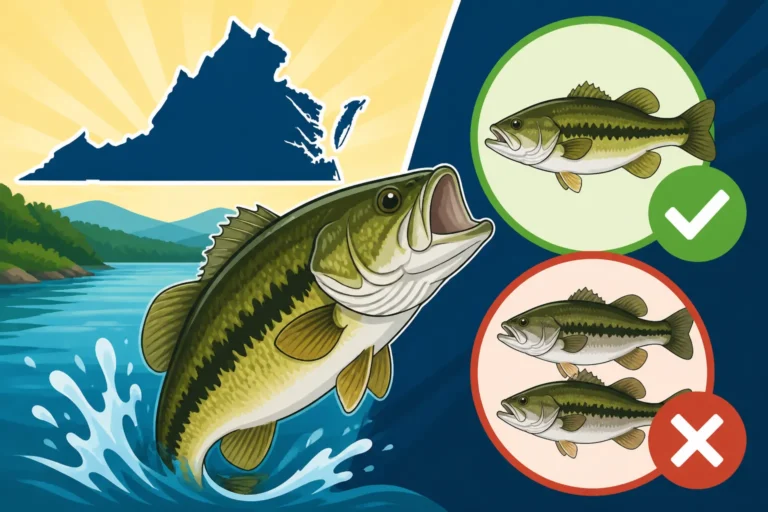
Imagine if everyone could just go out and catch as many fish as they wanted, whenever they wanted. It wouldn't take long before our favorite fishing spots became ghost towns, devoid of the very species we love to pursue. That's why catch limits and size restrictions exist. They act as vital safeguards, ensuring that enough fish survive to spawn and reproduce, maintaining robust populations. For instance, specific length limits on popular species like largemouth bass mean that smaller, younger fish have a chance to grow into breeding adults, contributing to the next generation. These rules are particularly critical for species that are slower to mature or reproduce, giving them the protection they need to thrive. Without these carefully considered limits, even the most resilient fish populations would eventually face severe decline, impacting not only the sport but the entire aquatic ecosystem.
Ensuring Fair Access for Everyone
Beyond conservation, regulations also play a crucial role in ensuring that everyone has a fair shot at enjoying Virginia's incredible fishing opportunities. Licensing requirements, for example, create a level playing field. When you purchase a license, you're not just getting permission to fish; you're contributing to the collective pot that funds enforcement and resource management. This helps prevent overcrowding and overfishing in specific areas, distributing the angling pressure more evenly across the state's diverse waters. It also means that dedicated resources, funded by license sales, can be allocated to improving public access points, maintaining boat ramps, and stocking waters, benefiting all anglers, from the seasoned pro to the weekend warrior taking their kids out for the first time. It's all about making sure that the joy of fishing isn't just for a select few, but for every Virginian and visitor.
The Role of the Virginia DWR in Setting Rules
The Virginia Department of Wildlife Resources (DWR) is the lead agency responsible for managing the state's fish and wildlife resources, and they're the ones behind those regulations. Their work is incredibly complex and science-driven, involving biologists, researchers, and conservation officers who constantly monitor fish populations, study habitats, and track environmental changes. They use this data to make informed decisions about seasons, limits, and other rules, often in consultation with local communities and angling groups. This scientific approach ensures that regulations are not arbitrary but are designed to achieve specific conservation goals while also providing reasonable opportunities for anglers. They're always balancing the needs of the fish with the desires of the fishing public, a delicate but essential task for the long-term health of Virginia's fisheries. If you ever have a question about a specific rule, the DWR website is your go-to resource.
Understanding Your Virginia Fishing License: The Absolute Essentials
Before you even think about baiting a hook in Virginia, you absolutely need to understand the licensing requirements. This isn't just a suggestion; it's a legal necessity. Getting caught without the proper license can lead to fines and a ruined day on the water, which is a frustration no one needs. The good news is, getting one is fairly straightforward, but knowing which one you need can sometimes be the tricky part.
Who Needs a License and When
Generally speaking, if you are 16 years of age or older and plan to fish in public waters in Virginia, you're going to need a fishing license. There are very few exceptions to this rule. It doesn't matter if you're targeting a trophy largemouth or just trying to catch some panfish for dinner; if you're fishing, you need that piece of paper (or digital confirmation) in hand. Even if you're practicing strictly catch-and-release, the requirement still applies. It's often misunderstood that only those keeping fish need a license, but that's not the case. The act of fishing itself, whether you intend to keep your catch or not, requires proper authorization. This ensures that everyone who benefits from the resource contributes to its management. For those just starting out, check out this guide on How to Get a Fishing License in Virginia to make sure you're properly prepared.
One important nuance: if you're fishing on private property that you own, or if you're fishing on land owned by a close relative, you might be exempt if the waters are entirely contained within that property and are not open to the public. However, once those waters connect to public waterways, or if they are stocked by the state, a license is typically required. It’s always best to err on the side of caution and verify with the DWR if you're unsure about a specific private pond or stream. Furthermore, remember that even if you don't need a license, adhering to all other fishing regulations regarding size and creel limits is still mandatory.
Resident vs. Non-Resident Licenses: What's the Difference?
Virginia has different license fee structures and requirements for residents versus non-residents. This is a common practice across states, designed to give a slight economic advantage to those who live in and contribute taxes to the state year-round. To qualify as a Virginia resident for licensing purposes, you generally need to have resided in Virginia for at least six consecutive months immediately prior to applying for a license. There are specific criteria the DWR uses, so if you're new to the state or are a college student, it’s worth double-checking their guidelines. For everyone else, a non-resident license is your go-to. This applies whether you're visiting from a neighboring state like North Carolina or just passing through on a vacation.
The price difference can be significant, especially for annual licenses. A Virginia resident freshwater fishing license costs one amount, while the non-resident freshwater license will be considerably more. This distinction also extends to combination licenses and short-term options. Understanding your residency status is crucial for purchasing the correct license and avoiding any future headaches. You can find a detailed breakdown of costs in our article, Virginia Fishing License Costs and Types Explained. Don't just guess; make sure you're selecting the right category when you make your purchase online or at an authorized agent.
License Types: Freshwater, Saltwater, and Combination Options
Virginia's diverse waters mean you'll need the right kind of license for the type of fishing you plan to do. Generally, you’ll encounter three main categories:
- Freshwater Fishing License: This covers all of Virginia's inland lakes, rivers, and streams, from the smallest mountain brook to vast impoundments like Smith Mountain Lake. If your fishing adventure involves chasing bass, crappie, catfish, or trout in non-tidal waters, this is what you need.
- Saltwater Fishing License: If you're heading to the Chesapeake Bay, its tidal tributaries, or out into the Atlantic Ocean, a saltwater license is mandatory. This includes everything from pier fishing at Virginia Beach to charter trips offshore. Often, this is paired with the Virginia Saltwater Angler Registry Program (FIP), which is typically free but required even if you're exempt from a license (e.g., fishing with a licensed charter).
- Freshwater and Saltwater Combination License: For anglers who love to bounce between different environments – maybe a morning on Lake Anna for bass and an afternoon chasing croaker in the James River's tidal sections – the combination license is usually the most convenient and often the most economical choice. It covers you for both types of waters with a single purchase.
It's also important to consider the duration of your license. You can typically choose between annual licenses, which are valid for one year from the date of purchase, or short-term options like a Virginia's 5-Day Freshwater Fishing Pass or a Virginia's 10-Day Saltwater Fishing License. These short-term passes are perfect for tourists or those who only fish a few times a year. Always confirm you have the right license for the water you'll be fishing in. A good overview can be found in our guide on Freshwater and Saltwater Fishing Licenses in Virginia.
Virginia Fishing License Types and Typical Costs (Resident)
| License Type | Cost (Resident Annual) | Covered Waters |
|---|---|---|
| Freshwater Fishing | $23.00 | All inland, non-tidal freshwaters. |
| Saltwater Fishing | $17.50 | All tidal fresh and saltwater in Virginia. Requires FIP registration. |
| Freshwater/Saltwater Combo | $39.50 | All inland and tidal waters in Virginia. Requires FIP registration for saltwater. |
| 5-Day Freshwater (Resident/Non-Resident) | $14.00 | All inland, non-tidal freshwaters for five consecutive days. |
| 10-Day Saltwater (Resident/Non-Resident) | $10.00 | All tidal fresh and saltwater in Virginia for ten consecutive days. (Plus FIP) |
Note: Prices are subject to change by the DWR. Non-resident fees are typically higher.
Navigating Freshwater Fishing Regulations in Virginia
Virginia's freshwater fishing scene is incredibly diverse, from the crystal-clear streams of the Blue Ridge Mountains to the vast, fish-filled reservoirs of the Piedmont. But this diversity also means that regulations can vary significantly depending on where you cast your line. What's perfectly legal in one lake might land you in hot water in another, so a little local knowledge goes a long way.
General Statewide Creel and Size Limits
While specific lakes and rivers might have their own unique regulations, there are general statewide creel (number of fish you can keep) and size (minimum or maximum length) limits that apply to many popular freshwater species. For example, the Statewide Bass Fishing Limits in Virginia typically allow for a daily creel limit of 5 bass (largemouth, smallmouth, spotted, Alabama bass combined). However, the specific length requirements can differ. It's not uncommon to see a "slot limit" in some waters, meaning you can only keep fish within a certain size range, protecting both juvenile and trophy-sized fish.
It's essential to not only know these numbers but also to have a reliable measuring device on hand. A simple tape measure, easily found on Amazon, is a must-have for any tackle box. Trying to eyeball a fish's length is a surefire way to accidentally break a rule. These general regulations are designed to provide a baseline level of protection for our freshwater species, preventing overharvesting across the state's broader fishing areas. Always consult the most current DWR fishing regulations guide before you head out, as these limits can change season to season based on population surveys.
Understanding Specific Waterbody Regulations
Here's where things get really nuanced and where many anglers can get tripped up. While statewide limits exist, many individual lakes, rivers, or even sections of rivers, have special regulations that override or supplement the general rules. For instance, a particular lake known for its trophy largemouth bass might have a stricter slot limit or a lower creel limit than the statewide norm. The Shenandoah River, famous for its smallmouth bass, might have specific restrictions to protect its unique fishery.
These localized rules are implemented when DWR biologists identify specific management needs for a particular body of water. Perhaps a fishery is recovering from a previous decline, or it's being managed to produce larger, healthier fish. Ignoring these specific rules is just as serious as ignoring the statewide ones. Before you launch your boat or cast from the bank, make it a habit to check the DWR regulations for that specific body of water you intend to fish. Most DWR annual fishing regulation booklets will have a section dedicated to special regulations by waterbody, often organized alphabetically. A few minutes of research can save you a lot of trouble.
Trout Fishing: Special Licenses and Season Rules
Virginia's trout fishing is a world unto itself, with its own set of distinct regulations. If you're planning on chasing rainbow, brown, or brook trout, you'll need to pay close attention. Beyond your regular freshwater fishing license, you will also likely need a separate Virginia Trout License. This additional stamp or permit helps fund the state's robust trout stocking program, which is crucial for maintaining popular put-and-take fisheries. You can find detailed information about these requirements in our guide on Stocked Trout License Requirements in Virginia.
Furthermore, trout fishing often operates on specific seasons. Many stocked trout waters have designated "stocked trout seasons" during which creel limits and bait restrictions may apply. Wild trout streams, found in the colder, more pristine mountain regions, typically have year-round seasons but come with much stricter regulations, often including catch-and-release only, artificial lures only, and even specific time-of-day restrictions. These Wild Trout Stream Rules in Virginia are in place to protect the fragile populations of native brook trout. Always know whether you're fishing in a stocked or wild trout stream, and purchase the appropriate stamp. It’s a small price to pay to enjoy some of the most beautiful and challenging fishing Virginia has to offer.
Mastering Saltwater Fishing Regulations Along Virginia's Coast
The vast saltwater expanses of Virginia, from the Chesapeake Bay to the oceanfront, offer incredible fishing opportunities. But just like freshwater, these waters come with their own distinct set of rules. The dynamic nature of ocean and bay fisheries, influenced by migratory patterns and federal management plans, often means these regulations can change more frequently than inland rules. Staying updated is key to a successful and legal saltwater fishing trip.
Mandatory Saltwater Registration vs. License
This is a common point of confusion for many anglers new to Virginia's coastal waters. If you're fishing in saltwater, or in tidal freshwater areas, you will need a Virginia saltwater fishing license or be registered with the Virginia Saltwater Angler Registry Program (FIP). The FIP is often a free registration, required even if you're otherwise exempt from needing a license, such as when fishing from a licensed charter boat or during free fishing days. It's part of a federal program to track recreational fishing effort, which is vital for fisheries management. So, even if you’ve got your annual Freshwater and Saltwater Fishing Licenses in Virginia combo, you'll still need that FIP registration.
The importance of the FIP cannot be overstated. It provides critical data on how many people are fishing and what they're catching, which directly informs the management decisions that keep our saltwater fisheries healthy. Imagine trying to manage a stock of striped bass without knowing how many anglers are pursuing them! The DWR makes it easy to complete this registration online, and it's a quick step that ensures you're fully compliant. Many anglers will simply get the full saltwater license, which typically includes the FIP registration process, simplifying things. Just make sure to verify your specific situation with the DWR's saltwater regulations.
Common Saltwater Species: Striped Bass, Flounder, Drum
Saltwater fishing in Virginia revolves around several highly popular species, each with its own specific regulations. The iconic striped bass, or "rockfish" as they're often called locally, is a prime example. Their season is often split into different periods, with specific slot limits (e.g., you can only keep fish within a certain size range, like 28 to 31 inches) and daily creel limits. These rules can change annually based on stock assessments, so it's absolutely crucial to check the latest DWR regulations, especially for Striped Bass Season and Slot Limit in Virginia.
Other popular species like flounder, red drum, black drum, and speckled trout also have their own size and creel limits. These are often designed to protect juvenile fish and ensure breeding adults are able to reproduce. For instance, flounder typically have a minimum size limit to allow them to mature. Knowing these specific rules for each species you plan to target is just as important as having your license. Many anglers keep a laminated card with common species limits in their tackle box or save the DWR's regulation PDF on their phone for quick reference.
Estuarine and Tidal River Rules
Virginia's extensive network of tidal rivers—like the James, York, Rappahannock, and Potomac—present a unique regulatory challenge. These waters transition from purely freshwater to brackish to full-on saltwater, creating a blended ecosystem. The critical point to remember is that if the water is tidal, even if it tastes fresh, it often falls under saltwater fishing regulations. This means your saltwater license (or FIP registration, if applicable) is required.
Furthermore, these tidal rivers are often nurseries for many saltwater species, so specific areas or times of year might have heightened restrictions. For example, certain sections of a tidal river might have special restrictions on striped bass fishing to protect spawning aggregations. The DWR clearly delineates where freshwater regulations end and saltwater regulations begin, usually at specific points along these rivers. Always refer to the DWR's detailed maps and descriptions for these transition zones. It's another area where a quick check of the regulations before you head out can prevent any misunderstandings with law enforcement. If you're fishing from a pier, like those found in Virginia Beach, it's generally considered saltwater and requires the appropriate license or FIP registration, unless you're fishing on a pier that has a blanket license for all anglers.
Special Species: Key Regulations for Popular Game Fish
Virginia's waters are home to an incredible array of game fish, each offering a unique challenge and rewarding experience. From the acrobatic smallmouth bass of the Shenandoah to the powerful striped bass of the Chesapeake, there's something for everyone. But with great fish comes great responsibility – and specific regulations to ensure these populations thrive.
Bass Fishing: Largemouth, Smallmouth, and Slot Limits
Bass fishing in Virginia is incredibly popular, targeting largemouth, smallmouth, spotted, and sometimes even Alabama bass. As mentioned earlier, the general statewide daily creel limit for bass is 5 fish combined, but the length restrictions are where things get interesting. Many of Virginia's premier bass lakes and rivers implement slot limits, which means you can only keep bass that fall within a specific size window. For example, a common slot limit might say "no bass between 14-18 inches may be kept," meaning you can keep fish under 14 inches or over 18 inches, but not in the slot. This strategy protects the prime breeding-size fish, allowing them to reproduce and grow.
Different water bodies often have different slot limits depending on their specific management goals. A lake managed for trophy largemouths might have a higher minimum size or a wider protected slot than a river focused on abundant smallmouths. For a comprehensive overview of these varying rules, our guide on Statewide Bass Fishing Limits in Virginia is an invaluable resource. Always check the DWR's specific regulations for the lake or river you're fishing, as these rules are crucial for maintaining healthy bass populations and are strictly enforced. Having a good, accurate measuring board or tape, readily available on Amazon, is essential to ensure your catch falls within the legal slot.
Striped Bass (Rockfish) Rules and Seasons
The striped bass, affectionately known as rockfish, is a prized game fish in Virginia's tidal rivers and the Chesapeake Bay. Their robust fighting spirit and delicious meat make them a top target for many anglers. However, striped bass populations are carefully managed across the Atlantic coast, leading to some of the most complex and frequently updated regulations. Virginia's striped bass season is often split into different time windows throughout the year (e.g., a spring season and a fall/winter season), each with specific size and creel limits.
A common regulation is a slot limit, such as one fish per person per day within a 28 to 31-inch slot. This means any striped bass caught outside of that slot must be immediately released unharmed. These rules are designed to protect both the younger, growing fish and the large, mature breeding females. You absolutely must consult the most current Virginia DWR saltwater fishing regulations before targeting striped bass, as these rules can change year to year based on federal and state stock assessments. Our article, Striped Bass Season and Slot Limit in Virginia, delves into these details. Missing a change in the striped bass regulations can lead to serious penalties, so staying informed is non-negotiable for rockfish enthusiasts.
Catfish and Panfish Regulations
While bass and trout often grab the headlines, Virginia also offers fantastic fishing for catfish and panfish, which are often overlooked but incredibly fun to catch, especially for beginners or families. The good news is that regulations for species like channel catfish, blue catfish, flathead catfish, crappie, bluegill, and sunfish are often a bit more lenient than for their more glamorous cousins.
For many panfish and catfish species, statewide regulations often allow for generous daily creel limits and may not have minimum size limits. This makes them excellent targets for those looking to fill a cooler for a fish fry. However, there are exceptions. Some larger water bodies, especially those known for trophy flathead or blue catfish, might implement specific size or creel limits to protect these larger, older fish. Always check the DWR regulations for the specific water you're fishing. Even if the rules are more relaxed, understanding them ensures you're fishing responsibly and contributing to the health of all Virginia's diverse fish populations. These species are a fantastic entry point into fishing, especially for kids, and often don't require expensive gear, though a good fishing net from Amazon can definitely make landing bigger cats easier.
What Happens If You Break the Rules: Penalties and Enforcement
No one wants their enjoyable day of fishing to turn into a legal headache, but ignoring Virginia's fishing regulations can lead to precisely that. The Virginia Department of Wildlife Resources (DWR) has a dedicated team of conservation police officers (formerly game wardens) whose job it is to enforce these rules. They aren't just out to give tickets; they're protecting the resource for everyone, but they don't hesitate to act when rules are broken.
Common Violations and Their Consequences
The most common violations usually involve fishing without a valid license, exceeding creel limits, or keeping undersized or oversized fish (outside of a slot limit). Fishing without a license, for instance, is not a minor offense. It can result in a significant fine, potentially ranging into hundreds of dollars, and may even involve court costs. You might also have your fishing equipment confiscated. Imagine losing your favorite rod and reel, not to mention a hefty fine, all for forgetting a $23 license! This is why it’s so important to ensure you have your Virginia Fishing License Guide in hand and correctly purchased.
Exceeding the daily creel limit for a species, or keeping a fish that doesn't meet the legal size requirements, can also lead to substantial fines per fish. For example, being caught with an undersized striped bass could lead to a fine, and if you have multiple undersized fish, those fines can add up quickly. These penalties are designed to be a strong deterrent, emphasizing the seriousness of protecting Virginia's valuable fish populations. They are not merely slaps on the wrist; they are intended to make anglers think twice before bending or breaking the rules.
How Game Wardens Enforce Regulations
Virginia's conservation police officers are highly trained law enforcement professionals with full police powers. They patrol lakes, rivers, coastal waters, and boat ramps, often undercover or in unmarked vehicles, making sure anglers are following the rules. They can stop and inspect your catch, check your license, and verify your equipment. These officers are passionate about conservation, and their presence is crucial for ensuring compliance. Many anglers might not even see a warden during their trip, but that doesn't mean they aren't out there. They often rely on observation, discreet patrols, and even tips from other responsible anglers.
When an officer approaches you on the water or at a launch, it's vital to be courteous and cooperative. Have your license readily available (digital copies on your phone are usually accepted, but a physical copy or printout is always safe), and be prepared to show your catch. Their primary goal is compliance, but they will issue citations if violations are found. Understanding how they operate can help you stay prepared and ensure a smooth interaction if you are checked. For more information, our article on Penalties for Fishing Without a License in Virginia provides a deeper look into the legal ramifications.
Staying Compliant: Tips to Avoid Penalties
Avoiding penalties is really quite simple: know the rules and follow them.
- Always Carry Your License: Whether it’s a physical copy, a printout, or on your phone, make sure you can produce your valid Virginia fishing license immediately upon request.
- Check Local Regulations: Before every trip, consult the DWR's latest regulations for the specific body of water you'll be fishing. Use their website or the current fishing guide.
- Measure Your Fish: Invest in a reliable measuring device and use it for every fish you intend to keep. Don't guess!
- Know Your Limits: Be aware of the daily creel limits for each species you're targeting. Count your fish carefully.
- Educate Others: If you're fishing with friends or family, make sure they also understand the rules, especially children. Learn more about Do Kids Need a Fishing License to Fish? to avoid any surprises.
- Ask Questions: If you're genuinely unsure about a regulation, contact the DWR directly. It's always better to ask beforehand than to face a fine later.
By adopting these habits, you can ensure your fishing experiences in Virginia are always enjoyable, legal, and stress-free.
Planning Your Trip: Key Dates and Exemptions
Fishing is often about planning, from choosing the right bait to scouting the perfect spot. But savvy anglers also know that planning involves understanding key dates and special exemptions that can affect their trip, saving them money or opening up new opportunities. Virginia provides some excellent programs designed to encourage participation and celebrate the sport.
Virginia's Free Fishing Days: A Great Opportunity
One of the absolute best opportunities for new anglers or those looking to introduce friends and family to the sport are Virginia's annual Free Fishing Days. Typically held over a weekend in early June, these days allow anyone to fish in Virginia's public freshwater and saltwater bodies without needing a license. It's a fantastic chance to try out new spots, experiment with different techniques, or simply enjoy a day on the water without the upfront cost of a license.
While the license requirement is waived, all other fishing regulations – like creel limits, size restrictions, and gear restrictions – remain in effect. So, you still need to know what you can keep and how big it needs to be! These days are incredibly popular, so expect waters to be a bit more crowded than usual. For specific dates and more details on planning a trip during this period, check out our article on Virginia Free Fishing Days in June 2026. It's an excellent way to experience Virginia fishing without the commitment of a full license purchase.
Youth and Senior Exemptions
Virginia, like many states, recognizes the importance of encouraging youth participation and honoring its senior citizens.
- Youth: In Virginia, children under the age of 16 are generally not required to have a fishing license. This is a wonderful incentive for parents and guardians to introduce their kids to fishing from a young age without adding another cost or regulatory hurdle. While kids don't need a license, they still must adhere to all other DWR fishing regulations, including size and creel limits.
- Seniors: Anglers who are 65 years of age and older also receive special considerations. Virginia offers a Free Fishing License for Virginia Seniors 65 and Older for freshwater fishing. For saltwater, they have the option of a lifetime saltwater license for a nominal fee, or they can simply register with the free Virginia Saltwater Angler Registry Program (FIP). These programs are a great way to ensure that fishing remains accessible and affordable for those in their golden years, who often have a lifetime of angling wisdom to share. Always carry proof of age if you're fishing under a senior exemption.
Reciprocity Agreements with Neighboring States
For anglers who live near Virginia's borders or enjoy fishing across state lines, the question of license reciprocity often comes up. Does a North Carolina license work in Virginia? What about Maryland? The answer is generally, "it depends." Virginia does have some limited reciprocity agreements with neighboring states, especially for waters that form a shared border.
For example, there are often specific agreements for fishing in the main stem of the Potomac River, which borders Maryland. However, these agreements are usually very specific, covering only certain sections of a body of water, and often require you to follow the regulations of the state in whose waters you are fishing, even if using your home state's license. It's rare for a full, blanket reciprocity agreement to exist where one state's license works universally in another. Therefore, if you plan to fish in a bordering waterway, always, always consult the DWR regulations for that specific border water, and potentially the regulations of the neighboring state's wildlife agency. More often than not, if you're truly fishing in Virginia waters, you'll need a valid Virginia fishing license.
Conservation and Community: How Your License Helps Virginia's Waters
When you purchase a fishing license in Virginia, you're doing more than just getting legal permission to fish. You're becoming an active participant in the vital work of wildlife conservation and management. It's easy to overlook the financial aspect, but every dollar from your license fee plays a direct role in protecting and enhancing the very resources that make Virginia such a fantastic place to fish.
Funding Wildlife Management and Habitat Restoration
The revenue generated from fishing license sales is a cornerstone of the DWR's budget. This money doesn't just disappear into a general fund; it's earmarked for specific conservation initiatives. A significant portion goes directly towards wildlife management programs, including ongoing surveys of fish populations to assess their health and determine sustainable harvest levels. This is the scientific backbone that informs those catch limits and size restrictions we discussed earlier. Without this funding, DWR biologists wouldn't be able to monitor our precious fisheries, leading to potential declines in our favorite species.
Furthermore, license fees are critical for habitat restoration projects. This could involve anything from improving stream health by planting native vegetation along riverbanks, to removing blockages that prevent fish migration, or even creating artificial reefs and brush piles in lakes to provide shelter and spawning grounds. These projects directly benefit fish by providing them with healthier environments to live and reproduce. Consider how essential a clean, thriving habitat is, and you’ll see the direct impact of your license purchase. You're essentially investing in the future of Virginia fishing.
Supporting Research and Stocking Programs
Another crucial area supported by license fees is scientific research. DWR conducts extensive research on fish behavior, disease prevention, reproductive cycles, and the impacts of environmental changes. This research helps them adapt management strategies to new challenges, ensuring that Virginia's fisheries remain resilient. For instance, understanding the spawning habits of particular species in a certain lake helps the DWR implement tailored regulations that maximize their reproductive success.
Beyond research, a significant portion of the funds goes into Virginia's various stocking programs. This is particularly evident in the trout fisheries, where millions of hatchery-raised trout are released into streams and lakes each year to provide abundant angling opportunities. But stocking isn't limited to trout; some lakes may receive supplemental stocking of bass or other species to boost populations or introduce genetic diversity. These programs directly enhance the angling experience by ensuring there are plenty of fish to catch. Without your license dollars, these widespread and popular programs simply couldn't exist at their current scale, directly impacting the availability of quality fishing throughout the state. So, next time you're buying a new lure or a fishing book from Amazon, remember that your license fee also helps put those fish in the water!
Becoming a Responsible Virginia Angler
Beyond the financial contribution, understanding and respecting fishing regulations is the hallmark of a responsible angler. It’s about more than just avoiding fines; it’s about upholding an ethical commitment to conservation. A responsible angler takes the time to learn the rules, measures their fish accurately, respects catch limits, and practices responsible catch-and-release when appropriate. They understand that every decision they make on the water has an impact, however small, on the ecosystem.
Being a responsible angler also means respecting private property, properly disposing of trash (including old fishing line, which can be incredibly harmful to wildlife), and reporting poaching or environmental violations to the DWR. It means setting a good example for others, especially for younger generations just learning the ropes. When we all adhere to these principles, we contribute to a stronger angling community and ensure that Virginia's fantastic fishing heritage continues to thrive for many years to come. Your fishing license is your entry into this community, a shared commitment to preserving our precious natural resources.
Disclaimer
Please remember that fishing regulations can and do change. While this guide aims to provide comprehensive and current information, it is always your responsibility to consult the official Virginia Department of Wildlife Resources (DWR) regulations guide for the most up-to-date and specific rules before heading out to fish. This article is for informational purposes only and does not constitute legal advice.