Fishing license required for pier fishing?
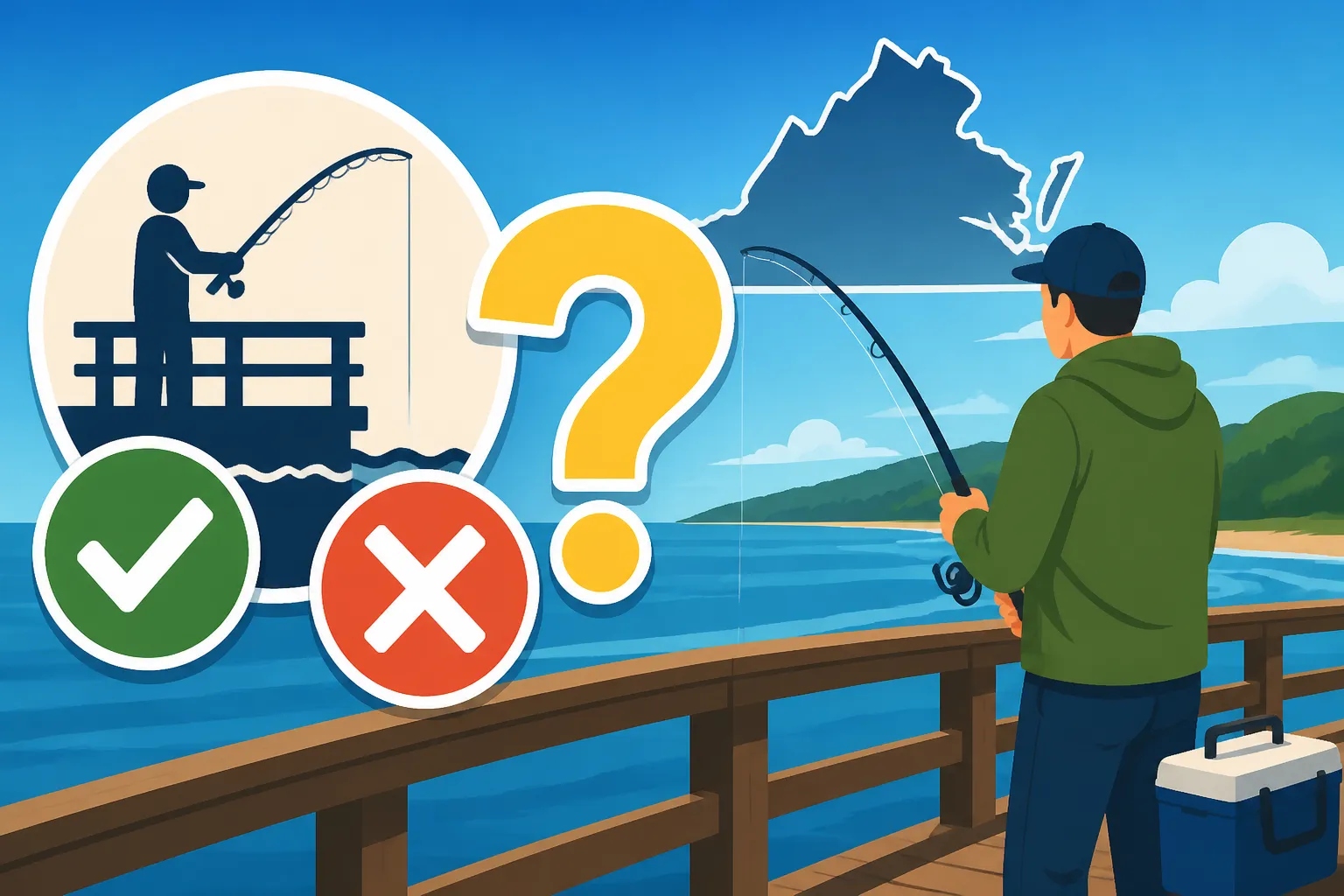
There's nothing quite like the salty air, the rhythmic sound of waves, and the hopeful cast of a line from a fishing pier in Virginia. It’s a quintessential experience, whether you're chasing croaker, flounder, or even a feisty striped bass. But amidst the excitement, a common question often pops up, causing a moment of worry for many anglers: "Do I actually need a fishing license to fish from a pier?" This simple query can lead to a surprising amount of confusion, leaving many folks scratching their heads. This guide is here to untangle that uncertainty, clearly laying out when you need your own license and when Virginia's rules offer a sweet exemption for pier fishing.
The Common Confusion About Pier Fishing Licenses in Virginia
It's a valid question, honestly. Many anglers, especially those new to Virginia's waters or just visiting, assume that fishing from a pier is somehow different than fishing from a boat or the shoreline. There's often this idea that piers are special zones, like public parks, where the usual rules don't quite apply. But the reality is a little more nuanced, and understanding it can save you a headache (and a potential fine) down the road.
Why Anglers Often Get It Wrong
The main reason for this confusion usually stems from the sheer variety of fishing opportunities Virginia offers. You've got everything from vast freshwater lakes and meandering rivers to the expansive Chesapeake Bay and the Atlantic Ocean. Each environment comes with its own set of rules, and it can feel like a labyrinth trying to keep them all straight. When it comes to piers, people often think, "Well, I'm not in a boat, and I'm not on private land, so maybe it's just a free-for-all?" This isn't usually the case, but it's an understandable leap in logic given how many public access points exist.
Another common misunderstanding is that all public access means no license needed. While Virginia does have wonderful Free Fishing Days in June 2026, those are specific, limited events. For the vast majority of the year, if you're engaging in recreational fishing, you need a license. The key is understanding how pier fishing fits into Virginia Fishing Regulations Explained. It’s not about where your feet are planted so much as whose license covers the act of fishing itself.
The Simple Answer for Most Piers
Let's cut right to it: generally speaking, if you're fishing from a pier in Virginia, you do need a fishing license. This applies whether you're casting into freshwater or saltwater. However, and this is where the special exception comes in, there's a fantastic perk for anglers using certain piers: commercially licensed piers.
What does "commercially licensed" mean in this context? It means the pier itself holds a blanket fishing license from the Virginia Department of Wildlife Resources (DWR) that covers anyone fishing from its structure. This is a huge convenience! These piers have paid a special fee to the state, essentially extending fishing privileges to their patrons. So, when you pay a small fee to walk out onto one of these piers, part of that fee contributes to their commercial license, and you're covered. This means you don't need your own personal Virginia Fishing License Guide if you're exclusively fishing from that specific pier.
Popular spots like the Virginia Beach Fishing Pier, the Buckroe Beach Fishing Pier in Hampton, and even the Grandview Nature Preserve Fishing Pier in Poquoson are examples of commercially licensed piers where your personal license is typically not required. It's a fantastic deal for tourists or casual anglers who might not want to spring for a full annual license just for a few hours of fun.
Understanding Commercially Licensed Piers and Their Exemptions
The concept of a commercially licensed pier is a real game-changer for many anglers, especially those just dipping their toes into the sport or visiting Virginia for a short trip. It’s a thoughtful provision that makes fishing accessible and takes a bit of the bureaucratic edge off.
What Makes a Pier "Commercially Licensed"?
At its heart, a commercially licensed pier is a business that operates a fishing pier and chooses to purchase a special annual permit from the Virginia Department of Wildlife Resources (DWR). This permit is specifically designed to cover the recreational fishing activities of all individuals who fish from that pier. Instead of each person needing to buy their own Virginia fishing license, the pier's commercial license acts as a collective permit.
Think of it like this: the pier owner acts as a central license holder, taking on the responsibility and cost of ensuring that fishing from their structure is fully compliant with state regulations. When you pay an access fee to walk out and fish from such a pier – which is very common, as these piers often have a small admission charge – a portion of that fee helps cover the pier's commercial license. This system is a win-win: it provides a revenue stream for the pier's maintenance and operation, and it simplifies the licensing process for anglers. It's especially handy for families or large groups where managing individual licenses might be cumbersome.
Identifying an Exempt Pier
So, how do you, as an angler, know if a pier is commercially licensed and you don't need your own license? This is a crucial piece of information to confirm before you cast your line. The best way to identify an exempt pier is usually by looking for clear signage. Most commercially licensed piers are proud of this exemption and will prominently display notices at the entrance or bait shop, stating that a personal fishing license is not required for those fishing directly from the pier.
If you don't see immediate signage, don't be shy! Ask at the pier's bait and tackle shop or ticket booth. The staff there will be able to tell you definitively if their pier holds a commercial fishing license that covers patrons. A quick check of the pier's official website before you head out can also provide this information. For example, popular destinations like the Virginia Beach Fishing Pier and the Buckroe Beach Fishing Pier are well-known commercially licensed piers that frequently exempt anglers from needing their own individual license.
It's vital to remember that this exemption only applies while you are actively fishing from the structure of that specific commercially licensed pier. If you decide to leave the pier and fish from the adjacent beach, a jetty, or even a nearby rock outcrop, you will need your own valid Virginia fishing license for that location. The pier's commercial license is strictly tied to its physical boundaries. When in doubt, always err on the side of caution and assume you need a license, or simply ask a staff member. It’s better to be safe than sorry when it comes to state regulations.
When You Definitely Need Your Own Virginia Fishing License for Pier Fishing
While commercially licensed piers offer a fantastic convenience, they're not the only places to fish from a pier in Virginia. And for a great many piers, jetties, and other shoreline access points, your own personal fishing license is an absolute must. Skipping this step can lead to penalties for fishing without a license in Virginia, which is definitely something you want to avoid!
Public Piers Without Commercial Licenses
Many public fishing piers, especially smaller ones that are part of municipal parks, state parks, or simply along a river access point, do not hold a blanket commercial fishing license. These piers are often free to access, which means there's no system in place to cover individual anglers. For example, if you're fishing from a small pier on a public lake like Lake Anna Fishing Guide or a platform along the James River, you will almost certainly need your own personal Freshwater and Saltwater Fishing Licenses in Virginia.
Consider smaller, local piers in quiet coves or those designated as fishing platforms in state parks that don't operate a tackle shop. These are typically places where the state or local government has provided access, but the responsibility for having a valid fishing license falls squarely on the individual angler. It’s crucial not to confuse "free to enter" with "free to fish without a license." Always check the signage, or better yet, assume you need your license unless explicitly stated otherwise by the pier operator or the Virginia Department of Wildlife Resources (DWR). If you're planning a trip to one of Virginia's State Park Fishing Spots in Virginia, check their specific regulations, as some parks might have special rules or require facility use permits in addition to your license.
Beyond the Pier: Fishing from Jetties, Docks, and Shorelines
The "commercially licensed pier" rule is quite specific to the pier itself. It doesn't magically extend to other structures or fishing methods. If you venture beyond a commercially licensed pier, even just a few feet away, you're back to needing your own license.
- Jetties and Rock Walls: These popular spots offer fantastic fishing, especially for species like striped bass or flounder along the coast. However, they are not covered by commercial pier licenses. If you're casting from a jetty or rock breakwater, you absolutely need a valid Virginia saltwater fishing license.
- Private Docks: If you're fortunate enough to fish from a friend's private dock, you still need your own license. Their property ownership doesn't exempt you from state fishing regulations. Always ensure you have permission from the property owner, of course, but also ensure you're personally licensed.
- Shoreline and Beach Fishing: Whether you're casting into the Chesapeake Bay from the beach, or fishing a riverbank for catfish, you need the appropriate Virginia fishing license. This includes surf fishing, bank fishing near Richmond, Virginia, or anywhere else your feet are on solid ground adjacent to a public waterway.
- Fishing from a Boat: This one's probably obvious, but if you transition from pier fishing to boat fishing (even a kayak), your pier exemption immediately vanishes. You'll need a personal license for boat fishing.
Essentially, if you're not on a designated, clearly marked, commercially licensed fishing pier, you should plan to have your own Virginia Fishing License Requirements for Residents and Nonresidents ready. It’s the smart and legal way to enjoy the abundant fishing opportunities Virginia has to offer.
Navigating License Types and How to Get Yours
Alright, so you've figured out if you need a license or not for your chosen pier fishing spot. If the answer is "yes," your next step is to make sure you have the right kind of license. Virginia makes this process fairly straightforward, but there are a few options to consider based on where and how long you plan to fish.
Choosing the Right Virginia Fishing License
Virginia offers a variety of fishing licenses designed to fit different needs, whether you're a lifelong resident, a visitor, or someone who only fishes occasionally.
- Freshwater vs. Saltwater vs. Combination:
- If you're exclusively fishing in inland lakes and rivers, a Virginia Resident Freshwater Fishing License Cost is what you'll need.
- If your pier fishing adventure is along the coast, the Chesapeake Bay, or any tidal river for saltwater species, then a Virginia Resident Saltwater Fishing License Cost is your ticket.
- Many anglers, especially those who enjoy both environments, opt for the Virginia Resident Combination Fishing License Price, which covers both freshwater and saltwater fishing. This is often the most economical choice if you plan to do both.
- Resident vs. Nonresident:
- As the names suggest, these are for Virginia residents and out-of-state visitors. Nonresident licenses are generally a bit more expensive but still provide great value. For example, an Out-of-state anglers pay $47 for a Virginia freshwater license, while a Virginia nonresident combo license runs $71.
- Annual vs. Short-Term Options:
- For those who fish frequently, an annual license is usually the best value. It's valid for one year from the date of purchase.
- If you're just visiting or only planning a short fishing trip, Virginia offers convenient short-term licenses. For saltwater, you could grab a Virginia's 10-Day Saltwater Fishing License. For freshwater, there's a Virginia's 5-Day Freshwater Fishing Pass. These short-term passes are perfect for a weekend getaway or a quick vacation.
- Special Considerations:
- Anglers 65 and older fish Virginia's freshwater waters without paying a license fee, but there are nuances for saltwater. Virginia offers a one-time $5 saltwater license for anglers over 65, which is a fantastic deal.
- There are also specific requirements for Stocked Trout License Requirements in Virginia if you plan on targeting stocked trout waters.
It's always a good idea to assess your fishing plans for the year or trip. Will you stick to just one type of water, or will you explore both? Will you be fishing frequently, or just for a few days? Answering these questions will help you choose the most appropriate and cost-effective license.
Here's a quick comparison of typical resident license costs for a clearer picture (prices are subject to change, so always verify current rates on the DWR website):
| License Type | Resident Annual Cost (Approx.) | Nonresident Annual Cost (Approx.) | Short-Term Options | Valid For |
|---|---|---|---|---|
| Freshwater Fishing | $23.00 | $47.00 | 5-Day ($14) | Inland lakes, rivers, streams |
| Saltwater Fishing | $17.50 | $25.00 | 10-Day ($10), 5-Day ($24) | Tidal rivers, Chesapeake Bay, Atlantic |
| Freshwater/Saltwater Combination | $39.50 | $71.00 | N/A | Both freshwater and saltwater |
| Senior Saltwater (Age 65+) | $5.00 (lifetime) | N/A | N/A | Tidal rivers, Chesapeake Bay, Atlantic |
Easy Ways to Obtain Your Virginia Fishing License
Getting your Virginia fishing license is incredibly easy these days. The DWR has made it super accessible, so there's really no excuse to fish without one!
- Online (Virginia DWR Website): This is by far the most convenient method. You can purchase your license anytime, anywhere, directly through the Virginia Department of Wildlife Resources website. The process is straightforward: create an account (or log in if you have one), choose your desired license type, pay with a credit card, and you can immediately print a paper copy of your Virginia fishing license or save it digitally to your phone. It's truly a seamless experience, perfect for those last-minute decisions to hit the water. You can even check your fishing license is still active online.
- In-Person at Authorized License Agents: If you prefer a more traditional approach, you can visit one of the many authorized license agents across the state. These typically include sporting goods stores (like your local Bass Pro Shops or Dick's Sporting Goods), Walmart locations with a sporting goods counter, and numerous local bait and tackle shops. These spots are often staffed by knowledgeable folks who can help you pick the right license and answer any quick questions you might have. You can find Virginia DWR license agents near popular fishing spots, making it easy to grab one on your way to the pier.
- By Mail: While less common now with online options, you can still renew a fishing license in Virginia or purchase a new one by mail through the DWR. This option usually takes longer, so it's not ideal if you need a license immediately.
Once you have your license, make sure to keep it with you while fishing. A digital copy on your phone is usually accepted, but having a physical printout in your tackle box is a great backup. When you're gearing up for your trip, remember to check all your supplies – from hooks and lines to sun protection. Sometimes, you might find yourself needing a new tackle box, a specific lure, or a comfortable fishing hat, and you can always find a wide selection of these essentials online, perhaps from Amazon, making sure you’re fully prepared before heading out.
The Consequences of Fishing Without a License (When Required)
Nobody wants to have their relaxing day on the pier interrupted by a game warden, especially if it leads to a fine. Understanding the consequences of fishing without a valid license in Virginia is crucial, not just for legal reasons, but also to appreciate why these regulations are in place.
The Risks and Penalties
Let's be blunt: fishing without a license when one is required is against the law in Virginia. Virginia game wardens check for valid fishing licenses on the water, and that includes piers, shorelines, and boats. These dedicated officers are out there to ensure everyone is playing by the rules, protecting our natural resources for future generations.
If you're caught fishing without the proper license, the consequences can be more than just a slap on the wrist. Here’s what you might face:
- Fines: The most immediate consequence is typically a monetary fine. These fines can vary depending on the specifics, but they are designed to be a deterrent. A common fine for fishing without a license can be around $100-$150, but with court costs and administrative fees, the total amount you have to pay can easily exceed that. It's significantly more expensive than just buying the license in the first place!
- Court Appearance: In many cases, getting caught without a license means you'll receive a summons to appear in court. This means taking time off work or other obligations to explain yourself to a judge, which is an inconvenience no angler wants.
- Confiscation of Gear: While less common for a first offense, in some situations or for repeated violations, a game warden has the authority to confiscate your fishing gear. Imagine losing your favorite rod and reel, all because you skipped a simple license purchase.
- Loss of Fishing Privileges: For serious or repeat offenders, there's also the possibility of losing your fishing privileges for a period, which means you won't be allowed to purchase a license or fish in Virginia waters for a specified duration.
It's important to understand that ignorance of the law is generally not considered a valid excuse. The responsibility falls on each angler to know and follow Virginia Fishing Rules Every Angler Should Know. A small investment in a license is a small price to pay for peace of mind and legal enjoyment of the sport.
Supporting Conservation Efforts
Beyond avoiding penalties, there's a much bigger, more positive reason why fishing licenses are required: conservation. Every dollar collected from the sale of Virginia fishing licenses goes directly back into funding essential wildlife and fisheries management programs across the state.
Think about it:
- Fish Stocking: A significant portion of license revenue supports fish stocking programs in lakes and rivers, ensuring healthy populations of popular game fish like trout and bass. This means more fish for you to catch!
- Habitat Restoration: Funds are used to protect and restore critical fish habitats, from oyster reefs in the Chesapeake Bay to stream improvements in mountain trout waters.
- Research and Monitoring: The DWR conducts vital research to monitor fish populations, understand ecological changes, and set appropriate catch limits and seasons, like those for Striped Bass Season and Slot Limit in Virginia, ensuring sustainable fishing for generations.
- Access Development: License fees also help maintain and develop public access points, including boat ramps, fishing piers, and shoreline access areas, making it easier for everyone to enjoy Virginia's waters.
- Law Enforcement: The game wardens who patrol our waters and check for licenses are funded by these revenues, ensuring that regulations are followed and preventing illegal fishing activities that could harm fish populations.
So, when you purchase a fishing license, you're not just buying a piece of paper; you're actively contributing to the health and future of Virginia's incredible aquatic ecosystems. It's an investment in the sport you love and the natural beauty of the Commonwealth. It's a critical part of How Fishing License Fees Support Wildlife Conservation in Virginia.
Disclaimer
Please be aware that fishing regulations, license requirements, and fees can change. While this guide aims to provide accurate and up-to-date information, it is always best practice to consult the official Virginia Department of Wildlife Resources (DWR) website or contact them directly for the most current and authoritative details before heading out on your fishing adventure.