Which costs more, a saltwater or freshwater fishing license?
Navigating the world of fishing licenses can feel like trying to untangle a knotted fishing line – confusing, frustrating, and often leaving you wondering if you're holding the right end. Many anglers, especially those new to the Old Dominion or trying different waters, often find themselves asking: "Which costs more, a saltwater or freshwater fishing license in Virginia?" It's a valid question, and the answer isn't always as simple as it seems, but understanding the nuances can save you time, money, and a potential citation. This comprehensive guide will break down the costs and help you make the right choice for your next Virginia fishing adventure.
Understanding the Basic Costs of Virginia Fishing Licenses
Let's get down to the brass tacks and look at the core costs for resident anglers first. Virginia, like many states, distinguishes between fresh and saltwater, and also between residents and non-residents, which makes perfect sense when you think about how different these fisheries are.
Virginia Resident Freshwater License
If you're a Virginia resident and your fishing dreams involve peaceful lakes, winding rivers, and the thrill of landing a largemouth bass or a feisty catfish, then a freshwater license is what you'll need. As of my last check, a Virginia resident freshwater fishing license will typically set you back around $23. This allows you to fish in all inland public waters, from the tranquil ponds of your local state park to the expansive waters of Lake Anna or the upper stretches of the James River.
Think about it: you're planning a weekend trip to catch some panfish with the kids at a local reservoir, or maybe you're heading to Smith Mountain Lake for some serious bass action. This is the license that covers you. It's an annual license, meaning it's good for a full 12 months from the date of purchase, which is super convenient for regular anglers who don't want to worry about expiration dates mid-season. Knowing the typical cost of a resident freshwater fishing license helps you budget for your passion.
Virginia Resident Saltwater License
Now, if your heart yearns for the salty air, the crashing waves, and the challenge of battling a striped bass, flounder, or red drum, then the saltwater license is your ticket. For Virginia residents, an annual saltwater fishing license generally costs about $17.50. This covers fishing in all tidal waters of the Commonwealth, including the expansive Chesapeake Bay, its numerous tributaries, and the Atlantic Ocean out to three miles offshore.
This is the license you'll need if you're pier fishing at Virginia Beach, casting a line from the shore on the Eastern Shore, or taking your boat out into the Bay. It's less expensive than its freshwater counterpart, which might come as a surprise to some, but it reflects different management costs and user bases. Just like the freshwater license, it's valid for a full year. If you're a keen angler who enjoys both the serene lakes and the vibrant coast, you might already be thinking about how to combine these.
The Combined Option: Freshwater and Saltwater Together
Here's where the value really shines for many Virginia anglers. If you're someone who loves the diversity of Virginia's fishing, splitting your time between inland waters and the coast, buying two separate licenses can feel a bit clunky. That's why Virginia offers a resident freshwater and saltwater combination license. This all-encompassing license is usually priced at about $39.50.
Let's do the math: $23 (freshwater) + $17.50 (saltwater) = $40.50. So, by opting for the combination license, you're actually saving a dollar, plus the convenience of only carrying one document. This is often the best fishing license option for Virginia residents who enjoy the full spectrum of fishing opportunities the state offers. Whether you're chasing smallmouth bass on the Shenandoah River one month and then hitting the Chesapeake Bay for rockfish the next, this license has you covered without a second thought. It's all about maximizing your access and minimizing hassle.
Non-Resident Fishing License Costs in Virginia
Virginia's beauty and diverse fisheries attract anglers from all over the country. For those who don't call the Commonwealth home, the license structure is a bit different, reflecting the non-resident status.
Non-Resident Freshwater License
If you're visiting Virginia and planning to fish its freshwater lakes and rivers, you'll need a non-resident freshwater fishing license. This one carries a higher price tag than the resident version, typically costing around $47 annually. This is common practice in many states, where non-residents contribute more to the conservation and management efforts of the local fisheries.
Imagine you're visiting family in Roanoke and want to explore the local rivers, or maybe you're on vacation near Claytor Lake and hoping to land some of its famous smallmouth bass. This is the license you'd purchase. It's a significant jump from the resident fee, so it’s crucial to factor this into your trip budget. Out-of-state anglers pay $47 for a Virginia freshwater license, which covers a full year of fishing.
Non-Resident Saltwater License
For non-residents whose fishing plans are solely focused on Virginia's coastal waters, an annual saltwater-only license is available. This license usually costs about $25. While still more than a resident saltwater license, it's notably less expensive than the non-resident freshwater option. This difference in price between saltwater and freshwater for non-residents is an interesting point, suggesting potentially different economic impacts or management costs associated with each fishery type.
If you're coming to Virginia specifically for a Chesapeake Bay fishing charter or to enjoy some pier fishing at the Virginia Beach oceanfront, this is the most direct license for your needs. It covers the same tidal and offshore waters as the resident saltwater license.
Non-Resident Combination License
For the out-of-state angler who wants the freedom to fish both fresh and saltwater during their annual visits, Virginia offers a non-resident combination license. This will typically run you about $71. Similar to the resident combo, it provides full annual access to all of Virginia's public fishing waters.
This is the ultimate convenience for a non-resident who plans multiple trips or extended stays, or just wants the flexibility to pursue different species in different habitats. A Virginia nonresident combo license runs $71, and for the angler who doesn't want to feel limited by license type, it's often the smartest choice, even with the higher upfront cost.
Short-Term and Specialty License Options
Sometimes, an annual license just doesn't make sense. Maybe you're only visiting for a few days, or perhaps you're targeting a specific species that requires an additional endorsement. Virginia has you covered with a variety of flexible options.
Temporary Freshwater and Saltwater Passes
Virginia understands that not everyone needs a full year of fishing access. For shorter trips, especially for tourists or occasional anglers, there are temporary licenses.
For freshwater, a 5-day freshwater fishing pass typically costs about $14 for residents and non-residents alike. This is perfect if you're planning a short fishing getaway to a lake or river. A five-day Virginia freshwater fishing pass costs $14, offering an economical way to enjoy a quick trip without committing to a full annual license.
On the saltwater side, there are two popular short-term options. A 10-day saltwater fishing license is available for just $10, which is the same price for both residents and non-residents. This is an incredibly affordable way to experience Virginia's coastal fishing. Ten days of Virginia saltwater fishing costs just $10, making it an excellent choice for a beach vacation. There's also a 5-day saltwater pass which runs about $24, providing another flexible option. These short-term licenses are ideal for testing the waters or for vacationers who only fish for a few days out of the year.
Trout Fishing License Requirements
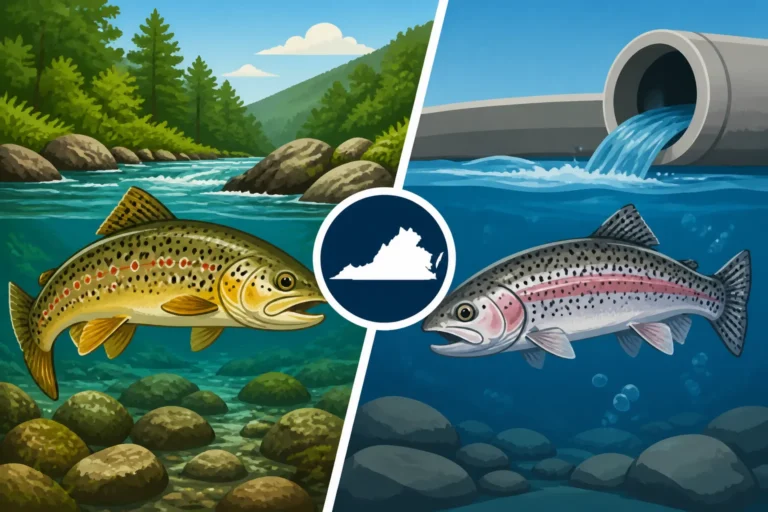
If you're specifically planning to fish in designated stocked trout waters, there's an extra step. In addition to your regular freshwater fishing license (or combination license), you'll need a Virginia Trout Fishing License, which is actually an endorsement. This annual endorsement typically costs around $23 for residents and $47 for non-residents. This fee helps fund the stocking programs that keep Virginia's trout streams vibrant and productive, especially in areas like those along the Shenandoah River.
This is a critical detail that often catches anglers by surprise. You might have your freshwater license, but if you're in a creek clearly marked as stocked trout water, you need that additional endorsement. Do you need a special license to fish stocked trout waters in Virginia? Absolutely, and overlooking it can lead to fines.
Free Fishing Days and Senior Options
Virginia also offers some fantastic opportunities for license-free fishing and special provisions for its senior citizens.
Each year, typically in early June, Virginia holds free fishing days. During this period, usually three consecutive days, residents and non-residents can fish in all inland and tidal public waters without a state fishing license. Mark your calendar: Virginia's 2026 Free Fishing Days are June 5-7. This is a brilliant way to introduce new anglers to the sport or for seasoned pros to enjoy a weekend without the license fee. Are facility use permits waived during Virginia's Free Fishing Days? Always double-check, as some specific locations might still have their own access fees.
For seniors, Virginia offers some great discounts. Anglers 65 and older fish Virginia's freshwater waters without paying a license fee, which is a wonderful perk for our seasoned veterans. For saltwater, it's a bit different: while seniors can register for free with the Virginia Fisherman Identification Program (FIP) which covers basic saltwater fishing, Virginia also offers a one-time $5 saltwater license for anglers over 65. This $5 lifetime license provides broader coverage than the FIP registration, which typically covers recreational fishing from shore, piers, and private boats. Free FIP saltwater registration for Virginia seniors explained how you can choose between minimal cost options.
Making Sense of Your License Choice
Deciding on the right license depends entirely on your fishing habits and where you plan to cast your line. Let's simplify the decision-making process.
When Freshwater is the Only Choice
If your fishing pursuits are strictly limited to inland lakes, ponds, and rivers that are demonstrably non-tidal, then a freshwater-only license is all you'll need. This is the case for most avid bass, crappie, or catfish anglers who focus their efforts away from the coast. For example, if you spend all your time chasing largemouth bass at Lake Gaston or targeting trout in the Blue Ridge Mountains, then the freshwater license is your go-to.
However, be mindful of where the freshwater ends and the tidal begins, especially on major rivers like the James or the Rappahannock. Upstream, they're pure freshwater, but closer to the Chesapeake Bay, they become tidal, even if the water still tastes fresh. If you're unsure, it's always best to err on the side of caution or consider the combo.
When Saltwater is All You Need
Conversely, if you live and breathe for the ocean and the Chesapeake Bay, and have no intention of fishing inland waters, then a saltwater-only license is sufficient. This applies to surf anglers, pier fishers, and those who primarily charter boats for species like striped bass or flounder off the Virginia Beach coast.
Remember, even if you're just fishing from a public pier on the Bay, a valid saltwater license is required unless it's a designated free fishing day or you're covered by a charter captain's license. Fishing license required for pier fishing? Yes, absolutely, unless specifically exempted.
The Best Value for Versatile Anglers
For the majority of Virginia anglers who enjoy the incredible diversity of fishing opportunities the state offers, the combination freshwater and saltwater license provides the best value and peace of mind. For a resident, paying $39.50 for a full year of access to virtually all of Virginia's public fishing waters is a fantastic deal. Non-residents also benefit from the convenience of a combo license, even with the higher price point. It eliminates the need to remember which license you need for which body of water, ensuring you're always legal and ready to fish.
| Virginia Annual Fishing License Costs (As of Current Year) | Resident | Non-Resident |
|---|---|---|
| Freshwater Fishing License | $23.00 | $47.00 |
| Saltwater Fishing License | $17.50 | $25.00 |
| Combination Freshwater & Saltwater License | $39.50 | $71.00 |
| Trout Fishing Endorsement (Requires base freshwater) | $23.00 | $47.00 |
| 5-Day Freshwater Pass | $14.00 | $14.00 |
| 10-Day Saltwater Pass | $10.00 | $10.00 |
Note: Prices are approximate and subject to change by the Virginia Department of Wildlife Resources (DWR). Always check the official DWR website for the most current pricing.
Avoiding Penalties and Supporting Conservation
It cannot be stressed enough: fishing without the proper license is illegal and can result in significant fines and penalties. Virginia game wardens check for valid fishing licenses on the water, and they take their job seriously. How Virginia wildlife officers handle anglers caught without a license can range from a warning to a hefty fine, so it's not a risk worth taking.
Beyond avoiding penalties, remember that your license fees play a crucial role in supporting the conservation efforts that keep Virginia's fisheries healthy and thriving. These funds go towards fish stocking programs, habitat restoration, research, enforcement, and public access projects. How Fishing License Fees Support Wildlife Conservation in Virginia is a vital aspect of responsible angling. Many anglers even find gear like fishing line, lures, and other tackle on Amazon to support their hobby, knowing their license fees are helping preserve the natural resources. By purchasing your license, you're not just buying permission to fish; you're investing in the future of fishing in Virginia. Whether you're a resident or a visitor, ensuring you have the right Virginia fishing license guide at your fingertips is key to a successful and legal outing.
Disclaimer
Please remember that fishing regulations and license costs can change. Always consult the official Virginia Department of Wildlife Resources (DWR) website or an authorized license agent for the most current information before heading out on the water.