Combining freshwater and saltwater into one Virginia license runs $39.50
It's happened to all of us: you're planning a fantastic fishing trip, maybe hitting a local lake one weekend and then dreaming of the Chesapeake Bay the next, only to be struck by that familiar dread of juggling multiple licenses. The thought of needing one for freshwater and another for saltwater, and the potential cost and confusion, can be a real buzzkill. Thankfully, Virginia offers a smart solution for residents who love both worlds: a combined fishing license. This guide will walk you through the convenience, cost, and benefits of simplifying your angling adventures in the Old Dominion.
The Convenience of a Combination Fishing License in Virginia
Navigating the world of fishing regulations can sometimes feel like trying to untangle a particularly stubborn bird's nest in your tackle box. For many anglers in Virginia, the thought of needing one license for casting a line into a peaceful mountain stream and another for battling a rockfish in the Bay can be a genuine source of frustration and confusion. It’s not just about the money; it’s about the mental load of remembering which piece of paper or digital credential applies to which body of water.
Why Separate Licenses Can Be a Headache
Imagine this scenario: you've packed your gear, driven an hour or two to a beautiful reservoir, ready for some bass action, only to realize you only grabbed your saltwater license. Or perhaps you're planning a spontaneous trip to the coast, but your freshwater license is the only one you've renewed. This kind of oversight isn't just annoying; it can lead to missed fishing opportunities or, worse, unintended violations if you decide to risk it. Nobody wants a run-in with a game warden just because they were confused about which license to carry. The administrative burden of keeping track of separate expiration dates and renewal processes for different license types is enough to make some anglers stick to just one type of fishing, even if they have a passion for both.
The reality is, many of us enjoy the diversity that Virginia's waters offer. One weekend might see you chasing smallmouth bass on the James River, and the next, you could be crabbing or targeting striped bass in the Chesapeake Bay. Having to constantly check which license you have, or worse, forgetting to renew one, takes away from the pure joy and relaxation that fishing is supposed to provide. This is precisely why a combined license is such a breath of fresh air; it's designed to simplify your life so you can focus on what truly matters: catching fish.
What the Combination License Covers
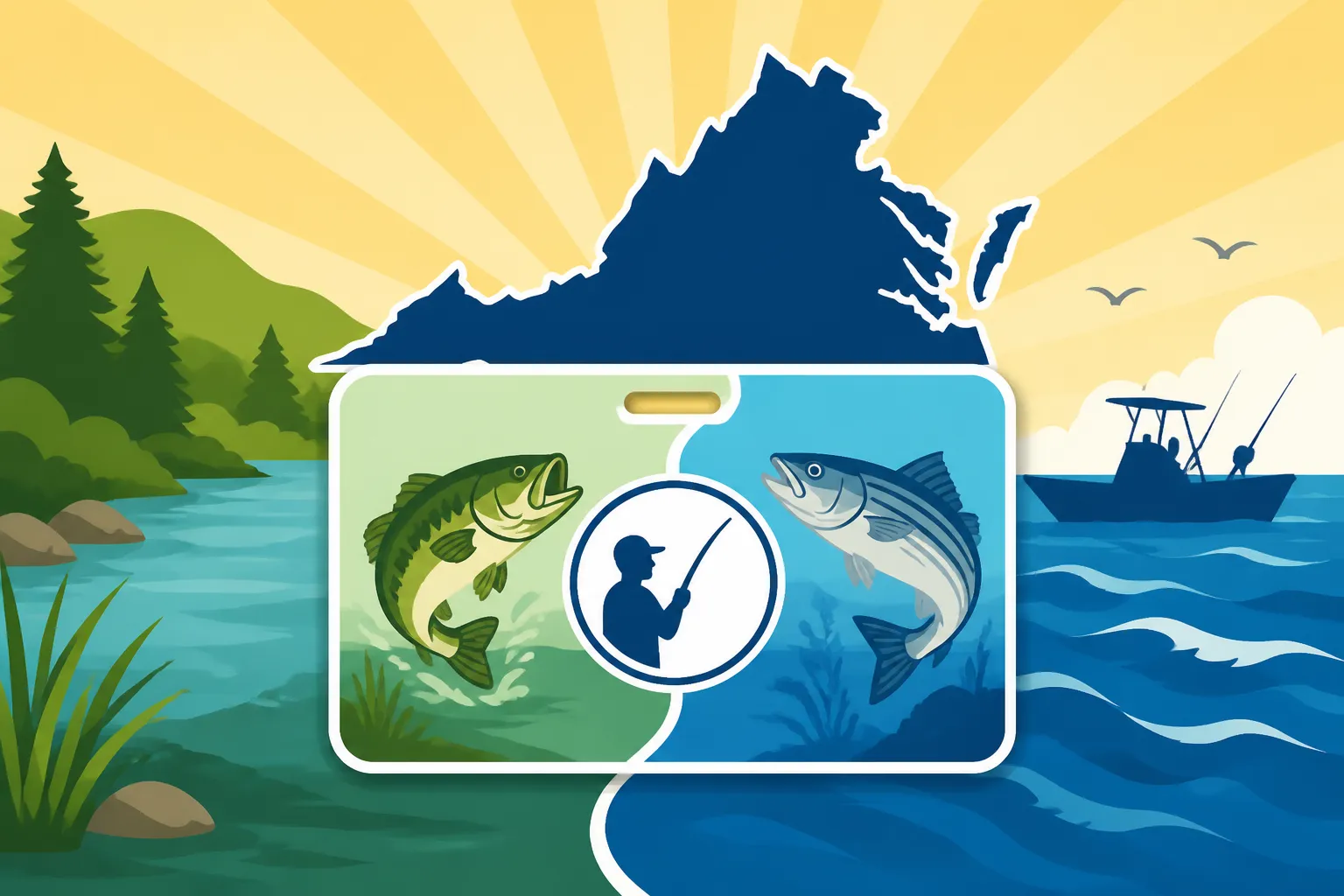
A resident combination freshwater and saltwater fishing license in Virginia is your golden ticket to virtually all public recreational fishing opportunities within the Commonwealth. When you purchase this single, comprehensive license, you are covered for fishing in all inland freshwater bodies – think lakes, rivers, and ponds – as well as all public tidal waters, which include the expansive Chesapeake Bay, its numerous tributaries, and the Atlantic Ocean. This means you can pursue everything from largemouth bass, trout, and catfish in freshwater to striped bass (often called "rockfish"), flounder, and red drum in saltwater, all under one convenient permit.
It’s about more than just convenience; it’s about freedom. With this one license, you eliminate the guesswork and can confidently explore Virginia's diverse aquatic landscapes. Whether you're planning a trip to a well-known spot like Smith Mountain Lake for some trophy bass or heading out on a boat in the lower Bay for migratory striped bass, your combination license has you covered. It's truly a comprehensive solution for the versatile angler who doesn't want to be limited by water type.
However, it's really important to note that while the combination license covers the basic freshwater and saltwater privileges, there are still specific situations where additional stamps or permits might be required. For example, if you're keen on fishing in designated stocked trout waters, you'll still need to ensure you have the appropriate Stocked Trout License Requirements in Virginia endorsement. Always make it a habit to double-check the Virginia Department of Wildlife Resources (DWR) regulations for any special requirements pertaining to the specific waters or species you plan to target, as the general license doesn't negate species-specific rules.
Breaking Down the Cost: $39.50 for Virginia Residents
One of the biggest questions on any angler's mind when it comes to licenses is, naturally, "How much is this going to cost me?" For Virginia residents who enjoy the best of both freshwater and saltwater fishing, the combination license offers a cost-effective and incredibly convenient solution. This isn't just about saving a few bucks; it's about investing in a hassle-free year of diverse fishing experiences.
The Cost-Effectiveness for Frequent Anglers
Let's break down the numbers to see why the resident combination license is such a smart choice. If you were to purchase a resident freshwater fishing license and a resident saltwater fishing license separately, you'd be looking at a total of $40.50. The Virginia Resident Freshwater Fishing License Cost is $23, and the Virginia Resident Saltwater Fishing License Cost is $17.50. Combining them into one single license, as the title implies, runs a straightforward $39.50. While this might seem like a modest saving of just $1.00 compared to buying them individually, that dollar represents more than just financial savings; it symbolizes the elimination of administrative complexity and the peace of mind that comes with a single credential.
For anglers who regularly fish in both types of water, this minor saving, coupled with the sheer convenience, makes the combination license an undeniable value. You won't have to worry about forgetting to renew one while remembering the other, or carrying multiple physical documents. It's a single purchase, a single renewal date, and a single item to keep track of. This streamlined approach allows you to spend less time on paperwork and more time enjoying the beautiful lakes, rivers, and coastal waters that Virginia has to offer. Plus, for those who appreciate the digital age, having one license simplifies managing it on your phone or in a digital wallet.
Beyond the immediate convenience, purchasing a Virginia fishing license, whether combined or separate, is an investment in the future of the state's natural resources. The fees collected from these licenses directly fund critical conservation efforts managed by the Virginia Department of Wildlife Resources. This includes important work like fish stocking programs, habitat restoration, scientific research, and law enforcement that protects our waterways and ensures healthy fish populations for generations to come. So, while you're getting a great deal on convenience, you're also contributing to the sustainability of the very pastime you love.
Here's a quick look at how the costs stack up for Virginia residents:
| License Type | Cost |
|---|---|
| Resident Freshwater License | $23.00 |
| Resident Saltwater License | $17.50 |
| Total (Bought Separately) | $40.50 |
| Resident Combination License | $39.50 |
| Savings with Combination | $1.00 |
Understanding What Your License Fee Supports
Every dollar you spend on a Virginia fishing license, including that $39.50 for the resident combination, goes directly back into the incredible natural resources that make fishing in Virginia so rewarding. The Virginia Department of Wildlife Resources (DWR) is the steward of these funds, and they put them to work in countless ways to ensure sustainable and accessible fishing opportunities across the Commonwealth. This isn't just some abstract government fund; it's a tangible contribution to the health and future of our fisheries.
Think about the robust fish stocking programs that ensure popular lakes and rivers remain well-populated with desirable species like trout and bass. Your license fees help fund these efforts, providing more opportunities for you and your family to have successful days on the water. Beyond stocking, a significant portion of the revenue supports vital habitat restoration projects, improving water quality, and protecting critical spawning grounds for various fish species in both freshwater and saltwater environments. This long-term investment ensures that the places we love to fish today will continue to thrive for years to come.
Furthermore, these funds are essential for scientific research, which helps the DWR make informed decisions about fish populations, harvest limits, and management strategies. It also supports the dedicated efforts of Virginia game wardens and conservation police officers, who are out there every day enforcing regulations, ensuring fair play, and protecting our wildlife from poaching and environmental damage. So, when you pay for your license, you're not just buying a piece of paper; you're actively participating in the conservation legacy that benefits every angler and the environment as a whole. It’s a powerful way How Fishing License Fees Support Wildlife Conservation in Virginia.
How to Purchase Your Resident Combination License
Getting your hands on a Virginia resident combination fishing license is a straightforward process, designed to be as easy as possible so you can get out on the water without unnecessary delays. Whether you prefer the convenience of online shopping or the personal touch of an in-person visit, the Virginia Department of Wildlife Resources (DWR) has made sure there are options to suit everyone.
Online Purchase Through the DWR Website
For many, the quickest and easiest way to secure their fishing license is online, right from the comfort of their home. The Virginia DWR website is your go-to portal for this. The process is intuitive: you'll start by navigating to their licensing section. If you're a returning angler, you can usually log in with your existing customer ID or account information. First-time purchasers will be prompted to create an account, which typically involves providing some basic personal details like your name, address, and date of birth. This helps the DWR verify your residency status and maintain accurate records.
Once logged in, you'll be presented with various license options. Look for the "Resident Freshwater/Saltwater Combination" license. After selecting it, you'll proceed to a secure checkout page where you can enter your payment information. The DWR website accepts most major credit cards, making the transaction smooth and swift. Once your purchase is complete, you'll usually receive an immediate confirmation email, which often includes a temporary license that you can print out or keep on your phone. This digital copy is legally valid, so you can head straight to your favorite fishing spot. For more detailed instructions, check out our guide on How to Buy a Fishing License Online in Virginia.
It's a good practice to always have proof of your license while fishing. Whether you print a physical copy to keep in your tackle box, save it as a PDF on your smartphone, or use a dedicated fishing app that integrates with the DWR system, having it readily accessible is key. While the online system is remarkably efficient, sometimes technology can be unpredictable. Keeping a backup, even a screenshot of your digital license, can save you a lot of hassle if you lose cell service or your phone battery dies while on the water.
In-Person and Other Purchase Options
For those who prefer a more traditional approach or just like to chat with someone face-to-face, purchasing your resident combination fishing license in person is always an option. The Virginia DWR partners with numerous retail agents across the state, making it convenient to pick up your license while you're out and about. You'll find authorized license agents at many sporting goods stores, like your local Bass Pro Shops or Green Top Sporting Goods, as well as many Walmart locations, bait and tackle shops, and even some hardware stores. Just look for signs indicating "Virginia DWR License Agent" or inquire at the customer service desk.
When purchasing in person, you'll typically need to bring a valid form of identification, such as a Virginia driver's license or state ID, to prove your residency. The staff at these locations are usually well-versed in the various license types and can help you ensure you're getting the correct combination license for your needs. This method also allows you to often purchase any additional stamps, like a stocked trout license, at the same time, ensuring you're fully compliant for all your planned fishing adventures. It's an excellent option for those who might also be picking up bait, tackle, or other fishing supplies at the same time. You can find a list of agents on the DWR website or by simply searching for Where to Buy a Virginia Fishing License near you.
While less common these days, there are also provisions for purchasing licenses via mail, particularly for those who may not have easy access to online services or physical agents. This method typically involves printing a form from the DWR website, filling it out, and mailing it in with payment. However, it's the slowest option, so if you're planning an imminent fishing trip, online or in-person purchases are definitely recommended. Always confirm current mail-in procedures and expected processing times directly with the DWR if you choose this route.
Important Considerations for Virginia Anglers
While the resident combination freshwater and saltwater fishing license offers fantastic convenience and broad coverage, being a responsible and successful angler in Virginia means understanding that the license is just one piece of the puzzle. There are additional regulations, endorsements, and specific rules that can apply depending on where you fish and what you're targeting.
Beyond the Basic License: Additional Endorsements
It's a common misconception that once you have your combination license, you're good to go for any type of fishing. While it covers the vast majority of recreational fishing in Virginia, certain specialized activities require extra endorsements, often called "stamps." The most frequently encountered additional requirement for many anglers is the stocked trout license. If your fishing plans include visiting any of Virginia's numerous designated stocked trout waters, even with a combo license, you'll need to purchase this separate endorsement. These funds specifically support the DWR's extensive trout stocking program, ensuring those fantastic put-and-take opportunities continue each year.
Beyond trout, other endorsements might come into play for specific programs or types of fishing. For instance, while not always a "stamp" in the traditional sense, participation in certain trophy fish programs or fishing in some private, regulated waters might have their own unique permit requirements. It's always prudent to consult the current Virginia DWR Fishing Regulations guide. You can often find a physical copy at license agents, or readily access the digital version on the DWR website. Reviewing this guide before each fishing season, or whenever you plan to explore a new fishing spot or target a new species, is the best way to ensure you're fully compliant. Many anglers even refer to detailed fishing guides, which can often be found on platforms like Amazon, to help them understand these nuances.
This layered approach to licensing ensures that specific conservation efforts are funded directly by the users who benefit from them. It also allows for more targeted management strategies for particular species or ecosystems. So, while your combination license is a powerful tool, always pause to consider if your specific angling pursuit requires that little extra something. Being prepared means less worry and more enjoyment when you're out on the water.
Special Rules for Specific Waters and Species
Having your combination fishing license in hand means you're legally permitted to fish, but it doesn't exempt you from the myriad of specific rules and regulations that govern how you can fish and what you can keep. Virginia has a rich and diverse ecosystem, and maintaining its health requires careful management, which translates into regulations for anglers. These can include daily creel (catch) limits, minimum or maximum size limits, slot limits, and even seasonal closures for certain species. For example, while your license lets you fish for bass, you still need to adhere to the Statewide Bass Fishing Limits in Virginia, which dictate how many bass you can keep and their legal lengths.
Saltwater fishing, especially in the Chesapeake Bay and its tributaries, often has even more detailed regulations due to migratory patterns and federal management plans for species like striped bass. For instance, the Striped Bass Season and Slot Limit in Virginia is a prime example of complex rules that include specific seasons and a strict slot limit of 28 to 31 inches, with only one fish per person allowed. These regulations are designed to protect fish populations, especially during spawning periods, and ensure that enough fish survive to reproduce. Ignoring these rules can lead to significant penalties, including hefty fines and the loss of your fishing privileges.
It's crucial to understand that these regulations can change seasonally or even annually, based on scientific data and management needs. That's why simply knowing you have a license isn't enough; you must stay informed. The Virginia DWR publishes a comprehensive fishing regulations guide each year, which is an invaluable resource. Before any fishing trip, especially to a new area or for a species you haven't targeted before, make it a habit to consult this guide. This due diligence ensures you're not only fishing legally but also contributing to responsible angling practices that benefit everyone. You can also find updates and alerts on the DWR website, and a quick web search for "Virginia fishing regulations" will typically lead you to the most current information. Virginia Fishing Regulations Explained provides a much deeper dive into the specifics you'll need.
Non-Resident Combination Licenses: A Different Ballgame
While this guide focuses specifically on the resident combination fishing license and its cost of $39.50, it's important to briefly touch upon non-resident options to avoid any confusion. If you're visiting Virginia from another state and wish to enjoy both freshwater and saltwater fishing, you will also have the option to purchase a combination license, but the price structure will be different. Non-resident licenses are generally more expensive than resident ones, which is a standard practice across most states to account for residents' tax contributions to state resources.
For non-residents, a combination license offers the same convenience of covering both water types with a single purchase, eliminating the need to buy two separate non-resident licenses. However, the cost will reflect your non-resident status. For example, a Nonresident Combination Fishing License in Virginia typically runs around $71, a notable increase from the resident price. It's always best for out-of-state anglers to visit the Virginia DWR website or consult a license agent to confirm the exact, most up-to-date fees for their specific needs, as non-resident options can also include short-term licenses (e.g., 5-day or 10-day passes) that might be more suitable for a brief visit.
Regardless of whether you're a resident or non-resident, the principle remains the same: a combination license simplifies your angling experience across Virginia's diverse waters. Just be sure to verify the correct pricing and any specific requirements that apply to your residency status before making your purchase. The DWR website remains the authoritative source for all licensing information.
Disclaimer
Please remember that fishing regulations and license requirements are subject to change. While we strive to provide the most accurate and up-to-date information, it is always the angler's responsibility to consult the official Virginia Department of Wildlife Resources (DWR) website or current DWR Fishing Regulations guide before fishing. This article is for informational purposes only and should not be considered legal advice.