Can rangers cite you for fishing without a license in Virginia?
There's nothing quite like the feeling of a perfect cast, the anticipation of a bite, or the tranquility of being out on Virginia's beautiful waters. But that peaceful moment can turn into a knot of anxiety if you suddenly spot a boat approaching with "Game Warden" or "Law Enforcement" emblazoned on the side. Many anglers, especially those new to the sport or visiting from out of state, wonder about the actual authority of these officers. Can rangers truly cite you for fishing without a license in Virginia, or is it more of a warning situation? Let's dive deep into exactly what you can expect and how to avoid any unwanted encounters.
The Authority of Virginia's Wildlife Rangers
It’s a common misconception that wildlife rangers or game wardens are merely "advisory" figures. In Virginia, these dedicated individuals hold full law enforcement authority, specifically tasked with protecting our natural resources and enforcing the myriad of hunting, fishing, and boating regulations.
Who are Virginia's Wildlife Rangers?
Virginia's wildlife rangers, officially known as Conservation Police Officers (CPOs) within the Virginia Department of Wildlife Resources (DWR), are highly trained and sworn law enforcement personnel. They're not just folks who love the outdoors; they undergo rigorous police academy training, just like state troopers or local sheriff's deputies. This training equips them with the skills to handle everything from complex investigations into poaching rings to search and rescue operations, and yes, routine checks on anglers and hunters.
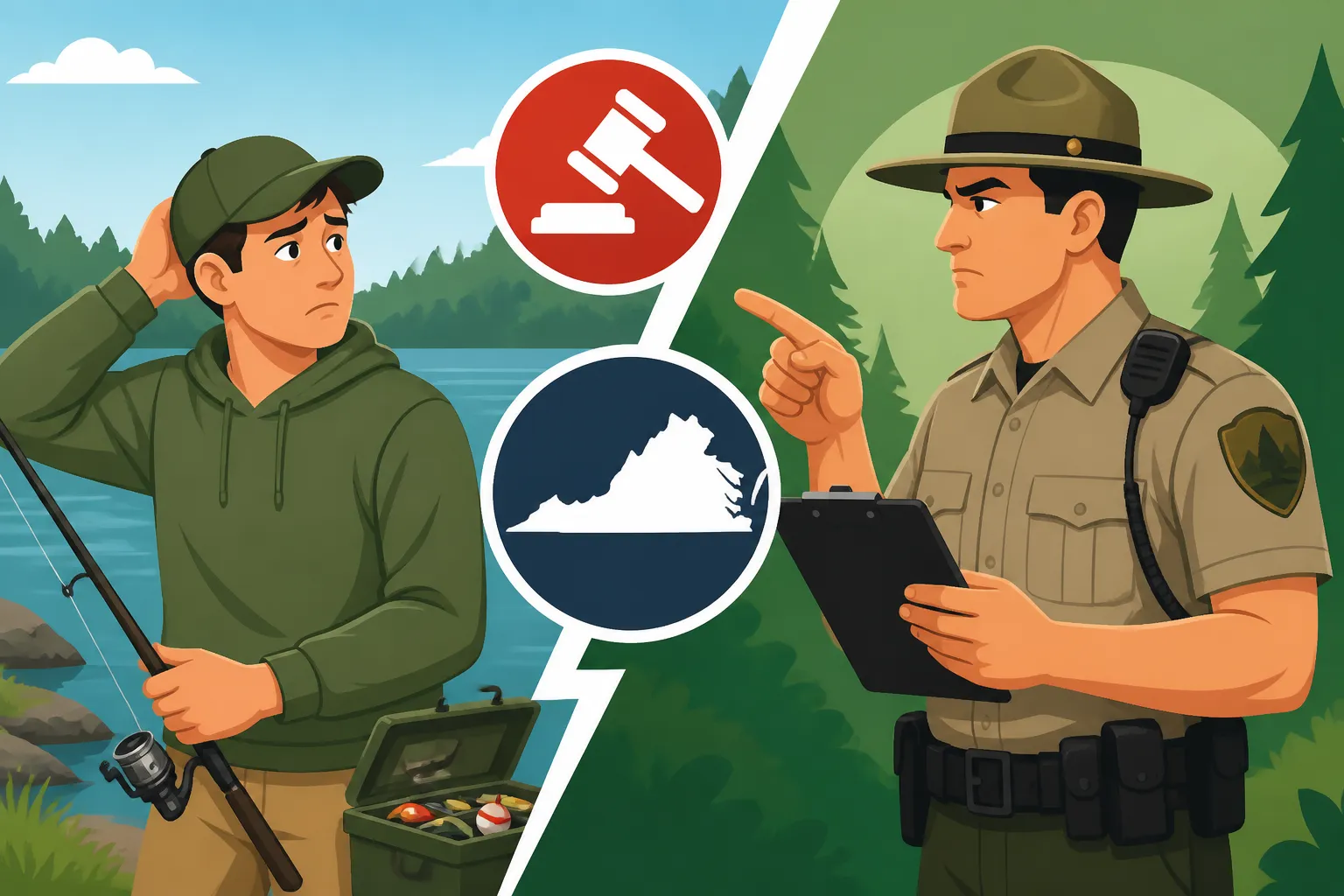
Their job is multifaceted, often involving educating the public about conservation, responding to wildlife emergencies, and patrolling vast areas of remote wilderness, rivers, lakes, and coastal waters. They are often the first, and sometimes only, line of defense for wildlife protection in our state. So, when a CPO approaches your boat or your spot on the bank, remember you are interacting with a fully authorized law enforcement officer, not just someone handing out pamphlets. They carry sidearms, handcuffs, and have the authority to make arrests and issue citations for violations of state law.
Their Power to Enforce Fishing Regulations
The power of Virginia's CPOs to enforce fishing regulations stems directly from state statutes designed to manage and conserve our fish populations. This includes ensuring that everyone participating in regulated activities, like fishing, possesses the proper documentation. When a CPO pulls up alongside you or walks up to your fishing spot, their primary duty is to ensure compliance with the law. This typically involves:
- Identity Verification: They may ask for your identification to confirm who you are.
- License Check: They will always ask to see your current and valid Virginia fishing license. This is non-negotiable. Whether you're fishing in freshwater lakes like Smith Mountain Lake or casting a line in the Chesapeake Bay, a license is required for most individuals over a certain age. Understanding the difference between a freshwater and saltwater fishing license in Virginia is crucial.
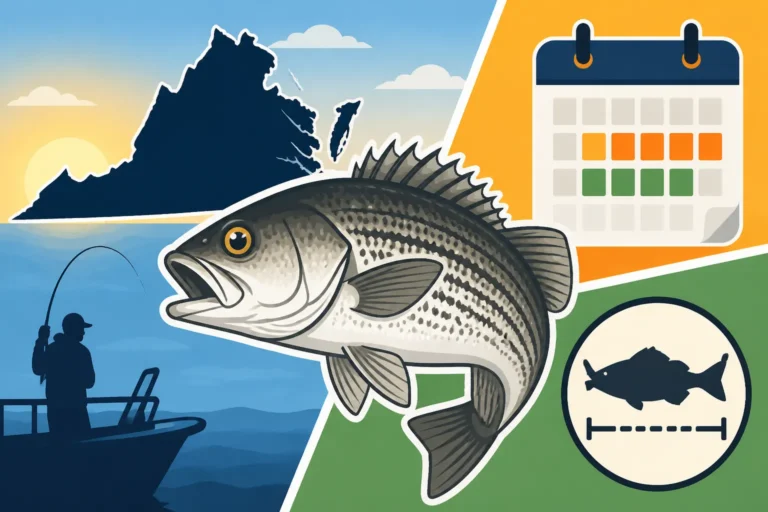
- Catch Inspection: They have the right to inspect your cooler, livewell, or stringer to ensure you are adhering to catch limits, slot limits, and species-specific regulations. For instance, they'll verify if your striped bass (or "rockfish" as we often call them) falls within the Virginia rockfish slot limit of 28 to 31 inches.
- Gear Inspection: They can also check your fishing gear to ensure it complies with any specific regulations, such as legal methods of take or the number of lines being used.
Failure to produce a valid license, or to comply with any of these requests, gives the CPO the grounds to take further action, which absolutely includes issuing a citation.
The Legal Framework Behind Their Actions
Virginia law explicitly grants CPOs the authority to enforce Title 29.1 of the Code of Virginia, which pertains to Game, Inland Fisheries and Boating. This legislative backing isn't just a suggestion; it’s a mandate. For example, Virginia Code § 29.1-335 states that "No person shall hunt, trap, or fish without a license as provided in this title." This isn't a minor administrative rule; it's a legal requirement.
The DWR website, Virginia's Fishing License Guide, outlines all the necessary permits and rules. These laws aren't just there to be inconvenient; they're the backbone of Virginia's extensive wildlife conservation efforts. Revenue generated from license sales directly funds habitat restoration, fish stocking programs, and law enforcement itself, ensuring that future generations can enjoy the same rich fishing experiences we do today. Without these funds and the enforcement to back them up, our precious aquatic ecosystems would quickly deteriorate.
What Happens if You're Caught Without a License?
So, you're out on the water, having a grand time, and suddenly that ranger boat is right there. What happens next? It's a scenario that can easily unravel a perfectly good day.
The Initial Encounter and What to Expect
Let's imagine you're fishing the James River near Richmond, maybe targeting some catfish. A DWR patrol boat glides over. Typically, the CPO will approach courteously but professionally. They'll identify themselves and state the purpose of their stop – usually a routine check. They'll ask for your fishing license and photo identification.
At this point, if you realize you don't have a license, or perhaps you just forgot it at home, transparency is usually the best policy. Trying to evade or argue will almost certainly make things worse. The CPO will likely run your name and date of birth through their system to see if you have an active license on file. If nothing comes up, or if the license you present is invalid, the situation will escalate from a routine check to an enforcement action.
They'll explain that fishing without a license is a violation of state law. While some officers might offer discretion in very rare, specific circumstances (like a true misunderstanding during Free Fishing Days in Virginia), it's far more common to receive a citation. Don't expect a free pass; their job is to enforce the law.
Penalties and Consequences of a Citation
Being cited for fishing without a license in Virginia isn't just a slap on the wrist. It’s a legitimate legal penalty. The specific penalty can vary depending on factors like whether it's a first offense, the type of license missing (freshwater vs. saltwater), and the officer's discretion, but generally, it's considered a Class 4 misdemeanor.
The penalties for fishing without a license in Virginia can include:
- Fines: These can range significantly, but typically start around $100 and can go up to $250 or more, plus court costs. These aren't just minor fees; they add up quickly.
- Court Appearance: Unlike a simple parking ticket, a misdemeanor often requires a mandatory court appearance. This means taking time off work, traveling to the courthouse, and potentially facing a judge.
- Loss of Privileges: In some cases, especially for repeat offenders, the court might impose a temporary suspension of your fishing privileges. Imagine not being able to fish for a year or more because you skipped a $23 Virginia charges $23 for a resident freshwater fishing license!
- Criminal Record: While a Class 4 misdemeanor is on the lower end, it is still a criminal offense and can appear on your record, potentially impacting background checks for employment or other opportunities.
It's a stark reminder that what seems like a small omission has real, tangible consequences. The average fishing license fine amount is a significant deterrent, and rightly so, given the importance of these regulations.
What if You Have a License, But Not On You?
This is a scenario that causes a lot of confusion and frustration. You bought the license, you paid for it, but you forgot the physical copy or your phone battery died, so you can't access the digital version. Is that the same as not having one at all? Not quite, but it can still lead to a headache.
In Virginia, you are required to have your license in your possession while fishing. If a CPO stops you and you can't produce it, they will likely still issue a citation. However, the good news is that if you can later prove that you had a valid license at the time of the stop, the charge is often dismissed in court. This usually involves presenting your valid license to the court or the prosecutor before your court date. You might still have to pay court costs or a small administrative fee, but you'll avoid the larger fine for fishing without a license.
This situation underscores the importance of not only purchasing a license but also ensuring you have it readily available. Having a digital copy on your phone is convenient, but having a laminated backup, perhaps purchased from a local tackle shop or even using a laminator you picked up from Amazon, in your tackle box or wallet is a smart move.
Essential Steps to Ensure You're Always Legal
Nobody wants to face fines or court dates for something as enjoyable as fishing. It's truly easy to stay on the right side of the law in Virginia.
Obtaining Your Virginia Fishing License
The process for getting a fishing license in Virginia is straightforward and accessible. The Virginia DWR offers several convenient ways to purchase your license:
- Online: The easiest and fastest way is through the Virginia DWR website. You can purchase your license from the comfort of your home, print it immediately, or save it digitally to your smartphone. This is often the recommended method for last-minute trips. You can learn more about how to buy a fishing license online in Virginia.
- In-Person: Many sporting goods stores (like Dick's Sporting Goods or Bass Pro Shops), bait and tackle shops, and even some county clerk offices are authorized DWR license agents. This is a great option if you prefer a physical copy right away or want to support a local business. They can usually provide advice on Virginia's Fishing License and Catch Limit Basics as well.
- By Phone: You can call the DWR's customer service line during business hours to purchase a license over the phone.
Before purchasing, consider what type of fishing you'll be doing. Will you be in freshwater lakes, rivers like the Shenandoah River, or tidal saltwater bodies like the Chesapeake Bay? You might need a freshwater, saltwater, or a combination license. Residents typically pay less than non-residents, and there are special options like Virginia's 10-Day Saltwater Fishing License for visitors or the Virginia's 5-Day Freshwater Fishing Pass for short trips. Don't forget to check if you qualify for a free fishing license for Virginia seniors 65 and older.
Keeping Your License Accessible
Once you have your license, the next crucial step is to make sure it's always with you when you're fishing. Here are a few practical tips:
- Physical Copy: Print a few copies of your license. Keep one laminated in your wallet, another in your main tackle box, and perhaps one in your boat's glove compartment. Small, waterproof pouches, often found on Amazon or at outdoor retailers, are excellent for keeping physical licenses safe from the elements.
- Digital Copy: Save a clear image of your license (front and back) on your smartphone. While a dead phone battery is no excuse, having it digitally available can be a lifesaver if you forget the physical copy. Consider a screenshot so you don't need internet access.
- DWR App: The DWR sometimes offers mobile apps that can store your license information. Check their website for the most up-to-date options.
- Proof of Purchase: Keep your receipt or confirmation email handy, especially if you just purchased your license. This can sometimes serve as temporary proof if there's a system delay or issue.
The goal is redundancy. The more ways you have to prove you're licensed, the less likely you are to have a problematic encounter with a CPO.
Understanding Virginia's Fishing Regulations
A license is just the entry ticket; understanding the actual rules of the game is equally important. Virginia's Fishing Regulations Explained goes into detail, but here are key areas you should always be aware of:
- Catch Limits: How many fish of a particular species can you keep per day? For example, Virginia's daily bass limit is 5 fish combined for largemouth and smallmouth.
- Size Limits: Are there minimum or maximum sizes for the fish you catch? Virginia rockfish slot limit is 28 to 31 inches, meaning you can only keep fish within that specific range.
- Seasons: Are there specific times of the year when certain species can be caught or kept? Virginia's striped bass season runs January 1 through March 31, then reopens May 16.
- Gear Restrictions: Are there limitations on the type of bait, lures, or number of rods you can use?
- Location-Specific Rules: Some bodies of water, like Wild Trout Stream Rules in Virginia or certain lakes, have unique regulations that override statewide rules. Always check local signs or the DWR guide for the specific area you're fishing.
Ignorance of the law is never a valid excuse. Taking a few minutes to review the DWR's annual fishing regulations booklet, available online and at license vendors, can save you a lot of grief. It’s also wise to check for any emergency regulation changes, which the DWR announces on its website. Staying informed means you can focus on the joy of fishing, rather than worrying about potential citations.
| License Type | Resident Annual Cost | Nonresident Annual Cost | Where to Purchase | Key Features |
|---|---|---|---|---|
| Freshwater Fishing | $23 | $47 | DWR Website, Local Agents, Phone | Required for inland rivers, lakes, ponds. |
| Saltwater Fishing | $17.50 | $25 | DWR Website, Local Agents, Phone | Required for tidal rivers, Chesapeake Bay, ocean. |
| Freshwater/Saltwater Combo | $39.50 | $71 | DWR Website, Local Agents, Phone | Covers both freshwater and saltwater fishing statewide. |
| 5-Day Freshwater Pass | N/A | $14 | DWR Website, Local Agents, Phone | Ideal for short visits, valid for 5 consecutive days. |
| 10-Day Saltwater Pass | $10 | $10 | DWR Website, Local Agents, Phone | Great for short trips, same price for residents/nonresidents. |
| Lifetime Saltwater (65+) | $5 | N/A | DWR Website, Local Agents, Phone | One-time purchase for seniors. |
| Virginia's Free Fishing Days | Free | Free | No purchase needed | License waived for specified days each June (e.g., June 5-7, 2026). |
Disclaimer
The information provided in this guide is for general informational purposes only and does not constitute legal advice. While we strive to provide accurate and up-to-date information, fishing regulations in Virginia can change. Always consult the official Virginia Department of Wildlife Resources (DWR) website or their current regulations booklet for the most precise and legally binding information before engaging in any fishing activities.