Virginia Resident Freshwater Fishing License Cost
Navigating the world of fishing regulations in Virginia can sometimes feel like trying to untangle a particularly stubborn fishing line. You just want to enjoy a peaceful day on the water, but before you even cast your first line, there's the question of what license you need and, more importantly, what it's going to cost you. This guide is here to clear up all that confusion, focusing specifically on the Virginia resident freshwater fishing license and its various price points.
Understanding Virginia's Freshwater Fishing License Landscape
For many of us who call the Old Dominion home, the allure of Virginia's freshwater rivers, lakes, and ponds is undeniable. From the serene banks of the James River to the sprawling waters of Smith Mountain Lake, there's a fishing experience for everyone. But before you can immerse yourself in the tranquility of these spots, understanding the groundwork of licensing is absolutely crucial. It’s not just a formality; it’s the backbone of healthy fisheries.
Why a License is Necessary for Virginia Anglers
Imagine if everyone could just fish wherever and whenever they pleased, with no limits or oversight. Our precious natural resources, including the fish populations we cherish, would quickly diminish. That's why fishing licenses exist – they are a fundamental tool for managing and conserving Virginia’s aquatic ecosystems. When you purchase a license, you're directly contributing to the efforts that ensure sustainable fishing opportunities for both current and future generations. It’s about more than just legal compliance; it’s about being a responsible steward of our natural heritage.
The funds generated from license sales go directly into programs administered by the Virginia Department of Wildlife Resources (DWR). These programs include habitat restoration, fish stocking efforts in public waters, fisheries research, and enforcement of regulations. Without these funds, the vibrant fishing scene we enjoy across Virginia simply wouldn't be possible. So, while it might feel like an extra step, buying that license is actually an investment in the very sport you love. It’s a small price to pay for the continued health and abundance of our freshwater species. If you want to dive deeper into the overarching requirements, check out our Virginia Fishing License Guide.
Differentiating Resident vs. Non-Resident Status
One of the first and most important distinctions to make when considering a Virginia fishing license is whether you qualify as a resident or a non-resident. This isn't just a minor detail; it significantly impacts the cost of your license. Virginia, like most states, offers more affordable licensing options to its residents as a way to acknowledge their ongoing tax contributions to the state's infrastructure and services, including wildlife management.
To be considered a Virginia resident for licensing purposes, you must have resided in the state for at least six consecutive months immediately prior to applying for a license. There are specific guidelines around this, especially for military personnel, college students, and property owners. Generally, having a valid Virginia driver's license or state ID card is a strong indicator of residency. For non-residents, the fees are typically higher, reflecting their less direct contribution to the state's ongoing conservation funding through general taxation. It’s a fair system designed to ensure that everyone who enjoys Virginia’s waters contributes proportionally to their upkeep. If you're unsure about your status, or want to understand the distinctions more, take a look at our guide on Virginia Fishing License Requirements for Residents and Nonresidents.
The Core Cost of a Resident Freshwater License
Let's get right to it: the core cost for a resident annual freshwater fishing license in Virginia is quite reasonable. As of current figures, a Virginia resident freshwater fishing license costs $23.00. This annual license is valid for one year from the date of purchase, not just for a calendar year, which is a nice perk for those who buy mid-season. This single license covers all freshwater fishing across the Commonwealth, allowing you to cast your line in rivers, lakes, and streams without needing additional permits (unless you're specifically targeting stocked trout, which we'll get into shortly).
This $23.00 fee is the foundation for most Virginia residents who want to fish inland waters regularly. It’s an essential document to carry with you whenever you're out fishing, as DWR conservation police officers conduct routine checks to ensure compliance. Having your license readily available, either a physical copy or an electronic version on your phone, can save you from potential fines and ensure your fishing trip remains enjoyable and hassle-free.
Breaking Down the Resident Freshwater License Price Tag
While the $23.00 annual fee is the standard, it's not the only option available to Virginia residents. The DWR offers a range of licenses designed to fit different fishing habits and needs, from those who fish occasionally to those who spend nearly every weekend on the water. Understanding these variations can help you choose the most economical and appropriate license for your angling adventures.
The Standard Annual Freshwater License Fee
The annual resident freshwater fishing license, priced at $23.00, truly is the workhorse of Virginia's licensing system. It’s perfect for the angler who plans on fishing multiple times throughout the year. For less than the cost of a few boxes of premium lures or a new fishing rod you might find on Amazon, you get a full year of access to Virginia's incredible freshwater fisheries. This includes opportunities to chase various species, from largemouth bass in our numerous reservoirs to smallmouth bass in our scenic rivers, and even panfish like bluegill and crappie in countless ponds and lakes.
When you purchase this license, you're not just buying permission to fish; you're also buying peace of mind. You won't have to worry about whether you're legal on the water, allowing you to focus on the thrill of the catch. For many Virginia residents, especially those with busy schedules, the convenience of a single annual purchase that covers an entire year of fishing is well worth the investment. It’s a straightforward, cost-effective way to ensure you're always ready for that impromptu fishing trip or a planned weekend getaway to your favorite spot.
Short-Term Options: 5-Day Freshwater Passes
Not everyone is a year-round angler, and the Virginia DWR recognizes that. For those who might only fish a few times a year, perhaps during a vacation or a specific weekend outing, the 5-day freshwater fishing pass is an excellent alternative. This short-term license allows you to fish in Virginia’s freshwater for five consecutive days. While it might seem a bit pricier per day compared to the annual license, its total cost is significantly less, making it ideal for casual or occasional anglers.
A five-day Virginia freshwater fishing pass costs $14.00 for residents. This option is particularly popular with vacationers or those who might be introducing a friend or family member to the joys of fishing without committing to a full annual license right away. If you're planning a trip to one of Virginia's beautiful state parks like Claytor Lake State Park or Hungry Mother State Park and anticipate fishing for a few days, this pass is often the smartest choice. It provides the legal coverage you need for a short burst of angling activity without the commitment of an annual fee. You can learn more about this specific option by looking at Virginia's 5-Day Freshwater Fishing Pass.
The Role of the Virginia Department of Wildlife Resources DWR
The Virginia Department of Wildlife Resources (DWR) is the agency at the heart of all fishing regulations and licensing in the Commonwealth. They are the ones who set the prices, issue the licenses, and, most importantly, manage the fisheries that those license fees support. The DWR's mission is to conserve Virginia's wildlife and natural resources, and fishing licenses are a critical component of their funding and management strategy.
Every dollar collected through fishing license sales is reinvested into programs that directly benefit anglers. This includes everything from maintaining boat ramps and public access points, like those you might look for fishing gear on Amazon, to conducting scientific research on fish populations, and actively stocking millions of fish into public waters each year. They also employ conservation police officers who enforce regulations, ensuring fair play and preventing poaching, which helps protect fish stocks for everyone. When you buy a license, you’re not just paying a fee; you're actively supporting a dedicated team of professionals who work tirelessly to ensure Virginia remains a top-tier fishing destination. The DWR website is the official source for all licensing information and often the easiest place to purchase your permit.
Exploring Combination and Specialty License Options
Sometimes, a basic freshwater license isn't quite enough to cover all your angling ambitions. Virginia's diverse aquatic environments mean you might want to fish both freshwater and saltwater, or perhaps specifically target one of the DWR's managed trout streams. Thankfully, the DWR offers several combination and specialty licenses that can streamline your purchasing process and ensure you're covered for every type of fishing adventure you embark on.
The Resident Freshwater and Saltwater Combination License
For the truly versatile angler who enjoys the best of both worlds—the peaceful inland lakes and rivers and the thrilling coastal waters of the Chesapeake Bay and the Atlantic Ocean—a combination license is an incredibly convenient and cost-effective option. Instead of purchasing separate annual freshwater and saltwater licenses, you can combine them into one.
A resident annual freshwater and saltwater combination license in Virginia costs $39.50. This saves you money compared to buying both the $23.00 freshwater license and the $17.50 annual saltwater license individually. It’s a smart choice if you live near the coast and enjoy fishing the tidal rivers for bass and catfish one weekend, and then heading out into the bay for striped bass or flounder the next. This single permit covers all your bases for a full year, making it easier to manage your licenses and ensuring you’re always legally prepared, whether you’re casting a lure from a riverbank or dropping a line from a fishing pier. This combined option is truly the best value for many Virginia anglers. If you're comparing your options, our guide on Freshwater and Saltwater Fishing Licenses in Virginia offers a full breakdown.
Stocked Trout Licenses and Their Additional Costs
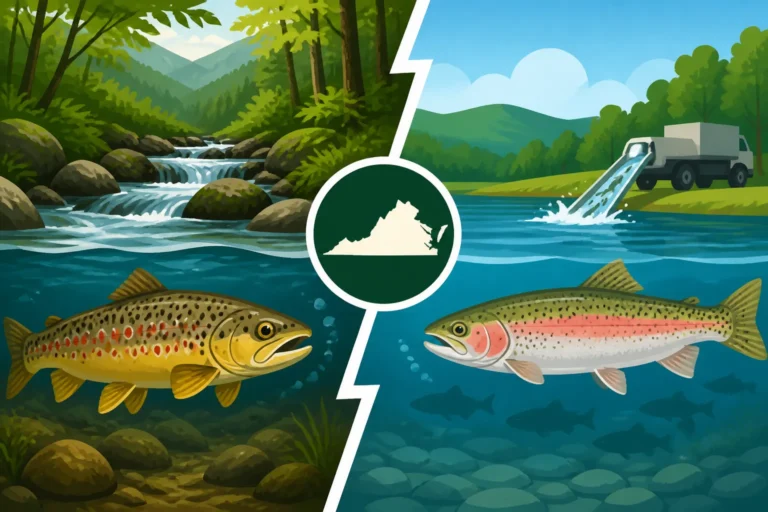
Virginia boasts an impressive program of stocked trout waters, particularly in the cooler mountain streams and lakes. These waters are regularly replenished with rainbow, brown, and brook trout, offering fantastic angling opportunities, especially in the cooler months. However, if you plan to fish in these specifically designated stocked trout waters during the stocked trout season (which typically runs from October 1 through June 15), your standard freshwater license isn't quite enough.
You’ll need to purchase an additional Virginia State Freshwater Trout License, which costs $23.00 for residents. This fee goes directly to support the DWR's trout stocking program, ensuring that these waters remain vibrant and productive. It’s important to note that this trout license is in addition to your regular freshwater fishing license, not a replacement. So, if you plan to fish stocked trout waters, your total annual resident cost would be $23.00 (freshwater) + $23.00 (trout) = $46.00. However, if you're fishing for wild trout outside of designated stocked waters, a regular freshwater license is usually sufficient. Understanding the nuances here is key to avoiding an unexpected citation. For detailed rules, check out our piece on Stocked Trout License Requirements in Virginia.
Lifetime Freshwater Fishing License Considerations
For the truly dedicated angler who envisions a lifetime of fishing in Virginia's freshwaters, the DWR offers a lifetime freshwater fishing license. This one-time purchase eliminates the need for annual renewals and guarantees you fishing privileges for the rest of your life, regardless of future price increases. While the upfront cost is significantly higher, it can offer long-term savings and unparalleled convenience.
The cost of a resident lifetime freshwater fishing license varies by age:
| Resident Lifetime Freshwater Fishing License Cost |
|---|
| Age 0-11: $271.00 |
| Age 12-49: $381.00 |
| Age 50+: $271.00 |
This is a substantial investment, but for many, it’s a commitment to a lifelong passion. Consider it a legacy purchase, securing your right to fish Virginia’s freshwater bounty for decades to come. It’s an especially appealing option for younger anglers, as they get the most years of benefit, or for those who are nearing retirement and want to simplify their annual administrative tasks. This license ensures that you can simply grab your gear, perhaps a new fishing reel you ordered from Amazon, and head straight to the water without a second thought about renewal dates.
Special Considerations and Exemptions for Virginia Residents
While most Virginia residents need a fishing license, there are some important exceptions and special provisions that can either reduce costs or waive the requirement altogether. These considerations are designed to encourage participation among certain demographics, like children and seniors, and to offer opportunities for everyone to experience the joy of fishing.
Fishing License Rules for Kids in Virginia
Virginia wants to encourage the next generation of anglers, and one way they do this is by making it easy for kids to get started. The good news is that children under the age of 16 are generally exempt from needing a freshwater fishing license in Virginia. This means that if you have a child or grandchild under 16, they can fish alongside you without any license requirements, as long as they adhere to all other fishing regulations regarding size and creel limits.
This exemption is a fantastic way for families to introduce young ones to the sport without the added expense or administrative hassle. It allows them to focus purely on the fun and excitement of catching their first fish. However, it's still crucial for an accompanying adult (if over 16) to have a valid license, and for everyone to be aware of the rules. Teaching kids about catch limits and responsible angling is just as important as having the right gear. Make sure to instill good conservation practices early on, even when they're fishing license-free. For more specific details, you can read about Do Kids Need a Fishing License to Fish?.
Free Fishing Privileges for Virginia Seniors
Virginia also offers significant concessions for its senior resident anglers, acknowledging their years of contribution to the Commonwealth. For residents aged 65 and older, the DWR provides a special privilege: Virginia residents aged 65 and older can fish freshwater without a state fishing license. This is a wonderful benefit for seniors who want to enjoy the tranquility and recreational benefits of fishing in their golden years.
It’s important to clarify that this exemption specifically applies to freshwater fishing. If a senior resident wishes to fish in saltwater, they will typically need to purchase a Virginia Saltwater Recreational Fishing License. However, there is a special, one-time lifetime saltwater license available for residents aged 65 and over for just $5.00, which is an incredible value. Always check the latest DWR regulations or the details in Free Fishing License for Virginia Seniors 65 and Older to ensure you're fully compliant, as rules can occasionally be updated. These provisions help ensure that fishing remains an accessible and enjoyable pastime for all Virginia residents, regardless of age.
Virginia's Free Fishing Days Explained
Beyond individual exemptions, Virginia also dedicates specific periods each year where anyone can fish without a license. These are known as Virginia's Free Fishing Days, and they are truly a gift to all anglers, whether resident or non-resident, experienced or beginner. Typically, these days occur for a few days in June, usually coinciding with National Fishing and Boating Week.
During these designated free fishing days, you do not need a state fishing license to fish in any of Virginia's public freshwaters or public saltwaters. This means you can cast a line in your local pond, a favorite river, or even head to the Chesapeake Bay without having to purchase a license. It's an incredible opportunity for newcomers to try fishing for the first time, for families to enjoy a cost-free outing, or for lapsed anglers to rekindle their passion. While the license requirement is waived, all other fishing regulations, such as size and creel limits, remain in effect. It's a great time to experiment with new gear, maybe some fishing tackle you recently bought from Amazon, or to explore new fishing spots. Always mark your calendar for these dates, as they are a prime opportunity to fish legally and freely. For exact dates and more information, keep an eye on official DWR announcements or our guide, Virginia Free Fishing Days in June 2026.
Where to Purchase Your Virginia Freshwater Fishing License
Once you've decided which Virginia resident freshwater fishing license option is best for you, the next step is actually acquiring it. The Virginia Department of Wildlife Resources has made the process incredibly convenient, offering multiple ways to purchase your license, ensuring that you can get on the water with minimal hassle. Whether you prefer the ease of online transactions or the personal touch of an in-person visit, there's an option for everyone.
Buying Your License Online Through DWR
For most people, the quickest and easiest way to purchase a Virginia fishing license is online, directly through the Virginia Department of Wildlife Resources (DWR) website. Their online portal is user-friendly and accessible 24/7, allowing you to buy your license from the comfort of your home, or even right at the boat ramp from your smartphone if you suddenly realize you forgot!
The process is straightforward: you'll navigate to the DWR licensing section, select your desired resident freshwater license type (annual, 5-day, combo, or specialty), provide some personal information, and complete the payment using a credit or debit card. Once the transaction is complete, you'll typically receive an email confirmation with a printable copy of your license. This digital copy is legally valid, and you can display it on your smartphone or print it out to keep with you. This method not only saves time but also ensures that you're purchasing directly from the official source, guaranteeing accuracy and security. You can get a step-by-step walkthrough on How to Buy a Fishing License Online in Virginia.
In-Person Purchase Locations
For those who prefer a more traditional approach or don't have easy access to the internet, Virginia fishing licenses can also be purchased in person at various authorized vendors across the state. These agents are typically bait and tackle shops, sporting goods stores, some Walmarts, K-Marts, and even some county clerk's offices. These locations are equipped to process your license application on the spot.
Purchasing in person can be a great option if you have questions or need assistance determining the best license for your specific needs. The staff at these authorized agents are often knowledgeable about local regulations and can provide helpful advice. Plus, it's a fantastic opportunity to grab some fresh bait or check out the latest fishing tackle while you're there. Many anglers enjoy the ritual of visiting their local tackle shop, chatting with fellow fishermen, and getting their license the old-fashioned way. Just remember to bring a valid form of identification to prove your residency. If you're wondering where to find these spots, our guide on Where to Buy a Virginia Fishing License can point you in the right direction.
Renewing Your Virginia Fishing License
The Virginia resident freshwater fishing license is valid for one year from the date of purchase. This means you'll need to renew it annually if you want to continue fishing legally. Thankfully, renewing your license is just as easy as purchasing it initially, if not easier, thanks to the DWR's efficient systems.
You can renew your license online through the DWR website, often with just a few clicks if your information is already stored in their system. You can also renew in person at any authorized vendor. The DWR typically sends out reminders via email as your license expiration date approaches, which is a helpful nudge for busy anglers. Staying on top of your renewal ensures there are no interruptions in your fishing plans. Imagine planning a weekend trip, finding the perfect new fishing gadget on Amazon, only to realize your license expired last week! A simple renewal prevents such disappointments and keeps you ready for your next adventure on Virginia's beautiful freshwater.
How Your License Fees Support Virginia's Fisheries
It's easy to look at a license fee as just another cost, but for anglers in Virginia, every dollar spent on a fishing license is a direct investment in the health and future of our beloved waterways. The Virginia Department of Wildlife Resources (DWR) diligently manages these funds to ensure sustainable practices, robust fish populations, and continued public access to prime fishing locations. Understanding where your money goes can give you a deeper appreciation for the value of your annual contribution.
Conservation Efforts Funded by License Sales
The primary purpose of fishing license fees is to fund critical conservation initiatives throughout Virginia. These programs are vast and varied, touching every aspect of fishery management. For instance, a significant portion of the funds goes into habitat restoration projects. This might involve improving water quality in rivers and streams, restoring natural vegetation along shorelines to prevent erosion, or creating artificial reefs and structures in lakes to provide cover and breeding grounds for fish. Without these ongoing efforts, many of our favorite fishing spots would degrade over time, leading to diminished fish populations and poorer angling experiences.
Additionally, license fees support scientific research conducted by DWR biologists. These experts study fish populations, migration patterns, health indicators, and the impact of environmental changes. This data is vital for making informed decisions about creel limits, season dates, and other regulations that ensure the long-term sustainability of various species. It's a continuous cycle of funding, research, and adaptive management, all aimed at preserving Virginia's rich aquatic biodiversity. Every time you purchase a license, you're directly contributing to this vital work, often in ways you might not even realize. Our article on How Fishing License Fees Support Wildlife Conservation in Virginia details more on this.
Managing and Stocking Virginia's Freshwater Waters
One of the most visible ways your license fees are put to use is through the DWR's extensive fish management and stocking programs. Virginia is fortunate to have a dedicated team that works tirelessly to maintain healthy fish populations in public waters. This includes active management of species like bass, catfish, and panfish through various biological techniques.
Perhaps most notably, a portion of the funds goes directly into the DWR's fish hatcheries. These facilities rear millions of fish each year, particularly popular game species like trout, and then release them into designated public waters across the state. This stocked trout program, for which the additional trout license fee contributes, provides incredible opportunities for anglers, especially in areas where natural reproduction might be limited. The DWR ensures these waters are accessible, well-maintained, and regularly stocked, creating vibrant fisheries that might not exist otherwise. It’s a testament to the fact that your $23.00 (or more) helps literally put fish in the water for you to catch, enhancing everyone's fishing success and enjoyment.
Ensuring Sustainable Fishing for Future Generations
Ultimately, the goal of all these efforts—conservation, research, management, and stocking—is to ensure that Virginia's fishing heritage endures for future generations. It's about more than just today's catch; it's about safeguarding the opportunity for your children, grandchildren, and beyond to experience the same joy and connection to nature that you do.
By paying your license fee, you're participating in a collective commitment to responsible resource management. You're helping to fund enforcement efforts by conservation police officers who prevent overfishing and illegal activities, protecting the resource for everyone. You're supporting educational programs that teach anglers about ethical fishing practices and the importance of conservation. It’s a holistic approach that sees fishing as both a recreational pursuit and a critical component of environmental health. So, the next time you're enjoying a peaceful morning on a Virginia lake, perhaps with a new tackle box from Amazon at your side, remember that your small license fee is making a huge difference in keeping those waters healthy and full of fish for years to come.
Disclaimer
The information provided in this guide is for general informational purposes only and is subject to change. While we strive to provide accurate and up-to-date information, fishing regulations, license costs, and exemptions are determined by the Virginia Department of Wildlife Resources (DWR) and can be updated at any time. It is always the angler's responsibility to verify the most current regulations and license requirements directly with the Virginia DWR before engaging in any fishing activities. Compliance with all applicable laws and regulations is mandatory.