Do you need a license to fish in a stocked pond?
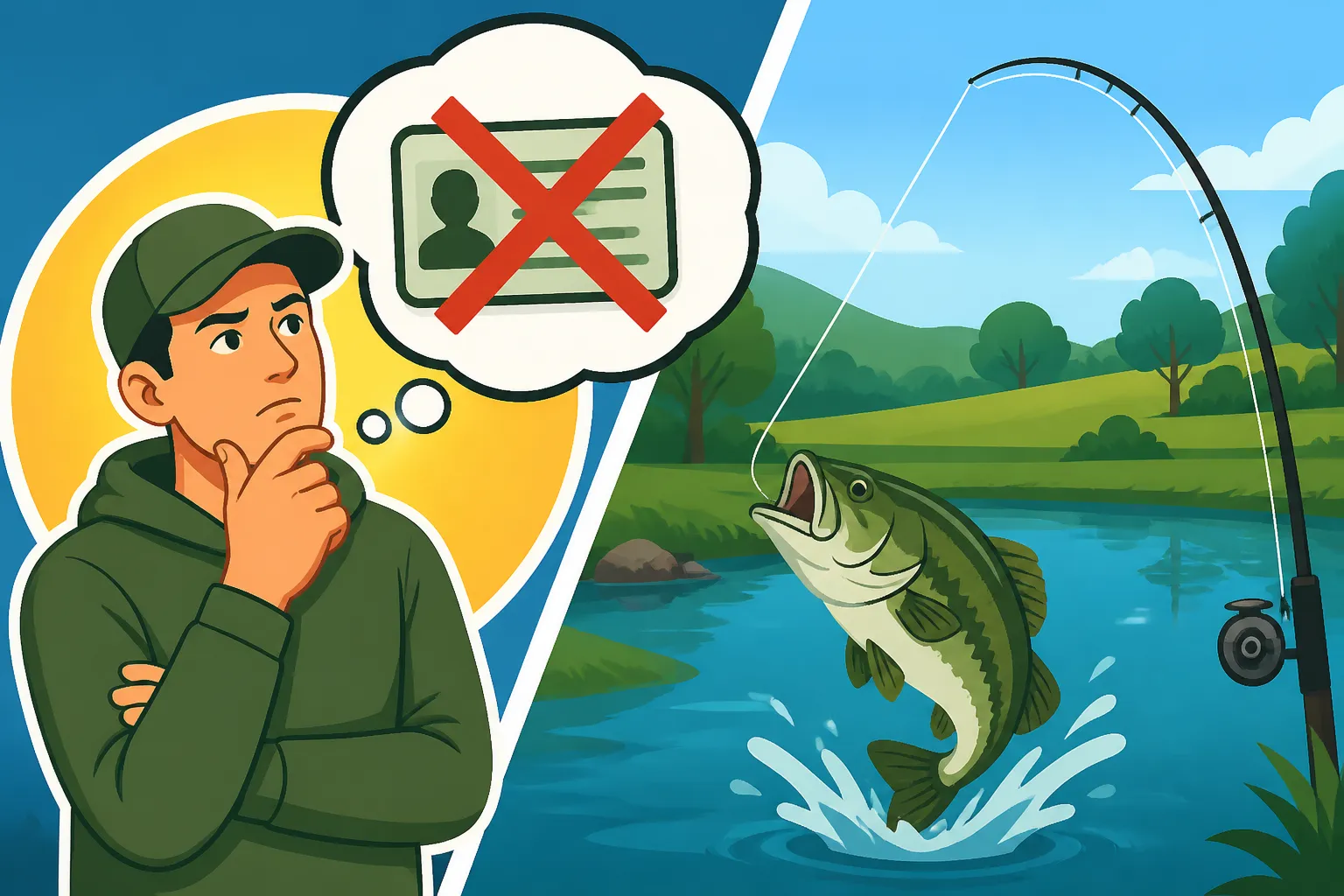
It's a question that trips up a lot of anglers, especially those new to the hobby or just visiting our beautiful state: "Do I really need a fishing license to cast a line in a stocked pond?" It feels like it should be simple, right? A pond isn't a vast river or the open Chesapeake Bay. But Virginia's fishing regulations, like many states, have layers of nuance, and getting it wrong can lead to a less-than-pleasant encounter with a game warden. This guide aims to clear up that confusion, explaining when you absolutely need a license for a stocked pond, when you might be able to skip it, and why these rules are in place.
Understanding Virginia's Fishing License Requirements Generally
Before we dive into the specifics of ponds, let's touch on the general philosophy behind Virginia's fishing licenses. It might seem like just another fee, but there's a good reason for it, and understanding that helps make sense of the regulations.
Why Licenses Matter in the Commonwealth
The core reason for fishing licenses in Virginia, and indeed across the nation, is conservation. When you buy a license, those funds go directly to the Virginia Department of Wildlife Resources (DWR). They use that money for everything from fish stocking programs—like those stocked ponds we're talking about—to habitat restoration, research, enforcement, and public access initiatives. It's how they keep our waters healthy and ensure there are fish for future generations to enjoy. It’s easy to feel frustrated by what seems like bureaucratic red tape, but these dollars genuinely fuel the efforts to maintain Virginia’s incredible fishing opportunities. If you're curious about the bigger picture, you can learn more about How Fishing License Fees Support Wildlife Conservation in Virginia.
Who Needs a License in Virginia
Generally speaking, anyone aged 16 and older needs a valid fishing license to fish in public waters in Virginia. There are a few important exceptions, of course. For instance, kids under 16 don't need a license, which is fantastic for introducing the next generation to fishing without an extra hurdle. There are also specific free fishing days each year where the license requirement is temporarily waived for everyone. Beyond that, certain private property scenarios or specific senior citizen programs might also offer exemptions. It's a patchwork, which is why the "stocked pond" question comes up so often. For more detailed information on age-related rules, check out Fishing License Rules for Kids in Virginia.
The Nuances of Fishing in Stocked Ponds
Now, let's get down to the nitty-gritty of ponds, because this is where a lot of the misunderstandings tend to happen. The key distinction here isn't just that a pond is "stocked," but who owns and manages that pond.
Public Stocked Ponds vs. Private Ponds
This is the absolute most critical distinction to grasp. If a pond, no matter how small or how frequently it's stocked, is considered public water, you almost certainly need a fishing license. What makes a pond "public"? It's usually a water body owned or managed by a government entity – like a state park, a county park, or even a municipal lake within city limits – and is generally accessible to the public. These ponds are often stocked by the DWR or through similar publicly funded programs, and thus, your license helps pay for those very fish you're trying to catch.
Think of it this way: if you can walk up to it from a public road or park entrance and start fishing, assume it requires a license. The DWR manages many such ponds throughout the state, ensuring they are regularly stocked with species like trout, channel catfish, or various panfish to provide easy access fishing for families and beginners. Even if it's a small, unassuming pond, if it's on public land or fed by public waterways, the rules apply.
On the other hand, if a pond is entirely contained within private property and has no direct connection to public waters (meaning fish can't easily swim in or out from public rivers or lakes), then the rules change dramatically. These are often farm ponds, private community lakes, or ponds on private hunting/fishing clubs. If you're fishing on one of these private ponds, the license requirement often falls away, as long as you have permission from the landowner. We’ll delve into that more in the next section.
Stocked Trout Waters: A Special Case
Even within the realm of public stocked ponds, there's a significant exception that anglers must be aware of: stocked trout waters. Virginia takes its trout program very seriously, and for good reason—it’s a major draw for many anglers. If you're planning to fish in a pond (or stream, for that matter) that is specifically designated as a stocked trout water, you'll likely need more than just your basic freshwater fishing license.
These waters often require an additional permit, sometimes called a "trout license" or "trout stamp," on top of your general Virginia fishing license. Why the extra fee? Because stocking trout is an intensive and costly program. The DWR spends considerable resources raising and distributing trout throughout the state, especially in the cooler months. This additional license helps offset those specific costs and ensures the program can continue.
It's really easy to overlook this detail, especially if you're excited about catching some fresh trout. But encountering a game warden without the proper trout license can quickly turn a fun day into a costly one. Make sure you check the DWR regulations for any specific pond you plan to fish, particularly if you know it's a popular trout stocking location. You can find more specific details on Stocked Trout License Requirements in Virginia and whether Do you need a special license to fish stocked trout waters in Virginia?.
When You Might Not Need a License for a Stocked Pond
The good news is that there are scenarios where you can enjoy fishing in a stocked pond without needing a Virginia fishing license. These exceptions are important to understand so you can fish legally and confidently.
Fishing on Your Own Private Property
This is perhaps the most straightforward exemption. If you own the land, and the pond is entirely contained within your property boundaries – meaning it’s not connected to a public stream, river, or lake where fish can freely move in and out – then you generally do not need a Virginia fishing license to fish in that pond.
Imagine a classic farm pond: it's on your land, dug specifically for your property, and while you might stock it yourself or have the DWR help with a private stocking program, it’s fundamentally a closed system on your private domain. In this case, Virginia law recognizes your right as a landowner to manage your own property, including fishing in your private pond. This applies whether you're catching and releasing or planning a fish fry. The key is complete private enclosure and ownership. If it's fed by a public stream, even a small one, or drains into one, that can sometimes change the classification, so it's always worth a quick check with DWR if there's any ambiguity.
Fishing on Someone Else's Private Property (with Permission)
This scenario extends the private property rule to guests. If you are invited to fish on someone else's private property, and that pond meets all the criteria of being a fully enclosed, private water body (as described above), then you, as their guest, typically do not need a fishing license.
However, the "with permission" part is absolutely crucial. You cannot simply assume a pond is private and then fish it without the landowner's explicit consent. Trespassing is a serious offense, and even if the pond turns out to be private and license-exempt, you could still face legal trouble for being on the property without permission. Always, always ask first. A simple phone call or conversation can save you a lot of hassle and ensure you maintain good relationships with local landowners. Many folks are happy to let respectful anglers enjoy their ponds, especially if you offer to share your catch or help with pond maintenance.
Virginia's Free Fishing Days
One of the best opportunities for everyone to fish license-free, including in many stocked ponds, is during Virginia's annual Free Fishing Days. These are specific days, usually occurring over a weekend in June, when the Virginia DWR waives the requirement for a state fishing license for both residents and non-residents. It's a fantastic initiative designed to encourage people of all ages to try fishing, introduce kids to the sport, or just enjoy a day on the water without the initial financial commitment of a license.
During Free Fishing Days, you can fish in most public waters, including many public stocked ponds, without a license. This is a perfect time to explore a new pond or take the family out for a relaxed afternoon. However, remember the "stocked trout water" exception we discussed earlier: during Free Fishing Days, while the general fishing license is waived, you still generally need a trout license or stamp if you are fishing in waters specifically designated as stocked trout waters. Always double-check the DWR's announcement for Free Fishing Days to confirm any specific exclusions or rules for that year. For instance, mark your calendar, as Virginia's 2026 Free Fishing Days are June 5-7. It's a fantastic time to hit the water, but always know the exact rules for those days, as well as the question of Can you fish without a license on free fishing days?.
How to Ensure You're Compliant
Navigating the rules can feel like a maze, but there are simple steps you can take to make sure you're always on the right side of the law and can enjoy your fishing trip without worry.
Checking the Pond's Status
The very first thing you should do when considering fishing a stocked pond is to figure out if it's public or private, and if public, what specific regulations apply. The absolute best resource for this is the Virginia Department of Wildlife Resources (DWR) website. They have maps, lists of stocked waters, and detailed regulations.
If the pond is part of a state or local park, check the park's official website or call their visitor center. Park rangers are typically very knowledgeable about local fishing rules. For instance, if you're looking at a pond within a Virginia State Park, they will almost always have information readily available about whether a license is required, what species are present, and any specific catch limits. Don't be shy about making a quick phone call – it's far better to confirm beforehand than to face a fine later. Sometimes, even the signage at the pond itself will clearly state the requirements.
Purchasing the Right License
If you determine that a license is required for the stocked pond you want to fish, getting one is thankfully very easy in Virginia. You have several convenient options:
- Online: The Virginia DWR website is the quickest and often most convenient way to purchase a license. You can do it from your computer or even your phone, print it out at home, or save a digital copy to your device. This is particularly handy if you decide spur-of-the-moment to go fishing. For a step-by-step guide, check out How to Buy a Fishing License Online in Virginia.
- DWR Agents: There are hundreds of authorized DWR license agents located throughout the state, including many sporting goods stores, bait and tackle shops, and even some convenience stores. These agents can process your license purchase on the spot.
- Mail-in: While less common today, you can still mail in an application, though this is obviously not suitable for immediate fishing plans.
When purchasing, you'll need to decide on the type of license. For most stocked ponds, a freshwater fishing license will suffice. If you plan to fish in both freshwater ponds and coastal saltwater areas, a combination license might be more economical. There are also short-term options, like a 5-day freshwater pass or a 10-day saltwater pass, which are perfect for visitors or those only fishing for a brief period. Consider which type of Virginia Freshwater and Saltwater Fishing Licenses in Virginia best suits your fishing plans. And while you're at it, remember to stock up on any gear you might need for your stocked pond adventures; many anglers find great deals on fishing rods, reels, and tackle boxes on popular online retailers like Amazon.
Common Misconceptions and Penalties
It’s easy to fall into certain traps of thinking when it comes to fishing regulations, especially for seemingly innocent activities like fishing in a small pond. Let’s tackle some common misconceptions and the very real consequences of non-compliance.
"It's Just a Small Pond, Who Cares?"
This is probably the most dangerous misconception out there. The thought process often goes: "It's just a little pond, not a big river or the ocean. What are the chances anyone will even check?" Or, "It’s so small, it can’t possibly be part of the DWR's jurisdiction."
The truth is, game wardens and DWR officers do care, and they absolutely patrol ponds, even the small, seemingly out-of-the-way ones. Their job is to enforce wildlife laws across all public waters, regardless of size. Often, these smaller, accessible ponds are popular spots for families and youth, and thus, they are frequently checked to ensure everyone is following the rules and protecting the resource.
Furthermore, many ponds, even if they appear isolated, often have some hydrological connection to larger public waterways, perhaps through an underground spring, a culvert, or seasonal overflow. This interconnectedness means that fish and other aquatic life can move between these systems, making them part of the broader ecological network that the DWR is tasked with protecting. So, never assume a pond is too small or insignificant to warrant regulatory attention.
Consequences of Fishing Without a License
Getting caught fishing without a valid license in Virginia is not just a slap on the wrist. It can lead to penalties that quickly overshadow the cost of a license itself. Typically, fishing without a license is considered a Class 3 misdemeanor in Virginia.
What does that mean for you? It means:
- Fines: You can expect to pay a significant fine, often ranging from $100 up to $500, plus court costs. This is far more expensive than even an annual combination license.
- Confiscation of Gear: In some cases, especially for repeat offenders or egregious violations, game wardens have the authority to confiscate your fishing gear, including rods, reels, and tackle.
- Loss of Future Privileges: While less common for a first offense, severe or repeated violations could potentially lead to the suspension of your fishing privileges for a period of time.
- Court Appearance: You may be required to appear in court, which means taking time off work and dealing with the stress and hassle of the legal system.
Virginia wildlife officers and game wardens are generally professional and will explain the violation. However, their primary duty is enforcement. While they might give a warning for minor, easily rectifiable issues, fishing without a required license is typically not one of those. It’s an easy rule to follow, and the consequences for not doing so are simply not worth the risk. For a deeper understanding of what happens, you can read more about the Penalties for Fishing Without a License in Virginia and How Virginia wildlife officers handle anglers caught without a license.
Always make sure you have your license on you, whether it's a physical copy or a digital one on your phone, when you're out fishing, regardless of the water body's size.
| Pond Type | License Required (Generally) | Special Trout License | Key Considerations |
|---|---|---|---|
| Public Stocked Pond | Yes | No (unless trout) | – Managed by DWR or other public entity. – Accessible to the public. – Your general freshwater license covers it. – Check DWR website or local park rules for specific details. |
| Public Stocked Trout Pond | Yes | Yes | – Specifically designated by DWR for trout stocking. – Requires a general freshwater license and an additional trout license/stamp. – Often has specific seasons, creel limits, and tackle restrictions. – Always check DWR regulations before fishing. |
| Private Enclosed Pond | No | No | – Entirely contained within private property. – No direct connection to public waterways where fish can freely move. – Requires explicit permission from the landowner to fish. – Landowner may impose their own rules (e.g., catch limits, species restrictions). |
| Pond During Free Fishing Days | No (general) | Yes (trout, usually) | – Annual DWR-designated days when general license is waived. – Still requires a trout license if fishing in designated stocked trout waters. – Great opportunity for beginners or to try new spots. – Always confirm specific dates and exclusions with DWR. |
Disclaimer
The information provided in this guide is for general informational purposes only and does not constitute legal advice. Fishing regulations in Virginia can change, and specific rules may vary by location, species, and time of year. Always consult the official Virginia Department of Wildlife Resources (DWR) website or contact them directly for the most current and accurate regulations before engaging in any fishing activities. Compliance with all applicable laws is the responsibility of the individual angler.