Fly Fishing for Trout and Smallmouth Bass on the Shenandoah River
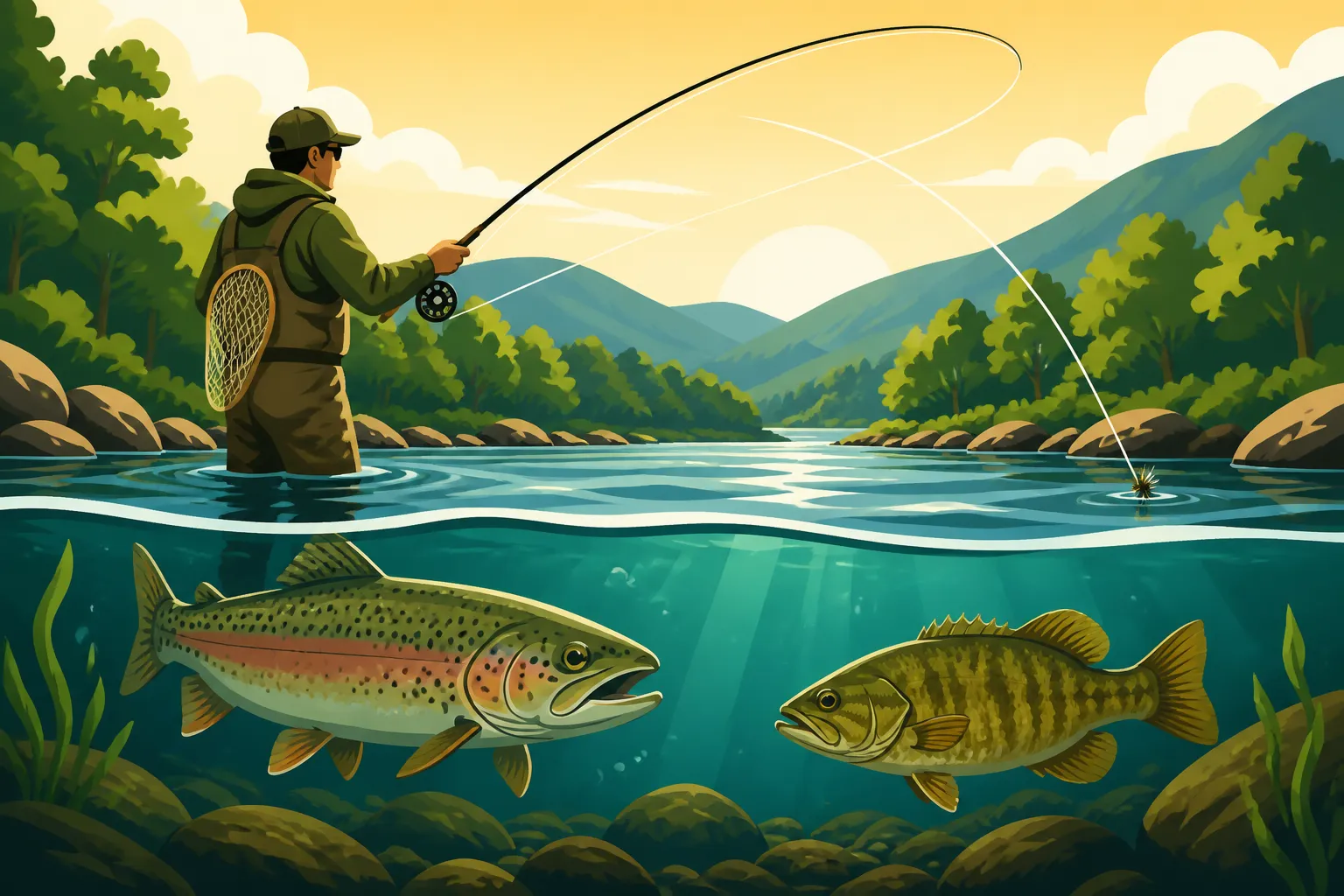
Oh, the Shenandoah River! Just hearing those words conjures up images of misty mornings, clear currents, and the exhilarating pull of a fish on the end of your fly line. Many anglers dream of a river where they can pursue both elusive trout and feisty smallmouth bass with a fly rod, but often wonder if such a versatile waterway truly exists, or how to even begin tackling such diverse species in one place. Well, friends, the Shenandoah isn't just a dream; it's a reality, offering incredible opportunities for fly anglers who know how to approach its varied waters for both trout and smallmouth. This guide is going to dive deep into making that dream a reality, giving you the insights you need to successfully fly fish for both these magnificent species on one of Virginia's most iconic rivers.
Understanding the Shenandoah River's Unique Character for Fly Fishing
The Shenandoah River isn't just "a river"; it's a dynamic, two-forked system that winds through the beautiful Shenandoah Valley, offering distinct environments for different fish species. Knowing these differences is your first step to unlocking its fly-fishing potential. It's a truly special place, a confluence of history, natural beauty, and incredible angling opportunity. You can literally be chasing native brookies in a tiny tributary in the morning and throwing big poppers for smallmouth on the main stem in the afternoon.
North Fork vs. South Fork Differences
The Shenandoah River officially begins at the confluence of its North and South Forks near Front Royal. Before they meet, each fork offers a slightly different personality for the fly angler. The South Fork of the Shenandoah is often seen as the primary smallmouth bass fishery, a wider, deeper river with significant current and rocky bottom structures perfect for bronze-backs. It's a classic freestone river, flowing through agricultural lands and forested sections, constantly changing character. Its broad stretches and numerous riffles, runs, and pools make it ideal for floating in a drift boat or kayak, allowing you to cover extensive water. Anglers looking to cast larger streamers and poppers will find ample opportunity here. The South Fork Shenandoah River fishing spots are legendary among smallmouth enthusiasts.
The North Fork of the Shenandoah, while still holding a respectable smallmouth population, tends to be a bit narrower, with more gradient in its upper reaches. It also has a greater influence from spring-fed tributaries and cooler waters, making it a viable option for trout, particularly in its upper sections and feeder creeks. Upstream of Strasburg, for instance, you'll find areas that are much more "trout-y" in character. It's a river that truly showcases Virginia's diverse aquatic ecosystems, transitioning from cold, clear waters capable of sustaining trout to the warmer, rockier flows preferred by smallmouth. Understanding these distinctions helps you decide which fork, or even which section of a fork, to focus your efforts on.
Water Conditions and Habitat Diversity
The Shenandoah's varied water conditions and diverse habitats are what make it such a fly-fishing paradise. For trout, especially the native brook trout, you're looking for those cold, oxygenated tributaries that feed into the main forks, or the upper reaches of the North Fork where springs keep water temperatures more stable. These areas often feature classic trout habitat: riffles, runs, deeper pools sheltered by fallen timber, and undercut banks. Think clear, faster-moving water over rocky beds. Knowing Wild Trout Stream Rules in Virginia is crucial if you venture into these sensitive areas, as regulations can be very specific.
For smallmouth bass, the main stem of both forks offers endless possibilities. Smallmouth absolutely thrive in the Shenandoah's rocky environment. You'll find them holding tight to current breaks behind large boulders, lurking in the deeper seams where faster water meets slower water, and ambushing prey from submerged logs or rock gardens. Riffles and rapids, which churn up oxygen and dislodge food, are magnets for smallmouth. Targeting the transitional zones between slow, deep pools and faster, shallower riffles is often a recipe for success. These fish are masters of their environment, using every available piece of structure to their advantage, making for exciting sight-fishing opportunities when the water is clear. The river's character changes with rainfall and season, so adapting your approach to factors like clarity, flow, and temperature is key to consistent success.
Essential Gear for Shenandoah Fly Fishing
Getting equipped for the Shenandoah means preparing for versatility. You'll need gear that can handle the delicate presentation required for trout, but also the power and accuracy needed to cast larger flies for aggressive smallmouth. It's not about owning everything, but about having the right tools for the job, or at least a flexible setup.
Rod, Reel, and Line Selection
For trout, especially in the smaller, tighter tributaries or when targeting wary wild fish, a lighter setup is ideal. A 3-weight or 4-weight fly rod, typically 7.5 to 8.5 feet long, offers the finesse needed for delicate casts and small flies. Pair this with a matching reel that balances the rod and a weight-forward floating fly line. A longer leader, often 9 to 12 feet tapering down to a fine tippet (5X or 6X), will help with presentation. This setup allows you to cast tiny dry flies or small nymphs with precision, mimicking the natural insects on which trout feed.
When you switch gears to smallmouth bass, you'll want to beef things up. A 6-weight or 7-weight fly rod, generally 9 feet long, is a much better choice. This provides the backbone to cast larger, wind-resistant flies like poppers, streamers, and buggers, and the power to fight larger, stronger smallmouth in current. A reel with a good drag system is important, as these fish can put up quite a fight. A weight-forward floating line is still generally the go-to, but you might consider one designed specifically for bass or throwing larger flies, which often have a more aggressive front taper. For leaders, you'll want something shorter and stronger, typically 7.5 to 9 feet, tapering to 0X to 2X tippet, to turn over those bigger flies effectively. Having a spare spool with an intermediate sinking line can also be a game-changer for deeper water or when fish are holding closer to the bottom. Many anglers find excellent multi-purpose fly fishing starter kits on Amazon that can get them out on the water without breaking the bank.
Here's a quick comparison:
| Gear Type | Trout (Smaller Streams) | Smallmouth Bass (Main River) |
|---|---|---|
| Rod Weight | 3wt – 4wt | 6wt – 7wt |
| Rod Length | 7.5' – 8.5' | 9' |
| Fly Line | WF Floating (Standard) | WF Floating (Bass/Big Fly Taper) |
| Leader Length | 9' – 12' | 7.5' – 9' |
| Tippet Size | 5X – 6X | 0X – 2X |
| Typical Flies | Dry Flies, Small Nymphs | Poppers, Streamers, Buggers |
Fly Selection for Both Species
This is where the fun really begins! For trout on the Shenandoah's clearer, cooler tributaries, think about matching the hatch. In spring and early summer, caddis, mayflies, and stoneflies are prevalent. Classic dry flies like Elk Hair Caddis, Adams, and Parachute Adams in sizes 14-18 are always good bets. For nymphs, Pheasant Tail, Hare's Ear, and Prince Nymphs in similar sizes are effective when fished under an indicator or tight-lined. Don't forget terrestrials like Ant and Beetle patterns during summer and fall. Having a good selection ensures you're ready for whatever the trout are feeding on.
For smallmouth bass, you're generally going bigger and bolder. These fish are aggressive predators that love to smash topwater bugs. Poppers and Gurglers in various colors (chartreuse, white, black) are thrilling to fish, especially during warmer months. For subsurface action, large streamers are king. Clouser Minnows, Woolly Buggers (black, olive, brown), and articulated flies that imitate baitfish or crayfish are incredibly effective. Sizes typically range from hooks #2 to #8. When choosing streamers, consider those with plenty of movement and flash. Crayfish patterns are also crucial, as crayfish are a major food source for smallmouth in the Shenandoah. A well-stocked fly box with these patterns, perhaps sourced from specialty fly shops or online vendors on Amazon, will put you in a great position.
Wading Gear and Safety
Wading in the Shenandoah can range from easy gravel bars to slick, rocky bottoms with swift currents, so proper wading gear is non-negotiable. Waders are essential, even in warmer months, as the water can still be cool, and they protect you from submerged branches and sharp rocks. Breathable chest waders are often preferred for comfort and versatility. Your wading boots should have felt soles or rubber soles with studs for maximum grip on slippery river rocks. Always use a wading belt to prevent your waders from filling completely with water should you take a tumble, which can be incredibly dangerous.
Safety is paramount. The Shenandoah, while beautiful, is a powerful river. A wading staff is highly recommended, especially when exploring new sections or navigating deeper currents. It provides an extra point of contact and stability. Always let someone know where you're going and when you expect to return. Be mindful of rising water levels after heavy rains, as the river can become dangerous quickly. Wearing polarized sunglasses not only protects your eyes from UV rays and errant flies but also dramatically improves your ability to spot fish and submerged structure, which is invaluable for both species. Carrying a small first-aid kit, some water, and a snack in a waterproof pack is also a smart move for any extended outing.
Targeting Trout on the Shenandoah
While the Shenandoah is more renowned for its smallmouth bass, don't overlook its trout potential. You just need to know where to look and how to approach these more delicate fisheries. It's a different kind of challenge, often requiring a lighter touch and a keen eye for subtle takes.
Identifying Prime Trout Lies
When searching for trout in the Shenandoah system, you'll generally be looking at the upper reaches of the North Fork and its numerous cold-water tributaries. These smaller streams and creeks are where you'll find native brook trout, as well as sections that receive seasonal stockings of rainbow and brown trout by the Virginia Department of Wildlife Resources (DWR). Prime trout lies typically include:
- Riffles and Runs: These oxygen-rich areas provide excellent feeding stations. Look for current seams where food drifts by, allowing trout to hold with minimal effort.
- Deeper Pools: Especially those with overhead cover from fallen logs, undercut banks, or large boulders. Trout feel safe in these areas and will often rise to feed if insects are present.
- Confluences: Where a smaller, colder stream meets a larger one, creating a thermal refuge and a concentrated food source.
- Pocket Water: In faster, rockier sections, trout will tuck into the calmer "pockets" of water behind obstructions, waiting for food to drift into their strike zone.
Remember, trout in these areas can be incredibly wary. Stealth and a delicate presentation are key. Approaching upstream, keeping a low profile, and making your first cast count can make all the difference. For more information on specific areas, checking resources like Best Trout Streams on the Shenandoah River, Virginia can be incredibly helpful. You might also need to understand Virginia's stocked trout season runs from October to mid-June if you're planning on fishing for these fish.
Techniques for Native Brook and Stocked Trout
Fishing for native brook trout is often an exercise in precision and patience. These fish are usually smaller, but their vibrant colors and wild nature make them highly prized. They thrive in the headwaters and smaller, colder tributaries. A technique often called "tenkara" or short-line nymphing works wonders in these tight, overgrown streams where casting space is limited. Small dry flies, like a #16-#20 Parachute Adams or Elk Hair Caddis, fished in seams and pockets, can be deadly. When targeting deeper pools, tiny nymphs (Pheasant Tail, Copper John) fished under a small indicator or with a dry-dropper rig are effective. Stealth is paramount; these fish spook easily.
For stocked trout (rainbows and browns) in designated waters, the approach can be a bit different. While they can still be selective, they often respond well to a wider variety of flies, especially shortly after stocking. Traditional dry-fly fishing can be excellent during hatches. When fish are not rising, nymphing is usually the most productive method. Use an indicator to suspend weighted nymphs (Prince Nymph, Hare's Ear, San Juan Worm) near the bottom. Streamer fishing with small Woolly Buggers can also entice a strike from more aggressive stocked fish. These waters generally have better access, but can also see more fishing pressure. Familiarizing yourself with Virginia Stocked Trout License Requirements in Virginia is vital before heading out, as special permits might be needed for certain waters. A good starting point for exploring these options is to research Virginia's stocked trout season runs from October to mid-June.
Pursuing Smallmouth Bass on the Shenandoah
The Shenandoah is truly a world-class smallmouth bass fishery. These hard-fighting fish are aggressive, abundant, and a joy to catch on a fly rod. The thrill of a smallmouth smashing a topwater popper is something every fly angler should experience. This is where your heavier rod setup comes into its own.
Where to Find Smallmouth Aggregation
Smallmouth bass are structure-oriented fish, and the Shenandoah offers an abundance of their preferred habitat. When fly fishing, focus on areas that provide current breaks, ambush points, and deeper water.
- Current Seams: Look for the transition zone where fast current meets slower water. Smallmouth will often sit just out of the main current, conserving energy, waiting for food to drift by. This could be behind a large boulder, a fallen tree, or a point of land.
- Riffles and Runs: While these areas may seem shallow, smallmouth love the oxygenated water and concentrated food sources found here. Fish the heads and tails of these sections, and don't be afraid to cast into the whitewater around larger rocks.
- Submerged Structure: Logs, rock piles, ledges, and drop-offs are all prime holding areas. Smallmouth use these for cover from predators and current, as well as ambush points for prey.
- Deep Pools: After riffles or in bends, the river often forms deeper pools. While these might seem stagnant, they often hold larger smallmouth, especially during the brighter parts of the day or in colder water. Fish the edges and any structure within these pools.
- Undercut Banks: These provide excellent overhead cover and a hiding spot for crayfish and baitfish, making them ideal ambush points for smallmouth.
The key is to "read the water" – identifying these features and understanding how the current interacts with them. Floating the river in a canoe, kayak, or drift boat is an excellent way to access a multitude of prime spots, allowing you to quietly approach and present your fly. Finding Where to Catch Smallmouth Bass on the Shenandoah River will give you a great head start.
Effective Bass Fly Patterns and Presentation
For smallmouth bass on the Shenandoah, fly choice and presentation are paramount. You're typically trying to imitate crayfish, baitfish, or larger insects that have fallen into the water.
Topwater Flies: Nothing beats the excitement of a smallmouth blowing up on a topwater fly. Poppers are excellent, especially during low light conditions (dawn/dusk) or overcast days, and throughout the warmer months. Cast them close to structure, let them sit for a moment, then give a few short pops followed by a pause. Experiment with retrieves until you find what triggers a strike. Gurglers and deer hair bugs also work well, offering a slightly different sound and profile. You'll find a vast selection of these on Amazon as well.
Subsurface Flies: When fish aren't looking up, streamers are your bread and butter. Clouser Minnows (chartreuse/white, olive/white), Woolly Buggers (black, olive, brown), and crayfish patterns are indispensable. Cast streamers upstream or across the current and let them sink, retrieving them with short strips that mimic a wounded baitfish or scuttling crayfish. Vary your retrieve speed and depth until you hit pay dirt. Sometimes a dead-drift through a deep hole can be just as effective as an aggressive strip. Weighted flies are crucial for getting down to where the fish are holding in deeper or faster water. Remember, smallmouth are often right on the bottom or tucked tight against structure, so getting your fly into their zone is key. For more detailed insights, check out How to Fly Fish for Smallmouth Bass.
Seasonal Strategies for Success
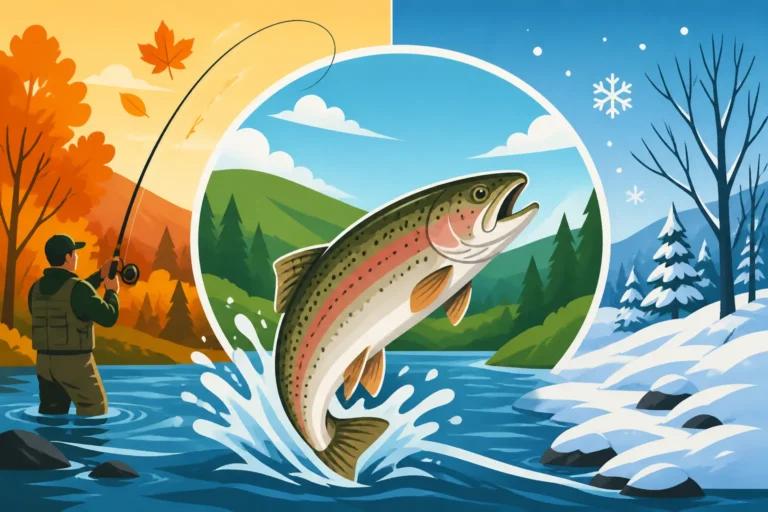
The Shenandoah River is a year-round fishery, but the tactics you employ, and whether you focus on trout or smallmouth, will shift dramatically with the seasons. Adapting to these changes is critical for consistent success. Knowing Best Time to Fly Fish the Shenandoah River in Virginia can significantly improve your planning.
Spring Opportunities for Both Species
Spring on the Shenandoah is a time of awakening and incredible fishing opportunities. As water temperatures begin to rise, both trout and smallmouth become more active. For trout, the early spring can see strong hatches of larger stoneflies and caddis, providing excellent dry fly opportunities in the cooler tributaries. Post-spawn activity for some trout species can also mean aggressive feeding. In the stocked waters, fish will be very active.
For smallmouth bass, spring is arguably one of the best times to target them. As waters warm into the 50s and 60s, smallmouth move out of their deeper wintering holes and begin to feed actively, preparing for the spawn. This pre-spawn period is characterized by aggressive feeding. Streamers that imitate baitfish or crayfish are incredibly effective, fished slowly at first, then with more aggression as temperatures climb. Look for them in transitional areas between deep and shallow water, staging near future spawning grounds. As the water warms further, topwater action can also pick up, especially on sunny afternoons. Just be mindful of the actual spawning period, as disturbing nesting bass can impact future populations.
Summer Challenges and Rewards
Summer on the Shenandoah can be a mixed bag, offering both challenges and unique rewards. For trout, especially the wild brookies, summer often means seeking refuge in the coldest headwaters, making them tougher to access and requiring even more delicate handling due to warmer water temperatures. In the main river, trout fishing largely ceases to be a viable option as water temperatures often exceed their comfort and survival zones.
However, summer is prime time for smallmouth bass on the main stem. Water temperatures are ideal for aggressive feeding, and the fish are typically spread throughout the river, actively chasing bait. Early mornings and late evenings offer the best topwater action with poppers and Gurglers. During the brighter, hotter parts of the day, smallmouth will often retreat to deeper, cooler pools, current seams, and heavy cover like submerged logs or shady banks. This is when streamers, fished deep and slow, or crayfish patterns bounced along the bottom, become highly effective. Floating the river by canoe or kayak is a popular summer tactic, allowing you to cover vast stretches of prime bass habitat. Always carry plenty of water and wear sun protection during the summer months.
Fall Fishing Extravaganza
Fall is often considered the most beautiful and productive season for fly fishing the Shenandoah, a true "extravaganza" for both species. As air and water temperatures cool, the river comes alive again. For trout, the cooling waters in the tributaries and stocked sections invigorate the fish. Fall hatches of blue-winged olives and midges can provide fantastic dry fly action, while streamer fishing for larger browns and rainbows can be particularly rewarding. Many anglers find Best Fly Patterns for Trout in Spring also hold true for fall, with slight modifications in size.
For smallmouth bass, fall offers a second peak in activity, often mirroring the pre-spawn aggression of spring. These fish are busy packing on calories before the lean winter months. They will actively chase streamers, aggressively hit topwater flies during warmer afternoons, and eagerly snatch up crayfish patterns. The smaller crowds and stunning fall foliage make for an incredibly enjoyable experience. Focus on deeper pools and current seams as water temperatures continue to drop through late fall, as fish will start to migrate towards their wintering areas. The fall bite can be some of the most consistent and memorable of the entire year.
Conservation and River Etiquette
As stewards of the river, it's our collective responsibility to ensure the Shenandoah remains a pristine and productive fishery for generations to come. This means adhering to best practices and respecting the environment and other users. This isn't just about following rules; it's about a mindset of respect and preservation.
Catch and Release Best Practices
Practicing responsible catch and release, especially for wild trout and larger smallmouth, is crucial. If you intend to release your catch, follow these guidelines:
- Minimize Handling: Keep the fish in the water as much as possible. Wet your hands before touching the fish to protect its protective slime coat.
- Use Barbless Hooks: Or crimp down the barbs on your hooks. This makes hook removal quicker and less damaging.
- Quick Hook Removal: Use hemostats or pliers to quickly remove the hook. If the hook is deeply swallowed, cut the line as close to the hook as possible.
- Revive Gently: Hold the fish upright in the current, facing upstream, until it can swim away on its own. Avoid squeezing the fish.
- Know Your Limits: Even if regulations allow for harvest, consider releasing larger, breeding-size fish to contribute to future populations.
Being gentle and mindful dramatically increases a fish's survival chances, ensuring that future anglers, including ourselves, can enjoy these incredible resources. Is a license required for catch-and-release fishing? is a common question, and the answer is generally yes, regardless of whether you keep the fish.
Respecting Private Property and Fellow Anglers
The Shenandoah flows through a mix of public and private lands. It's imperative to know where you are and respect property rights. Always seek permission before accessing private land. Stick to designated public access points, such as those found in state parks or public boat ramps. If you're floating, be mindful that while the riverbed might be public, the banks are often private. Virginia's Rules for Fishing on Public and Private Waters clearly outlines these distinctions.
Furthermore, always be courteous to fellow anglers, kayakers, and other river users. Give other anglers ample space, especially when wading or drifting. Avoid making excessive noise or disturbing the water in areas where others are fishing. Pack out everything you pack in, and perhaps even a little extra litter you find. Leave no trace. By being respectful and responsible, we contribute to a positive angling community and help protect the natural beauty of the Shenandoah River for everyone.
Disclaimer
This article is for general informational purposes only and does not constitute professional advice. Laws, prices and regulations vary by location and change over time. Consult a qualified professional for guidance on your specific situation.