Biggest Striped Bass Ever Caught in Virginia
Every angler dreams of that one fish – the one that pulls like a freight train, tests every ounce of your tackle, and, if you're lucky, makes history. In Virginia, the pursuit of a giant striped bass is a passion for many, often leading to incredible stories and occasionally, a truly legendary catch. This guide dives deep into the incredible story of Virginia's biggest striped bass, exploring the conditions that create such monsters and how you might just land your own.
The Legendary Virginia State Record Striped Bass
There's nothing quite like the thrill of imagining a truly massive fish, and for Virginia anglers, the state record striped bass stands as a testament to the incredible potential of our waters. This isn't just a fish; it's a legend, inspiring countless trips and endless hours on the water.
The Record-Breaking Catch
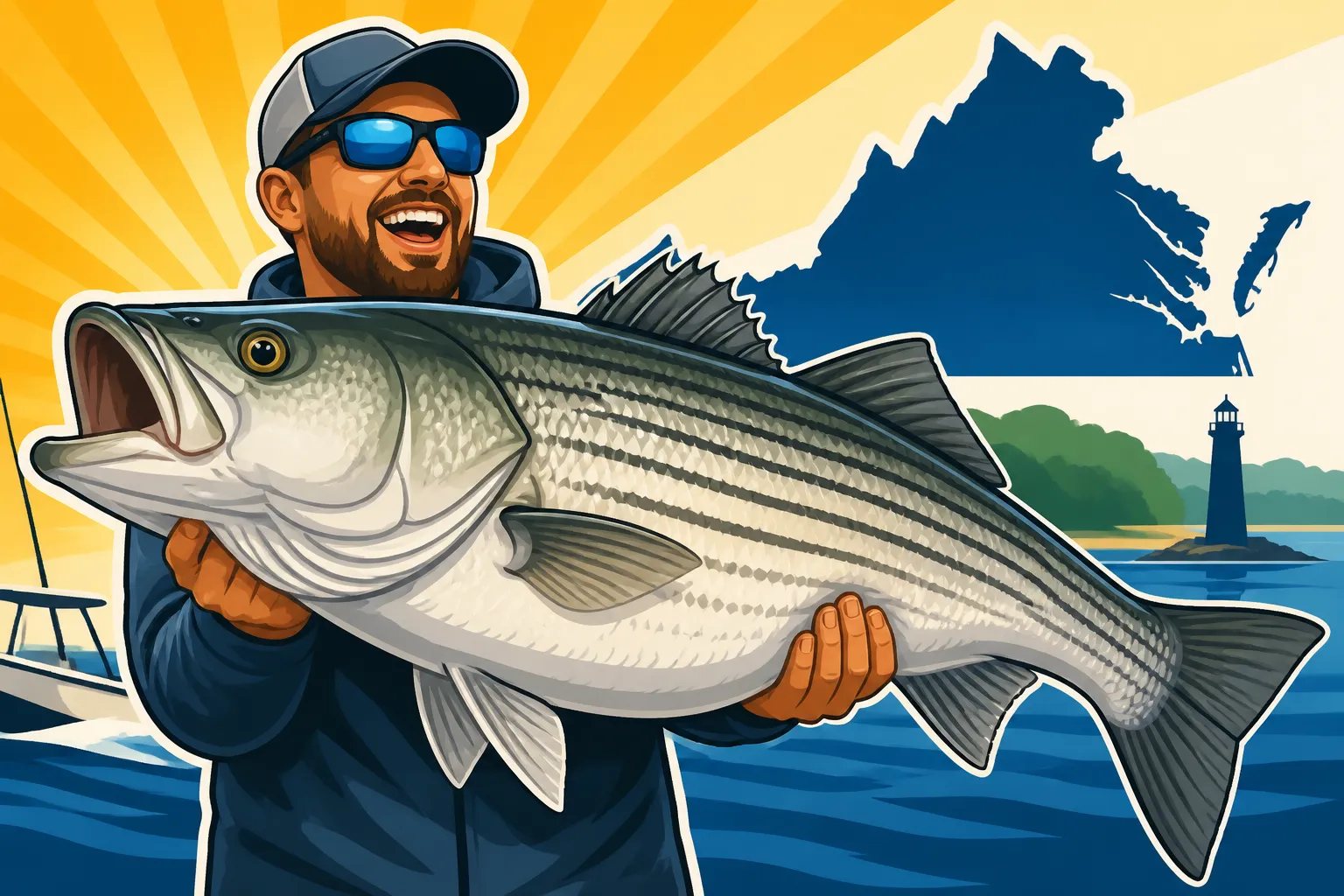
The official Virginia state record striped bass weighed in at an astounding 73 pounds, 12 ounces. This monumental fish was caught by angler Frederick L. Barnes on January 29, 1978, in the waters of the Atlantic Ocean, specifically off Virginia Beach. Imagine the fight, the sheer power of a fish of that magnitude. It's a weight that many anglers can barely fathom, often reserved for exotic deep-sea species, not a striped bass that graces our coastal and bay waters. The story of its capture is etched into the lore of Virginia fishing, a benchmark against which all other striper catches are measured. It reminds us that truly enormous fish are out there, swimming in our own backyard, pushing us to constantly refine our techniques and upgrade our gear.
The Allure of Trophy Stripers
Why do we chase these giants with such fervor? It's more than just the bragging rights, though those are certainly a part of it. The allure of trophy striped bass lies in their immense power, their cunning, and the sheer challenge they present. A striper of 50, 60, or even 70+ pounds isn't just a fish; it's a force of nature. When one of these giants takes your bait or lure, the fight is primal, a test of will and strength that can last for what feels like an eternity. They pull line, they run, they headshake, and they often know exactly how to use the current or structure to their advantage. Landing such a fish requires not only skill and proper tackle but also a fair bit of luck and perseverance. The satisfaction of finally bringing a true trophy striper to the boat, feeling its immense weight, and seeing its majestic form, is an unforgettable experience that keeps anglers coming back, year after year, hoping to write their own chapter in the annals of big bass fishing.
Understanding Striped Bass in Virginia's Productive Waters
Virginia offers some of the most phenomenal striped bass fishing on the East Coast, thanks to its diverse waterways, particularly the nutrient-rich Chesapeake Bay and the vast Atlantic Ocean. Understanding the biology and habits of these magnificent fish is crucial for anyone hoping to encounter a true trophy.
Where Giants Roam
The biggest striped bass in Virginia are predominantly found in the coastal waters of the Atlantic Ocean and the main stem of the Chesapeake Bay, particularly during their migratory periods. These fish are anadromous, meaning they spend most of their adult lives in saltwater but return to freshwater rivers to spawn. Key areas like the mouth of the Chesapeake Bay and the nearshore Atlantic off Virginia Beach are famous for producing massive stripers, especially during the fall and spring runs. During these times, vast schools of baitfish, such as menhaden, herring, and anchovies, become abundant, drawing in the predatory stripers. Chesapeake Bay Striped Bass Fishing Guide details how the Bay acts as a nursery and a major feeding ground, playing a critical role in supporting these large migratory populations. Anglers often target specific channels, artificial reefs, and wrecks in these areas where big stripers are known to congregate.
During the warmer summer months, many of the larger migratory striped bass move north or offshore to find cooler water, but resident populations of trophy-sized fish can still be found in deeper, cooler pockets of the Bay and its larger tributaries. A Guide to Striped Bass Fishing in Virginia will give you a broader overview of their presence across the state. These fish are masters of their environment, constantly seeking out optimal temperatures and abundant food sources, making them a moving target for even the most experienced anglers.
Key Factors for Big Bass Growth
What allows a striped bass to grow to such immense sizes, reaching weights like that 73-pound record? It's a combination of several critical factors:
- Age: Simply put, big fish are old fish. Striped bass are long-lived, and a record-breaking striper would have likely seen many seasons, potentially decades, of life in the ocean. The older they get, the larger they grow, given the right conditions.
- Genetics: Just like in any species, some individual fish are genetically predisposed to grow larger and faster than others. These 'super-growers' are the ones that have the potential to become true monsters.
- Food Availability: This is arguably the most crucial factor. Abundant, high-quality food sources are essential for rapid growth. The Chesapeake Bay and the Atlantic coast are teeming with baitfish, providing a rich buffet for stripers to feast upon, especially during their feeding migrations. A constant supply of fatty, protein-rich fish like menhaden fuels their growth, allowing them to pack on pounds quickly.
- Habitat Quality and Protection: Clean water, healthy spawning grounds, and ample habitat (like submerged structure, deep channels, and current breaks) contribute to a thriving striper population. Effective management and Virginia Fishing Regulations Explained also play a vital role in protecting these fish, allowing them to reach older ages and larger sizes before being harvested or experiencing natural mortality. Understanding Virginia Striped Bass Season and Slot Limit Guide helps anglers appreciate how these rules contribute to sustaining the population of large fish.
Strategies for Targeting Big Striped Bass
Chasing a state record-sized striped bass isn't for the faint of heart, nor for the unprepared. It requires specialized gear, patience, and a deep understanding of their behavior. You can't just throw out a small jig and expect to land a monster.
Gear Up for a Monster
When you're targeting striped bass that can weigh as much as a small person, your standard light-tackle setup simply won't cut it. You need to be prepared for an intense battle.
- Rods: Think heavy-duty. Look for stout, fast-action rods in the 7-foot to 8.5-foot range, rated for at least 30-80 lb line. Many serious trophy striper anglers opt for specialized boat rods or surf rods that can handle the immense strain. Brands like Ugly Stik or Penn offer robust options that can take a beating.
- Reels: A high-quality conventional reel (like a Penn Senator or a Shimano Tekota) or a large, powerful spinning reel (such as a Penn Spinfisher or a Daiwa Saltiga) with a strong drag system is non-negotiable. Ensure it has a high line capacity, capable of holding hundreds of yards of heavy braided line, because a big striper will make blistering runs.
- Line: Braided line is king for big stripers due to its strength, sensitivity, and lack of stretch. Most anglers targeting record fish use 50-80 lb braid, often with a monofilament or fluorocarbon leader of similar or slightly heavier test. You need the muscle to stop a massive fish from diving into structure or breaking off on the bottom.
- Terminal Tackle: Heavy-duty swivels, snaps, and appropriate-sized hooks (often 7/0 to 10/0 circle hooks for bait fishing, especially when practicing catch and release) are essential. Don't skimp on these; a weak link in your setup is where a trophy fish will find its escape.
- Lures and Bait: Large swimbaits, parachute jigs, big bucktails, and lipped plugs are popular choices for artificials. When it comes to bait, fresh bunker (menhaden), eel, or mackerel are often irresistible to big stripers. Using live bait, particularly a frisky live eel, is a time-tested method for coaxing a bite from a true monster. You can find a vast array of these specialized baits and lures, from reputable manufacturers, at many tackle shops or even through online retailers, including Amazon, if you're looking to stock up on a variety of options. Consider what you might need to carry, such as heavy-duty tackle bags, also available on Amazon, to organize your gear.
Timing and Technique
Successfully landing a giant striped bass often comes down to being in the right place at the right time, with the right technique.
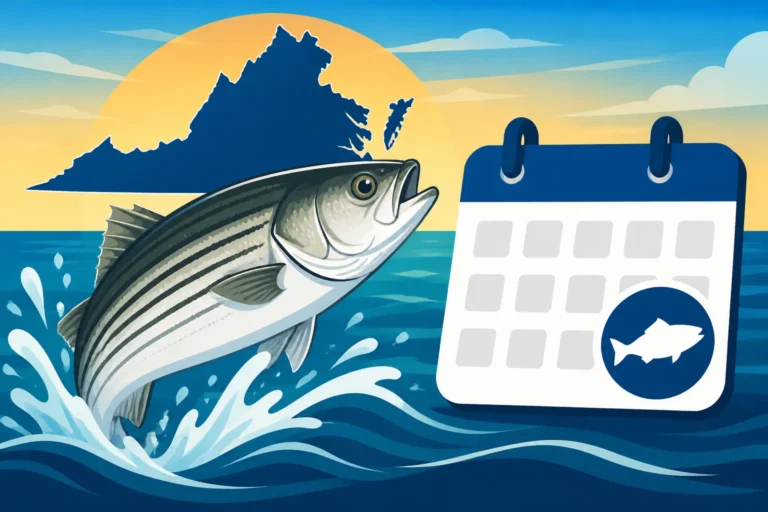
- Peak Seasons: The prime times for trophy stripers in Virginia are typically the fall and spring migrations. The fall run, from October through December, sees massive schools of fish moving south, gorging on baitfish before winter. The spring run, from March through May, brings them back north towards their spawning grounds. Best Time of Year for Bass Fishing in Virginia offers more insights into seasonal patterns.
- Tidal Influences: Striped bass are highly influenced by tidal currents. They often position themselves in ambush points, such as rips, eddies, and channel edges, where the current brings food directly to them. Understanding the ebb and flow of the tide is paramount.
- Depth and Structure: Big stripers often hold in deeper channels, around wrecks, reefs, and other underwater structures where they can hide and ambush prey. Sonar and GPS are invaluable tools for locating these hotspots.
- Techniques:
- Trolling: This is a popular method, especially from charter boats, using large lures or umbrella rigs. It allows you to cover vast amounts of water and present baits at specific depths.
- Live-lining: Presenting a live baitfish (like a menhaden or eel) near known striper hangouts is incredibly effective. The natural movement of the bait can entice even the most wary fish.
- Chunking/Drifting: Cutting up fresh baitfish into chunks and drifting them with the current is another potent strategy, especially when fishing for bottom-oriented stripers.
- Jigging: Using heavy jigs or bucktails vertically over structure or on bait schools can trigger aggressive strikes.
Consider investing in a good quality fishing journal (you can often find these on Amazon) to track your success, noting down everything from moon phases to water temperature and what bait or lure worked best on any given day. This kind of diligent record-keeping can be the key to unlocking consistent success when targeting these elusive giants.
The Ethics of Chasing Records and Conservation
While the dream of catching the biggest striped bass in Virginia is a powerful motivator, it's absolutely crucial to approach trophy fishing with a strong sense of ethical responsibility and conservation in mind. These magnificent fish are a finite resource, and their future depends on our actions today.
Catch and Release for the Future
Landing a record-sized fish is an incredible achievement, but the real victory often lies in ensuring that fish can continue its life cycle. Many anglers, especially those targeting large, mature striped bass, practice catch and release. This isn't just about good sportsmanship; it's about safeguarding the future of the fishery. These large females are vital for spawning, contributing significantly to the next generation of striped bass.
Proper catch and release techniques are paramount, especially with big fish:
- Minimize Fight Time: Use appropriate heavy tackle to subdue the fish as quickly as possible, reducing stress and exhaustion.
- Handle with Care: Keep the fish in the water as much as possible. If you must bring it aboard, support its entire body horizontally to avoid damaging its internal organs. Avoid holding it vertically by the jaw or tail alone.
- De-hook Quickly: Use de-hooking tools or pliers to remove the hook gently. If the fish is deeply hooked, cut the line as close to the hook as possible rather than tearing tissue.
- Revive Thoughtfully: Hold the fish upright in the water, facing into the current, until it regains its strength and can swim away under its own power. Don't simply toss it back in.
By consciously making the effort to release these trophy fish, we ensure that they can continue to spawn and grow, supporting a healthy and sustainable population for years to come. This also aligns with the spirit of Virginia's Fishing License and Catch Limit Basics, which are designed to protect these valuable resources.
Official Record Keeping and Documentation
If you are fortunate enough to catch a fish that you believe could be a state record, there's a strict process to follow for official recognition. This isn't something to take lightly, as integrity and accurate documentation are critical.
Here’s a general overview of what's typically involved:
- Immediate Reporting: Contact the Virginia Department of Wildlife Resources (DWR) as soon as possible. They will guide you through the next steps.
- Certified Scale: The fish must be weighed on a certified scale, usually found at marinas, bait and tackle shops, or seafood markets. This scale needs to be officially inspected and stamped for accuracy.
- Witnesses: The weighing must be observed by at least two disinterested witnesses who can attest to the process.
- Photos and Measurements: Clear, high-quality photographs of the fish, the angler, the scale reading, and accurate length and girth measurements are usually required.
- Species Verification: A DWR biologist or designated expert will need to positively identify the species of fish to ensure it's indeed a striped bass and not a hybrid or a similar species.
- Application: A formal application, often available on the DWR website, must be completed and submitted with all supporting documentation, photos, and witness signatures.
The meticulous nature of this process ensures that all state records are legitimate and beyond reproach. While the current record stands as a mighty challenge, the possibility of a new record is what keeps the dream alive for every dedicated angler in Virginia. The information on How Many Striped Bass Can You Keep in Virginia will also outline the legal framework within which such a catch must occur.
The Future of Trophy Striped Bass Fishing in Virginia
Looking ahead, the future of trophy striped bass fishing in Virginia hinges on a delicate balance of conservation efforts, scientific understanding, and responsible angling practices. These fish are a cornerstone of our coastal ecosystem and a prized catch for countless individuals.
Conservation Efforts and Sustainable Practices
The impressive size of Virginia's record striped bass is a stark reminder of what our waters are capable of producing, but it also underscores the importance of protecting these valuable resources. Striped bass populations, like many other migratory species, face various pressures, from habitat loss and water quality issues to fishing pressure. That's why the regulations, such as Virginia's Striped Bass Slot Limit: 28 to 31 Inches and seasonal closures mentioned in Virginia Striped Bass Split Season Dates Explained, are so critical. They are designed to allow fish to reach maturity and spawn multiple times, thereby sustaining the population.
Organizations like the Virginia DWR and various conservation groups work tirelessly to monitor fish stocks, improve habitat, and educate anglers on sustainable practices. Their efforts, combined with responsible choices made by individual anglers, create a powerful force for conservation. When you purchase your Virginia Fishing License Guide, a portion of that fee directly supports these vital programs. Each angler plays a role in the bigger picture, whether it's through careful catch-and-release, adhering to limits, or participating in habitat restoration projects.
The Ever-Present Hope for a New Record
Despite the 73-pound, 12-ounce record standing strong for decades, the hope of a new record is always simmering beneath the surface. Every year, anglers head out to the Chesapeake Bay and the Atlantic Ocean with a renewed sense of optimism, knowing that the conditions could align perfectly for a legendary encounter. The constant evolution of fishing gear, from more sensitive rods to stronger lines and more realistic lures, also increases the chances of landing truly massive fish that might have been impossible to handle decades ago.
Perhaps the next record will be caught by someone meticulously trolling a giant baitfish imitation off Virginia Beach, or by a surf angler battling the elements on a desolate stretch of sand, or even by a lucky individual on a charter trip in the Bay. The beauty of fishing is that you never truly know what the next cast might bring. It's this enduring hope, combined with the sheer challenge and thrill of the chase, that keeps the dream of the biggest striped bass ever caught in Virginia alive and well for generations of anglers. Whether you're a seasoned veteran or a curious beginner, the opportunity to encounter a true giant is always just one cast away.
Disclaimer
This article is for general informational purposes only and does not constitute professional advice. Laws, prices and regulations vary by location and change over time. Consult a qualified professional for guidance on your specific situation.