A Guide to Striped Bass Fishing in Virginia
For anglers in Virginia, few experiences match the thrill of battling a striped bass, often affectionately called a "rockfish." These powerful, migratory fish offer an incredible challenge, but understanding the intricate regulations, seasonal changes, and best techniques can feel like navigating a maze. This comprehensive guide is here to untangle the complexities of striped bass fishing in Virginia, providing you with the in-depth knowledge you need to chase these impressive fish with confidence and success.
Understanding Virginia's Striped Bass: The Coveted Rockfish
There's something truly special about the striped bass, Morone saxatilis, that makes anglers in Virginia absolutely obsessed with them. Perhaps it's their sheer power, the way they fight, or simply the mystique of a fish that migrates vast distances. Whatever the reason, these "rockfish," as many Virginians call them, represent a pinnacle of both freshwater and saltwater angling. They can grow to impressive sizes, offering a truly memorable catch, and their distinctive appearance makes them easily recognizable.
Identifying Virginia's Striped Bass
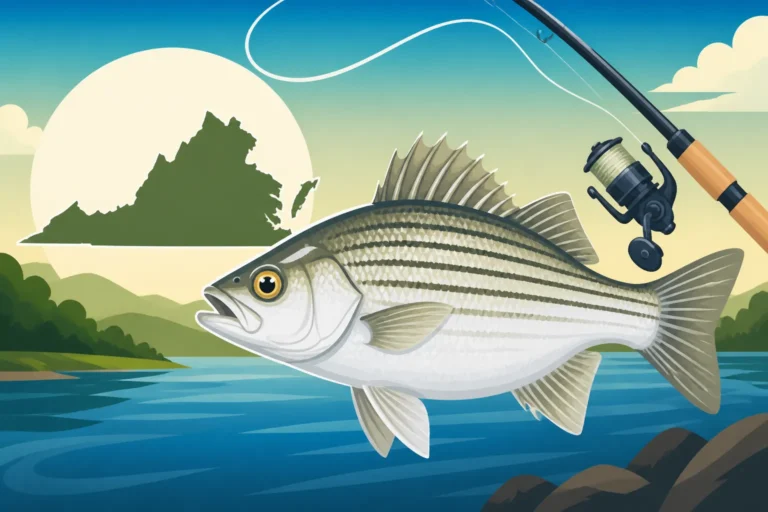
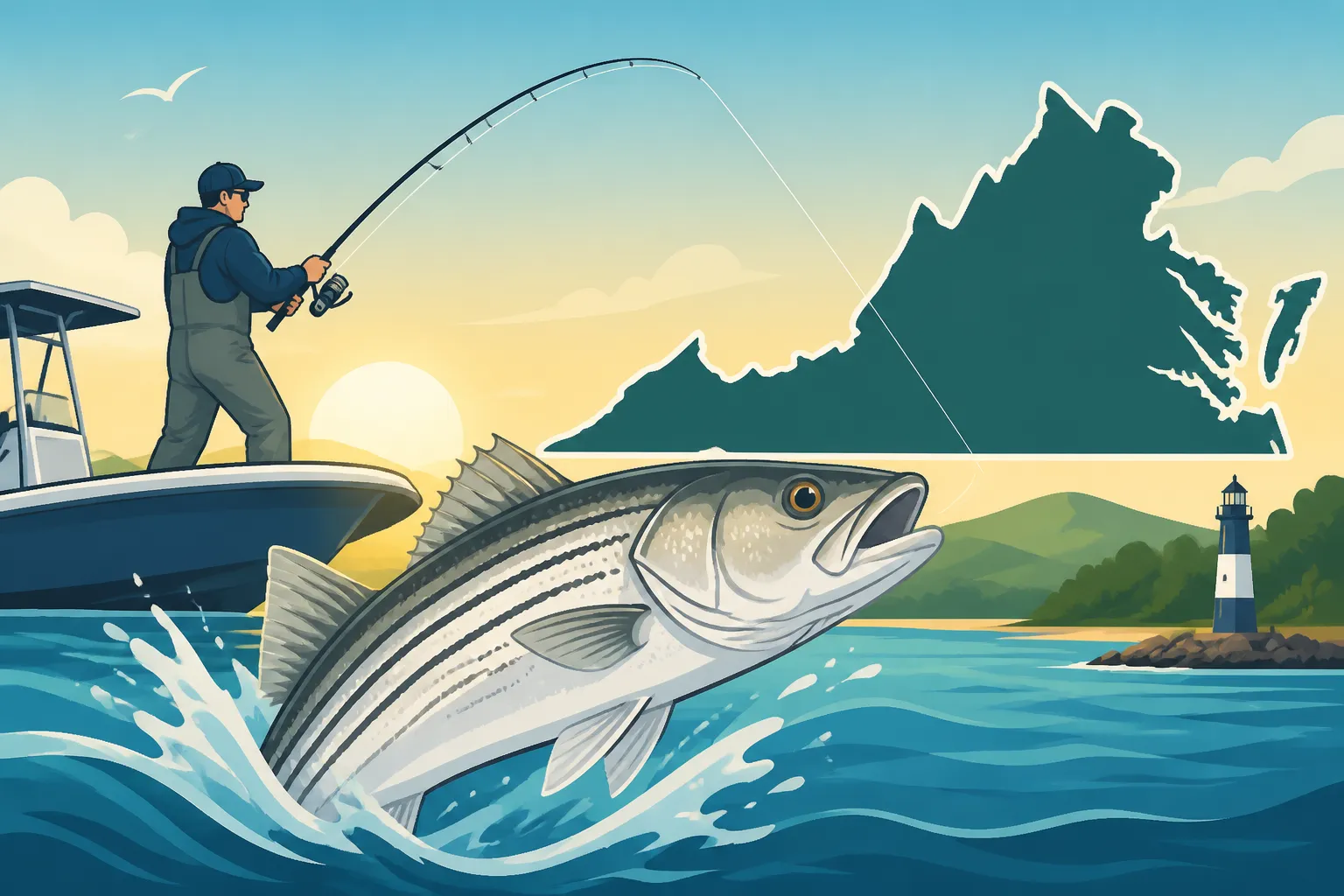
Striped bass have a very distinct look that helps them stand out in the water. Their bodies are typically long and slender, with a silvery-white belly and dark, often olive-green to blue-gray backs. The most striking feature, and the one that gives them their name, are the seven or eight prominent horizontal dark stripes that run from behind their gill plates to the base of their tail. These stripes are unbroken, which is a key differentiator from their hybrid cousins, who often have broken or discontinuous stripes. You'll notice their two separate dorsal fins, with the first being spiny and the second soft-rayed.
When you're out on the water, especially in the mix of fish like white perch or even hybrid stripers, being able to quickly identify a true striped bass is crucial for adhering to regulations. Their robust build, large mouth, and powerful tail are all indicators of the fight they're about to put up. While smaller stripers might get confused with other species by a novice, those clear, unbroken lines are your best friend for proper identification. It's not just about knowing what you've caught, it's about respecting the rules surrounding this prized species.
The Allure of the Striped Bass Fishery
What is it about the striped bass that makes so many anglers dedicate countless hours, specialized gear, and unwavering passion to its pursuit? For many, it's the sheer adrenaline rush of hooking into a powerful fish that can strip line off your reel in a heartbeat. They're formidable fighters, capable of surprising strength and cunning, which means every catch feels hard-earned and incredibly rewarding. From the explosive topwater strikes to the deep, thumping pulls of a fish hooked in heavy current, the experience is always dynamic.
Beyond the fight itself, there's the rich history and cultural significance of striped bass fishing in Virginia. These fish have been a staple for generations, supporting commercial and recreational fisheries alike. Their annual migrations bring excitement and anticipation, drawing anglers from all over to Virginia's coastal waters and inland reservoirs. The pursuit often becomes a social event, a chance to share stories, learn from elders, and create new memories on the water. It’s more than just a fish; it’s a tradition, a challenge, and a connection to the natural world that keeps us coming back season after season.
Freshwater vs. Saltwater Striped Bass: What's the Difference?
One common point of confusion for new anglers is understanding that "striped bass" can refer to fish caught in both the vast expanse of the Atlantic Ocean and the tranquil waters of inland lakes. While genetically they are the same species, their habits and the regulations surrounding them can differ significantly based on their environment. Saltwater striped bass are primarily migratory, traveling up and down the East Coast, entering the Chesapeake Bay and its tributaries to spawn. These are often the larger fish, driven by oceanic food sources and vast migratory patterns. They are the "rockfish" of legend, sought after during their spring and fall runs.
On the other hand, Virginia also boasts thriving landlocked populations of striped bass in several large reservoirs, such as Smith Mountain Lake and Lake Anna. These fish are sustained by stocking programs and have adapted to a purely freshwater existence. While they don't undertake the epic coastal migrations, they still grow to impressive sizes and offer an incredible fight, mimicking their saltwater cousins in many ways. The main difference you'll encounter as an angler will be the specific regulations that apply—size limits, creel limits, and even seasonal windows can be unique to each environment. It’s critical to know whether you’re fishing for Freshwater Striped Bass vs Saltwater Rockfish: Different Virginia Fishing Rules as the rules are not interchangeable.
Prime Striped Bass Fishing Locations in Virginia
Virginia offers an incredible diversity of fishing environments, and striped bass can be found in many of them, from the vast expanse of the Atlantic to the depths of its largest inland lakes. Knowing where to focus your efforts is key to success, as their habits and preferred habitats vary by location. Whether you're a seasoned veteran or just starting your striper journey, Virginia has a spot for you to cast a line for these magnificent fish.
Chesapeake Bay and Its Tributaries
The Chesapeake Bay is, without a doubt, the undisputed heart of striped bass fishing in Virginia's saltwater realm. It's a massive, nutrient-rich estuary that serves as a crucial spawning ground and migratory pathway for these fish. From early spring, as temperatures rise, stripers begin their journey into the Bay and its major tributaries like the James, York, Rappahannock, and Potomac Rivers. The sheer volume of fish moving through these waters during the spring and fall runs is staggering, drawing anglers from far and wide.
Fishing the Bay means you'll encounter a variety of conditions, from wide-open main channels to shallow flats and intricate creek systems. During the spawning runs, you might find concentrations of large breeding fish moving upriver, while in the cooler months, they'll congregate in deeper channels, around structure like bridge pilings, or near the mouth of the Bay. Popular spots include the Chesapeake Bay Bridge-Tunnel, the "High Rise" bridge, and numerous artificial reefs and wrecks. Anglers often employ trolling, live baiting with eels or bunker, and casting large swimbaits or jigs around these structures. For a deeper dive into the Bay, check out our Chesapeake Bay Striped Bass Fishing Guide.
Coastal Waters and Nearshore Ocean Fishing
Beyond the mouth of the Chesapeake Bay, Virginia's coastal waters and nearshore ocean present another fantastic opportunity for striped bass. While many focus on the Bay itself, the Atlantic coastline offers its own unique challenges and rewards. Here, you'll often find larger, more solitary fish, especially during their migrations along the coast. Anglers targeting these ocean-going stripers will often do so from surf fishing spots, jetties, or by chartering boats to fish nearshore wrecks, reefs, and shoals.
The fishing dynamics in the ocean are heavily influenced by baitfish migrations and ocean currents. Schools of bunker, herring, and other forage will draw stripers close to shore, making for incredible opportunities. Surfcasters often use heavy tackle to throw large plugs, spoons, or bait chunks into the crashing waves, hoping to intercept a passing striper. Boat anglers will often troll large lures or bunker spoons, or try live-lining menhaden. Patience and persistence are key when chasing these ocean stripers, but the reward of a truly massive fish is well worth the effort.
Inland Lakes and Reservoirs: A Freshwater Striper Haven
For those who prefer freshwater angling, Virginia's inland lakes and reservoirs offer an equally thrilling striped bass experience. These landlocked populations are a testament to successful stocking programs and provide year-round fishing opportunities away from the coastal hustle. Lakes like Smith Mountain Lake, Lake Anna, and Claytor Lake are renowned for their robust striper fisheries, where these fish have adapted to hunting baitfish like gizzard shad and alewives in expansive freshwater environments.
Fishing in these inland impoundments requires a slightly different approach than saltwater tactics. Stripers in lakes often relate to deep water, humps, points, and river channels, following schools of baitfish. Trolling with downriggers or planer boards is a very common and effective method to cover large areas and present lures at precise depths. Live bait, especially shad, is also incredibly effective, often fished under balloons or bobbers over submerged structure. If you're planning a trip to one of the premier freshwater striper destinations, consider delving into our Smith Mountain Lake Striped Bass Fishing in Virginia guide for specific insights into that particular fishery. These inland lakes provide a fantastic alternative for those seeking the fight of a striper without venturing to the coast.
Navigating Virginia's Striped Bass Seasons and Regulations
If there’s one aspect of Virginia striped bass fishing that causes the most head-scratching and frustration, it’s the ever-changing, often complex regulations. Trust me, you are not alone in feeling overwhelmed sometimes! These rules are put in place for a good reason – to conserve the species for future generations – but keeping up with them is a constant task for every angler. Misunderstandings can lead to hefty fines, so taking the time to truly grasp the seasonal windows, size limits, and possession rules is absolutely crucial before you even wet a line. It’s why checking the Virginia Department of Wildlife Resources (DWR) or Virginia Marine Resources Commission (VMRC) websites before every trip is non-negotiable.
The Split Season: Why It Exists and What It Means
Virginia's striped bass season, particularly for coastal and Chesapeake Bay anglers, is often characterized by a "split season." This isn't just an arbitrary decision; it's a carefully calculated management strategy designed to protect different life stages of the fish, especially during critical spawning periods. Essentially, it means there are specific windows when you can legally target and keep striped bass, interspersed with periods when the season is closed. For example, you might see an open season in early spring, a closure during the primary spawning months, and then another open season in the fall or winter. Virginia Striped Bass Split Season Dates Explained can help clarify this.
The primary reason for these closures, particularly in spring, is to allow the large migratory striped bass to spawn undisturbed in the Chesapeake Bay and its tributaries. Protecting these spawning fish ensures that future generations of stripers will continue to thrive. For anglers, this means you need to be acutely aware of the exact dates for each zone (Chesapeake Bay vs. Atlantic Ocean), as they can vary. It requires careful planning, checking official resources, and sometimes adjusting your fishing plans if you're hoping to harvest a fish. During closed seasons, catch-and-release fishing might still be permitted, but even then, specific gear restrictions or practices may apply to minimize stress on the fish.
Understanding Slot Limits and Possession Rules
Beyond the season dates, the slot limit is another critical regulation that every striped bass angler in Virginia must master. A slot limit dictates that you can only keep fish that fall within a very specific length range, say, between 28 and 31 inches. This means any fish shorter than the minimum length must be released, and, crucially, any fish longer than the maximum length also must be released. The purpose of a slot limit is multifaceted: it protects the younger, smaller fish so they can grow and mature, and it protects the large, sexually mature breeding fish (the "spawners") that are most important for the health of the overall population.
Along with the slot limit, you'll need to know the possession limit, which dictates How Many Striped Bass Can You Keep in Virginia per person, per day. This is often one fish, but it can fluctuate depending on the season and location. It's not uncommon for anglers to catch multiple fish, but only be able to keep one or none, depending on whether they fit within that narrow slot. This means accurate measurement is paramount. Always have a reliable measuring device on board or with you when fishing. Be prepared to quickly and safely release fish that don't meet the criteria. The ultimate goal here is to balance recreational opportunities with the long-term health of the striped bass population. For further details on the specifics, consult Virginia Striped Bass Season and Slot Limit Guide to ensure you're compliant.
Licensing Requirements for Striped Bass Fishing
Before you even think about casting a line for striped bass in Virginia, you absolutely must ensure you have the correct fishing license. This isn't just a recommendation; it's a legal requirement, and failure to comply can lead to fines and even confiscation of gear. The type of license you need will depend on a few factors: whether you are a Virginia resident or a nonresident, your age, and whether you plan to fish in freshwater, saltwater, or both. For general guidance, our Virginia Fishing License Guide is an excellent starting point.
For striped bass, if you're fishing in the Chesapeake Bay or coastal waters, you'll need a saltwater fishing license or a combination license that includes saltwater privileges. If you're targeting the landlocked stripers in lakes like Smith Mountain Lake, a freshwater fishing license or a combination license is necessary. There are also short-term options, like 5-day or 10-day passes, which can be convenient for visitors or those who only fish occasionally. Always verify the specific type of license required for the waters you plan to fish. Remember, purchasing a license contributes directly to the conservation efforts that help maintain healthy fish populations and habitats, including those magnificent striped bass you're hoping to catch. Understanding Virginia's Fishing License and Catch Limit Basics will set you up for success.
Essential Gear for Targeting Virginia Striped Bass
Getting geared up for striped bass fishing can feel like a big investment, but having the right tools makes all the difference between a frustrating day and a successful outing. Stripers are powerful fish, and your tackle needs to be able to handle their strength, whether you're battling them in strong currents or pulling them out of deep water. Don't skimp on quality where it counts, because a broken rod or snapped line can quickly turn a potential trophy catch into a heartbreaking "one that got away" story.
Rods, Reels, and Line Selection
Choosing the right rod, reel, and line combination is paramount for striped bass. For saltwater applications, especially in the Chesapeake Bay or ocean, you’ll want a sturdy spinning or conventional reel capable of holding a substantial amount of heavy line. For spinning reels, look for models in the 6000-8000 series, while conventional reels might range from 20-pound to 50-pound class. These reels need excellent drag systems, as stripers are known for powerful runs. Pair your reel with a medium-heavy to heavy action rod, typically 7 to 8 feet in length, with a strong backbone to handle larger fish and cast heavier lures or baits.
When it comes to line, braided line is almost always the preferred choice for striped bass due to its incredible strength-to-diameter ratio, lack of stretch for better sensitivity, and long casting capabilities. Depending on the size of the stripers you're targeting and the water conditions, you'll typically want 30-60 pound test braid. A good quality braided line from a reputable brand (you can find many great options on Amazon) will perform well. Always tie on a fluorocarbon leader, usually 30-50 pound test, for abrasion resistance and reduced visibility in the water. For freshwater lake fishing, slightly lighter tackle might be acceptable, but still err on the side of robustness.
Lures, Baits, and Terminal Tackle Essentials
Your tackle box for striped bass should be well-stocked and ready for anything. For artificial lures, big swimbaits, jerkbaits, poppers, and pencil poppers are deadly for topwater action, especially during dawn and dusk. Jigs, particularly bucktail jigs or soft plastic paddle tail jigs, are incredibly versatile and effective in a variety of situations, often tipped with a piece of Gulp! or real bait. Spoons and diving plugs are excellent for trolling or casting to schooling fish. Having a variety of sizes and colors, including chartreuse, white, and bunker patterns, is a smart strategy.
Live bait is often irresistible to striped bass. Eels are a classic choice for big stripers in saltwater, while live menhaden (bunker), spot, or even small bluefish are highly effective. For freshwater, live gizzard shad or alewives are king. When live-lining, you'll need appropriate circle hooks (to minimize gut hooking), swivels, and lead weights to get your bait down to where the fish are holding. Don't forget essential terminal tackle like heavy-duty snaps, split rings, leaders, and pliers. A strong set of dehooking tools and a net large enough for bigger fish are also crucial for safe handling and release. Many anglers find it convenient to order a variety of lures and tackle components through Amazon to ensure they have everything they need before a trip.
Navigation and Safety Equipment
Beyond your rods and reels, having proper navigation and safety equipment is not just good practice, it's often legally required and can literally save your life. If you're on a boat, a reliable GPS and chart plotter are indispensable for finding fishing spots, navigating channels, and marking productive areas. Many modern fish finders also incorporate GPS, giving you a powerful all-in-one unit for locating both fish and your position. Knowing how to read these electronics effectively can significantly boost your success.
Safety is paramount, especially when fishing in open water. Always have enough personal flotation devices (PFDs) for everyone on board. A marine radio (VHF) is essential for communication in case of an emergency, as cell service can be spotty. Other vital safety items include flares, a horn or whistle, an anchor with sufficient line, and a first-aid kit. Dressing in layers and being prepared for changing weather conditions is also part of being safe on the water. For larger boats, a reliable autopilot system can even assist with precise trolling patterns, allowing you to focus more on the fishing. Don't forget things like a good headlamp if you're fishing before sunrise or after sunset; again, Amazon can be a great resource for these types of practical accessories.
Top Techniques for Hooking Virginia Striped Bass
Striped bass are opportunistic predators, and their feeding habits can change dramatically depending on the season, location, and available baitfish. This means that successful striper fishing often requires a versatile approach and a willingness to adapt your techniques. There's no single magic bullet, but mastering a few key methods will significantly increase your chances of finding and hooking these incredible fish.
Trolling for Striped Bass: The Art of Covering Water
Trolling is arguably one of the most effective and widely used techniques for striped bass, especially in the vast waters of the Chesapeake Bay and the larger inland lakes like Smith Mountain Lake. It allows you to cover a tremendous amount of water, presenting multiple lures or baits at various depths until you locate active fish. The basic premise is simple: drag lures or baits behind a moving boat. However, the "art" comes in understanding speed, depth, lure choice, and pattern.
Successful trolling involves selecting the right lures (such as diving plugs, umbrella rigs, bucktails with trailers, or tandem rigs) and presenting them at the depth where stripers are feeding. This often requires specialized gear like planer boards to spread your lines horizontally, or downriggers and lead core line to get lures down into the thermocline or deep channels where fish might be holding. Monitoring your fish finder for bait schools and striper marks, and adjusting your boat speed and lure depth accordingly, is crucial. Pay attention to current, structure, and changes in bottom contour. Trolling can be a patient game, but when you hit a school of stripers, it can quickly turn into chaos with multiple rods bending at once!
Casting and Jigging: Active Approaches
While trolling is often about covering ground, casting and jigging are more active, targeted approaches that can be incredibly rewarding when stripers are actively feeding or congregated in specific areas. Casting involves throwing lures such as large swimbaits, topwater plugs, or bucktail jigs towards visible fish, structure, or baitfish schools. This is particularly effective when you see stripers busting on the surface, pushing bait, or when you're fishing around piers, jetties, or bridge pilings. The thrill of a striper exploding on a topwater plug is hard to beat!
Jigging is a vertical presentation technique often used when stripers are holding in deeper water or around submerged structure. Anglers drop heavy jigs (bucktails, lead heads with soft plastics, or diamond jigs) directly down to the fish and then work them with an erratic retrieve—a series of lifts, drops, and twitches—to imitate a wounded baitfish. Both casting and jigging require a good feel for your lure and an understanding of how stripers react to different presentations. It's a more hands-on, engaging way to fish, allowing for immediate feedback and adjustment based on fish activity. You'll often find these techniques employed in the open Bay when schools are located, or around specific deep structure in the lakes.
Live Baiting: A Proven Method
When stripers are finicky or exceptionally large, live bait can often be the most effective strategy. There's just something about a struggling live baitfish that a striped bass finds irresistible. The choice of live bait often depends on what's naturally present in the waters you're fishing. In saltwater, live menhaden (bunker), spot, or eels are prime choices. For freshwater lakes, live gizzard shad or alewives are the go-to baits.
Live baiting can be done in several ways. You can slow-troll live baits, drift them over structure, or anchor up and present them near current breaks or known fish hangouts. When using live bait, it's crucial to rig it properly to keep it alive and swimming naturally, and to use appropriate tackle like circle hooks to ensure good hooksets and minimize harm to released fish. Carrying a livewell to keep your bait fresh and lively throughout the day is essential. While live baiting might require more effort in terms of catching or procuring bait, the results, especially when targeting trophy-sized stripers, can be absolutely phenomenal. It often offers a more patient, yet incredibly potent, fishing experience.
Maximizing Your Striped Bass Fishing Success
Beyond the right gear and techniques, understanding the nuances of the environment and utilizing modern tools can dramatically improve your striped bass fishing success. Stripers are creatures of habit and opportunity, and by learning to "read the water" and leverage technology, you can put yourself in the best position to intercept them. This often means paying attention to details that might seem minor but collectively make a huge difference.
Reading the Water and Understanding Tides
One of the most valuable skills an angler can develop, particularly for saltwater striped bass fishing in the Chesapeake Bay or coastal areas, is learning to "read the water." This involves observing surface activity, current breaks, changes in water color, and the presence of baitfish or birds. Birds diving into the water are often a dead giveaway that baitfish are being pushed to the surface, and stripers are likely feeding underneath. Look for rips, eddies, and points where currents create natural ambush points for predators.
Understanding the tide cycle is equally critical. Tides dictate current flow, which in turn influences where baitfish will concentrate and where stripers will position themselves to feed. Often, the incoming or outgoing tide will create a "feeding window" where stripers become much more active. For instance, strong moving tides around bridge pilings can wash baitfish past, making these areas prime striper spots. Knowing the tide charts for your specific fishing location and planning your trip around the peak feeding times can make all the difference between a slow day and a banner day. In freshwater, while there are no tides, understanding how current from dams or natural flow affects fish behavior is similarly important.
Impact of Weather and Time of Day
Weather patterns and the time of day play a huge role in striped bass behavior. Overcast skies, fog, or light rain can often turn on a striper bite, as these conditions reduce light penetration, making fish feel more comfortable feeding closer to the surface. Conversely, bright, sunny days might push stripers into deeper, cooler water or tight against structure. Changes in barometric pressure, often associated with approaching or departing storm systems, can also influence their feeding aggressiveness. A falling barometer might signal a feeding frenzy before a storm, while a rapidly rising barometer after a front can shut the bite down.
As for the time of day, "prime time" for striped bass is often around dawn and dusk. These low-light periods offer the stripers an advantage over their prey, making them more likely to hunt in shallower waters or on the surface. Night fishing can also be incredibly productive, especially for larger stripers, as they become more confident under the cover of darkness. During the heat of the day, particularly in summer, stripers will often retreat to cooler, deeper water or seek refuge in shaded areas or heavy current. Always check the forecast and plan your fishing schedule accordingly, dressing in layers to adapt to changing conditions.
Utilizing Electronics: Fish Finders and GPS
In modern striped bass fishing, electronics are no longer a luxury—they are essential tools that give you a significant advantage. A good quality fish finder (sonar) allows you to literally see what's happening beneath your boat. You can identify bait balls, locate schools of stripers, find submerged structure, and even gauge the depth at which fish are holding. Learning to interpret the readings on your fish finder, distinguishing between bait, game fish, and structure, is a skill that takes practice but pays off immensely.
GPS (Global Positioning System) is another non-negotiable tool. It allows you to navigate safely, especially in unfamiliar waters or low visibility. More importantly, it lets you mark productive fishing spots (waypoints) like humps, ledges, wrecks, or specific current breaks where you've found fish. This way, you can return to these hotspots on future trips, building a database of proven locations. Many GPS units integrate with chart plotters, providing detailed nautical charts that show depths, channels, and hazards. Together, a fish finder and GPS unit create a powerful system that can pinpoint fish and put you directly on them, vastly increasing your efficiency and success rate on the water.
Responsible Striped Bass Fishing: Conservation in Action
As passionate anglers, we have a responsibility that extends beyond just catching fish. The health and sustainability of the striped bass population depend heavily on our collective actions and adherence to responsible fishing practices. With the fluctuations in striped bass stocks over the years, conservation efforts are more critical than ever. Every time we head out, we have an opportunity to contribute positively to the future of this incredible fishery.
Practicing Catch and Release Effectively
Given the strict slot limits and often conservative possession limits for striped bass, practicing effective catch and release is fundamental. Many of the fish you catch will either be too small or too large to keep, making safe release paramount to their survival. The goal is to minimize stress and injury to the fish, giving it the best chance to recover and thrive. This starts even before the fish is hooked. Using circle hooks, especially when live baiting, significantly reduces gut hooking, which is often fatal.
Once you've hooked a fish, try to land it as quickly as possible to reduce exhaustion. Avoid playing the fish to complete exhaustion, especially in warmer water. Handle the fish as little as possible, and ideally, keep it in the water. If you must bring it aboard, use a knotless, rubberized landing net to protect its slime coat and fins. Grasp it firmly but gently by the lower jaw (lip grip) if it's a smaller fish, or support its belly if it's larger. Remove the hook with long-nosed pliers or a dehooker quickly and efficiently. If the fish is bleeding or seems stressed, try to revive it by holding it upright in the water, facing into the current, until it swims away under its own power. Every healthy release contributes to the future of the fishery.
Understanding Your Role in Fishery Management
It's easy to feel like one person's actions don't make a difference, but collectively, every angler plays a crucial role in the management and health of the striped bass fishery. By adhering to all regulations—understanding Virginia Fishing Regulations Explained, respecting slot limits, and knowing your possession limits—you are actively participating in sustainable fishing. These rules are not arbitrary; they are based on scientific data and are designed to protect the breeding stock and allow younger fish to grow.
Beyond compliance, consider being an advocate for the resource. Stay informed about the status of striped bass stocks and any proposed regulation changes. Support organizations dedicated to marine conservation and habitat restoration. If you notice illegal fishing activity, report it to the authorities. Your license fees also contribute directly to fishery management and research, so purchasing a license is already a form of active conservation. By taking these steps, you help ensure that future generations of anglers will also have the opportunity to experience the thrill of catching a Virginia rockfish.
Cleaning and Preparing Your Catch (Within Limits)
While much of striped bass fishing emphasizes catch and release, there are times when you'll be fortunate enough to keep a legal fish within the prescribed limits. Striped bass are excellent eating fish, known for their firm, flaky white meat. Once you've decided to keep a legal fish, the goal is to keep it fresh and in prime condition until you're ready to clean it. The best practice is to immediately bleed the fish by cutting a gill arch, and then place it on ice in a cooler. This rapidly cools the fish, preserving its quality and firm texture.
When it comes to cleaning, a sharp fillet knife is your best friend. Striped bass scales are tough, so many anglers prefer to fillet them directly, leaving the skin on or removing it based on personal preference. The meat is versatile and can be baked, grilled, fried, or pan-seared. Recipes often highlight its mild flavor. Remember that cleaning your fish should always be done in designated areas or where it's legally permitted. Respecting the resource means not wasting any part of a kept fish and ensuring that the process from catch to plate is handled responsibly and hygienically.
Considering a Striped Bass Fishing Charter in Virginia
For many anglers, especially those new to Virginia's waters or those looking to learn advanced techniques, booking a striped bass fishing charter can be an invaluable experience. It takes the guesswork out of navigating, finding fish, and having the right gear. A good charter captain can significantly enhance your chances of success and provide an educational, enjoyable day on the water.
Benefits of Hiring a Professional Guide
Hiring a professional fishing guide or charter captain offers a multitude of benefits, particularly when targeting a complex species like striped bass. First and foremost, guides possess extensive local knowledge. They spend countless hours on the water, tracking fish movements, understanding seasonal patterns, and knowing exactly where the stripers are likely to be biting. They have a finger on the pulse of the fishery, which can save you days of searching and frustration. This is especially true for the vastness of the Chesapeake Bay or the intricacies of Smith Mountain Lake.
Secondly, a charter provides all the necessary high-quality gear. You won't have to invest in expensive rods, reels, or specialized tackle like downriggers or planer boards. The guide will have everything you need, properly rigged and ready to go. They also have the appropriate boat and safety equipment, ensuring a comfortable and secure trip. Beyond the gear, guides are excellent teachers. They can show you specific techniques, help you read your electronics, and provide valuable insights into fish behavior, accelerating your learning curve as an angler. For a thorough overview, read our Virginia Fishing Charters and Guides: The Complete Guide.
What to Expect from a Virginia Striped Bass Charter
When you book a Virginia striped bass charter, you can typically expect a comprehensive fishing experience. Most charters operate on a half-day (4-5 hours), three-quarter day (6-7 hours), or full-day (8+ hours) basis, with prices varying accordingly. The captain will generally provide all the fishing licenses required for everyone on board, though it's always wise to confirm this beforehand. They'll supply rods, reels, tackle, and often bait. Many charters also include fish cleaning at the end of the trip, so you can take your legal catch home ready for the fillet knife.
During the trip, the captain will guide you to prime fishing locations. They'll explain the techniques being used, help you rig your lines, and offer advice on how to get the most out of your fishing. Be prepared for early starts, especially if you're targeting prime morning bites. It’s also common practice to tip the mate and/or captain if you've had a good experience, usually around 15-20% of the trip cost. Remember that while guides work hard to put you on fish, fishing is never guaranteed, so go with an open mind and a readiness to learn and enjoy the natural surroundings. To prepare, you might want to look at What to Bring on a Virginia Fishing Charter.
Choosing the Right Charter for Your Trip
Selecting the right striped bass charter requires a bit of research to ensure it aligns with your expectations and fishing goals. Consider the type of fishing you want to do: are you looking for a thrilling Chesapeake Bay experience, or a calmer trip on an inland lake? Do you want to focus on a specific technique, like trolling or casting? Research captains who specialize in striped bass and have a strong reputation. Online reviews and recommendations from other anglers can be incredibly helpful in this process.
Also, think about your group size. Some boats are better suited for larger parties, while others offer a more intimate experience for smaller groups or even solo anglers. Discuss prices, what's included, and any extra costs (like bait if not included) upfront. Don't be shy about asking questions about their experience, their boat, and their approach to fishing. A good captain will be happy to answer your queries and ensure you feel confident and excited about your trip. Ultimately, the right charter will not only help you catch fish but will also provide a safe, enjoyable, and memorable day on the beautiful waters of Virginia.
| Feature | Saltwater Striped Bass (Chesapeake Bay/Coastal) | Freshwater Striped Bass (Inland Lakes) |
|---|---|---|
| Primary Habitat | Chesapeake Bay, Atlantic Ocean, tidal rivers | Large reservoirs (e.g., Smith Mountain Lake, Lake Anna) |
| Typical Size | Often larger; highly migratory | Can reach trophy sizes; landlocked populations |
| Key Regulations | Split seasons, strict slot limits (e.g., 28-31 inches), 1 fish/person/day | Year-round seasons possible, often different slot limits/creel limits than saltwater |
| Primary Baitfish | Menhaden (bunker), herring, eels, spot | Gizzard shad, alewives, blueback herring |
| Common Techniques | Trolling (umbrella rigs, mojo rigs), live-lining, casting plugs/jigs | Trolling (downriggers, planer boards), live-lining (shad), jigging spoons |
| Ideal Gear | Medium-heavy to heavy conventional/spinning, 30-60lb braid, heavy leaders | Medium-heavy spinning/casting, 20-40lb braid, medium leaders |
| Seasonal Peaks | Spring & Fall migratory runs | Often year-round, peak spring & fall |
| Environmental Factors | Tides, ocean currents, salinity | Water temperature, thermocline, dissolved oxygen |
Disclaimer
This article is for general informational purposes only and does not constitute professional advice. Laws, prices and regulations vary by location and change over time. Consult a qualified professional for guidance on your specific situation.