Virginia’s Best Trophy Fish Species to Target
Many anglers share a common dream: to land that truly monumental fish, a personal best that not only tests their skills but pushes their gear to its limits. But if you're chasing trophy fish in Virginia, navigating the sheer variety of species and knowing which ones genuinely offer that brag-worthy potential can be a real head-scratcher. This comprehensive guide is designed to cut through the confusion, highlighting Virginia's premier trophy fish species and offering clear, actionable advice on where to find them, what makes them such formidable opponents, and the best strategies to increase your chances of that once-in-a-lifetime catch.
Largemouth Bass: The Green Monster of Virginia Lakes
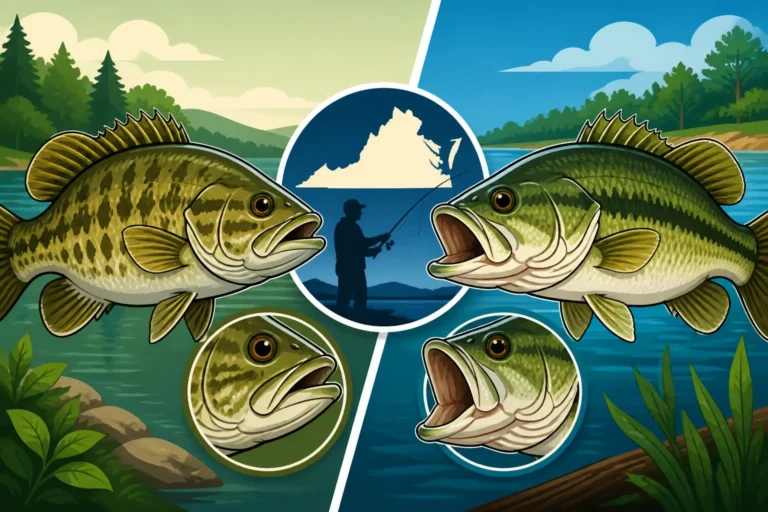
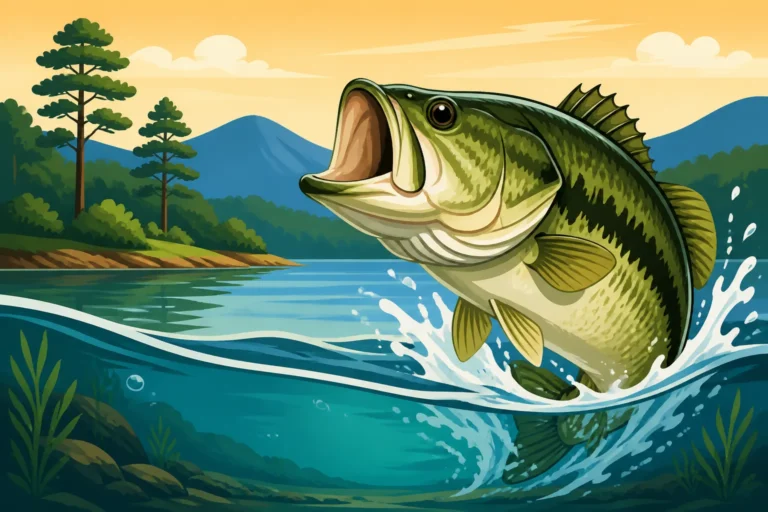
When you mention "trophy fish" in Virginia's freshwater circles, the largemouth bass almost immediately springs to mind. Known for their explosive strikes and powerful head shakes, these cunning predators grow to impressive sizes in the Old Dominion, making them a prime target for anglers seeking a truly memorable catch.
The Allure of a Virginia Hawg
There's just something inherently thrilling about hooking into a largemouth bass that tips the scales at over eight pounds. These are the "hawgs" that seasoned anglers dream about – fish with broad shoulders, deep bellies, and a fight that can snap lesser lines and humble even the most experienced fisherman. Catching one of these green monsters isn't just about size; it's about the challenge of outsmarting a top-tier predator in its own environment. Virginia's diverse lakes and reservoirs, from the sprawling Smith Mountain Lake's Trophy Largemouth Bass Fishery to the warm waters of Lake Anna, provide ideal habitats for largemouth bass to thrive and grow exceptionally large. The blend of abundant forage, varied cover, and dedicated fisheries management means that the potential for a personal best is always there.
Tactics for Giant Largemouth
Targeting trophy largemouth bass requires a shift in mindset and technique from simply catching numbers. Big bass are often solitary, territorial, and more cautious. You'll want to focus on areas with heavy cover: thick hydrilla beds, dense lily pad fields, submerged timber, and deep brush piles. These fish often ambush prey from cover, so presenting your bait right on their doorstep is key. Large profile baits are your friend here. Think big swimbaits, heavy jigs, or Texas-rigged plastic worms in seven to ten-inch sizes. These baits mimic larger prey items and are often ignored by smaller fish, allowing you to focus on the giants.
Timing is also crucial. The pre-spawn period in early spring, when female bass are feeding aggressively to build energy for spawning, is often the absolute best time to connect with a true lunker. Look for these fish moving into shallower coves and protected bays with warmer water. Pre-Spawn Bass Fishing Tips can be invaluable for understanding their behavior during this critical phase. You'll need stout rods with strong backbones, baitcasting reels spooled with heavy fluorocarbon or braided line, and quality, sharp hooks that won't bend under pressure. Finding these specialized items can sometimes be a challenge at local shops, but many anglers find a vast selection of heavy-duty bass tackle on Amazon, ensuring they have the right tools for the job.
Striped Bass (Rockfish): The Salt and Freshwater Titans
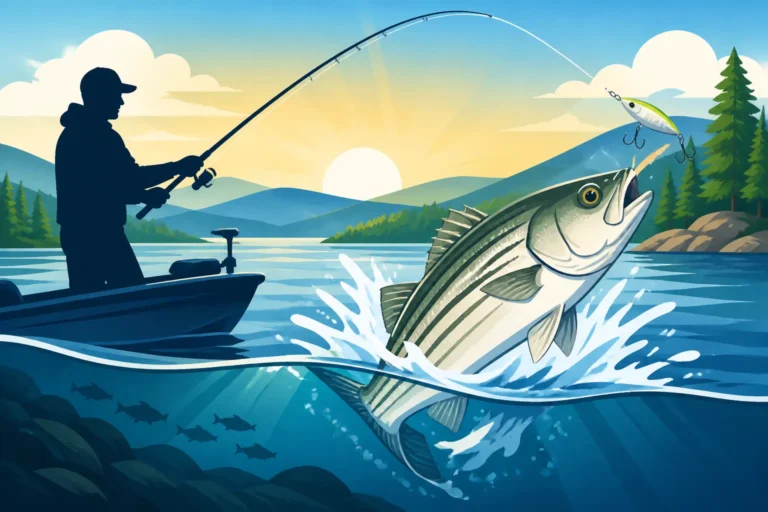
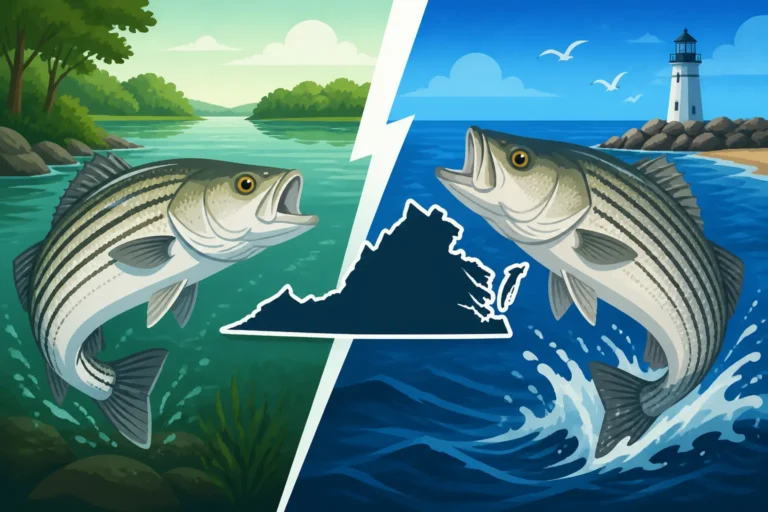
Few fish command as much respect and draw as much angling passion in Virginia as the striped bass, affectionately known as "rockfish" by many locals. These powerful, migratory predators offer thrilling opportunities for trophy hunters in both the Commonwealth's vast saltwater estuaries and its larger inland reservoirs.
Chasing Coastal Giants
Virginia's coastal waters, particularly the lower Chesapeake Bay and its tidal rivers, are world-renowned for their striped bass fishery. These are the truly massive stripers, often migrating along the coast, that can push well past the 40-pound mark. The sheer power of these fish, coupled with the potential for an epic battle in open water, is what keeps anglers coming back year after year. Chesapeake Bay Striped Bass Fishing Guide can give you a deep dive into the specific nuances of this incredible fishery.
Successful trophy striper fishing in saltwater often revolves around understanding their migration patterns and seasonal movements. During the spring and fall runs, large schools of stripers move through the Bay, offering prime opportunities. Trolling large plugs, livelining large baitfish like bunker or eels, or even chunking fresh cut bait in deeper channels can be incredibly effective. Anglers often employ heavy conventional tackle with robust reels capable of handling long, powerful runs. Having a reliable leader material is also key, as these fish have abrasive mouths and can quickly fray weaker lines. For specialized gear like stout boat rods or high-capacity reels, many anglers turn to online retailers like Amazon to find the specific models favored by professional charter captains. Remember to always be aware of the Virginia Striped Bass Season and Slot Limit Guide, as these regulations are critical for conservation and often change seasonally.
Freshwater Striper Challenges
While the coastal fishery gets much of the spotlight, Virginia also boasts an incredible freshwater striped bass population in reservoirs like Smith Mountain Lake and Lake Anna. These landlocked stripers, often a hybrid mix with white bass, grow to substantial sizes and provide an equally exhilarating fight, albeit in a different environment. They are often less migratory than their saltwater cousins, making them a more consistent target once you understand their patterns.
Targeting freshwater stripers for a trophy catch often means focusing on open water and understanding their schooling behavior. These fish chase baitfish like threadfin and gizzard shad, often herding them to the surface in spectacular feeding frenzies known as "topwater boils." During these times, throwing large topwater plugs, lipless crankbaits, or casting spoons can be incredibly productive. When they're not on the surface, finding deeper schools with good sonar is paramount. Trolling deep-diving crankbaits or live-lining shad around humps, points, and river channels are proven tactics. Smith Mountain Lake Striped Bass Fishing in Virginia offers great insights for those focused on that specific fishery, while Smith Mountain Lake Striper Trolling Techniques in Virginia can help refine your open-water approach. The sheer volume of water in these lakes means covering ground is often necessary, and having good boat control and electronics makes all the difference.
Catfish: Virginia's Bottom-Dwelling Behemoths
For anglers who prefer a brute-force battle and the chance to land a fish that could easily outweigh a small child, Virginia's catfish species offer unparalleled trophy potential. Blue catfish and flathead catfish, in particular, reach astounding sizes in the Commonwealth's rivers and lakes, making them a top target for dedicated trophy hunters.
Targeting Giant Blues and Flatheads
Virginia's tidal rivers, especially the James, Rappahannock, and Potomac, have gained national recognition for their incredible blue catfish fishery. These rivers are home to blues that regularly exceed 50 pounds, with true monsters pushing into the 80s and even 100+ pound range. Landing one of these giants is an endurance test, a tug-of-war that can last for what feels like an eternity. Best Catfish Fishing Spots on the James River will point you towards some prime areas.
Flathead catfish, while perhaps not reaching the sheer weight of the largest blues, are equally impressive and known for their stubborn, powerful fights. They tend to prefer cleaner, clearer waters and ambush prey from cover. Reservoirs like Claytor Lake and Kerr Lake are excellent spots to target flatheads, where they can grow well over 40 pounds. Claytor Lake's Big Flathead Catfish highlights the fantastic opportunities for these powerful predators. What sets flatheads apart is their preference for live bait, adding another layer of challenge and excitement to the pursuit.
Heavy Gear and Savvy Strategies
Successful trophy catfishing demands specialized heavy-duty tackle. Forget your light spinning gear; you'll need robust, extra-heavy action catfish rods, large conventional or heavy-duty spinning reels spooled with 30-80 pound braided line, and strong monofilament leaders. Circle hooks are essential for these fish, not only for ensuring good hooksets but also for promoting healthy release, as they tend to hook in the corner of the mouth.
For blue catfish, fresh cut bait is king. Shad, herring, or even commercially prepared catfish baits can be highly effective. Flatheads, on the other hand, are almost exclusively live bait eaters, preferring live sunfish, gizzard shad, or other small panfish. The key is to present your bait on the bottom in deep holes, river channels, or around significant structure. Many trophy catfishermen opt for night fishing, as these giants are often more active after dark, feeding under the cover of darkness. Anchoring your boat securely in a strong current and setting multiple lines with robust rod holders (which you can easily find in a variety of styles on Amazon) is a common and effective strategy. Patience is paramount in trophy catfishing; sometimes, you'll sit for hours without a bite, but that one colossal thump makes all the waiting worthwhile. How to Catch Catfish at Night offers excellent tips for those dark-hour expeditions.
Walleye: The Elusive Eastern Gem
While not reaching the sheer size of the largest catfish or striped bass, the walleye is undoubtedly a trophy species for many Virginia anglers, prized for its elusive nature, challenging fight, and exceptional table fare. Landing a substantial walleye, especially one exceeding 5-7 pounds, is a significant accomplishment in Virginia.
Why Walleye are a Highly Sought Trophy
Walleye are known for their keen eyesight, especially in low light, and their preference for deeper, cooler waters, making them a challenging target. They are often called "glass eyes" due to their large, light-sensitive eyes, which dictate their feeding patterns and preferred habitats. The thrill of catching a walleye comes not just from its beauty – with its golden flanks and iridescent eyes – but also from the tactical challenge required to find and hook them. A trophy walleye in Virginia is typically considered anything over 20 inches, with fish exceeding 25 inches being exceptional catches that signify a truly rewarding angling experience.
Techniques for Tricky Walleye
Targeting trophy walleye in Virginia often means focusing on specific lakes known to hold them, such as Claytor Lake. Walleye prefer rocky bottom structures, deep points, humps, and submerged ledges. They are also often found near the thermocline in summer, which is the layer where warm surface water meets cooler deep water. Trolling deep-diving crankbaits is a very popular and effective method for covering water and finding active walleye. Color choice can be critical, often depending on water clarity and light conditions. For specific patterns and colors, it's always a good idea to check local fishing reports or forums.
Jigging with live bait, such as minnows or nightcrawlers, or soft plastic baits tipped with a minnow, is another highly effective technique, especially when you've located schools of fish on your sonar. This method allows for precise bait presentation directly to the fish. Dawn and dusk are often the most productive times for walleye, as their superior low-light vision gives them an advantage over their prey. Additionally, fishing on overcast days or even at night can yield excellent results. A quality headlamp and a good fish finder (both readily available for review and purchase on Amazon) are invaluable tools for serious walleye anglers, helping you both navigate and locate these elusive fish in their preferred deep-water haunts.
Virginia's Trophy Fish Targets at a Glance
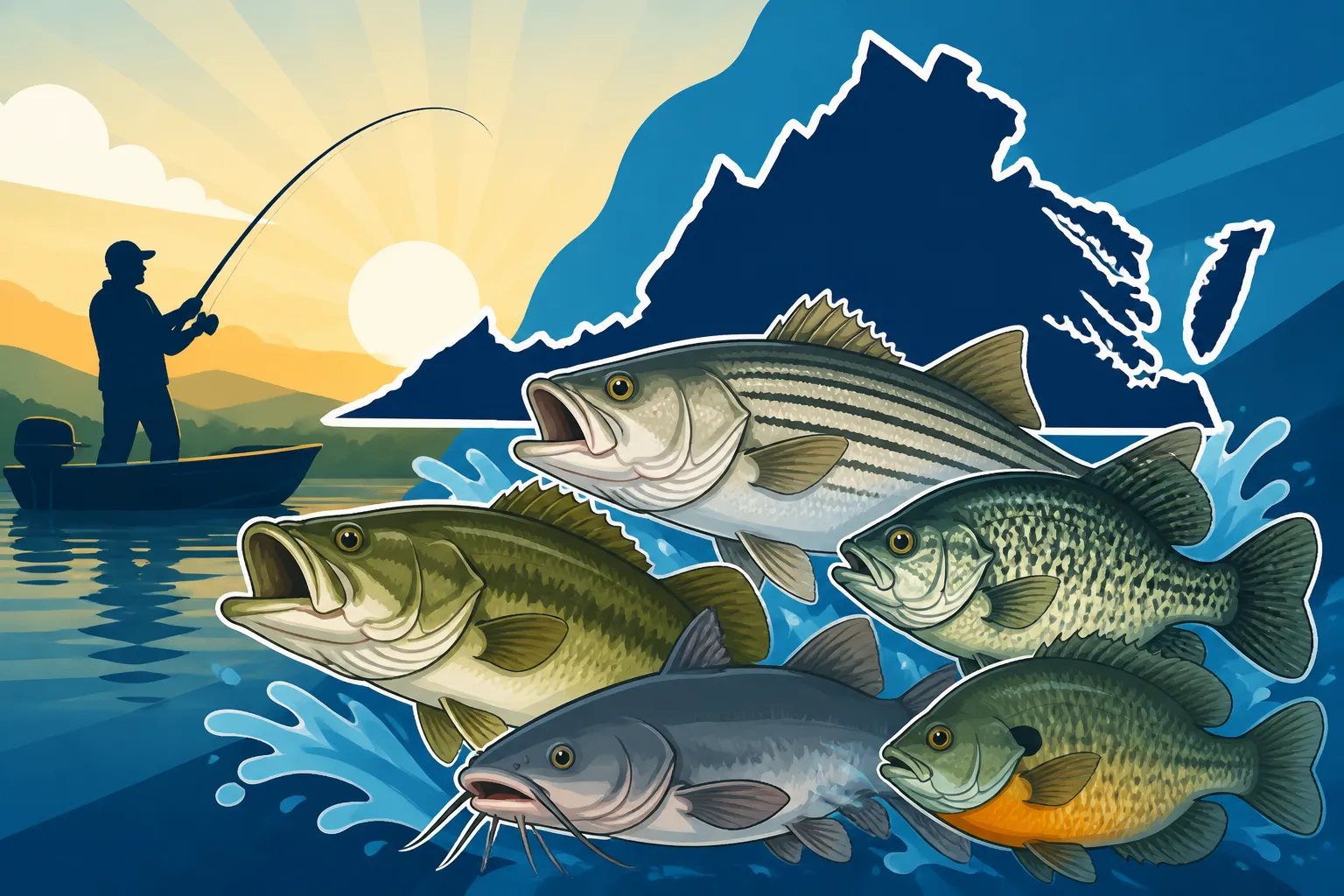
For a quick reference, here’s a summary of Virginia's top trophy species, what makes them a trophy, and generally where and when to target them.
| Species | Trophy Size Target | Key Locations (Virginia) | Primary Season | Key Tactics |
|---|---|---|---|---|
| Largemouth Bass | 8+ lbs | Smith Mountain Lake, Lake Anna, Buggs Island (Kerr Reservoir) | Spring (Pre-spawn) | Big swimbaits, jigs, heavy cover |
| Striped Bass | 40+ lbs (saltwater) / 20+ lbs (freshwater) | Chesapeake Bay (saltwater), Smith Mountain Lake, Lake Anna (freshwater) | Spring/Fall (saltwater), Year-round (freshwater) | Trolling, live baiting, topwater (freshwater) |
| Blue Catfish | 50+ lbs | James River, Potomac River, Rappahannock River | Year-round (esp. Fall/Winter) | Cut bait, bottom fishing, deep channels |
| Flathead Catfish | 40+ lbs | Claytor Lake, Kerr Lake | Summer/Fall | Live bait, bottom fishing, heavy cover |
| Walleye | 5+ lbs (20+ inches) | Claytor Lake, Lake Anna, South Holston Lake | Spring/Fall | Trolling crankbaits, jigging with live bait |
Equipping for the Hunt: Gear and Mindset
Chasing trophy fish isn't just about knowing where they are or what they eat; it's also about being prepared and having the right mindset. These fish are called "trophies" for a reason – they are often harder to find, trickier to entice, and stronger fighters. Your gear needs to be up to the task. Investing in quality rods, reels, and line that can withstand immense pressure is critical. Don't skimp on terminal tackle either; strong hooks, swivels, and leaders can make the difference between landing a giant and a heartbreaking loss.
Beyond the physical gear, a successful trophy angler cultivates patience, perseverance, and a willingness to learn and adapt. Fish behavior can change with weather, water conditions, and time of year. Keeping a detailed fishing log, noting conditions, locations, and successful baits, can provide invaluable data over time. Being prepared for long days (or nights) on the water, often with little action, is part of the game. But when that rod bends double and the drag starts screaming, every moment of preparation and patience will feel entirely worth it. Always remember to practice ethical angling, especially when targeting trophy fish, considering catch-and-release for the largest specimens to help ensure these incredible fisheries continue to thrive for future generations.
Disclaimer
This article is for general informational purposes only and does not constitute professional advice. Laws, prices and regulations vary by location and change over time. Consult a qualified professional for guidance on your specific situation.