Pre-Spawn Bass Fishing Tips
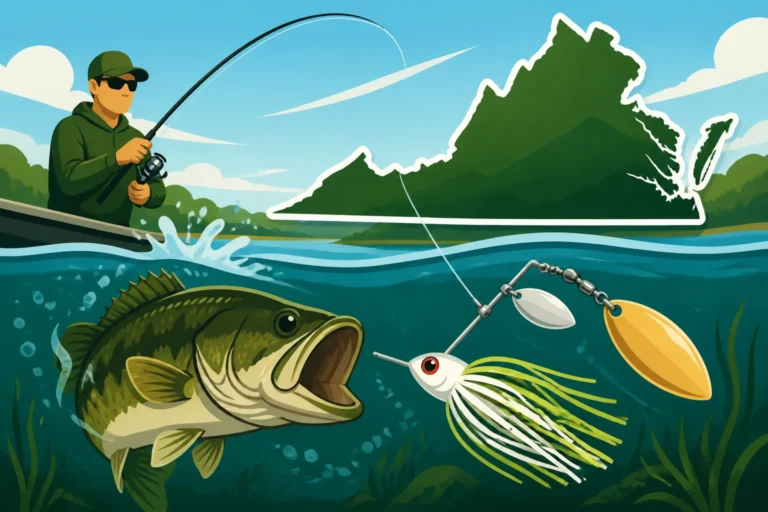
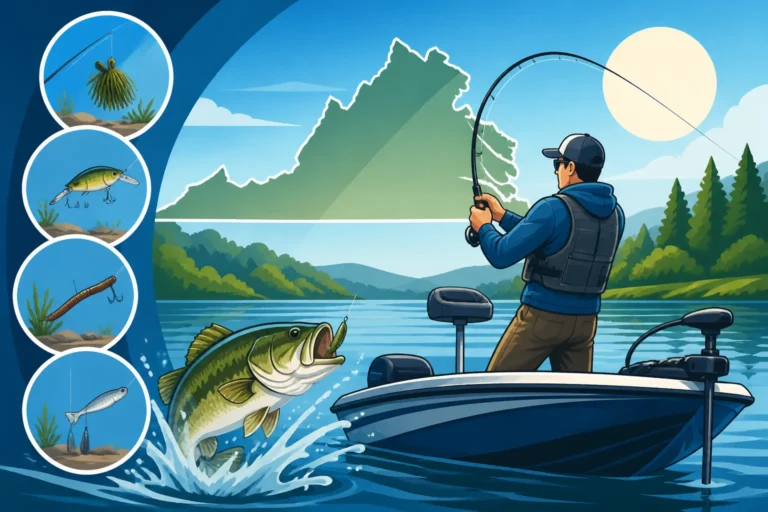
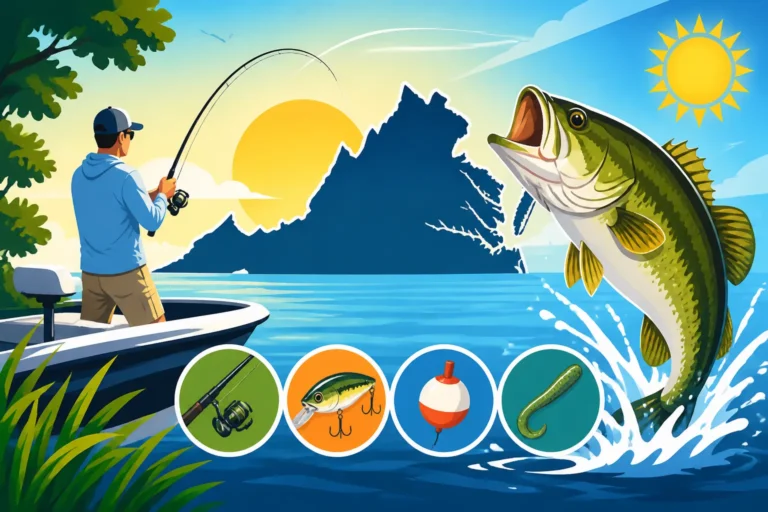
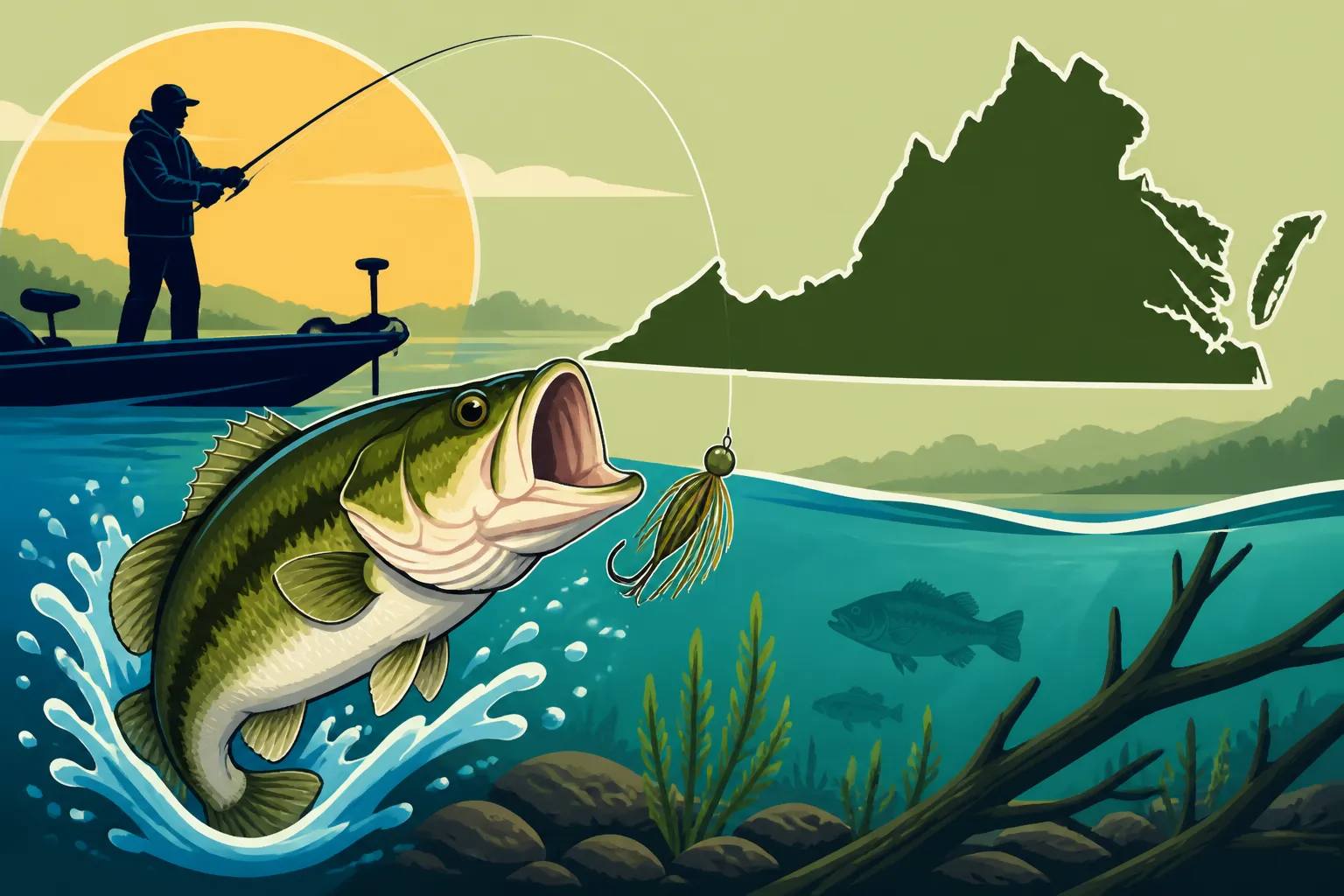
Ah, the pre-spawn period for bass fishing in Virginia – it's a time that fills anglers with both immense excitement and a healthy dose of frustration. You know the feeling: the weather is starting to warm up, you can almost smell those big females moving shallower, but getting them to commit can feel like trying to solve a cryptic puzzle. This guide is all about demystifying that crucial window, helping you understand bass behavior, pinpoint their locations, and choose the right tactics to land those impressive pre-spawn lunkers before they settle onto their beds.
Understanding the Pre-Spawn Period in Virginia
The pre-spawn phase is arguably the most anticipated time of year for bass anglers in Virginia. It’s when the biggest, fattest female bass are at their heaviest, gorging themselves on available forage as they prepare for the strenuous act of spawning. But it's not a flip of a switch; it's a gradual transition, highly dependent on environmental factors.
The Bass Biological Clock
Think of the bass as having an internal clock, constantly ticking towards the spawn. As winter loosens its icy grip and water temperatures begin to climb, usually reaching into the high 40s and pushing towards the mid-50s, those bass start to feel the call of reproduction. They shake off their sluggish winter habits and begin to move from their deep-water sanctuaries towards shallower, warmer areas. This isn't a sudden migration; it's a strategic, often slow, movement dictated by their biological imperative to find suitable nesting sites. They're looking for areas that offer both protection and a reliable food source as they bulk up for the big event.
Transition Zones and Staging Areas
One of the biggest challenges, and opportunities, of pre-spawn fishing lies in understanding these transition zones. Bass don't just swim from 30 feet of water directly to a 2-foot bed. They use specific "highways" and "rest stops" along the way. These are often known as staging areas. Staging areas are typically points, humps, ledges, or channel swings that offer deeper water access nearby but are also close to the shallower spawning flats. They're like holding pens where bass gather, waiting for the water temperature to hit that perfect range. Identifying these areas – whether it’s a brush pile on a secondary point on Lake Anna or a rocky bluff on Smith Mountain Lake – is absolutely critical. They'll hold here for days, even weeks, just waiting for the right moment.
Water Temperature Cues
Water temperature is the undisputed king of pre-spawn indicators. It’s what drives the bass’s movement and dictates their activity level. When the water temperatures hover in the low to mid-50s (around 50-58 degrees Fahrenheit), you're firmly in the prime pre-spawn window. Below 50, they might still be deep and a bit sluggish. Above 58, they're likely already on the beds, moving into the actual spawn. Monitoring surface temperatures, especially in shallow coves and along sun-baked banks, can give you a significant edge. Even a degree or two difference can mean the difference between a productive day and a frustrating one. Remember, sunny days after a cold spell can warm up those shallower zones quicker, drawing the bass right to them. Understanding these subtle shifts is key to anticipating their movements, as detailed in our guide on Water Temperature and Fish Feeding Patterns.
Reading the Water for Pre-Spawn Bass
Finding pre-spawn bass is all about connecting the dots between topography, structure, and current conditions. It’s a detective game, and every ripple, every piece of visible cover, is a clue.
Identifying Key Structure and Cover
Bass, particularly the big ones, are creatures of habit and efficiency. During pre-spawn, they are looking for ambush points that allow them to conserve energy while waiting for prey. This means keying in on both subtle and obvious structure and cover. On reservoirs like Smith Mountain Lake or Kerr Lake, look for channel swings that come close to a shallow flat, rocky points that extend into deeper water, or submerged humps. Wood cover, such as fallen trees or brush piles, also serves as excellent ambush points and provides crucial cover from predators and fluctuating temperatures. Don't forget artificial fish attractors, often placed by local clubs or the Department of Wildlife Resources (DWR). These can be absolute magnets for pre-spawn bass, offering vertical and horizontal cover.
In river systems, like the James River in Virginia or the Shenandoah, the focus shifts slightly to current breaks. Bass will stage behind submerged rocks, log jams, eddy lines, or bridge pilings – anywhere the current is slowed down, allowing them to rest and ambush forage as it drifts by. These areas provide a vital combination of cover, feeding opportunities, and proximity to calmer, shallower water for spawning.
Understanding Water Clarity and Color
The clarity of the water dramatically impacts how bass behave and which lures they'll respond to. In clearer waters, common in many Virginia mountain lakes and rivers, bass tend to be warier. They'll often hold a bit deeper or tighter to cover, and you'll want to use more natural-colored lures and lighter lines. Subtlety is your friend here.
Conversely, in stained or muddy water – often seen after heavy rains in some of our larger reservoirs or tidal rivers – bass rely more on their lateral line (sensing vibrations) and scent. They'll often move shallower, feeling more secure under the cloak of reduced visibility. This is when darker, bulkier lures with plenty of vibration, or even strong-scented soft plastics, can be incredibly effective. Consider how a spinnerbait or a chatterbait creates disturbance in muddy water, making it easier for bass to locate. Knowing how to adapt your presentation to conditions is crucial for success, especially during Spring Bass Fishing Patterns.
The Importance of Depth Finders
In today's angling world, a quality depth finder is practically non-negotiable for serious pre-spawn bass fishing, especially on Virginia's larger lakes. It's your window into the underwater world. Use your sonar to identify those crucial staging areas: channel edges, humps, submerged timber, and brush piles. Side imaging can be invaluable for scanning wide areas to find isolated cover or schools of baitfish, which are often excellent indicators of nearby bass.
Don't just look for fish arches; pay attention to the contour lines on your mapping. Identify where deep water abruptly meets a flat, or where a point slowly tapers into a fertile spawning cove. Mark these spots as waypoints. Even if you don't see fish on the screen, if the structure is right and the water temperature is in the zone, those bass are likely there or will be soon. Many top anglers will spend hours just idling around, mapping out new areas with their electronics before ever making a cast.
Top Lures and Baits for Pre-Spawn Bass
When bass are in their pre-spawn mode, they are often aggressive feeders, trying to pack on calories. But they can also be finicky, especially if a cold front pushes through. Having a diverse tackle box is essential.
Crankbaits and Jerkbaits for Aggressive Bites
These are workhorses for covering water and triggering aggressive reaction strikes from pre-spawn bass.
- Crankbaits: Medium-diving crankbaits that reach depths of 6-12 feet are often ideal for targeting those staging areas. Colors should mimic local baitfish – shad patterns, crawfish colors, or even chartreuse in stained water. The key is to make contact with the bottom or whatever cover the bass are holding near. Deflecting off a log or a rock can often be the trigger. Brands like Strike King and Rapala offer a wide range of effective options you can easily find on Amazon. Remember, during the pre-spawn, bass often want a slower retrieve than in the summer, but with sudden pauses and accelerations.
- Jerkbaits: A good jerkbait is lethal when bass are suspended or when the water is a bit clearer and cooler. The long pauses characteristic of jerkbait fishing are what often entice a wary bass. Cast it out, jerk it down a few times, and then pause – sometimes for as long as 10-15 seconds. This erratic, wounded baitfish action is irresistible. Look for jerkbaits that suspend perfectly in the water column at your target depth. Popular models from Megabass or Lucky Craft are often highly recommended for their action and suspension qualities.
Jigs and Soft Plastics for Slow Presentations
Sometimes, bass need a meal delivered right to their face, especially when they're a bit sluggish due to a cold front or simply aren't in a chasing mood.
- Jigs: A tried-and-true jig, whether it's a casting jig, a football jig, or a finesse jig, is an absolute must-have. Pair it with a complementary soft plastic trailer like a craw or a creature bait. Darker colors (black and blue, green pumpkin) are consistently effective, mimicking crawfish or bluegill. Pitch jigs around heavy cover, drag them slowly over rocky bottom, or "swim" them through submerged brush. The versatility of a jig makes it one of the best choices for How to Fish a Jig for Largemouth Bass.
- Soft Plastics: Texas-rigged or Carolina-rigged creature baits, senkos, or large plastic worms are fantastic for targeting bass that are tucked tight into cover or are holding on subtle bottom features. These offer a silent, natural presentation. A 5-inch Yamamoto Senko, for example, has a natural shimmy on the fall that can entice bites even from inactive fish. For How to Fish a Plastic Worm for Bass, a slower retrieve and keen attention to your line for subtle bites are crucial. Don't be afraid to experiment with different weights for your Texas rig – sometimes a lighter weight allows for a slower, more natural fall that bass can't resist.
Spinnerbaits and Chatterbaits for Reaction Strikes
When you need to cover water and generate a reaction strike, these lures are hard to beat.
- Spinnerbaits: With their flashing blades and pulsating skirt, spinnerbaits excel in stained or slightly murky water and around emergent vegetation or wood. They create a lot of vibration and visual appeal. Vary your retrieve, trying slow rolls where the blades just barely turn, or faster retrieves to elicit a chase. Tandem willow leaf blades offer flash, while Colorado blades offer more thump, ideal for those murky conditions.
- Chatterbaits (Bladed Jigs): These have exploded in popularity for a reason. The unique head design causes a frantic, irresistible vibration that drives bass crazy. They combine the flash of a spinnerbait with the erratic action of a crankbait. They're incredibly effective when fished around grass lines, docks, or even open water when bass are cruising. Pair them with a paddle-tail swimbait trailer for added bulk and action. The Z-Man Chatterbait Jackhammer is a prime example of a popular and effective bladed jig. Many anglers swear by these for big pre-spawn bass. You can often find great multi-packs of these and other essentials on Amazon.
Here's a quick comparison of some popular pre-spawn lure categories:
| Lure Type | Best Conditions | Action Style | Target Depth | Key Feature |
|---|---|---|---|---|
| Crankbaits | Stained to clear water, targeting structure | Diving, wobbling, deflecting | 6-15 feet | Covering water |
| Jerkbaits | Clearer, cooler water, suspended fish | Erratic, darting, long pauses | 3-10 feet | Suspension, reaction |
| Jigs | All water clarities, heavy cover, subtle bites | Bouncing, dragging, swimming | Bottom to mid-depth | Versatility |
| Soft Plastics | All water clarities, heavy cover, slow presentations | Subtle, natural, weedless | Bottom to mid-depth | Finesse, realism |
| Spinnerbaits | Stained to murky water, around cover | Flashing, vibrating, pulsating | Shallow to mid-depth | Vibration, flash |
| Chatterbaits | Stained to clear water, grass lines, open water | Erratic vibration, swimming, jig-like | Shallow to mid-depth | High vibration |
Remember, the goal is often to match the hatch, whether that’s crawfish (reds, browns, greens) or shad (silvers, whites, blues). For more specific recommendations, our guide on the Best Bait for Largemouth Bass in Virginia has even more insights.
Effective Techniques for Pre-Spawn Success
Having the right lures is only half the battle; knowing how to present them effectively is just as crucial. Pre-spawn bass can be surprisingly particular, especially when the weather isn't stable.
Slow Rolling and Bottom Contact
Many pre-spawn bass are still a bit lethargic, or they might be holding tight to the bottom in deeper staging areas, waiting for the optimal time to move up. This is where a slow, methodical approach shines.
- Slow Rolling Spinnerbaits and Chatterbaits: Instead of a fast retrieve, try a "slow roll" with a spinnerbait or chatterbait. Cast it out, let it sink, and retrieve it just fast enough for the blades to turn or the blade to thump. You want it to tick the tops of submerged grass, brush, or rocks. This mimics a wounded baitfish or a crawfish scuttling along the bottom, an easy meal for a bass preserving energy.
- Dragging Jigs and Carolina Rigs: For jigs and Carolina rigs, constant bottom contact is key. Use a sweeping motion of your rod, slowly dragging the lure across the bottom, feeling for any changes in substrate, rocks, or wood. Then, reel down the slack and repeat. The slower you go, the more opportunities a bass has to investigate and commit. This is especially effective when fishing points, humps, or channel swings. Many bites during this time will be very subtle – a slight tick, a spongy feeling, or simply a feeling of heaviness.
Targeting Transitions and Ambush Points
Pre-spawn bass are all about transitions. They are moving from their deep wintering holes to their shallow spawning grounds. Your job is to intercept them along this journey.
- Channel Swings and Ledges: Look for areas where the main river or creek channel swings close to a shallow flat. Bass will use the deep water of the channel as a highway and staging area, then move up onto the shallower ledge to feed. Fish both sides of the channel, focusing on any irregularities like stumps, rocks, or brush.
- Secondary Points: These are gold mines. Secondary points are points that extend into coves or creeks, often serving as intermediate staging areas. Bass will hold on the deep sides of these points, moving up to the top to feed when conditions are right. Try fishing from the very end of the point, casting both into the main lake and into the cove, fanning your casts to cover different depths and angles.
- Docks and Riprap: Don't overlook man-made structures. Docks provide shade, cover, and often deeper water access. Riprap (rocky banks) can hold heat and attract crawfish, making them prime feeding areas, especially on sunny days. Cast parallel to these structures, letting your lure fall into the deeper pockets.
Patience and Repetitive Casting
The pre-spawn period is rarely about "run-and-gun" fishing, unless you hit a really active school. More often, it requires patience and a willingness to thoroughly dissect an area.
- Fan Casting: When you find a promising piece of structure, don't just cast in one direction. Fan cast the entire area, covering different angles and depths. What looks like a small brush pile on your sonar might have fish holding on its deeper side or its shallower side.
- Multiple Passes: Even if you don't get a bite on the first few casts, make multiple passes. Change your angle, change your retrieve speed, or even change your lure. Bass might not be ready to bite immediately, but seeing a bait repeatedly can sometimes trigger a reaction. They might be wary but still hungry.
- Observe and Learn: Pay close attention to every detail. Did you get a follow? Did a fish flash at your bait? Did you feel a subtle tap that you missed setting the hook on? These observations give you clues about where the fish are holding and what they might be willing to bite. Sometimes, switching to a different color or size of the same lure can make all the difference. Pre-spawn fishing really is a mental game as much as it is a physical one.
Tackling Specific Virginia Waters for Pre-Spawn Bass
Virginia is blessed with a diverse array of fishing environments, and while the general principles of pre-spawn fishing remain the same, adapting to specific water bodies is key. Let's look at some popular spots.
Lake Anna's Pre-Spawn Challenges
Lake Anna is a fantastic bass fishery, but its pre-spawn can be a bit tricky due to its varied characteristics. You've got the cooler, clearer "public side" and the warmer "private side" (the warm water discharge from the power plant) which can impact water temperatures significantly.
- Public Side: On the public side, focus on main lake points and secondary points within larger creeks. Look for areas with a mix of rock and scattered wood. The bass here will follow classic pre-spawn patterns, staging on those points and deeper humps near spawning coves. Deep-diving crankbaits, football jigs, and suspending jerkbaits are excellent choices here.
- Private Side (Nuclear Side): The private side, or "hot side," of Lake Anna often sees an earlier spawn due to the consistently warmer water. This means pre-spawn conditions can occur weeks, sometimes even a month, earlier than on the public side. Bass here will often be shallower sooner. Target coves with lily pad stems or blowdowns, and shallower points. Spinnerbaits, chatterbaits, and Texas-rigged soft plastics can be very effective in this warmer, often stained water. Don't forget to check out our full Lake Anna Fishing Guide for more specifics.
Smith Mountain Lake's Staging Areas
Smith Mountain Lake is legendary for its clear, deep waters and abundant striped bass and largemouth bass. Pre-spawn here is all about finding those deep staging areas and main lake points.
- Rocky Points and Humps: Bass on SML love rock. Focus on main lake points and humps that feature abundant rock cover, especially those that drop off quickly into deeper water. These are perfect staging locations. Jigging spoons, deep-diving crankbaits that grind the bottom, and heavy football jigs are great for probing these depths.
- Docks and Blowdowns: Don't neglect the massive amount of dock infrastructure and blowdowns on SML. Docks with deeper water under them, especially those near creek mouths, can hold significant numbers of pre-spawn bass. Pitch jigs or Texas-rigged worms under and around these structures. In clearer waters like SML, a more subtle approach with natural colors often works best. For more detailed tips on specific locations and tactics, consult the Smith Mountain Lake Fishing Guide.
River Systems Like the James and Shenandoah
Fishing river systems for pre-spawn bass presents a unique set of challenges and rewards, with current being a primary factor.
- Current Breaks: On rivers like the James River in Virginia or the Shenandoah River, smallmouth and largemouth bass will stack up in current breaks. Look for eddies behind large rocks, log jams, bridge pilings, or sharp bends in the river. These areas provide relief from the current and funnel baitfish right into their strike zones.
- Rock Piles and Ledges: Smallmouth bass, in particular, will relate heavily to rocky bottom features. Cast suspending jerkbaits or small jigs along ledges and around rock piles. In stained water, a spinnerbait or chatterbait can be highly effective when retrieved upstream and allowed to drift back with the current, creating an erratic action.
- Tributary Mouths: As the spawn approaches, bass will move into the mouths of smaller creeks and tributaries, especially if those waters are slightly warmer or offer clearer conditions. These areas provide a break from the main river current and act as prime staging grounds. Our Best Smallmouth Bass Rivers in Virginia guide provides excellent further reading on these dynamic environments.
Adapting to Weather and Water Conditions
The pre-spawn period is notorious for its fickle weather. One day it's warm and sunny, the next a cold front sweeps in, completely changing the bass's mood. Being able to adapt is crucial.
The Impact of Cold Fronts
Nothing throws a wrench into a hot pre-spawn bite faster than a cold front. Air temperatures drop, skies clear, and often a high-pressure system moves in. This can make bass incredibly finicky.
- Deeper and Tighter: Bass will typically retreat to deeper water or bury themselves tighter into cover. They become less active and less willing to chase.
- Slow Down, Downsize: When a cold front hits, your best bet is to slow down your presentation drastically. Switch to smaller jigs, finesse worms, or drop shots. Use lighter line and smaller weights. The goal is to present a small, easy meal that requires minimal effort from the bass. Our guide on Fishing Techniques After a Cold Front has more in-depth advice on this challenging situation.
- Target Sunny Sides: Look for sun-baked rocks or dark-bottomed areas that might warm up slightly faster. Bass will often move to these areas for a bit of warmth, even if they're not actively feeding.
Fishing After Rain and Rising Water
Rainfall can have a mixed impact on pre-spawn fishing. A gentle, warm rain can actually turn the bite on, washing new nutrients and baitfish into the water. However, heavy rains leading to rising, muddy water can make things tough.
- Muddy Water Strategies: In muddy water, bass rely heavily on vibration and scent. Use darker colored lures (black and blue, junebug) with more bulk and vibration – spinnerbaits with large Colorado blades, chatterbaits, or noisy crankbaits are great. Fish shallower, as the bass will often move up under the cover of the reduced visibility. The edges of the dirty water line, where it meets clearer water, can be particularly productive.
- Rising Water: Rising water can push baitfish and crawfish into newly flooded cover, which attracts bass. Fish the newly submerged grass, bushes, or timber. Remember, the fish will often be shallower than you expect in rising water, so don't be afraid to target the very edges of the flooded areas.
Wind and Cloud Cover Considerations
Even subtle changes in wind and cloud cover can influence bass behavior during pre-spawn.
- Windy Conditions: Wind can be a blessing or a curse. A moderate chop on the water can break up the surface, making bass feel more secure and less wary. It also concentrates baitfish. Fish the windy banks, especially those with structure, as the wind often pushes warmer surface water and baitfish against them. Spinnerbaits, crankbaits, and chatterbaits are excellent for these conditions.
- Cloud Cover: Overcast days often mean bass are more willing to roam and feed throughout the day, as they don't have to hide from harsh sunlight. This is a great time for moving baits like spinnerbaits, crankbaits, and jerkbaits.
- Bright Sun, Clear Skies: On bright, calm days, bass will often retreat to deeper, shadier cover. You'll need to use more finesse techniques, fishing slowly and precisely. Docks, heavy brush, or deep rocky ledges become prime targets. Consider a Texas rig or a Carolina rig pitched into the densest cover. The pre-spawn is an exciting but unpredictable time, and adapting to these daily changes is part of the fun!
Disclaimer
Fishing conditions and regulations can change frequently. Always consult the Virginia Department of Wildlife Resources (DWR) for the most current fishing regulations, license requirements, and any special alerts or advisories before heading out on the water. Stay safe and fish responsibly!