Best Techniques for Summer Fishing
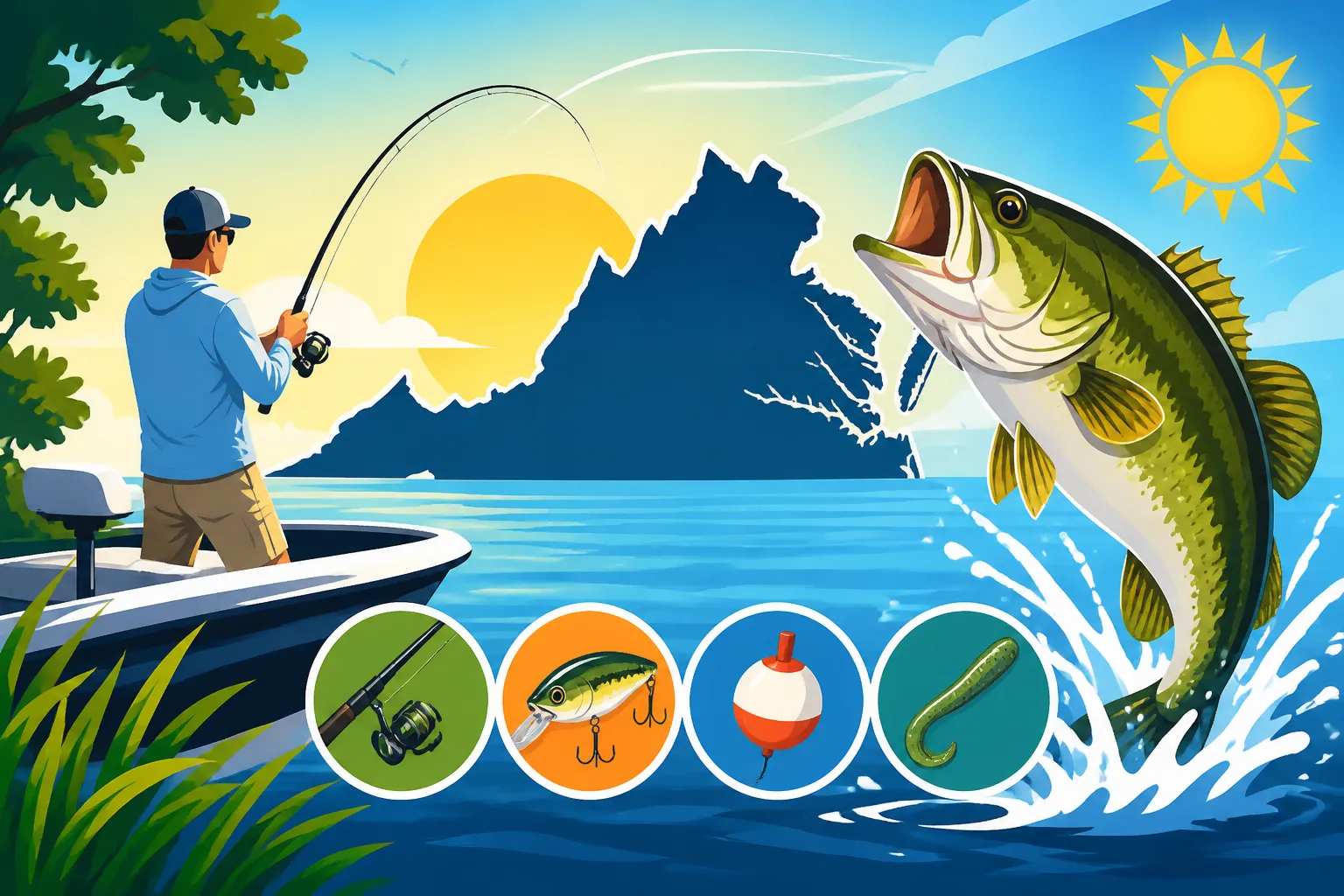
Ah, summer fishing in Virginia! It sounds idyllic, doesn't it? Warm sun, calm waters, the gentle hum of cicadas. But if you've spent any real time out on our Virginia lakes and rivers during July and August, you know the reality can often be a lot less picturesque. The truth is, summer fishing can be downright frustrating when the heat pushes fish deep, makes them lethargic, or sends them scurrying for cover. You cast, you wait, you sweat, and often, you come up empty-handed, wondering if the fish just packed up and left the state. This comprehensive guide is here to tackle those common summer struggles head-on, providing you with the best techniques and strategies to turn those slow, hot days into successful, exciting angling adventures across Virginia.
Understanding Summer's Challenges for Virginia Anglers
When the sun beats down relentlessly and the humidity hangs heavy in the air, both you and the fish feel it. Summer isn't just about heat; it brings a whole new set of conditions that drastically alter fish behavior. Ignoring these changes is often the quickest path to a disappointing day on the water.
The Heat and Its Impact on Fish Behavior
Let's be real, no one likes baking in the sun for hours, and neither do most fish. As air temperatures soar, so does the surface water temperature. Warm water holds less dissolved oxygen, which is crucial for fish respiration. Think of it like trying to run a marathon in thin mountain air – it's tough! Fish become less active, their metabolism slows down, and they often seek out cooler, more oxygenated waters. This means they'll move from shallow, sun-exposed areas to deeper, shadier haunts. You might find them congregating around springs, creek mouths, or even just under thick mats of vegetation that provide a cool canopy. Understanding this fundamental shift is the first step to successful summer fishing.
Oxygen Depletion and Deep Water Retreat
It's not just about comfort; it's about survival. In many of Virginia's lakes and reservoirs, especially those with deeper basins, a phenomenon called "thermal stratification" occurs in summer. The water essentially separates into layers: a warm, oxygen-rich upper layer (epilimnion), a rapidly cooling middle layer (thermocline), and a cold, often oxygen-depleted bottom layer (hypolimnion). Game fish, needing both cooler temperatures and oxygen, will often suspend or hold tightly to structure within or just above the thermocline. This can be tricky because while they're deep, they might not be on the bottom. Targeting these specific depth zones becomes critical. Knowing where this thermocline sets up is a huge advantage, and a good fish finder is your best friend for uncovering these hidden pockets of comfortable fish. For more on how water temperature impacts fish, check out our guide on Water Temperature and Fish Feeding Patterns.
Overcoming Clear Water Conditions
Summer often brings stable weather patterns, which can lead to clearer water, especially in lakes like Smith Mountain Lake or Claytor Lake. While beautiful to look at, clear water means fish have a much better view of you, your boat, and your fishing line. They become warier and more easily spooked. This demands a change in approach. You'll need to use lighter lines, smaller baits, and make longer casts to avoid getting too close. Stealth becomes paramount, and presentation needs to be impeccable. Sometimes, even the shadow of your boat passing over a shallow flat can send fish scattering. It's a subtle game, but one that can pay off big when you learn to play it right.
Top Techniques for Virginia Largemouth and Smallmouth Bass
Bass fishing in Virginia during the summer can be incredibly rewarding, but it requires a bit more finesse and strategic thinking than during the spring or fall. You can't just throw a spinnerbait anywhere and expect a bite. You need to understand their summer routine.
Early Morning and Late Evening Topwater Action
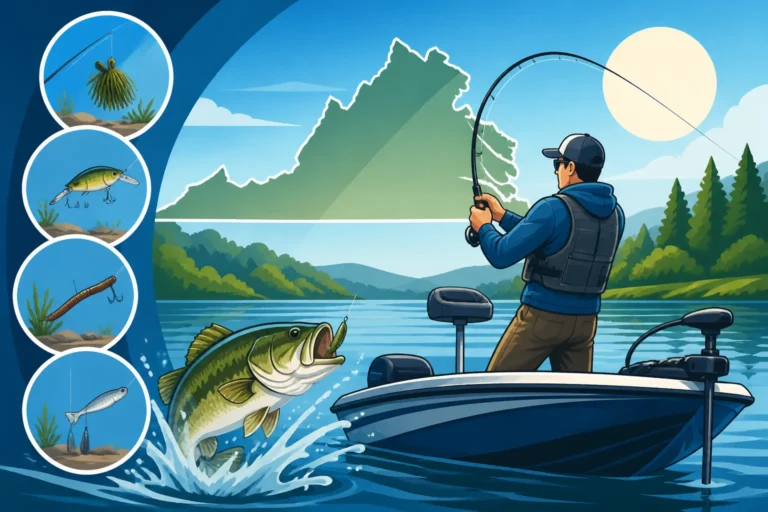
This is probably the most exciting and often the most productive time to target bass in summer. As the sun rises or sets, water temperatures are at their coolest, and bass feel more comfortable venturing into shallower water to feed. This is when topwater lures truly shine. Think about it: a hollow-bodied frog skittering across lily pads at sunrise, or a popper making enticing bloops near a stump row at dusk. It's exhilarating to see a big bass explode on the surface! Walk-the-dog baits like a Heddon Super Spook or a Zara Spook, and buzzing frogs or soft plastic toads are absolute staples for these low-light periods. Pay attention to cover – docks, overhanging trees, grass mats, and submerged timber are all prime ambush points. Remember, the bite often fades quickly once the sun gets high, so make the most of those golden hours. For more on this, read our guide on Best Time of Day to Catch Bass in Summer.
Targeting Deep Structure During Midday Heat
Once the sun climbs high, those bass retreat. They're not gone, they've just moved. This is when you need to switch gears and go deep. Look for submerged structures like humps, ledges, creek channels, roadbeds, and brush piles in 15-30 feet of water or more, depending on the lake and thermocline depth. Carolina rigs, deep-diving crankbaits, football jigs, and heavy Texas-rigged worms are your best friends here. A big, slow-moving plastic worm, perhaps a 10-inch Power Worm, dragged along the bottom can be incredibly effective. Imagine a bass sitting in the cool shade of a deep brush pile; a juicy worm slowly crawling by is often too tempting to resist. You're not looking for active feeding frenzies down here; you're looking for reaction bites or presenting an easy meal to a lethargic fish. Using your electronics to locate these structures and the fish holding to them is absolutely essential. Many anglers will stock up on these heavier lures and soft plastics from retailers like Amazon before their summer trips. Need more insight on how to get bass to bite in summer? Check out Summer Bass Fishing Patterns.
The Power of Finesse Fishing in Clear Water
With clear summer waters, bass become incredibly wary. This is where finesse techniques really come into their own. Think lighter line, smaller baits, and subtle presentations. Drop shot rigs, wacky-rigged Senkos, and Ned rigs are deadly. These techniques excel at presenting a natural-looking bait that hovers or wiggles enticingly with minimal movement, often fooling even the most pressured bass. For a drop shot, a small worm or creature bait rigged horizontally can be suspended right in a bass's face. A wacky-rigged Senko, with its seductive quiver as it falls, is often irresistible. The Ned rig, a short worm on a mushroom-shaped jig head, is perfect for dragging along the bottom and enticing bites from finicky fish. These baits are typically fished on spinning gear with lighter fluorocarbon line, allowing for long casts and stealthy approaches. Don't be afraid to experiment with natural bait colors and subtle retrieves when the water is crystal clear; sometimes less is truly more. Learning How to Fish a Plastic Worm for Bass is a great starting point for finesse presentations.
Cracking the Code for Summer Crappie and Panfish
Crappie and other panfish like bluegill and shellcrackers are fantastic targets for summer fishing in Virginia, especially if you're looking for consistent action and some delicious table fare. They might not be as glamorous as bass or stripers, but they offer endless fun.
Locating Crappie in Submerged Cover
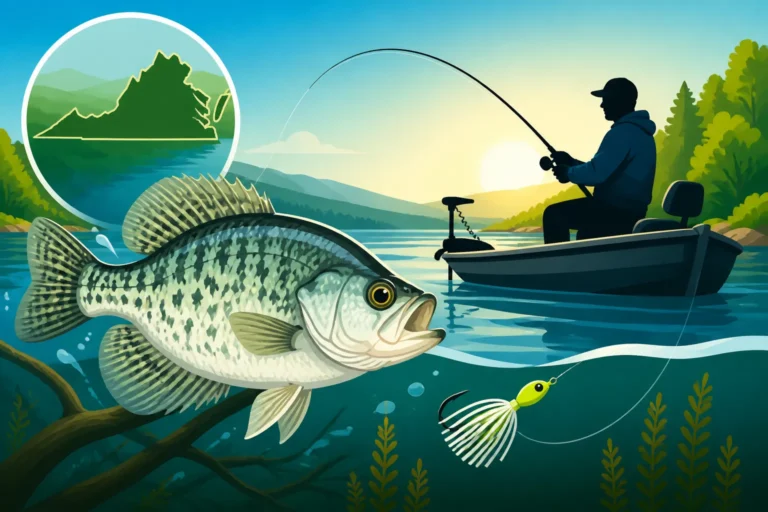
Just like bass, crappie seek refuge from the summer heat and bright sun, often congregating in deeper, shadier areas. They absolutely love submerged cover. Think brush piles, fallen trees, old dock pilings, and bridge abutments. In lakes like Smith Mountain Lake or Lake Anna, crappie will often stack up in brush piles anywhere from 10 to 25 feet deep, sometimes even deeper in extremely clear water. They are social fish, so once you find one, you've often found a whole school! Your fish finder is, again, an invaluable tool for locating these hidden havens. When you mark a brush pile, slowly approach and position your boat so you can drop your baits directly into or just above the cover. Precision is key, as crappie will often suspend right in the middle of the brush.
Vertical Jigging and Tightlining Strategies
Once you've located a crappie hotspot, vertical jigging or tightlining are your go-to techniques. Vertical jigging involves dropping a small jig (1/16 to 1/8 ounce are common sizes) straight down into the cover, often tipped with a live minnow or a small plastic grub. The idea is to keep your bait directly above or within the fish. A slight jigging motion or just letting it hang perfectly still can trigger a bite. Tightlining is similar but often involves multiple rods with minnows or jigs set at various depths until you find the fish's preferred zone. Spider rigging, where multiple rods extend from the front of the boat, allows you to cover a wider area while slowly drifting over submerged structure. Small crappie jigs in bright colors like chartreuse, pink, or white, or more natural colors depending on water clarity, are very effective. Many anglers swear by specific crappie minnow rigs they buy in bulk from places like Amazon. For more targeted advice, look into How to Catch Crappie in Summer.
Simple Setups for Panfish
Bluegill, shellcrackers, and other panfish are wonderful targets for summer, especially for families or beginners. They're often more forgiving than bass or crappie, and you don't need fancy gear. The key is to find them in shallower, shaded areas, usually near emergent vegetation, lily pads, or under docks. A simple slip bobber rig is incredibly effective. Thread a small bobber stop onto your line, then the bobber, a small weight (split shot or a small bullet sinker), and finally a small hook (size 8 or 10). Bait it with a piece of a nightcrawler, a red wiggler, or even a kernel of corn. Set your bobber depth so your bait is just above any weeds or on the bottom near cover. Cast it out, let it sit, and watch the bobber dance! Crickets are also phenomenal panfish bait. Just a note of caution: while panfish are generally abundant, always be mindful of local regulations and catch limits.
Night Fishing and Bottom Dwelling Species (Catfish, Stripers)
When the summer sun drives most anglers off the water, a whole new world of fishing opens up for those willing to embrace the darkness. Night fishing in Virginia can be incredibly productive, especially for certain species that become more active under the cloak of night.
Catfish: The Ultimate Summer Night Shift
If you're looking for consistent action and a real fight during the summer, catfish are your best bet after dark. Channel cats, blue cats, and flatheads all become more aggressive and move into shallower feeding areas once the sun sets and water temperatures cool down. Rivers like the James, Rappahannock, and Potomac are prime catfish destinations, but many lakes also hold impressive populations. The strategy is fairly straightforward: find deeper holes, channels, or current breaks in rivers, or humps and creek channels in lakes, and present a smelly bait on the bottom. Cut bait (shad, herring, bluegill), chicken livers, and prepared stink baits are all excellent choices. Use a heavy bottom rig, typically a slip sinker rig with a circle hook. Cast it out, put your rod in a sturdy holder, and wait for that rod tip to double over. Remember to bring a good headlamp, bug spray, and maybe a portable fan for those still, humid nights. Want to know more? Check out our guide How to Catch Catfish at Night.
Deepwater Striped Bass Strategies
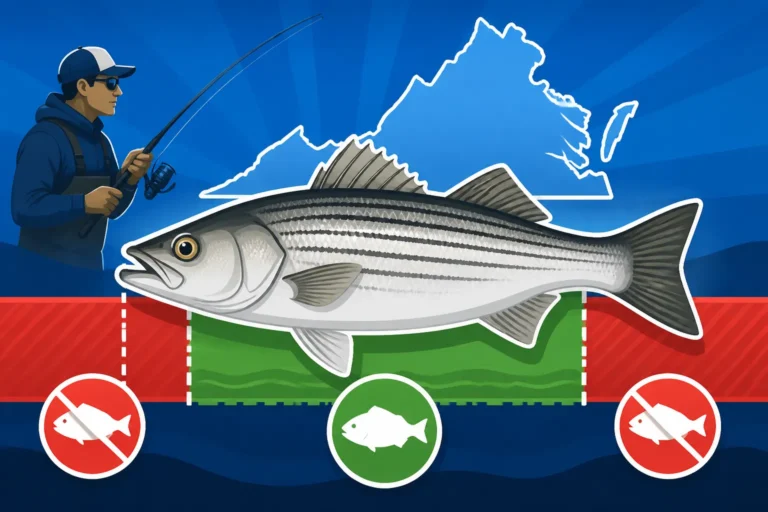
While freshwater striped bass, or "stripers," are known for chasing schooling baitfish on the surface in cooler months, summer often sees them retreating to deeper, cooler waters, especially during the day. Lakes like Smith Mountain Lake are famous for their summer striper fishing, but it requires different techniques. Trolling deep with downriggers or planer boards is a very popular and effective method. You'll use large crankbaits, spoons, or umbrella rigs to present baits at specific depths where you're marking schools of stripers and baitfish. During the twilight hours or at night, however, stripers might move shallower to feed. Live bait (shad, herring, or large shiners) fished on free lines or under a bobber around main lake points, ledges, or bridge lights can be absolutely deadly. Keep an eye on your fish finder for bait balls and suspended stripers, and be ready for a powerful fight! Our guide Smith Mountain Lake Striped Bass Fishing in Virginia delves deeper into these tactics.
Essential Gear for Low-Light Conditions
Night fishing isn't just about different tactics for the fish; it's about being prepared for you. Safety and convenience are paramount. A reliable headlamp or a couple of good lanterns are non-negotiable. You'll need light for tying knots, baiting hooks, and safely navigating your fishing spot. Bug spray is another must-have, as mosquitoes and other critters are often out in full force. Bring extra batteries for your lights, and a well-stocked tackle box that's organized enough to find things by feel in the dark. A sharp knife, pliers, and a first-aid kit are always good to have on hand. If you're using electronics, ensure they're fully charged. And, of course, don't forget your fishing license! You can often find all these essential night fishing supplies, from headlamps to bait holders, readily available on Amazon.
Adapting to Local Conditions: Spot by Spot
Virginia is a diverse state, and what works on one body of water might need tweaking on another. Local knowledge and adaptability are your secret weapons.
Lake-Specific Summer Fishing Adjustments
Every lake has its own personality, especially in summer. On large reservoirs like Kerr Lake (Buggs Island Lake) or Lake Gaston, the vastness can be intimidating, but it also means more varied structures. Here, focusing on river channels, broad flats that drop into deep water, and expansive standing timber can be key for bass and crappie. On a smaller, shallower lake, you might find fish concentrated more tightly around docks, brush piles, and heavy vegetation. For instance, Virginia's Best Freshwater Fishing Destinations covers many of these nuances.
It's crucial to understand the forage base of the lake you're fishing. If a lake is teeming with threadfin shad, then shad-imitating lures (crankbaits, swimbaits, jerkbaits) will often be more effective. If the primary forage is bluegill or sunfish, then green pumpkin or natural-colored jigs and plastics that mimic those panfish can be deadly. Pay attention to local fishing reports, online forums, and even conversations with bait shop owners – they often have the most up-to-date information on what's biting and where.
River and Tidal Water Summer Tactics
River fishing in summer, particularly for species like smallmouth bass in the Shenandoah or James Rivers, focuses heavily on current breaks, deep pools, and shaded banks. Smallmouth will often tuck behind large rocks, logs, or in eddies where the current is calmer, conserving energy while waiting for an easy meal to float by. Topwater poppers and small crankbaits can work well in the early mornings and late evenings in these areas. During the heat of the day, pitching tubes, jigs, or soft plastics into deeper runs and current seams can produce excellent results.
For tidal rivers like the James or Rappahannock, the tide becomes a major factor. Fish will often move with the tides, feeding actively on incoming or outgoing currents around points, oyster beds, and channel edges. Striped bass (rockfish) and catfish thrive in these environments. Knowing the tide charts for your specific area is just as important as knowing the weather forecast. Look for areas where submerged grass beds or oyster reefs offer both cover and feeding opportunities.
The Importance of Stealth and Presentation
Regardless of where you're fishing, summer fish are often more easily spooked due to clearer water and less comfortable conditions. Approach your fishing spots quietly, especially if you're targeting shallow areas. Use your trolling motor judiciously instead of running your main engine right over a prime spot. Longer casts, lighter line (fluorocarbon is great for its low visibility), and natural bait presentations are vital.
Think about how your lure enters the water – a gentle splash is always better than a loud plunk. Watch for signs of fish activity, like baitfish flickering on the surface or subtle swirls, and cast to those areas. Sometimes, simply letting your bait soak for a longer period in a prime spot will elicit a bite from a hesitant fish. Patience and persistence truly pay off during the summer months when the fish are often more finicky.
| Species | Best Summer Times | Preferred Depths | Recommended Lures/Bait | Key Techniques |
|---|---|---|---|---|
| Largemouth Bass | Dawn, Dusk, Night (deep) | Shallow (early/late), Deep structure (midday) | Topwater frogs/poppers, Deep crankbaits, Jigs, Wacky-rigged Senkos | Topwater action, Carolina rig, Drop shot, Flipping/Pitching |
| Smallmouth Bass | Dawn, Dusk, Overcast days | Current breaks, Deep pools | Tubes, Grubs, Small crankbaits, Jerkbaits | Casting to structure, Jigging current breaks |
| Crappie | All day (in shade/deep) | Submerged brush, Docks, Channels (10-25+ ft) | Small jigs, Live minnows, Soft plastic grubs | Vertical jigging, Tightlining, Spider rigging |
| Catfish | Night, Overcast days | River channels, Deep holes, Creek channels | Cut bait, Chicken livers, Stink bait | Bottom fishing, Jug fishing, Trotlines |
| Striped Bass | Night (shallower), Day (deep) | Deep humps, Ledges, River channels (freshwater); Bay structure (saltwater) | Live bait (shad/herring), Trolling lures, Large swimbaits | Trolling, Live baiting, Power fishing |
| Panfish | All day (in shade/cover) | Shaded banks, Lily pads, Docks (shallow) | Worms, Crickets, Small jigs | Bobber fishing, Light tackle casting |
Disclaimer
This article is for general informational purposes only and does not constitute professional advice. Laws, prices and regulations vary by location and change over time. Consult a qualified professional for guidance on your specific situation.