Why Fish Bite Better at Dawn
That early morning alarm can be a real struggle, can't it? Dragging yourself out of bed before the sun even thinks about rising, fumbling for coffee, and packing up your gear while it’s still dark out. It feels like a monumental effort some days, but if you’ve spent any time on the water, you know a secret: those groggy moments are often rewarded with the best fishing of the day. This guide dives deep into why fish bite better at dawn, helping you understand the natural rhythms that make those sacrifices worthwhile and maximize your early bird angling success.
The Science Behind the Sunrise Bite
It’s not just an old angler’s tale; there’s a solid scientific basis for why fish are more active and eager to bite as the first light breaks. Understanding these biological and environmental factors can really change your approach and improve your catch rate.
Light Levels and Fish Vision
Think about how you feel in bright, glaring sunlight versus the soft glow of twilight. Fish feel something similar, though their vision is adapted differently. Many predatory fish, like bass and striped bass, have excellent low-light vision. They are often more comfortable and confident hunting when the light is dim, making the transitional periods of dawn and dusk their prime feeding times. As the sun climbs higher, the increased light penetrates deeper into the water, giving prey fish more places to hide and making predators more cautious.
During the first crack of dawn, the subtle illumination allows these predators to see their prey clearly against the brightening sky while remaining somewhat concealed themselves. It's a strategic advantage. Imagine a largemouth bass lurking in the shadows of a submerged tree branch in Lake Anna, watching for a silhouetted baitfish swimming by. That brief window where light levels are just right provides perfect ambush conditions. For anglers, this means your lure presentation needs to mimic these natural conditions – think about how your bait will appear to a fish looking up from below.
Water Temperature Fluctuations
As night gives way to day, water temperatures begin to shift. While these changes might seem minor to us, they can have a significant impact on cold-blooded fish. Throughout the night, the water temperature stabilizes, and then as the sun begins to warm the surface, it triggers an increase in fish metabolism. This metabolic boost makes fish more active and, critically, hungrier.
In many Virginia waters, especially during the warmer months, the coolest water of the day occurs just before dawn. This slight dip can invigorate certain species, pushing them to feed before the midday heat settles in. When fishing colder waters, like some of Virginia's wild trout streams, the dawn warmth might actually kickstart insect activity, which directly leads to hungry trout. Understanding these subtle shifts is key, and it varies by season. For instance, knowing the optimal water temperature for bass fishing in Virginia can make a huge difference in your success.
Oxygen Content and Fish Activity
Another crucial environmental factor is dissolved oxygen. Just like us, fish need oxygen to survive and thrive. Throughout the night, aquatic plants and algae consume oxygen through respiration, but as the sun rises, they switch to photosynthesis, releasing oxygen back into the water. This process means that dissolved oxygen levels often peak during the early morning hours, especially in shallow, vegetated areas.
Higher oxygen levels translate directly to more active and energetic fish. They’re simply feeling better and have more energy to chase down a meal. This is particularly noticeable in still waters or ponds where oxygen stratification can occur. Areas with good circulation or abundant plant life that have been photosynthesizing for a short while after sunrise often become prime feeding grounds.
Prey Behavior and the Predatory Advantage
It's not just the fish doing the biting; it's also about what they're biting on and why those prey items are most vulnerable at dawn. The interactions between predator and prey are finely tuned, and dawn offers a perfect window of opportunity for the hunters.
Baitfish Movement at Dawn
Many species of baitfish, like shiners, shad, or alewives, tend to move into shallower waters or open areas under the cover of low light. They might be foraging for microscopic organisms, escaping deeper water predators, or simply congregating in schools. This early morning movement makes them easier targets for larger predatory fish who are looking for an easy meal without having to expend too much energy in pursuit.
Imagine schools of baitfish flickering just below the surface in the Chesapeake Bay or along the banks of the James River, catching that first glimmer of light. This is a siren song for striped bass, bluefish, and other saltwater species. In freshwater lakes like Smith Mountain Lake, schools of shad become active, drawing in the formidable striped bass that cruise the open water. This vulnerability of baitfish at dawn makes it an exceptional time for anglers to target predators with baits and lures that imitate these distressed or exposed forage fish.
Insect Hatches and Surface Feeding
For fly anglers, dawn can be pure magic. As temperatures begin to stabilize and light levels increase, insect hatches often explode. Mayflies, caddisflies, and other aquatic insects emerge from the water, fluttering on the surface to dry their wings before taking flight. This sudden bounty of food creates an irresistible feast for fish like trout and smallmouth bass, particularly in rivers like the Shenandoah.
When insects are hatching, fish will often shift their feeding patterns from the bottom or mid-water column to the surface, creating those tell-tale rises that get any angler's heart pumping. This is a specific type of Dawn and Dusk Fishing Pattern that can be incredibly rewarding. Having the right fly patterns to "match the hatch" during these early morning events is absolutely crucial. You can find a vast array of fly patterns and fly-tying materials online, often from retailers like Amazon, to ensure you're ready for any hatch.
Reduced Human Disturbance
Let's be honest, most of us aren't morning people. And that's often a good thing for fishing! The early morning hours are generally much quieter on the water. Less boat traffic, fewer people wading, and less general commotion mean fish are less skittish and more willing to venture out from cover to feed. This reduced pressure can make a significant difference, especially in heavily fished areas or popular lakes.
Fish, particularly larger, more experienced ones, learn to associate human activity with danger. By getting out before the crowds, you're presenting your bait or lure to fish that are relaxed, less wary, and more focused on finding food rather than avoiding perceived threats. This applies whether you're bank fishing a secluded pond or casting from a boat on a major reservoir like Lake Anna. The peaceful quiet is not only good for the fish but also a truly serene experience for the angler.
Strategies for Maximizing Your Dawn Fishing Success
Knowing why fish bite better at dawn is only half the battle. The other half is knowing how to use that knowledge to your advantage. A little preparation and strategic thinking can turn a good morning into an unforgettable one.
Choosing the Right Lures and Baits
The low-light conditions of dawn dictate specific lure and bait choices. Since visibility is reduced, lures that create vibration, strong profiles, or subtle flashes can be incredibly effective. Topwater lures, for example, are phenomenal at dawn because their silhouette is visible against the brightening sky, and their splashy action mimics a struggling baitfish on the surface. Learning How to Fish Topwater Lures for Bass at Dawn is a game-changer. Imagine a big largemouth bass exploding on a popper as the sun just clears the horizon – it’s an incredible experience!
For subsurface presentations, spinnerbaits, chatterbaits, and dark-colored jigs can work wonders. Colors that create strong contrast, like black, blue, or purple, often perform well in low light, as do those with iridescent or metallic flakes that catch what little light is available. Don't be afraid to experiment with soft plastic baits in these darker shades. You can always stock up on a variety of colors and lure types through online retailers like Amazon to ensure you're prepared for any conditions.
Stealth and Presentation
Because fish are often in shallower, more accessible areas at dawn and are generally less wary due to reduced human disturbance, your stealth becomes even more critical. Any sudden movements, loud noises, or bright lights can quickly spook them. Approach your chosen fishing spot quietly, whether you're on foot, in a kayak, or in a boat.
Focus on making accurate, quiet casts that don't splash down heavily. Let your lure or bait enter the water as gently as possible. A natural presentation that doesn't scream "human intervention" is key. For example, when fishing for trout in a stream, using light line and making delicate casts upstream can be the difference between a strike and a fish bolting for cover. Similarly, for Bass Spawn Timing on Virginia Lakes, a stealthy approach to shallow bedding areas is paramount.
Pre-Dawn Preparation
To truly capitalize on the dawn bite, preparation is paramount. The last thing you want to do is waste precious prime fishing minutes fumbling with gear or trying to tie knots in the dark.
Here’s a quick checklist to consider:
- Rig your rods the night before: Have your preferred lures or baits tied on and ready to go.
- Pack your tackle box: Ensure you have everything you need – extra lures, leaders, tools, and a headlamp.
- Check the weather: Know what conditions to expect, especially wind and temperature, so you can dress appropriately.
- Plan your route: If you’re heading to a new spot, know exactly how to get there in the dark.
- Make coffee! Or whatever your morning ritual entails.
Being organized will allow you to hit the water running, maximizing your time in that golden hour of fishing. This attention to detail is why many successful anglers emphasize early morning preparation as much as the actual fishing itself.
Different Fish Species and Their Dawn Habits in Virginia
Virginia offers an incredible diversity of fishing opportunities, and while the dawn bite is generally good across the board, different species have unique behaviors that savvy anglers can exploit.
Largemouth and Smallmouth Bass
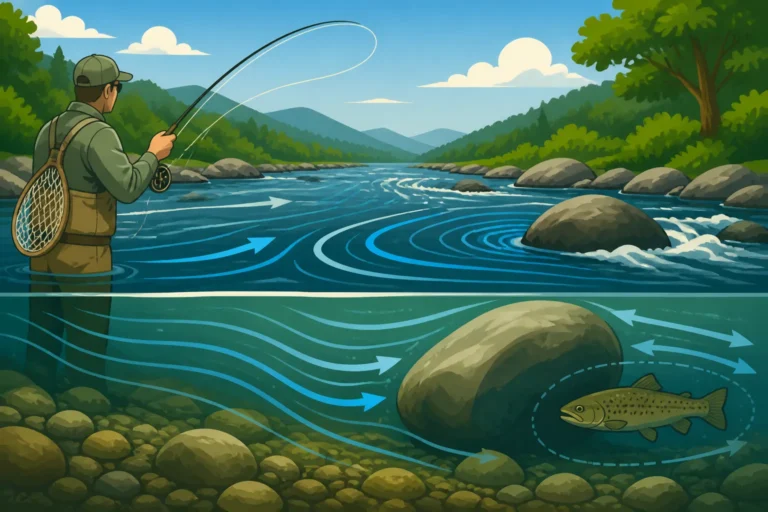
Both largemouth and smallmouth bass are classic dawn feeders. In freshwater lakes and rivers across Virginia, like Lake Anna, Lake Gaston, or the Shenandoah River, these fish will actively hunt in shallower waters or along structure during low light. Largemouth bass often lurk around docks, submerged timber, or weed lines, ambushing baitfish. Smallmouth bass, particularly in rocky rivers like the James or Shenandoah, will move out of deeper pools and eddies to feed on crayfish and baitfish along current breaks and rocky flats.
For largemouths, topwater lures like poppers, walking baits, and buzzbaits are incredibly effective. As the sun rises a bit more, switch to spinnerbaits or shallow-running crankbaits. For smallmouth, consider jerkbaits, small crankbaits, or soft plastic tubes and grubs worked along the bottom. The Best Time of Year for Bass Fishing in Virginia often coincides with these early morning feeding windows, especially during the spring and fall transitions.
Striped Bass and Walleye
If you’re chasing big striped bass, whether in the tidal rivers of the Chesapeake Bay or in landlocked impoundments like Smith Mountain Lake, dawn is absolutely prime time. These powerful predators use the low light to their advantage, pushing schools of baitfish against the surface or into shallow coves. Early morning trolling or casting topwater plugs and swimbaits can yield explosive strikes. The Smith Mountain Lake's Elite Virginia Striped Bass Fishery is renowned for its dawn striper bite.
Walleye, known for their light-sensitive eyes, are another species that thrives in low light. In lakes like Claytor Lake, they'll move into shallower areas, reefs, and points during dawn to feed on baitfish. Jigging with live bait or using stickbaits can be very effective. Since Walleye primarily rely on their superior low-light vision, the early morning hours are often the only reliable window for consistent action.
Trout and Panfish
For trout anglers, particularly those targeting brook, brown, or rainbow trout in Virginia's stocked trout waters or pristine wild trout streams, dawn signals the start of prime insect activity. As discussed, insect hatches often occur shortly after sunrise, prompting trout to feed aggressively on the surface. Fly fishing with dry flies that imitate emerging insects is incredibly productive. Even bait anglers will find success with natural baits like worms or salmon eggs as trout become more active. The Shenandoah River Trout Fishing Season in Virginia can be especially vibrant during these early hours.
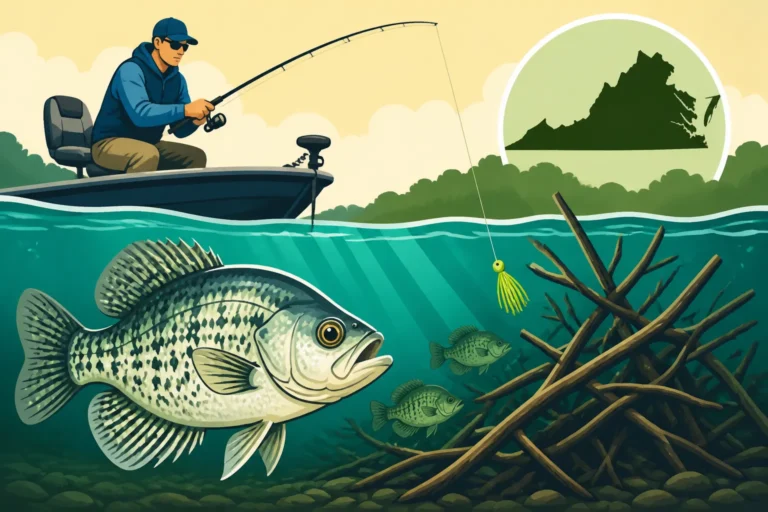
Panfish, like bluegill, crappie, and white perch, also benefit from the dawn conditions. They often move into shallower, warmer waters to forage for insects and small crustaceans. This makes them an excellent target for families and beginners. Casting small jigs, spinners, or simply fishing with a bobber and a worm or cricket can lead to steady action. If you're looking for the Best Fishing Spots Near Richmond, Virginia, many local ponds and rivers will offer excellent early morning panfish opportunities. Anglers can often find all the necessary light tackle and bait supplies at local tackle shops or easily order them from online retailers like Amazon.
A Strategic Approach to the Dawn Bite
Successfully capitalizing on the dawn bite is about more than just showing up early. It’s about understanding the subtle shifts in the environment and fish behavior that occur as night transitions to day, and then adapting your techniques accordingly.
Reading the Water in Low Light
One of the biggest challenges of dawn fishing is the limited visibility. You need to learn how to "read" the water with fewer visual cues. Look for subtle ripples that might indicate baitfish activity, the tell-tale splash of a feeding predator, or disturbances in the water's surface that suggest structure below. Pay attention to changes in current, water color, and shoreline features, even if they're dimly lit.
Using your ears is also critical. Listen for the sounds of jumping fish, the subtle swirl of a feeding bass, or the chirping of insects. These auditory clues can pinpoint activity even before you can visually confirm it. By combining visual and auditory observations, you can piece together a picture of what's happening beneath the surface, allowing you to make more informed casts and presentations.
Adapting as Light Levels Change
The dawn period is transient. What works perfectly in the pre-dawn gloom might be ineffective an hour after the sun is fully up. As light levels increase, fish often move deeper, seek out denser cover, or become more selective in their feeding. Your strategy needs to evolve with these changes.
Start with those aggressive topwater presentations or high-contrast lures. As the sky brightens, consider switching to subsurface baits that mimic natural forage, or even go to a more natural color pattern. If you were fishing shallow, gradually move to deeper edges, drop-offs, or denser cover where fish might retreat. This adaptive approach is key to maintaining a consistent bite throughout the morning. For example, during the Best Time of Day to Catch Bass in Summer, those early topwater strikes give way to targeting bass in deeper, cooler water as the sun climbs.
The Rewards of the Early Start
Beyond the increased catch rates, there’s a unique magic to fishing at dawn. The tranquility of the water, the crisp morning air, the vibrant colors of the sunrise – these elements combine to create an experience that transcends simply catching fish. It’s a chance to connect with nature, clear your head, and enjoy a peaceful solitude that’s hard to find later in the day.
So, the next time that alarm clock screams at an ungodly hour, remember the scientific advantages and the sheer beauty awaiting you on the water. Embrace the early start, prepare diligently, and you’ll likely find that the rewards far outweigh the momentary struggle of leaving your warm bed.
Disclaimer
This article is for general informational purposes only and does not constitute professional advice. Laws, prices and regulations vary by location and change over time. Consult a qualified professional for guidance on your specific situation.