Smith Mountain Lake’s Elite Virginia Striped Bass Fishery
For anglers who dream of feeling the powerful tug of a trophy fish, Smith Mountain Lake in Virginia often conjures images of epic striped bass battles. But for many, the sheer reputation of this "striper factory" can feel a bit overwhelming, leaving folks wondering where to even begin their pursuit of these landlocked giants. This comprehensive guide aims to cut through the noise, revealing exactly what makes Smith Mountain Lake an unparalleled striped bass fishery and equipping you with the knowledge to make your next trip a resounding success.
What Makes Smith Mountain Lake a Striper Paradise?
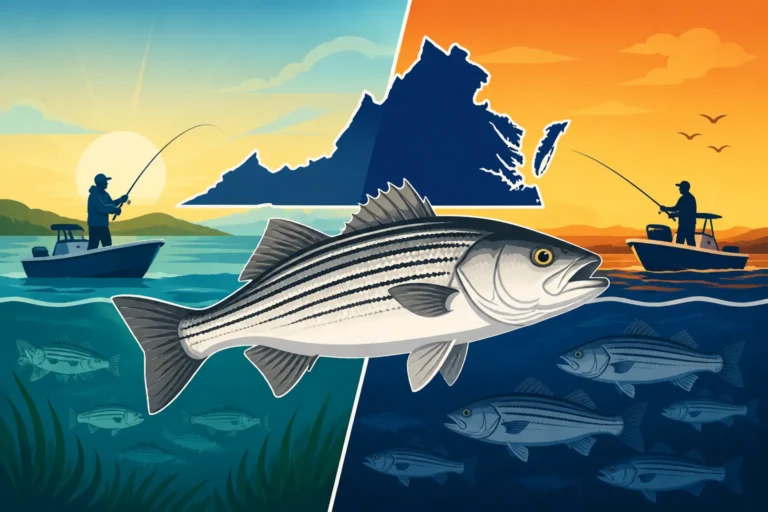
Smith Mountain Lake isn't just a great striper fishery; it's often hailed as one of the best on the East Coast for landlocked striped bass. This isn't just angler hype; it's a testament to a perfect storm of environmental factors and dedicated fishery management that creates an ideal habitat for these powerful fish. If you've ever wondered why so many folks flock here specifically for stripers, you're about to find out the secret sauce.
The Unique Environment and Forage Base
Imagine a massive reservoir, over 20,000 acres, carved out of the Appalachian foothills, with depths reaching well over 200 feet in places. That's Smith Mountain Lake. Its deep, clear waters provide the cold, oxygen-rich environment that striped bass, naturally an ocean-dwelling species, absolutely need to thrive in a freshwater setting. During the warmer months, the lake stratifies, creating a thermocline – a layer of abrupt temperature change – where stripers often congregate, finding their preferred cool water and ample oxygen levels.
But a great habitat is only part of the equation. What really fuels Smith Mountain Lake's striper population is its incredibly robust forage base, primarily threadfin and gizzard shad. These small, schooling baitfish are the primary food source for stripers, and SML has them in abundance. When you see those massive schools of bait on your sonar, rest assured, the stripers are likely not far behind, gorging themselves and growing to impressive sizes. Understanding this dynamic is key to unlocking the lake's potential. If you're looking to dive deeper into all the lake has to offer, check out our Smith Mountain Lake Fishing Guide.
A History of Stocking and Management
The incredible striper fishery at Smith Mountain Lake didn't happen by accident; it's the result of decades of careful planning and continuous effort by the Virginia Department of Wildlife Resources (DWR). Striped bass aren't naturally reproducing in sufficient numbers in most freshwater lakes, including SML, due to their specific spawning requirements that typically involve long river runs to tidal freshwaters. To counteract this, DWR has maintained a consistent and successful stocking program, releasing hundreds of thousands of fingerling stripers into the lake each year.
This consistent stocking, coupled with intelligent regulations on size and creel limits, ensures that the fishery remains healthy and sustainable. It allows fish to grow to mature sizes, providing both excellent sport fishing and opportunities for anglers to harvest a fish within legal limits. The DWR regularly conducts surveys and adjusts management strategies to optimize the health and productivity of the striper population, which is why Smith Mountain Lake continues to deliver. Familiarizing yourself with these efforts can give you a deeper appreciation for the resource. You can always find updated information on these regulations in our Virginia Striped Bass Season and Slot Limit Guide.
Trophy Potential and Consistent Action
One of the most compelling reasons anglers are drawn to Smith Mountain Lake is its consistent ability to produce not just numbers of fish, but truly impressive, trophy-sized striped bass. These aren't your average panfish; SML stripers are powerful, hard-fighting creatures that can test your tackle and your angling skills. It's not uncommon to hear tales of anglers battling stripers weighing in the double digits, with fish pushing 20, 30, or even 40 pounds being caught each year.
The thrill of that initial strike, the scream of your drag, and the sheer power these fish exhibit is an experience that keeps anglers coming back for more. Whether you're an experienced striper hunter or new to the game, SML offers a genuine chance at a fish of a lifetime. Beyond the trophy potential, the lake also provides reliable action, especially if you understand the seasonal patterns and preferred techniques. This combination of size and frequency makes SML truly elite.
Understanding Striped Bass Behavior in SML
Catching striped bass consistently on Smith Mountain Lake isn't just about throwing a lure in the water and hoping for the best. It's about understanding the nuances of their behavior, how they react to environmental changes, and where they're likely to be found throughout the year. These fish are constantly on the move, driven by instinct, forage availability, and water conditions. Getting inside their heads, even just a little, can dramatically increase your success rate.
Seasonal Movements and Patterns
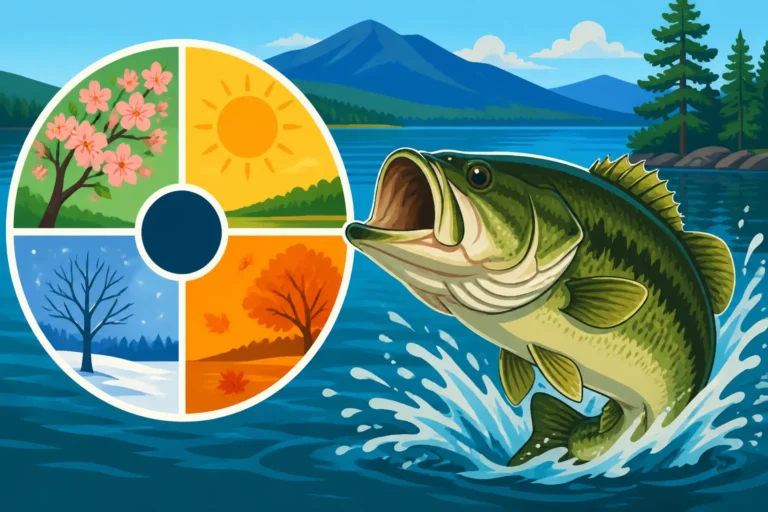
Striped bass in Smith Mountain Lake follow distinct seasonal patterns, largely dictated by water temperature and the availability of their primary food source, shad.
-
Spring (March – May): As water temperatures rise into the 50s and 60s, stripers become more active and start moving shallower. This is often a pre-spawn feeding frenzy, though they don't successfully spawn in the lake. You'll find them cruising points, humps, and coves, chasing schools of bait that are also moving into shallower, warmer waters. Topwater action can be phenomenal during low-light conditions, and they'll readily strike trolled baits and live shad.
-
Summer (June – August): Once the surface water heats up and the lake stratifies, stripers seek refuge in the cooler, oxygenated water of the thermocline, typically found anywhere from 20 to 50 feet deep. This means they often hold near deep structure like humps, channel edges, and submerged points. Night fishing becomes incredibly popular and productive as stripers move shallower under the cover of darkness to feed. Downriggers and planer boards are often essential for presenting baits at the correct depth.
-
Fall (September – November): As the lake's surface temperature begins to drop and the thermocline breaks up, stripers become incredibly active and aggressive. This is a prime time for a "fall feeding frenzy" as they gorge themselves in preparation for winter. They'll often form massive schools and chase bait to the surface, creating thrilling "topwater busts" that can be seen from a distance. Trolling, casting, and live baiting are all highly effective methods during this period.
-
Winter (December – February): In the coldest months, stripers typically move to the deepest parts of the lake, often suspending over structure or congregating in deep channels and creek arms. Their metabolism slows, so presentations need to be slower and more deliberate. Vertical jigging spoons or slow-trolling live bait can be very effective, targeting fish that are tightly schooled and lethargic. You can explore more about these general seasonal shifts in our Best Times to Fish in Virginia Throughout the Year article.
Identifying Striper Forage and Locating Schools
One of the most critical skills for a successful striper angler on Smith Mountain Lake is the ability to locate baitfish. Where the bait goes, the stripers follow. Modern sonar technology is an invaluable tool for this, allowing you to see schools of threadfin and gizzard shad as dense clouds or arches on your screen. You're not just looking for bait, though; you're looking for larger, distinct arches or marks within, above, or below the bait—these are your stripers.
Beyond electronics, keep a sharp eye on the surface of the water, especially during spring and fall. Diving birds, like gulls or ospreys, are often a dead giveaway that stripers are driving bait to the surface. Look for boils, splashes, or even entire schools of baitfish jumping out of the water in panic. This is known as a "topwater bust" and presents an incredible opportunity for exciting surface action. Learning to "read the water" and pay attention to these subtle clues is paramount. You might be surprised how much information the lake gives you if you're patient and observant. The dynamics of SML's striper population are truly fascinating, which is why we've dedicated so much to Smith Mountain Lake Striped Bass Fishing in Virginia.
The Impact of Water Temperature and Weather
Water temperature is perhaps the single most significant factor influencing striped bass behavior in Smith Mountain Lake. As a cool-water species, stripers are constantly seeking their preferred temperature range. This explains their deep movements in summer and shallower forays in spring and fall. An abrupt cold front, for instance, can shut down a bite by making fish lethargic and sending them deeper, while a prolonged warm spell in late fall can extend the topwater bite.
Weather patterns, beyond just temperature, also play a role. Overcast days or periods of light rain often lead to more active fish, as the reduced light penetration allows them to feel more secure in shallower water. Conversely, bright, sunny days with high-pressure systems can push fish deeper and make them less willing to bite, requiring more subtle presentations. Understanding how these factors interact will help you predict where stripers might be holding and how aggressively they might feed. This fundamental connection between water conditions and fish behavior is true for many species, and you can learn more about it in our Water Temperature and Fish Feeding Patterns guide.
Essential Techniques and Tackle for SML Stripers
Smith Mountain Lake stripers are cunning and powerful, demanding a variety of techniques and robust tackle to consistently bring them to the boat. You can't just rely on one trick; adaptability is the name of the game here. Whether you prefer the slow, steady pace of trolling or the adrenaline rush of live baiting, having the right gear and knowing how to use it will be your ticket to success.
Trolling for Deepwater Stripers
Trolling is perhaps the most popular and effective method for consistently catching striped bass on Smith Mountain Lake, especially during the summer and winter months when fish are holding deep. This technique involves dragging multiple lures or baits behind a moving boat, allowing you to cover vast areas and present your offerings at precise depths. To effectively troll for SML stripers, specialized gear is often employed.
Key Gear & Techniques:
- Downriggers: These devices allow you to send heavy weights, with your baited lines attached via releases, down to specific depths, putting your lures right in the strike zone.
- Planer Boards: Used to spread lines out to the sides of the boat, covering a wider swath of water and preventing tangles, especially when running multiple lines.
- Lead Core Line: This type of line sinks at a specific rate, allowing you to get lures deeper without additional weights, particularly useful for covering mid-range depths.
- Lures: Popular trolling lures include bucktail jigs, large swimbaits, Sassy Shads, deep-diving crankbaits, and umbrella rigs. The key is to match the size and color to the prevailing baitfish.
- Speed Control: Maintaining a consistent trolling speed (often 2-4 mph, but it varies) is crucial. A good GPS speed indicator is invaluable.
By carefully monitoring your sonar for bait and fish, you can adjust your trolling depth and pattern to intercept active schools. It's a game of patience and precision, but the rewards can be substantial. You can find many of these specialized trolling setups, from downriggers to specific lure brands, with a quick search on Amazon, making it easier to gear up for your next trip. Our guide on Smith Mountain Lake Striper Trolling Techniques in Virginia offers a more detailed breakdown.
Live Baiting for Big Bites
While artificial lures are effective, nothing quite rivals the allure of a struggling live baitfish for enticing a big, wary striper. Live baiting is a highly productive method on Smith Mountain Lake, particularly for targeting larger fish that might be hesitant to strike artificials. The most effective live baits are the natural forage species of the lake: gizzard shad and threadfin shad.
Obtaining and Rigging Live Bait:
- Cast Netting: Many serious striper anglers catch their own bait using cast nets, often targeting schools of shad at night under lights or early in the morning in creek arms. This requires skill and a good understanding of baitfish behavior.
- Bait Traps: Less common for shad, but sometimes used for smaller baitfish.
- Livewells: Once caught, shad must be kept alive and healthy in a well-aerated livewell. A good livewell system is non-negotiable for live baiting, and you can find various aerator pumps and even full livewell setups on Amazon.
- Rigging: Common live bait rigs include:
- Free-lining: Simply hooking a shad through the nose or back and letting it swim naturally with minimal weight. Great when fish are near the surface.
- Balloon Rigs: Using a balloon as a bobber to keep the bait suspended at a desired depth or to drift it across open water.
- Bottom Rigs: Using an egg sinker above a swivel and leader to get the bait down to fish holding on the bottom or suspended deep.
The key to live baiting is presenting a lively, healthy baitfish in an area where stripers are feeding. It often requires patience, but the payoff can be a truly memorable fight.
Casting and Jigging for Active Fish
When stripers are actively feeding, especially during the exciting "topwater bust" events in spring and fall, casting and jigging become incredibly effective and exhilarating methods. This is often the most interactive form of striper fishing, allowing you to directly cast to visible schools of feeding fish.
Casting Techniques:
- Topwater Lures: Poppers, walk-the-dog baits, and prop baits are incredibly exciting when stripers are crashing bait on the surface. The visual strike is unforgettable. Cast beyond the school and retrieve quickly through it.
- Soft Plastics: Flukes, swimbaits, and paddletail grubs rigged on jig heads are versatile. They can be cast to busting fish, retrieved over points, or allowed to sink and then retrieved with a steady retrieve or a "swim-and-fall" action.
- Jerkbaits: Suspended jerkbaits are excellent in cooler water, mimicing injured baitfish with a "twitch, twitch, pause" retrieve.
Jigging Techniques:
- Vertical Jigging: When stripers are holding deep over structure or schooling tight, vertical jigging with heavy spoons (e.g., Hopkins, Kastmaster) or blade baits can be deadly. Drop the jig to the fish's depth, then aggressively snap it up and let it flutter down.
- Flipping/Pitching: While more common for bass, lighter jigs or soft plastics can be pitched into tight cover or under docks where stripers might be lurking.
Being ready with the right casting gear can turn a quiet morning into an unforgettable feeding frenzy. While we often think of jigs for other species, the principles of presenting a jig effectively can apply to stripers too, as discussed in our How to Fish a Jig for Largemouth Bass article.
Rods, Reels, and Line Choices
To consistently battle Smith Mountain Lake's powerful striped bass, you need gear that can stand up to the challenge. These fish are not dainty, and they will exploit any weakness in your tackle.
- Rods: Look for medium-heavy to heavy-action spinning or baitcasting rods, typically 7 to 8 feet long. These provide the backbone needed to cast heavy lures and baits, absorb the shock of a striper's powerful run, and bring a big fish to the boat. A fast tip can help with casting accuracy and detecting subtle bites.
- Reels: High-quality, robust spinning or baitcasting reels with strong, smooth drag systems are essential. They need to have ample line capacity, as a large striper can make long, powerful runs. Look for reels designed for saltwater use, as their components are more durable.
- Line:
- Braided Line: Many anglers prefer braided line (30-50 lb test) as their main line due to its incredible strength-to-diameter ratio, lack of stretch (for better feel), and long casting distance. Its sensitivity helps detect subtle bites.
- Monofilament Line: Some prefer monofilament (17-25 lb test) for its shock absorption, which can be beneficial with certain lures or when trolling.
- Fluorocarbon Leaders: Regardless of your main line, a 20-40 lb fluorocarbon leader (3-6 feet long) is highly recommended. Fluorocarbon is nearly invisible underwater, more abrasion-resistant, and provides a bit of stretch, acting as a shock absorber.
Don't skimp on your tackle for SML stripers. Investing in quality rods, reels, and line will pay dividends in landed fish and fewer frustrating break-offs. If you're building your striper arsenal, a quick look on Amazon can reveal a wide range of options for heavy-duty rods, reels with excellent drag systems, and various line types to suit your preference.
Navigating Regulations and Ethical Angling
Fishing for striped bass on Smith Mountain Lake is an incredible experience, but it comes with the responsibility of understanding and adhering to regulations and practicing ethical angling. Virginia's DWR works tirelessly to maintain a healthy and sustainable fishery, and every angler plays a role in that effort. Ignoring the rules isn't just illegal; it can harm the very resource we all enjoy.
Virginia Fishing Licenses and Specific SML Rules
Before you even think about wetting a line in Smith Mountain Lake, ensure you have a valid Virginia fishing license. This is non-negotiable for all anglers above a certain age, and game wardens are frequently out on the water checking for compliance. It's not just a formality; the revenue from license sales directly funds the conservation efforts, including the striper stocking programs that make SML so productive.
Beyond the general license, it's absolutely crucial to familiarize yourself with the specific regulations for striped bass on Smith Mountain Lake. These rules, including size limits, creel limits (how many fish you can keep), and potential seasonal closures, can change. What applies to other lakes or saltwater environments might not apply to SML. Always check the current Virginia DWR fishing regulations before you go. A quick search on their website or picking up a physical guide wherever licenses are sold is a smart move. Violations can lead to hefty fines and confiscation of your catch and gear. For a broader understanding of what's required, take a look at our Virginia Fishing License Guide and Virginia Fishing Regulations Explained.
Catch and Release Best Practices
Many anglers come to Smith Mountain Lake not just for the table fare, but for the thrilling fight of a large striped bass. If you plan to practice catch and release, especially with larger fish or during warmer months when water temperatures are high, it's vital to employ best practices to ensure the fish's survival. Striped bass, particularly those caught from deep water, can be susceptible to stress and mortality if not handled properly.
- Minimize Fight Time: Use appropriate tackle to bring the fish in as quickly as possible, reducing exhaustion.
- Handle With Care: Avoid touching the fish's gills or eyes. If possible, keep the fish in the water while unhooking. Use wet hands if you must handle it, as dry hands can remove the protective slime coat.
- Use Pliers/Dehookers: Have needle-nose pliers or a dehooking tool ready to quickly remove hooks. Barbless hooks can make release even easier.
- Revive the Fish: If a fish appears lethargic, hold it upright in the water, facing into a gentle current (or gently move the boat forward if stationary), allowing water to flow over its gills until it swims away under its own power. Don't just toss it back if it's struggling.
By following these practices, you contribute to the long-term health and vitality of Smith Mountain Lake's incredible striper fishery, ensuring future generations can enjoy the same thrilling battles.
Respecting the Environment and Fellow Anglers
Smith Mountain Lake is a beautiful natural resource, and it's up to all of us to keep it that way. Practicing "leave no trace" principles is not just good etiquette; it's essential for preserving the environment. This means taking all your trash with you, including discarded fishing line, bait containers, and food wrappers. Remember, plastics and fishing line are especially harmful to wildlife.
Beyond environmental responsibility, courtesy on the water goes a long way. Smith Mountain Lake can get busy, especially on weekends and holidays.
- Give Space: When approaching other boats, especially those trolling or anchored, give them plenty of room. Don't cut in front of lines or blast through an area where other anglers are actively fishing.
- Boat Ramps: Be efficient at boat ramps. Have your boat prepped and ready to launch, and move quickly once you're on the ramp to allow others access.
- Noise Levels: Be mindful of excessive noise, especially during early morning or late evening hours when other anglers are often trying to be stealthy.
A little respect for both the environment and your fellow anglers ensures that everyone can have an enjoyable and productive day on the water.
Planning Your Smith Mountain Lake Striper Adventure
Embarking on a striper fishing trip to Smith Mountain Lake should be more than just a spur-of-the-moment decision. With a little planning, you can significantly increase your chances of success and ensure a more enjoyable, stress-free experience. From deciding whether to go it alone or hire a guide to packing the right essentials, being prepared is key to unlocking the lake's striper potential.
Hiring a Local Striper Guide
For many anglers, especially those visiting Smith Mountain Lake for the first time or those looking to learn the ropes of striper fishing, hiring a local guide is an invaluable investment. A professional striper guide brings a wealth of knowledge and experience to the table that can dramatically fast-track your success.
Benefits of a Guide:
- Local Knowledge: Guides spend hundreds of days on the water each year. They know where the fish are, what they're biting on, and how their behavior changes with conditions. This local insight is priceless.
- Specialized Equipment: Most guides come equipped with top-of-the-line rods, reels, sonar, downriggers, and often, fresh live bait. This saves you the expense and hassle of acquiring specialized gear yourself.
- Learning Opportunity: A good guide will not only put you on fish but will also teach you the techniques, presentational nuances, and strategies specific to SML stripers. It's like a hands-on masterclass.
- Increased Success: While no guide can guarantee fish, your chances of catching stripers, especially quality fish, are significantly higher with someone who knows the lake intimately.
If you're serious about learning or want the best chance at a trophy, consider booking a trip with one of the many excellent guides on the lake. We've compiled more information on these services in our guide to Smith Mountain Lake Fishing Guides in Virginia.
Essential Gear Beyond Rods and Reels
While we've discussed specialized fishing tackle, a successful day on Smith Mountain Lake requires a few more essentials to ensure comfort, safety, and a positive experience. It's easy to overlook these items in the excitement of planning, but they can make a huge difference.
- Cooler: Essential for keeping drinks and snacks cold, and for transporting your legal catch home on ice.
- Sun Protection: Smith Mountain Lake is wide open, and the sun can be intense, especially with the reflection off the water. Pack high SPF sunscreen, a wide-brimmed hat, and polarized sunglasses (which also help you spot fish!).
- Rain Gear: Weather can change quickly. A lightweight, waterproof jacket and pants will keep you comfortable if a pop-up shower hits.
- First Aid Kit: For minor cuts, scrapes, and other emergencies.
- Navigation & Fish Finder (if using your own boat): A reliable GPS system on your boat's console or a dedicated handheld unit is crucial for navigating the lake's many coves and channels. A quality fish finder is non-negotiable for locating structure, bait, and stripers.
- Food and Water: Staying hydrated and fueled will keep your energy up for those long hours on the water.
- Camera: To capture those memorable catches!
Don't forget to pack a good sturdy tackle box, too. You can find many robust and organized tackle box options, along with items like specialized fishing pliers and other accessories, readily available on Amazon to ensure you're fully equipped. For a more comprehensive list of items, tailored for any fishing excursion, check out What to Bring on a Virginia Fishing Charter.
Best Times of Day and Year for Success
Timing is everything when it comes to striper fishing on Smith Mountain Lake. While you can catch stripers year-round, certain times of day and seasons offer distinct advantages.
-
Times of Day:
- Dawn and Dusk: These low-light periods are often prime feeding times for stripers, especially when they move shallower to ambush bait. Topwater action can be phenomenal at sunrise and sunset.
- Night Fishing: During the hot summer months, many anglers switch to night fishing. Stripers are often more comfortable feeding closer to the surface under the cover of darkness, making for some incredibly exciting and productive trips.
- Mid-day: Can be productive, especially during cooler months or when targeting deep, suspended fish with trolling or vertical jigging techniques.
-
Best Seasons:
- Spring (March-May): Excellent for aggressive, shallower-feeding stripers. Great for casting, trolling, and live bait.
- Fall (September-November): Arguably the most popular season due to the "fall feeding frenzy." Stripers are incredibly active, often busting bait on the surface, making for explosive action.
- Summer (June-August): While fish go deep, it's a very productive time for downrigging, live bait, and night fishing.
- Winter (December-February): Requires more patient, slower presentations, but can yield some of the largest fish as they school tightly in deep water.
By aligning your fishing schedule with these peak times, you dramatically increase your odds of a successful and unforgettable Smith Mountain Lake striper adventure.
Smith Mountain Lake Striper Season Overview
When planning your trip to Smith Mountain Lake, it’s really helpful to have a clear picture of what to expect for striped bass throughout the year. The lake offers different opportunities in each season, and knowing these patterns will help you choose the best time to visit or adjust your tactics.
| Season | Striper Behavior & Location | Common Techniques | Recommended Gear & Bait |
|---|---|---|---|
| Spring (March-May) | Active, pre-spawn feeding. Found shallower (points, coves, humps). Often chasing bait to surface. | Trolling with swimbaits, jerkbaits. Casting topwater lures, soft plastics. Live baiting shad. | Medium-heavy casting/spinning rod, 17-25lb mono or 30-40lb braid, fluorocarbon leader. Livewell for shad. |
| Summer (June-Aug) | Retreats to cooler, oxygenated water in thermocline (20-50ft+). Moves shallower at night. | Downrigging with live shad or deep-diving crankbaits. Night fishing with topwater/jigs. | Downriggers, heavy casting rods, braided line for depth control. Headlamps for night fishing. |
| Fall (Sept-Nov) | Highly active, aggressive feeding frenzy. Schools break bait to surface ("busts"). Wide range of depths. | Trolling, casting topwater, swimbaits, bucktails. Live baiting. Vertical jigging. | Versatile medium-heavy setups. Variety of lures. |
| Winter (Dec-Feb) | Deeper, lethargic. Often suspended over channel edges or deep structure. Tightly schooled. | Slow trolling live bait. Vertical jigging spoons. | Sensitive medium-heavy rods. Heavy jigging spoons, Gulp! or similar soft plastics. |
Disclaimer
This article is for general informational purposes only and does not constitute professional advice. Laws, prices and regulations vary by location and change over time. Consult a qualified professional for guidance on your specific situation.