What to Bring on a Virginia Fishing Charter
Oh, the excitement of booking a Virginia fishing charter! You've got your spot reserved, the anticipation is building, and you're already dreaming of that big catch. But then, a wave of panic hits: what exactly do I need to bring? It’s a common worry, and frankly, it can feel overwhelming trying to figure out what’s essential and what’s overkill. Nobody wants to be caught offshore without a crucial item, nor do you want to drag along a giant cooler of unnecessary gear. This comprehensive guide is here to cut through that confusion, helping you pack smart so you can relax and fully enjoy your adventure on Virginia's beautiful waters.
Essential Documents and Licenses for Your Trip
Before you even think about rods or reels, let's talk paperwork. This is perhaps the most critical part of preparing for any fishing trip, especially a charter. Forgetting the right documents can, at best, cause delays and, at worst, prevent you from fishing altogether. Nobody wants to be that person holding up the boat because their license isn't in order.
Virginia Fishing License Requirements
Virginia has specific rules about who needs a license and what type. Generally, if you're over a certain age (usually 16) and plan to fish, you'll need a valid Virginia fishing license. This applies whether you're a resident or an out-of-state visitor. There are different licenses for freshwater and saltwater, and sometimes combination licenses, so it's vital to get the correct one for where your charter will be taking you. Most coastal charters will require a saltwater license, while inland lake or river guides will require a freshwater license. Sometimes, the charter captain's license covers everyone on board, but never assume this. Always confirm with your charter captain ahead of time. It's always better to be over-prepared than under-prepared when it comes to legal requirements.
You can often purchase your license online through the Virginia Department of Wildlife Resources (DWR) website, or from authorized agents like sporting goods stores and bait shops. Be sure to do this well in advance of your trip, just in case there are any hiccups with the online system or if you need to locate an agent. Having a physical copy is always a good idea, but a digital copy on your phone is usually accepted as well. Remember, this is about making sure you can legally participate and avoid any issues with game wardens, who do check for compliance. For more details, you might want to check out Virginia Fishing License Guide or How to Get a Fishing License in Virginia.
Personal Identification and Emergency Contacts
Beyond your fishing license, always carry a valid form of personal identification, such as a driver's license or state ID. This is standard procedure for any outdoor activity and can be crucial in unforeseen circumstances. While we all hope for smooth sailing, emergencies can happen, and having your ID readily available makes things much simpler for first responders or medical personnel. It helps identify you quickly and can provide important information about your address and even emergency contacts.
It's also a smart practice to have a written or digital list of emergency contacts, including names, phone numbers, and any relevant medical information (allergies, medications, pre-existing conditions). While your charter captain should be prepared for emergencies, having this information easily accessible for you can save precious time. Consider keeping this in a waterproof bag or pouch along with your ID and license. It’s a small step that offers significant peace of mind.
Clothing and Personal Comfort Items
The weather on the water can change in an instant. A sunny, calm morning can quickly turn into a breezy, overcast, or even rainy afternoon. Dressing appropriately is key to staying comfortable and enjoying your time, regardless of what Mother Nature throws at you. Layering is always the name of the game.
Layering for Variable Weather
The golden rule for fishing attire, especially on a boat, is layering. Start with a base layer that wicks moisture away from your skin, like a synthetic blend or merino wool. Avoid cotton directly against your skin, as it retains moisture and can make you feel cold and clammy once wet. Over this, add a mid-layer for insulation, such as a fleece jacket or a light down vest. Finally, an outer layer that is waterproof and windproof is absolutely essential. This could be a lightweight rain jacket and pants that pack down easily. Even on a perfectly clear day, the spray from the boat or an unexpected shower can drench you quickly.
Think about the time of year and the specific forecast, but always prepare for conditions to be cooler and windier on the water than on land. An early morning departure can be chilly, even in summer, but the midday sun can be intense. Being able to shed or add layers as needed will make a world of difference in your comfort levels. Don't forget that if your charter is for a particular species like striped bass, Virginia Striped Bass Season and Slot Limit Guide might give you an idea of the time of year, helping you pack accordingly for the typical weather.
Sun Protection Essentials
The sun's reflection off the water amplifies its intensity, making sun protection non-negotiable. Sunburn can quickly ruin a great day on the water and lead to long-term skin damage. Start with a wide-brimmed hat or a baseball cap with a neck gaiter (buff) to protect your face, ears, and neck. These buffs are fantastic because they're lightweight, offer excellent UV protection, and can be pulled up over your nose and mouth for extra coverage.
High-SPF sunscreen (at least SPF 30, preferably 50 or higher) should be applied generously to all exposed skin and reapplied every couple of hours, especially if you're sweating or getting wet. Don't forget often-missed spots like the tops of your ears, neck, and the backs of your hands. Polarized sunglasses are also a must. Not only do they protect your eyes from harmful UV rays, but they also cut the glare off the water, allowing you to see deeper and sometimes even spot fish or underwater structure. This can be a huge advantage, especially when you're trying to spot a school of baitfish or the tell-tale sign of a big fish chasing its prey.
Comfortable Footwear
Your feet will thank you for wearing appropriate footwear. Closed-toe shoes with non-slip soles are the safest and most practical choice for a boat. Think boat shoes, deck shoes, or sturdy athletic sneakers. Avoid flip-flops or open-toed sandals, as they offer little protection from hooks, falling gear, or slippery decks. Plus, you don't want to accidentally kick a fish that just came aboard!
The deck of a boat can get wet and slick, even on a calm day, so good traction is paramount for safety. You'll be standing for long periods, so comfort is also key. Wet socks can lead to blisters, so consider bringing an extra pair, especially if you anticipate getting splashed. Your comfort from the ground up significantly impacts your overall enjoyment of the trip.
Food, Drinks, and Snacks
A day on the water, whether it’s a half-day or a full-day charter, uses a lot of energy. The sun, the fresh air, the excitement of fishing – it all adds up. You’ll be grateful for a well-packed cooler. Most charters won't provide food, so this is entirely up to you.
Hydration is Key
Perhaps the most important item in your cooler is plenty of water. Dehydration can creep up on you quickly, especially under the sun and wind exposure. Bring more water than you think you’ll need. Electrolyte drinks or sports drinks can also be beneficial, especially on warmer days, to help replenish what your body loses through sweat. Staying hydrated is crucial for maintaining energy levels, avoiding headaches, and simply feeling your best throughout the trip.
While some might enjoy an adult beverage on the boat, it's essential to do so responsibly and in moderation. Many captains have strict policies regarding alcohol consumption for safety reasons. Always check with your charter captain beforehand about their specific rules on alcohol. Never bring glass bottles, as broken glass on a boat deck is a significant hazard. Cans or plastic bottles are much safer.
Easy-to-Eat Snacks and Meals
For food, think practical and mess-free. Sandwiches, wraps, and pre-cut fruits and vegetables are excellent choices. Snack bars, trail mix, and jerky are also great for quick energy boosts. Avoid anything that requires elaborate preparation or creates a lot of waste. You want to spend your time fishing, not fiddling with complicated food.
If you’re on a full-day charter, a more substantial meal is a good idea. Pack items that can be eaten cold or at room temperature, as there typically won't be facilities to heat food. Keep everything in easily accessible, resealable containers or bags. And remember to pack out everything you bring in, including all wrappers and food scraps, to keep Virginia's waterways clean.
Cooler Considerations
Bring a cooler that's appropriate for the size of your group and the length of your trip. A small, personal cooler is often sufficient for individual snacks and drinks. Many charters will have a large cooler for communal use, like storing your catch, but you'll likely want your own for your personal refreshments. Labeling your cooler or personal bags is a good idea, especially if you're on a shared charter, to avoid any mix-ups. Also, pack ice or ice packs to keep everything fresh and cold.
Fishing Gear: What's Provided vs. What to Bring
This is where the confusion often lies. Most charter boats come fully equipped with rods, reels, bait, and tackle. After all, you're paying for their expertise and specialized gear! However, there are times when bringing a few personal items can enhance your experience.
Standard Gear Provided by Charters
Generally, your charter fee covers all the necessary fishing gear. This includes rods and reels matched to the target species, terminal tackle (hooks, weights, swivels), and often live or artificial bait. The captain and crew know what works best in their local waters and for the fish they're targeting. They have invested in high-quality, well-maintained equipment that can handle big fish and the rigors of saltwater or heavy freshwater use. This is one of the biggest advantages of booking a charter – you don't need to own expensive gear or worry about its maintenance.
They'll also typically provide the necessary safety equipment like life jackets, first-aid kits, and communication devices. Some charters even have coolers for your catch and will clean your fish for you at the end of the day. It's always a good idea to confirm What's Included in a Virginia Fishing Charter when you book. You can usually find this information on the charter's website or by asking the captain directly. When using a platform like FishingBooker, these details are often clearly listed in the charter description, making it easy to see what’s covered.
Personal Fishing Gear to Consider Bringing
While the charter provides the essentials, you might still want to bring a few personal items. If you have a favorite lucky rod and reel setup that you're comfortable with, and it's appropriate for the type of fishing, ask the captain if you can bring it. Some captains are fine with it, while others prefer you use their gear to avoid tangles or issues with unfamiliar equipment. Never bring more than one rod unless specifically instructed.
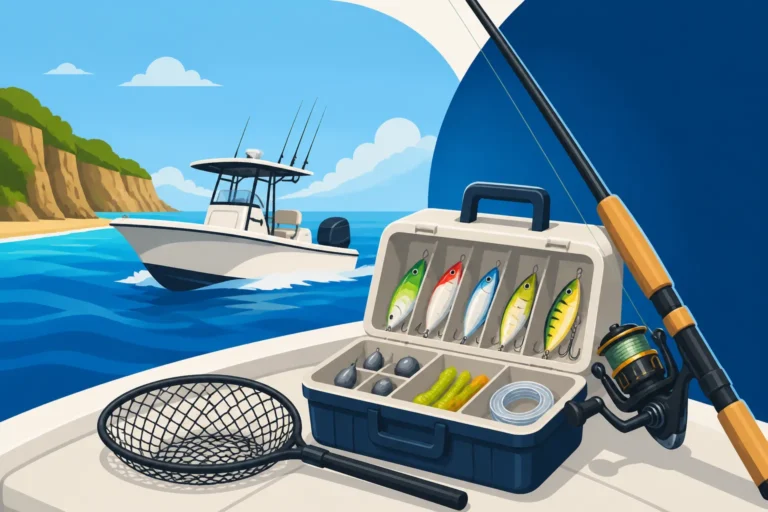
Other personal items that can be useful include a small tackle box with your favorite lures or specific types of hooks you prefer, though again, confirm with the captain first. A good pair of fishing pliers (multi-tool style) can be incredibly handy for cutting line, removing hooks, and making minor adjustments. A quality fishing towel is also great for wiping hands or cleaning up small messes. If you're passionate about a specific technique or lure, discuss it with your captain beforehand; they might even incorporate it into the day's plan if it makes sense.
Handling Your Catch
Most charters will have a cooler with ice to store your catch. Some even provide cleaning services at the dock. Be sure to ask about this when you book. If they don't, you'll need to be prepared to transport your fish home. This might mean bringing your own large cooler filled with ice for the drive. Check local regulations on how fish must be stored, especially if they need to remain whole for length verification. This is another area where a quick check on the DWR website or a chat with your captain can prevent a lot of hassle.
Safety and First Aid Essentials
Safety is paramount on any boat trip. While your charter captain is a professional who prioritizes your well-being and has mandatory safety equipment on board, bringing a few personal safety items is always a smart move for your own comfort and peace of mind.
Personal Medications and First Aid
If you take any prescription medications, make absolutely sure you bring enough for the entire duration of your trip, plus a little extra in case of unexpected delays. Keep them in their original containers and easily accessible, preferably in a waterproof bag. It's also wise to inform the captain of any critical medical conditions or allergies, just as a precaution.
For general first aid, a small, personal kit can be very useful for minor scrapes, cuts, or headaches. Include pain relievers, adhesive bandages, antiseptic wipes, and any personal allergy medications like antihistamines. While the boat will have a comprehensive first-aid kit, having your own readily available for small issues means less disruption to the fishing. Motion sickness medication is a big one for many anglers. If you're prone to seasickness, take medication before you board the boat, as it's often too late once symptoms set in. Ginger candies or anti-nausea wristbands can also provide some relief.
Communication Devices and Chargers
Your cell phone is a lifeline, but cell service can be spotty or non-existent offshore. Always bring your phone, but understand its limitations. A portable power bank or charger is a great idea to keep your phone charged throughout the day, especially if you're using it for photos or relying on a fishing app. Keep your phone in a waterproof case or bag to protect it from splashes.
While the captain will have marine radios and other communication tools, your phone can still be useful for emergencies if you're close enough to shore or for contacting family and friends after the trip. Some people even bring satellite communicators for truly remote trips, though this is less common for standard Virginia charters.
Miscellaneous but Handy Items
Beyond the core essentials, a few other items can make your Virginia fishing charter experience more comfortable and enjoyable. These might not be critical for safety or legality, but they certainly add to the quality of your day.
Camera and Ziploc Bags
You're going to want to capture those memories! A good camera (whether it's your phone or a dedicated waterproof action camera) is essential for photos of your big catch, the beautiful Virginia scenery, and candid moments with friends or family. Just remember to protect it from water. A waterproof case for your phone or a GoPro-style camera is ideal.
Bringing a few extra Ziploc bags, in various sizes, is surprisingly handy. They're perfect for protecting electronics, keeping snacks separate, stashing trash, or even bagging up small treasures you might find. They take up virtually no space and are invaluable for keeping things organized and dry.
Small Backpack or Dry Bag
To keep all your personal items organized, dry, and easily accessible, a small backpack or a dry bag is highly recommended. A dry bag, in particular, is designed to keep its contents completely dry, even if it gets submerged, which offers excellent peace of mind for your electronics, wallet, and other valuables. It helps consolidate all your gear into one manageable package, making it easy to bring aboard and store on the boat without cluttering the deck.
Cash for Gratuities and Incidentals
While many charter services allow you to pay your fee upfront, it's customary to tip your captain and crew. These folks work incredibly hard to ensure you have a safe, fun, and successful trip. A common tipping guideline is 15-20% of the charter fee, especially if they've gone above and beyond. Bringing cash for this purpose is often preferred and makes the process smooth.
Additionally, a little extra cash can be handy for any incidentals, like buying extra bait at the dock (if not provided), grabbing a snack from a marina store before or after the trip, or purchasing a souvenir. It’s always good to be prepared for those small, unexpected expenses. For more on this, you might find Tipping Norms for Virginia Fishing Charter Crews helpful.
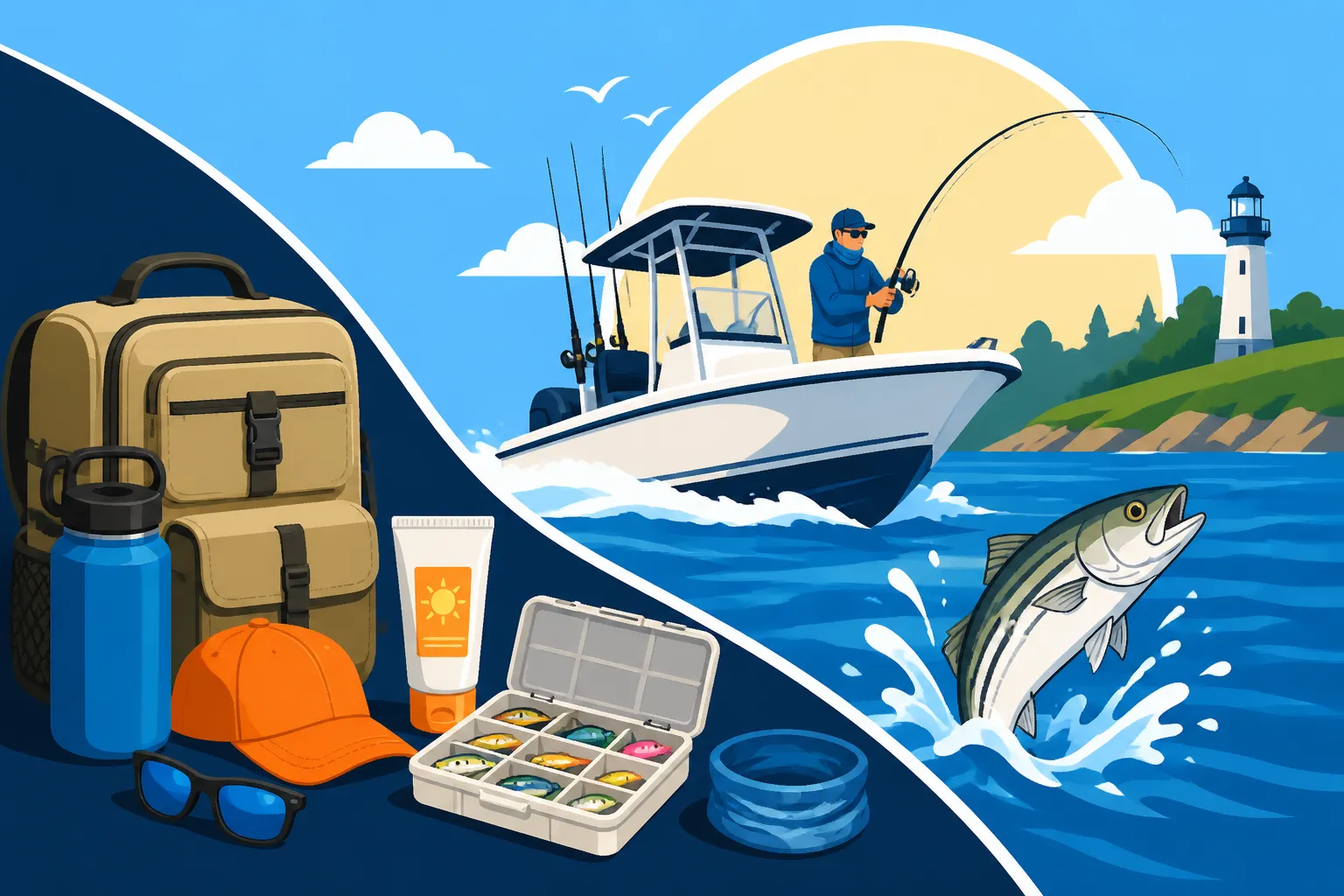
Here's a handy checklist to help you organize your packing:
| Category | Item | Notes |
|---|---|---|
| Documents | Virginia Fishing License | Required for most anglers. Confirm with captain if covered. |
| Photo ID | Driver's license or state ID. | |
| Emergency Contact Info | Written or digital list with medical info. | |
| Clothing & Comfort | Moisture-wicking base layer | Avoid cotton directly against skin. |
| Insulating mid-layer | Fleece or light jacket. | |
| Waterproof/windproof outer layer | Rain jacket and pants. | |
| Wide-brimmed hat/cap with neck gaiter | Sun protection for face, ears, neck. | |
| Polarized sunglasses | Protect eyes, reduce glare. | |
| Non-slip, closed-toe shoes | Boat shoes, deck shoes, or sturdy sneakers. | |
| Extra socks | In case feet get wet. | |
| Food & Drink | Plenty of water | Stay hydrated! |
| Electrolyte drinks | For hot days or long trips. | |
| Easy-to-eat snacks | Sandwiches, wraps, fruit, nuts, bars. | |
| Small, personal cooler with ice | For your food/drinks. Confirm if boat has communal space. | |
| Personal Care | High-SPF sunscreen (30-50+) | Reapply frequently. |
| Lip balm with SPF | Protect lips from sun and wind. | |
| Motion sickness medication | Take before boarding if prone to seasickness. | |
| Gear & Tech | Small personal tackle box (optional) | Check with captain first. |
| Fishing pliers/multi-tool | Handy for hooks, line. | |
| Fishing towel | For wiping hands or gear. | |
| Waterproof phone case/dry bag | Protect electronics. | |
| Portable power bank for phone | Keep devices charged. | |
| Camera (waterproof if possible) | Capture memories! | |
| Miscellaneous | Small backpack or dry bag | Keep all personal items organized and dry. |
| Ziploc bags (various sizes) | For protection, storage, trash. | |
| Cash for gratuities/incidentals | Tipping is customary; helpful for small purchases. |
By carefully considering each of these categories and packing thoughtfully, you'll be well-prepared for whatever your Virginia fishing charter brings. Remember, the goal is to maximize your enjoyment and minimize any potential discomfort or hassle. When you're ready to book your next adventure, resources like FishingBooker can help you find the perfect charter and even often detail what to bring. A little preparation goes a long way toward a truly memorable day on the water! You can also look into Virginia's Saltwater and Freshwater Fishing Guide Options to see what kind of adventures are out there, or explore Family-Friendly Fishing Charters in Virginia if you're bringing the whole crew.
Disclaimer
This article is for general informational purposes only and does not constitute professional advice. Laws, prices and regulations vary by location and change over time. Consult a qualified professional for guidance on your specific situation.