What Gear Is Provided on a Virginia Fishing Charter
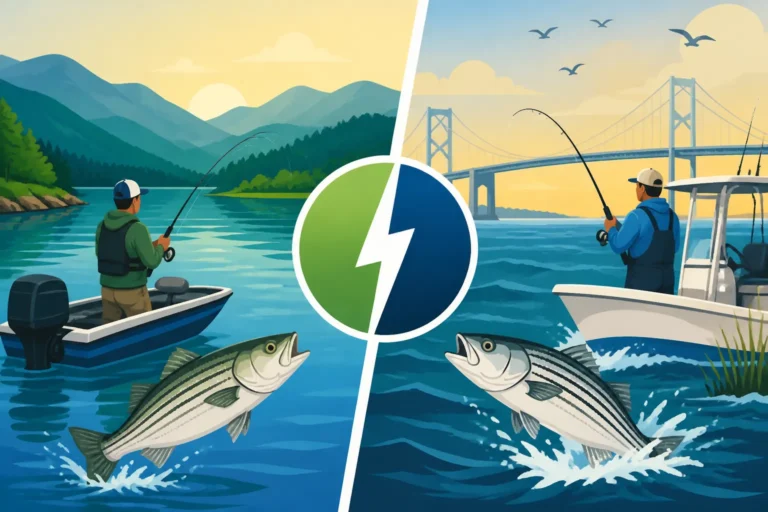
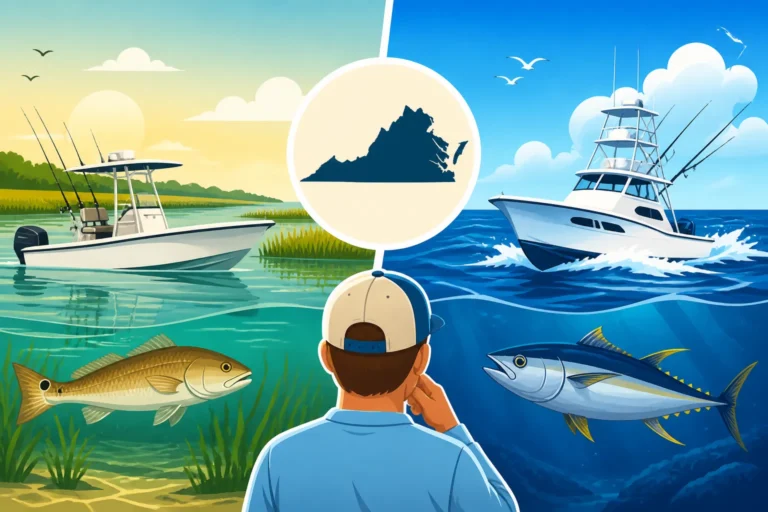
Heading out on a Virginia fishing charter can be one of the most exciting ways to experience our state's incredible waters, whether you're chasing big stripers in the Bay or bass on a serene lake. But before you even step foot on the boat, a common question often pops up: what fishing gear does the charter actually provide, and what do I need to bring myself? This guide will cut through the confusion, outlining exactly what you can expect your captain to have on board so you can pack smart and focus on landing that trophy catch.
What to Expect Gear-Wise: The Basics Covered
When you book a fishing charter in Virginia, one of the biggest benefits is that you don't have to haul your entire tackle box or invest in expensive, specialized equipment. The captain and crew are there to provide the core tools you'll need for a successful day on the water. This frees you up from a lot of prep work and ensures you're using gear specifically suited for the target species and local conditions.
Rods and Reels: Your Primary Tools
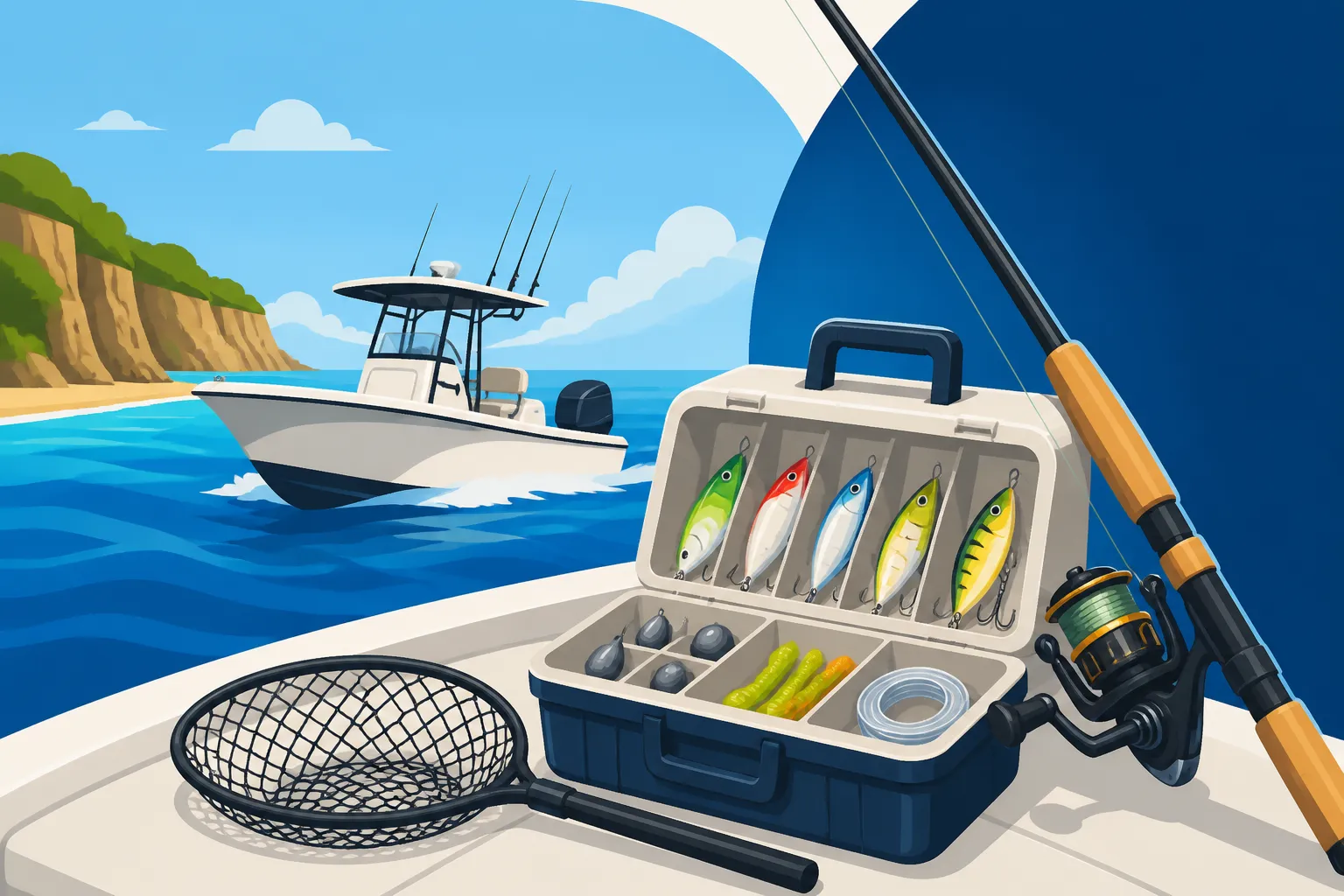
Almost without exception, your Virginia fishing charter will supply all the necessary rods and reels for your trip. This isn't just a convenience; it's a necessity, as different fish species and fishing techniques require very specific setups. Imagine trying to catch a hefty striped bass in the Chesapeake Bay with a lightweight freshwater spinning rod – it simply wouldn't work, and you'd likely end up with broken gear and a lost fish.
Captains invest heavily in high-quality, well-maintained equipment that can handle the local fish. For example, if you're targeting big rockfish, your charter will have robust conventional setups or heavy-duty spinning gear capable of handling powerful runs and potentially large weights for bottom fishing. If you're heading to an inland lake for largemouth bass, they'll have a selection of baitcasting and spinning outfits perfectly matched for casting various lures and fighting those feisty freshwater fighters. This specialization is a huge advantage, as you get to use professional-grade gear without the upfront cost or the headache of figuring out what to buy. You can often find detailed descriptions of what's provided when you're looking through listings on platforms like FishingBooker, which can help you choose the right trip for your fishing style.
Bait and Tackle: The Essentials
Beyond the rods and reels, the bait and tackle are another crucial component that charters almost always provide. This is where the captain's local knowledge truly shines. They know exactly what the fish are biting on that day, whether it's live eels for stripers, fresh cut bait for catfish, or a specific color jig for crappie. Sourcing live bait, especially, can be a time-consuming and sometimes costly endeavor for individual anglers, but it’s handled for you on a charter.
"Tackle" encompasses a wide array of items, including hooks, weights, leaders, swivels, and a variety of artificial lures. The charter crew will have these meticulously organized and ready to go, ensuring that if a certain lure or bait isn't producing, they can quickly switch to something else. This adaptability, driven by the captain's constant monitoring of conditions and fish behavior, greatly increases your chances of success. It saves you from having to purchase a vast selection of tackle that you might only use once, making the experience more efficient and enjoyable.
Safety Equipment: A Non-Negotiable
This is perhaps the most critical category of items provided by any legitimate Virginia fishing charter. Safety equipment isn't just a courtesy; it's a legal requirement, and reputable captains adhere strictly to Coast Guard regulations. You can rest assured that your charter boat will be equipped with all the necessary safety gear to keep everyone on board protected.
This typically includes Coast Guard-approved life jackets for every passenger, including appropriately sized ones for children. Beyond flotation devices, you'll find essential items like first-aid kits, fire extinguishers, flares or other visual distress signals, and communication devices such as VHF radios. Larger vessels might also carry EPIRBs (Emergency Position Indicating Radio Beacons) or satellite phones for offshore trips. Before setting out, your captain should always provide a brief safety orientation, pointing out where these items are located and explaining their use. This isn't just good practice; it's a sign of a professional and responsible operation that prioritizes your well-being on the water. You can learn more about general expectations in What First-Time Virginia Charter Anglers Should Know.
Beyond the Basics: Sometimes Included, Sometimes Not
While rods, reels, bait, tackle, and safety gear are standard, some additional items and amenities might vary depending on the charter operator, the type of trip, and even the size of the boat. It's always a good idea to clarify these details when you're booking your trip, especially if certain conveniences are important to you. Many reputable charter listings, especially on booking sites like FishingBooker, will clearly outline these inclusions.
Specialized Gear for Target Species
Some fishing trips are highly specialized, and the gear provided will reflect that. For instance, if you're booking a deep-dropping trip for species like tilefish or wreckfish far offshore, the charter will provide heavy-duty electric reels and specialized rods designed to handle extreme depths and powerful fish. These setups can be incredibly expensive and are not something most recreational anglers own. Similarly, fly-fishing charters, though less common for species like striped bass, will provide appropriate fly rods, reels, and a selection of flies if you don't bring your own specialized gear.
Another example would be downriggers or planer boards for trolling. If your charter specializes in trolling for trophy striped bass on Smith Mountain Lake or elsewhere, they'll have these complex systems rigged and ready. These aren't just rods and reels; they involve weights, clips, and specific boat maneuvers to present baits at precise depths. Always check with your captain beforehand if you have a particular fishing method in mind or are targeting a species that requires unique equipment, as they are usually happy to accommodate and explain their setup. Detailed information about targeting specific species can be found in resources like Virginia Striped Bass Season and Slot Limit Guide.
Comfort and Convenience Items
While fishing is often about roughing it, some charters offer amenities to enhance your comfort, particularly on longer trips or larger boats. Many boats will have a cooler stocked with ice for your drinks and snacks, and importantly, for keeping your catch fresh after it’s been cleaned. It's always a good idea to confirm if ice is provided, as it can save you from bringing a separate cooler.
Restroom facilities, often referred to as a "head" on a boat, are another common amenity, especially on larger offshore vessels or full-day trips. For smaller boats or shorter half-day charters, a restroom might not be available, which is an important consideration for many anglers. Some charters might also provide bottled water, sunscreen, or even bug spray, but these are typically not guaranteed, so it's always best to bring your own just in case. You can often glean this information from charter descriptions or by asking directly when you book, which you can do easily on platforms like FishingBooker before confirming your reservation.
Technology on Board: Fish Finders and GPS
Modern fishing relies heavily on technology, and virtually all Virginia fishing charters come equipped with advanced electronics. This typically includes GPS systems for navigation, ensuring the captain can safely get you to the best fishing grounds and back to the dock. More importantly for fishing, charters will have sophisticated fish finders and depth sounders.
These devices allow the captain to locate schools of fish, identify underwater structures where fish might be holding, and determine water depth and temperature—all crucial factors for a successful day. On many boats, you'll see a large display showing real-time underwater sonar images, helping the captain position the boat perfectly over a hot spot. Some larger vessels might also feature radar, which is vital for safe navigation in fog or at night, especially in busy waterways like the Chesapeake Bay. This advanced tech is part of what you're paying for with a charter, as it significantly boosts the chances of finding fish efficiently and safely. To compare different trip lengths, consider reading Half-Day vs Full-Day Fishing Charters in Virginia.
What You Should Still Plan to Bring (And Why It Matters)
Even with all the fantastic gear and amenities provided by a Virginia fishing charter, there are still essential items you’ll want to bring along to ensure your personal comfort, safety, and a successful day on the water. These are the things that cater specifically to you and aren't typically part of a captain's standard provisions. Knowing what to pack can make the difference between a good trip and a great one.
Personal Comfort Items
Virginia weather can be notoriously unpredictable, changing rapidly even within a single day. Dressing in layers is always a smart strategy. Even on a warm, sunny morning, the breeze on the water can be surprisingly cool, and a sudden afternoon shower isn't uncommon. A good waterproof jacket, even if it’s lightweight, is a must-have for sudden downpours or sea spray.
Sun protection is also paramount. The sun's reflection off the water can be intense, leading to severe sunburn even on cloudy days. Bring a wide-brimmed hat, sunglasses (polarized ones are fantastic for reducing glare and helping you spot fish), and a high-SPF sunscreen. Chapstick with SPF is also a good idea. Consider wearing long-sleeved shirts and pants made from lightweight, breathable, sun-protective fabric to minimize skin exposure. Comfortable, non-slip shoes are also essential for safety on a wet deck. Don't forget any personal medications you might need throughout the day. For a more comprehensive list, check out What to Bring on a Virginia Fishing Charter.
Food, Drinks, and Snacks
While some charters might offer bottled water or a light snack, you should generally plan to bring your own food and drinks for the duration of the trip. Fishing can be hungry work, and having your favorite snacks and beverages readily available will keep your energy up. Pack items that are easy to eat on a boat, like sandwiches, wraps, fruit, and granola bars.
Avoid anything messy or that requires extensive preparation. Non-alcoholic drinks are the standard; check with your captain about bringing alcoholic beverages, as some charters have strict policies or may prohibit them entirely. If the charter provides a cooler with ice, you can often transfer your items into it, but it’s wise to bring your own small cooler with ice for your provisions, especially if you have specific dietary needs or preferences. Remember to pack everything in spill-proof containers to keep the boat clean and your food fresh.
Essential Documents and Licenses
This is a critical point that often catches first-time charter anglers off guard: your Virginia fishing license is almost never included in the charter fee. Every angler on board, regardless of age (unless they are below the minimum age requirement for a license), will need their own valid Virginia fishing license for the waters you'll be fishing – whether freshwater or saltwater.
Before your trip, make sure you purchase the appropriate license. You can typically do this online through the Virginia Department of Wildlife Resources (DWR) website, or at authorized license agents around the state. It's often best to get an annual license if you plan on fishing more than once, but short-term licenses (like a 5-day or 10-day option) are available for visitors or infrequent anglers. Keep a physical copy or a digital image of your license readily accessible, as game wardens can and do check charters. Clarify license requirements directly with your captain or consult resources like Does a Virginia Fishing Charter Include Your License? to ensure you're fully compliant.
Keeping Your Catch Fresh
The excitement of reeling in a fish is often followed by the question of how to handle it afterward. Most Virginia fishing charters will have a plan for your catch. This typically involves placing legal fish into a cooler filled with ice to keep them fresh throughout the day. Many captains and crews will also offer to clean and fillet your fish for you at the end of the trip, often for a small gratuity, or as part of their service.
However, if you have a specific method for processing your fish, or if you plan to transport a significant amount of fillets, it's a good idea to bring your own separate cooler specifically for your cleaned catch. This ensures your fish stays properly chilled on the ride home, especially if you have a long drive. Always confirm the cleaning policy with your captain beforehand, and be prepared to tip the mate if they do an excellent job cleaning your fish. Details on post-trip procedures can be found in Cleaning Your Catch After a Virginia Charter Trip.
Gear Provided vs. What to Bring: A Quick Overview
To help you visualize what you can generally expect, here's a table summarizing common items:
| Category | Typically Provided by Charter | Recommended for Angler to Bring |
|---|---|---|
| Fishing Gear | Rods, Reels, Line, Basic Baits, Standard Lures, Terminal Tackle | Specialized personal lures (if preferred), Your lucky hat |
| Safety | Life Jackets, First-Aid Kit, Fire Extinguisher, Radio, Flares | Personal medications, Prescription glasses |
| Comfort | Cooler with ice (for fish), Basic restroom (on larger boats) | Layers of clothing, Rain gear, Sunscreen, Hat, Sunglasses, Non-slip shoes |
| Food & Drink | Sometimes bottled water | Personal food, Snacks, Drinks (non-alcoholic) |
| Documents | None | Valid Virginia Fishing License, Photo ID |
| Catch Care | Fish cooler with ice, Filleting service (often for tip) | Personal cooler for cleaned fillets (for transport) |
Navigating the choices for your Virginia fishing adventure, whether it's freshwater guiding on the James River or a Chesapeake Bay charter for flounder, means understanding what comes with the boat and what's your personal responsibility. Checking a platform like FishingBooker and reviewing individual charter descriptions will give you the most accurate picture. Most captains are happy to answer any questions you have prior to booking, ensuring you have a stress-free and productive day on the water.
Disclaimer
This article is for general informational purposes only and does not constitute professional advice. Laws, prices and regulations vary by location and change over time. Consult a qualified professional for guidance on your specific situation.