What First-Time Virginia Charter Anglers Should Know
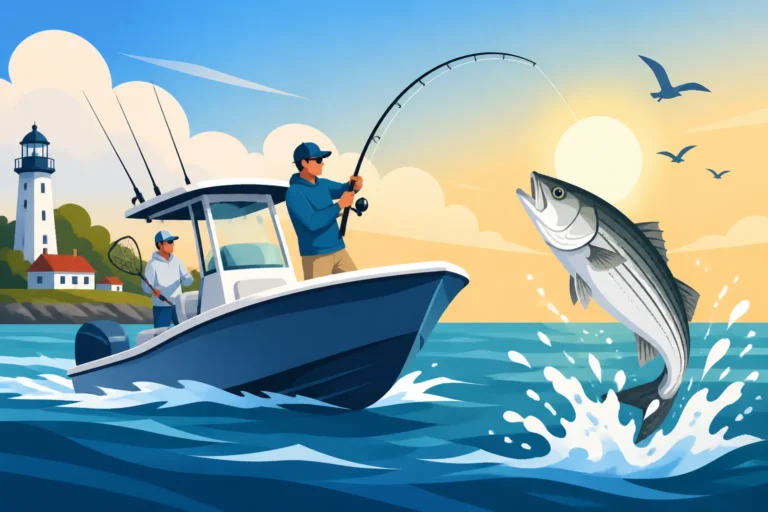
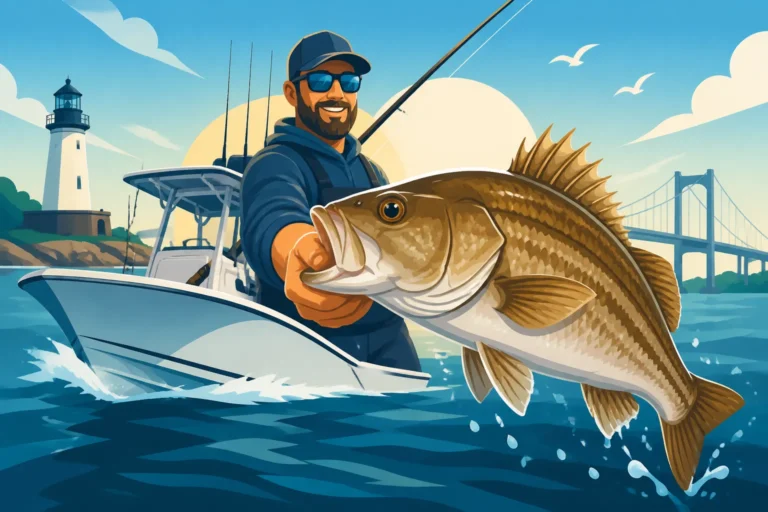
Heading out on a fishing charter in Virginia for the very first time can feel like a mix of excitement and a little bit of apprehension. You're dreaming of reeling in a big striped bass or a flounder, but you might also be wondering what exactly to expect, what to bring, and how everything works. This comprehensive guide is designed to demystify the charter experience for first-timers, ensuring you have a fantastic, stress-free day on the water.
Getting Started: Pre-Trip Essentials for Your First Virginia Charter
Booking your first fishing charter isn't just about picking a date; it's about understanding the whole package and preparing properly. Many first-time anglers feel a bit lost trying to navigate the different offerings, but a little homework goes a long way in making sure your trip is a success. This section will walk you through the basics so you can step onto that boat with confidence.
Understanding Charter Types and What's Included
When you look into Virginia fishing charters, you'll quickly realize there's a wide range of options. You might see terms like "private charter," "shared charter," "half-day," "full-day," or even specialized "trophy trips." A private charter means you and your group have the boat exclusively, which is fantastic for families or a group of friends who want a personalized experience. Shared charters, on the other hand, allow individual anglers or smaller groups to split the cost with others, making it a more budget-friendly option. Always clarify whether you're booking a private or shared trip to avoid surprises.
Most reputable Virginia fishing charters include essential fishing gear like rods, reels, and bait, which is a huge relief for beginners who might not own specialized equipment. They'll also typically have a cooler with ice for your catch, and many provide a basic safety briefing before leaving the dock. However, what isn't included can be just as important to know. Things like food, drinks, sunscreen, hats, appropriate clothing, and motion sickness medication are usually your responsibility. It's always best practice to check the charter's website or call them directly to confirm what exactly is provided and what you should bring.
Essential Gear and What to Pack
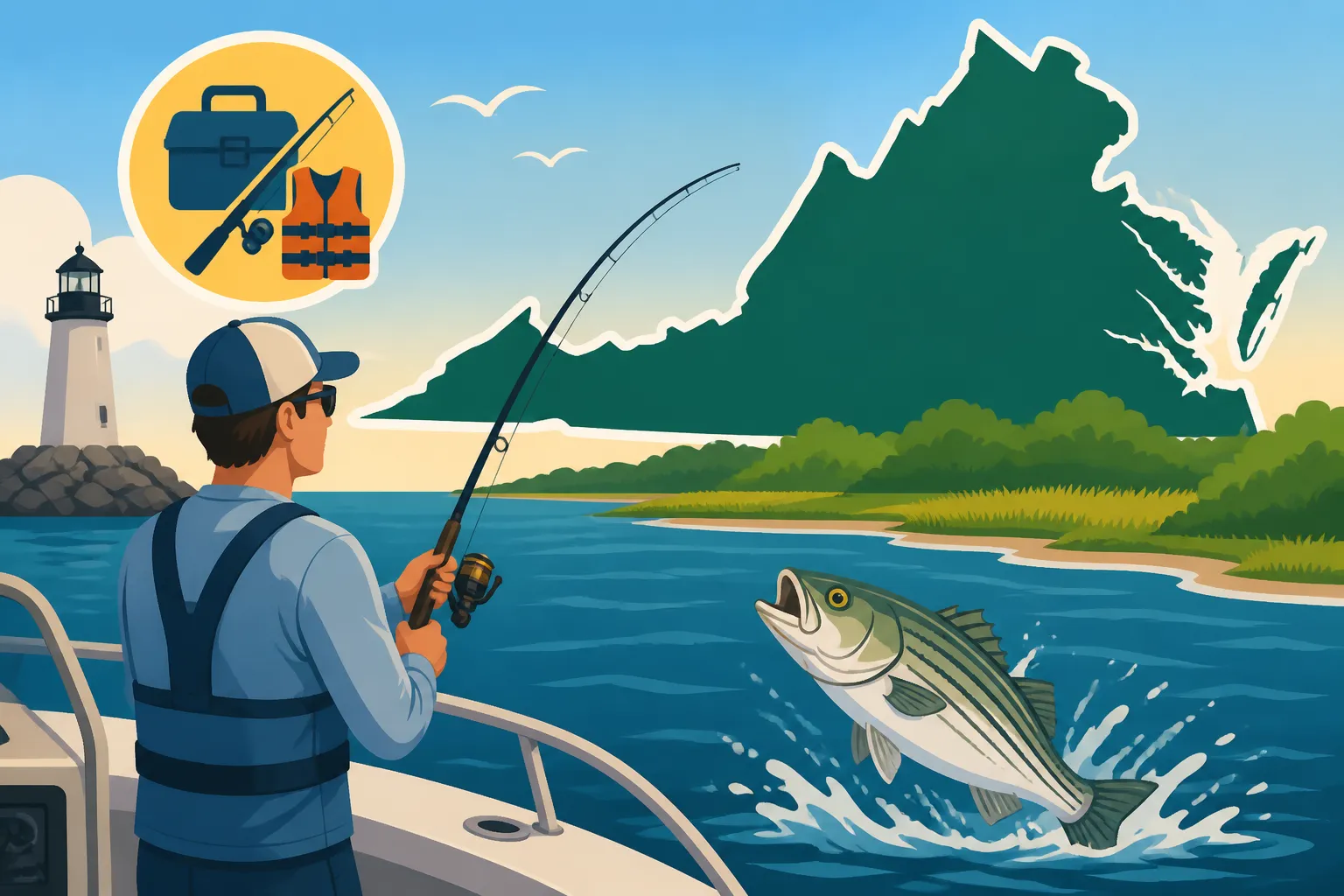
Even though charters provide the heavy-duty fishing gear, there are still plenty of personal items you'll want to pack to ensure comfort and safety throughout your trip. Think about spending several hours on open water, exposed to the elements. Sun protection is paramount: a wide-brimmed hat, polarized sunglasses, and a high SPF sunscreen are absolute must-haves. Light layers of clothing are also smart, as temperatures can change quickly from morning to afternoon, or if you're transitioning from a breezy bay to a calmer inlet.
Beyond sun protection and clothing, consider any personal medications you might need. If you're prone to motion sickness, take preventative measures before you even board the boat, as it’s much harder to combat once it sets in. A small bag for personal items, a camera to capture those memorable catches, and any snacks and drinks you desire will round out your packing list. Some charters might have a small galley, but it’s never a guarantee. Having your own refreshments, especially plenty of water, will keep you hydrated and comfortable.
Virginia Fishing License Requirements for Charter Trips
This is a big one, and it's where many first-timers get tripped up. The good news is, for most licensed Virginia charter boats, you do not need to purchase your own individual fishing license for the day. The vessel itself operates under a blanket charter boat license that covers everyone on board. This is incredibly convenient and one of the perks of booking a guided trip. However, this isn't universally true for every type of boat or every scenario, especially if you're going out with a friend on a private boat that isn't a registered charter.
It is absolutely crucial to confirm this detail with your specific charter captain or booking agent before your trip. A quick call or check of their FAQ page can prevent an unnecessary purchase or, worse, potential legal issues. For example, if you're fishing a regulated species like striped bass, the captain will ensure all rules are followed, but understanding that your license is usually covered simplifies things significantly. Don't assume; always ask! This detail alone makes booking with a professional service like one found on FishingBooker so much easier, as they often clarify these points up front. If you were fishing on your own, you'd need to consult the Virginia Fishing License Guide or understand the Virginia Fishing License Requirements for Residents and Nonresidents.
Choosing Your Virginia Fishing Adventure: Freshwater vs. Saltwater & Target Species
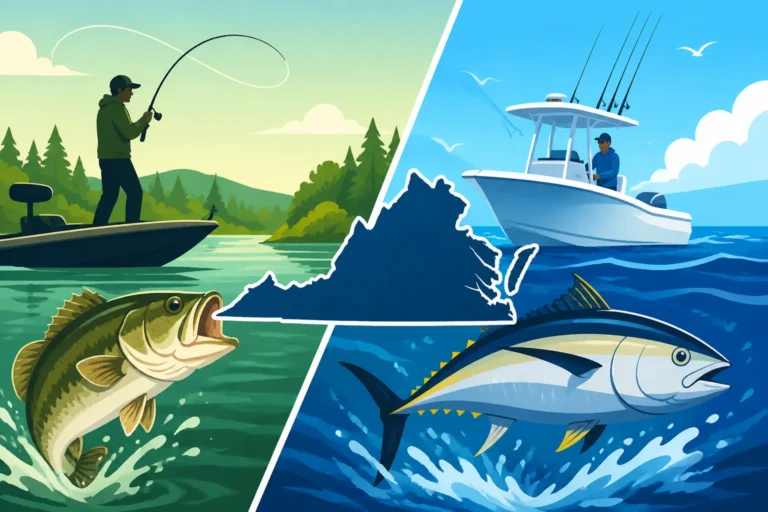
Virginia offers a stunning diversity of fishing environments, from vast saltwater bays and the open Atlantic to serene freshwater lakes and winding rivers. Deciding where to go and what to chase is half the fun, but it helps to know what each option entails and what you're likely to encounter.
Deciding Between Bay, Ocean, or Lake Charters
Virginia's coastline is dominated by the iconic Chesapeake Bay, which offers incredible saltwater fishing in relatively calm waters. Here, you might target striped bass (often called "rockfish" locally), flounder, drum, or even cobia depending on the season. Bay charters are generally a great choice for families or those prone to seasickness, as the waves are typically much smaller than in the open ocean. Check out Chesapeake Bay Fishing Charters in Virginia for more details on that experience.
If you're seeking bigger thrills and truly open-water experiences, an ocean charter out of places like Virginia Beach will take you further offshore into the Atlantic. This is where you might find species like tuna, mahi-mahi, or larger sharks, often requiring more specialized equipment and a higher tolerance for ocean swells. These trips are often longer, sometimes full-day or even multi-day excursions. Then, moving inland, Virginia boasts magnificent freshwater lakes and rivers, such as Smith Mountain Lake, Lake Anna, or the James River. Here, guides specialize in species like largemouth bass, smallmouth bass, crappie, or catfish. A Smith Mountain Lake Fishing Guides in Virginia trip, for example, offers a completely different, calmer experience compared to a saltwater charter. Each environment presents its own unique challenges and rewards, so think about what kind of adventure you're really looking for.
Popular Target Species and Best Seasons
Virginia is a fishing paradise because of its diverse fish populations. For saltwater anglers, the striped bass (rockfish) is arguably the most sought-after species, with prime seasons typically in the spring and fall. These fish put up a fantastic fight and are delicious table fare. You can find more about their patterns in the Virginia Striped Bass Season and Slot Limit Guide. Flounder, with their unique flat bodies, are another popular bay target, often caught by bottom fishing. Offshore, you're looking at pelagic species like tuna, marlin, and mahi-mahi, which are usually summer and early fall targets.
For freshwater enthusiasts, largemouth bass are abundant in lakes like Smith Mountain Lake and Lake Anna, with spring and fall being particularly productive times. Smallmouth bass thrive in the cooler, clearer waters of rivers like the Shenandoah. Crappie and catfish are popular panfish options that can be caught nearly year-round, often in larger numbers, making them great for family outings. Your charter captain will be an expert on what's biting best when you book, so don't hesitate to ask their recommendation based on your preferred catch. Many guides specialize in particular species, so knowing what you want to target helps narrow down your search on platforms like FishingBooker.
Finding the Right Charter for Your Group
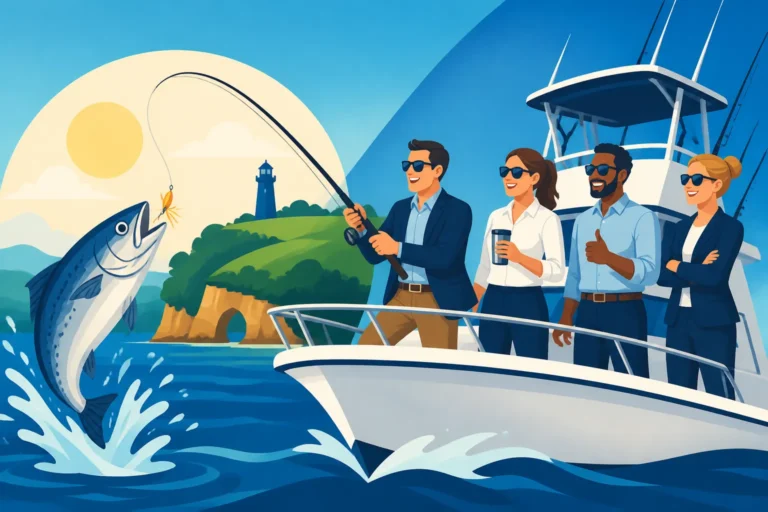
The success of your first charter trip often boils down to finding the right fit for your group. Are you bringing young children who need a patient captain and a focus on panfish? Are you a seasoned angler looking for a trophy-sized challenge? Or are you a group of friends just looking for a fun day with some beers and a chance to catch dinner? These considerations will heavily influence the type of captain and boat you choose.
Some charters specifically advertise as "family-friendly," offering shorter trips, slower speeds, and a focus on easier-to-catch species. Other captains might cater to experienced anglers, heading out further and employing more advanced techniques. Always communicate your expectations and the composition of your group when booking. This transparency helps the captain prepare for your specific needs, ensuring everyone on board has a great time. Remember, a good captain wants you to have a memorable trip, and they can best provide that if they know what you're looking for.
| Charter Type | Location | Typical Target Species | Ideal For | Considerations |
|---|---|---|---|---|
| Chesapeake Bay | Coastal Virginia | Striped Bass (Rockfish), Flounder, Drum, Cobia, Croaker | Families, beginners, those prone to seasickness | Generally calmer waters, diverse inshore fishing |
| Offshore Ocean | Virginia Beach, Outer Banks | Tuna, Marlin, Mahi-Mahi, Wahoo, Sharks | Experienced anglers, thrill-seekers | Longer trips, rougher seas, larger fish |
| Freshwater Lake | Smith Mountain Lake, Lake Anna, Buggs Island | Largemouth Bass, Striped Bass (freshwater), Crappie, Catfish | Relaxed fishing, trophy bass, year-round options | Inland, calm waters, specific species expertise |
| Freshwater River | James, Shenandoah, Rappahannock | Smallmouth Bass, Catfish, Musky, Trout (upper reaches) | Fly fishers, kayak anglers, scenic trips | Often smaller boats, current considerations |
On the Water: Etiquette, Safety, and Maximizing Your Experience
Once you're aboard and heading out, there's a certain unspoken etiquette and a few essential safety protocols that will make your trip smoother and more enjoyable for everyone involved. Being prepared for these aspects ensures you're a welcomed guest and not a rookie burden.
Understanding Your Captain's Role and Crew Expectations
Your captain and any mates on board are the experts. They know the local waters, the fish patterns, and how to safely operate the vessel. Their primary goals are your safety and helping you catch fish. Listen carefully during the initial safety briefing – it’s not just a formality. Pay attention to where the life vests are, how to use emergency equipment, and any specific rules for moving around the boat. If you have questions about something, ask! A good captain will appreciate your curiosity and desire to understand.
Beyond safety, the crew is there to assist you with fishing, from baiting hooks and untangling lines to netting fish and providing advice. They work hard, often starting before dawn and finishing long after you've docked. Be respectful of their expertise and their efforts. Avoid interfering with their duties, like grabbing rods without asking or casting without checking your surroundings. They're on your side, and a good relationship with the crew can significantly enhance your experience. They might even share some insider tips on How to Catch Bass in Spring Before the Spawn or Best Bait for Striped Bass in Chesapeake Bay.
Safety First: What to Know Before You Go
Safety on a boat is paramount, especially on open water. Before you even leave the dock, your captain should provide a clear safety briefing. This will cover things like the location of life jackets (and how to properly wear them), emergency exits, fire extinguishers, and any specific safety zones on the boat. It's not about being scared; it's about being informed. Pay attention to their instructions regarding where you can move around the boat, especially when underway, and always keep a hand on something stable.
If the weather looks dicey, most reputable captains will prioritize safety and might reschedule or cancel a trip. Don't push them to go out in unsafe conditions; they are the experts on what the ocean or lake can throw at you. If you start to feel unwell (like motion sickness), inform a crew member immediately. They often have remedies or can advise on how to make you more comfortable. Remember, adhering to safety guidelines is not just for your benefit but for everyone else on board.
Tipping Your Crew: A Common Courtesy
A question that often arises for first-time charter anglers is about tipping. Just like in other service industries, tipping your captain and crew is a widely accepted practice and a significant part of their income. These professionals work incredibly hard, both on the water and behind the scenes preparing for your trip, cleaning up afterward, and maintaining their expensive equipment. They provide personalized service, expert guidance, and often go above and beyond to ensure you have a memorable and successful outing.
While there's no strict rule, a customary tip for a good experience is usually between 15% and 20% of the total charter cost. If you feel they went above and beyond, showed exceptional patience, or helped you land a trophy fish, feel free to tip more generously. It’s best to give the tip directly to the captain or the mate at the end of the trip, in cash if possible. This gesture of appreciation goes a long way and acknowledges their hard work. For more specific guidance, consider checking out resources on Tipping Norms for Virginia Fishing Charter Crews.
After the Catch: Regulations, Cleaning, and Memories
So you've reeled in some fish! Now what? There are important steps and considerations that come into play once the fish are in the boat, from legal requirements to how your catch is handled. Understanding these aspects will help you be a responsible angler and ensure you get to enjoy the fruits of your labor.
Understanding Virginia's Catch Limits and Regulations on Charters
Virginia has specific regulations for different fish species, including size limits, daily possession limits, and sometimes even seasonal restrictions. For example, Virginia's Striped Bass Slot Limit: 28 to 31 Inches means you can only keep fish within that specific length range. These rules are in place to protect fish populations and ensure sustainable fishing for future generations. When you're on a charter, your captain is responsible for knowing and adhering to these regulations. They will measure fish, advise you on what can be kept, and ensure that any fish that don't meet the criteria are properly released.
As an angler, it's good practice to familiarize yourself with the general rules for the species you're targeting, but trust your captain's judgment. Don't pressure them to keep undersized fish or go over the limit; they could face severe penalties, and it impacts the fishery. If you're unsure about a rule, just ask. The crew will be happy to explain why certain fish are kept and others are released, helping you understand the importance of conservation. You can always refer to the Virginia Fishing Regulations Explained for general knowledge, but your charter captain will be your primary guide on the day.
What Happens to Your Catch: Cleaning and Preparation
One of the best parts about a successful fishing trip is taking home fresh fish to cook! Most Virginia fishing charters offer cleaning services for your catch, either as part of the charter fee or for a small additional charge. This is a huge convenience, as cleaning fish can be messy and requires a bit of skill. The crew will typically fillet your fish, bag them, and put them on ice for you, making them ready for cooking when you get home.
Always clarify with your captain or booking agent if fish cleaning is included and if there's an extra cost involved. It's a small price to pay for the convenience, especially after a long day on the water. Bring a cooler from home to transport your filleted fish back, ensuring they stay fresh. Some anglers even bring a Ziploc bag for their fillets to prevent ice melt from seeping in. Enjoying your fresh catch is a fantastic way to cap off your first charter experience. For more on this, check out Cleaning Your Catch After a Virginia Charter Trip.
Preserving Your Memories Photos, Taxidermy
While the taste of fresh fish is fleeting, the memories of your first charter trip can last a lifetime. Don't forget to bring a camera or use your phone to snap plenty of photos! A picture with your biggest catch of the day, a shot of the sunrise over the water, or a group photo with your friends or family can be cherished for years to come. The crew is usually happy to take photos for you, so don't be shy about asking.
For those truly exceptional catches, especially trophy-sized fish, you might consider taxidermy. Many anglers opt for a "catch and release" approach with a replica mount. This means you take precise measurements and good photos of the fish, release it unharmed, and then have a professional taxidermist create a fiberglass replica. This way, you get to preserve the memory without impacting the fish population. Discuss this option with your captain if you land a truly remarkable specimen; they can often provide the necessary measurements and advice for finding a reputable artist.
Booking Your Trip: Tips for a Smooth Experience
Booking your first fishing charter doesn't have to be daunting. With a few smart strategies, you can ensure a smooth process and secure the perfect trip for your needs.
Researching and Selecting a Reputable Charter
The internet is your best friend when it comes to finding a fishing charter. Websites and online platforms like FishingBooker are excellent resources for finding Virginia fishing charters. They allow you to browse captains, boats, target species, and reviews from previous clients. Pay close attention to these reviews; they offer real-world insights into a captain's communication, fishing success, boat cleanliness, and overall professionalism. Look for consistent positive feedback and captains who respond promptly to inquiries.
Don't be afraid to ask questions before you book. A reputable charter captain will be transparent about their services, pricing, and what to expect. Inquire about their experience, the type of boat they run, safety equipment, and what fish are typically biting during your desired travel dates. Compare a few different options to find one that aligns with your budget, preferred fishing style, and group size. A thorough search will lead you to a captain who will make your first experience a truly memorable one.
Understanding Deposit and Cancellation Policies
Before you commit to a booking, always read and understand the charter's deposit and cancellation policies. Most charters require a deposit to secure your date, which is standard practice in the industry. This protects both you and the captain: it guarantees your spot and compensates the captain if you cancel last minute. Cancellation policies vary widely, from full refunds within a certain timeframe to non-refundable deposits.
Pay particular attention to weather-related cancellations. Reputable captains will cancel or reschedule trips if the weather makes conditions unsafe or unfishable. In these cases, you should expect a full refund or the option to rebook. However, "bad weather" for fishing (like light rain) might not always warrant a cancellation if it's still safe to operate. Clarify these details upfront so there are no misunderstandings if plans need to change. Understanding Cancellation and Deposit Policies for Virginia Charters is key to a stress-free booking experience.
Comparing Half-Day vs. Full-Day Charters
For first-time anglers, one of the biggest decisions is often whether to book a half-day or a full-day charter. Both have their advantages, and the best choice depends on your group's stamina, budget, and desired fishing experience. A half-day charter typically lasts around 4-5 hours, making it a great option for families with younger children, beginners, or those unsure about how they'll handle being on the water for an extended period. It's often more affordable and still provides ample time to catch fish and enjoy the experience.
A full-day charter, lasting 8 hours or more, offers a more comprehensive fishing adventure. It allows the captain to travel further to prime fishing grounds, giving you more time on the water and a greater chance to target a wider variety of species or go for bigger fish. If you're serious about fishing, want to maximize your chances, and have the endurance, a full-day trip is often the way to go. Consider what you want out of the trip and choose accordingly. For a deeper dive, explore Half-Day vs Full-Day Fishing Charters in Virginia to help make your decision.
Disclaimer
This article is for general informational purposes only and does not constitute professional advice. Laws, prices and regulations vary by location and change over time. Consult a qualified professional for guidance on your specific situation.