Rockfish Charter Fishing on the Chesapeake Bay
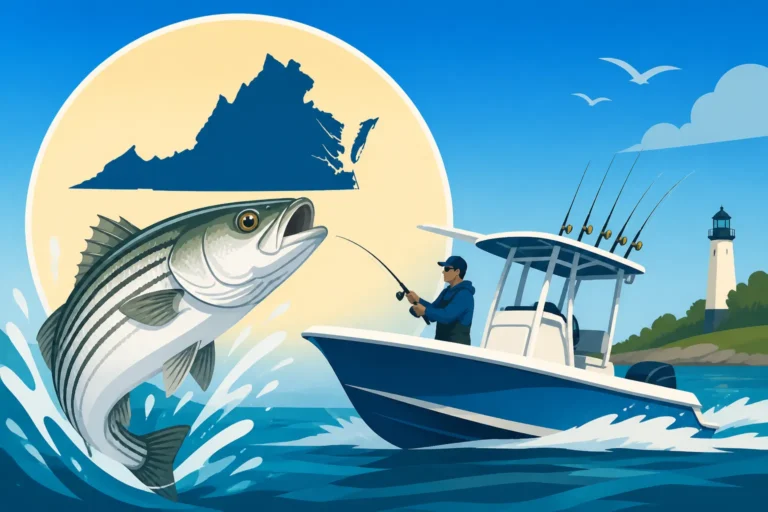
Many anglers dream of battling a powerful striped bass, affectionately known as "rockfish" here in Virginia, especially in the expansive waters of the Chesapeake Bay. But for those new to the area, or even seasoned freshwater enthusiasts, navigating the vast bay, understanding the migration patterns, and deciphering complex regulations can feel like trying to solve a puzzle with half the pieces missing. This guide is here to untangle the complexities of rockfish charter fishing on the Chesapeake Bay, offering practical advice and deep insights to help you plan a successful and memorable trip, whether you're a first-timer or looking to enhance your next big catch.
Understanding Rockfish Striped Bass in the Chesapeake Bay
When we talk about "rockfish" here in Virginia, we're really talking about striped bass. These incredible fish are one of the most sought-after game species on the East Coast, and the Chesapeake Bay is a truly legendary battleground for them. It’s not just a fish; it’s an icon, deeply woven into the fabric of coastal angling culture. Getting to know their habits, their appearance, and the rules that protect them is your first step toward a successful trip.
The Allure of Chesapeake Bay Rockfish
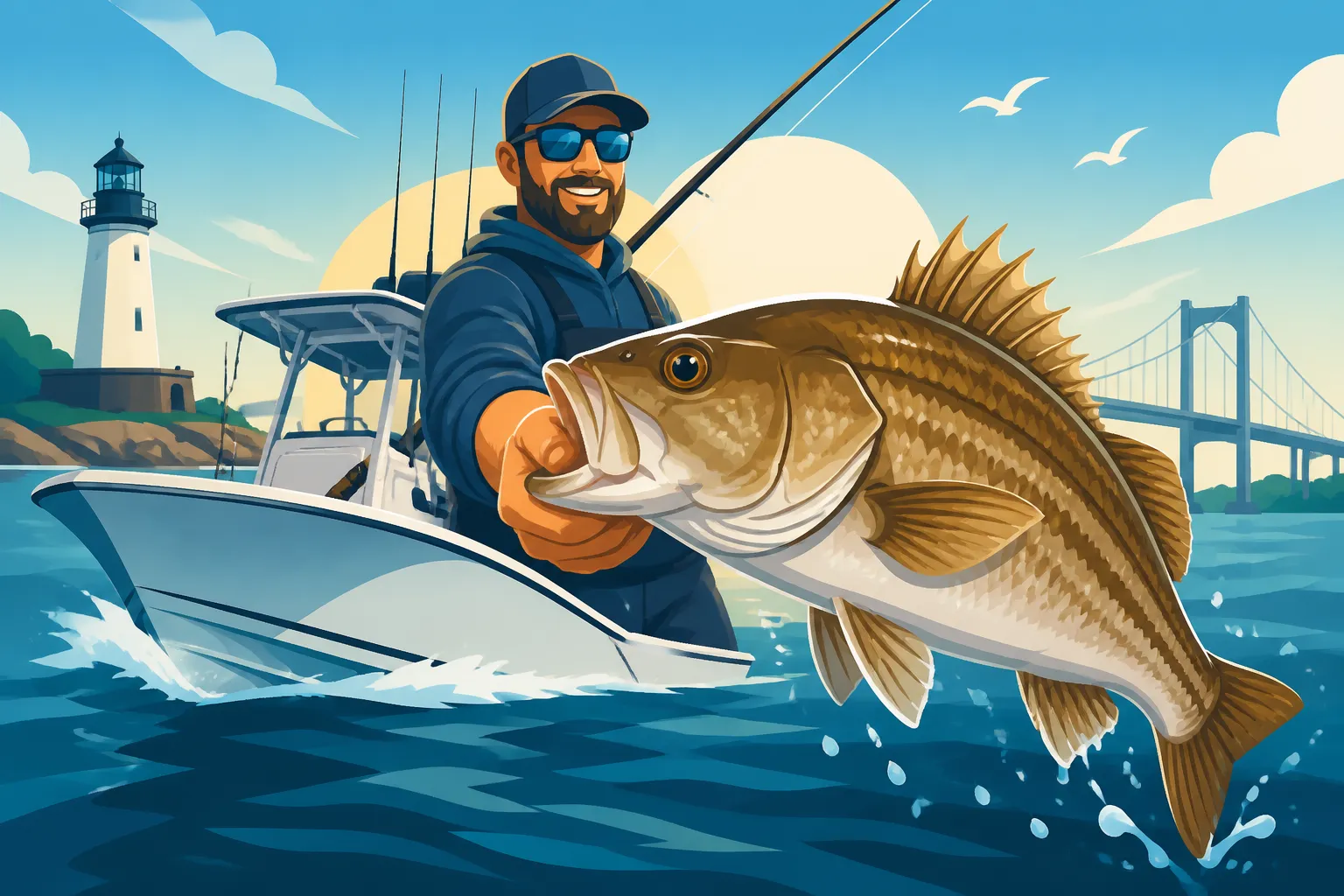
There’s something undeniably captivating about chasing rockfish in the Chesapeake Bay. Maybe it's their sheer power when hooked, the way they pull line with an almost defiant spirit. Perhaps it's the thrill of the hunt, knowing these fish migrate through such a vast and dynamic ecosystem, following baitfish and responding to seasonal changes. For many, it's the tradition, the stories shared after a long day on the water, the anticipation of that tell-tale strike. The Chesapeake Bay itself, as the largest estuary in the United States, provides an incredibly rich and diverse habitat that supports a robust rockfish population, making it a prime destination for anglers from all over. It’s an experience that goes beyond just catching a fish; it’s about connecting with nature, with history, and with the challenge of a truly magnificent species.
Identifying Chesapeake Bay Striped Bass
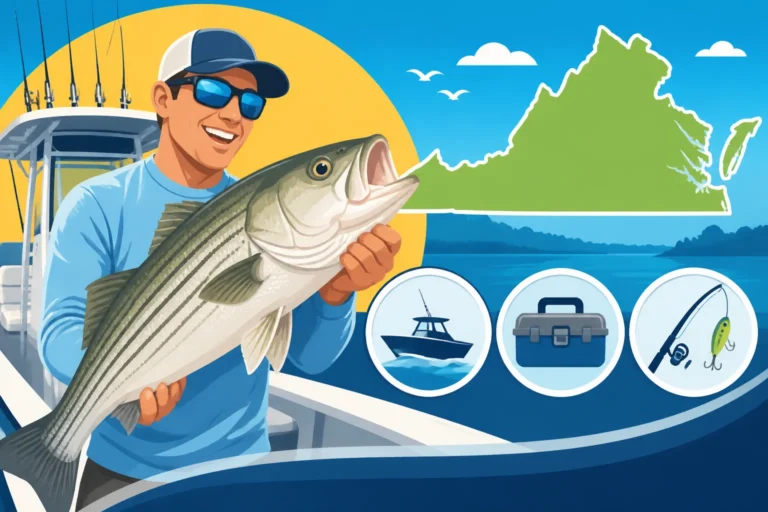
It's pretty easy to spot a striped bass once you know what to look for, but it's crucial to be certain, especially given regulations on similar species. Stripers have those distinctive horizontal black stripes running from gill plate to tail, usually seven or eight of them, against a silvery-white body. Their bodies are elongated and powerful, built for speed and fighting current. You might also encounter hybrid striped bass in some freshwater impoundments in Virginia, but in the Chesapeake Bay, you’ll primarily be targeting the anadromous (ocean-run) striped bass. Knowing exactly what you’ve caught is paramount, not just for bragging rights, but to ensure you're adhering to all the rules. For a deeper dive into the distinctions, check out Freshwater vs Saltwater Striped Bass: The Virginia Rockfish Story.
Virginia's Specific Rockfish Regulations
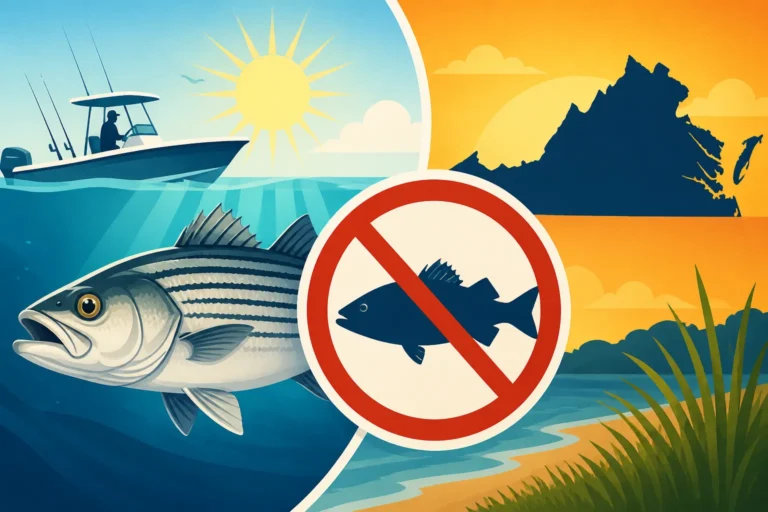
Okay, let's get real for a moment: Virginia's rockfish regulations can feel like a labyrinth, especially with the state's split season and specific slot limits. This isn't just about making things complicated; it's about managing a precious resource and ensuring these fish thrive for generations to come. Generally, Virginia implements a slot limit, meaning you can only keep fish within a certain size range – typically something like 28 to 31 inches. Fish smaller than the minimum or larger than the maximum must be immediately released. The season itself is often divided into two parts: a spring season and a fall season, with a closure period in between. Daily bag limits are also strictly enforced, usually one fish per person per day. These rules are non-negotiable, and charter captains are extremely diligent in following them, as their livelihood depends on it. Before you even step foot on the boat, it's a good idea to familiarize yourself with the current Virginia Striped Bass Season and Slot Limit Guide to avoid any surprises. You can also explore Virginia's Coastal Striped Bass Rules for Charter Anglers for more specifics.
Why Choose a Charter for Chesapeake Bay Rockfish?
Let’s be honest, the Chesapeake Bay is enormous. It's not a small pond you can just launch a kayak into and figure out. For many, especially those who aren't local or don't own a fully-equipped boat, a fishing charter is really the only practical way to experience the best of Bay rockfish fishing. It takes all the guesswork, heavy lifting, and logistical nightmares out of the equation, leaving you free to just enjoy the thrill of the catch.
The Benefits of Professional Guidance
Think of a charter captain as your personal, highly experienced rockfish expert. They've spent countless hours on the Bay, learning the currents, the tides, the baitfish movements, and, most importantly, where the rockfish are hiding at any given time. This isn't knowledge you can gain from a quick internet search or a few trips. It's built on years of trial and error, local connections, and an almost intuitive understanding of the water. They know what lures are working, what depth to fish, and what techniques are producing bites. This kind of professional guidance dramatically increases your chances of success, turning a potentially frustrating day of searching into a productive day of fishing. Plus, they're often fantastic storytellers, full of local lore and fishing tales!
Gear, Boats, and Local Expertise Provided
One of the biggest advantages of a charter is that everything you need is already there, perfectly rigged and ready to go. You don’t need to invest in expensive rods, reels, tackle, or specialized electronics like sonar and GPS chartplotters. The charter boat itself is usually a comfortable, stable vessel designed for offshore or large bay conditions, complete with all the safety equipment required by the Coast Guard. The captain and crew provide high-quality bait and tackle, often specifically chosen for the day's conditions and target species. They'll also handle all the tricky parts, like navigating busy channels, dropping anchor in the right spot, or expertly trolling a spread of lures. It's a truly turn-key experience, especially if you're new to fishing or just visiting the area.
Safety and Convenience on the Water
Fishing in a large body of water like the Chesapeake Bay comes with inherent risks, from sudden weather changes to navigating shipping lanes. Charter captains are professionals with extensive training and experience in maritime safety. Their boats are regularly inspected, equipped with life jackets, first-aid kits, and advanced communication systems. Knowing you're in capable hands allows you to relax and focus on the fishing, rather than worrying about safety protocols or getting lost. Beyond safety, there's the sheer convenience. No need to launch and retrieve a boat, clean gear, or worry about fish cleaning – many charters offer to fillet your catch for you at the end of the day. It’s a seamless way to enjoy a day on the water without any of the usual hassles.
Key Seasons and Best Times for Rockfish Charters
Understanding the rockfish seasons in the Chesapeake Bay is absolutely critical for planning a successful charter trip. These aren't just arbitrary dates; they coincide with the fish's natural migratory patterns and spawning cycles. Missing the peak windows can mean the difference between a boatload of action and a slow, frustrating day.
Spring Run: The Reawakening
When the ice thaws and the water temperatures start to climb into the 50s and low 60s, the Chesapeake Bay comes alive with the spring rockfish run. This is when the mature striped bass migrate from the Atlantic Ocean into the Bay's brackish waters to spawn. It's a spectacle, and for anglers, it means a fantastic opportunity to target large, often very hungry, fish. The spring season in Virginia typically starts around January 1st and can run through March, with a second, often shorter, spring season sometimes opening up again in May or June, depending on the year's regulations. During this time, you might find charters focusing on trolling large swimbaits or umbrella rigs, or even live-lining bait around structure where these fish congregate. The energy on the water during the spring run is palpable, a true reawakening after the quiet winter. You can read more about Virginia Striped Bass Season Dates January Through March and Virginia Striped Bass Season Reopens May 16 for more details.
Fall Run: The Grand Finale
If the spring run is the reawakening, then the fall run is the grand finale of the rockfish fishing year. As summer gives way to cooler temperatures, the striped bass, having spent the warmer months fattening up, begin their migration back out of the Bay and down the coast to their wintering grounds in the ocean. This exodus creates a feeding frenzy, as the fish gorge on baitfish like menhaden, preparing for their long journey. The fall season is often highly anticipated, usually kicking off in October and extending through December. This is a prime time for exciting topwater action, jigging, and trolling, especially with the cooler, crisp autumn air making for very pleasant days on the water. Many consider the fall run the absolute best time to book a rockfish charter on the Chesapeake Bay due to the sheer volume and aggressive feeding behavior of the fish. If you're looking to book during this period, you might want to consider doing it well in advance, and Booking a Virginia Charter During the Fall Striped Bass Run can give you some excellent pointers.
Navigating the Split Season and Slot Limits
Virginia's striped bass season is typically a "split" season, meaning there are distinct open periods separated by closures. This approach is designed to protect the fish during critical times, especially around spawning. As mentioned, you'll generally see a winter/early spring season and a late spring/early summer season, followed by a closure, and then the highly anticipated fall season. Within these open windows, the slot limit is your guiding principle. Remember, only fish falling within the specific length range (e.g., 28 to 31 inches) are legal to keep. Anything outside that range must be released unharmed. This requires careful measurement and often means having to let go of truly massive fish or smaller ones that haven't quite grown into the slot. Your charter captain will be an expert on these rules and will ensure everyone onboard complies. It's a dynamic system that requires anglers to stay informed, and a good charter captain will always keep you up-to-date on the latest. For understanding specific guidelines on how many fish you can keep, Striped Bass Possession Limit for Virginia Anglers is an excellent resource.
What to Look for in a Chesapeake Bay Rockfish Charter
Choosing the right charter can make or break your fishing trip. With so many options out there, it’s easy to feel overwhelmed. But by focusing on a few key areas, you can ensure you book a trip that meets your expectations and delivers a fantastic rockfish experience.
Captain's Experience and Reputation
This is arguably the most important factor. A seasoned captain with a proven track record on the Chesapeake Bay is invaluable. Look for captains who specialize in rockfish, as their expertise in this specific fishery will be far superior. Word-of-mouth is powerful, so ask friends, check online reviews on platforms like FishingBooker, and look at their social media presence. A reputable captain will have glowing testimonials, demonstrate a strong commitment to safety, and show a genuine passion for fishing. They should also be patient and willing to teach, especially if you have beginners or kids on board. A great captain isn't just about finding fish; it's about providing a positive, educational, and fun experience for everyone. A good starting point for your research could be What to Look for When Booking a Virginia Fishing Charter.
Understanding Charter Packages and Inclusions
Charter trips come in various lengths and configurations: half-day, 3/4-day, and full-day being the most common. Each will offer different amounts of fishing time and access to different areas of the Bay. A full-day trip, for example, allows the captain to run further to find active fish and provides more time on the water for a truly immersive experience. Consider Half-Day vs Full-Day Fishing Charters in Virginia to help you decide.
When you're comparing options, always confirm what's included in the price. Typically, charters provide:
- Boat and Fuel: The vessel, fully fueled and ready to go.
- Captain and Crew: Their expertise, guidance, and assistance.
- Rods, Reels, and Tackle: High-quality gear suitable for rockfish.
- Bait: Fresh, live, or artificial bait as appropriate for the conditions.
- Safety Equipment: Life jackets, first aid, emergency communications.
What might not be included, and is important to clarify:
- Fishing License: While many charters have a blanket license for their boat, it's always best to ask if individual licenses are required for each angler.
- Food and Drinks: You'll almost certainly need to bring your own.
- Fish Cleaning: Some charters include this, others charge a small fee, and some might only offer basic cleaning.
- Gratuity for the Crew: This is customary and expected (more on that below).
Make sure to get a clear understanding of the package before you book to avoid any surprises on the day of your trip.
Asking the Right Questions Before Booking
Don't be shy about asking questions! A good charter operator will be happy to provide all the information you need. Here are some essential questions to ask:
- "What's your typical success rate for rockfish during the time I'm looking to book?"
- "What fishing techniques will we be using (trolling, jigging, live baiting)?"
- "What's your policy if the weather is bad on our scheduled day?"
- "Is the fishing license included, or do I need to purchase one separately?"
- "How many people can your boat comfortably accommodate?"
- "What kind of fish can we expect to catch besides rockfish?"
- "Do you clean the fish, and is there an extra charge?"
- "What's your payment structure for deposits and final payment?"
By asking these questions, you'll not only gather crucial information but also get a feel for the captain's communication style and professionalism. You can often find listings with this kind of detailed information on online platforms. For instance, websites like FishingBooker allow you to filter by specific fish species, read detailed descriptions of what's included, and see transparent pricing, making it easier to compare options and find the perfect fit.
Preparing for Your Chesapeake Bay Rockfish Charter
You've booked your charter, the date is set, and the excitement is building! Now, it's time to prepare. A little foresight can go a long way in making your trip as enjoyable and comfortable as possible. This isn't just about remembering your sunscreen; it's about being ready for whatever the Bay throws at you.
What to Pack for Your Trip
The weather on the Chesapeake Bay can be famously unpredictable, changing quickly from sunny and calm to windy and chilly. Dressing in layers is always the smartest strategy. Here’s a basic checklist of what to bring:
| Category | Essential Items | Optional/Helpful Items |
|---|---|---|
| Clothing | Layers (t-shirt, long-sleeve, fleece/hoodie) | Waterproof outer layer (jacket/pants) |
| Comfortable, non-slip shoes | Hat (for sun and warmth) | |
| Sun Protection | Sunscreen (high SPF) | Lip balm with SPF |
| Sunglasses (polarized are best for spotting fish) | ||
| Food & Drink | Water (plenty!) | Snacks, sandwiches, non-alcoholic beverages (check charter rules) |
| Personal Gear | Small backpack or dry bag | Camera (waterproof or with a case) |
| Dramamine or other motion sickness medication | Small towel, hand sanitizer | |
| Cooler (for your catch, leave in car until trip ends) | ||
| Identification | Fishing license (if required, or confirm if included) |
Avoid glass bottles and overly messy snacks. Remember, space on a boat can be limited, so try to pack efficiently. Having a dedicated bag or cooler for your catch in your car is always a good idea, so your beautiful rockfish can go straight on ice after the trip.
Etiquette and Expectations Onboard
Being a good guest on a fishing charter contributes significantly to everyone's experience. Here are a few points of etiquette to keep in mind:
- Listen to the Captain and Crew: Their instructions are for your safety and success. Pay attention to briefings and follow directions promptly.
- Respect the Gear: The rods, reels, and tackle are professional equipment. Use them carefully as instructed. If you break something due to negligence, you might be responsible for the cost.
- Mind Your Space: Boats can get crowded. Be aware of other anglers and their lines, especially when casting or reeling in.
- Keep it Clean: Don't litter. Dispose of trash in designated receptacles.
- Alcohol Policy: Check with your captain about their alcohol policy. Some allow it in moderation, others may have a strict no-alcohol rule. Never bring hard liquor.
- Fish Handling: If you're not keeping a fish, handle it minimally and release it quickly and safely. Your captain or mate will show you the best way. For more insights on general expectations, consider reading First Charter Trip Tips for Virginia Beginners.
Tipping Your Hardworking Crew
This is often an area of confusion for first-time charter guests. Tipping the captain and crew is customary and very much appreciated, as it often forms a significant part of their income. They work incredibly hard to put you on fish, ensure your safety, and make your trip enjoyable, from cleaning the boat to baiting hooks and filleting your catch.
A good rule of thumb for tipping is typically 15-20% of the total charter cost. If the crew went above and beyond, or if you had an exceptional day, feel free to give more. It's usually best to give the tip to the mate (if there is one) at the end of the trip, and they will share it with the captain if that's their arrangement. If there's no mate, hand it directly to the captain. Don't underestimate the effort that goes into a charter trip, even before you arrive. This important gesture acknowledges their hard work. For further guidance on this topic, check out Tipping Norms for Virginia Fishing Charter Crews.
Booking Your Chesapeake Bay Rockfish Charter
You’ve got all the knowledge about rockfish, the seasons, and what to bring. Now, let’s talk logistics: actually booking that dream trip! It’s all about finding the right fit, understanding the fine print, and making sure your group is prepared.
Finding Reputable Charter Services
The search for the perfect charter can begin in a few places. Local marinas, bait and tackle shops, and even waterfront restaurants in Chesapeake Bay towns often have flyers or recommendations for local captains. Online, however, has become the go-to resource for many. Websites like FishingBooker specialize in connecting anglers with charter captains worldwide, including many excellent operators right here on the Chesapeake Bay. These platforms allow you to compare multiple charters, read reviews from other anglers, view photos of their boats and catches, and often see real-time availability. When using such a platform, be sure to filter for "rockfish" or "striped bass" and specify "Chesapeake Bay" as your location to narrow down the best options. This makes the research process much more streamlined and helps you feel confident in your choice by seeing the experiences of others. You can also explore Best Fishing Charters and Guides Near Virginia Beach or Chesapeake Bay Fishing Charters in Virginia for more localized options.
Understanding Deposit and Cancellation Policies
Before you finalize any booking, especially with independent captains or smaller services, make sure you thoroughly understand their deposit and cancellation policies. Most charters require a deposit upfront to secure your date, which is standard practice.
Here's what to clarify:
- Deposit Amount: What percentage of the total cost is due upfront?
- Cancellation Window: What is the deadline to cancel without losing your deposit?
- Weather Cancellations: This is crucial. What happens if the captain deems the weather unsafe (e.g., high winds, rough seas)? Most reputable captains will offer to reschedule or provide a full refund if they cancel due to weather.
- Client Cancellations: What if you need to cancel for personal reasons? Be aware that if you cancel outside of their designated window, you may forfeit your deposit.
These policies protect both you and the captain, so ensure everything is clear in writing or confirmed via email. This information is usually readily available on charter websites or booking platforms like FishingBooker, often displayed prominently during the booking process.
Planning for Group Size and Costs
The cost of a rockfish charter on the Chesapeake Bay can vary widely based on several factors:
- Trip Length: Half-day, 3/4-day, or full-day trips. Longer trips generally cost more.
- Boat Size: Larger boats with more amenities might have higher rates.
- Number of Anglers: Many charters have a base price for a certain number of people (e.g., 1-4 anglers), with an additional per-person charge for extra guests up to the boat's capacity.
- Time of Year: Peak seasons, like the fall run, might see slightly higher demand or rates.
It's important to consider your group size when budgeting. If you have a larger group, splitting the cost per person can make a full-day trip very affordable and worthwhile. Conversely, if it's just one or two of you, a half-day might be more economical, though you might sacrifice some fishing time or the ability to reach more distant hot spots. Always confirm the total price for your specific group size before booking. Many platforms, including FishingBooker, allow you to input your group size, and it will calculate the total cost for you, making financial planning much simpler. The article Chesapeake Bay Half-Day Charter Price for Three Anglers can give you a rough idea of costs for a specific scenario. For a broader view, Virginia Fishing Charter Prices by Trip Length is another good resource.
Disclaimer
This article is for general informational purposes only and does not constitute professional advice. Laws, prices and regulations vary by location and change over time. Consult a qualified professional for guidance on your specific situation.