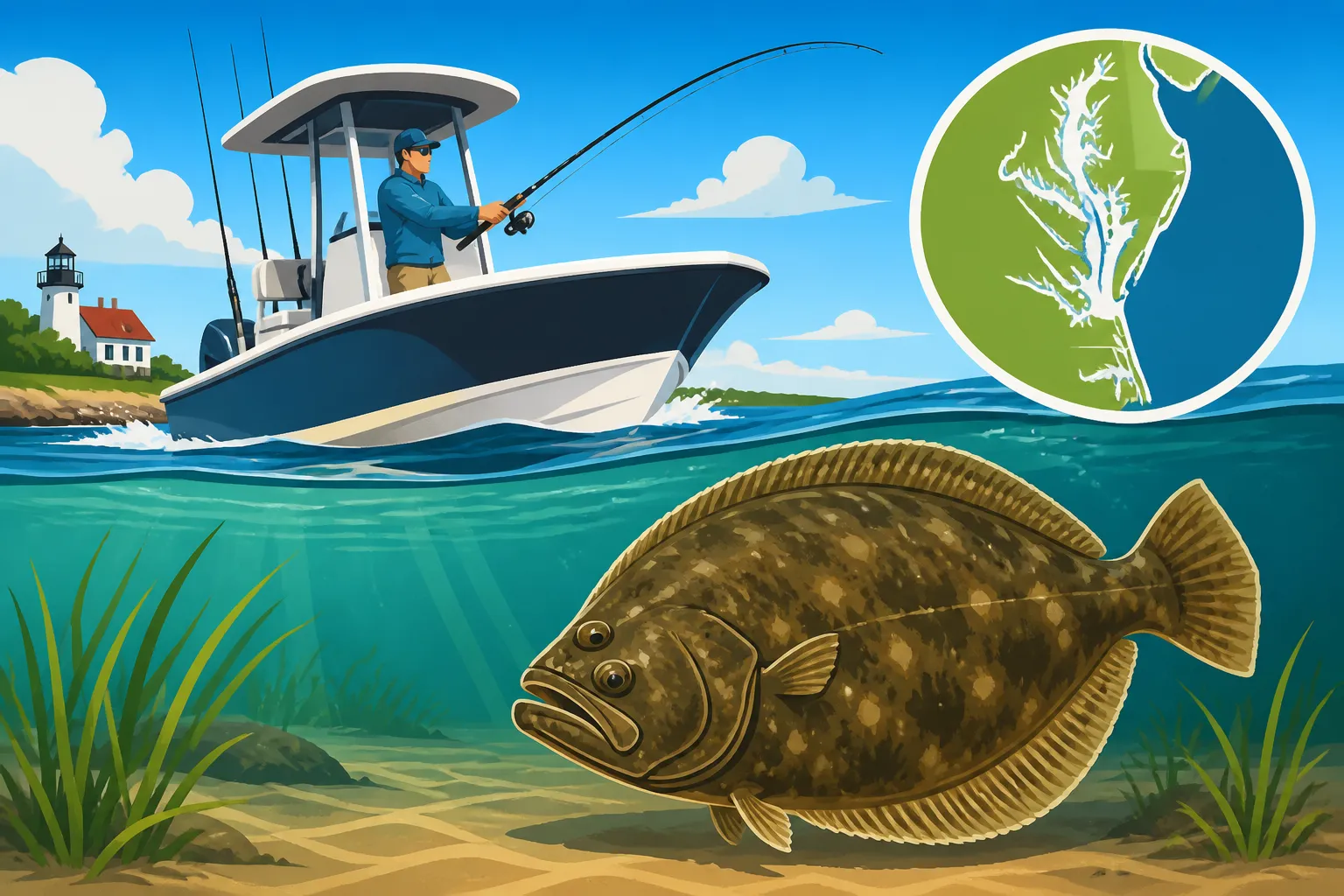
Booking a Chesapeake Bay Charter for Flounder Season
Trying to navigate the vast waters of the Chesapeake Bay for flounder, especially if you're not a seasoned local or don't own a boat, can feel like searching for a needle in a very large, watery haystack. It's frustrating when you just want to get out there and enjoy the fishing, but the logistics and local knowledge feel insurmountable. This guide is here to walk you through everything you need to know about booking a Chesapeake Bay charter specifically for flounder season, making your fishing dreams a reality.
Why a Fishing Charter is Your Best Bet for Chesapeake Bay Flounder
Let's be honest, fishing the Chesapeake Bay isn't like casting a line into a local pond. It's a massive, complex estuary with shifting sands, deep channels, and a constantly changing environment. For many anglers, particularly those visiting or who don't have their own specialized boats and gear, a fishing charter isn't just a convenience; it's practically a necessity for a successful and enjoyable flounder trip.
Expertise of Local Captains
One of the biggest advantages of booking a charter is tapping into the incredible knowledge base of local captains. These folks live and breathe the Bay. They know where the flounder are hiding based on tides, water temperature, recent feeding patterns, and even subtle changes in the bottom structure. They’ve spent countless hours on the water, mapping out the best spots, from hidden wrecks and artificial reefs to muddy channels and grassy flats where flounder love to ambush baitfish. This isn't knowledge you can simply pick up from a quick internet search; it's earned through years of experience.
Think about it: you could spend days, even weeks, on your own boat trying to locate flounder, burning through gas and precious fishing time. A good charter captain, however, will take you directly to proven hotspots, drastically increasing your chances of a productive day. They understand the nuances of the Bay's ecosystem, knowing, for instance, that flounder might be congregating in deeper, cooler waters during a hot spell or moving closer to shallower oyster beds on a rising tide. This kind of nuanced understanding is invaluable.
Moreover, captains often have networks with other local anglers and guides, sharing real-time information about where the fish are biting. This collective intelligence ensures you're fishing the most productive waters on any given day. You're not just paying for a boat; you're investing in years of accumulated wisdom.
Specialized Equipment and Boat Access
Flounder fishing requires specific gear. While you might have a trusty rod and reel at home, a charter boat comes equipped with multiple setups specifically designed for flounder. This includes lighter tackle for sensitivity, specialized flounder rigs with proper sinker weights to keep your bait on the bottom, and a variety of hooks and lures. They also provide the freshest bait, which is often a critical factor in enticing these bottom-dwelling flatfish. Sourcing high-quality live or fresh dead bait can be a hassle, but a charter handles all of that for you.
Beyond the tackle, the boat itself is a significant factor. Chesapeake Bay charters are typically purpose-built or well-adapted for Bay fishing. This means they are stable enough to handle varying Bay conditions, have advanced fish-finding electronics to pinpoint structure and schools of baitfish, and boast ample deck space for comfortable fishing. They also have the necessary safety equipment, navigation tools, and, importantly, the appropriate permits for commercial operation. You don't have to worry about whether your small Jon boat can handle an unexpected chop or if your own fish finder is up to the task; the charter provides a ready-to-go, fully outfitted fishing platform.
Consider the cost and upkeep of owning a boat that can safely and effectively fish the Bay. Between maintenance, storage, fuel, and specialized equipment, it adds up quickly. A charter allows you to enjoy the best of Bay fishing without any of those financial or logistical burdens.
Maximizing Your Time on the Water
For many of us, free time is a precious commodity. You might only have a weekend, or even just a single day, to get out on the water. A charter trip maximizes that limited time. Instead of spending hours preparing your gear, loading the boat, trailering it, launching, and then searching for fish, you simply show up, step aboard, and start fishing. All the grunt work is handled by the crew. This makes the experience far more relaxing and enjoyable, especially if you're on a vacation or a quick getaway.
A well-run charter ensures that from the moment you leave the dock, every effort is focused on putting you on fish. The captain and crew are working to make your trip as successful as possible, constantly adjusting techniques, moving spots, and offering advice. This efficiency means more lines in the water and more opportunities to reel in those delicious flounder. It's perfect for both seasoned anglers who want a hassle-free day and beginners looking to learn the ropes without the steep learning curve of doing it all themselves. For a deeper dive into the overall benefits, check out Virginia Fishing Charters and Guides: The Complete Guide.
Understanding Flounder Season in the Chesapeake Bay
Flounder fishing in the Chesapeake Bay is heavily influenced by the seasons and, of course, the ever-important fishing regulations. Knowing when to book your trip is just as vital as knowing which charter to choose.
Peak Flounder Activity
Generally, the warmer months are prime time for flounder in the Chesapeake Bay. As water temperatures rise in late spring and early summer, flounder migrate into the Bay from the ocean, spreading out into its various channels, flats, and around structures. This period, roughly from late May through early fall, offers the most consistent flounder action. However, the exact "peak" can vary.
Many experienced anglers and captains will tell you that late summer into early fall, particularly September and October, can be exceptionally productive. During these months, flounder are actively feeding as they prepare for their offshore migration, making them more aggressive and eager to bite. They're often found in slightly deeper channels or around oyster beds and submerged structures as water temperatures start to cool. This migratory pattern is key to understanding when and where to target them.
Regulations and Limits
This is where things get really important. Flounder fishing is subject to strict regulations set by the state of Virginia to ensure sustainable populations. These rules can include minimum size limits, daily creel limits (how many fish you can keep), and sometimes even specific seasons or closures. These regulations are subject to change annually, so it's always critical to be aware of the most current rules.
A reputable charter captain will be intimately familiar with all current Virginia fishing regulations. They ensure that their clients adhere to all size and creel limits, which means you don't have to constantly worry about measuring your catch or exceeding your daily allowance. They'll have the right measuring devices and knowledge to keep you compliant. Before you head out, it’s always a good idea to refresh your memory on Virginia Fishing Regulations Explained or even Virginia Fishing Rules Every Angler Should Know, just so you're informed. Being caught with undersized fish or over the limit can lead to significant penalties, and a good captain helps you avoid these headaches.
Here’s a simplified look at how regulations generally impact flounder fishing:
| Aspect | General Rule of Thumb (Always Check Current Regs!) | Importance for Charter Anglers |
|---|---|---|
| Minimum Size | Often in the range of 16-18 inches | Captain ensures compliance, providing measuring tools and guidance. |
| Creel Limit | Typically a few fish per person per day | Prevents overfishing; captain helps track catch. |
| Season | Generally open through warmer months, but exact dates vary | Captain knows the legal fishing windows. |
| Gear | Standard hook and line, specific rigs | Charter provides appropriate, legal gear. |
Remember, these are general ideas. Always consult official Virginia Department of Wildlife Resources (DWR) sources for the absolute latest information before any trip.
What to Expect When Booking Your Flounder Charter
So, you're convinced a charter is the way to go. Fantastic! Now, let's talk about the practical steps of finding and booking your ideal flounder fishing adventure on the Chesapeake Bay.
Finding and Choosing a Charter
The first step is research, and thankfully, there are great resources available. You'll want to look for charters that specifically advertise flounder trips, as some captains specialize in other species like striped bass or cobia. Online platforms, like FishingBooker, are incredibly helpful here. These sites allow you to browse numerous charter operations in the Chesapeake Bay area, read reviews from past clients, compare available dates, and see what's included in different packages. You can filter by location, target species, and even boat size.
When you're comparing options, don't hesitate to contact captains directly. Ask specific questions:
- "What's your success rate for flounder this time of year?"
- "What kind of bait and tackle do you typically use for flounder?"
- "How many anglers does your boat comfortably accommodate for flounder fishing?"
- "What happens if the weather is bad on our scheduled day?"
Look for captains who are responsive, knowledgeable, and clearly passionate about flounder fishing. Their enthusiasm is often a good indicator of a great experience. While many charters depart from areas like Virginia Beach, there are also excellent options further up the Bay, providing access to different flounder grounds. If you're looking for broader options, articles like Chesapeake Bay Fishing Charters in Virginia or Best Fishing Charters and Guides Near Virginia Beach can offer a great starting point.
Preparing for Your Trip
Once you've booked your charter, a little preparation on your part can make a big difference in your comfort and enjoyment. While the charter will provide all the essential fishing gear and bait, there are personal items you'll definitely want to bring along.
Essentials to Pack:
- Sun Protection: Sunscreen, a wide-brimmed hat, and polarized sunglasses are non-negotiable. The sun's reflection off the water can be intense, even on cloudy days.
- Layers of Clothing: Bay weather can be unpredictable, even in summer. Dress in layers so you can easily adjust to changing temperatures. A waterproof jacket is always a good idea.
- Food and Drinks: Pack snacks, sandwiches, and plenty of water or other beverages. Most charters don't provide meals, though some might have a cooler with ice.
- Cooler (for your catch): If you plan to keep your flounder (and you meet the legal limits!), bring a cooler to transport your fish home. The crew will usually clean and bag your catch for you.
- Camera: To capture those memorable moments and your prize-winning flounder!
- Motion Sickness Medication: If you're prone to seasickness, take preventive medication before you board the boat. The Bay can get choppy, especially on windy days.
The captain or booking agent should provide you with a detailed list of what to bring, but this general checklist is a great starting point. For a more comprehensive list of what to pack, check out What to Bring on a Virginia Fishing Charter.
Typical Charter Experience
A flounder charter on the Chesapeake Bay usually kicks off bright and early. You'll meet your captain and crew at the specified dock, typically in areas like Virginia Beach, Lynnhaven Inlet, or points further north like the Northern Neck or Middle Peninsula. After a quick briefing on safety and the day's plan, you'll head out to the fishing grounds. This ride can be part of the adventure, offering scenic views of the Bay.
Once at the chosen spot, the crew will likely explain the technique for flounder fishing, which often involves bottom fishing or drifting. You'll be using flounder rigs with natural bait like live minnows, squid, or cut strips of fish, presented close to the bottom. The crew will help you bait your hook, cast out, and understand how to detect a flounder bite, which can sometimes be very subtle. They'll also be actively watching the fish finder and monitoring conditions, ready to move if the bite slows down.
Throughout the trip, the crew is there to assist you, whether it's untangling lines, re-baiting, or helping you net a fish. They're focused on making sure everyone has a good time and gets a fair shot at catching fish. At the end of the trip, they'll typically clean and bag your catch for you back at the dock, preparing it perfectly for your cooler. It's a truly immersive experience designed for maximum enjoyment and minimal stress.
Costs and Value of a Flounder Charter
Let's address the elephant in the room: the cost. Booking a fishing charter is an investment, but understanding what goes into the pricing and the immense value you receive can help you budget appropriately and appreciate the experience even more.
Deciphering Charter Pricing
The cost of a Chesapeake Bay flounder charter can vary quite a bit, largely depending on the duration of the trip and the number of anglers in your party. You'll generally find options for half-day (typically 4-5 hours), three-quarter-day (around 6-7 hours), and full-day (8+ hours) trips. Naturally, longer trips command a higher price point because they involve more fuel, more crew time, and more opportunities to move to different fishing spots.
Most charters also price their trips based on a base number of anglers, say 1-4 people, with an additional fee for each extra person up to the boat's maximum capacity. This means if you're going solo or as a pair, the per-person cost might seem higher than if you split the cost among a larger group. You'll often see this breakdown on booking platforms like FishingBooker, which makes it easy to compare. It’s important to clarify what's included in the stated price – usually, it covers the boat, captain, crew, all fishing gear, and bait. Some might include bottled water, but it's wise to bring your own provisions. For a general overview of charter pricing, you might find Virginia Striped Bass Charter Cost by Trip Length helpful, even though it's focused on stripers, as the pricing structure is often similar.
The Investment in an Experience
While the upfront cost of a charter might seem substantial, consider what you're truly getting: a hassle-free, guided fishing adventure with a high probability of success. For those without their own boat, it's the most direct and efficient way to access the best fishing grounds of the Chesapeake Bay. You avoid the significant expenses of boat ownership (purchase, insurance, maintenance, storage), launch fees, and the constant need to buy and maintain specialized equipment.
Beyond the monetary aspect, you're investing in an unparalleled learning experience. You get to fish alongside seasoned professionals who can offer tips and techniques you might never learn on your own. For beginners, it's a fantastic way to gain confidence and skills without the pressure of figuring everything out by yourself. For families, it’s an incredible opportunity to create lasting memories, sharing the excitement of catching fish in a safe and supportive environment. This often proves to be far more rewarding than a frustrating, unproductive day trying to go it alone. When you compare Half-Day vs Full-Day Fishing Charters in Virginia, you're often weighing the time on the water versus the depth of the experience.
Tipping and Extras
It's customary and highly appreciated to tip your captain and crew at the end of a successful (or even just an enjoyable) charter trip. Tipping is a way to show your gratitude for their hard work, expertise, and dedication to making your trip a good one. While there's no hard and fast rule, a common range for tipping is 15-20% of the total charter cost. If they went above and beyond, or if you had an exceptional day, consider tipping towards the higher end of that scale.
In addition to tipping, some charters might offer optional extras. Fish cleaning is often included, but sometimes for very large catches or specialized requests, there might be a small additional charge – always clarify this beforehand. You might also want to purchase snacks or drinks from the marina store before you depart. Always bring enough cash for tips and any unexpected small purchases. Understanding Tipping Norms for Virginia Fishing Charter Crews can help you prepare.
Booking a Chesapeake Bay charter for flounder season is more than just a fishing trip; it's an immersive experience that leverages local expertise, specialized equipment, and efficient planning to deliver a memorable and often very successful day on the water. It’s an investment in enjoyment, learning, and the simple pleasure of reeling in your next big flounder.
Disclaimer
This article is for general informational purposes only and does not constitute professional advice. Laws, prices and regulations vary by location and change over time. Consult a qualified professional for guidance on your specific situation.