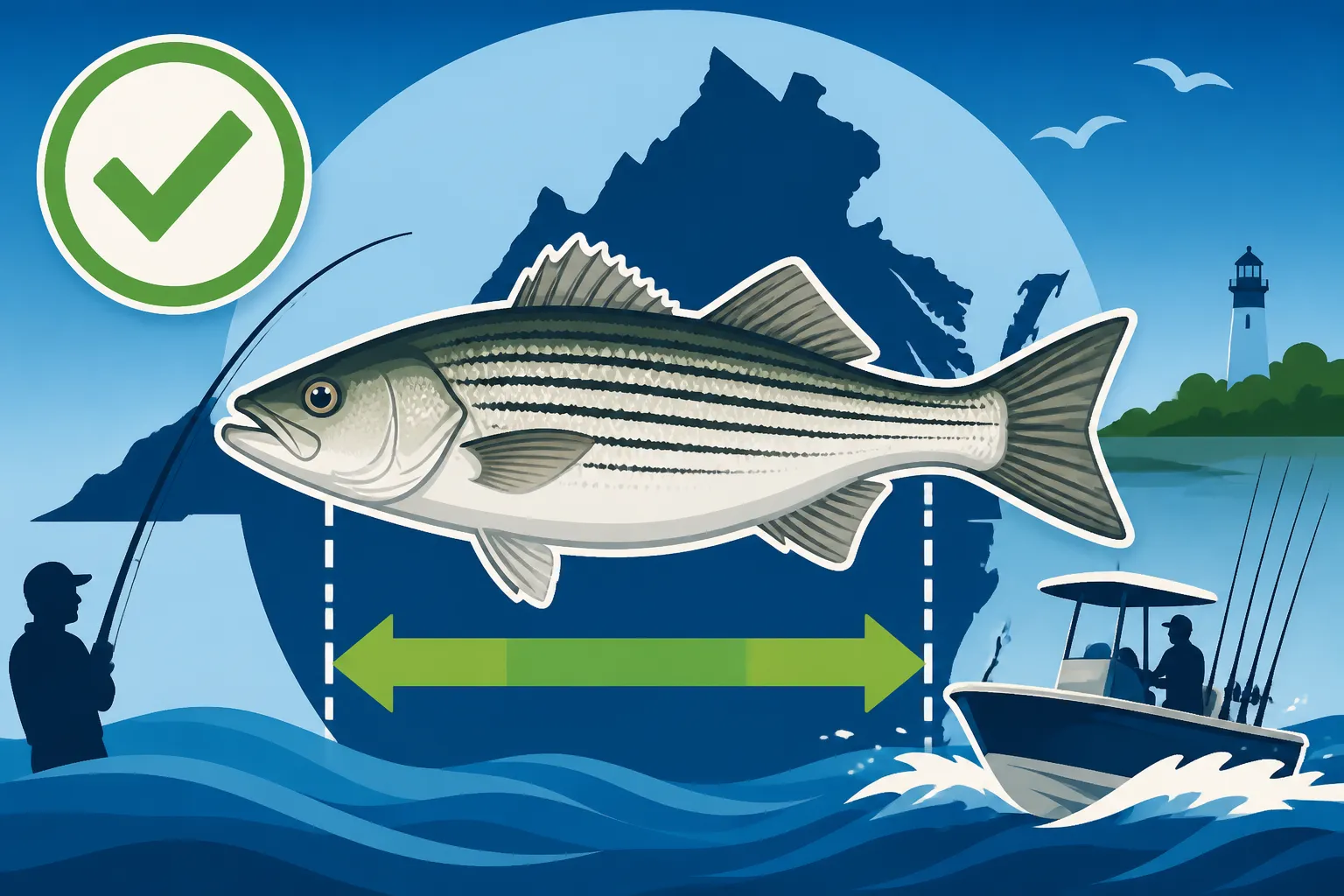
Virginia’s 28 to 31 Inch Striped Bass Slot Limit for Charter Anglers
One of the most thrilling experiences for any angler in Virginia is hooking into a powerful striped bass, often affectionately called "rockfish." But the excitement can quickly turn to confusion when you're trying to figure out if your prized catch meets the ever-important slot limits, especially when you're out on a charter trip. It’s a common frustration, feeling like you need a law degree just to go fishing! This comprehensive guide is here to clear the waters, specifically breaking down Virginia's 28 to 31-inch striped bass slot limit and how it applies to you when you’re out on a charter boat, ensuring you can enjoy your day without worry.
Understanding Virginia's Striped Bass Slot Limit for Charter Trips
Virginia, like many states, implements strict regulations to protect its precious fisheries, and striped bass are certainly no exception. The rules can feel a bit like a moving target sometimes, changing with the seasons and for different types of fishing, but they’re always put in place with the long-term health of the fish population in mind. For striped bass, the most talked-about regulation is often the slot limit.
The "Why" Behind Slot Limits
You might wonder, why can't I just keep any fish I catch, especially if it's a real monster? Or why do I have to release a perfectly good, albeit smaller, fish? It boils down to conservation, pure and simple. Slot limits are a crucial tool fisheries managers use to ensure that the striped bass population remains healthy and sustainable for future generations of anglers.
Think of it this way: the smaller fish, those below the slot, are the juveniles. They're still growing, learning to navigate the waters, and haven't had a chance to reproduce yet. By protecting them, we allow them to mature and contribute to the next generation of striped bass. On the other end, the larger fish, those above the slot, are often the prime breeders – the big, healthy females that lay millions of eggs. Removing too many of these trophy-sized fish could severely impact the reproductive capacity of the entire population. The "slot" itself—that specific size range—is where biologists have determined there's a healthy surplus that can be harvested without harming the population's long-term viability. It's a delicate balance, and while it might mean releasing a fish you really wanted, it’s all for the greater good of the fishery.
What the 28 to 31 Inch Slot Means
For striped bass in Virginia, during specific open seasons, the slot limit often dictates that any fish you keep must measure between 28 and 31 inches, total length. This isn't just a suggestion; it's a hard and fast rule. "Total length" means you measure from the tip of the jaw (with the mouth closed) to the tip of the tail (with the tail compressed, or pinched, to get the longest possible measurement). It’s not about guessing or estimating; precision is key.
So, if you reel in a beautiful striper that measures 27.5 inches, you absolutely must release it. That fish is below the slot and needs more time to grow. Similarly, if you land a true giant that tapes out at 31.5 inches, as exciting as that is, it also has to go back into the water because it's above the slot. The ideal catch, the one you can take home, is that sweet spot from 28 inches all the way up to, but not including, 31 inches. A 30-inch rockfish? Perfect. A 28-inch one? You bet. But outside that very specific window, it's catch and release. Your charter captain will have a measuring device on board and will be diligent in helping you check your fish.
One Fish Per Person Rule
While the slot limit defines the size of the fish you can keep, there's another crucial rule that dictates how many. For striped bass in Virginia, during most recreational seasons, the limit is one fish per person per day. This is an important detail, especially on a charter where multiple anglers are fishing together. Even if everyone on board catches a fish within the 28 to 31-inch slot, each individual angler can only keep one.
This means if you've already kept your legal fish, any subsequent striped bass you catch, regardless of its size, must be immediately released, even if it falls within the slot. It's about personal limits, not just boat limits. This ensures that the overall harvest is controlled, preventing too many fish from being taken out of the population in a single day. The captain will typically track everyone's kept fish to ensure compliance. You'll want to review Virginia's Fishing License and Catch Limit Basics for a broader overview.
How the Slot Limit Impacts Your Charter Experience
Going out on a fishing charter is a fantastic way to target specific species like striped bass without needing to own all the gear or know all the local spots yourself. A good charter captain is not only a skilled angler but also a walking encyclopedia of local regulations, and this is where the slot limit really comes into play.
Captain's Role in Compliance
When you book a charter trip, you're essentially hiring an expert to put you on fish and ensure you have a safe and legal outing. This includes navigating the complexities of fishing regulations, such as the striped bass slot limit. Reputable charter captains are intimately familiar with Virginia's rules. They've often studied them, tracked changes, and developed a system for helping their clients comply. They know exactly how to measure a fish, what the current slot is, and how many fish each angler can keep.
Your captain will be your primary guide on the water. They'll often provide clear instructions on how to handle a fish once it's in the boat, how to measure it quickly and accurately, and whether it's a keeper or needs to be released. Don't hesitate to ask them questions if you're unsure about anything. They're there to help you understand and adhere to the rules, which is a huge part of the value they offer. It gives you peace of mind, knowing you're fishing responsibly. Many anglers find great captains by searching platforms like FishingBooker, where reviews often highlight a captain's knowledge and professionalism regarding regulations.
Measuring Your Catch on Board
The moment of truth arrives when you land a striper. Your captain or deckhand will typically step in to assist with measuring. They’ll likely have a sturdy measuring board or tape securely fastened to the boat. The process is usually quick and efficient to minimize stress on the fish. As mentioned earlier, it's a total length measurement, from the closed jaw to the pinched tail.
If your fish measures squarely within the 28 to 31-inch slot and you haven't already kept your one legal fish for the day, then congratulations! That's a keeper. Your captain will often tag it or place it in a cooler. If, however, the fish is too small (under 28 inches) or too large (31 inches or over), the captain will instruct you to release it immediately and carefully. They'll show you how to handle the fish to ensure its best chance of survival, emphasizing the importance of responsible catch and release, especially for the protected sizes. This is a critical part of being a good steward of the fishery.
When and Where These Rules Apply
It’s important to understand that the 28 to 31-inch slot limit for striped bass isn't a blanket rule that applies uniformly everywhere in Virginia at all times. Generally, this slot limit is a recreational rule that applies to most of Virginia's tidal waters, including the expansive Chesapeake Bay and its tributaries, as well as the coastal waters. However, striped bass regulations can be nuanced and may sometimes differ slightly between, say, the main stem of the Chesapeake Bay and the Atlantic Ocean.
Furthermore, these rules are intrinsically tied to the specific open seasons for striped bass. The slot limit is only in effect when the season is open. When the season is closed, no striped bass can be kept, regardless of size. This makes having a knowledgeable captain even more vital, as they will always be up-to-date on the current season dates and any specific area restrictions. Always confirm with your charter captain about the specific regulations for the waters you'll be fishing on your trip. You can also dive into Virginia Striped Bass Season and Slot Limit Guide for more detailed season information.
Beyond the Slot: Other Important Striped Bass Regulations
While the 28 to 31-inch slot limit is a major focus, it's just one piece of the regulatory puzzle for striped bass fishing in Virginia. To be a truly responsible angler, especially on a charter, it's good to have a general awareness of the broader context of the rules.
Virginia's Split Striped Bass Season
The striped bass season in Virginia's tidal waters is often structured into a "split season," meaning there are typically two distinct periods during the year when recreational harvest is permitted. For example, there might be a spring season and a fall/winter season. Outside of these designated periods, the season is closed, and all striped bass caught must be released, regardless of their size or whether they fit within the slot.
The exact dates for these seasons can vary slightly from year to year based on stock assessments and management decisions. This split season approach is another conservation measure, designed to protect the fish during critical times like spawning or when they are particularly vulnerable to overfishing. Your charter captain will absolutely be aware of these dates and will only book trips to target striped bass during legal open seasons. Knowing about the Virginia Striped Bass Split Season Dates Explained can help you plan your trips.
Fishing License Requirements for Charter Anglers
This is a common question, and it has a pretty straightforward answer for most recreational charter trips. Generally, when you fish on a licensed charter boat in Virginia, you, as an individual angler, do not need to purchase your own recreational fishing license. The charter boat itself operates under a special vessel license that covers everyone on board. This is a huge convenience, as it removes one more hurdle for visiting anglers or those new to the sport.
However, there can be exceptions or specific scenarios. For instance, if you're fishing in freshwater, or on a boat that isn't a federally permitted charter, the rules might be different. Always double-check with your charter captain when you book your trip. They'll be able to confirm whether you need an individual license or if the boat's license covers you. This is one of the many benefits of booking a charter – fewer things for you to worry about! For a comprehensive guide, check out Virginia Fishing License Guide.
Penalties for Non-Compliance
It might seem obvious, but it's worth stating clearly: fishing without adherence to the regulations can lead to serious consequences. Virginia's Department of Wildlife Resources (DWR) and the Virginia Marine Resources Commission (VMRC) have enforcement officers who actively patrol the waters, checking for compliance. If you're found to be in possession of an illegal fish (e.g., outside the slot limit, over the daily bag limit, or caught out of season), the penalties can range from hefty fines to the confiscation of your catch and even fishing equipment.
Ignorance of the law is generally not considered an excuse. This is precisely why fishing with a knowledgeable charter captain is so valuable. They act as your on-the-water compliance officer, ensuring that everyone on board is following the rules. It's not just about avoiding a fine; it's about respecting the fishery and the collective efforts to preserve it. The goal is always to have a fun, memorable, and legal fishing trip.
Making the Most of Your Striped Bass Charter in Virginia
A striped bass charter trip in Virginia can be an unforgettable adventure, offering the chance to catch one of the East Coast's most iconic game fish. Knowing the regulations, particularly the slot limit, means you're not just fishing; you're participating in responsible angling.
Communication with Your Captain
Open communication is the cornerstone of a successful and enjoyable charter trip. Before your trip, don't hesitate to ask your captain about the current striped bass regulations, including the slot limits and bag limits. A good captain will appreciate your interest in being compliant and will be happy to explain everything. Once on board, if you're ever unsure about a specific fish you've caught, or how to measure it, or whether it's a keeper, just ask!
Captains are also excellent sources of information on why these rules exist, sharing their knowledge of conservation efforts and the health of the local fishery. Utilizing their expertise extends beyond just finding fish; it includes understanding the framework that protects them. Many captains listed on platforms like FishingBooker emphasize their commitment to ethical angling and customer education.
Ethical Angling Practices
Beyond simply following the letter of the law, ethical angling practices are crucial for the long-term health of the striped bass population, especially when dealing with fish outside the legal slot. When a fish needs to be released, whether it's undersized, oversized, or you've reached your daily limit, the goal is to do so in a way that gives it the best chance of survival.
This typically involves minimizing handling time, using wet hands to avoid removing the fish's protective slime, supporting its body weight horizontally, and using proper de-hooking tools. Many charters use circle hooks when bait fishing for striped bass, which are designed to hook fish in the jaw rather than deep in the gullet, making release much easier and safer for the fish. Your captain will guide you through these best practices, ensuring that those magnificent breeders and future trophies swim away strong. For more on best practices, you might look into Fishing Charter Fishing for Beginners.
Choosing the Right Charter
Selecting the right fishing charter is paramount for both an enjoyable and compliant trip. You want a captain who not only knows where the fish are but also prioritizes safety, customer service, and, crucially, adherence to all Virginia fishing regulations. Look for captains with good reputations, positive reviews, and a clear understanding of the local rules.
When researching charters, consider asking about their approach to regulations. A good charter will be transparent about limits and seasons. Websites like FishingBooker provide a platform where you can research captains, read reviews from other anglers, and often see detailed information about the types of fish they target and their approach to responsible fishing. By choosing wisely, you set yourself up for a fantastic experience where the excitement of the catch is matched by the satisfaction of fishing responsibly and within the law. Knowing What to Look for When Booking a Virginia Fishing Charter can greatly assist your choice.
| Striped Bass Measurement | Legality (28-31 Inch Slot) | Action Required |
|---|---|---|
| Under 28 inches | Illegal | Immediate Release |
| 28 inches | Legal | Can be Kept (if within bag limit) |
| 29 inches | Legal | Can be Kept (if within bag limit) |
| 30 inches | Legal | Can be Kept (if within bag limit) |
| 30.99 inches | Legal | Can be Kept (if within bag limit) |
| 31 inches and over | Illegal | Immediate Release |
| Beyond daily bag limit | Illegal | Immediate Release (regardless of size) |
Disclaimer
This article is for general informational purposes only and does not constitute professional advice. Laws, prices and regulations vary by location and change over time. Consult a qualified professional for guidance on your specific situation.