Virginia Charter Fishing for Beginners
Stepping into the world of Virginia charter fishing can feel a bit overwhelming, especially if you're a beginner. There's so much to consider, from choosing the right boat to understanding what you need to bring, and it’s easy to get lost in the details. This comprehensive guide is here to demystify the process, helping first-time anglers confidently book and enjoy their initial charter fishing experience in the Old Dominion.
Why Choose a Fishing Charter in Virginia, Especially as a Beginner?
Let's be honest, fishing can have a steep learning curve. You need gear, knowledge of local waters, an understanding of fish behavior, and sometimes even a boat. For newcomers, or even seasoned anglers visiting a new area like Virginia, a charter fishing trip cuts through all that complexity. It's not just about catching fish; it's about learning, experiencing, and enjoying the water without the upfront investment and hassle.
Overcoming the Learning Curve
Imagine trying to figure out the best bait for striped bass in the Chesapeake Bay or how to properly jig for crappie on Smith Mountain Lake for the first time. It can be a trial-and-error process that costs time and money. When you book a charter, you're essentially hiring an expert who has already put in countless hours learning the local waters, fish patterns, and effective techniques. They know what works, when it works, and where to find the fish.
A good captain and crew are invaluable teachers. They'll show you how to cast, how to bait your hook, and how to properly fight a fish once it's on the line. They'll explain why certain lures are used or why they're fishing at a specific depth. This hands-on education is worth its weight in gold, turning what could be a frustrating solo outing into an engaging and successful learning experience. You get to absorb a wealth of knowledge that would take years to acquire on your own, setting you up for future independent fishing adventures.
Accessing Prime Fishing Grounds
One of the biggest advantages of a charter for beginners is gaining access to prime fishing spots that might be inaccessible or unknown to the average angler. Many of the best fishing locations in Virginia, whether in the vast expanses of the Chesapeake Bay or the deep channels of large freshwater lakes, require specific local knowledge to find. These aren't always the spots visible from the shore or marked clearly on a public map.
Charter captains spend their lives on these waters. They know the underwater structures, the seasonal migration paths, the hidden oyster beds, and the secret coves where fish congregate. They track water temperatures, tides, and weather patterns with a precision that solo anglers can rarely match. When you step onto a charter boat, you're not just going out on the water; you're being guided directly to the "honey holes" where the action is most likely to be. This significantly increases your chances of a successful and memorable trip, which is incredibly encouraging for a beginner.
Safety and Convenience
Let's not forget the practical side of things. Safety on the water is paramount, and reputable charter operations are run by licensed captains who prioritize the well-being of their passengers. Their boats are properly maintained, equipped with essential safety gear, and the crew is trained in first aid and emergency procedures. For someone new to boating or unfamiliar with Virginia's waterways, this peace of mind is priceless.
Beyond safety, the sheer convenience of a charter is a huge draw for beginners. All the necessary fishing equipment – rods, reels, bait, tackle – is provided. You don't need to invest in expensive gear before you even know if fishing is for you. The crew handles the boat, navigates, sets up the lines, and even cleans your catch at the end of the day. This allows you to focus purely on the joy of fishing and soaking in the experience, rather than worrying about the logistics. It's a truly turn-key fishing adventure.
Understanding Virginia's Charter Landscape: Freshwater vs. Saltwater
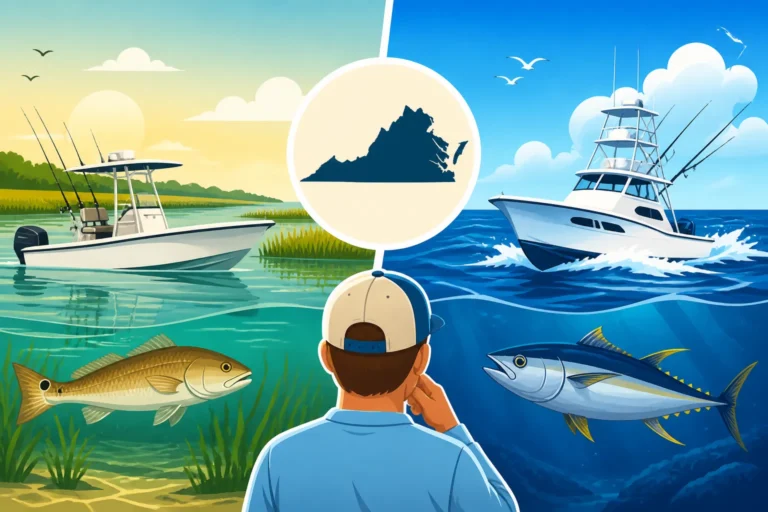
Virginia is an angler's paradise, offering an incredible diversity of fishing experiences. From the expansive Atlantic coastline and its vast estuaries to the peaceful freshwater lakes and winding rivers, the opportunities are endless. As a beginner, understanding this landscape is key to choosing the right charter for your interests and expectations.
Exploring Chesapeake Bay and Coastal Charters
When most people think of charter fishing in Virginia, their minds often jump to the iconic Chesapeake Bay Fishing Charters in Virginia and the bustling coastal towns. The Chesapeake Bay, in particular, is a world-renowned fishery, famous for its incredible striped bass (often called "rockfish" locally), flounder, drum, and croaker. Heading out from ports like Virginia Beach, Norfolk, or Cape Charles, you'll find a wide array of charter boats ranging from smaller bay boats perfect for a few anglers to larger head boats that can accommodate bigger groups.
Coastal charters venturing into the Atlantic Ocean from Virginia Beach or Rudee Inlet offer opportunities for offshore species like tuna, mahi-mahi, and billfish, though these are typically longer, more expensive trips better suited for more experienced anglers. For beginners, the calmer, more protected waters of the Bay and its tributaries often provide a fantastic introduction to saltwater fishing. These trips might target flounder around structure, or troll for stripers, offering a more consistent bite and less challenging conditions than the open ocean. Virginia Beach Fishing Charters and Trip Costs can give you an idea of what to expect in terms of pricing and available trips in that popular coastal area.
Discovering Freshwater Lake and River Guides
Don't overlook Virginia's fantastic freshwater fishing opportunities! Lakes like Smith Mountain Lake, Lake Anna, and Claytor Lake are home to thriving populations of largemouth and smallmouth bass, crappie, catfish, and even landlocked striped bass. Rivers like the James, Shenandoah, and Rappahannock also offer incredible fishing, particularly for smallmouth bass and various panfish.
Booking a guide on a freshwater lake or river can be an equally rewarding experience for beginners. These trips often utilize smaller, more agile boats, allowing access to tighter coves or shallower river stretches. A Smith Mountain Lake Fishing Guides in Virginia trip, for example, might focus on teaching you specific techniques for catching striped bass or targeting trophy largemouths in different seasonal patterns. The atmosphere on a freshwater guide trip can often feel more intimate and personalized, making it ideal for those who prefer a quieter, more focused learning environment away from the ocean swells.
Key Differences for Beginners
So, how do you choose between freshwater and saltwater for your first charter? Here's a quick comparison:
| Feature | Saltwater Charters (Chesapeake Bay/Coastal) | Freshwater Charters (Lakes/Rivers) |
|---|---|---|
| Typical Target Fish | Striped Bass (Rockfish), Flounder, Drum, Croaker, Cobia, Spanish Mackerel | Largemouth Bass, Smallmouth Bass, Crappie, Catfish, Landlocked Striper |
| Boat Size | Often larger, more robust vessels to handle open water. | Generally smaller, more maneuverable boats for lakes and rivers. |
| Fishing Techniques | Trolling, bottom fishing, chumming, live baiting. | Casting artificials, jigging, live baiting, sight fishing. |
| Trip Duration | Can range from half-day (4-5 hours) to full-day (8+ hours) or even extended offshore trips. | Typically half-day (4 hours) or full-day (8 hours). |
| Conditions | Can be choppier, especially on the open bay or ocean. | Generally calmer, unless on very large lakes during windy conditions. |
| Cost | Often slightly higher due to fuel, boat size, and specialized gear. | Generally a bit more accessible, depending on the guide's reputation. |
| Scenery | Coastal views, lighthouses, large expanses of water. | Mountains, forests, serene lake vistas, river rapids. |
For many beginners, a half-day trip on the Chesapeake Bay targeting species like stripers or flounder, or a freshwater guide trip on a large lake for bass or crappie, offers a fantastic entry point. These trips balance excitement with comfort and provide plenty of opportunity to learn. You'll want to think about what kind of fish you're hoping to catch and what kind of environment you find most appealing when making your decision.
What to Expect on Your First Virginia Fishing Charter
Stepping onto a charter boat for the first time can feel like entering a whole new world. Knowing what to expect can significantly ease any anxiety and help you truly enjoy the experience. From what to pack to understanding the rules of the boat, being prepared makes all the difference.
Preparing for Your Trip What to Bring, What's Provided
One of the best things about a charter is how much is already taken care of. Most Virginia fishing charters will provide all the necessary fishing gear, including rods, reels, tackle, and bait. Many will even have coolers with ice for your drinks and snacks, and often for your catch. This convenience is a huge plus for beginners who don't own extensive fishing equipment. The captain or crew usually handles Does a Virginia Fishing Charter Include Your License?, but it's always smart to confirm this when booking. Some charters include it, some require you to purchase it separately beforehand.
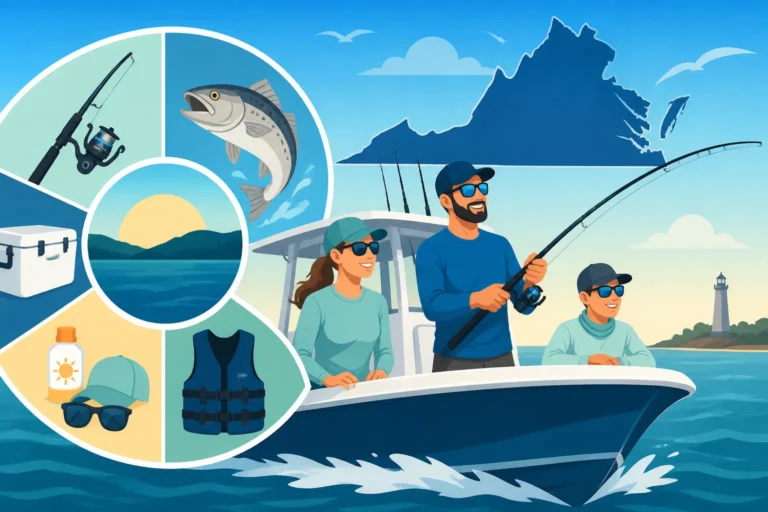
However, there are still a few essentials you'll want to bring to ensure your comfort:
- Sun Protection: Virginia sun can be intense on the water. Bring sunscreen (reef-safe if possible), a wide-brimmed hat, and sunglasses. Even on cloudy days, UV rays reflect off the water.
- Weather-Appropriate Clothing: Dress in layers! It can be chilly in the mornings and evenings, even in summer, and much warmer by midday. A waterproof jacket is always a good idea, just in case of unexpected rain or sea spray.
- Food and Drinks: While some charters provide water, bringing your own snacks and drinks is a must. Pack things that are easy to eat on the go.
- Cooler (Optional, for your catch): If the charter cleans your fish for you (many do!), you'll want a separate cooler in your car to transport your fillets home.
- Motion Sickness Medication: If you're prone to seasickness, take medication before you board the boat. Don't wait until you feel ill; by then, it's often too late.
- Camera: To capture those memorable moments!
- Appropriate Footwear: Non-slip, closed-toe shoes are best for safety on a wet deck.
Checking with your specific charter captain beforehand about What to Bring on a Virginia Fishing Charter will give you the most accurate list for their particular trip.
Onboard Etiquette and Safety Briefings
Once you step aboard, the captain or crew will typically give a brief safety talk. Pay close attention to this! They'll cover where life jackets are stored, how to use any emergency equipment, and basic rules for moving around the boat safely. This isn't just a formality; it's crucial for everyone's well-being.
As for etiquette, a few simple guidelines will make for a smoother trip:
- Listen to the Captain and Crew: They are the experts and are in charge of your safety and the success of the trip. Follow their instructions without question.
- Be Mindful of Space: Boats, even large ones, have limited space. Be aware of your surroundings and avoid unnecessary clutter.
- Communicate: If you need help, feel unwell, or have a question, speak up! The crew is there to assist you.
- Respect the Gear: The boat's rods and reels are professional tools. Handle them carefully and report any issues to the crew.
- Don't Bring Bananas: Seriously, it's an old fishing superstition! While not universally believed, it's a fun one to observe.
- Stay Hydrated: Even on cooler days, you can get dehydrated on the water.
Remember, a charter trip is a shared experience. Being respectful, cooperative, and communicative will not only make your trip more enjoyable but also help the crew do their job effectively.
Understanding Catch Limits and Regulations
This is a big one, especially in a state like Virginia with diverse fisheries and varying regulations. Before you even cast a line, your captain will or should brief you on the current catch limits, size restrictions (slot limits), and species-specific rules for the day. These regulations are set by state agencies like the Virginia Department of Wildlife Resources (DWR) for freshwater and the Virginia Marine Resources Commission (VMRC) for saltwater, and they are in place to ensure sustainable fishing practices.
For example, Virginia's Striped Bass Season and Slot Limit Guide can be quite detailed, with specific windows for keeper fish and a slot limit (e.g., only fish between certain lengths can be kept). These rules can even change throughout the year or differ between regions (e.g., coastal vs. bay waters). Your charter captain is an expert on these regulations and will make sure you stay compliant. If you catch a fish that doesn't meet the legal requirements, the crew will instruct you on how to release it properly and safely back into the water. Don't try to sneak an undersized fish into the cooler; game wardens are vigilant, and penalties for violations can be stiff. Always follow the captain's lead regarding what you can and cannot keep.
Booking Your First Virginia Fishing Charter: Tips for Beginners
Now that you're excited about the prospect of a charter, it's time to talk about how to actually make it happen. Booking your first trip can feel a little daunting, but with a few pointers, you'll be on your way to a memorable fishing adventure in Virginia.
Choosing the Right Charter and Captain
This is arguably the most crucial step. Not all charters are created equal, and finding the right fit for a beginner can make or break your experience. Here's what to consider:
- What are you targeting? Are you dreaming of big Chesapeake Bay stripers, or do you want to leisurely catch panfish on a quiet lake? Knowing your target species will narrow down your options significantly, as captains often specialize. You might use this information to help you in Choosing a Charter Based on the Fish You Want to Catch.
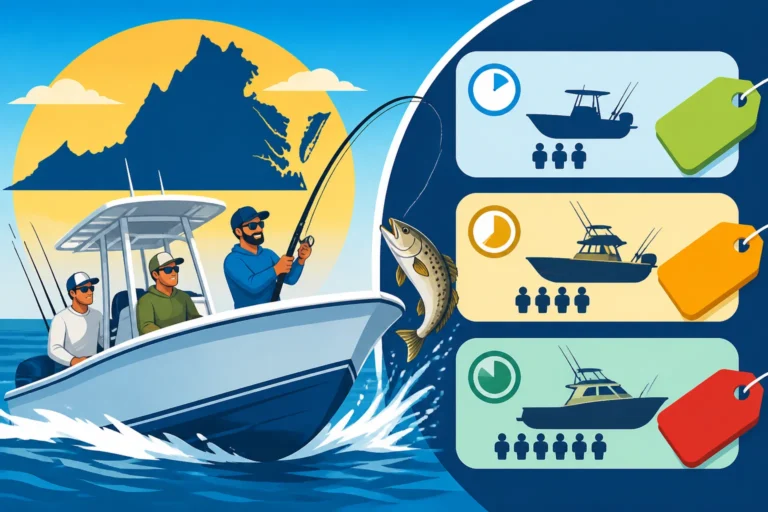
- Trip Length: As a beginner, a half-day trip (typically 4-5 hours) is often a great starting point. It allows you to get a feel for charter fishing without committing to a full day, which can be exhausting for newcomers. Half-Day vs Full-Day Fishing Charters in Virginia offers a good breakdown of the pros and cons.
- Group Size: Are you going solo, with a partner, or with a larger group? Charter boats vary in capacity. A private charter means you have the boat to yourselves, while a "head boat" or "party boat" accommodates many anglers and is usually priced per person. For a more personalized learning experience, a private charter or a smaller group trip is often preferable. Consider Family-Friendly Fishing Charters in Virginia if you're bringing kids along.
- Experience and Reputation: Look for captains with a good track record, especially those who emphasize a beginner-friendly approach. Online reviews are a great resource, but also consider asking for recommendations from local tackle shops or fellow anglers. You'll want to review What to Look for When Booking a Virginia Fishing Charter.
- What's Included: Always confirm what the charter fee covers. Does it include bait, tackle, fuel, and the mate's services? Are drinks provided? Are licenses covered? Knowing this upfront prevents surprises.
Navigating Booking Platforms and Asking Questions
Today, booking a charter is easier than ever thanks to online platforms. Websites like FishingBooker connect anglers with thousands of charters worldwide, including a wide selection right here in Virginia. These platforms allow you to filter by location (e.g., Virginia Beach, Smith Mountain Lake), target species, trip length, and even specific amenities. You can read detailed descriptions of boats and captains, view photos, and, most importantly, read reviews from other anglers. Using a platform like FishingBooker can streamline your search, giving you a clear overview of available options and transparent pricing.
Once you've found a few potential charters, don't hesitate to reach out to the captain directly, even if you're booking through a platform. This is your chance to ask any specific questions you might have. Some good questions for a beginner include:
- "Is this trip suitable for a first-time angler?"
- "What type of fish are we most likely to catch right now?"
- "What should I bring for this specific trip?"
- "Is a fishing license included, or do I need to get one beforehand?"
- "What's your policy on inclement weather or cancellations?"
- "What's the typical Tipping Norms for Virginia Fishing Charter Crews on your boat?" (More on this below!)
Getting these questions answered upfront will ensure everyone is on the same page and that your expectations align with what the charter offers. This proactive approach will contribute significantly to your comfort and enjoyment.
Understanding Pricing Structures and Tipping Norms
Charter fishing, while an incredible experience, is an investment. Prices vary widely based on location, trip length, boat size, and the species targeted. For instance, a half-day freshwater bass guide on a lake will generally cost less than a full-day offshore tuna trip from Virginia Beach. Most private charters charge a flat rate for the boat, regardless of the number of anglers (up to the boat's capacity). Head boats, however, typically charge per person.
Here's a general idea of how costs are structured:
- Half-Day vs. Full-Day: As mentioned, half-day trips are usually more budget-friendly and a great way to start. A Half-Day vs Full-Day Striper Charter Cost in Virginia article can provide specific details for certain areas.
- Private vs. Shared: A private charter, while a higher upfront cost, can be more economical per person if you have a full group. Shared trips (head boats) are great for solo anglers or small parties looking for a more affordable option.
- Inclusions: Confirm what's included. Some "all-inclusive" charters might cost more but mean you truly only need to show up. Others might have separate charges for bait or cleaning your catch.
Finally, let's talk about tipping. It's an important part of charter fishing etiquette and, frankly, a common point of confusion for beginners. Just like in a restaurant, it is customary to tip your captain and mate. The mate, especially, works incredibly hard, baiting hooks, untangling lines, gaffing fish, and cleaning up. A standard tip usually ranges from 15-20% of the total charter cost. If they went above and beyond, or if you had an exceptional experience, feel free to give more. Always bring cash for tips, as it's often preferred and makes the process smoother at the end of the trip. The crew's income relies heavily on these tips, so it's a way to show your appreciation for their hard work and expertise.
With this knowledge, you're well-equipped to navigate the exciting world of Virginia charter fishing and embark on your first adventure with confidence!
Disclaimer
This article is for general informational purposes only and does not constitute professional advice. Laws, prices and regulations vary by location and change over time. Consult a qualified professional for guidance on your specific situation.