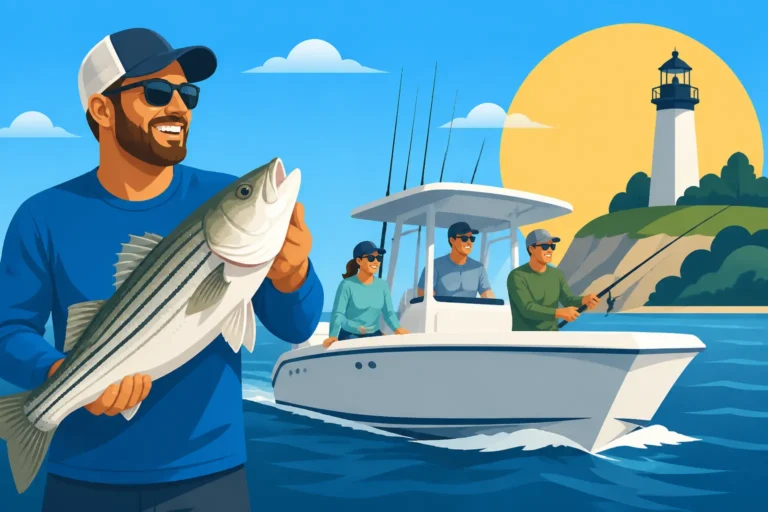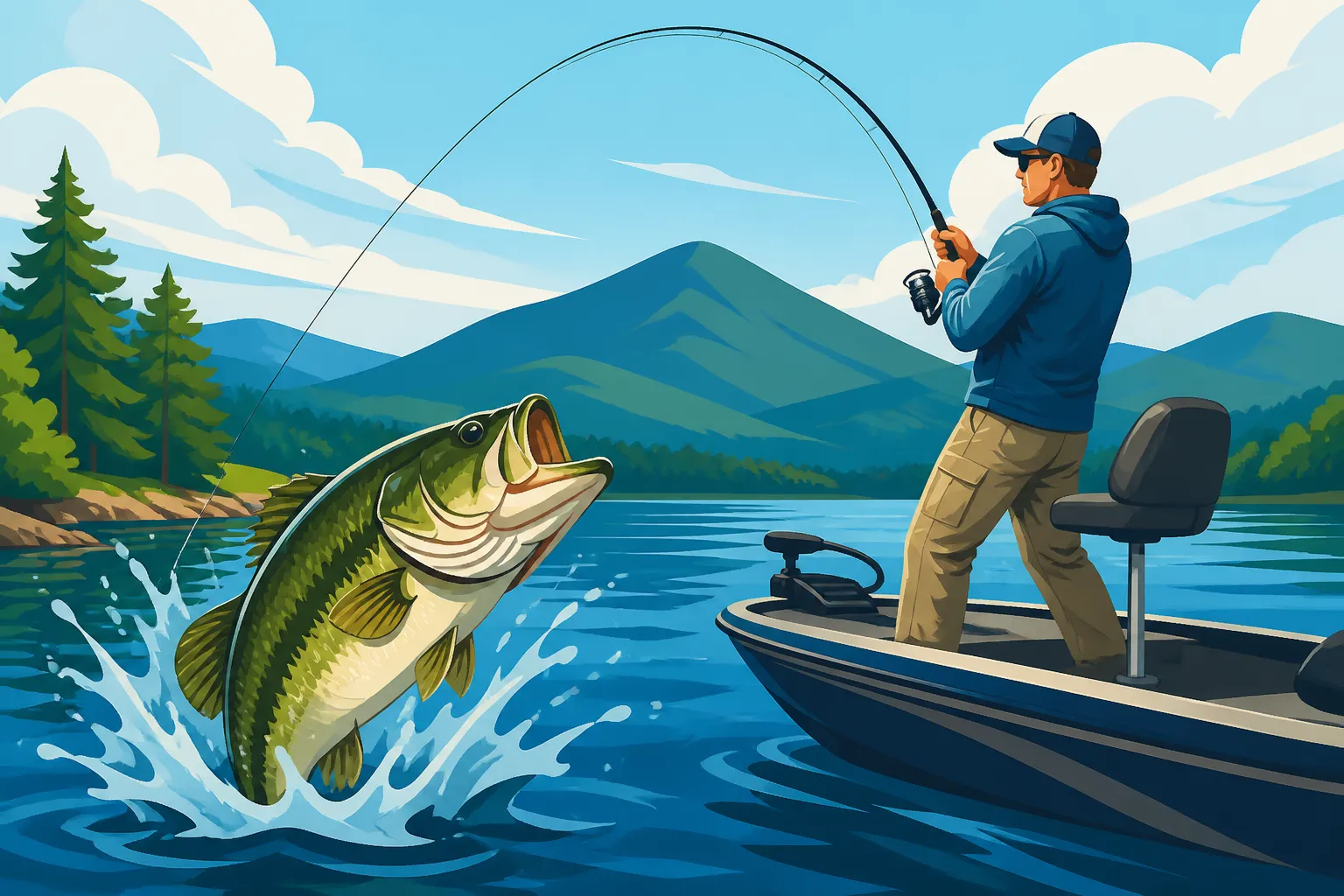
Smith Mountain Lake Fishing Guides in Virginia
Anglers often arrive at the vast, shimmering waters of Smith Mountain Lake with grand fishing ambitions, only to find its immense size and complex fishery intimidating. The sheer scale, diverse depths, and varied structures can make locating fish feel like searching for a needle in a haystack, especially for those unfamiliar with its seasonal nuances and fish behaviors. This comprehensive guide is designed to peel back the layers of Smith Mountain Lake fishing, providing deep insights into why and how a professional fishing guide can transform your experience from a puzzling challenge into a rewarding, educational, and successful adventure.
Why Hire a Fishing Guide for Smith Mountain Lake?
Smith Mountain Lake, affectionately known as SML, is a truly magnificent body of water. With over 500 miles of shoreline, countless coves, deep channels, and diverse underwater structures, it's an angler's paradise – but also a formidable opponent for the uninitiated. You might be an experienced angler on your home waters, but SML presents its own unique set of puzzles. Trying to navigate and consistently catch fish here without local knowledge can quickly become frustrating, eating away at precious fishing time. That's where a dedicated fishing guide becomes not just a luxury, but often a crucial component for a successful and enjoyable trip.
Navigating the Lake's Complexities
Imagine spending hours on the water, burning fuel, and casting into seemingly productive spots, only to come up empty-handed. This is a common scenario for those who haven't spent years learning the intricacies of Smith Mountain Lake. The lake's vastness means that fish patterns change dramatically with the seasons, water temperatures, and even daily weather shifts. What worked last week in one cove might be completely useless today in another.
A local guide has intimately mapped this sprawling reservoir in their mind and on their electronics. They know where the thermocline sets up in summer, where the baitfish congregate in fall, and where the bass move during the spring spawn. They can swiftly take you from a barren stretch of water to a honey hole holding active fish, saving you immense amounts of time and frustration. It's not just about knowing where the fish are, but understanding why they are there and how they are behaving at that exact moment.
Furthermore, safety on such a large body of water is paramount. A guide is skilled not only in fishing but in boat handling and navigating the lake's myriad hazards, from submerged stumps to shallow rock formations, ensuring your trip is as safe as it is productive. Their local knowledge extends beyond fish to the lake itself, making for a much smoother and worry-free day.
Tapping into Local Expertise
The true value of a fishing guide at Smith Mountain Lake lies in their unparalleled local expertise. These are individuals who often spend hundreds of days a year on these waters, meticulously tracking fish movements, understanding feeding patterns, and adapting to every change the lake throws their way. They've seen it all, from the epic striper blitzes to the subtle winter bite, and they possess a mental library of techniques, baits, and presentations perfected over years.
This expertise is invaluable, especially if you're targeting specific species like the famous Smith Mountain Lake Striped Bass Fishing in Virginia or the challenging largemouth bass. A guide knows which crankbait color is hot on a cloudy day, what depth to target crappie in the summer, or the specific drop-shot technique that's been producing big smallmouth. They've invested the time, effort, and resources to understand the lake's various species, including what makes them tick under different conditions.
Beyond just catching fish, a guide can offer invaluable insights into the lake's ecosystem, its conservation efforts, and even its history. It's an opportunity to learn directly from a professional who lives and breathes Smith Mountain Lake fishing, gaining knowledge that would take years to acquire on your own. Many anglers consider a guided trip an intensive, hands-on masterclass in local angling.
Maximizing Your Catch Potential
Let's be honest: when you go fishing, you want to catch fish! While no guide can guarantee a limit every time (fishing is, after all, still fishing!), hiring a guide significantly increases your chances of a successful day on the water at Smith Mountain Lake. They bring an arsenal of knowledge, top-of-the-line equipment, and a strategic approach honed by experience.
A guide comes prepared with multiple rods rigged for various techniques, a diverse selection of baits and lures that are currently working, and advanced electronics to locate structure, baitfish, and game fish. This means less time fumbling with tackle and more time with lines in the water. They can quickly assess the conditions, make informed decisions on where to go and what to use, and even adjust tactics on the fly if the fish aren't cooperating. This efficiency is critical, especially on a vast lake where every minute counts.
Furthermore, a good guide teaches you how to replicate their success. They don't just put you on fish; they explain why they chose that spot, how to present the lure, and what to look for. This educational aspect empowers you to become a better angler on your own future trips, equipping you with valuable skills and understanding that extend far beyond a single day on SML. It’s an investment in your own angling prowess.
Types of Fishing Guide Services on Smith Mountain Lake
Smith Mountain Lake offers a diverse fishery, attracting anglers with a wide range of preferences and target species. Recognizing this, fishing guides on SML have tailored their services to cater to different interests, ensuring that whether you're chasing trophy bass or aiming for a cooler full of crappie, there's a specialized trip waiting for you. Understanding these options will help you select the perfect guide for your next adventure.
Targeting Specific Species: Stripers, Bass, and Crappie
One of the most popular reasons to hire a guide on Smith Mountain Lake is to specifically target its most prized residents. The lake is renowned for its fantastic striped bass fishery, and many guides specialize exclusively in putting clients on these hard-fighting "rockfish." A Smith Mountain Lake Striped Bass Guide Trips often involves trolling large artificial baits or live bait in open water, or chasing active schools of stripers as they feed on baitfish. These guides are masters of locating the vast schools of stripers, understanding their migratory patterns, and knowing the specific times and conditions that trigger a feeding frenzy. They'll know the depths, the water temperatures, and the precise presentations needed to entice these powerful fish.
Beyond stripers, Smith Mountain Lake also boasts an incredible bass fishery, including largemouth, smallmouth, spotted, and even Alabama bass. Guides specializing in bass fishing will focus on different techniques depending on the season, from shallow water flipping and pitching in spring to deep water jigging and drop-shotting in summer. They are intimately familiar with the lake's structure, knowing where to find submerged timber, rock piles, and points that hold bass. Whether you're hoping for a trophy largemouth or a feisty smallmouth, a bass specialist will have you covered.
Crappie fishing is another popular option, especially for those looking for excellent table fare or a fun, fast-paced day of catching. Crappie guides know the brush piles, bridge pilings, and standing timber where these schooling panfish congregate. They often employ spider rigging or jigging techniques to maximize catch rates, making it an ideal choice for families or anglers new to fishing. Some guides may even offer combination trips, focusing on two or more species depending on the season and client preference, giving you a taste of the lake's diverse offerings.
Half-Day vs. Full-Day Adventures
When booking a guide trip, one of the first decisions you'll face is whether to opt for a half-day or a full-day experience. Both have their merits, and the best choice often depends on your budget, endurance, and fishing goals. A half-day trip typically runs for 4-5 hours, offering a concentrated burst of fishing action. This is a fantastic option for beginners, families with young children, or those on a tighter schedule. It's enough time to learn some techniques, catch some fish, and get a good feel for the lake without committing to an entire day on the water.
A full-day trip, usually lasting 8 hours or more, provides a much more immersive and comprehensive fishing experience. This extended time allows the guide to cover more ground, explore different fishing spots and techniques, and adapt to changing conditions throughout the day. If the morning bite is slow, a full-day trip gives you the flexibility to move to new areas or try different approaches in the afternoon, significantly increasing your chances of finding active fish. It’s also ideal for serious anglers who want to maximize their learning and their catch. You'll delve deeper into the nuances of Smith Mountain Lake's Elite Virginia Striped Bass Fishery or explore various bass patterns.
The choice often comes down to personal preference. If you're looking for a taste of SML fishing, a half-day is perfect. If you're passionate about fishing, want to absorb as much knowledge as possible, and are prepared for a longer outing, a full-day trip offers an unmatched opportunity to fully experience what the lake has to offer. Many experienced anglers find the extra time on a full-day trip invaluable for truly dialing into the fish.
Specialty Trips: Night Fishing and Fly Fishing
While most guide services focus on conventional daytime fishing, some Smith Mountain Lake guides offer specialty trips that cater to unique angling interests. Night fishing for species like striped bass or catfish can be incredibly productive, especially during the warmer summer months when fish often move into shallower water to feed under the cover of darkness. A guide who specializes in night fishing will have the necessary equipment, such as powerful lights and specialized tackle, and the experience to safely navigate the lake after dark.
Imagine the thrill of a striper crashing a topwater lure under the glow of a full moon, or feeling the strong pull of a big catfish in the quiet solitude of night. These trips offer a completely different experience from daytime angling, often with less boat traffic and more active fish. They can be particularly exciting for those looking for a novel challenge or a chance to beat the summer heat.
For the fly-fishing enthusiast, some guides on Smith Mountain Lake are equipped to offer trips specifically tailored to fly rod techniques. While typically associated with trout streams, fly fishing for carp, panfish, or even aggressive striped bass and bass can be a unique and rewarding experience on SML. These guides understand the delicate presentations required for fly fishing and can help you target appropriate species, providing a refined angling experience for those who prefer the long rod. These specialty options demonstrate the versatility of Smith Mountain Lake and its dedicated guiding community.
What to Expect from a Smith Mountain Lake Fishing Guide
Booking a fishing guide, especially for the first time on a lake as significant as Smith Mountain Lake, can bring up a lot of questions. Knowing what to expect regarding equipment, safety, and the overall learning experience will help you relax and make the most of your adventure. A professional guide aims to provide a seamless and memorable day, taking care of the details so you can focus on the fishing.
Gear, Bait, and Licensing Logistics
When you book a trip with a reputable Smith Mountain Lake fishing guide, you can generally expect that all the necessary high-quality fishing gear will be provided. This includes rods, reels, lines, and a wide array of terminal tackle and lures that are proven producers on SML. Guides invest heavily in their equipment to ensure you're fishing with reliable, effective tools. You won't need to worry about packing your own tackle box or trying to guess which lures might work; the guide will have everything you need, often pre-rigged and ready to go for the specific techniques they'll be using. This is a huge advantage, especially for travelers or those new to fishing, as it eliminates the need for a significant upfront investment in specialized gear.
Live bait, if used for species like striped bass or catfish, is also typically included in the trip cost. Guides source fresh, active bait, knowing that quality bait can make a substantial difference in catch rates. They'll often have a livewell full of shad, shiners, or herring, depending on the target species and season, ensuring you're using the most effective offerings. If you're looking to book a trip, platforms like FishingBooker often detail exactly what equipment and bait are included in each guide's package, making it easy to compare.
Regarding licensing, this is a critical point that often catches anglers off guard. While the guide provides almost everything else, you are generally responsible for purchasing your own Virginia fishing license. Guides operate under their own licenses, but each individual angler on board needs a valid Virginia freshwater fishing license. Make sure to check Virginia Fishing License Requirements for Residents and Nonresidents well in advance of your trip. Most guides will remind you of this, but it's always best to be prepared. Some guides might offer to help you acquire one online if you arrive without it, but it's not their primary responsibility.
Professionalism and Safety Standards
One of the cornerstones of a great guided fishing trip is the professionalism and commitment to safety demonstrated by your guide. Reputable Smith Mountain Lake guides are typically licensed by the U.S. Coast Guard, ensuring they meet rigorous standards for boat operation, safety equipment, and emergency procedures. Their boats are regularly maintained, equipped with essential safety gear like life jackets, first-aid kits, communication devices, and fire extinguishers, and are often insured. Your safety on the water is their absolute top priority, and they are trained to handle various situations that might arise.
Beyond safety, expect a high level of professionalism in their demeanor and service. This means punctuality, clear communication, respect for you and the environment, and a genuine passion for fishing and sharing their knowledge. A good guide will greet you warmly, provide a brief safety orientation, and explain the day's plan. They'll be patient teachers, offering encouragement and guidance without being condescending. They understand that a guided trip is about the experience as much as it is about the catch.
Their professionalism also extends to their knowledge of local fishing regulations, including size limits, creel limits, and season dates for all target species. They will ensure that all fish caught and kept adhere strictly to Virginia's Department of Wildlife Resources (DWR) guidelines. This not only keeps you compliant with the law but also reflects a commitment to sustainable fishing practices, protecting the fishery for future generations. For example, they'll know the current Statewide Bass Fishing Limits in Virginia or specific Striped Bass Season and Slot Limit in Virginia.
Learning Opportunities and Techniques
A guided fishing trip on Smith Mountain Lake isn't just about reeling in fish; it's a fantastic educational experience. One of the most significant benefits is the opportunity to learn directly from a seasoned expert. Your guide will often explain why they are doing what they are doing – why they chose a particular spot, how they are reading their electronics, or why a certain lure presentation is effective. This insight is invaluable for developing your own angling skills.
They'll demonstrate various fishing techniques, from casting and retrieving specific lures to setting the hook effectively. If you're interested in learning new methods, don't hesitate to communicate that to your guide. They are usually thrilled to share their expertise. Want to learn how to identify good structure on a fish finder? Ask! Curious about the nuances of a specific bait? Inquire! This hands-on instruction in a real-world fishing scenario is far more effective than reading articles or watching videos.
For many anglers, the most rewarding part of a guided trip is gaining a deeper understanding of fish behavior and how to adapt to changing conditions. A guide can teach you how water temperature, current, wind, and even barometric pressure influence where fish are and what they'll bite. This holistic approach to fishing empowers you to apply these principles to your own fishing endeavors, whether on Smith Mountain Lake or elsewhere. It truly transforms you into a more informed and capable angler, making the experience far more enriching than just a day of catching fish.
Choosing the Right Smith Mountain Lake Fishing Guide for You
Selecting the perfect fishing guide for your Smith Mountain Lake adventure is a crucial step that can make or break your experience. With several excellent guides operating on the lake, it's worth taking the time to research and ensure you find someone whose specialization, personality, and approach align with your expectations and fishing goals. This isn't just about finding a guide, but finding your guide.
Researching Guides and Their Specializations
Start your search by identifying what kind of fishing experience you're hoping for. Are you dead-set on catching a trophy striped bass, or would you prefer a more relaxed day of panfishing with the family? Smith Mountain Lake guides often specialize in certain species or techniques, and knowing your priority will narrow down the field considerably. For instance, if you're keen on chasing stripers, look for guides who actively promote their expertise in Smith Mountain Lake Striped Bass Fishing in Virginia. Similarly, if bass is your game, seek out guides with a strong reputation for targeting largemouth or smallmouth.
Online platforms like FishingBooker are excellent resources for comparing guides. They often provide detailed profiles, including the guide's primary target species, preferred techniques, boat specifications, and even personal biographies. This allows you to get a feel for their approach before making contact. Pay attention to how long they've been guiding on SML and their specific areas of expertise. Some guides might be exceptional at trolling for stripers in open water, while others might excel at dissecting shallow coves for bass.
Don't hesitate to check out their personal websites or social media pages, where many guides share recent catch photos, fishing reports, and insights into their current strategies. This gives you a real-time glimpse into their operations and success rates, helping you determine if their style matches what you're looking for. The more information you gather upfront, the better equipped you'll be to make an informed decision.
Reading Reviews and Testimonials
In today's interconnected world, one of the most powerful tools for choosing a fishing guide is client reviews and testimonials. Platforms like FishingBooker aggregate feedback from previous clients, offering unfiltered insights into a guide's performance, professionalism, and overall trip experience. Take the time to read through these reviews carefully, looking for consistent themes. Do clients praise the guide's patience, especially with beginners or children? Do they highlight the guide's deep knowledge of Smith Mountain Lake Fish Species Guide?
Pay attention not just to the number of stars, but to the actual content of the reviews. Look for comments that speak to the guide's communication skills, safety precautions, quality of equipment, and willingness to teach. A guide might be a master angler, but if they lack patience or don't engage with their clients, it might not be the right fit for a learning-oriented trip. Conversely, a guide who consistently receives praise for their friendly demeanor and helpful instruction, even if the fish were slow that day, often indicates a truly valuable experience.
While a few less-than-stellar reviews might appear, look for the overall trend. A guide with consistently positive feedback is a strong indicator of a reliable and enjoyable experience. These real-world accounts from fellow anglers can provide a level of transparency that brochures and self-promotion simply can't match, helping you choose with confidence. Reviews often mention if a guide is particularly good for Kid-Friendly Fishing Guides on Smith Mountain Lake, which is a huge plus for family trips.
Asking Key Questions Before Booking
Once you've narrowed down your choices, it's a good idea to contact prospective guides directly and ask a few key questions before making a booking. This conversation allows you to gauge their personality, confirm details, and ensure there are no surprises on the day of your trip. Don't be shy; a professional guide will appreciate your thoroughness.
Start by clearly stating your fishing goals. "We're hoping to catch some striped bass, but my kids are beginners, so we also want it to be a fun, educational experience." This helps the guide understand your expectations. Then, ask about their typical approach for your desired species, what specific techniques they'll be using, and what kind of success they've been having recently. Inquire about What Gear a Guide Provides on Smith Mountain Lake and what you might need to bring, such as food, drinks, or appropriate clothing for the weather.
Crucially, confirm the pricing, what's included (like bait, tackle, and fuel), and what is not included (like your fishing license, which you'll need to secure separately, or gratuities). Ask about their cancellation policy, especially regarding weather, as conditions on large lakes can change rapidly. A clear understanding of these details upfront will prevent any misunderstandings and set the stage for a smooth and enjoyable trip, ensuring you're confident in your choice of guide for Smith Mountain Lake's Striped Bass: Tips for First-Time Anglers or any other fishing goal.
Best Times to Book a Smith Mountain Lake Guide Trip
Timing is everything when it comes to fishing, and Smith Mountain Lake is no exception. While a good guide can find fish year-round, certain seasons offer unique opportunities and better chances for specific species. Knowing the optimal times to book a guide trip can significantly enhance your experience and help you align your trip with your angling aspirations.
Seasonal Fishing Opportunities: Spring, Summer, Fall, Winter
Smith Mountain Lake truly offers a four-season fishery, but each season presents different challenges and rewards. Spring is often considered prime time, especially for bass and crappie, as fish move shallower for the spawn. During this period, the water begins to warm, triggering active feeding. Bass can be found cruising shorelines, and crappie congregate around brush piles and docks, making them highly catchable. For stripers, spring also sees them active in the upper reaches of the lake and its tributaries as they make their spawning runs. If you're looking for consistent action and diverse opportunities, spring is a fantastic time to book a guide.
Summer brings warmer water temperatures, pushing many fish deeper, especially during the heat of the day. This is when striper fishing can be phenomenal, often involving early morning or late evening trips, or even Night Fishing Spots in Virginia for those targeting active predators. Bass often relate to deep structure, humps, and ledges, requiring different techniques like deep cranking or spooning. While fishing can be challenging in the midday heat, a skilled guide knows how to locate and trigger bites from these deeper fish, making summer a great time for those seeking the thrill of a big striper.
Fall is another exceptional season, often rivaling spring for overall fishing quality. As water temperatures cool, baitfish schools become more active, and game fish like stripers and bass embark on aggressive feeding sprees in preparation for winter. This is when you might witness spectacular surface boils as stripers chase shad, providing incredible topwater action. Bass also move shallower, becoming more accessible. The cooler weather and beautiful foliage make fall a truly pleasant time to be on the water.
Winter can be a hidden gem for dedicated anglers, offering a unique and often productive experience. While the overall number of bites might decrease, the quality of fish can be outstanding. Stripers often school tightly in deep water, and a guide with good electronics can pinpoint these schools for excellent vertical jigging or spooning action. Largemouth bass will also hold tight to deep structure, offering opportunities for slow, methodical presentations. Plus, you'll encounter far less boat traffic, making for a more serene experience. A guide specializing in Year-Round Guide Trips on Smith Mountain Lake can definitely make winter fishing worthwhile.
Planning Around Peak Seasons and Events
Understanding Smith Mountain Lake's peak seasons and local events is crucial for planning your guided trip, especially if you have specific dates in mind. The spring and fall are generally the busiest times for fishing, drawing anglers from all over. During these periods, guides' calendars can fill up quickly, sometimes months in advance. If you plan to visit during a popular time, such as a major holiday weekend or during the peak of the bass spawn, it's highly advisable to book your guide as far out as possible to secure your preferred dates.
Smith Mountain Lake also hosts various fishing tournaments throughout the year, particularly for bass. While these events showcase the lake's incredible fishing, they also mean increased boat traffic and competition on the water. If you prefer a more tranquil experience, you might want to check the local tournament schedule and plan your trip accordingly to avoid these busy weekends. However, some anglers enjoy the challenge and excitement of being on the lake during a tournament, so it really depends on your preference.
Consider popular vacation times, such as summer breaks, when the lake becomes a hub for recreational activities beyond fishing. While a guide will do their best to find quieter fishing grounds, expect more general boat traffic during these peak family vacation periods. Coordinating with your guide about the best times for Best Season to Book a Smith Mountain Lake Guide Trip can help you optimize your booking for both fishing success and personal enjoyment.
Weather Considerations and Flexibility
While a guide can fish in a wide range of weather conditions, it's wise to consider the forecast when planning your trip. Extreme heat, cold, or high winds can impact fishing comfort and success, and in severe cases, might even lead to a cancellation for safety reasons. Most guides have clear cancellation policies related to unsafe weather, such as thunderstorms or gale-force winds. Always discuss this with your guide when booking.
Being flexible with your dates, if possible, can be a huge advantage. If the forecast looks unfavorable for your initial booking, having a backup day or two in mind can allow your guide to reschedule, ensuring you still get to experience the best possible conditions. A good guide will communicate openly about weather concerns and work with you to find a suitable alternative. Remember, they want you to have a great and safe trip as much as you do.
Furthermore, subtle weather shifts, like a cold front moving through, can drastically change fish behavior. A guide understands these impacts and can adjust tactics accordingly. While you can't control the weather, choosing a time of year that generally offers stable and pleasant conditions, and building in a bit of flexibility, will significantly contribute to a more enjoyable and productive Smith Mountain Lake guided fishing trip.
Understanding Smith Mountain Lake Guide Trip Costs
When you're considering booking a fishing guide on Smith Mountain Lake, one of the first questions that comes to mind is often, "How much does it cost?" It's a valid question, and while prices can vary, understanding the factors that influence these costs and what you're typically paying for can help you appreciate the value of the experience. It's an investment, not just a simple purchase.
Factors Influencing Pricing
The cost of a Smith Mountain Lake fishing guide trip isn't a single, fixed number; it's influenced by several key factors. The most significant factor is usually the duration of the trip. Half-day trips (typically 4-5 hours) will naturally be less expensive than full-day trips (8 hours or more). The longer the trip, the more time, fuel, and resources the guide commits, and thus the higher the price. Some guides might also offer a "3/4 day" option, which falls somewhere in between.
- Number of Anglers: Most guides price their trips for a certain number of anglers, often two or three, with an additional charge for each extra person up to the boat's capacity. This is because more anglers can sometimes mean more gear, more tangled lines, and more individual attention from the guide. Make sure to confirm the base price for your group size and any additional fees per person.
- Target Species: While less common, some guides might have slightly different rates depending on the target species. For example, a specialized Smith Mountain Lake Striped Bass Guide Trips might require more expensive live bait or specialized electronics and gear compared to a panfish trip, which could subtly influence the cost.
- Time of Year/Demand: During peak fishing seasons, such as the spring spawn or the fall striper run, demand for guides is higher, and prices might reflect this. Booking during the "off-season" or mid-week might occasionally offer a slightly lower rate, though many guides maintain consistent pricing year-round.
- Guide's Experience and Reputation: Highly experienced guides with a long track record of success and excellent client reviews often command higher rates, reflecting their expertise and the value they bring to your trip. You're not just paying for a boat ride; you're paying for their years of accumulated knowledge.
What's Typically Included (and What's Not)
A professional Smith Mountain Lake fishing guide aims to make your trip as hassle-free as possible, and that means including most of what you'll need. Generally, the cost of a guided trip includes:
- Boat and Fuel: The use of a fully equipped fishing boat, maintained to high safety standards, and all the necessary fuel for the trip.
- Rods, Reels, and Tackle: High-quality fishing equipment, including a variety of rods, reels, and all the terminal tackle, lures, and bait needed for the day. This eliminates the need for you to bring or buy your own specialized gear.
- Live Bait (if applicable): If the fishing strategy calls for live bait (common for stripers and catfish), the cost of the bait is typically included.
- Safety Equipment: Life jackets, first-aid kits, and other safety gear as required by the U.S. Coast Guard.
- Expert Guidance: The guide's invaluable knowledge, experience, and teaching throughout the trip.
- Fish Cleaning: Many guides will offer to clean and bag your legal catch at the end of the day, a welcome service after a successful outing.
What's generally not included:
- Virginia Fishing License: As mentioned before, each angler is responsible for purchasing their own state fishing license.
- Food and Beverages: You'll typically need to bring your own snacks, lunch, and drinks for the day.
- Sunscreen, Hats, Sunglasses: Personal comfort items are your responsibility.
- Gratuities: Tipping your guide is customary and highly encouraged if you had a good experience, similar to tipping in other service industries.
Understanding this breakdown helps you budget accurately for your Smith Mountain Lake fishing adventure.
The Value Proposition of a Guided Trip
While the initial cost of a fishing guide trip might seem significant, it's essential to consider the immense value it provides, especially on a large and complex fishery like Smith Mountain Lake. Think about the alternatives: you could spend countless hours and dollars on fuel, trying to find fish on your own, buying expensive electronics, or experimenting with various lures that may or may not work. Many anglers come away from self-guided trips on SML feeling frustrated and disappointed.
A guide trip, however, offers a highly efficient and educational experience. You immediately tap into years of local knowledge, benefit from top-tier equipment, and learn proven techniques specific to the lake. The opportunity to catch more fish, learn new skills, and explore the best spots without the guesswork saves you time, money, and frustration in the long run. For a first-time visitor, it's practically a necessity for a successful trip.
Furthermore, it's an investment in an experience. For families, a guided trip creates lasting memories and introduces children to the joys of fishing in a successful and encouraging environment. For serious anglers, it's a chance to hone skills, learn new strategies, and potentially land that trophy fish. When you weigh the cost against the potential for a memorable, educational, and productive day on the water, the value proposition of a Smith Mountain Lake fishing guide becomes incredibly clear. It’s an investment in a great day on the water, whether it's for Planning a Smith Mountain Lake Fishing Getaway or just a quick escape.
Making the Most of Your Guided Fishing Experience
You've done your research, chosen your guide, and booked your trip to Smith Mountain Lake. Now it's time to prepare yourself to make the absolute most of this valuable experience. A successful guided trip is a collaborative effort, and a little preparation and good communication on your part can go a long way in ensuring a memorable day for everyone.
Preparing for Your Trip
Good preparation starts well before you meet your guide at the dock. First and foremost, ensure you have your valid Virginia freshwater fishing license. You can typically purchase these online through the Virginia DWR website or from authorized vendors. Don't assume the guide provides it; this is your responsibility, and without it, you won't be able to fish legally. Check out the Virginia Fishing License Guide for more information.
Next, consider the weather forecast for your trip day and dress appropriately in layers. Even on a warm day, mornings on the lake can be cool, and boat speed can create a chilling effect. Bring rain gear if there's any chance of precipitation. Essential items like polarized sunglasses (for spotting fish and reducing glare), a wide-brimmed hat, and plenty of sunscreen are critical for comfort and protection from the sun's intense reflection off the water.
Pack a small cooler with your snacks, lunch, and non-alcoholic beverages. While some guides might offer water, bringing your preferred refreshments ensures you stay hydrated and energized throughout the day. Don't forget any personal medications you might need. Finally, charge your phone or camera if you plan to take photos, but be mindful of using it excessively, as your focus should be on the fishing and the experience. Remember that What Gear a Guide Provides on Smith Mountain Lake covers most of the fishing equipment, so you don't need to bring your rods unless specifically instructed.
Being a Good Client and Communicating
A great guided trip involves active participation and clear communication from both sides. When you meet your guide, take a moment to reiterate your goals for the day. "We're really hoping to catch a striper, but it's my son's first time, so we want him to have fun above all else!" This helps the guide tailor the experience to your specific desires. Don't be afraid to ask questions. If you don't understand a technique, or want to know why the guide is doing something, speak up! They are there to teach and share their knowledge.
Listen attentively to your guide's instructions, especially regarding casting, retrieving, and boat safety. They are the expert on their boat and on these waters. Respect their equipment and their time. Avoid excessive noise or distractions that could spook fish or disrupt the experience for others on board. Keep your area of the boat tidy, and if you have any issues, such as seasickness or discomfort, communicate them immediately and discreetly.
A key part of being a good client is having realistic expectations. Fishing is unpredictable, and even the best guides can't guarantee limits every single trip. Focus on the experience, the learning, and the joy of being on the water. If the fishing is tough, learn from the challenges and appreciate the effort your guide puts in to find fish. A positive attitude, regardless of the catch rate, will contribute immensely to a more enjoyable day for everyone involved.
Post-Trip Considerations and Follow-Up
As your Smith Mountain Lake fishing adventure draws to a close, there are a few important post-trip considerations. If your guide offers to clean your catch, take advantage of this service. They'll likely fillet, skin, and bag your fish for you, ready for transport home and cooking. Be sure to inquire about specific handling instructions for your fish, especially if you have a long drive.
Tipping your guide is customary and a direct way to show your appreciation for their hard work, knowledge, and effort. Standard tipping practices for guided fishing trips usually fall within a certain percentage of the trip cost. If you had an exceptional experience and feel your guide went above and beyond, consider tipping at the higher end. This gesture is greatly valued by guides, as it often supplements their income and acknowledges their dedication.
Finally, consider leaving a review for your guide on platforms like FishingBooker or their personal website. Your honest feedback is invaluable for future clients looking to book a trip, and it also helps the guide build their reputation and improve their services. Highlight what you enjoyed most about the trip, whether it was the guide's patience, their knowledge of Smith Mountain Lake's Striped Bass: Tips for First-Time Anglers, or the overall success of the day. Sharing photos from your trip can also be a wonderful way to promote your guide and relive the memories. By following these steps, you not only ensure a great experience for yourself but also contribute to the vibrant Smith Mountain Lake fishing community.
Disclaimer
This article is for general informational purposes only and does not constitute professional advice. Laws, prices and regulations vary by location and change over time. Consult a qualified professional for guidance on your specific situation.