Difference Between Smith Mountain Lake and Chesapeake Bay Striper Trips
Choosing between a striped bass trip to Smith Mountain Lake or the vast Chesapeake Bay can feel like comparing apples and oranges, leaving many anglers scratching their heads about where to even begin planning. Both offer incredible opportunities to land one of Virginia's most prized game fish, but the experience, the techniques, and even the type of guide trip you'll encounter are distinctly different. This guide aims to clear up that confusion, helping you understand the unique appeal of each destination so you can pick the perfect striper adventure for your next outing.
The Lure of Striped Bass in Virginia
There's something truly electrifying about the strike of a striped bass, often called "rockfish" in saltwater circles, that keeps anglers coming back for more. Whether you're fighting a hard-pulling freshwater striper in a vast inland lake or battling a monster rockfish in the tidal currents of the Chesapeake Bay, the thrill is undeniable. Virginia is blessed with both premier freshwater and saltwater environments where these magnificent fish thrive, offering diverse angling experiences that cater to different preferences and skill levels.
Why Stripers Captivate Anglers
Striped bass are renowned for their strength, their voracious appetite, and their willingness to chase a wide variety of baits and lures, making them a fantastic target for anglers of all stripes (pun intended!). They are often found in large schools, providing opportunities for fast-paced action, especially when they're actively feeding. Beyond the fight, their sheer size can be impressive, with trophy-class fish pushing into the double-digit weights, making every cast a potential encounter with a true giant. The pursuit of these fish requires a blend of strategy, patience, and the right gear, which adds to their captivating mystique.
Their migratory patterns and schooling behavior also mean that finding them can be a rewarding challenge, often requiring anglers to "hunt" for them using sonar or by observing surface activity. The anticipation of that powerful tug on the line, followed by a fierce battle, is what really hooks people on striper fishing. Plus, they're a beautiful fish, with their distinctive lateral stripes, making them a prize to behold even if you're practicing catch and release.
Virginia's Unique Striped Bass Fisheries
Virginia is unique in its ability to offer two distinct types of striped bass fishing: the landlocked freshwater variety and the anadromous saltwater giants. In freshwater impoundments like Smith Mountain Lake, striped bass are stocked and thrive, growing to impressive sizes in a completely inland environment. These fish behave differently than their saltwater cousins, adapting to the lake's forage base and structure. Anglers targeting them will find themselves employing tactics specific to large lake systems.
On the other hand, the Chesapeake Bay and its tidal rivers are home to the true anadromous striped bass, which migrate between freshwater spawning grounds and the open ocean. These fish are part of a larger ecosystem, influenced by tides, salinity, and vast stretches of open water. The dynamic nature of the Bay means anglers must contend with different challenges and opportunities, often involving larger boats and different fishing methods to intercept these migratory fish. Understanding these fundamental environmental differences is the first step in deciding which adventure calls to you. You can learn more about Virginia Striped Bass Season and Slot Limit Guide to prepare for your trip.
Smith Mountain Lake: Freshwater Striper Haven
Smith Mountain Lake, often affectionately called "SML" by locals, is a sprawling reservoir nestled in the Blue Ridge Mountains of Virginia. It's famous for its crystal-clear waters, stunning mountain views, and, most importantly for us anglers, its incredible landlocked striped bass fishery. These freshwater stripers offer a completely different experience than their saltwater counterparts, making SML a bucket-list destination for many.
The Smith Mountain Lake Experience
Fishing for striped bass on Smith Mountain Lake is an immersive experience. You're surrounded by lush forest, often seeing deer or osprey along the shorelines, and the tranquility of the mountains is palpable. While the lake can get busy with recreational boaters, especially in the summer, experienced guides know how to navigate to quieter coves and deep channels where stripers congregate. The freshwater environment means you're dealing with consistent conditions, fewer tidal influences, and generally smaller wave action than on the Bay, which can be a huge plus for those prone to seasickness or looking for a more predictable day on the water.
The stripers here grow large, regularly pushing into the 20-pound range, with some even larger. They feed on a plentiful supply of baitfish like shad, and their behavior is largely dictated by water temperature and light conditions. Anglers often spend their time chasing schools of baitfish on sonar, looking for temperature breaks, or focusing on main lake points and humps. It's a strategic game, relying on electronics and an understanding of the lake's underwater topography. For more detailed insights into fishing this incredible lake, consider reading Smith Mountain Lake Striped Bass Fishing in Virginia.
Typical Guide Trips on SML
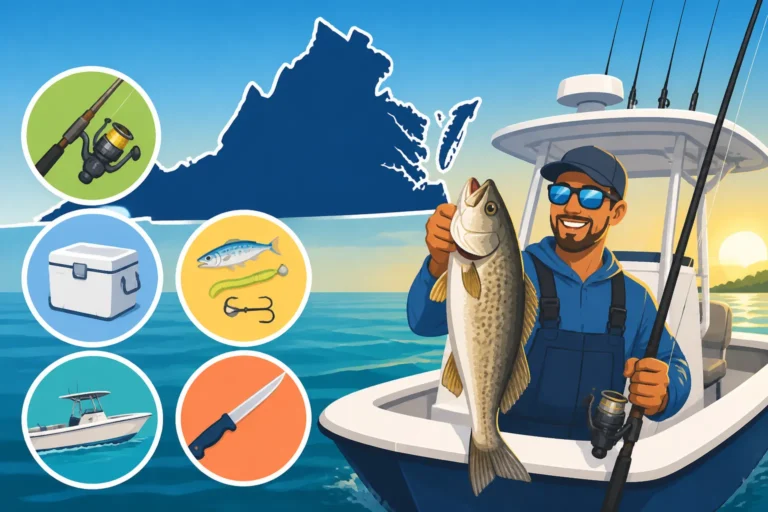
When you book a guide trip on Smith Mountain Lake for stripers, you're typically looking at a half-day or full-day excursion on a comfortable freshwater fishing boat. These boats are usually designed for lake fishing, often equipped with powerful trolling motors, multiple rod holders, and advanced fish-finding electronics. Your guide will provide all the necessary rods, reels, bait, and tackle, which is a huge convenience. They'll also handle the boat, navigate, and put you directly on the fish. Many guides specialize in specific techniques, like live baiting with gizzard shad, trolling with planer boards, or casting artificial lures like spoons and bucktails when stripers are schooling on the surface.
The focus of an SML guide trip is often on active fishing, constantly searching for schools of stripers and adapting techniques as conditions change. Whether it's early morning topwater action or deep-water jigging, the guide's local knowledge is invaluable for locating these elusive fish. They know the seasonal patterns, the best times of day, and where the baitfish are holding, ensuring you have the best possible chance of a successful outing. Many SML guides can be found through platforms like FishingBooker, which makes finding a reputable captain much easier. These guides are typically passionate about the lake and its fishery, eager to share their expertise, and committed to providing a memorable experience, often focusing on education as much as catching fish. More information about specific guided trips can be found in Smith Mountain Lake Striped Bass Guide Trips.
Costs and Considerations for SML Trips
When it comes to the cost of a Smith Mountain Lake striper trip, you'll find that prices can vary based on the duration (half-day versus full-day), the number of anglers, and the guide's experience and reputation. Generally, these trips are priced as a flat rate for the boat, regardless of whether you have one or a small group of anglers up to the boat's capacity. This means that for a family or a few friends, splitting the cost can make it quite affordable per person. Remember that your guide often provides everything, from rods and reels to bait and fuel, so these costs are usually factored into the base price.
Beyond the guide's fee, consider other expenses like travel to SML, accommodation if you're staying overnight, and, of course, a valid Virginia fishing license for freshwater, which you'll need to purchase beforehand. Tipping your guide for a good day on the water is also customary and appreciated. While specific numbers vary, it's wise to budget for a significant portion of your overall trip cost for the guide service, as their expertise is what truly unlocks the potential of this fantastic fishery. It's an investment in a high-quality, potentially high-reward fishing experience.
Chesapeake Bay: Saltwater Striper Action
Shifting gears entirely, the Chesapeake Bay offers a vastly different, but equally exciting, striped bass experience. As the largest estuary in the United States, the Bay is a dynamic environment where freshwater from numerous rivers mixes with the salty Atlantic Ocean, creating a rich ecosystem perfect for migratory species like the striped bass, or "rockfish" as they're known locally. An outing on the Chesapeake Bay is truly an iconic Virginia fishing adventure.
The Chesapeake Bay Adventure
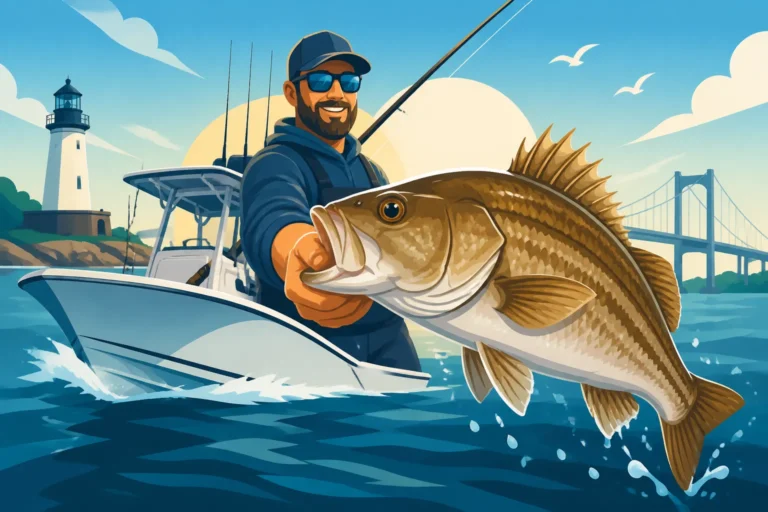
A Chesapeake Bay striped bass adventure is defined by its scale and dynamic nature. The Bay is immense, with wide-open waters, strong tidal currents, and rapidly changing conditions. Anglers here are often targeting large schools of migratory fish that move in and out of the Bay based on seasonal patterns. The scenery is expansive, featuring historic lighthouses, bustling shipping channels, and endless horizons, often providing a sense of being on the open ocean even though you're technically in an estuary. This grandeur also means you're dealing with larger boats, bigger waves, and a more robust type of fishing tackle.
The stripers in the Bay are part of the Atlantic coastal migratory stock, meaning they can be truly enormous, with trophy-sized fish often weighing in at 30, 40, or even 50 pounds during peak seasons. They feed on a wide variety of prey, including menhaden, eels, and crabs, and their movements are heavily influenced by the tides and the presence of baitfish schools. Targeting these fish often involves covering vast distances, employing heavy-duty gear, and using techniques that are optimized for a saltwater environment, making it an exhilarating and challenging experience. For a deeper dive into fishing this iconic waterway, check out our Chesapeake Bay Striped Bass Fishing Guide.
What to Expect from Bay Charters
Booking a Chesapeake Bay charter for striped bass usually means stepping aboard a larger, more powerful vessel designed to handle the Bay's often choppy conditions. These boats are typically center consoles or cabin cruisers, equipped with advanced navigation and fish-finding electronics, as well as plenty of deck space for multiple anglers. Charters usually include all the necessary heavy-duty rods, reels, lures, and bait, which can range from live eels or menhaden to large swimbaits and trolling plugs. The captain and mate work tirelessly to put you on the fish, often watching for diving birds, reading sonar, and monitoring marine weather conditions.
The techniques employed on a Bay charter can be varied:
- Trolling: This is a very popular method, especially for covering large areas and intercepting migratory schools. Boats drag multiple lines with various lures or baits at different depths and distances behind the boat.
- Live Baiting: When fish are schooling, live-lining menhaden or other baitfish can be incredibly effective, leading to explosive strikes.
- Jigging/Casting: If stripers are busting on the surface, or gathered around structure like bridge pilings or wrecks, casting or jigging with artificial lures can provide fast and furious action.
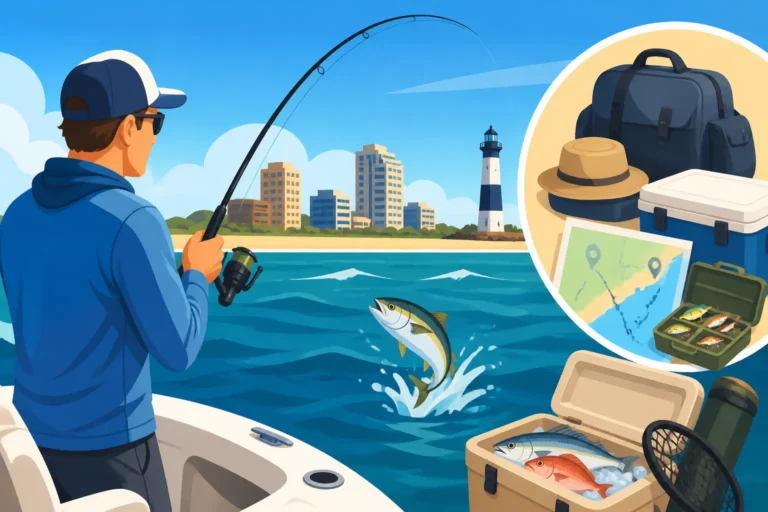
Bay charters offer a highly professional and specialized approach to saltwater fishing. They're equipped for the conditions, and the crew's expertise in navigating, operating the boat, and knowing exactly where and how to fish for stripers is paramount. Before heading out, consider reviewing What to Bring on a Virginia Fishing Charter to ensure you're fully prepared. Many reputable charter operators can be found easily through booking platforms like FishingBooker, providing confidence in your choice for a thrilling day on the water.
Costs and Considerations for Chesapeake Bay Charters
The investment for a Chesapeake Bay striped bass charter is generally higher than for a freshwater lake guide trip, primarily due to the larger boats, more extensive equipment, increased fuel consumption, and often a two-person crew (captain and mate). Like SML trips, Bay charters are typically priced as a flat rate for the boat, accommodating a specified number of anglers. This means the per-person cost decreases as you fill the boat with your group. Factors influencing the price include the length of the trip (half-day, 3/4-day, or full-day), the type of boat, and the reputation of the charter.
Beyond the base charter fee, remember to account for customary tips for the captain and mate, often a significant percentage of the trip cost, reflecting their hard work and expertise. You'll also need a valid Virginia saltwater fishing license, though some charters might cover this as part of their vessel's blanket license – always confirm this with your captain when booking. Travel expenses to coastal Virginia ports, accommodation, and food are also factors. While the upfront cost might seem higher, the opportunity to target truly massive stripers in a world-class saltwater environment makes it a worthwhile experience for many anglers seeking that big-fish thrill. If you're comparing different options, Half-Day vs Full-Day Fishing Charters in Virginia can help you determine the best trip length for your budget and goals.
Key Differences and Choosing Your Adventure
When it comes down to it, the choice between Smith Mountain Lake and the Chesapeake Bay for striped bass fishing boils down to personal preference, the type of experience you're seeking, and what you prioritize in a fishing trip. Both are phenomenal in their own right, but they offer distinct adventures.
Comparing the Fishing Environments
The most significant difference lies in the environment itself. Smith Mountain Lake provides a calm, freshwater, inland lake experience, often characterized by scenic mountain backdrops and relatively stable conditions. You're dealing with a finite, albeit large, body of water where fish behavior can be more predictable in terms of depth and structure. The focus is often on precision fishing, using electronics to pinpoint schools in specific areas. It’s perfect for those who enjoy a tranquil setting with consistent, targeted action.
The Chesapeake Bay, on the other hand, is a vast, dynamic saltwater estuary. You're exposed to the elements more, contending with tides, currents, and potentially larger waves. The fishing is often about intercepting migratory schools of stripers across wide expanses of water. The sheer scale of the Bay, its historical significance, and the chance of hooking a truly monstrous ocean-run rockfish contribute to a grander, more adventurous feel. It's an experience more akin to offshore fishing but within the relative protection of the Bay.
| Feature | Smith Mountain Lake Striper Trip | Chesapeake Bay Striper Trip |
|---|---|---|
| Environment | Freshwater, landlocked lake, mountain views, calmer waters | Saltwater estuary, open water, tidal currents, often choppier |
| Fish Species | Landlocked Striped Bass (stocked) | Anadromous Striped Bass (migratory, often called "rockfish") |
| Typical Boat | Freshwater fishing boats, often smaller, highly maneuverable | Larger, more robust charter boats, center consoles, cabin cruisers |
| Primary Techniques | Live baiting (shad), trolling with planer boards, jigging, topwater | Trolling (large spreads), live baiting (menhaden, eels), jigging, casting |
| Influence Factors | Water temperature, lake structure, baitfish schools | Tides, currents, baitfish migrations, seasonal runs |
| Vessel Size | Generally smaller, quicker boats | Larger, more powerful boats for open water |
| Experience Feel | Tranquil, focused, strategic, predictable conditions | Adventurous, expansive, dynamic, variable conditions |
| Potential Size | Large (20-30+ lbs) | Very large (30-50+ lbs) |
| License | Virginia Freshwater Fishing License | Virginia Saltwater Fishing License (sometimes covered by charter) |
Gear, Techniques, and Expertise
The gear and techniques used also highlight the distinction. On SML, while stripers are powerful, the gear is typically freshwater heavy-duty tackle, designed for battling fish in open lake scenarios. Techniques like precise trolling with smaller baits or casting for schooling fish are common. The guides are masters of freshwater sonar and understanding how stripers relate to structure in a lake. Virginia's 10-Day Saltwater Fishing License is not applicable here, for example.
For the Chesapeake Bay, the tackle steps up a notch. Heavy-duty saltwater rods and reels, robust lines, and larger, more durable lures or natural baits are the norm. Trolling with elaborate spreads, live-lining large baitfish, and jigging heavy spoons are standard practice. The captains and mates are experts in navigating large bodies of water, understanding tidal flows, and tracking large schools of migratory fish across vast distances. They're prepared for bigger fish and tougher fights, which often require different skill sets and equipment. Consider also Why Virginia's Striped Bass Season Splits Into Two Parts when planning.
Making the Right Choice for Your Trip
So, how do you decide? If you're looking for a beautiful, serene environment where you can focus on specific techniques to catch powerful freshwater stripers, and you appreciate the calm of an inland lake, then Smith Mountain Lake might be your ideal destination. It's often a great choice for families or those newer to guided fishing who prefer a more controlled environment.
If, however, you crave the vastness of the ocean, the thrill of chasing migratory giants, and don't mind the potential for a more adventurous, open-water experience, then a Chesapeake Bay charter is probably calling your name. It's perfect for those seeking a true saltwater challenge, with the chance to land a trophy rockfish that has swum the open Atlantic. Both offer incredible memories and fantastic fishing, so consider what kind of "adventure" truly excites you before you book your next Virginia striper trip. You can explore more about booking options and what to expect from a comprehensive overview in Virginia Fishing Charters and Guides: The Complete Guide.
Disclaimer
This article is for general informational purposes only and does not constitute professional advice. Laws, prices and regulations vary by location and change over time. Consult a qualified professional for guidance on your specific situation.