Is Tipping Expected on a Virginia Fishing Charter?
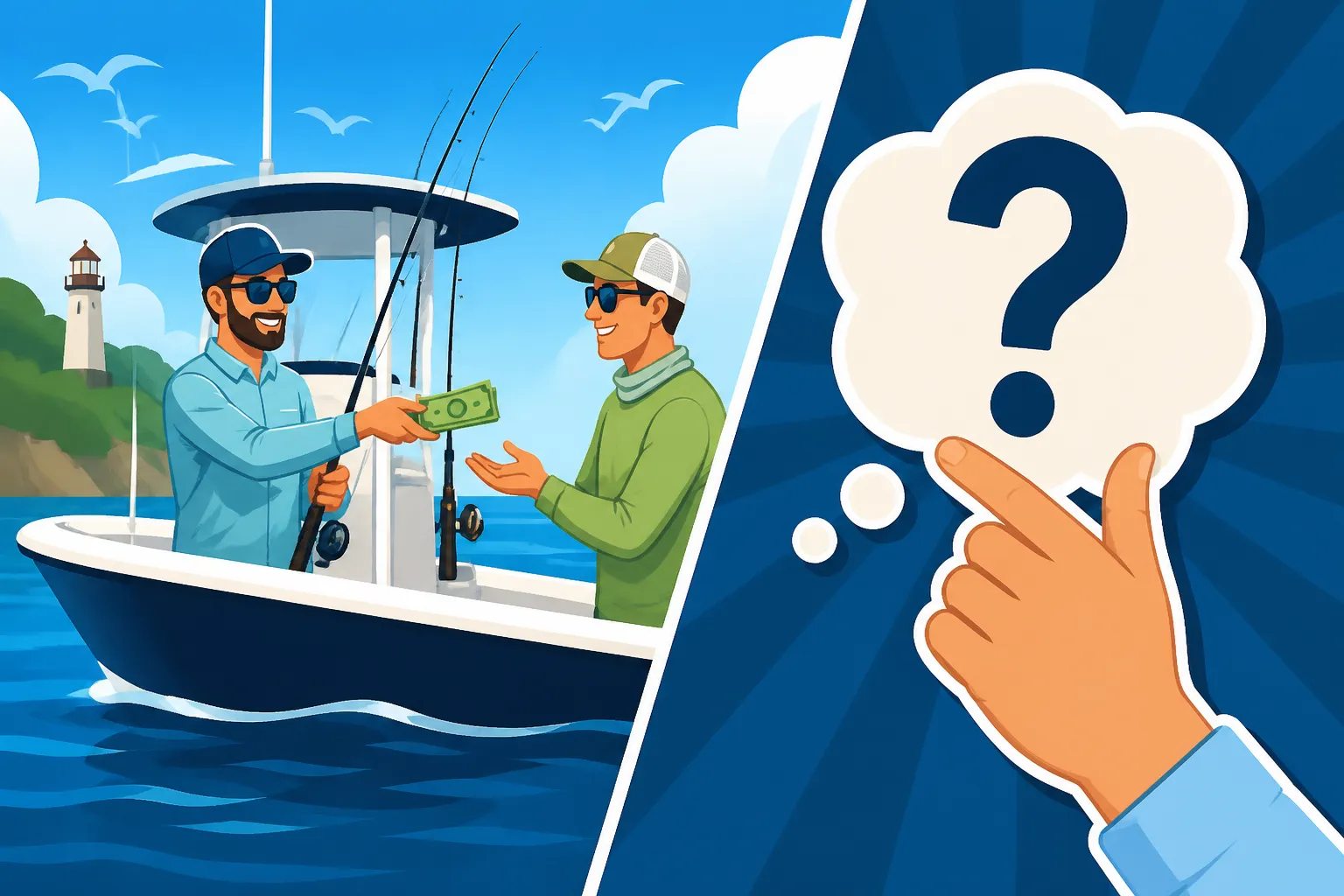
Setting out on a Virginia fishing charter is an experience filled with excitement, anticipation, and the thrill of the catch. But as the boat heads back to the dock, many anglers find themselves grappling with an unspoken question: "Is tipping expected, and if so, what's the appropriate amount?" This common uncertainty can cast a slight shadow over an otherwise fantastic day on the water, leaving you feeling unsure about the local customs and how to show your appreciation. This comprehensive guide is here to clarify the expectations around tipping your Virginia fishing charter captain and crew, ensuring you can confidently navigate the end-of-trip etiquette and celebrate your angling adventure without a second thought.
Why Tipping Matters in the Charter Industry
You might think of tipping as just a nice gesture, but for the hard-working individuals who make your fishing dreams a reality, it's often a significant part of their livelihood. A fishing charter isn't just a boat ride; it's a carefully orchestrated experience managed by professionals who are passionate about what they do. Recognizing their dedication with a gratuity is a time-honored tradition that helps sustain this vibrant industry.
Understanding the Crew's Income Structure
Many charter captains and especially their first mates rely heavily on tips to supplement their base wages, which might not always seem substantial on paper. They put in long hours, often starting well before dawn to prepare the boat, bait, and tackle, and staying long after you've left to clean, refuel, and maintain equipment. This isn't a 9-to-5 job; it's a lifestyle that demands constant commitment and physical labor.
Think about it from their perspective: they're not just driving a boat. They're navigating complex waterways, monitoring weather patterns, locating fish, expertly handling lines, and ensuring everyone on board is safe and having a good time. A substantial portion of their earnings is directly tied to the satisfaction of their customers, which is reflected in your tip. It’s a direct way to say, "Your hard work was seen and valued."
Moreover, the costs of operating a charter are immense – fuel, insurance, boat maintenance, equipment upgrades, and licenses all add up. While the charter fee covers these operational expenses, tips are what often allow the crew to make a decent living and continue providing top-notch service. It truly is a symbiotic relationship between angler and crew.
Tipping as a Sign of Appreciation
Beyond the financial aspect, a tip is a powerful gesture of gratitude. It tells the captain and crew that you appreciated their efforts, their expertise, and the memorable experience they provided. Imagine spending hours on the water, going above and beyond to help a novice angler land their first big rockfish in the Chesapeake Bay, or patiently untangling lines for a group of excited kids on Smith Mountain Lake.
When you offer a generous tip, you're acknowledging that extra effort, that specific piece of advice, or that contagious enthusiasm that made your day special. It's a way to recognize the nuances of service that go beyond simply catching fish. Even if the fish aren't biting, a good crew still strives to make the trip enjoyable, educational, and safe. Your tip acknowledges that entire experience, not just the full cooler.
It also serves as positive feedback. Crews take pride in their work, and a good tip indicates they're excelling at it. It encourages them to continue their dedication to excellent customer service and their craft. For many, the reward isn't just the money, but the feeling of being valued for their passion and hard work.
General Guidelines for Tipping Your Virginia Fishing Charter Crew
So, what's the magic number? While there isn't a universally fixed amount, general guidelines exist that can help you determine a fair and appropriate tip for your Virginia fishing charter experience. These benchmarks are a great starting point, but always remember to adjust based on your specific trip and the quality of service.
Standard Percentage Recommendations
The most common advice you'll hear in the charter fishing world, whether you're looking at offshore trips from Virginia Beach or freshwater excursions on a lake, is to tip somewhere between 15% to 20% of the total charter cost. This range is widely accepted as the standard for good service. If you're booking through a platform like FishingBooker, you might even see this suggested directly.
For example, if your half-day charter costs a certain amount, calculate 15% of that figure as a baseline. Then, consider if the experience warranted bumping that up to 20% or even a little higher. This percentage is typically for the entire crew, and the captain will usually distribute it fairly among himself and any mates. It's a clear, quantifiable way to express your satisfaction without having to guess.
However, keep in mind that this is a general guideline. Some anglers prefer to tip a flat amount per person or per fish, but the percentage of the trip's cost is the most universally understood and appreciated method in the charter industry. It scales with the cost and complexity of the trip, making it equitable whether you're on a smaller bay boat or a large offshore vessel. Half-Day vs Full-Day Fishing Charters in Virginia often have different price points, so the percentage ensures fairness.
What to Consider Beyond the Percentage
While the 15-20% rule is a solid foundation, several other factors should influence your final decision. Don't just blindly calculate a percentage; take a moment to reflect on the overall experience. Was the boat impeccably clean and well-maintained? Did the crew go out of their way to ensure safety, especially if there were children on board?
Consider the crew's demeanor and expertise. Were they friendly, patient, and engaging? Did they share valuable knowledge about the local fish species or Virginia Fishing Regulations Explained? Did they handle the fish, bait, and tackle efficiently, making the actual fishing seamless for you? Sometimes, a crew's ability to create a fun, positive atmosphere, even on a slow fishing day, is worth its weight in gold. What to Bring on a Virginia Fishing Charter also applies to your appreciation – did they have everything ready for you?
| Service Level | Suggested Tip Range | What This Might Look Like |
|---|---|---|
| Standard | 15% | Crew performed duties adequately, boat was safe, but no extra effort or personalized touches. You caught some fish. |
| Good | 18% | Crew was friendly and efficient. They helped with lines, offered advice, and made the trip enjoyable. You caught a good number of fish. |
| Excellent | 20% | Crew went above and beyond: exceptional hospitality, great communication, shared valuable tips, worked hard to find fish even if slow, cleaned fish meticulously. |
| Exceptional | 20%+ | All of "Excellent" plus truly memorable moments, perhaps helping a child land their biggest fish ever, showing incredible patience, or extraordinary effort in adverse conditions. |
Factors That Influence Your Tip Amount
Tipping isn't a one-size-fits-all scenario, especially in the diverse world of Virginia fishing charters. The specifics of your trip, the crew's performance, and even the fishing conditions can all play a role in determining how much you feel comfortable tipping. It's about recognizing effort and impact, not just the final outcome.
Exceptional Service vs. Adequate Service
This is where the nuances really come into play. "Adequate" service means the captain got you out and back safely, the boat ran, and you had a reasonable chance to fish. There were no major issues, but nothing particularly stood out either. In this scenario, a tip at the lower end of the recommended 15-20% range is perfectly acceptable. You're acknowledging their basic function.
"Exceptional" service, however, goes far beyond the basics. This is when the crew anticipates your needs before you even ask. Maybe the mate constantly checks your bait, offers you a cold drink, or takes the time to teach your child how to cast properly. Perhaps the captain changes locations multiple times to find biting fish, even if it means burning more fuel, showing a true commitment to your success. They might tell entertaining stories, share local history, or offer invaluable tips for your next fishing adventure. This level of service warrants a tip at the higher end of the 20% range, or even a bit more. It shows you genuinely appreciated their dedication to making your trip unforgettable. This kind of attention to detail is often what distinguishes a memorable trip from just another day on the water, whether you're targeting Striped Bass Charter Fishing in Virginia or bottom fish.
The Length and Type of Your Trip
The duration and nature of your fishing trip can also subtly influence your tip. A quick, two-hour "kid's trip" might have a different tipping dynamic than a full-day offshore excursion or a specialized Chesapeake Bay Fishing Charters in Virginia adventure. On shorter trips, the crew might have less time to demonstrate their full range of skills, but their efficiency and ability to make the most of limited time become paramount.
For longer, more strenuous trips, such as deep-sea fishing for tuna out of Virginia Beach or even a full-day Smith Mountain Lake Fishing Guides in Virginia trip, the crew's physical and mental endurance, as well as their commitment to a long day, should be considered. These trips often involve more complex rigging, more gear management, and a greater sustained effort from the crew. A multi-species trip, where the crew works to put you on different types of fish throughout the day, also demonstrates versatility and extra effort. Think about the overall investment of time and energy from the crew, and let that guide your generosity.
Catching Fish vs. The Effort Expended
Here’s a crucial point that often confuses first-time charter guests: a good tip is for the effort and service of the crew, not solely for the amount of fish you catch. While everyone hopes for a cooler full of fish, sometimes the bite just isn't there, despite the captain's best efforts. The weather might turn, the fish might be in a funk, or conditions might simply be challenging.
A truly professional crew will work tirelessly to try and find fish, changing tactics, moving spots, and offering encouragement, even when the odds are against them. They'll ensure you're still having a good time, perhaps by sharing anecdotes, teaching knots, or simply keeping the mood light. If the captain and mate put in maximum effort, maintained a positive attitude, kept the boat clean, and ensured your safety, they still deserve a respectable tip, regardless of the size of your haul. What First-Time Virginia Charter Anglers Should Know is that fishing can be unpredictable, but good service should not be.
Conversely, if the fish are practically jumping into the boat, but the crew is disengaged, unhelpful, or makes you feel unwelcome, a smaller tip might be warranted, even if you caught a lot of fish. The tip reflects the overall quality of the experience they provided, which includes their professionalism and hospitality, not just their ability to find fish.
When a Tip Might Be Adjusted
While tipping is a given, there are rare occasions where your planned gratuity might need to be adjusted, either up or down. It's important to approach these situations with fairness and understanding, always prioritizing open communication if you feel something was genuinely amiss. Remember, the goal is always to appreciate hard work, but also to provide honest feedback through your actions.
Addressing Poor Service
This is probably the trickiest situation, and thankfully, it's pretty rare with reputable Virginia fishing charters. If you've genuinely experienced poor service – not just a slow fishing day, but genuinely rude behavior, unsafe operation, negligence, or a complete lack of effort from the crew – then it's understandable to consider adjusting your tip downward. However, be honest with yourself about the definition of "poor service." Was it truly bad, or just not what you expected?
Before drastically cutting a tip, consider speaking directly and respectfully with the captain about your concerns. Sometimes there are misunderstandings or circumstances you weren't aware of. If, after that, you still feel the service was unacceptable, reducing the tip to a bare minimum (or even forgoing it in extreme, rare cases) can be a form of feedback. Just remember, this is an exception, not the rule. The vast majority of charters, especially those you'd find listed on platforms like FishingBooker, pride themselves on excellent service. Virginia Fishing Charters and Guides: The Complete Guide emphasizes finding reputable operators for this reason.
It's also worth noting that if you feel the service was truly egregious, leaving a constructive, honest review on the booking platform or the charter's website can be more impactful for future customers and the charter's business than simply withholding a tip silently. This is often the more professional route to take, rather than potentially penalizing someone for a bad day they might not have even recognized.
Unforeseen Circumstances
Sometimes, things happen that are beyond anyone's control. Imagine you're on a Virginia Beach Fishing Charters and Trip Costs trip, and suddenly a mechanical issue forces you back to the dock early, or severe weather rolls in, cutting your day short. These situations are frustrating for everyone involved, including the captain and crew, who often lose out on potential catches and earnings.
In these instances, it's generally still good etiquette to offer a tip, perhaps a prorated amount or a gesture of goodwill, especially if the crew handled the situation professionally, safely, and tried their best to salvage the experience. They didn't cause the problem, and they're often just as disappointed as you are. A small token of appreciation can go a long way in acknowledging their efforts despite the circumstances.
Discussing such issues calmly with the captain can clarify things. Many reputable charters will offer options like rescheduling or partial refunds in such cases. Your tip, even a reduced one, shows you understand that not everything is within their control, and you still value their professionalism during an unexpected setback. Remember, even in these situations, they've still spent time and resources preparing for your trip.
How to Deliver Your Tip
Once you've decided on the appropriate amount, the final step is to deliver your tip gracefully and respectfully. The "how" of tipping is just as important as the "how much," ensuring that your gesture of appreciation is received in the best possible spirit.
Cash is King: Why and How
In the charter fishing world, cash is almost always the preferred method for tipping. There are a few key reasons for this. First, it's immediate and tangible. The crew can split it easily at the end of the day without having to wait for checks to clear or deal with processing fees that often come with credit card transactions.
Second, for many crew members, cash tips offer a degree of flexibility and privacy regarding their earnings. While some charters may have options to add a gratuity to a credit card payment, and that's perfectly acceptable if cash isn't convenient, cash is the gold standard. It’s also a common courtesy to include a tip with Cleaning Your Catch After a Virginia Charter Trip, as this is often an extra service performed by the mate.
To deliver it, it's simple: hand the cash directly to the captain or the first mate at the end of the trip, usually after you've disembarked and gathered your belongings, but before you leave the dock. A simple "Thank you for a great trip, we really appreciate your hard work" as you hand over the envelope or folded bills is perfect. If you want a specific amount to go to the mate, you can divide it beforehand and give separate amounts, or simply tell the captain that the total is for both of them.
When to Tip and Who to Give it To
The ideal time to tip is at the very end of your charter, once all the fishing is done, the boat is back at the dock, and any fish cleaning is complete. This allows you to fully assess the entire experience and make your decision. It also ensures the crew feels appreciated for the entirety of their service, including those final tasks.
Generally, it's best to hand the tip directly to the captain. If there's a first mate, the captain will typically handle the distribution, ensuring the mate receives their fair share. In situations where the mate has been particularly exceptional and spent the most time with your group, you might choose to give a portion directly to them, or state to the captain that you'd like a certain amount to go specifically to the mate. This ensures your appreciation is clearly directed.
If you're unsure, just ask the captain discreetly, "Should I give this to you or the mate?" They'll guide you. Don't overthink it; the act of giving is what truly matters. Remember that How to Book a Fishing Charter in Virginia or Virginia Fishing Charters and Guides: The Complete Guide will often provide details on typical tipping customs, but these general guidelines hold true across most of the state.
Disclaimer
This article is for general informational purposes only and does not constitute professional advice. Laws, prices and regulations vary by location and change over time. Consult a qualified professional for guidance on your specific situation.