Virginia’s Saltwater and Freshwater Fishing Guide Options
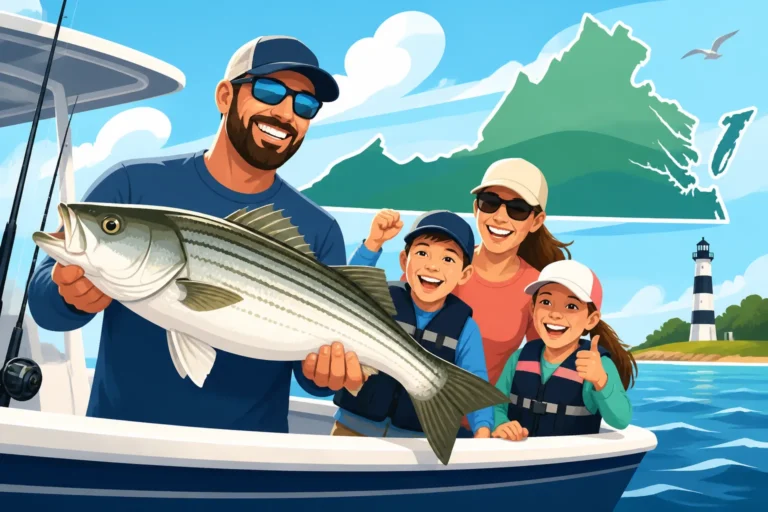
Deciding to book a fishing guide in Virginia can feel like stepping into a labyrinth of choices, whether you're dreaming of battling a monster striper in the Chesapeake Bay or chasing elusive trout in a mountain stream. It’s easy to feel overwhelmed by all the options, wondering if you'll pick the right person to lead your adventure. This comprehensive guide is here to untangle that confusion, walking you through everything you need to know about Virginia's saltwater and freshwater fishing guide options to ensure you hook the perfect trip for your angling ambitions.
Why Consider a Fishing Guide in Virginia?
Many anglers, from seasoned veterans to complete novices, find immense value in hiring a fishing guide. It's not just about catching fish – though that's certainly a huge part of it! It's about enhancing your experience, learning new skills, and unlocking waters you might never discover on your own. Virginia's diverse fishing landscape, with its vast estuaries, productive lakes, and winding rivers, can be a lot to navigate, and a good guide is truly your shortcut to success.
Navigating Unfamiliar Waters and Regulations
Imagine pulling up to a new lake or a vast section of the Chesapeake Bay, rod in hand, ready to fish. The sheer size alone can be intimidating. Where do the fish hold? What depths should you target? Are there any hidden hazards? A local guide spends countless hours on these waters, understanding the nuances of tides, currents, submerged structures, and seasonal fish movements. They know the subtle clues that tell them where the fish are hiding, saving you precious time and frustration.
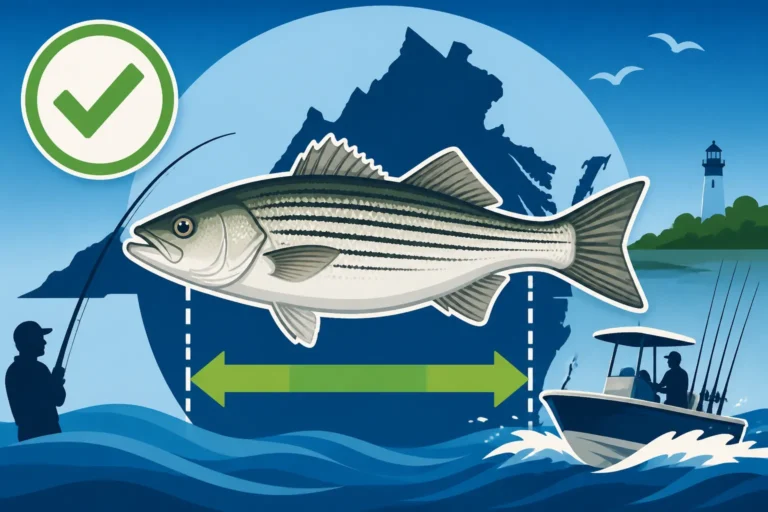
Beyond just finding the fish, there's the equally important aspect of understanding local regulations. Virginia's fishing rules can be complex, especially when you factor in species-specific slot limits, possession limits, and even differing rules between freshwater and saltwater, or specific bodies of water. For example, the Virginia Striped Bass Season and Slot Limit Guide can be intricate, with specific seasons and size limits that change. A good guide isn't just a fishing expert; they're also a walking encyclopedia of the current rules. They'll ensure you're fishing legally, protecting both you from potential penalties and the valuable fishery resources for future generations. This peace of mind allows you to focus purely on the joy of fishing, rather than constantly second-guessing if you're abiding by the law.
Targeting Specific Species with Expert Knowledge
Perhaps you've always dreamed of catching a trophy largemouth bass, or maybe you want to experience the thrill of a hard-fighting striped bass. Virginia offers incredible opportunities for a wide array of species, but each fish has its own habits, preferred habitats, and effective techniques. Trying to learn these intricacies on your own, especially if you're new to a particular species, can take years of trial and error.
A specialized fishing guide has dedicated their career to understanding these target species. They know what baits and lures are working right now, how to present them effectively, and where the fish are likely to be found given current conditions. For instance, if you're targeting smallmouth bass on the Shenandoah River, a guide will know exactly which eddies, riffles, and rock structures are holding fish, and what fly or lure will entice a strike. If you're after a particular species, like the renowned stripers of Smith Mountain Lake Striped Bass Fishing in Virginia, a guide will likely have specialized tackle and proven techniques to maximize your chances. This localized, real-time knowledge is invaluable and drastically increases your odds of a successful and memorable catch. It’s like having a personal professor for your chosen fish!
Accessing Prime Fishing Spots
One of the biggest advantages of hiring a guide is gaining access to spots that might otherwise be unreachable or unknown to the general public. Guides often have specialized boats designed for specific waters, allowing them to navigate shallow creeks, traverse large open waters, or reach remote stretches of river. These aren't just any spots; they're often carefully scouted honey holes that produce consistent results, year after year, sometimes far from crowded public access points.
Imagine a guide who knows a hidden channel in the Chesapeake Bay that only lights up with speckled trout during a specific tidal phase, or a secluded brush pile in Lake Anna that always holds a school of crappie. These "secret spots" aren't always about secrecy as much as they are about knowledge, experience, and the right equipment to get there. They've put in the time and effort to learn these locations, and by hiring them, you're tapping directly into that accumulated wisdom. This can be particularly beneficial if you're on a short trip and want to make every moment count, ensuring you spend your time fishing, not searching.
Types of Virginia Fishing Guides: Freshwater vs. Saltwater
Virginia's geography provides a stunning array of fishing environments, from the tidal rivers and vast saltwater expanse of the Chesapeake Bay to the pristine mountain streams and sprawling inland lakes. Naturally, the guides who operate in these different environments have distinct expertise, equipment, and approaches. Understanding these distinctions is key to choosing the right guide for your adventure.
Freshwater Fishing Guides and Their Specialties
Virginia's freshwater landscape is incredibly diverse, offering everything from trophy bass lakes to trout-filled mountain rivers. Freshwater guides typically specialize in specific bodies of water or target species. For instance, a guide on Smith Mountain Lake might be renowned for their expertise in chasing striped bass or largemouth bass, employing techniques like trolling deep-diving crankbaits or flipping jigs into heavy cover. They'll know the lake's seasonal patterns, such as the Best Time of Year for Bass Fishing in Virginia and where the fish will be during different times of day. Their boats are usually designed for lake fishing – stable, often equipped with powerful trolling motors, and advanced electronics to locate fish and structure.
Other freshwater guides might focus on river systems, like the James or Shenandoah. These guides often run smaller, more agile boats, or even specialize in wade fishing trips, particularly for trout or smallmouth bass. They are experts at reading river currents, identifying prime holding water, and often excel in specific techniques like fly fishing or light tackle spin fishing. If you're dreaming of casting dry flies for brook trout in a clear mountain stream, you'll want a guide who lives and breathes that specific type of fishing, rather than one who primarily trolls for landlocked stripers. Each freshwater guide has honed their craft in a particular niche, offering a deeply specialized experience that can turn a good day into an unforgettable one.
Saltwater Fishing Charters: Bay, Nearshore, and Offshore
The vast saltwater fisheries of Virginia, particularly the Chesapeake Bay and the Atlantic Ocean, offer thrilling opportunities, from rockfish (striped bass) to tuna. Saltwater charters are generally larger operations with bigger boats designed to handle different ocean conditions and target a wider variety of species. You'll find several distinct types:
- Chesapeake Bay Charters: These guides specialize in the immense estuary, focusing on species like striped bass, flounder, croaker, and red drum. Their boats are typically 25-45 feet, equipped for bay conditions. They might employ trolling, bottom fishing, or live bait techniques depending on the season and target. Booking a Chesapeake Bay Fishing Charters in Virginia trip means tapping into a guide's knowledge of migratory patterns and preferred fishing grounds within the bay's complex system.
- Nearshore Charters: Operating just off the coast, usually within a few miles of the beach, these charters target species like king mackerel, cobia, sharks, and sometimes even smaller tuna. Their boats are usually a bit more robust than bay boats, designed for the open ocean swells, but still within sight of land.
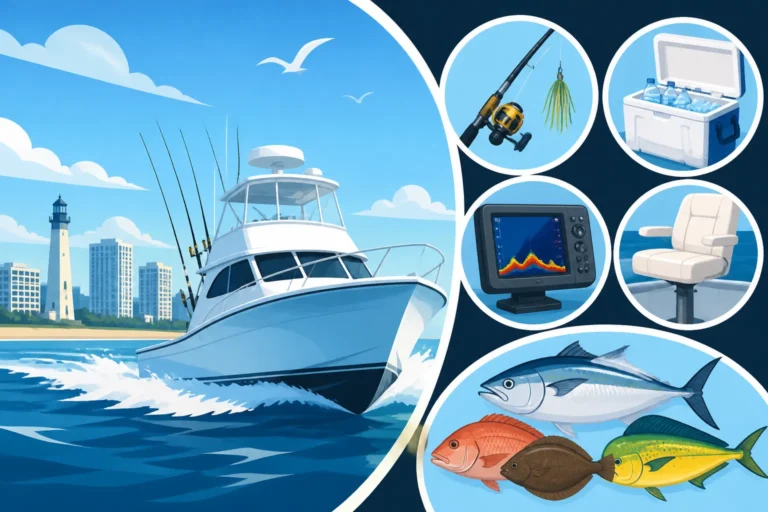
- Offshore/Deep Sea Charters: These are the big game hunters, venturing many miles offshore into the Atlantic for pelagic species like tuna, marlin, mahi-mahi, and wahoo. These are typically full-day trips on larger, more powerful vessels, often equipped with outriggers, fighting chairs, and advanced navigation systems. The experience is truly epic, though it comes with a higher price tag and requires a stronger stomach for potentially rougher seas!
Each type of saltwater charter requires different skills, equipment, and safety protocols, reflecting the unique challenges and rewards of their respective fishing grounds.
Hybrid Options: Tidal River Guides
Virginia's numerous tidal rivers, like the James, York, Rappahannock, and Potomac, offer a fascinating "hybrid" fishing experience. These rivers are freshwater upstream but become increasingly brackish and then full-on saltwater as they approach the Chesapeake Bay. This transition zone means you can often target both freshwater species and saltwater species on the same trip, or at least within the same general area.
A tidal river guide is an expert at understanding these fluctuating conditions and the movement of fish between them. For example, a guide on the James River might target largemouth bass in the freshwater sections in the morning, then pivot to striped bass or white perch as the tide brings in more brackish water later in the day. These guides often use versatile boats that can navigate both shallow backwaters and wider main channels. They're adept at diverse techniques, from casting spinnerbaits for bass to jigging for perch or even setting out cut bait for massive catfish. If you're looking for variety and enjoy the unique challenge of fishing transitional waters, a tidal river guide could offer the perfect blend of freshwater and saltwater action.
| Type of Guide | Primary Environment | Typical Target Species | Common Techniques | Boat Size/Type |
|---|---|---|---|---|
| Freshwater Lake Guide | Large Inland Lakes (e.g., Smith Mountain Lake, Lake Anna) | Largemouth Bass, Striped Bass, Crappie, Catfish | Trolling, Casting, Jigging, Live Bait | Bass boats, Pontoon boats, V-hulls |
| Freshwater River Guide | Rivers (e.g., Shenandoah, James – upper) | Smallmouth Bass, Trout, Musky | Fly Fishing, Spin Fishing, Wade Fishing | Jon boats, Drift boats, Kayaks, Wading |
| Chesapeake Bay Charter | Chesapeake Bay Estuary | Striped Bass (Rockfish), Flounder, Red Drum, Croaker, Cobia | Trolling, Bottom Fishing, Live Bait, Jigging | Center console, Cabin cruisers (25-45 ft) |
| Nearshore Ocean Charter | Atlantic Ocean (0-20 miles offshore) | King Mackerel, Cobia, Shark, Bluefish | Trolling, Live Bait, Bottom Fishing | Center console, Walkaround (30-50 ft) |
| Offshore Ocean Charter | Atlantic Ocean (20+ miles offshore) | Tuna, Marlin, Mahi-Mahi, Wahoo | Trolling, Chunking, Deep Dropping | Sportfishing yachts, Larger cabin cruisers (40-60+ ft) |
| Tidal River Guide | Estuarine Rivers (e.g., James – lower, York) | Largemouth Bass, Striped Bass, Catfish, White Perch | Casting, Trolling, Bottom Fishing, Live Bait | Bay boats, Center console (18-30 ft) |
What to Expect When Booking a Fishing Guide
Booking a fishing guide or charter isn't just about showing up at the dock. Knowing what's typically included and what you might need to handle on your end can make the entire process smoother and ensure you're fully prepared for a fantastic day on the water. It’s about managing expectations and understanding the logistics.
Understanding Inclusions: Gear, Bait, and Licenses
Generally, when you book a fishing guide in Virginia, a significant portion of the necessary equipment and supplies is included in the price. This almost always means rods, reels, and tackle appropriate for the target species and fishing style. Guides invest heavily in high-quality gear, maintaining it meticulously, so you won't need to worry about bringing your own unless you have a strong preference for a specific setup. Fresh bait, whether live or artificial, is also typically provided. This is crucial because a guide knows what's biting that day and will have the freshest, most effective offerings.
However, the biggest question often revolves around fishing licenses. In Virginia, every angler over a certain age needs a license, whether fishing freshwater or saltwater. For instance, you'll need a specific Virginia Fishing License Guide to ensure you're compliant. Most guides and charter captains will have a vessel license that covers everyone on board for saltwater fishing (specifically the Virginia Recreational Fishing Advisory Board license, or similar commercial license), but it's always best to confirm this directly with your chosen guide before booking, especially for freshwater trips. Some freshwater guides may require you to purchase your own individual Freshwater and Saltwater Fishing Licenses in Virginia beforehand, while others might provide a temporary option. If you're a non-resident, the requirements might be slightly different. Don't assume anything; a quick call or email can clarify this vital detail and prevent any last-minute stress or even a potential penalty.
Trip Lengths and Their Implications
Fishing guides and charters in Virginia offer various trip lengths, typically ranging from a half-day to a full day, and sometimes even extended multi-day excursions. The length of your trip has significant implications for both cost and the fishing experience itself.
- Half-Day Trips (usually 4-5 hours): These are great for families with younger children, beginners, or those who just want a taste of the action without committing to a full day. They are generally less expensive and focus on fishing spots closer to the dock. While you can certainly catch plenty of fish, the time for exploring multiple spots or targeting more elusive species might be limited. For instance, a half-day bay trip might focus on bottom fishing for croaker and spot, which are usually plentiful and provide constant action, perfect for keeping kids engaged.
- Full-Day Trips (usually 8-10 hours): This is the most popular option for serious anglers. A full day allows for more travel time to distant, potentially more productive fishing grounds, and offers the flexibility to switch up locations or techniques if the bite slows down. It also provides a better chance at targeting larger, more challenging species or filling a cooler. If you're going offshore for tuna or trying to track down a specific school of feeding stripers, a full-day trip is almost always recommended to maximize your opportunities. It's an investment in a more thorough and often more rewarding experience.
- 3/4-Day Trips (usually 6-7 hours): Some charters offer an intermediate option, balancing the cost and commitment of a full day with a bit more fishing time than a half-day. This can be a sweet spot for many, offering extended opportunities without quite the endurance challenge of a full-day trip.
When reviewing guide services, pay close attention to the stated trip duration and consider what kind of experience you're hoping for. Longer trips naturally cost more, but they also significantly increase your chances of a truly epic fishing day.
Preparing for Your Day on the Water
Once you've booked your Virginia fishing guide, a little preparation on your part will go a long way to ensure a comfortable and enjoyable trip. The exact items you need might vary slightly between a freshwater river trip and a deep-sea saltwater adventure, but some essentials remain consistent.
First and foremost, dress appropriately for the weather, and always assume it will be cooler and windier on the water than on land. Layers are your best friend, even on a sunny summer day. A good rain jacket, even if rain isn't in the forecast, is always a smart addition. Sun protection is critical: wear a hat, sunglasses (polarized are a huge plus for spotting fish!), and apply sunscreen regularly. The sun's reflection off the water can be intense. For saltwater trips, consider bringing a small, soft-sided cooler for your own drinks and snacks, but check with the guide first as some provide refreshments. For What to Bring on a Virginia Fishing Charter, remember non-slip shoes are a must, as boat decks can get wet and slippery.
Finally, and this might seem obvious, but get a good night's rest! Most trips start early, and a well-rested angler is a happier, more alert angler. If you're prone to motion sickness, especially on saltwater trips, take preventative measures before you get on the boat. Discussing any concerns you have with your guide beforehand, whether it's about physical limitations or simply nervousness, will help them tailor the experience to be as enjoyable as possible for everyone on board.
Key Questions to Ask Before Booking a Virginia Fishing Guide
Choosing the right fishing guide in Virginia is like choosing any other important service provider – you want to do your homework. Asking the right questions upfront can save you from potential disappointment, ensure you get the experience you're looking for, and help you find a guide who truly aligns with your fishing goals. Don't be shy; a reputable guide will appreciate your thoroughness.
Asking About Experience and Specializations
One of the first things you should inquire about is the guide's experience, particularly with the species and waters you're interested in. Just because someone is a licensed captain doesn't mean they're an expert in every type of fishing. Ask:
- "How long have you been guiding in this particular area (e.g., the Chesapeake Bay or Smith Mountain Lake)?"
- "What species do you primarily target, and what's your success rate with those fish?"
- "Do you specialize in a particular technique, like fly fishing, trolling, or light tackle?"
For example, if you're keen on fly fishing for smallmouth bass on the Shenandoah River, you want a guide who has spent years perfecting that craft, not primarily a striper troller. Their specialization should align with your specific interests. You might also ask about their approach to fishing – are they patient with beginners? Are they focused strictly on limits, or do they prioritize teaching and the overall experience? Some guides might be better suited for hardcore trophy hunters, while others excel at creating a fun, educational experience for families with young children. Clarifying this upfront ensures that the guide's style matches your expectations.
Clarifying Costs, Deposits, and Cancellation Policies
Let's be realistic, fishing guides and charters are an investment, and it's essential to understand the financial aspect completely. Always ask for a clear breakdown of the total cost and what exactly is included. For instance, does the price cover fuel, bait, tackle, and the fishing license (if required for your group)? What about fish cleaning at the end of the trip? Are there any hidden fees you should be aware of?
Deposits are standard practice to secure your booking, but ask about the amount and the payment methods accepted. More importantly, understand the cancellation policy thoroughly. What happens if the weather turns foul and the trip needs to be rescheduled or canceled? Is your deposit refundable, or can it be applied to a future date? What if you need to cancel due to unforeseen circumstances? Reputable guides will have clear policies in place regarding weather-related cancellations, often offering to reschedule or providing a refund if they deem conditions unsafe or unfishable. It's crucial to have this conversation before you put down any money, preventing any potential disputes or unpleasant surprises down the line. Many guides post these policies on their websites, or on booking platforms like FishingBooker, making it easier to compare.
Understanding Group Sizes and Amenities
Before booking, discuss the maximum number of anglers the guide's boat can comfortably accommodate. If you're planning a trip with a large group, you might need to book a larger charter boat or even multiple guides. Conversely, if you're looking for a more intimate, one-on-one experience, confirm that the guide can offer that without feeling crowded.
Also, don't hesitate to ask about the amenities on board. For saltwater charters, particularly longer offshore trips, you might want to know if there's a head (toilet) on board, a shaded area, or comfortable seating. For freshwater river trips, you might be more concerned about stable casting platforms or accessibility features. If you're bringing children, ask if the guide is experienced with kids and if they have appropriate life vests for their size. Some guides are particularly adept at creating a Family-Friendly Fishing Charters in Virginia experience, ensuring safety and fun for all ages. Knowing these details ahead of time helps manage expectations and ensures everyone in your party will be comfortable throughout the day.
Popular Fishing Destinations and Their Guide Offerings
Virginia boasts an incredible range of fishing destinations, each with its own unique charm, target species, and, consequently, its own ecosystem of fishing guides. Understanding these regions will help you narrow down your search for the perfect angling adventure.
Chesapeake Bay and Virginia Beach Charters
Without a doubt, the Chesapeake Bay is Virginia's saltwater crown jewel, renowned for its incredible striped bass (rockfish) fishery. Guides operating out of locations like Virginia Beach, Norfolk, Hampton, and Gloucester specialize in navigating this immense estuary and its tributaries. These charters are prime for targeting Virginia Striped Bass Season and Slot Limit Guide, especially during the spring and fall migrations. Beyond stripers, you'll find guides focused on flounder, red drum, cobia, and a variety of bottom fish like croaker and spot.
Virginia Beach itself offers direct access to the Atlantic Ocean, opening up opportunities for both nearshore and offshore adventures. Here, charter options range from shorter trips targeting king mackerel, Spanish mackerel, and sharks just off the coast, to full-day excursions far offshore for tuna, marlin, mahi-mahi, and wahoo. When considering a trip here, think about the time of year and what species are most active. The sheer volume of guides and charter boats available can be a bit overwhelming, but also means there's a perfect fit for almost any budget and ambition. Many guides from this region are listed on platforms like FishingBooker, making it easier to compare offerings.
Smith Mountain Lake and Other Inland Lake Guides
Moving inland, Virginia's large freshwater lakes offer world-class fishing, and guide services abound. Smith Mountain Lake, often referred to simply as SML, is perhaps the most famous, particularly for its incredible striped bass population. Guides on Smith Mountain Lake Fishing Guides in Virginia have refined techniques for trolling, jigging, and live bait fishing for these powerful fish. Beyond stripers, SML also boasts a robust fishery for largemouth and smallmouth bass, crappie, and catfish, with guides specializing in each. You'll find guides who know the lake's vast structure, including submerged timber, humps, and points, like the back of their hand.
Other notable lakes with strong guide communities include Lake Anna, known for its largemouth bass, crappie, and hybrid stripers, and Claytor Lake, offering a mix of bass, walleye, and monster flathead catfish. Guides on these lakes often use specialized bass boats or comfortable pontoon boats, depending on the target species and client preference. They are experts in understanding the nuances of freshwater ecosystems, from water temperature to forage patterns, and how they influence fish behavior throughout the year.
River Guides: James, Shenandoah, and Rappahannock
Virginia's rivers provide a distinctly different, yet equally rewarding, guided fishing experience. The James River, for instance, is famous for its massive flathead and blue catfish, particularly in its tidal sections. Guides here often specialize in drift fishing or anchoring with heavy tackle and large baits to battle these river monsters. Further upstream, the James offers excellent smallmouth bass fishing.
The Shenandoah River, particularly its North and South Forks, is a renowned smallmouth bass factory, drawing anglers from across the region. Here, guides often specialize in float trips using drift boats or kayaks, allowing access to prime riffles, eddies, and rock gardens. Fly fishing guides are also prevalent on the Shenandoah, targeting both smallmouth and, in its cooler headwaters, various trout species. The Rappahannock River, much like the James, transitions from a freshwater smallmouth haven upstream to a tidal estuary downstream, offering diverse guided options for bass, striped bass, and catfish. These river guides are masters of reading currents, understanding riverine habitat, and pinpointing where fish hold in moving water. They often offer a more intimate connection with nature, emphasizing scenic beauty alongside the thrill of the catch.
Finding and Booking Your Virginia Fishing Guide
Once you've decided on your target species and preferred fishing destination in Virginia, the next step is actually finding and booking the right guide. In today's digital age, you have more options than ever, from online platforms to good old-fashioned local recommendations.
Online Platforms and Directories
One of the easiest and most convenient ways to start your search is through online booking platforms and fishing directories. These websites aggregate listings from numerous independent guides and charter captains, often including detailed profiles, photos, customer reviews, and transparent pricing. A great example of this is FishingBooker, which allows you to filter guides by location (e.g., "Virginia Beach," "Smith Mountain Lake"), target species, trip length, and even specific amenities like "kid-friendly" or "wheelchair accessible." This can be incredibly helpful for comparing different operators side-by-side, reading testimonials from previous clients, and getting a clear idea of what to expect.
Many individual guides also maintain their own professional websites or social media pages where they showcase their catches, provide seasonal updates, and offer direct booking options. A quick search for "Virginia fishing guide [your preferred location or species]" will usually yield a wealth of results. While these platforms are fantastic for initial research and booking convenience, it's always a good idea to cross-reference information and, if possible, have a direct conversation with the guide before finalizing your trip.
Local Marinas and Word-of-Mouth Recommendations
While online resources are powerful, sometimes the best recommendations come from trusted local sources. If you're visiting a particular area of Virginia, stop by a local tackle shop, marina, or bait and switch store. The folks working there are often avid anglers themselves and know the local guiding scene inside and out. They can provide invaluable, unbiased recommendations based on current conditions and guide reputations.
Word-of-mouth referrals from friends, family, or fellow anglers who have had positive experiences can also be golden. Ask around in local fishing clubs or online forums dedicated to Virginia fishing. An endorsement from someone you trust carries a lot of weight and can lead you to a truly exceptional guide who might not have a huge online presence. These local connections can also give you insights into a guide's personality and fishing style, helping you find a better personal fit.
Comparing Guides and Making Your Choice
Once you've identified a few potential guides, it's time to compare them and make your final decision. Don't just go for the cheapest option; remember that you're investing in an experience, knowledge, and safety. Consider the following:
- Reputation and Reviews: Look for consistent positive feedback. Are customers raving about the guide's patience, fishing knowledge, or ability to put them on fish? Pay attention to any recurring negative comments as well.
- Specialization vs. Generalist: Does the guide's specialization align perfectly with what you want to catch and where you want to fish? A highly specialized guide is often worth the extra cost.
- Communication: How quickly and thoroughly do they respond to your inquiries? Good communication before the trip is a strong indicator of how they'll handle things on the water.
- Equipment and Boat: While you don't need to be an expert, a well-maintained boat and quality gear suggest a professional operation. Photos on their website or social media can give you a good sense.
- Personality Fit: This is subjective, but important. If you're spending 4-10 hours with someone, you want to feel comfortable and enjoy their company. This is where a phone call can really help, as you can get a feel for their demeanor.
Ultimately, the best fishing guide for you will be one who has a proven track record, clear communication, operates a safe and well-equipped boat, and whose personality and fishing style resonate with your own. Taking the time to compare thoughtfully will maximize your chances of a truly memorable Virginia fishing adventure. You might even find yourself looking up How to Book a Fishing Charter in Virginia for your next trip as soon as you get home!
Making the Most of Your Guided Fishing Trip
You've done your research, booked your guide, and the day has finally arrived! Now, how do you ensure you get the absolute most out of this experience? It's not just about what the guide does; your attitude and participation play a huge role in the success and enjoyment of the trip.
Active Participation and Learning from Your Guide
Think of your fishing guide as a teacher, not just a chauffeur. While they'll certainly put you on the fish, the best trips are often those where anglers are actively engaged in the learning process. Don't be afraid to ask questions! "Why are we fishing this spot?" "What am I looking for in terms of a bite?" "Can you show me how to properly work this lure?" A good guide loves to share their knowledge and insights into the fishery, the species, and the techniques. You're paying for their expertise, so tap into it!
Pay attention to their instructions on casting, retrieving, or fighting a fish. They're often giving you real-time tips that can drastically improve your success rate. For example, if you're trying Crappie Fishing Techniques for Beginners, your guide might show you how to detect a subtle bite or how to properly jig a small lure. Being open to trying new methods or presentations that the guide suggests, even if they're different from what you're used to, can lead to breakthroughs. The more you engage and show genuine interest, the more the guide will likely go the extra mile to make your trip exceptional and educational.
Ethical Angling and Conservation Practices
A true fishing guide is also a steward of the environment and a strong advocate for ethical angling and conservation. You'll often find them adhering to catch-and-release practices for certain species or in specific situations, even if it's not legally mandated, to help preserve fish populations. This is especially true for popular fisheries where maintaining healthy stocks is vital for future generations of anglers.
Always follow your guide's lead regarding catch limits and handling fish. They will ensure you comply with all Virginia Fishing Regulations Explained and often go beyond. If you're practicing catch-and-release, handle the fish as gently and quickly as possible, minimizing its time out of the water. Ask your guide for best practices if you're unsure. They will typically have the tools and knowledge for proper fish handling, such as de-hooking tools and proper resuscitation techniques. Respecting the resource and the guide's conservation ethos ensures that the sport remains viable and enjoyable for everyone. Remember, How Fishing License Fees Support Wildlife Conservation in Virginia is a testament to this commitment.
Tipping Your Guide and Showing Appreciation
Just like in other service industries, tipping your fishing guide is a widely accepted practice and a crucial way to show your appreciation for their hard work, knowledge, and effort. Guides often work long, demanding hours, and a significant portion of their income relies on gratuities. While there's no strict rule, a general guideline for tipping is typically 15-20% of the total trip cost, assuming you had a good experience. If the guide went above and beyond, provided exceptional instruction, or helped you land the fish of a lifetime, feel free to tip more generously.
Consider factors like their preparation before the trip, their patience and teaching skills, their efforts to put you on fish, their assistance with gear, and their overall demeanor. If you're unsure about Tipping Norms for Virginia Fishing Charter Crews, a discreet inquiry beforehand, or even asking a local tackle shop owner, can clarify expectations. Presenting the tip in cash at the end of the trip is usually preferred. Beyond a monetary tip, a genuine "thank you" and a positive review on their website or a platform like FishingBooker can also be incredibly valuable. Spreading positive word-of-mouth helps them secure future bookings, which is another great way to show your appreciation for a job well done.
Disclaimer
This article is for general informational purposes only and does not constitute professional advice. Laws, prices and regulations vary by location and change over time. Consult a qualified professional for guidance on your specific situation.