How to Book a Fishing Charter in Virginia
Want to experience the incredible fishing Virginia has to offer, but feel a bit overwhelmed trying to figure out how to get started? You're not alone! Many anglers, both new and experienced, find the process of booking a fishing charter a bit daunting. This comprehensive guide is here to demystify everything, helping you confidently choose and book the perfect Virginia fishing adventure.
Why Consider a Fishing Charter in Virginia?
Fishing in Virginia is an experience like no other, whether you're chasing trophy Striped Bass in the Chesapeake Bay or battling feisty Largemouth Bass on a picturesque lake. While grabbing a rod and heading to a local pier is always an option, a fishing charter opens up a whole new world of possibilities. It’s not just about catching fish; it’s about the entire journey, guided by professionals who live and breathe Virginia’s waters.
Beyond Just Catching Fish
When you step aboard a Virginia fishing charter, you're not just buying a ride to a fishing spot; you're investing in an unparalleled experience. These captains and their crews are true experts, possessing deep local knowledge accumulated over years on the water. They know the subtle nuances of tides, currents, and seasonal fish movements that a casual angler might take years to understand, if ever. This expertise translates directly into a higher chance of success, turning a hopeful fishing trip into a memorable angling adventure.
Beyond the immediate goal of landing a catch, a charter provides an invaluable layer of safety and convenience. Charter boats are meticulously maintained and equipped with advanced navigation and safety gear, ensuring your outing is as secure as it is enjoyable. You won't have to worry about the logistics of boat ownership, trailering, launching, or even remembering to pack enough life vests. Everything is handled for you, allowing you to simply relax and focus on the thrill of the chase. Plus, they often provide all the specialized tackle, bait, and lures tailored to the specific conditions and target species of the day, saving you the expense and hassle of acquiring your own.
Accessing Prime Fishing Grounds
Virginia boasts an incredibly diverse range of fishing environments, from the vast expanse of the Chesapeake Bay and the Atlantic Ocean to the sprawling freshwater reservoirs and winding rivers. Many of the most productive fishing grounds, where the biggest and most abundant fish reside, are simply inaccessible from shore or via small personal boats. An experienced charter captain, however, has the vessel and knowledge to safely and efficiently navigate to these prime locations.
Imagine heading miles offshore into the Atlantic for Tuna or Dolphin, or venturing into the deep channels of the Chesapeake Bay where massive Striped Bass lurk. These are experiences generally reserved for those with larger, more capable boats and specialized expertise – precisely what a charter provides. Similarly, on the large freshwater impoundments like Smith Mountain Lake or Lake Anna, a guide can take you directly to hidden coves, deep brush piles, or submerged structures where bass and crappie congregate, locations that would be nearly impossible for a newcomer to find on their own. It’s about unlocking the full potential of Virginia’s fisheries, taking you beyond the easily accessible spots to where the real action often happens.
Learning from the Pros
One of the most underrated benefits of booking a fishing charter is the incredible learning opportunity it presents. Think of your captain and crew as patient, knowledgeable instructors. They’re not just putting lines in the water; they’re actively teaching you about the local ecosystem, explaining why certain baits work best, demonstrating proper casting techniques, and showing you how to read the water for signs of fish activity. This hands-on education can rapidly accelerate your own angling skills, turning you into a more proficient and confident fisherman.
Whether you're a complete novice hoping to catch your first fish, or an experienced angler looking to refine specific techniques, a charter offers tailored guidance. You might learn the subtle art of jigging for Crappie, master the retrieve for a specific lure designed for Largemouth Bass, or understand the complex patterns of migratory species like Striped Bass (often called Rockfish in these parts). The tips and tricks you pick up from a seasoned pro can be applied to future fishing endeavors, making every subsequent trip more successful and enjoyable. It's truly an investment in your own angling journey, far more effective than trying to piece together information from online forums or instructional videos.
Understanding Virginia's Diverse Fishing Opportunities
Virginia’s waters are a veritable angler’s paradise, offering an incredible variety of environments and species to pursue. From the salty tang of the Atlantic Ocean and the immense Chesapeake Bay to the serene freshwater lakes and winding rivers, there’s a fishing experience for everyone. Understanding these different opportunities is the first step in deciding which type of charter is right for you. For a broader overview, check out our guide on Best Fishing Spots in Virginia.
Freshwater vs. Saltwater Charters
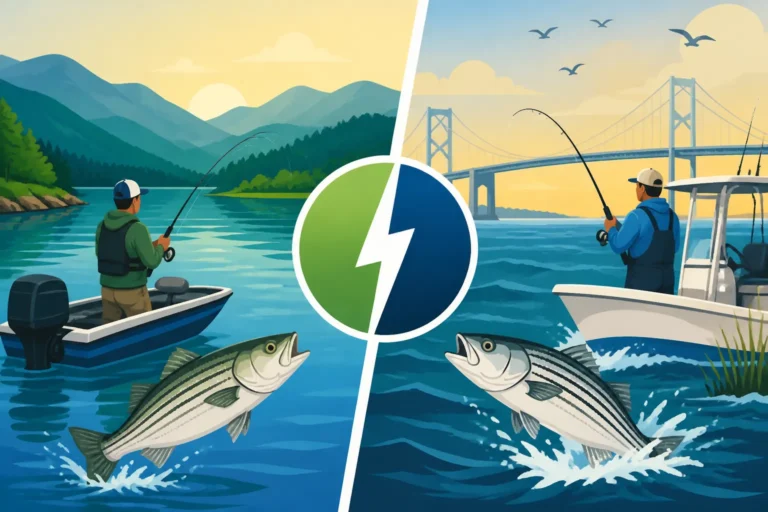
The fundamental choice for any Virginia fishing charter often boils down to freshwater or saltwater. Each offers distinct experiences, target species, and even different types of boats and tackle. Freshwater charters typically focus on Virginia’s numerous lakes and rivers, such as the renowned Smith Mountain Lake, Lake Anna, or the James River. Here, you'll find guides specializing in species like Largemouth Bass, Smallmouth Bass, Striped Bass (landlocked varieties), Crappie, Catfish, and even Walleye in certain spots. These trips often involve techniques like casting lures, live bait fishing, or trolling, and boats can range from bass boats to pontoon boats, depending on the target and lake.
Saltwater charters, on the other hand, explore the vast possibilities of the Chesapeake Bay, its tidal tributaries, and the open Atlantic Ocean off the coast of Virginia Beach. These trips are incredibly popular for species like the iconic Striped Bass (or Rockfish), Flounder, Red Drum, Cobia, Spanish Mackerel, and various types of Tuna and Dolphin further offshore. The boats are typically larger, designed to handle ocean conditions, and equipped for diverse techniques like trolling, bottom fishing, and live baiting. The sheer scale and power of saltwater species often make for an exhilarating fight, a truly different challenge compared to their freshwater cousins. Consider what kind of fish you dream of catching and the environment you prefer when making this choice.
Popular Target Species and Seasons
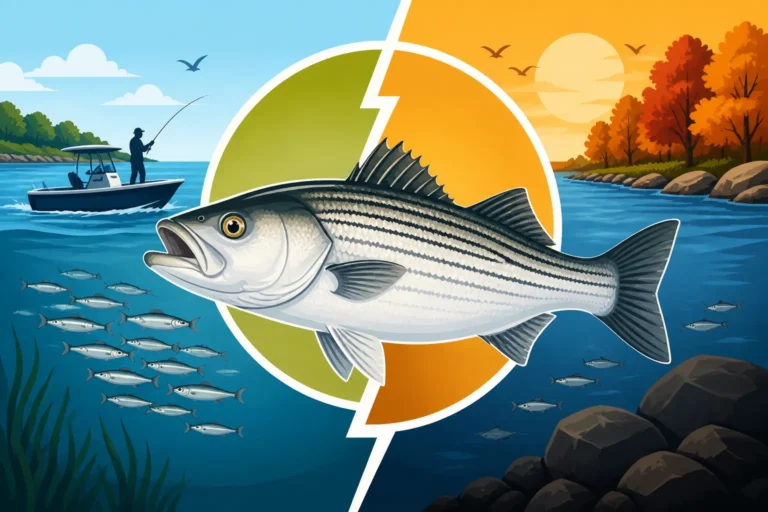
Virginia’s fishing scene is highly seasonal, with different species peaking at various times of the year. For saltwater anglers, the Striped Bass, affectionately known as Rockfish, is king. The Virginia Striped Bass Season and Slot Limit Guide provides a detailed overview. These powerful fish offer incredible fights and can be targeted in the Chesapeake Bay and its tributaries, as well as along the coast. Spring and fall are generally prime times for Stripers, with specific seasons and slot limits carefully managed by regulations. Flounder are another popular saltwater target, often found lurking on the bottom in the Bay during warmer months. Farther offshore, summer brings opportunities for hard-fighting Cobia, Red Drum, and various Tuna species.
In the freshwater realm, Largemouth and Smallmouth Bass are sought after year-round, with spring and fall often being the most productive. Guides on lakes like Smith Mountain Lake and Lake Anna often specialize in these species. Crappie fishing is excellent in spring and fall, often found schooling around submerged structures. Catfish can be caught almost any time, providing consistent action, particularly at night. For trout enthusiasts, Virginia's stocked trout waters and wild trout streams offer different experiences, primarily in the cooler months. Knowing what species are active when and where will significantly help you narrow down your charter options.
Regional Considerations for Charters
The geography of Virginia plays a huge role in the types of charters available. If your heart is set on ocean fishing or exploring the lower Chesapeake Bay, then Virginia Beach, Rudee Inlet, or points north like Hampton and Norfolk, are your primary hubs. These areas offer charters specializing in everything from nearshore wreck fishing for Flounder and Tautog to deep-sea adventures for Tuna and Billfish. Our Virginia Beach Fishing Charters and Trip Costs guide offers more specific details for that region.
Further up the Chesapeake Bay, particularly around the Eastern Shore or the mouth of the major tidal rivers like the James, York, and Rappahannock, you’ll find charters primarily targeting Striped Bass, Red Drum, and Cobia. These captains often know the intricate network of shoals, oyster beds, and migratory paths within the Bay like the back of their hand. For a deep dive into Bay charters, check out Chesapeake Bay Fishing Charters in Virginia. If your preference leans towards vast freshwater lakes, then areas around Smith Mountain Lake, Lake Anna, or Kerr Reservoir (Buggs Island Lake) will be your focus. Guides here often specialize in bass, crappie, and landlocked stripers. For those interested in Smith Mountain Lake specifically, our Smith Mountain Lake Fishing Guides in Virginia article is a great resource. Each region has its unique charm and specific expertise, so consider where you want to fish and what you want to catch before you start looking for a captain.
Key Factors When Choosing Your Virginia Fishing Charter
Deciding to book a fishing charter is just the first step. The next, and arguably most crucial, is choosing the right charter for your group and your fishing goals. With so many options available across Virginia, it can feel like a daunting task. However, by focusing on a few key factors, you can significantly narrow down your choices and ensure you have an exceptional experience on the water.
Captain's Experience and Reputation
The captain is the heart and soul of any fishing charter. Their experience, knowledge, and personality will largely dictate the success and enjoyment of your trip. You want a captain who isn't just skilled at catching fish, but also at providing a safe, enjoyable, and educational experience for their clients. Look for captains with many years of experience navigating the specific waters you plan to fish, whether it's the complex currents of the Chesapeake Bay or the deep channels of Smith Mountain Lake. Their local expertise is invaluable; they know the secret spots, the seasonal patterns, and how to adapt to changing conditions.
Reputation is equally important. In today's digital age, it's easier than ever to research a captain and their crew. Online platforms that specialize in charter bookings, like FishingBooker, are excellent resources for reading authentic reviews from previous clients. Pay attention to comments about the captain's communication, patience, ability to find fish, and overall professionalism. Were they good with kids? Did they go the extra mile? A captain with consistently positive reviews and a long track record of satisfied customers is a strong indicator of a quality charter operation. Don't hesitate to ask about their specific experience with the type of fishing you're hoping to do – for instance, their success rate with Striped Bass Charter Fishing in Virginia during different seasons.
Type of Trip and Duration (Half-Day, Full-Day, 3/4 Day)
Fishing charters come in various durations, each offering a different experience and price point. The most common options are half-day, three-quarter day, and full-day trips. A half-day charter typically lasts around 4-5 hours. These are excellent choices for families with young children, beginners, or those simply looking for a taste of charter fishing without committing to a full day. They are generally less expensive and focus on closer-to-shore fishing grounds or specific hot spots known for quick action. While you might not venture far, they can still be very productive, especially if the fish are biting close by.
Full-day charters usually run 8 hours or more, offering the most comprehensive fishing experience. With more time on the water, you can travel further to prime fishing grounds, try a wider variety of techniques, and target more elusive or distant species. This option is ideal for serious anglers who want to maximize their chances of a trophy catch or a diverse cooler. They allow for more flexibility and a deeper exploration of the fishery. A three-quarter day charter, typically 6-7 hours, strikes a balance between the two, providing more time than a half-day without the full commitment of an entire day. It's often a good compromise for those who want to extend their fishing time but might not have the stamina or budget for a full day. Our Half-Day vs Full-Day Fishing Charters in Virginia guide delves deeper into these options.
Boat and Gear Suitability
The vessel itself, and the equipment on board, are critical components of a successful charter. The type of boat should match the kind of fishing you plan to do. For offshore big game fishing, you'll want a large, stable sportfishing yacht or a substantial center console capable of handling rough seas. For bay fishing or nearshore trips, a well-equipped center console or bay boat might be perfect, offering agility and space. Freshwater lake guides typically operate out of comfortable bass boats or pontoons, depending on the target species. Always confirm the size and type of boat before booking to ensure it meets your comfort and safety expectations.
Beyond the boat, the quality and maintenance of the fishing gear are paramount. Reputable charters provide top-notch rods, reels, lines, and tackle that are appropriate for the target species and in excellent working condition. There's nothing worse than a faulty reel or a frayed line when you've hooked into a prize fish. Don't be afraid to ask about the gear they provide. Do they use current electronics like fish finders and GPS? Are life jackets readily available and in good condition for everyone on board, including children? A well-equipped and maintained boat is a sign of a professional operation that prioritizes both your safety and your fishing success.
Group Size and Pricing Structure
Before you even start looking at specific charters, consider your group size. This will directly impact the type of charter you can book and its overall cost. Most charters have a maximum passenger limit, often six anglers due to Coast Guard regulations for "six-pack" charters, though larger vessels might accommodate more. If you have a larger group, you might need to book multiple boats or seek out a head boat (party boat) option, which operates on a per-person fare and takes many individuals or small groups together.
The pricing structure for charters typically falls into two main categories: private charters with a flat rate for the entire boat, or per-person rates on shared trips. Private charters offer exclusivity, allowing you to customize the trip, choose your target species (within reason and season), and enjoy the boat with just your friends or family. While the total cost for the boat might seem higher, when split among your group, the per-person cost can be very reasonable. Shared trips, where you book a spot on a boat with other individuals, are generally more budget-friendly per person but offer less flexibility. Understanding these dynamics and comparing Virginia Charter Trip Packages Are Priced will help you find the best value for your specific group and budget.
The Booking Process: Step-by-Step
You’ve decided on the type of fishing, the region, and the ideal trip duration. Now comes the exciting part: actually securing your spot on a Virginia fishing charter! Navigating the booking process efficiently will ensure you land the perfect trip without any last-minute surprises or frustrations.
Researching and Comparing Charters
The first real step is to dive into research. There are several avenues to explore when looking for Virginia fishing charters. Online booking platforms have become incredibly popular and convenient. Websites like FishingBooker, for instance, aggregate listings for numerous captains and guides across Virginia, from the Chesapeake Bay to inland lakes. These platforms allow you to filter by location, target species, trip duration, boat type, and even amenities offered. Crucially, they also host detailed profiles, photos, and, as mentioned earlier, client reviews which are goldmines of information.
Beyond online platforms, don't underestimate the power of local knowledge. If you're visiting a specific area like Virginia Beach or Smith Mountain Lake, a quick stop at a local marina or tackle shop can yield excellent recommendations. The staff there often have first-hand knowledge of reputable captains and can give you a sense of who's been consistently catching fish. Word-of-mouth from friends or fellow anglers is another fantastic source. Once you have a shortlist of potential charters, compare their offerings carefully. Look at what's included in the price, such as bait, tackle, and fish cleaning, and note any additional costs.
Asking the Right Questions Before You Book
Before you commit to a deposit, a detailed conversation with the captain or their booking agent is absolutely essential. This is your opportunity to clarify everything and ensure there are no misunderstandings. Here's a checklist of questions you should consider asking:
- What is included in the price? Does it cover bait, tackle, and any necessary permits or licenses for everyone on board? (Many charters have a blanket license, but it's vital to confirm.) You can learn more about this in Charter Fishing License Requirements Explained.
- What species are we targeting, and what are the current catch limits? Regulations change, and a good captain will be up-to-date. Understanding Virginia's Fishing License and Catch Limit Basics is crucial.
- What is your cancellation policy? This is particularly important for weather-related cancellations or if a member of your party can't make it.
- Do you clean and bag the fish afterward? Is there an extra charge for this?
- What should we bring? (Sunscreen, hats, appropriate clothing, food, drinks, cooler for your catch, medication, etc.) For a comprehensive list, consult What to Bring on a Virginia Fishing Charter.
- Are children welcome? Do you have appropriate life jackets for their size?
- What is the payment schedule (deposit, final payment)?
- How far in advance should I book? Especially for peak seasons like the fall Striped Bass run, popular charters book up quickly.
Asking these questions upfront helps manage expectations and ensures a smooth, enjoyable trip for everyone.
Understanding Deposits and Payment
Once you've found your ideal charter and had all your questions answered, it's time to secure your booking. Almost all fishing charters require an upfront deposit to hold your date. This deposit typically ranges from a percentage of the total trip cost to a flat fee. It protects the captain from last-minute cancellations and ensures you're serious about your booking. Payment for the deposit is often handled online through booking platforms like FishingBooker, or directly with the captain via credit card or other electronic methods.
The remaining balance is usually due on the day of the trip, often paid directly to the captain at the dock before you depart, or sometimes after you return. It's important to clarify the accepted payment methods for the balance—some captains prefer cash for the remainder, while others accept credit cards or digital payments. Always ask for a confirmation of your booking and deposit, either via email or a written receipt. Make sure you understand the captain's refund policy, especially concerning cancellations due to unforeseen circumstances or adverse weather. Clear communication on payment terms will prevent any awkwardness or delays on the day of your much-anticipated fishing adventure.
Preparing for Your Virginia Fishing Charter
The date is set, the deposit is paid, and anticipation is building! Now it's time to shift your focus to preparing for your Virginia fishing charter. Proper preparation can make a huge difference in your comfort, enjoyment, and overall success on the water. A little foresight goes a long way in ensuring your trip is as smooth and memorable as possible.
What to Pack and Wear
The key to comfortable fishing, especially on a charter, is layering and protection from the elements. Even on a warm day, conditions on the water can change rapidly. Start with comfortable, non-binding clothing. Layers are crucial: a base layer, a fleece or sweatshirt, and a waterproof/windproof outer shell. Even if the forecast is sunny, a sudden squall can pop up, or the wind can pick up surprisingly quickly offshore or on a large lake.
Footwear is another critical consideration. Opt for closed-toe shoes with non-slip soles – boat decks can get wet and slick. Sneakers, deck shoes, or waterproof boots are ideal; leave the flip-flops at home. Sun protection is absolutely non-negotiable. The sun's rays reflect off the water, intensifying their effect. Bring a wide-brimmed hat, sunglasses (polarized ones are best for spotting fish), and high SPF sunscreen. Don't forget any personal medications, motion sickness remedies if you're prone to seasickness, and plenty of water or other drinks. Small, non-messy snacks are usually a good idea, though some charters may provide light refreshments. You can get more details from What to Bring on a Virginia Fishing Charter.
Essential Documents and Licenses
Before heading out, clarify the fishing license requirements with your charter captain. In many cases, particularly for larger saltwater charters, the vessel operates under a blanket license that covers all passengers. This means you, as an individual angler, might not need to purchase your own separate license. However, this is not always the case, especially for smaller freshwater guide trips or if you plan to fish from shore or on your own during your trip.
It's always best practice to confirm this detail when you book. If you do need a license, make sure to purchase it well in advance. Virginia offers various types of licenses, including freshwater, saltwater, and combination licenses, as well as short-term and annual options. You can easily purchase them online through the Virginia Department of Wildlife Resources (DWR) website, or from authorized license agents. Having a valid license (or confirming you're covered by the charter's license) is non-negotiable, as wildlife officers frequently check. A comprehensive guide like Virginia Fishing License Guide can walk you through the process. Don't let a simple oversight spoil your fishing day!
Managing Expectations and Weather Contingencies
While every angler dreams of a boat limit and calm seas, fishing is inherently unpredictable. It's vital to manage your expectations. There are no guarantees in fishing, and even the most experienced captain can't control the fish's mood or the weather. Focus on enjoying the experience, the scenery, the company, and the learning opportunity, rather than solely on the number of fish in the cooler.
Weather is perhaps the biggest variable that can impact a charter trip. Captains prioritize safety above all else. If severe weather, such as high winds, heavy seas, or lightning, is forecast, your captain may have to cancel or reschedule the trip. This is for everyone's safety. Reputable charters will communicate any such changes as far in advance as possible and will work with you to find an alternative date or provide a refund of your deposit. Make sure you understand their cancellation policy for weather before you book. Flexibility and understanding on your part are key; a canceled trip means the captain genuinely believes conditions are unsafe or unproductive, and it's always better to be safe than sorry.
On the Water: Maximizing Your Charter Experience
The day has finally arrived! You're on board, the lines are in the water, and the adventure has begun. To truly make the most of your Virginia fishing charter, a few key considerations will enhance your experience, ensure safety, and foster a positive atmosphere for everyone.
Communication with Your Captain and Crew
Your captain and crew are there to help you have a fantastic time, and open communication is crucial. Don't be shy! If you have questions about the techniques being used, the fish you're targeting, or the local area, ask away. Most captains love sharing their knowledge and passion for fishing. Similarly, if you're feeling unwell, need a break, or have any safety concerns, voice them immediately. Your comfort and safety are their top priorities.
Listen attentively to any instructions provided by the crew, especially regarding safety procedures, how to handle your rod and reel, or how to properly release a fish. They are the experts on their vessel and the waters you're fishing. Engaging with them not only builds a friendly rapport but also allows you to learn a tremendous amount. They can offer personalized tips and feedback that can instantly improve your angling skills. Remember, they want you to catch fish as much as you do!
Tipping Etiquette for Charter Crews
Tipping is a standard and expected practice in the charter fishing industry, much like in the restaurant or hospitality sector. It’s a way to show appreciation for the hard work, expertise, and service provided by your captain and mate (if applicable). These professionals put in long hours, often starting before dawn to prepare and ending well after dark to clean up. They rely on tips as a significant portion of their income.
The generally accepted tipping range for a fishing charter in Virginia is 15-20% of the total trip cost. If the crew went above and beyond – finding fish when others couldn't, being exceptionally patient, or providing outstanding service – a tip towards the higher end of that range, or even a bit more, is certainly warranted and deeply appreciated. If the service was just adequate, 15% is a good baseline. It's usually best to present the tip in cash directly to the captain or mate at the end of the trip. Our guide on Tipping Norms for Virginia Fishing Charter Crews offers more specific insights. This gesture of gratitude goes a long way in acknowledging their efforts.
Handling Your Catch Responsibly
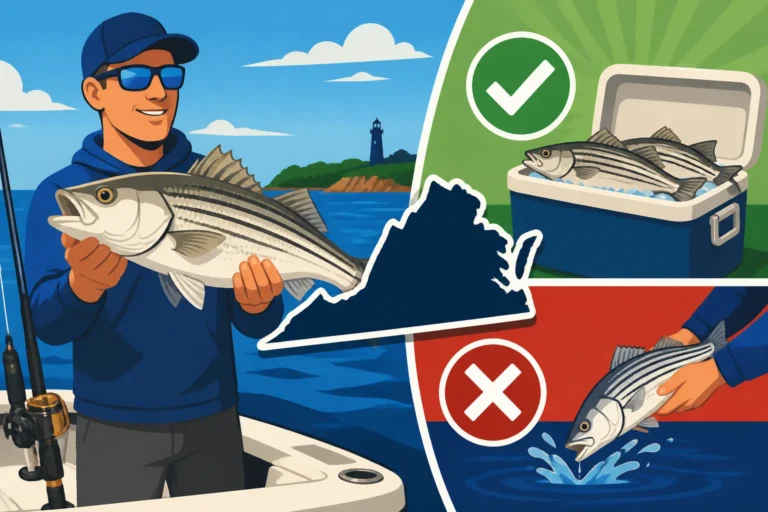
Catching a fish is exhilarating, but knowing what to do with it afterward is equally important. Before your trip, clarify with the captain whether the focus is catch-and-release or if keeping fish is permitted and encouraged. Many charters practice responsible angling, adhering strictly to state regulations regarding size limits, bag limits, and seasons. Make sure you understand these rules, which are detailed in guides like Virginia Fishing Regulations Explained.
If you plan to keep your catch, the crew will often assist in properly handling, bleeding, and icing the fish to ensure the best possible quality for your table. For catch-and-release, the crew will demonstrate the best techniques to minimize stress and injury to the fish, ensuring its survival. This includes using appropriate tackle, handling the fish gently, and releasing it quickly. Regardless of whether you keep or release, respectful and responsible handling of all marine life is a hallmark of a good angler and contributes to the sustainability of Virginia’s fisheries for generations to come.
Beyond the Trip: Post-Charter Considerations
The lines are pulled, the boat is back at the dock, and you're buzzing with stories from your Virginia fishing adventure. But the experience doesn't necessarily end when you step off the boat. There are a couple of post-charter considerations that can extend the enjoyment of your trip and help others plan their own.
Cleaning and Preparing Your Catch
If you were fortunate enough to keep some fish, the next step is often processing your catch. Many charter operations offer fish cleaning services, either included in the trip price or for an additional fee. This is a huge convenience, as cleaning fish, especially larger species, can be messy and requires specific tools and skills. The crew will expertly fillet and bag your fish, often even skinning it if you prefer. Always confirm this service and any associated costs when you book your trip or inquire at the dock.
If cleaning services aren't available, or if you prefer to do it yourself, make sure you have a plan. Bring a cooler with plenty of ice to transport your whole fish or fillets home safely. Proper handling immediately after the catch, including bleeding and icing, is crucial for maintaining the quality and taste of the meat. Once you get home, plan to either cook your fresh catch soon after or freeze it properly for later enjoyment. There’s nothing quite like savoring a meal that you caught yourself, a delicious reminder of your time on Virginia’s waters.
Sharing Your Experience
Once your fishing adventure is complete, consider sharing your experience. Writing a review for your captain and crew is incredibly helpful for future anglers looking to book a trip, and it’s a great way to thank the charter for their hard work. Platforms like FishingBooker make it easy to leave detailed feedback, including what you enjoyed, what you caught, and any memorable moments. Honest and thoughtful reviews help other prospective anglers make informed decisions and reward captains who provide excellent service.
Beyond online reviews, sharing your photos and stories with friends and family is part of the fun! Social media can be a great way to relive the excitement and inspire others to try charter fishing in Virginia. Your photos of a beautiful sunset over the Chesapeake Bay or a triumphant shot with your prized catch can encourage someone else to embark on their own angling journey. Who knows, your glowing review or fantastic photos might just be the push a friend needs to join you on your next Virginia fishing charter!
| Trip Duration | Typical Length | Best For | Price Shape | Pros | Cons |
|---|---|---|---|---|---|
| Half-Day Charter | 4-5 hours | Families, beginners, budget-conscious anglers | Lower overall cost, per-boat or per-person | More affordable, good for short attention spans, quicker return to shore | Less travel time to distant spots, fewer fishing techniques possible |
| 3/4 Day Charter | 6-7 hours | Anglers wanting more time than half-day | Mid-range cost, typically per-boat | More fishing time, can venture further, good balance | Might still feel rushed for very distant grounds, specific species may need more time |
| Full-Day Charter | 8+ hours | Serious anglers, diverse targets, offshore trips | Higher overall cost, typically per-boat | Maximizes fishing time, reaches distant spots, tries various techniques | Longer commitment, higher cost, can be tiring for some |
Disclaimer
This article is for general informational purposes only and does not constitute professional advice. Laws, prices and regulations vary by location and change over time. Consult a qualified professional for guidance on your specific situation.