Can You Keep the Striped Bass You Catch on a Virginia Charter?
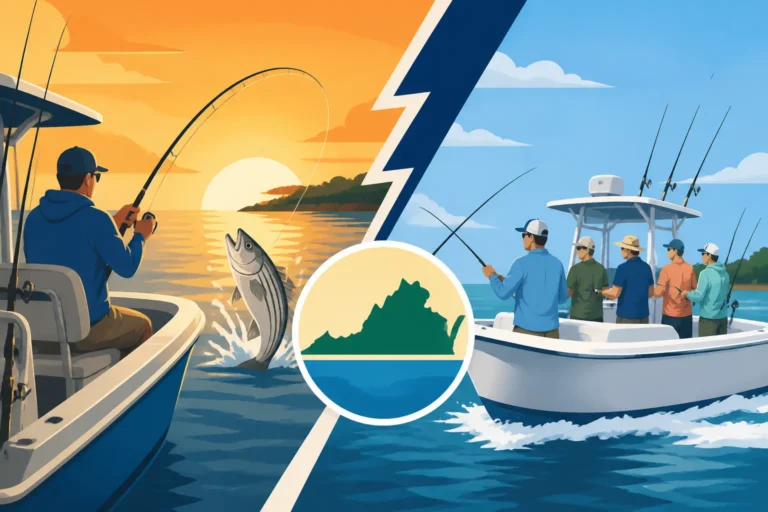
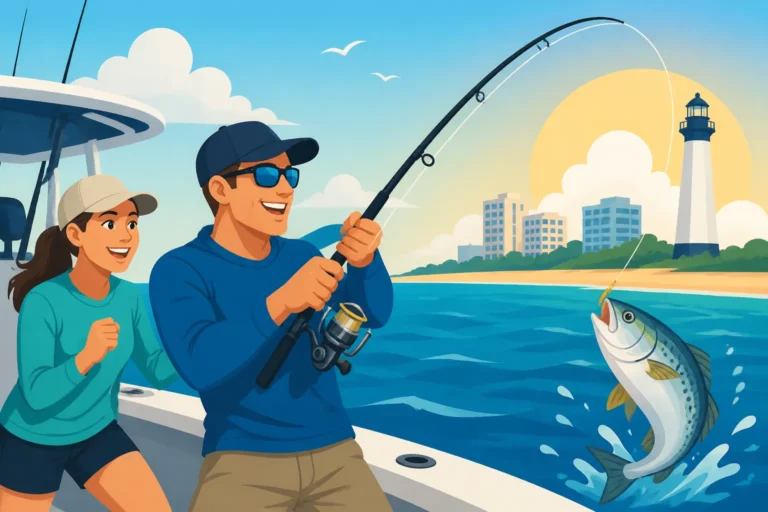
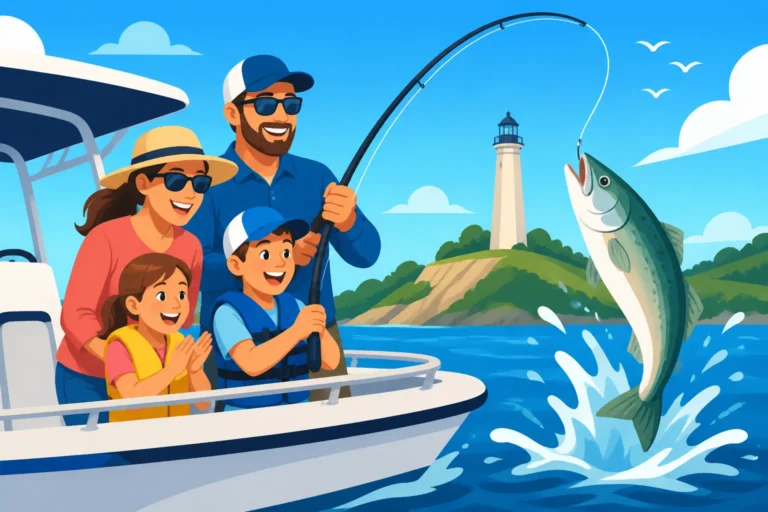
Oh, the thrill of reeling in a big striped bass! There’s nothing quite like it, especially when you’re out on the Chesapeake Bay or one of Virginia’s tidal rivers. After the excitement of the fight and getting that beautiful "rockfish" into the boat, the next thought that often pops into an angler's head is, "Can I actually keep this beauty?" It's a completely valid question, and one that trips up many folks, both seasoned and new to the water, especially when you're fishing with a charter captain. Navigating Virginia's fishing regulations can feel a bit like trying to read a tide chart upside down sometimes, but don't worry, this guide is here to untangle the specifics of keeping your striped bass catch on a Virginia fishing charter.
Navigating Virginia's Striped Bass Regulations
Let's be honest, deciphering fishing regulations can sometimes feel like you need a law degree. But when it comes to striped bass, also affectionately known as "rockfish" in Virginia, understanding the rules is crucial not just for staying legal, but also for preserving this incredible fishery for generations to come. These regulations are put in place for very good reasons, primarily to ensure healthy fish populations.
The Core Principles: Slot Limits and Possession Rules
Virginia's approach to striped bass management centers around two main concepts: slot limits and possession limits. A slot limit means that only fish within a specific length range can be legally kept. It's not about the biggest fish you can catch; it's about the right-sized fish. For striped bass in Virginia, you're looking for fish that fall within a specific "slot" of inches. This is different from a minimum size limit or a maximum size limit alone. The idea is to protect the smaller, juvenile fish so they can grow and mature, and also to protect the largest, most productive breeding fish (the "spawners") so they can continue to reproduce.
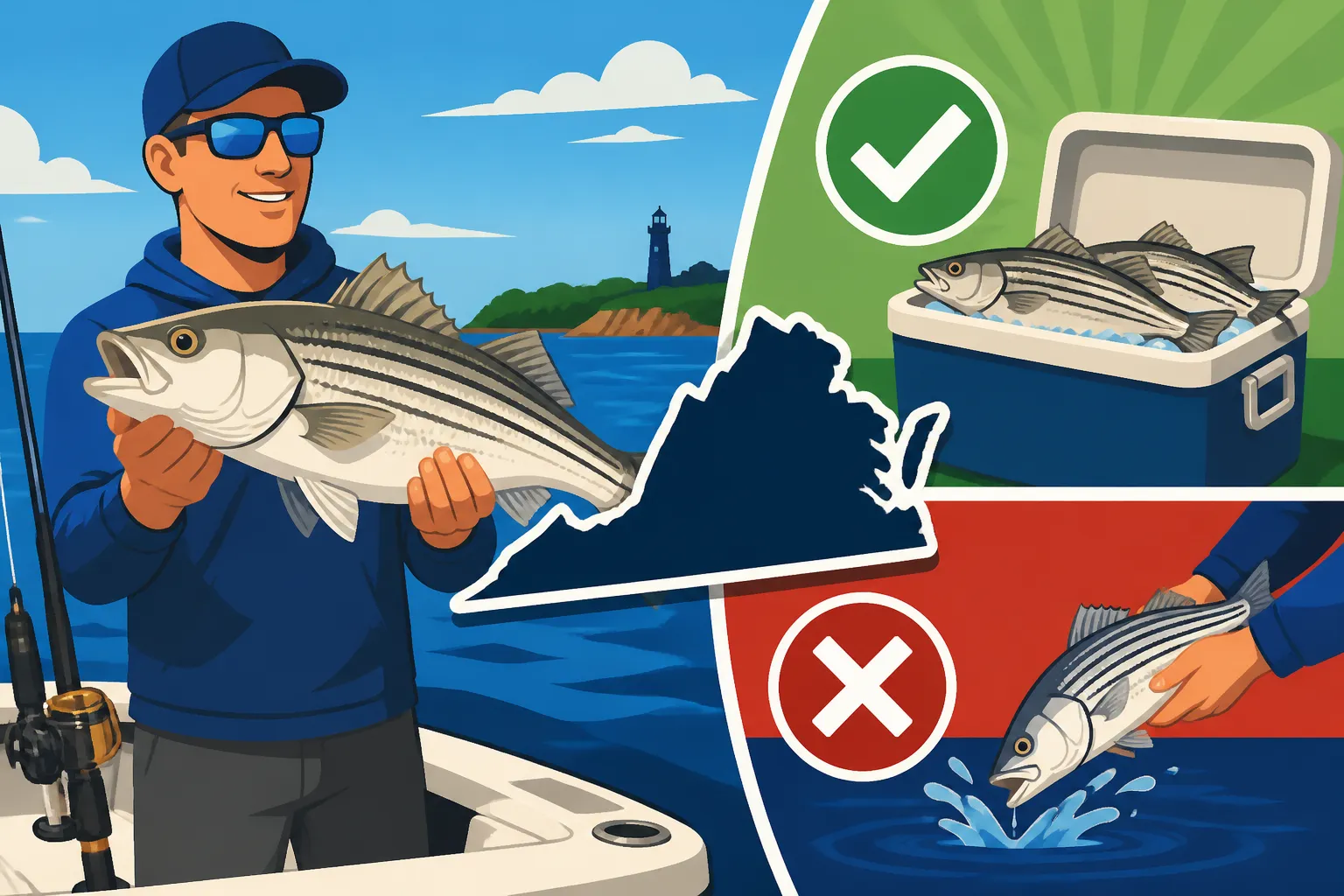
Currently, the most common slot limit you'll encounter for striped bass in Virginia's coastal and Chesapeake Bay waters is typically between 28 and 31 inches. This means your fish must be at least 28 inches long, but no more than 31 inches long, to be a keeper. Anything smaller or larger needs to be released immediately. Alongside this, there's a possession limit, which dictates how many fish each angler can keep. For striped bass in Virginia, it's generally Only one striped bass per person allowed in Virginia per person, per day. These rules apply whether you're fishing from your own boat, from the shore, or on a guided charter trip. Your charter captain will be well-versed in these specific numbers, and it's always smart to confirm them with them before you head out, or even when you're browsing for charters on platforms like FishingBooker.
The "Why" Behind the Rules: Conservation at Heart
It’s easy to get frustrated with fishing regulations, especially when you catch a monster striper only to find out it’s too big to keep. But these rules aren’t arbitrary hurdles; they're the backbone of conservation efforts that ensure we have striped bass to catch year after year. The striped bass population, particularly the migratory stock that travels up and down the East Coast and spends significant time in the Chesapeake Bay, faces a lot of pressure. Environmental factors, habitat changes, and fishing pressure all play a role.
The slot limit, for example, is a clever tool designed to protect both ends of the population spectrum. The smaller fish below the slot are allowed to grow into reproductive age, contributing to future generations. The larger fish, those over the 31-inch mark, are often the most prolific breeders, producing the most eggs. By protecting these "trophy" sized fish, we ensure that the strongest genes continue in the population. The one-fish possession limit simply ensures that overall harvest numbers remain sustainable. When you catch a beautiful striped bass on a Virginia Striped Bass Charter Cost by Trip Length and release it because it's out of the slot, you're directly contributing to the health of the fishery. It’s a collective effort, and every angler plays a part in keeping the striped bass population healthy and robust in Virginia’s waters. Understanding these principles helps us appreciate why we have these rules in place, even when they mean letting go of a truly memorable catch.
Striped Bass Rules on Virginia Charter Trips
So, you've booked a charter, you're excited, and you want to know how all these regulations specifically apply when you're fishing with a professional captain. It’s a slightly different dynamic than going out on your own boat, but the core rules still stand.
Who's Calling the Shots? Captain, Crew, and Your Responsibility
On a Virginia fishing charter, the captain is the ultimate authority when it comes to adhering to all fishing regulations. They operate under a commercial fishing license and are responsible for ensuring everyone on board, including guests, complies with state and federal laws. This means they will be the ones measuring fish, advising on what can be kept, and ensuring that no illegal fish make it into the cooler. Their experience means they know the Virginia Striped Bass Season and Slot Limit Guide inside and out, as well as the nuances of Virginia's Split Striped Bass Season Into Two Parts.
However, this doesn't absolve you, the angler, of all responsibility. While the captain guides, you still need to actively participate in understanding and following the rules. If you're unsure if your fish is legal, ask! Don't assume. A good captain will educate their clients on the regulations. They'll show you how to measure accurately and how to properly handle fish for release to maximize their survival chances. This collaborative approach ensures a legal and ethical fishing experience for everyone. Platforms like FishingBooker are great for finding charters where captains prioritize conservation and compliance, often detailing their catch policies right in their listing.
What to Expect Regarding Your Catch on a Charter
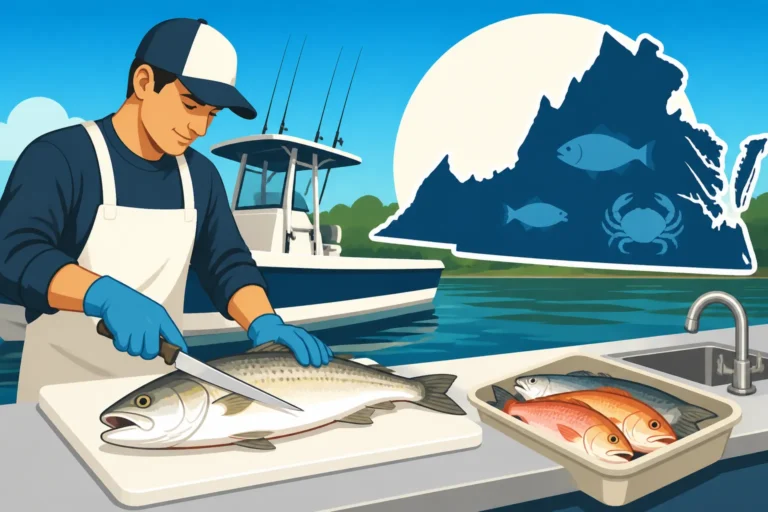
When you book a Virginia fishing charter, particularly for species like striped bass, you should generally expect to be able to keep any legally-sized fish that falls within the slot limit and possession limit. Most charters include fish cleaning as part of their service, so your legal catch will be filleted and bagged for you at the end of the trip, ready for you to take home and enjoy. This is a huge perk of charter fishing – no messy cleanup in your own kitchen!
However, it's always a good idea to confirm these details upfront. Some captains, for various reasons (e.g., they specialize in trophy catch-and-release, or current conservation concerns), might encourage or even mandate catch-and-release for certain species or at specific times. While the general rule is "if it's legal, you can keep it," a quick conversation with your captain when you book your trip, or checking the charter's details on a site like FishingBooker, can clarify any specific policies they might have. They want you to have a great time, and that often includes bringing home some fresh fish, but always within the bounds of the law and sustainable practices.
Charter Licenses and Individual Limits
A common misconception is that because the charter boat operates under a commercial license, or the captain has specific permits, that the standard recreational bag and slot limits don't apply to the individual anglers on board. This is generally not the case for recreational charter trips. While the vessel and captain hold specific licenses to operate as a charter, each individual angler on board is still subject to the same personal recreational bag and slot limits that apply to any angler fishing in Virginia. For striped bass, this means one fish per person within the 28-31 inch slot.
So, if you're on a charter with four people, and everyone catches a legal striped bass within the slot, each of those four people can keep their one fish. The boat doesn't get a "group limit" of four fish regardless of how many people are on board. It's truly an individual limit. This is an important distinction, as sometimes anglers might mistakenly think the charter can carry more fish. The captain is responsible for enforcing these individual limits, ensuring that everyone's catch adheres to Virginia's Virginia's One-Fish Striped Bass Limit on Charter Trips and size restrictions. It's another layer of protection for the fishery, ensuring that harvest numbers are consistently managed across all types of fishing activity.
Practicalities of Bringing Home Your Catch
So, you've landed a beautiful, legal striped bass on your Virginia charter, and you're stoked to take it home. What happens next? A good charter experience often extends beyond the catch itself, making the journey from boat to plate as seamless as possible.
Measuring, Handling, and Post-Catch Care
The moment of truth for any fish that might be a keeper is the measurement. Your charter captain or mate will usually be equipped with a measuring board or tape to quickly and accurately determine if your striped bass falls within the legal 28-31 inch slot. They'll typically measure from the tip of the nose to the tip of the tail, with the tail compressed. It's a quick process, and if the fish is undersized or oversized, they'll ensure it's released gently back into the water to minimize stress, often using proper release tools if needed.
For those legal keepers, the process of preparing them for the cooler begins immediately. Many charters will "bleed" the fish quickly upon landing. This involves making a small incision to allow the blood to drain, which significantly improves the taste and quality of the meat. After bleeding, the fish are typically placed in an ice-filled cooler. Proper icing is critical to maintaining freshness. The colder you keep the fish, the better it will taste. You want that fish to be on ice, not just wet, from the moment it's caught until it's filleted and ready for your dinner table.
Preparing for Your Catch: What to Ask and What to Bring
Before your charter trip, it’s always smart to have a quick chat with your captain or check the charter's information regarding what they provide and what you should bring. Most Virginia fishing charters will supply all the necessary fishing gear, bait, and tackle. However, you might wonder about the post-catch logistics. Here are a few things to consider:
- Fish Cleaning: Confirm if fish cleaning is included in the charter price. Most reputable charters proudly offer this service, cleaning and bagging your fillets for you at the dock. This is a huge time-saver and means you don't have to deal with the messy work yourself. You can often find this information when searching for charters on sites like FishingBooker, where amenities are clearly listed.
- Coolers for Transport: While the boat will have coolers for your catch during the trip, you'll need a way to transport your fillets home. Bringing your own cooler filled with ice is a great idea. This ensures your delicious striped bass stays cold and fresh for the journey from the dock to your kitchen.
- Licensing: Does a Virginia Fishing Charter Include Your License? Sometimes, a charter's commercial license covers everyone on board, or the captain might have a blanket permit. Other times, individual anglers are still required to hold a valid Virginia fishing license. It's best to confirm this with your charter captain beforehand. If you need one, you can usually purchase a Virginia Fishing License Guide online quickly.
By thinking ahead about these practicalities, you'll make your charter experience even smoother and ensure your fresh striped bass arrives home in prime condition.
Charting Virginia's Striped Bass Rules
To make things a little clearer, here's a quick overview of what you can generally expect when it comes to keeping striped bass on a Virginia fishing charter:
| Regulation Aspect | Description | Application on a Virginia Charter |
|---|---|---|
| Slot Limit | Fish must measure between 28 and 31 inches (specifics can vary by season/area, always confirm). | Only striped bass within this precise length range can be kept. Anything else must be released. |
| Possession Limit | One striped bass per person per day. | Each individual angler on the charter is allowed to keep one legal striped bass. |
| Season Dates | Fishing for striped bass is only permitted during specific open seasons (e.g., Virginia Striped Bass Season Reopens May 16). | Charters will only operate for striped bass during legal open seasons. |
| Captain's Role | Ensures all regulations (length, possession, season) are followed by everyone on board. | The captain is the ultimate authority for compliance. Trust their guidance and measurements. |
| Fish Cleaning | Often included as part of the charter service for legal fish. | Most charters will clean and bag your fillets at the dock. Ask about this service upfront. |
| Angler's License | May or may not be required depending on the charter's specific licensing. | Always confirm with your captain if you need your own Virginia fishing license. |
The Delight of a Freshly Caught Striped Bass
After all the planning, the regulations, and the exciting catch, the reward is truly magnificent: a freshly caught Virginia striped bass. It’s not just a fish; it’s a memory, a story, and a delicious meal all rolled into one.
Why Striper is a Prized Catch for the Dinner Table
Striped bass, or rockfish, are highly prized by chefs and home cooks alike for their firm, flaky white meat and mild, sweet flavor. They're incredibly versatile and can be prepared in countless ways, from grilling and baking to pan-searing or even ceviche. There's a reason why so many anglers specifically target them – not just for the thrill of the fight, but for the exceptional culinary experience they offer. Knowing that you caught it yourself, from the beautiful waters of Virginia, only enhances the flavor. It’s a truly healthy and sustainable choice when caught within regulated limits.
Maximizing Freshness from Boat to Plate
The care taken on the boat to bleed and ice your catch makes a huge difference in the final taste. Once you have your professionally cleaned and bagged fillets, ensuring they stay cold during transport home is key. Transfer them immediately to your cooler with plenty of ice. At home, you can keep them in the coldest part of your refrigerator for a day or two, or vacuum-seal and freeze them for longer storage.
There's nothing quite like cooking up a meal of fresh striped bass, knowing the journey it took from the water to your plate. It's a perfect end to a fantastic Virginia Fishing Charters and Guides The Complete Guide experience, and a delicious testament to Virginia's abundant and well-managed fisheries.
Disclaimer
This article is for general informational purposes only and does not constitute professional advice. Laws, prices and regulations vary by location and change over time. Consult a qualified professional for guidance on your specific situation.