Only one striped bass per person allowed in Virginia
Ah, the quest for striped bass in Virginia! It’s an exciting pursuit, but let’s be honest, trying to keep up with the ever-changing rules can feel like trying to land a trophy rockfish with a cane pole. One of the regulations that often trips up anglers, especially those just getting into the game or who haven't fished Virginia waters in a while, is the strict daily limit for striped bass. This guide will walk you through exactly what "only one striped bass per person allowed in Virginia" truly means, shedding light on the crucial details like size limits, seasons, and why these rules are so important for the future of our fishery.
Understanding Virginia's Single Striped Bass Limit
There's no way around it: Virginia takes its striped bass conservation seriously, and that means anglers often find themselves limited to a single fish per day in many popular tidal and coastal waters. This isn't just a random number; it's a carefully considered measure to help protect a species that faces significant fishing pressure along the entire Atlantic coast.
The Core Regulation: One Fish Per Person
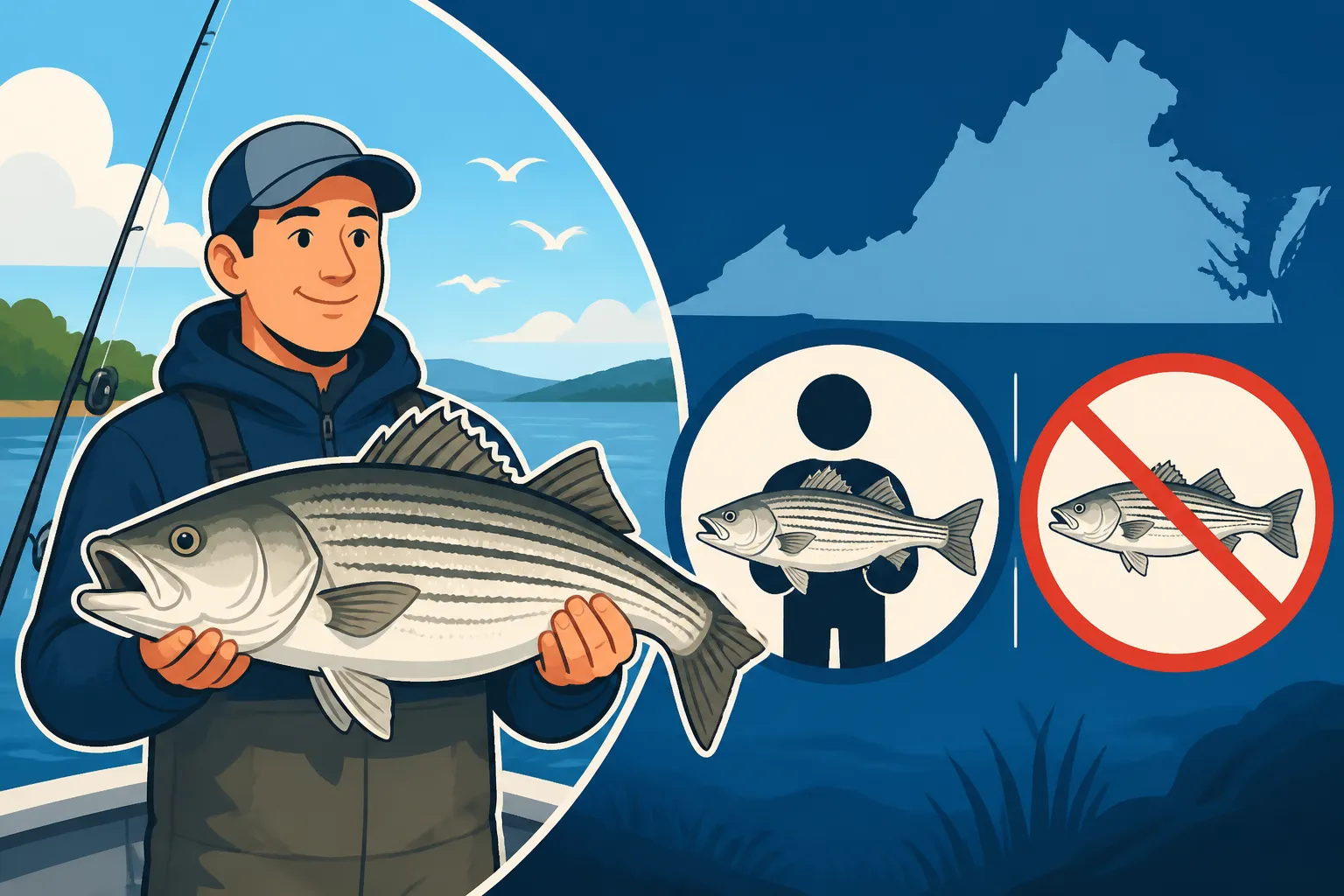
When we talk about the core regulation for striped bass, or "rockfish" as they’re affectionately known here, it boils down to this: in most of Virginia's Chesapeake Bay and its tributaries, and within state coastal waters, you are allowed to keep only one striped bass per person, per day. This "per person" rule is absolute, meaning it’s not one per boat or one per fishing party that can then be distributed. Each individual angler is limited to that single fish.
But here’s where it gets a little more nuanced, and this is critical: the size of that one fish often depends on where you're fishing. Currently, for the vast majority of anglers fishing in the Chesapeake Bay, its tidal rivers, and Virginia's state coastal waters, that one legal fish must fall within a 19 to 24-inch slot limit. This means the fish must be at least 19 inches long, but no longer than 24 inches. If you catch a striper outside that slot—either smaller than 19 inches or larger than 24 inches—it must be immediately released unharmed.
Now, if you venture further out into federal waters (typically more than three miles offshore in the Atlantic Ocean), the limit is still one fish per person, but the slot changes to 28 to 31 inches. It’s easy to see why anglers can get confused! The key takeaway is always to confirm the specific regulations for the precise body of water you intend to fish, whether it's the Rappahannock River, the Chesapeake Bay, or the open Atlantic. Staying up-to-date on Virginia Fishing Regulations Explained is paramount.
Why Just One Fish? The Conservation Angle
Many anglers, myself included, have felt that sting of disappointment when you catch a beautiful striper, only to realize it's just a hair over or under the slot limit, forcing you to release it when you already have your one keeper. But there's a powerful reason behind these strict limits: conservation.
Striped bass are anadromous fish, meaning they spend most of their lives in saltwater but return to freshwater rivers to spawn. This makes them vulnerable to fishing pressure across a wide range of habitats and from multiple states along the Atlantic seaboard. Over the years, the striped bass population has seen its ups and downs. Scientific assessments often indicate that the stock is either overfished or experiencing overfishing, meaning too many fish are being caught, or the population isn't at a healthy level.
The "one fish, 19-24 inch" slot for the Bay and coastal areas is specifically designed to protect the juvenile and adult breeding stock. By limiting harvest to medium-sized fish, we allow the smaller, younger fish a chance to grow and mature, and we protect the large, prolific spawners that contribute the most eggs to future generations. This management strategy aims to ensure that there will be striped bass for our children and grandchildren to catch. It’s a collective effort across the entire coast, and Virginia plays a crucial role in managing its portion of this vital fishery. To learn more about the specific measures, check out the article on Striped Bass Season and Slot Limit in Virginia.
Distinguishing Between Freshwater and Saltwater Striped Bass Regulations
It’s easy to lump all striped bass fishing in Virginia together, but there’s an important distinction to make between the anadromous (migratory) saltwater striped bass and landlocked freshwater populations.
While the Chesapeake Bay and coastal waters are home to the migratory stock that falls under the strict one-fish, 19-24 inch slot, Virginia also boasts some fantastic freshwater striped bass fisheries. Lakes like Smith Mountain Lake and Lake Anna are famous for their landlocked stripers, which are non-migratory populations that thrive entirely in freshwater.
For these inland freshwater fisheries, the regulations are typically different. For instance, in many of Virginia's inland reservoirs, the daily limit for striped bass is two fish, with a minimum size of 18 inches. However, no striped bass between 29 and 40 inches can be kept, meaning you can keep two fish under 29 inches (and over 18), or one over 40 inches. This creates a different kind of slot, often called a "protected slot," designed to protect those larger, mature fish in the landlocked environment.
This distinction highlights why knowing your specific fishing location is so important. The rules for "rockfish" along the coast or in tidal rivers are very different from those for the hard-fighting stripers in our mountain lakes. Always consult the Virginia Department of Wildlife Resources (DWR) regulations for inland waters and the Virginia Marine Resources Commission (VMRC) regulations for saltwater and tidal waters. This is also why having a clear understanding of Freshwater and Saltwater Fishing Licenses in Virginia is so important, as different licenses might apply.
Navigating the Striped Bass Seasons in Virginia
Beyond the one-fish limit, the timing of when you can legally pursue and keep a striped bass adds another layer of complexity for anglers in Virginia. The season for striped bass in our tidal and coastal waters is typically split into multiple windows, designed to balance fishing opportunities with critical conservation periods.
The Infamous Split Season for Tidal Waters
If you're planning a trip to the Chesapeake Bay or one of its tidal tributaries, be prepared for Virginia's characteristic split striped bass season. This means there isn't one continuous period where you can fish for and keep stripers. Instead, the season is broken up into shorter, distinct periods, typically in the colder months and then a smaller window in the late spring.
For the Chesapeake Bay and its tributaries, and state coastal waters, the season for recreational anglers often looks something like this:
- Winter/Early Spring Season: Generally runs from January 1st through March 31st.
- Late Spring/Early Summer Season: This second, shorter window typically opens from May 16th through June 15th.
It’s crucial to understand that during the periods between these open seasons, it is strictly catch-and-release only for striped bass, or they might even be entirely closed to striped bass fishing. For example, the period between April 1st and May 15th, and again after June 15th through the end of the year, is usually closed for retention in these state waters. You can fish for other species, but any striped bass caught must be immediately and safely returned to the water.
This split season structure is a direct result of ongoing efforts to manage the migratory striped bass stock. The timing attempts to allow anglers some opportunity while also protecting the fish during sensitive periods like their spawning runs. Missing these crucial dates can result in a frustrating day of fishing where you can't keep your catch, or worse, potential fines if you mistakenly retain a fish out of season. Always verify the current dates with the VMRC before heading out, as these can change based on stock assessments and management decisions. You can get more details on Virginia Striped Bass Split Season Dates Explained.
Understanding the Slot Limit: 19 to 24 Inches (and Beyond)
As we touched on earlier, the one-fish limit for striped bass in Virginia's tidal and coastal waters comes with a very specific size restriction: 19 to 24 inches total length. This is what's known as a "slot limit" (sometimes referred to as a "protected slot" when referring to the unkeepable sizes).
Here's how it works in practice:
- Minimum Size (19 inches): Any striped bass you catch that measures less than 19 inches must be released immediately. These are generally younger fish that are still growing and haven't yet had a chance to fully contribute to the breeding population.
- Maximum Size (24 inches): Any striped bass that measures more than 24 inches must also be released immediately. These larger fish are often the mature, highly productive spawners that are critical for replenishing the stock. Protecting these big breeders ensures they can continue to lay vast quantities of eggs year after year.
The sweet spot, then, is that window between 19 and 24 inches. This size range allows for some recreational harvest while providing maximum protection to both the juvenile and the prime breeding segments of the population. When you're out on the water, always have a reliable measuring tape or ruler handy. Don't eyeball it! A few inches can make all the difference, and a game warden's tape will always be the final word.
And remember that distinction for federal waters (outside 3 miles offshore) where the slot shifts to 28 to 31 inches. This rule is aimed at different segments of the migratory population found further offshore. It’s vital to know where you are geographically to apply the correct slot. For a deep dive into these rules, look at Virginia's Striped Bass Slot Limit: 28 to 31 Inches.
Practical Implications for Anglers
Knowing the rules is one thing, but applying them practically on the water can be another challenge entirely. The "one fish per person" limit for striped bass has some real implications for how you approach your fishing trip, from the gear you use to how you handle your catch.
Equipment and Best Practices for Catch-and-Release
With such a restrictive limit, it's a near certainty that you'll be catching and releasing a lot of striped bass that are either too small or too large to keep. This makes ethical and effective catch-and-release practices incredibly important for the survival of those fish.
Here’s what you should consider:
- Circle Hooks: Whenever possible, especially if you're using natural bait, opt for non-offset circle hooks. These hooks are designed to primarily hook fish in the corner of the mouth, significantly reducing gut-hooking and increasing the survival rate of released fish. Many regulations actually mandate circle hooks when using certain baits for striped bass, so check before you go.
- De-hooking Tools: A good pair of long-nosed pliers, a de-hooker, or a specialized hook-out tool are invaluable. These allow you to quickly and efficiently remove hooks without putting your hands near sharp teeth or stressing the fish excessively.
- Landing Nets: Use a rubberized or knotless landing net with a wide mesh. These types of nets are much gentler on a fish's slime coat and fins than knotted nylon nets, which can strip away protective mucus and damage delicate tissues. Avoid gaffs if you intend to release the fish.
- Minimize Air Exposure: A fish cannot breathe out of water. Every second it spends out of its element is stressful and can be detrimental. Try to keep the fish in the water as much as possible while removing the hook and measuring. If you must bring it aboard for a quick photo, be swift and gentle.
- Proper Handling: Support the fish horizontally, especially larger ones. Avoid holding them vertically by the jaw or tail, which can damage their internal organs and spine. Wet your hands before touching the fish to protect its slime coat.
- Revive If Necessary: If a fish looks sluggish upon release, hold it gently by the tail in the water, facing into the current, and move it back and forth until it regains its strength and swims off on its own.
These practices aren't just good sportsmanship; they're vital to ensuring that the fish you release survive to spawn another day and contribute to a healthier fishery for all. This is especially critical when focusing on Rockfish Rules Along the Virginia Coast.
What Happens if You Exceed the Limit or Keep an Undersized/Oversized Fish?
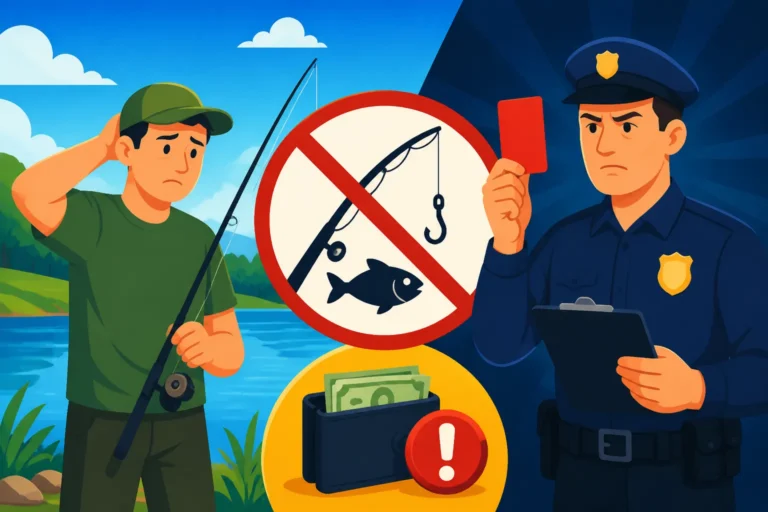
Let's not beat around the bush: getting caught violating fishing regulations in Virginia is no joke. Wildlife officers and marine police are out there, and they are well-versed in Virginia Game Wardens Check for Valid Fishing Licenses on the Water. They patrol the waters, conduct checks at boat ramps, and are generally very vigilant.
If you are caught with more than your allowed one striped bass per person, or with a fish outside the legal slot limit, you can face significant penalties. These typically include:
- Fines: These can range from hundreds to thousands of dollars, depending on the severity of the violation and whether it’s a first offense.
- Confiscation: Your illegally caught fish will be confiscated.
- Equipment Seizure: In some cases, especially for repeat offenses or egregious violations, your fishing equipment (rods, reels, even your boat) could be seized.
- Loss of Privileges: You could have your fishing license revoked or suspended, preventing you from fishing legally in Virginia for a period of time.
It might seem like a small mistake, but these rules are in place for a reason, and enforcement is taken seriously. Ignorance of the law is generally not considered an excuse. This is why it's so important to be familiar with the regulations before you even cast a line. Beyond the fines, the real cost is to the resource itself. Every illegally kept fish reduces the overall population and undermines the conservation efforts everyone else is making. Always ensure you also have your Virginia Fishing License Guide in hand and know its validity.
For a clearer picture, here's a quick summary of current striped bass regulations for tidal/coastal Virginia (always check VMRC for the most current information):
| Area/Water Body | Season (Recreational) | Daily Limit | Size Limit | Notes |
|---|---|---|---|---|
| Chesapeake Bay & Tributaries | Jan 1 – Mar 31; May 16 – Jun 15 | 1 fish per person | 19 – 24 inches TL* | All other dates are closed for retention. |
| Virginia Coastal Waters | Jan 1 – Mar 31; May 16 – Jun 15 | 1 fish per person | 19 – 24 inches TL* | From shore or boat in state waters (0-3 miles offshore). |
| Atlantic Ocean (Federal Waters) | Jan 1 – May 15; Oct 4 – Dec 31 | 1 fish per person | 28 – 31 inches TL* | Beyond 3 miles offshore. |
| Inland Freshwater Lakes | Year-round (check specific lake) | 2 fish per person | Min. 18 inches; No fish between 29-40 inches | E.g., Smith Mountain Lake, Lake Anna. Check DWR for specific rules. |
*TL = Total Length. This table summarizes common rules; always verify with VMRC (Virginia Marine Resources Commission) and DWR (Virginia Department of Wildlife Resources) for the absolute latest regulations.
Disclaimer
The information provided in this guide is for general informational purposes only and is not intended as legal advice. Fishing regulations in Virginia are subject to change by the Virginia Department of Wildlife Resources (DWR) and the Virginia Marine Resources Commission (VMRC). It is the angler's responsibility to consult the most current official regulations before fishing. Always check the official DWR and VMRC websites or their printed guidebooks for the latest and most accurate information to ensure compliance with all state and federal laws.