Rockfish Rules Along the Virginia Coast
There's nothing quite like the thrill of chasing rockfish along the Virginia coast, but if you've ever tried to keep up with the ever-changing rules, you know it can feel like trying to hit a moving target. Anglers often find themselves scratching their heads, wondering about slot limits, open seasons, and what they can actually keep. This guide is here to untangle all that confusion, breaking down the current regulations for striped bass—our beloved rockfish—so you can spend more time fishing and less time worrying about legalities.
Decoding the "Rockfish" – What You Need to Know
For many newcomers to fishing in Virginia, and even some seasoned folks, the term "rockfish" can be a bit of a mystery. Is it a different species? Is it just a local nickname? It's a common point of confusion, and understanding this local lingo is the first step to truly grasping the regulations that follow.
The Virginia Identity: Striped Bass as Rockfish
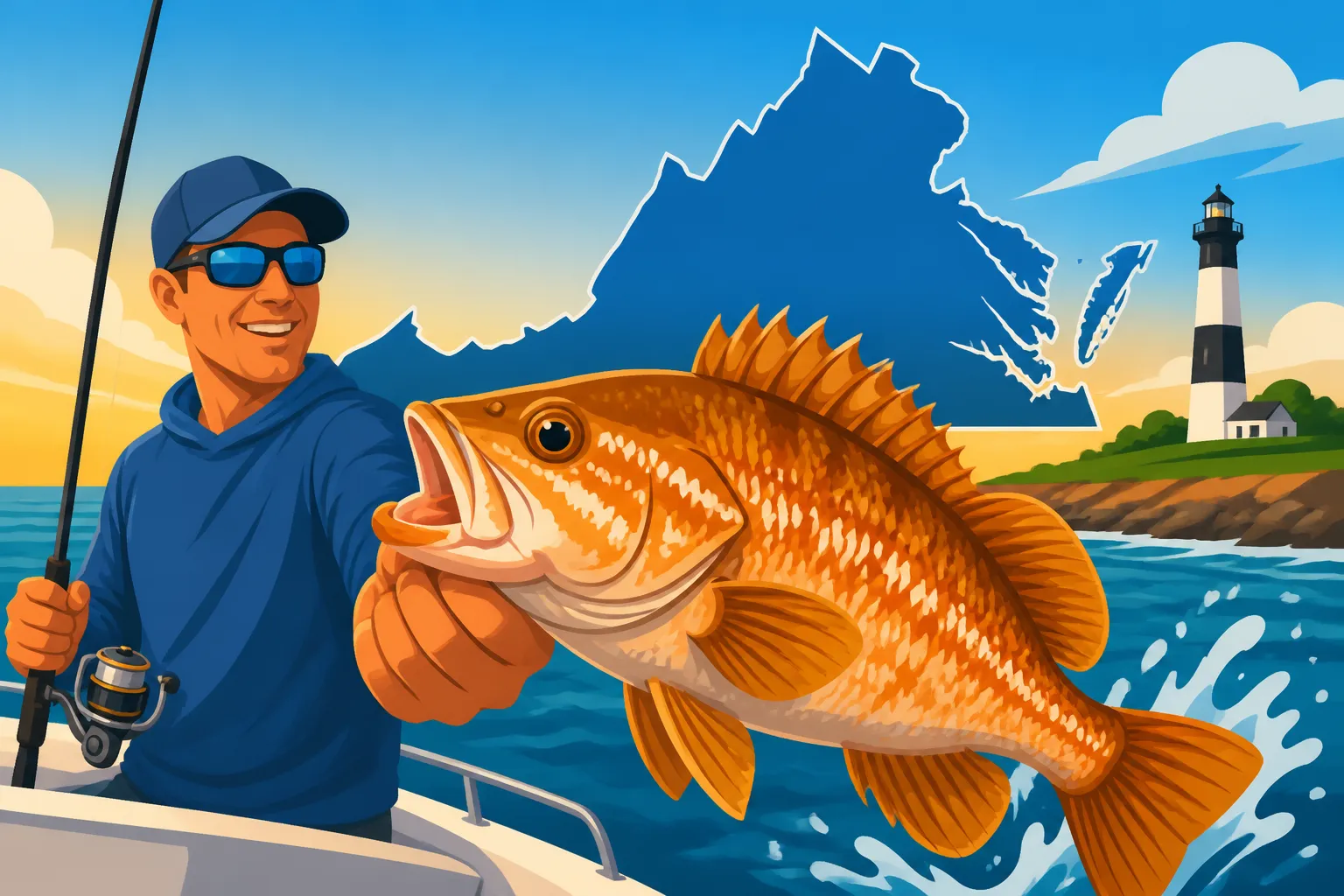
When you hear a local Virginia angler passionately discussing "rockfish," they are almost certainly referring to the magnificent striped bass (Morone saxatilis). This powerful, migratory fish is a cornerstone of Virginia's coastal fisheries, cherished for its fighting spirit and delicious white meat. The name "rockfish" is deeply embedded in the local culture, especially around the Chesapeake Bay and its tributaries, and it’s been used for generations. So, when the Virginia Marine Resources Commission (VMRC) or the Department of Wildlife Resources (DWR) talks about regulations for striped bass, know that they're talking about your rockfish. It's not a different species with separate rules; it's simply our beloved striper going by its more familiar, traditional moniker here in the Old Dominion.
Why These Specific Regulations Exist
It's easy to get frustrated with all the rules and restrictions, especially when they seem to change so frequently. But trust me, these regulations aren't put in place just to make our lives harder. They are vital conservation tools designed to protect and manage the striped bass population, which has faced significant challenges over the years. Striped bass are slow to mature, and their populations can be highly susceptible to overfishing and environmental changes. The VMRC and DWR work tirelessly with regional management bodies, like the Atlantic States Marine Fisheries Commission (ASMFC), to monitor stock health, spawning success, and migration patterns. They use this scientific data to implement measures like slot limits, bag limits, and season closures. The goal is always the same: to ensure a healthy, sustainable fishery for future generations of anglers. It’s a delicate balancing act, trying to provide fishing opportunities while safeguarding a treasured resource, and sometimes that means making tough decisions that lead to complex rules.
Navigating Virginia's Coastal Striped Bass Seasons
One of the biggest head-scratchers for Virginia anglers targeting rockfish is the way the season is structured. Unlike many other species that might have a straightforward open and closed period, striped bass in Virginia operate on what's known as a "split season." This can definitely catch you off guard if you're not paying close attention.
Understanding the "Split Season" Framework
The idea of a "split season" can be a bit perplexing, and it's a frustration many anglers share. Essentially, instead of one long continuous period, Virginia's coastal striped bass season is broken into distinct windows throughout the year. For the general recreational angler, this often means specific dates in the cooler months, a closure during the warmer, critical spawning period, and then another opening later in the year. This approach is designed to balance fishing pressure, protect spawning aggregations when the fish are most vulnerable, and still offer opportunities during peak migration times. The exact dates can sometimes shift slightly from year to year based on stock assessments and regional management decisions, which is why it's absolutely crucial to stay updated. You can always check the latest Virginia Fishing Regulations Explained for the most current information, as things can change.
For instance, the typical pattern sees an opening in the late fall/early winter, a closure through the spring and early summer, and then another opening in the late spring or early fall. These segments are carefully planned to minimize impact during essential biological phases, particularly when these fish are gathering to reproduce in the Chesapeake Bay and its tributaries. It means you can't just head out with your favorite gear year-round expecting to keep a rockfish; you need to know which window is currently open.
Key Seasonal Dates for Coastal and Bay Waters
Knowing the precise dates is paramount for any rockfish enthusiast. The coastal striped bass season in Virginia, particularly for those fishing in the Atlantic Ocean, its tributaries, and the mainstem Chesapeake Bay, typically follows a schedule like this:
- Winter Season (January 1 – March 31): This is often the first opportunity of the year, usually for fish migrating along the coast or wintering in the lower Chesapeake. Anglers often bundle up and brave the cold for a chance at these early-season fish.
- Spring/Early Summer Season (May 16 – June 15): After a closure through April and the first half of May, which protects the critical spawning period, the season reopens. This second window targets fish that have completed spawning and are either migrating out of the Bay or feeding heavily before dispersing for the summer.
- Fall Season (October 4 – December 31): The longest and often most popular season, this period covers the major fall migration when striped bass are moving south along the coast, often feeding aggressively. This is when many charter boats truly shine.
These dates are generally consistent, but again, always double-check the Virginia Marine Resources Commission (VMRC) website before you head out. These regulatory bodies are diligent in providing the most accurate information to anglers. Missing a shift in dates could mean an unexpected fine, and nobody wants that. It's also important to note that these dates specifically apply to recreational anglers. Commercial seasons and methods, such as those using gill nets or pound nets, operate under a different set of highly regulated rules, and are often active during periods when recreational anglers are closed.
Dealing with Unexpected Season Adjustments
One of the most frustrating aspects of striped bass fishing, and something I hear about from fellow anglers all the time, is when the rules change mid-season, or when an expected season doesn't open at all. This isn't unique to Virginia; it's a national and even international challenge for migratory species. Unexpected adjustments often happen when stock assessments reveal that the population isn't as healthy as previously thought, or if harvest limits are met sooner than anticipated.
For example, in recent years, declining population estimates for the Atlantic Coast striped bass stock have led to more conservative regulations across all states, including Virginia. This can mean shorter seasons, reduced bag limits, or even changes to the slot limits. These decisions are tough on everyone, especially charter captains and tackle shops that rely on these fisheries, but they are made with the long-term health of the species in mind. The best way to deal with these potential changes is to stay informed. Subscribing to email alerts from the VMRC or DWR, checking their social media pages, and frequenting reliable fishing forums can help you stay ahead of the curve. It might mean a planned trip needs to be rescheduled or re-evaluated, but it’s always better to know the rules than to inadvertently break them. Remember, these adjustments are made to preserve the very fishery we love.
The Critical Slot Limit and Daily Catch Rules
Beyond knowing when you can fish for rockfish, understanding what you can keep is perhaps the most critical part of Virginia's striped bass regulations. This involves navigating the slot limit and the daily creel limit, both designed to promote conservation while allowing for recreational harvest. Get this wrong, and you could be looking at some hefty penalties.
Demystifying the 28 to 31 Inch Slot Limit
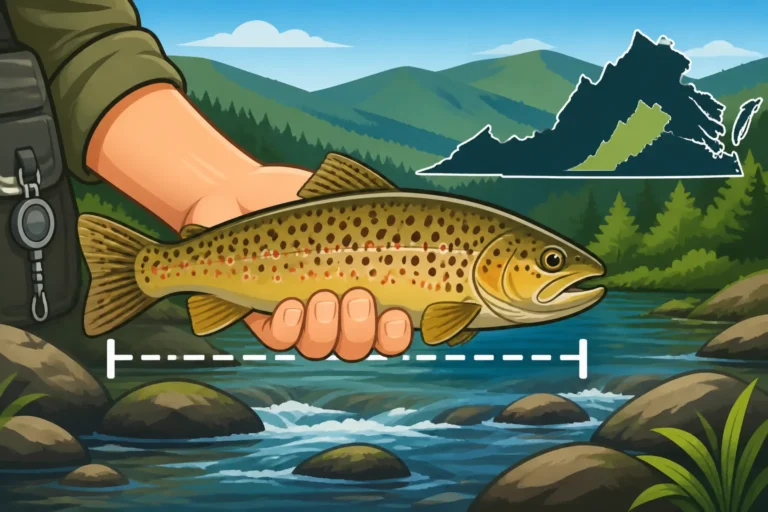
The 28 to 31 inch slot limit is one of those rules that can really throw a wrench into your fishing plans if you're not prepared. For recreational anglers, this means that any striped bass you keep must measure a minimum of 28 inches in total length and cannot exceed 31 inches. This isn't just a suggestion; it's a strict requirement. Fish smaller than 28 inches or larger than 31 inches must be immediately released, regardless of their condition.
So, why such a specific window? This slot limit is a powerful conservation tool. The rationale behind it is twofold:
- Protecting Young Fish: By prohibiting the harvest of fish under 28 inches, we're giving the younger striped bass a chance to mature and contribute to the spawning population at least once, and often several times. These smaller fish are crucial for replenishing the stock.
- Protecting Large, Mature Spawners: The upper end of the slot, 31 inches, protects the largest, most prolific spawning females. These "trophy" fish produce the most eggs and are vital for the overall health and genetic diversity of the striped bass population. While it's thrilling to catch a massive striper, releasing those big breeders ensures they can continue to contribute to future generations.
It can be heartbreaking to catch a beautiful 32-inch striped bass and have to release it, especially after a long fight, but these are the rules we abide by to keep the fishery healthy. Make sure you have an accurate measuring device on board your boat or in your tackle box. Many anglers prefer a bump board for precise measurements. You can find several reliable options, along with other essential fishing accessories, on Amazon. It's a small investment that can save you a lot of trouble.
The Single Fish Daily Bag Limit Explained
In addition to the length restrictions, Virginia also enforces a strict daily bag limit for recreational striped bass fishing: one fish per person, per day. This means that even if you catch five fish within the legal slot, you can only keep one of them. Once you've kept your one legal striped bass, any subsequent striped bass caught must be immediately released. This rule applies whether you're fishing from your own boat, a pier, or with a licensed charter.
This one-fish limit, while sometimes disappointing for anglers hoping for a larger haul, is another critical component of the conservation strategy. It helps to distribute the harvest more evenly across the fishing population and ensures that the overall take remains within sustainable limits. Combined with the slot limit, it significantly reduces the total number of fish removed from the stock, particularly those in critical size classes. It's designed to make every kept fish a thoughtful decision, not just an opportunistic grab. Always make sure you're aware of How Many Striped Bass Can You Keep in Virginia before you hit the water. It’s always better to be over-prepared than under-prepared when it comes to regulations.
The Serious Business of Penalties for Violations
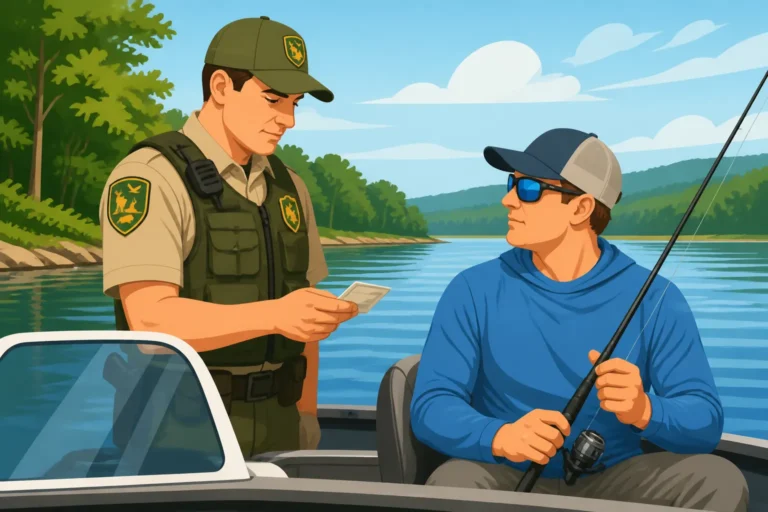
Let's be blunt: fishing without a valid license, keeping undersized or oversized fish, or exceeding the bag limit are not minor infractions in Virginia. The Department of Wildlife Resources (DWR) and the Virginia Marine Resources Commission (VMRC) game wardens are out on the water and along the coast, diligently enforcing these rules. They are passionate about protecting our marine resources, and they take their job seriously.
Penalties for fishing without a license can range from significant fines to the confiscation of your gear. For violating size or bag limits for striped bass, the consequences can be even more severe. Expect substantial monetary fines, potential court appearances, and in some cases, the loss of your fishing privileges. These aren't just slaps on the wrist; they are designed to be a deterrent and to emphasize the importance of compliance. I've personally seen anglers face fines of hundreds of dollars for just one illegal fish.
It's a huge headache and completely avoidable. Always make sure you have your Virginia Fishing License Guide sorted before you cast a line. Beyond the legal ramifications, there's also an ethical component. As anglers, we have a responsibility to be good stewards of the environment. Ignoring these rules undermines the collective effort to conserve fish populations and risks the very future of our sport. It's just not worth the risk, both legally and ethically.
Specific Rules for Different Fishing Methods and Locations
The beauty of Virginia's coast is the sheer variety of ways you can chase rockfish. Whether you prefer the solitude of shore fishing, the social atmosphere of a pier, or the open-water adventure of a boat, there's an opportunity for everyone. However, each method and location can come with its own subtle nuances in regulations, so it's important to be aware of the specifics.
Rules for Shore and Pier Anglers
If you love the simplicity of casting from the sand or dropping a line from a pier, you're in luck – Virginia offers fantastic shore and pier fishing opportunities for rockfish. The fundamental regulations for striped bass (the split season, the 28-31 inch slot limit, and the one-fish daily bag limit) apply equally to anglers fishing from shore or piers. You're still expected to adhere to all these rules.
However, there are a few additional considerations:
- Public vs. Private Access: Ensure you're fishing in a legal public access area. Some private beaches or properties might prohibit fishing, or require their own permits in addition to state licenses. Always respect private property signs.
- Facility Permits: Many popular fishing piers, especially along the Virginia Beach oceanfront or inside the Chesapeake Bay, are privately owned or operated by municipalities or state parks. These piers often require a separate "pier pass" or facility use permit, which is in addition to your Virginia fishing license. Crucially, a pier pass does not replace your state fishing license. Always check with the specific pier for their rules and fees.
- FIP Registration for Saltwater: Even if you're fishing from shore in saltwater, if you're over the age of 16, you generally need a Virginia saltwater fishing license. However, if you're exempt from buying a license (for example, if you hold a valid freshwater license and are fishing in certain tidal waters, or if you're fishing during a free fishing day), you still might need to register with the Virginia Marine Resources Commission's Free Recreational Fishing Information Program (FIP). This helps the state track angler effort. You can find more details on Freshwater and Saltwater Fishing Licenses in Virginia to make sure you're covered.
- Cleaning Stations: Be mindful of where you clean your catch. Some piers and public access points have designated cleaning stations, while others strictly prohibit it. Leaving fish carcasses and waste behind is not only unsanitary but can also draw unwanted pests and lead to fines.
Rules for Boat Anglers and Charters
Boat anglers have unparalleled access to Virginia's coastal waters, allowing them to target migrating striped bass in channels, around structure, and along the coastline. The core striped bass regulations (season, slot, bag limit) are the same, but boat anglers have unique responsibilities:
- Boat Registration and Safety Gear: Beyond your fishing license, your boat must be properly registered with the DWR, and you must have all required safety equipment on board, including life jackets for everyone, fire extinguishers, and sound-signaling devices. Game wardens often conduct safety checks in conjunction with fishing license checks.
- Measuring Devices on Board: It's absolutely mandatory to have a functional measuring device readily accessible on your boat. This isn't something you want to be fumbling for when a warden pulls up.
- Fishing Charters: If you're going out on a guided trip, the charter captain is responsible for ensuring the boat holds the appropriate federal and state licenses. As a client, you generally don't need to purchase your own recreational fishing license when fishing on a licensed charter boat, as your fare contributes to the vessel's blanket license. However, it's always a good idea to confirm this with your specific captain when booking, especially if you're thinking about Virginia Fishing Charters and Guides: The Complete Guide. Remember, you still have to adhere to the slot and bag limits, and a good captain will ensure you do so. Many charters focus heavily on conservation and catch-and-release, especially for the larger "trophy" fish that exceed the slot.
Special Considerations for Chesapeake Bay and Ocean Waters
While the core rules for striped bass are broadly similar across Virginia's coastal and Bay waters, there are sometimes subtle distinctions or enforcement priorities that anglers should be aware of, especially regarding specific geographic zones.
- Chesapeake Bay vs. Atlantic Ocean: The VMRC manages saltwater species, including striped bass, primarily in the tidal waters of the Chesapeake Bay and the Atlantic Ocean out to three miles offshore. Federal waters (beyond three miles) are managed by the Mid-Atlantic Fishery Management Council (MAFMC) and NOAA Fisheries, but recreational striped bass fishing usually occurs within state waters. The VMRC's website will clearly delineate if a particular rule applies specifically to the Bay, its tributaries, or the ocean. For example, during certain parts of the season, specific areas within the Bay might have different opening or closing dates, or even specific gear restrictions.
- Coastal Plain Rivers: Virginia's major coastal plain rivers like the James, York, Rappahannock, and Potomac are crucial nursery grounds and spawning areas for striped bass. During the spring spawning season (typically March through May), these areas are often subject to strict closures or very specific, limited fishing opportunities to protect the migrating spawners. Fishing during this period, even for catch-and-release, can be heavily restricted. Always check specific river regulations, as they can sometimes differ from the general Bay or ocean rules. For instance, Striped Bass Season and Slot Limit in Virginia details these intricacies.
- Maryland and Virginia Reciprocity: For anglers fishing in the mainstem Chesapeake Bay near the state line, there can be questions about license reciprocity with Maryland. While some reciprocal agreements exist for certain areas or licenses, it's generally safest to have a valid license for the state whose waters you are actively fishing in. A Virginia saltwater license is always required for fishing in Virginia's tidal waters unless you meet a specific exemption. It's worth exploring Fishing License Reciprocity Between Virginia and Neighboring States if you plan to venture close to borders.
Understanding these localized considerations helps ensure you're compliant no matter where your rockfish quest takes you.
Essential Gear and Best Practices for Rockfish Anglers
Once you've got the rules down, it's time to talk about the fun stuff: fishing! Having the right gear and adopting best practices not only increases your chances of success but also ensures you're fishing responsibly and sustainably.
Recommended Rods, Reels, and Lures
Catching a rockfish can be a real battle, so having robust and reliable tackle is key. You don't want to be undergunned when that 30-inch striper decides to make a run for it.
- Rods: For most coastal and Bay fishing, a medium-heavy action spinning or casting rod, 7 to 8 feet long, is a versatile choice. This length gives you good casting distance from shore or a boat, and the medium-heavy action provides enough backbone to fight powerful fish while still having enough sensitivity for detecting subtle bites. Brands like Shimano, Penn, and Daiwa offer excellent options that strike a balance between performance and durability. You can often find great deals on these reputable brands on Amazon.
- Reels: Pair your rod with a sturdy spinning reel in the 4000-6000 size range, or a conventional reel if you prefer baitcasting. Look for reels with a smooth drag system, as this is crucial for tiring out strong fish without breaking your line. Saltwater-specific reels are built to withstand the corrosive environment, so investing in one will extend its lifespan significantly. Capacity for 200-300 yards of line is ideal.
- Line: Braided line has become the go-to for many striped bass anglers due to its strength-to-diameter ratio and sensitivity. A 20-40 pound test braided line is a good starting point. Always use a fluorocarbon leader (20-50 pound test, 3-6 feet long) tied to your braid. Fluorocarbon is nearly invisible underwater and provides abrasion resistance against sharp rocks or oyster shells.
- Lures and Bait: The choice of lure often depends on the season, location, and what the fish are feeding on.
- Soft Plastics: Jigs rigged with large soft plastics (like paddletails or swim shads from Z-Man, Bass Assassin, or Berkley Gulp!) are incredibly effective. White, chartreuse, and natural baitfish colors are popular.
- Sinking Plugs/Lipless Crankbaits: For targeting fish deeper in the water column or in strong currents, these can be deadly.
- Topwater Lures: During low light conditions (dawn/dusk) or when baitfish are on the surface, topwater poppers or walk-the-dog lures provide exhilarating strikes.
- Live/Cut Bait: If you prefer bait fishing, live spot, eels, menhaden, or fresh cut bait (like bunker or mullet) are irresistible to striped bass, especially for larger fish. Always ensure you're using legal bait.
- Umbrella Rigs: For trolling from a boat, umbrella rigs, like those found from Mann's Bait Company or S&S Bucktails, can imitate a school of baitfish and are incredibly productive, especially in the Chesapeake Bay.
Having a good selection of these in your tackle box, readily available from retailers like Amazon or your local Virginia tackle shop, will prepare you for whatever the rockfish are biting on that day.
Best Practices for Catch and Release and Conservation
Given the stringent regulations and the conservation concerns surrounding striped bass, practicing responsible catch and release is not just a suggestion – it's an ethical imperative. Every angler plays a role in the health of this fishery.
- Minimize Fight Time: While it's fun to battle a fish, try to land your catch as quickly as possible, especially if you intend to release it. An exhausted fish has a much lower chance of survival.
- Handle with Care:
- Wet Hands: Always wet your hands before touching a fish. Dry hands can remove the protective slime layer, leaving the fish susceptible to disease.
- Support the Fish: If you need to lift the fish for a photo, support its body horizontally, especially larger fish. Avoid holding them vertically by the jaw, as this can damage their internal organs and spine.
- Avoid the Gills: Never put your fingers in the gills of a fish you intend to release. The gills are extremely delicate and vital for respiration.
- Proper Hook Removal: Use needle-nose pliers or a de-hooking tool to remove hooks quickly and cleanly. If a fish is deeply hooked, especially in the gills or esophagus, it's often best to cut the line as close to the hook as possible. The hook will usually corrode and fall out, giving the fish a better chance than trying to violently extract it. Circle hooks are excellent for bait fishing as they significantly reduce gut-hooking.
- Revive if Necessary: If a fish appears lethargic after the fight, hold it gently in the water, facing into the current, until it regains its strength and can swim away on its own. Never just toss a tired fish back; give it a fighting chance.
- Stay Informed: Beyond knowing the current Virginia Fishing Regulations Explained, educate yourself on the biology of striped bass and the challenges they face. The more we understand, the better we can advocate for and participate in responsible management practices.
By following these best practices, you're not just adhering to the law, but actively contributing to the sustainability of Virginia's incredible rockfish fishery. It ensures that future generations can enjoy the same thrilling experiences we do today.
Virginia Striped Bass (Rockfish) Coastal and Bay Regulations Summary
Here’s a quick overview of the key rules for recreational striped bass fishing along the Virginia Coast and in the Chesapeake Bay. Always confirm the latest information with the VMRC before fishing, as regulations can change.
| Regulation Type | Detail | Notes |
|---|---|---|
| Season | January 1 – March 31 | Winter Season |
| May 16 – June 15 | Spring/Early Summer Season | |
| October 4 – December 31 | Fall Season | |
| Slot Limit | 28 inches (minimum) to 31 inches (maximum) | Fish must be within this length range. Fish outside this range must be immediately released. Total length measured from tip of snout to tip of tail. |
| Bag Limit | 1 fish per person, per day | Only one legally sized striped bass may be retained per angler per calendar day. |
| Licenses | Virginia Saltwater Fishing License | Required for anglers 16 and older. Exemptions apply (e.g., licensed charter, free fishing days, some pier permits with FIP registration). |
Disclaimer
Please remember that fishing regulations are subject to change without notice. While this guide provides a comprehensive overview based on current information, it is your responsibility as an angler to always check the most up-to-date rules and regulations published by the Virginia Marine Resources Commission (VMRC) and the Virginia Department of Wildlife Resources (DWR) before heading out. This content is for informational purposes only and should not be considered legal advice.