Free fishing weekend dates vary by state
One of the biggest head-scratchers for new anglers, or even seasoned folks planning a trip to a new state, is figuring out the labyrinth of fishing license requirements. It’s particularly confusing when it comes to "free fishing days" because, as you've likely discovered, those dates and rules aren't universal. What applies in Maryland or North Carolina might be completely different from what Virginia offers. This guide is all about clearing up that confusion, specifically honing in on Virginia's free fishing weekend, what it truly means for you, and how it fits into the broader picture of varying state regulations.
Understanding Free Fishing Days: A National Overview and Why It's Confusing
The idea behind "Free Fishing Days" is genuinely wonderful: it's a nationwide initiative, usually spearheaded by state wildlife agencies, designed to encourage people of all ages to experience the joy of fishing without the initial barrier of purchasing a license. It’s a fantastic opportunity for families, beginners, or even those just curious about the sport to dip a line in the water, often with the hope that they’ll fall in love with it and become lifelong anglers who then do purchase licenses, contributing to conservation efforts. Many states use these days to showcase their local fisheries, organize events, and generally promote outdoor recreation.
However, where the good intentions sometimes meet reality is in the execution. Each state, rightfully so, has its own unique ecosystem, its own specific regulations, and its own schedule. This means there's no single "National Free Fishing Day" where you can just assume your license is waived everywhere. The dates are decided by individual state wildlife and fisheries departments, and they can vary dramatically. Some states might offer a full weekend, others just a single day. Some might have multiple free fishing periods throughout the year, while others stick to one specific window. This patchwork approach, while necessary for local management, is precisely what makes it so baffling for anglers trying to plan a trip or simply understand the rules in their own backyard. You can't just rely on a general internet search; you have to dig into the specifics for each state you might want to fish in.
The Purpose Behind License-Free Days
Beyond just enticing new anglers, free fishing days serve several crucial purposes for state wildlife agencies. Firstly, they act as a gateway to conservation. The hope is that by providing a free taste of fishing, more people will connect with nature and understand the importance of healthy aquatic environments. This, in turn, can lead to greater support for funding conservation programs, often through the future purchase of fishing licenses and related tackle. Secondly, it's an economic driver. While the license itself is free, people still buy bait, tackle, snacks, gas, and perhaps even stay overnight in local towns, all of which boost local economies. Finally, it's about education. Many states use these days to host clinics, teach casting, knot tying, and responsible catch-and-release practices, turning a simple fishing trip into a valuable learning experience.
The Problem with One-Size-Fits-All Expectations
The biggest pitfall many anglers encounter is assuming uniformity. You might hear from a friend who fished for free in North Carolina last month and automatically think the same applies in Virginia this month. This simply isn't the case. Each state's Department of Wildlife Resources (or similar agency) sets its own schedule, often coinciding with prime fishing seasons or specific conservation campaigns. For instance, some states might align their free days with National Fishing and Boating Week, while others might choose a weekend that works best for their local fish populations or school calendars. This constant variability underscores why checking the specific, up-to-date regulations for Virginia (or any other state) is absolutely non-negotiable before you head out.
Virginia's Official Free Fishing Days: Dates and Details
Alright, let’s cut to the chase and talk about Virginia. Unlike some states that might have multiple dates or an ever-shifting schedule, Virginia tends to be quite consistent, which is a real blessing for planning! The Commonwealth of Virginia typically waives its fishing license requirements for three specific days each June. These days are almost always the first Friday, Saturday, and Sunday of June. For example, the Department of Wildlife Resources (DWR) has already announced that Virginia's 2026 Free Fishing Days are June 5-7, meaning you can fish without a state license during that specific Friday, Saturday, and Sunday.
This annual event is a fantastic opportunity, whether you're a local who's just been putting off buying that yearly license, a visitor curious about angling in Virginia, or a parent wanting to introduce your kids to the sport without the upfront cost. It’s all about making fishing accessible, and Virginia does a great job of carving out this window for everyone.
What "License-Free" Really Means
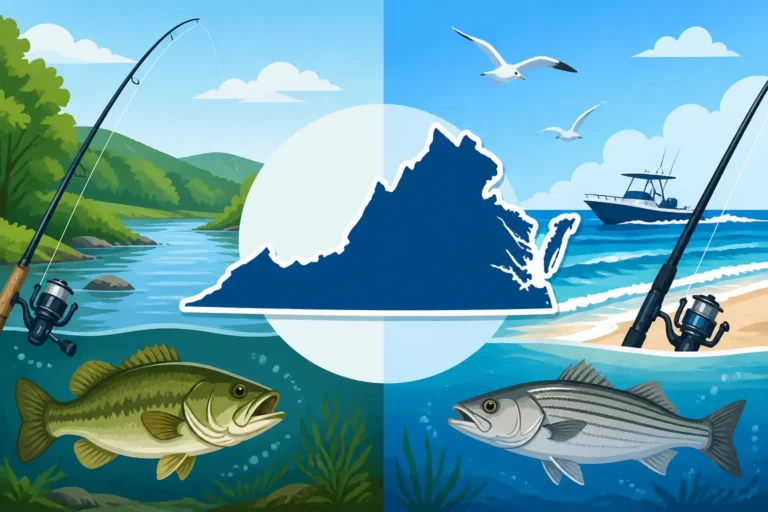
During these designated free fishing days, you can fish in all public freshwater and saltwater bodies within Virginia without needing to purchase a state fishing license. This includes the major rivers like the James, the Potomac, the Rappahannock, and the Shenandoah, as well as popular lakes such as Smith Mountain Lake, Lake Anna, and Claytor Lake. It extends to the vast Chesapeake Bay and even coastal ocean waters.
However, and this is a big "however," "license-free" doesn't mean "regulation-free." All other fishing regulations remain firmly in effect. This is a critical point that many new anglers overlook. You still need to abide by:
- Creel Limits: The maximum number of fish you can keep for specific species.
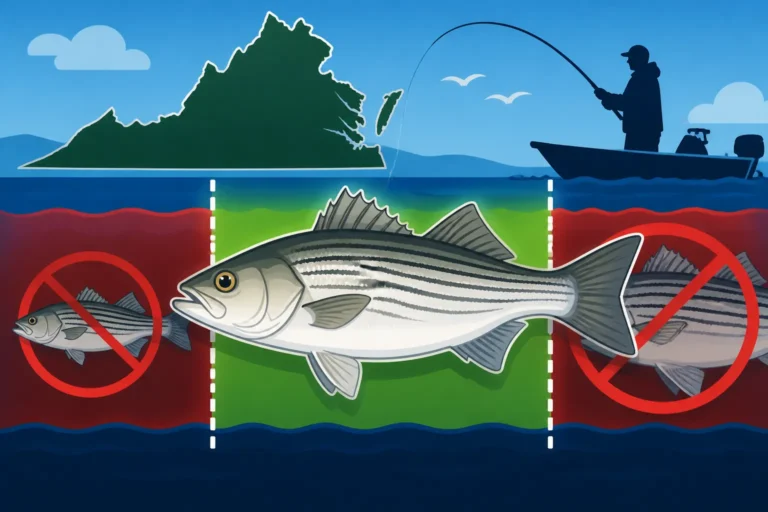
- Size Limits: The minimum or maximum length a fish must be to be legally kept. For example, Virginia's daily bass limit is 5 fish combined, and there are specific slot limits for species like striped bass (Virginia rockfish slot limit is 28 to 31 inches).
- Season Dates: When you are legally allowed to fish for certain species. Virginia's striped bass season runs January 1 through March 31 and then reopens later in the spring, so you'd still need to be aware of these windows even during free fishing days if you're targeting that species.
- Gear Restrictions: What type of tackle, bait, or methods you can use.
- Facility Use Permits: This is another common area of confusion. While your state fishing license is waived, Are facility use permits waived during Virginia's Free Fishing Days? No, they are usually not waived. If you’re fishing in a state park, national forest, or any other area that requires a separate access or parking fee, you’ll still need to pay that. Think of it this way: the fishing itself is free, but accessing the spot might still have a cost.
- Trout License/Stamp: If you plan on fishing in designated stocked trout waters, you might still need to purchase a special trout license or stamp. The Stocked Trout License Requirements in Virginia are usually separate from a general fishing license, and the free fishing days typically don't cover these specialized endorsements. So, if you're heading to a put-and-take trout stream, double-check with the DWR whether that specific stamp is required. Wild trout streams have different rules as well, often with a Virginia wild trout streams have a 7-inch minimum length.
It's always best practice to check the current Virginia DWR fishing regulations manual, available online, even during free fishing days, to ensure you're fully compliant with all the rules. Ignorance of the law is never an excuse, and game wardens are out there doing their job to protect our fisheries.
Comparing Virginia's Free Fishing Days to Other States
While Virginia reliably offers its free fishing opportunity in early June, other states do things quite differently. For instance, some states might have their free fishing events in May or even earlier in the spring, coinciding with warmer weather and the bass spawn. Others might opt for a fall weekend to encourage angling when the leaves are changing and fishing pressure might be lower.
There's no reciprocity between states for free fishing days either, just as there isn't for regular fishing licenses. For example, Does a North Carolina license let you fish in Virginia? No, and vice-versa. So, if you're a Virginia resident heading to, say, Maryland for their free fishing days, you'd need to adhere to Maryland's specific dates and regulations, not Virginia's. Always check with the relevant state's wildlife agency website, like the Virginia DWR, for the most accurate and up-to-date information.
| Feature | Virginia Free Fishing Days (Typical) | General Paid Virginia License | Some Other State Free Days (Example) |
|---|---|---|---|
| Duration | 3 days (Fri-Sun) in early June | Annual or Short-Term | Varies (1-3 days, different months) |
| License Required | NO (state license waived) | YES | NO (state license waived) |
| Conservation Stamp | YES (often still required for trout) | YES (often required for trout) | Varies |
| Facility Permits | YES (still required) | YES | Varies |
| Creel & Size Limits | YES (still apply) | YES | YES |
| Season Dates | YES (still apply) | YES | YES |
| Coverage | All public freshwater & saltwater | All public freshwater & saltwater | Varies |
| Purpose | Recruit anglers, promote fishing | Fund conservation, enforce rules | Recruit anglers, promote fishing |
This table highlights that while the license fee is removed, the framework of responsible angling and resource management remains.
Making the Most of Virginia's Free Fishing Weekend
So, you've got the dates, you know the rules, now what? Virginia's Free Fishing Weekend is a prime opportunity, especially for those new to the sport or for families looking for an affordable outdoor activity. It’s more than just saving a few bucks on a license; it’s about making memories and exploring Virginia’s incredible natural beauty.
Tips for First-Time Anglers and Families
If you're bringing kids or have never fished before, keep it simple. Don't overcomplicate your gear or your expectations. Focus on the experience, not just catching the biggest fish. Start with basic setups like a spinning rod and reel combo, which you can often find affordably on platforms like Amazon. Look for a kit that includes a rod, reel, line, and a small tackle box with hooks, sinkers, and bobbers.
- Target Panfish: Bluegill and sunfish are abundant in many Virginia waters and are typically easy to catch, offering instant gratification for beginners. Use small hooks (size 8-12) with live bait like worms or crickets. Even a small piece of hot dog or corn can work in a pinch!
- Choose Accessible Locations: Look for public piers, docks, or bank fishing spots. State parks like those along the James River or Lake Anna often have excellent public access, picnic areas, and restrooms, making them ideal for a family outing. Remember, you might still need to pay an entrance fee for the park, even if your fishing license is waived.
- Pack Smart: Bring plenty of water, snacks, sunscreen, insect repellent, hats, and appropriate clothing. A small cooler for drinks and any fish you might keep is also a good idea.
- Learn the Basics: Before you go, watch a few videos on how to cast, tie a simple knot (like an improved clinch knot), and bait a hook. Knowledge is empowering, and having a little confidence goes a long way. The DWR website has a wealth of information and often hosts clinics.
- Practice Catch and Release: Teach responsible handling of fish, especially if you're not planning to keep them. This helps ensure healthy fish populations for the future.
Recommended Gear for Beginners
You don't need to break the bank to get started. A basic setup will do just fine.
- Rod and Reel Combo: A medium-light to medium action spinning combo, about 6-7 feet long, is versatile for most freshwater and light saltwater species. Brands like Ugly Stik, Shimano, or Daiwa offer reliable and affordable options that you can find readily on Amazon or at local sporting goods stores.
- Fishing Line: 6-10 lb monofilament is a great all-around choice for beginners.
- Hooks: A variety pack of small to medium-sized hooks (sizes 6-12) will cover most panfish and smaller bass.
- Sinkers: Split shot weights are easy to attach and adjust.
- Bobbers: Simple clip-on bobbers are perfect for seeing bites.
- Bait: Live worms are universally effective and exciting for kids. Small containers of Berkley PowerBait or Gulp! are excellent artificial alternatives.
- Pliers/Forceps: Essential for removing hooks safely from fish.
- Small Cooler: For keeping bait fresh and any keepers on ice.
- Bucket: Great for holding water for live bait or even for kids to observe small critters they find.
Remember, the goal is to make it an enjoyable experience, not a chore. The less gear you have to worry about, the more you can focus on the fishing itself.
Choosing Your Fishing Spot in Virginia
Virginia offers an incredible diversity of fishing environments. During free fishing days, you can truly explore.
- Freshwater Lakes & Ponds: These are often the easiest for beginners. Spots like those in Pocahontas State Park near Richmond, or smaller community lakes, are fantastic for panfish and bass. For those looking for a bit more adventure, larger lakes like Lake Anna or Claytor Lake offer diverse species.
- Rivers: The tidal sections of rivers like the James and Rappahannock can offer everything from catfish and bass to white perch. Upriver, the Shenandoah is famous for its smallmouth bass. Bank access points are numerous, and many cities have public parks along these rivers.
- Saltwater (Bays & Piers): The Chesapeake Bay and its tributaries are teeming with fish. Public piers like the one at Buckroe Beach or the Virginia Beach Fishing Pier are perfect for saltwater angling without a boat. Here you might catch croaker, spot, flounder, or even a striped bass. Remember, even during free fishing days, Fishing license required for pier fishing? Generally, if a pier has a blanket license, you're covered, but if you're fishing from a privately owned pier or shoreline, the state license waiver applies. Always double-check with the specific pier or park rules.
This weekend is your chance to try out some of Virginia's Best Freshwater Fishing Destinations or even venture to Virginia's Best Saltwater Fishing Spots in Virginia without the initial commitment of a license purchase. It’s an invaluable chance to see what type of fishing truly sparks your interest before committing to a full Virginia Fishing License Guide.
Beyond Virginia: How Other States Handle Free Fishing
While we're all about Virginia here, it's worth understanding just how much free fishing weekend dates do vary by state. This isn't just a quirky fact; it's a critical piece of information if you ever plan to wet a line outside the Commonwealth. Every state has its own unique ecological considerations, fish populations, and recreational calendar, which directly influences when and how they offer these license-free opportunities.
The Diverse Landscape of Free Fishing
Just to give you a sense of the variety, here's a brief look at how some neighboring or popular fishing states handle their free fishing days:
- Maryland: Often holds its free fishing days in June, similar to Virginia, but the exact dates might not perfectly align. They also have different regulations for freshwater versus Chesapeake Bay fishing.
- North Carolina: Sometimes offers multiple free fishing days throughout the year, occasionally including a spring date and a summer date. Their coastal regulations are also distinct from their mountain trout streams.
- West Virginia: Might have its free fishing weekend a bit earlier in the spring, focusing on getting people out for trout season.
- Pennsylvania: Often hosts two separate free fishing days—one in May and one in July—to capture different fishing seasons.
This variability underscores why the best advice, every single time, is to check the official website of the state's wildlife or natural resources agency. Do not rely on old blog posts, social media rumors, or even what a friend told you about last year. A quick search for "[State Name] Free Fishing Days" will almost always lead you to the current, authoritative source.
Why This Variability Matters to You
Understanding that free fishing dates vary state by state is crucial for several reasons:
- Avoid Penalties: Fishing without a valid license when one is required can lead to fines and other penalties. While Virginia's free fishing days are a gift, accidentally fishing on a non-free day or in a different state without checking their rules can turn a fun outing into a costly mistake. The penalties for fishing without a license in Virginia can be significant.
- Effective Planning: If you're planning a vacation that involves fishing, whether it's a beach trip to the Outer Banks or a mountain getaway in West Virginia, knowing the local free fishing days (or lack thereof) can help you decide when to go or budget for a nonresident license.
- Appreciate Local Efforts: Each state's free fishing program is tailored to its specific needs and conservation goals. Appreciating this local control helps you understand the bigger picture of wildlife management and why a one-size-fits-all approach wouldn't work. Remember, the fees from regular fishing licenses are vital for funding conservation efforts and managing fish populations. This is How Fishing License Fees Support Wildlife Conservation in Virginia actually works behind the scenes.
So, while Virginia's Free Fishing Weekend in early June is a fantastic opportunity, remember that it's a specific gift from the Commonwealth, not a universal rule. Always, always check the local rules when you travel, and make the most of those license-free days right here in Virginia!
Disclaimer
The information provided in this guide is for general informational purposes only and is subject to change. While we strive to offer accurate and up-to-date content, fishing regulations, dates for free fishing days, and associated rules are determined by the Virginia Department of Wildlife Resources (DWR) and other state agencies, and they can be updated at any time. Always consult the official Virginia DWR website or the relevant state's wildlife agency for the most current and authoritative regulations before engaging in any fishing activities. Compliance with all local, state, and federal laws is the sole responsibility of the angler.