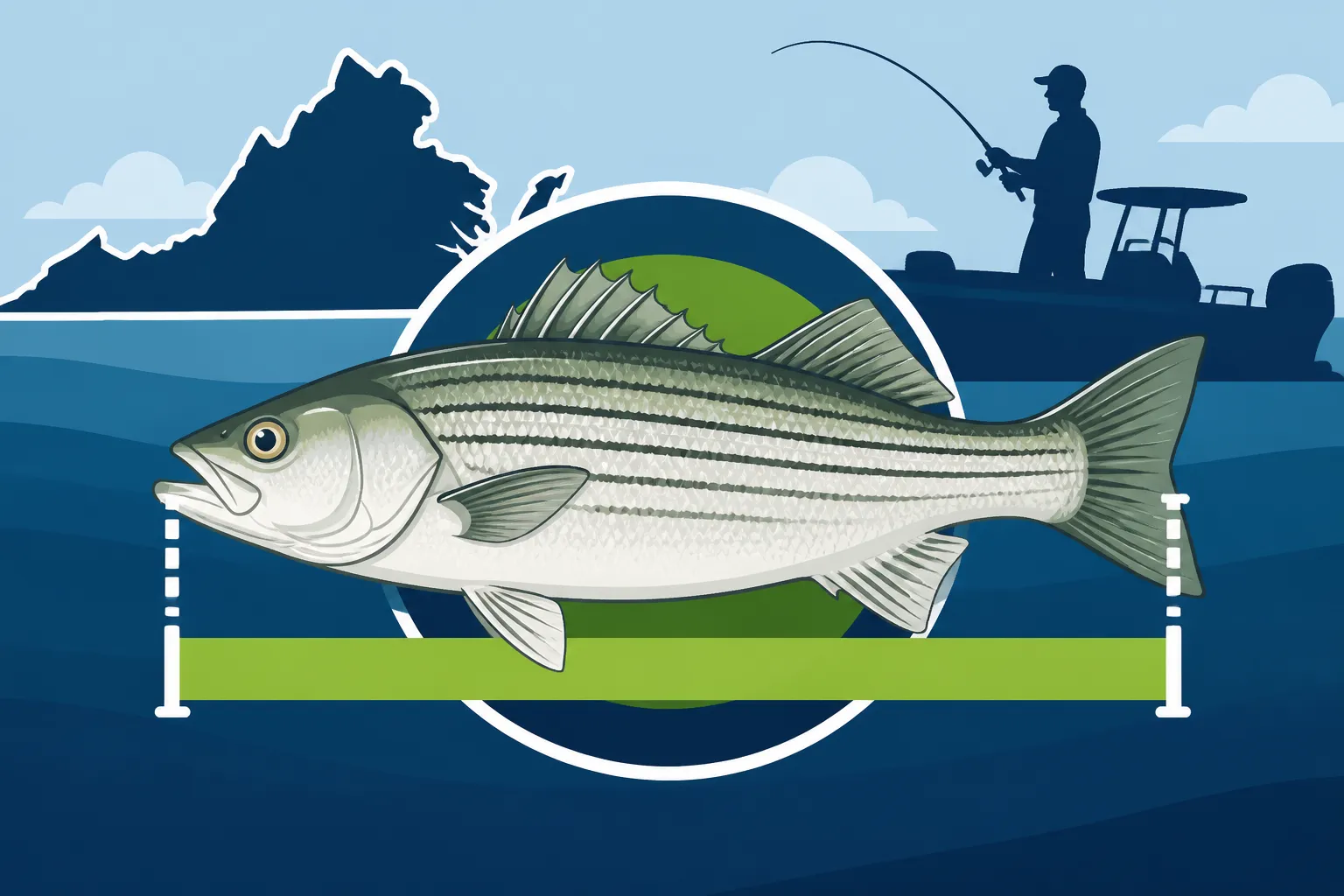
Virginia rockfish slot limit is 28 to 31 inches
Few things are more frustrating than heading out for a day on the water, reeling in a beautiful catch, and then realizing you're not entirely sure if you can legally keep it. When it comes to fishing for rockfish, also known as striped bass, in Virginia, understanding the specific regulations is absolutely crucial. This guide is dedicated to breaking down one of the most important rules you need to know: the Virginia rockfish slot limit of 28 to 31 inches, ensuring you're confident and compliant every time you cast a line.
Understanding the Rockfish Slot Limit in Virginia
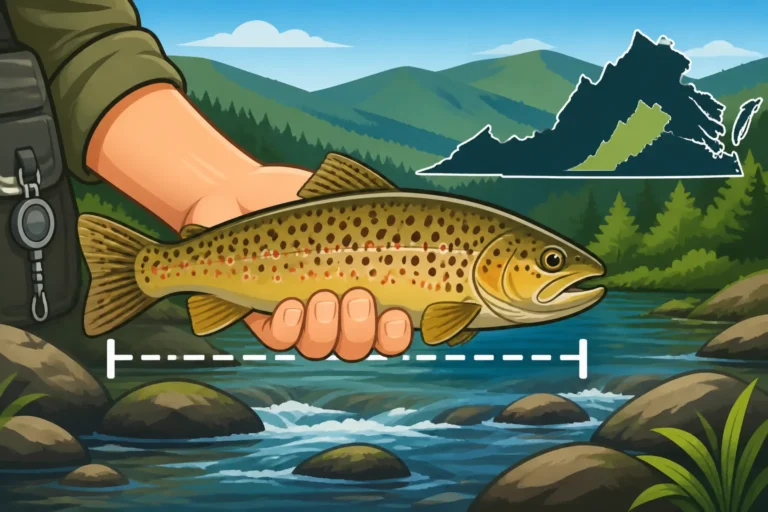
Let's cut right to it. When you're out chasing rockfish (which is what we often call striped bass here in Virginia, especially on the coast), you can't just keep any fish that bites. There's a very specific size window, known as a "slot limit," that determines if your catch is legal to take home. For Virginia, that window is currently 28 to 31 inches. This means the fish must be at least 28 inches long, but no more than 31 inches long. Anything outside that range—too short or too long—must be immediately and carefully released.
This might sound like a nitpicky rule, but believe me, it's rooted in some serious science and a deep commitment to keeping our rockfish population healthy for generations to come. Imagine trying to manage a forest without knowing which trees are babies, which are mature, and which are past their prime. It's the same idea with fish! These regulations are a cornerstone of effective fisheries management, aiming to strike a balance between allowing anglers to enjoy their sport and protecting the future of this iconic species.
Why Do We Have Slot Limits for Rockfish?
The concept of a slot limit isn't just some arbitrary number pulled out of thin air by fishery managers. It's a strategic conservation tool designed to protect key segments of a fish population. For striped bass in Virginia, it's particularly vital because this species has faced significant challenges over the years, from habitat loss to fluctuating population numbers.
First and foremost, slot limits protect spawning stock. The fish that fall within that 28-31 inch range are typically younger, rapidly growing fish that haven't reached their peak reproductive potential yet, or are just beginning to contribute significantly. By protecting the very large, older female striped bass (those over 31 inches), we're ensuring that the most prolific breeders stay in the water to lay millions of eggs, directly contributing to the next generation of rockfish. These big "trophy" fish might be exciting to catch, but their reproductive value is immense. On the flip side, protecting the smaller fish (under 28 inches) allows them to grow to a size where they can also reproduce and contribute to the population before they are harvested.
Secondly, slot limits aim to distribute fishing pressure. Without a slot limit, anglers might disproportionately target certain size classes, potentially depleting a critical part of the population. By allowing harvest only within a specific range, it encourages anglers to release fish that are either too small or too large, spreading out the harvest impact across different parts of the fish's life cycle. This approach is a key part of the broader Virginia Fishing Regulations Explained and ensures that fishing remains a sustainable activity.
The Role of Conservation in Virginia Fishing
It's easy to sometimes feel like regulations are just there to make things harder, but for species like rockfish, they are literally the difference between a thriving fishery and a struggling one. The Virginia Department of Wildlife Resources (DWR) works tirelessly with regional and federal partners like the Atlantic States Marine Fisheries Commission (ASMFC) to monitor the health of the striped bass stock along the Atlantic coast. When you buy your Virginia Fishing License Guide, a portion of those fees directly supports these crucial conservation efforts, from habitat restoration to scientific research.
The data gathered through these efforts—things like catch rates, fish sizes, and spawning success—inform decisions about regulations like the 28-31 inch slot limit. It's a dynamic process; these rules can and do change based on the health of the stock. So, while the 28-31 inch slot is the rule today, staying informed about Virginia Fishing Rules Every Angler Should Know is always a good idea, as regulations can be adjusted to respond to the needs of the fishery. It's all about ensuring that we, as anglers, are responsible stewards of these incredible natural resources.
Mastering the 28-31 Inch Rockfish Slot Limit
Knowing the numbers is one thing, but practically applying them on the water is another. There's a right way and a wrong way to measure your catch, and there are specific steps you need to take when you encounter a fish that doesn't fit the slot. Getting it right ensures a legal catch and contributes to the fish's survival if it needs to be released.
How to Accurately Measure Your Rockfish
Accuracy is paramount when dealing with slot limits. A quarter-inch mistake could mean the difference between a legal fish and a hefty fine. So, let's talk about the proper technique for measuring your rockfish:
- Lay the fish flat: Gently place the fish on a flat, stable surface. A measuring board or a specialized fish ruler is ideal. Many boats have measuring stickers permanently affixed, or you can find portable, flexible measuring tapes, often available on Amazon, that are perfect for this.
- Pinch the tail: The official measurement is from the tip of the nose (or snout) to the farthest tip of the tail, with the tail "pinched" or compressed. This means you gently squeeze the two lobes of the tail fin together to get the maximum length. Do not measure to the fork of the tail unless specifically stated otherwise for a different species. For rockfish, it's total length with a pinched tail.
- Read the measurement: Ensure the fish's nose is against a solid stop on your measuring device, and then read the length at the pinched tail. Double-check your reading.
It's a good practice to always measure, even if you think it's obviously within the slot. Those few inches can be deceptive, especially when you're excited about a catch. Having a reliable, easy-to-read measuring device is a fundamental piece of gear for any angler targeting striped bass.
The One-Fish Daily Creel Limit
Beyond the slot limit, it's absolutely critical to remember the daily creel limit for rockfish in Virginia. Currently, anglers are allowed to keep one fish per person per day that falls within the 28-31 inch slot. This means even if you catch five fish in the slot, you can only keep one. All others must be released.
This one-fish limit, combined with the slot, is a powerful combination for conservation. It allows for some harvest but severely restricts the overall take, placing more emphasis on the recreational aspect of fishing rather than a heavy harvest. Many of us are out there for the thrill of the chase and the fight, so taking home just one legal fish is often more than enough to enjoy a delicious meal. This specific rule is often highlighted in resources like Virginia's One-Fish Striped Bass Limit on Charter Trips and is part of the broader Virginia's Fishing License and Catch Limit Basics.
Here’s a quick summary table of the essential rockfish regulations:
| Regulation Type | Details | Importance |
|---|---|---|
| Slot Limit | 28 to 31 inches total length (pinched tail) | Protects juvenile and mature spawning stock |
| Daily Creel Limit | 1 fish per person per day | Restricts overall harvest, promotes conservation |
| Gear | Circle hooks often required for bait fishing | Minimizes gut hooking for safer release |
Remember, these rules are for recreational anglers. Commercial regulations can be different, and specific areas or seasons might have slightly adjusted rules (though the 28-31 inch slot has been quite consistent recently). Always check the latest DWR regulations before heading out.
When a Rockfish Doesn't Fit the Slot: Responsible Release
So, what happens if you reel in a beautiful striper that's 27 inches, or perhaps a massive 35-inch brute? The answer is simple and non-negotiable: immediate and careful release. This is not just a suggestion; it's a legal requirement and a moral obligation for responsible anglers.
Here are key steps for proper release to maximize the fish's survival chances:
- Minimize handling: Try to keep the fish in the water as much as possible. If you must lift it, support its body horizontally, especially heavier fish. Avoid holding it vertically by the jaw if it's a large fish, as this can damage internal organs.
- Wet hands: Always wet your hands before touching the fish. Dry hands can remove the protective slime coat, making the fish more susceptible to disease.
- Dehook quickly: Use a dehooking tool or needle-nose pliers to remove the hook as gently and swiftly as possible. If the fish is deeply hooked (which is less likely with circle hooks, often mandated for bait fishing, but can still happen), cut the line as close to the hook as possible. Don't try to pull out a deeply embedded hook.
- Avoid excessive air exposure: Get the fish back in the water as quickly as you can. A few seconds out of water is fine for a photo, but prolonged exposure reduces its chances of survival significantly.
- Revive if necessary: If the fish seems sluggish, gently hold it upright in the water, facing into the current, and move it back and forth to force water over its gills until it regains its strength and swims away on its own.
Investing in quality catch-and-release tools, like specialized pliers or dehookers found on Amazon, can make all the difference in ensuring a successful release. Every fish you safely release, whether it's undersized or oversized, is an investment in the future of the fishery and a testament to your commitment to ethical angling.
Consequences of Ignoring Virginia's Rockfish Slot Limit
It might seem tempting to bend the rules, especially if you catch a trophy-sized rockfish just outside the slot. But trust me, it's simply not worth it. Virginia game wardens take these regulations very seriously, and the penalties for violations can be significant, ranging from fines to loss of fishing privileges.
Penalties for Violations
Fishing without a proper understanding of the regulations, or deliberately breaking them, can lead to a number of unpleasant consequences. If a Virginia Department of Wildlife Resources (DWR) officer, or game warden, finds you in possession of an illegally sized rockfish (either too small or too large), you could face:
- Fines: These can range from hundreds to thousands of dollars, depending on the severity and frequency of the offense.
- Confiscation of catch: Any illegally kept fish will be confiscated.
- Confiscation of gear: In some cases, your fishing gear, including rods, reels, and even your boat, could be confiscated.
- License suspension or revocation: Your Virginia fishing license could be suspended for a period, or even permanently revoked, preventing you from legally fishing in the state.
- Court appearance: You might be required to appear in court, incurring additional legal fees and hassle.
These aren't just theoretical threats; game wardens are actively patrolling, both on the water and at boat ramps, checking for compliance. They're well-versed in the Penalties for Fishing Without a License in Virginia and other regulation violations. The DWR website regularly publishes information about enforcement actions, serving as a stark reminder of the importance of adherence. It’s far better to release a fish that doesn't fit the slot than to face the legal and financial repercussions.
The Broader Impact of Non-Compliance
Beyond the personal penalties, there's a wider, more damaging impact when anglers disregard slot limits and other conservation-based regulations. Every illegally harvested fish, especially an oversized breeding female, is a loss to the overall striped bass population. It undermines the collective efforts of countless anglers, scientists, and management agencies who are working diligently to restore and maintain a healthy fishery.
When compliance rates drop, it can lead to more stringent regulations in the future for everyone. Fisheries management is often a balancing act: managers try to provide as much opportunity as possible while ensuring sustainability. If the stock isn't recovering as expected, and non-compliance is a contributing factor, then the DWR and ASMFC might be forced to implement even tighter restrictions, shorter seasons, or even closures, which impacts every angler.
So, when you adhere to the 28-31 inch slot limit and the one-fish creel limit, you're not just avoiding a ticket; you're actively participating in the conservation of a prized species and helping to secure the future of Virginia Striped Bass Season and Slot Limit Guide for yourself and others. It's a shared responsibility that ensures the vibrant fishing culture in Virginia continues to thrive.
The Future of Rockfish Fishing in Virginia
The 28-31 inch slot limit for rockfish in Virginia is more than just a rule; it's a vital component of a larger strategy to ensure the long-term health and abundance of one of our most beloved game fish. Understanding and adhering to this regulation is key to sustainable fishing and a testament to every angler's commitment to conservation.
How Regulations Evolve
Fisheries science is constantly evolving, and so are the regulations based on that science. The DWR, in conjunction with other state and federal agencies like the ASMFC, regularly assesses the health of the striped bass stock. This involves complex models, data collection, and public input. For example, if stock assessments show that the population is struggling, we might see adjustments to the slot limit, creel limit, or even season lengths, such as Why Virginia's Striped Bass Season Splits Into Two Parts. Conversely, if the stock is robust and exceeding recovery targets, there might be opportunities for more liberal regulations.
This dynamic approach means that staying informed is paramount. Always check the most current regulations on the Virginia DWR website before you head out. These rules can sometimes change from year to year, or even within a season, particularly for a highly managed species like striped bass. Many anglers also rely on online forums and fishing communities, often sharing links to the latest updates and essential gear from retailers like Amazon, to stay in the loop.
Your Role in Conservation
Every angler plays a direct role in the future of Virginia's rockfish. By consistently adhering to the 28-31 inch slot limit, the one-fish daily creel limit, and practicing careful catch-and-release, you are contributing directly to the recovery and stability of the species. It's not just about what you keep, but also how you handle what you release.
Think about the next generation of anglers—your kids, grandkids, or even just future enthusiasts who will discover the joy of fishing our waters. Our actions today directly impact their opportunities tomorrow. Supporting organizations dedicated to marine conservation and educating fellow anglers about responsible practices are also powerful ways to make a difference.
Ultimately, fishing for rockfish in Virginia is a fantastic experience, full of excitement and reward. By understanding and respecting the 28-31 inch slot limit, you're ensuring that the thrill of hooking a powerful striper remains a cherished part of our state's rich fishing heritage for many years to come. So, get out there, fish smart, and help protect our precious rockfish.
Disclaimer
The information provided in this guide is for general informational purposes only and is subject to change. Fishing regulations, including slot limits, creel limits, and seasons, are dynamic and can be updated by the Virginia Department of Wildlife Resources (DWR) and other governing bodies. Always consult the official Virginia DWR website or obtain a current copy of the Virginia fishing regulations before engaging in any fishing activity to ensure compliance with the most up-to-date rules and laws. Failure to do so may result in penalties.