Second striped bass season in Virginia opens May 16
That feeling when the cold weather lifts, and you're itching to get back out on the water, only to remember that some of your favorite fish species have tricky, split seasons? It's a common frustration, especially with coveted species like striped bass, affectionately known as "rockfish" by many Virginians. Well, get ready to breathe a sigh of relief because Virginia's second striped bass season reopens on May 16th, and this guide will walk you through everything you need to know to make the most of this exciting spring run.
Understanding Virginia's Unique Striped Bass Seasons
For many anglers, the thought of fishing for striped bass brings both excitement and a touch of confusion, largely due to Virginia's segmented seasons. It can feel a bit like a puzzle, trying to remember when you can fish and what the specific rules are. But there's a good reason behind this approach, and understanding it helps you appreciate the efforts made to preserve this incredible fishery.
The Rationale Behind the Split Seasons
You might wonder, "Why can't we just have one long season?" The answer lies deep in the biology of striped bass and the need for robust conservation. Striped bass embark on extensive migratory journeys, moving up and down the Atlantic coast, and Virginia's waters play a crucial role as a spawning ground and migratory pathway. The Virginia Department of Wildlife Resources (DWR) and the Virginia Marine Resources Commission (VMRC) don't create these regulations in a vacuum. They work closely with inter-state bodies like the Atlantic States Marine Fisheries Commission (ASMFC), which manages migratory fish stocks across the eastern seaboard.
The primary goal of a split season is to protect spawning fish and ensure the survival of younger striped bass populations. By implementing closures during critical spawning periods, particularly in the spring, regulators aim to give adult fish the best chance to reproduce without disturbance from fishing pressure. The May 16th opening signals the period when most of the intense spawning activity has subsided, and fish are beginning to disperse and feed more aggressively. It's a careful balancing act, trying to allow recreational fishing opportunities while safeguarding the future of the species. This approach directly addresses concerns about overfishing and helps rebuild and maintain healthy stock levels for future generations of anglers.
Historical Context and Conservation Efforts
The history of striped bass fishing along the East Coast, including Virginia, is a powerful testament to the impact of both human activity and dedicated conservation. There was a time, not so long ago, when striped bass populations were in serious decline, pushing them to the brink. This crisis spurred widespread recognition that without strict management, this iconic fish might disappear from our waters. This dire situation led to a significant shift in how striped bass fisheries are managed, with a strong emphasis on science-based conservation.
Over the decades, organizations like the ASMFC, along with state agencies, have implemented various measures, including size limits, bag limits, and, yes, these sometimes-frustrating split seasons. These efforts, while sometimes inconvenient for anglers eager to hit the water, have been incredibly successful in helping striped bass populations recover. The fact that we still have robust striped bass fishing in Virginia today, including the excitement of the May 16th opener, is a direct result of these long-term, collective conservation initiatives. It’s a powerful reminder that our actions as anglers, including understanding and adhering to regulations, contribute directly to the health and future of the fishery we cherish. For more insights into these crucial guidelines, be sure to check out our comprehensive guide on Virginia Fishing Regulations Explained.
Key Regulations for the May 16th Striped Bass Season
Navigating fishing regulations can sometimes feel like trying to untangle a bird's nest of fishing line, but with striped bass, knowing the specifics is absolutely critical. Getting it wrong can lead to serious fines and penalties, not to mention a disappointing end to your day on the water. For the spring season opening on May 16th, there are a few key rules that every angler must commit to memory.
The Critical Slot Limit and Daily Creel
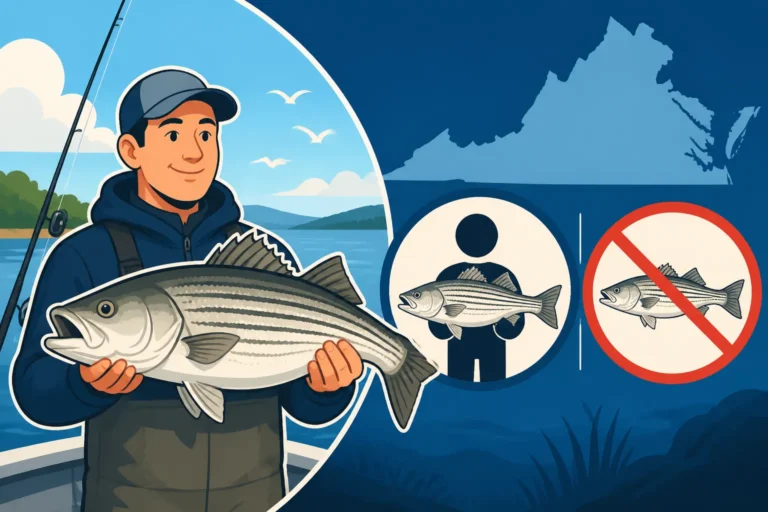
Perhaps the most important regulation for the May 16th striped bass season is the slot limit. For both recreational anglers and those on charter trips, you are permitted to keep one (1) striped bass per person per day, provided it measures between 28 and 31 inches in total length. This isn't just an arbitrary number; the slot limit is a finely tuned conservation tool designed to protect the very backbone of the striped bass population.
The "slot" allows anglers to keep fish that are not yet prime breeders but are large enough to be a rewarding catch, while simultaneously protecting the smaller, juvenile fish so they can grow, and the larger, more prolific spawning-size fish. Catching a fish that is under 28 inches or over 31 inches means it must be immediately and carefully released. Imagine the frustration of reeling in a magnificent striper, only to realize it's an inch too long or too short. It happens, and it's precisely why understanding and respecting this slot limit is non-negotiable. This regulation, along with the one-fish daily creel limit, is a critical component of the overall management strategy. For a deeper dive into these specific rules, take a look at our article, Striped Bass Season and Slot Limit in Virginia.
Identifying Legal Fish
Accurate identification and measurement are paramount. When you land a striped bass, your first step, after getting it safely in the boat or on the bank, should be to measure it precisely. Use a reliable measuring device, like a bump board or a tape measure laid flat, to ensure you get an accurate reading from the tip of the nose to the tip of the tail. Don't eyeball it! A simple mistake could cost you.
It's also crucial to distinguish a true striped bass from other similar-looking species, such as hybrid striped bass or white perch, especially in brackish waters where they might overlap. While hybrid stripers are often stocked in freshwater impoundments like Smith Mountain Lake, natural striped bass are the focus of these coastal and tidal river regulations. A true striped bass will typically have unbroken, prominent black lateral lines running down its silvery body, whereas hybrids often have broken or mottled lines. While the regulations for other bass species, like the statewide bass daily limit of 5 fish, apply to freshwater largemouth and smallmouth, it’s vital to remember that striped bass have their own distinct, and often much stricter, rules. When in doubt, it's always safer to release the fish.
Specific Coastal and Bay Area Rules
The May 16th season specifically applies to striped bass fishing in the Chesapeake Bay and its tributaries. This means that if you're fishing in waters such as the James River, York River, Rappahannock River, or Potomac River within Virginia's boundaries, these slot and creel limits are in effect. Similarly, if you're fishing the open waters of the Chesapeake Bay itself, these rules apply.
It's important to note that oceanic coastal waters, meaning waters outside the Chesapeake Bay mouth (like along the Virginia Beach coastline), often have slightly different regulations or seasons that may not perfectly align with the Bay’s rules. Always double-check the latest regulations for your exact fishing location, as these can be updated by VMRC or DWR. These distinctions are part of Why Virginia's striped bass season splits into two parts, reflecting the different migratory patterns and spawning behaviors of fish in various zones. Whether you're casting from a pier, a kayak, or a large fishing vessel, understanding these geographical nuances is key to a legal and successful outing.
Here's a quick reference table for Virginia's recreational striped bass seasons (always confirm with current DWR/VMRC regulations as they can change):
| Season Segment | Dates | Slot Limit (Total Length) | Daily Creel Limit | Special Notes |
|---|---|---|---|---|
| Winter/Early Spring | January 1 – March 31 | 28 to 31 inches | 1 fish | Applies to Chesapeake Bay & Tributaries |
| Spring/Early Summer | May 16 – June 15 | 28 to 31 inches | 1 fish | This season! Applies to Chesapeake Bay & Tributaries |
| Coastal Ocean Waters (Fall) | May 16 – June 15 (and Oct 4 – Dec 31) | 28 to 31 inches | 1 fish | Specific to ocean-side waters, not Bay |
| Bay & Tributaries (Fall) | October 4 – March 31 (next year) | 28 to 31 inches | 1 fish | Extends into next calendar year for Bay |
Note: Always consult the official Virginia Marine Resources Commission (VMRC) and Virginia Department of Wildlife Resources (DWR) websites for the most up-to-date and complete regulations before fishing.
Maximizing Your Success During the Spring Striped Bass Run
The reopening of striped bass season on May 16th is a fantastic opportunity, but simply knowing the dates isn't enough. To truly make the most of this spring run, you need to understand where the fish are likely to be, what they're eating, and what gear will give you the best chance of success.
Top Techniques and Baits for May Stripers
By mid-May, water temperatures in the Chesapeake Bay and its tributaries are usually on the rise, stirring up baitfish activity and making striped bass more aggressive. This is a fantastic time for a variety of techniques. Trolling remains one of the most effective methods, especially if you're covering a lot of water. Umbrella rigs, tandem rigs with bucktails and shads, or deep-diving crankbaits are all excellent choices. Look for areas where schools of baitfish, like bunker or alewives, are congregating, as stripers won't be far behind.
Live bait can also be incredibly potent. Eels, menhaden (bunker), or even large spot can be irresistible to hungry stripers. If you're using live bait, make sure your hooks are appropriate and that you're using a circle hook to minimize gut-hooking, which is crucial for the careful release of non-keeper fish. For artificials, soft plastic swimbaits rigged on jig heads, especially those mimicking bunker or shad, are consistently productive. Topwater plugs can offer explosive strikes during low-light conditions at dawn or dusk, creating some of the most thrilling fishing experiences. You can find a great selection of these on Amazon, from trusted brands offering lifelike presentations. For even more detailed insights on what to present to these hungry fish, check out our guide on the Best Bait for Striped Bass in Chesapeake Bay.
Prime Locations to Target Striped Bass in Late Spring
When the season reopens in May, striped bass are often transitioning from their spawning grounds to more active feeding patterns. This means they'll be looking for areas with abundant bait and favorable current. The main stem of the Chesapeake Bay, particularly around prominent channels, ledges, and drop-offs, becomes a hotspot. Areas around bridge pilings, submerged wrecks, and artificial reefs provide excellent ambush points for stripers.
Major tidal rivers like the James, York, Rappahannock, and Potomac are also prime territories. Focus on areas where deep channels meet shallower flats, or where creeks and rivers flow into the main stem of the Bay, creating nutrient-rich currents that concentrate baitfish. The mouth of the rivers and the deeper sections of the Bay itself, especially from Annapolis southwards, tend to hold good numbers of fish as they begin to disperse. Observing bird activity can often lead you to schools of baitfish, and thus to the stripers themselves. Local knowledge is invaluable, so don't be shy about striking up conversations at the bait shop or watching where other successful boats are fishing. These areas are part of what makes the Chesapeake Bay Striped Bass: A World-Class Virginia Fishery.
Essential Gear and Preparations
Being well-prepared makes all the difference for a successful and enjoyable trip. For striped bass, you'll want a medium-heavy to heavy action rod paired with a robust baitcasting or spinning reel capable of handling powerful runs. Your line choice is also important; many anglers opt for braided line (30-50 lb test) for its sensitivity and strength, often with a fluorocarbon leader for abrasion resistance and stealth.
Beyond your rod and reel, a few key accessories are non-negotiable. A sturdy landing net with a rubberized mesh is critical for safely handling and releasing fish, especially non-keepers. A good pair of long-nosed pliers or a de-hooking tool will help you quickly remove hooks. Of course, a reliable measuring device is essential for ensuring your fish meets the slot limit. Don't forget to stock up on these essentials; quality pliers, de-hookers, and a measuring board are easily found on Amazon and are worth the investment for safety and compliance. Always check the weather forecast before heading out, pay attention to tide charts, and ensure all your boat's safety equipment is in order. And for goodness sake, make sure your Virginia Fishing License Guide is up to date! If you need to renew or purchase one, our guide on How to Buy a Fishing License Online in Virginia can walk you through the process.
Responsible Angling and Future Success
As exciting as it is to chase striped bass during the May 16th opener, it's crucial to remember that our actions on the water have a direct impact on the long-term health of the fishery. Responsible angling isn't just about following the rules; it's about adopting practices that ensure these magnificent fish continue to thrive for years to come.
Practicing Catch and Release for Oversized or Undersized Fish
With the strict 28-31 inch slot limit, the reality is that you'll likely catch plenty of striped bass that are either too small or too large to keep. When this happens, practicing proper catch-and-release techniques is vital for the fish's survival. Minimize the time the fish spends out of the water, and handle it gently, especially around its gills and eyes. Use a de-hooking tool to remove hooks quickly and cleanly. If the hook is deep, consider cutting the line as close to the hook as possible rather than tearing sensitive tissues.
When releasing a fish, hold it gently in the water, facing into the current, until it regains its strength and swims away on its own. Avoid tossing it back, as this can disorient or injure the fish. This careful approach not only helps individual fish recover but contributes significantly to the overall conservation of the striped bass population. Every successfully released fish, whether it's an undersized juvenile or a large, valuable breeder, helps ensure that there will be more fish to catch in the future. Remember, even on charter trips, the Virginia's One-Fish Striped Bass Limit on Charter Trips and the Virginia's 28 to 31 Inch Striped Bass Slot Limit for Charter Anglers still apply, making careful release a routine part of the experience.
Staying Informed and Supporting Conservation
Fishing regulations, especially for migratory species like striped bass, are dynamic. They can change based on scientific assessments, stock health, and regional agreements. Therefore, making it a habit to check the latest Virginia DWR and VMRC regulations before each season or even before a specific trip is a wise practice. What was legal last year might not be this year, and ignorance of the law is never an excuse.
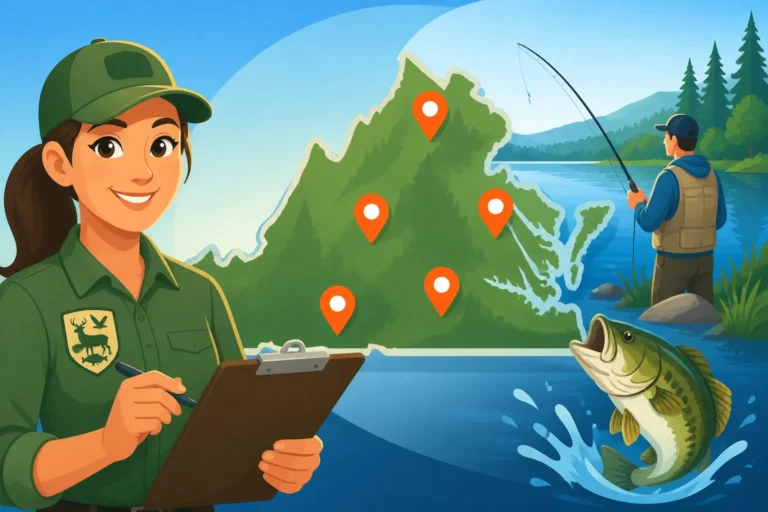
Beyond simply following the rules, you can also support conservation efforts in other ways. A significant portion of the revenue generated from fishing license fees directly funds vital conservation programs, habitat restoration, and scientific research aimed at protecting and enhancing fish populations. So, when you purchase your license, you're not just buying the right to fish; you're actively investing in the future of Virginia's fisheries. Our article on How Fishing License Fees Support Wildlife Conservation in Virginia details exactly how this works. Participating in creel surveys if approached by wildlife officials, or simply sharing your catch data (when requested by DWR), helps scientists gather crucial information. A simple subscription to a good fishing magazine or online forum can keep you in the loop on changing regulations and best practices, or even just checking Amazon for new fishing books and gear reviews can make you a more informed angler. By staying informed and acting responsibly, we all play a part in preserving the incredible striped bass fishery that Virginia is so fortunate to have.
Disclaimer
Please note that fishing regulations are subject to change. Always consult the most current Virginia Department of Wildlife Resources (DWR) and Virginia Marine Resources Commission (VMRC) official publications before engaging in any fishing activity. This guide is for informational purposes only and does not supersede official government regulations.