Virginia’s One-Fish Striped Bass Limit on Charter Trips
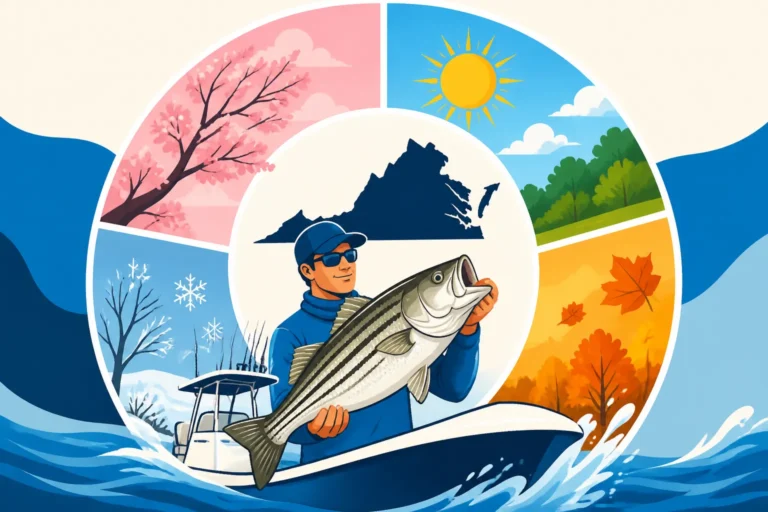
It can be incredibly exciting to head out on a Virginia fishing charter, especially when you're targeting a prized fish like the striped bass, often affectionately called "rockfish" by locals. But for many anglers, especially those new to charter fishing or Virginia's waters, there's often a bit of confusion around how many of these beauties you can actually keep. This comprehensive guide will clear up the specifics of Virginia's one-fish striped bass limit, particularly as it applies to charter trips, so you can focus on the thrill of the catch without worrying about the rules.
Understanding Virginia's Striped Bass Regulations
Virginia has some of the most dynamic and carefully managed fisheries on the East Coast, and striped bass are a prime example. These powerful, migratory fish are highly sought after by recreational anglers, which means their populations require vigilant protection to ensure they remain healthy for future generations. The rules aren't just arbitrary; they're the result of extensive scientific study and management efforts.
Why Limits Exist: Conservation First
At the heart of any fishing regulation is conservation. Striped bass populations, while robust in many areas, have faced challenges over the years. Overfishing in the past led to significant declines, prompting state and federal agencies to implement stricter measures. These limits, including the one-fish creel limit, are designed to reduce fishing pressure, allowing more fish to mature and spawn, thereby rebuilding and sustaining healthy stocks. When you're out on the water, reeling in a beautiful rockfish, it's easy to get caught up in the moment, but knowing that every regulation serves a greater purpose—to protect these incredible fish—adds another layer of appreciation to the experience. It's a collective effort, and every angler plays a part.
The Specifics of the One-Fish Rule
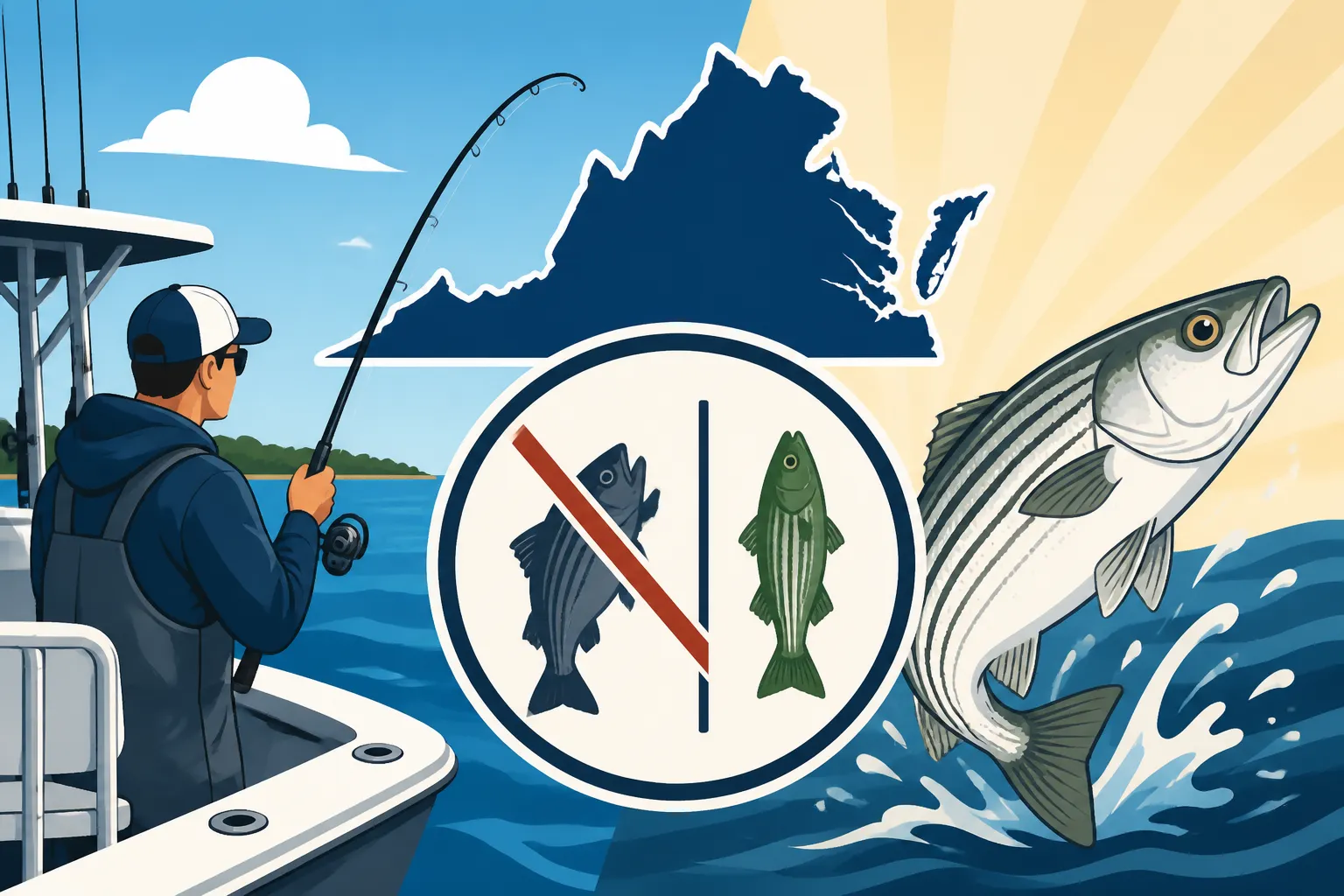
For recreational anglers in Virginia, including those on charter trips, the general rule for striped bass is a one-fish daily creel limit. This means that each licensed angler on the boat is allowed to keep one striped bass per day. It's not one fish for the entire charter vessel, but one per individual. This is a crucial distinction, especially if you're part of a larger group outing. This limit also works hand-in-hand with a strict "slot limit," which we'll dive into shortly. Remember, these rules can change based on the season or specific management needs, so it's always smart to double-check the Virginia Department of Wildlife Resources (DWR) regulations before your trip. For a broader overview, you can always check out a Virginia Fishing Regulations Explained guide.
How the One-Fish Limit Applies to Charter Trips
Booking a fishing charter is a fantastic way to experience Virginia's waters, whether you're heading out into the Chesapeake Bay or exploring the coastal oceans. These trips offer the expertise of seasoned captains and often all the necessary gear. But even with a professional at the helm, the individual angler is still responsible for adhering to the catch limits.
What to Expect from Your Charter Captain
One of the greatest advantages of fishing with a charter is the captain's intimate knowledge of local regulations. A good captain isn't just there to find the fish; they're also your primary source of information and enforcement for the rules. Before you even leave the dock, your captain should brief everyone on board about the current striped bass regulations, including the one-fish limit and the slot size. They'll explain what to do when you catch a fish – how to measure it, what to keep, and what must be released.
Imagine you're on a FishingBooker charter out of Virginia Beach, and you've just landed a beautiful striped bass. Your captain will immediately guide you through the process: "Alright, let's get that fish measured quickly. If it's in the slot, that's your one fish for the day. If it's too big or too small, we'll get it back in the water safely." They're there to help you stay compliant and ensure a legal and ethical fishing experience. They’ll also have the necessary measuring devices on board and will ensure the rules are followed strictly, protecting both you and their charter business from potential penalties.
Individual Responsibility on a Group Trip
While the captain provides guidance, the ultimate responsibility for adhering to the one-fish limit rests with each individual angler. If you're on a charter with five friends, each of you can keep one legal striped bass, for a total of five fish on board (assuming all five anglers catch a keeper). It's not a shared pool where the group can collectively decide to keep five of one person's fish if they happen to catch them all. No, if you've already kept your one legal striped bass, any subsequent striped bass you catch, regardless of size, must be immediately released. This is a common point of confusion, so it's worth reiterating: one fish per person, per day, in the legal slot. Your FishingBooker captain will make this crystal clear. For more details on what to expect, check out What to Expect on Your First Fishing Charter.
Navigating the Striped Bass Slot Limit
The one-fish daily limit for striped bass in Virginia is almost always paired with a specific size restriction known as a "slot limit." This isn't just about a minimum size; it's a specific window that helps protect both juvenile fish that haven't had a chance to spawn and large, mature breeding fish that are vital for future generations.
The 28-to-31-Inch Rule Explained
Currently, Virginia's striped bass slot limit generally means that any striped bass you keep must measure between 28 inches and 31 inches total length. This is a critical detail. What does this mean in practice?
- Too Short: If you catch a striped bass that is under 28 inches, it must be released immediately, no questions asked. These are typically younger fish that need more time to grow and contribute to the breeding population.
- Just Right: If your striped bass measures exactly 28 inches, or anywhere up to exactly 31 inches, it's a "keeper," provided you haven't already kept your one fish for the day.
- Too Long: If you land a magnificent striped bass that is over 31 inches, it too must be released immediately. These large breeders are incredibly important for producing future generations of striped bass, and protecting them is paramount for the health of the fishery.
This slot limit, often referred to as Virginia Rockfish Slot Limit 28 to 31 Inches Explained, ensures that the fish kept are of a size that balances recreational opportunity with biological sustainability. It takes a little extra care and attention, but it's vital for preserving this incredible resource.
Measuring Your Catch Accurately
Measuring a fish accurately, especially on a moving boat, requires a bit of practice and care. Most charter boats will have a designated measuring board or a clearly marked area on the deck for this purpose. When you catch a striped bass that you intend to keep, here’s how to ensure an accurate measurement:
- Lay the fish flat: Gently lay the fish on its side on a flat surface, such as a measuring board or the boat's deck.
- Close the mouth: Ensure the fish's mouth is closed and butted up against the measuring device's stop.
- Pinch the tail: Gently pinch the tail fin lobes together to get the maximum length. The measurement is taken from the tip of the nose to the tip of the tail.
- Read the measurement: Quickly and clearly read the length. Your captain or deckhand will usually do this for you, but it’s good to know the process.
It’s about being quick and precise. If there's any doubt about the measurement and the fish is close to a boundary, it's always best to err on the side of caution and release it. Remember, these fish are slippery, and you want to minimize the time they are out of the water, especially if they need to be released. This attention to detail is part of the professional service you get when you book a charter through platforms like FishingBooker.
Beyond the Limit: Catch and Release Best Practices
Even with a one-fish limit and a specific slot, you're likely to catch more than one striped bass during a productive charter trip. This is where mastering catch and release techniques becomes not just a good idea, but a mandatory skill. The goal is to maximize the survival rate of released fish, ensuring they swim away healthy and ready to fight another day (or spawn many more times).
The Importance of Safe Release
Every angler has a role to play in conservation. When you have to release a fish, doing so correctly significantly increases its chances of survival. A poorly handled fish, even if it swims away, can suffer from stress, injury, or exhaustion, making it vulnerable to predators or disease.
Here are some key practices for safe striped bass release:
- Minimize handling time: Keep the fish in the water as much as possible. If you must bring it on board for a quick photo or measurement, do so swiftly.
- Use wet hands: Always wet your hands before touching the fish. Dry hands can remove the fish's protective slime coat, leaving it vulnerable to infection.
- Support the fish's body: When lifting, support the fish horizontally, especially larger ones, to avoid damaging its internal organs or spine. Never hold a fish vertically by the jaw or gills.
- Use appropriate tackle: Circle hooks are often recommended, especially when using bait, as they tend to hook fish in the corner of the mouth, making removal easier and reducing gut hooking.
- Remove hooks quickly and carefully: Use pliers or a de-hooking tool to remove the hook. If a fish is deeply hooked, it may be better to cut the line as close to the hook as possible rather than tearing the fish's throat trying to remove it.
- Revive the fish: If the fish seems sluggish, gently hold it in the water, facing into the current, and move it back and forth to help water flow over its gills until it regains strength and swims away on its own.
These practices ensure that the fish you release can continue its life cycle, contributing to the health of the overall population. It's a testament to responsible angling.
When Catch and Release Becomes Mandatory
Let's be clear: catch and release becomes mandatory for striped bass on a Virginia charter trip in two specific scenarios:
- If you've already kept your one legal fish: Once you've landed and decided to keep your one legal 28-to-31-inch striped bass for the day, every single subsequent striped bass you catch, regardless of its size, must be immediately released. No exceptions. You've filled your creel limit for that species for the day.
- If the fish is outside the slot limit: As discussed, if a striped bass is under 28 inches or over 31 inches, it must be released. These are protected sizes designed for conservation.
There's no room for debate or trying to sneak a fish into the cooler. Your charter captain will be diligent in enforcing these rules, as their license and livelihood depend on it. Understanding and respecting these mandatory catch and release rules is a fundamental part of responsible fishing in Virginia. It’s also important to be aware of Virginia's Split Striped Bass Season Dates Explained, as the rules can sometimes have nuances based on the time of year.
Planning Your Virginia Striped Bass Charter Experience
Beyond understanding the regulations, planning your charter trip involves several other considerations to ensure a fantastic fishing adventure. Knowing what to expect and how to prepare can make all the difference, whether you're a seasoned angler or a complete novice.
Choosing the Right Time and Charter
The "best" time to fish for striped bass in Virginia largely depends on their migratory patterns and the specific season. Virginia generally has a split season for striped bass, with windows in both winter/early spring and late spring/early summer. These seasons are carefully set to align with fish availability while managing conservation.
When selecting a charter, consider the following:
- Experience: Look for captains with a proven track record of finding striped bass and who are known for adhering to all regulations. Many excellent options can be found on platforms like
FishingBooker, where you can read reviews and compare offerings. - Boat size and amenities: Will you be comfortable? Is there enough room for your group? Do they have all the necessary safety equipment?
- Target species: While this guide focuses on striped bass, many charters target a variety of species. Make sure the charter specializes in or frequently targets striped bass if that's your primary goal.
- Cost: Compare prices, but remember that the cheapest option isn't always the best. A slightly higher price might mean a more experienced captain, better equipment, or a longer, more productive trip. For a general idea of what goes into charter pricing, consider Fishing Charter Prices by Trip Length.
- Trip Length: Do you want a half-day, 3/4-day, or full-day trip? This often influences how far out you can go and how much fishing time you get.
Don't hesitate to call potential charters and ask specific questions about their striped bass success rates, what gear they use, and how they handle the one-fish limit and slot requirements. Being proactive will ensure you pick a charter that aligns with your expectations and understanding of the rules. For a complete guide to finding the perfect trip, check out Virginia Fishing Charters and Guides: The Complete Guide.
What a Charter Trip Offers Beyond Keeping Fish
While bringing home a legal striped bass for dinner is a fantastic bonus, a charter trip offers so much more than just a potential meal. It's an immersive experience that can teach you a great deal about fishing, local marine life, and the importance of conservation.
Here’s what else you gain:
- Expert Knowledge: Captains and deckhands have spent countless hours on the water. They know the currents, the baitfish movements, and where the striped bass are likely to be holding. You'll learn about different fishing techniques, bait presentations, and how to "read" the water.
- Access to Prime Spots: Charters can take you to offshore wrecks, reefs, or specific channels in the Chesapeake Bay that are difficult or impossible to reach with smaller boats or from shore. They have the GPS coordinates and the experience to get you to the hot spots quickly and safely.
- High-Quality Gear: Most charters provide top-of-the-line rods, reels, and tackle, specifically chosen for the local species. This means you don't need to invest in expensive equipment yourself.
- Safety and Comfort: Charter boats are typically well-equipped with safety gear, and captains are trained in maritime safety. They also offer a comfortable platform for fishing, often with restrooms and shaded areas, making for a more enjoyable day on the water, especially for families.
- The Thrill of the Fight: Catching a striped bass, even if you release it, is an exhilarating experience. These fish are powerful fighters, and reeling one in is a memory that lasts a lifetime. The focus should be on the adventure and the learning, with the keeper fish being a bonus. Many anglers find the experience of a Chesapeake Bay Striped Bass Fishing Guide trip to be incredibly rewarding, regardless of how many fish they take home.
| Striped Bass Regulation Aspect | Description for Virginia Charter Anglers |
|---|---|
| Daily Creel Limit | One (1) striped bass per person, per day. |
| Slot Limit | Fish must measure 28 to 31 inches total length. |
| Over/Under Slot | All fish outside the 28-31 inch slot must be immediately released. |
| Subsequent Catches | Once one legal fish is kept, all further striped bass caught by that angler must be released. |
| Captain's Role | Guides anglers on regulations, assists with measuring, ensures compliance. |
| Angler's Responsibility | Each individual angler is responsible for knowing and adhering to the rules. |
| Conservation Goal | Protect both juvenile fish and large breeding adults to sustain the population. |
Understanding Virginia's one-fish striped bass limit on charter trips is fundamental to being a responsible and successful angler. It ensures that the thrill of the catch is balanced with the vital need for conservation, keeping our waters vibrant for generations to come.
Disclaimer
This article is for general informational purposes only and does not constitute professional advice. Laws, prices and regulations vary by location and change over time. Consult a qualified professional for guidance on your specific situation.