Virginia Fishing Charters and Guides: The Complete Guide
For many anglers, the dream of a perfect day on the water in Virginia often comes with a hefty dose of reality: where do you even start? From the vast saltwater expanses of the Chesapeake Bay to the intricate networks of freshwater lakes and rivers, knowing the best spots, the right gear, and the ever-changing regulations can feel like a full-time job. This comprehensive guide is here to unravel the complexities, explore the immense benefits of hiring a Virginia fishing charter or guide, and help you plan an unforgettable trip, whether you're chasing trophy stripers or introducing a youngster to the joy of panfish.
Why Consider a Fishing Charter or Guide in Virginia?
Let's be honest, fishing can be a frustrating pursuit, especially when you're exploring new territory. You invest in gas, bait, tackle, and endless hours, only to come back empty-handed, wondering what you did wrong. That's where a local Virginia fishing charter or guide truly shines. They eliminate so much of the guesswork and provide an experience that's often far more productive and enjoyable than going it alone.
Navigating Unfamiliar Waters
Virginia's fishing landscape is incredibly diverse, offering everything from deep ocean canyons and expansive tidal estuaries to calm mountain lakes and roaring trout streams. Each body of water presents its own unique challenges, from understanding complex currents and depths to identifying hidden structures where fish congregate. Trying to figure this out on your own can lead to a lot of wasted time and effort, casting lines into unproductive water.
Imagine spending a precious vacation day driving around, searching for a public access point, only to find it's muddy, crowded, or simply not holding any fish. A guide, on the other hand, lives and breathes these waters. They know the subtle changes in the environment, the migratory patterns of fish, and the secret honey holes that aren't marked on any map. They understand the nuances of the Chesapeake Bay's ever-shifting channels and oyster reefs, or the specific eddies in a mountain river where smallmouth bass lurk. Their expertise transforms a potential day of frustration into a seamless adventure, taking you directly to where the action is.
This local knowledge isn't just about finding fish; it's about understanding the specific conditions of the day. Is the tide going out? Has a recent rain muddied the upper James River? Is the wind picking up on Smith Mountain Lake? A seasoned guide can interpret these factors and adapt the game plan on the fly, ensuring you're always in the best possible position for success. They take away the stress of planning and navigation, allowing you to simply focus on the thrill of the catch.
Maximizing Your Catch Potential
The primary goal for many anglers is to actually catch fish, and a good guide significantly increases your odds. They don't just know where the fish are; they know how to catch them, adapting their techniques, baits, and lures to the species you're targeting and the conditions of the moment. This means less time fumbling with unfamiliar tackle and more time with a bending rod.
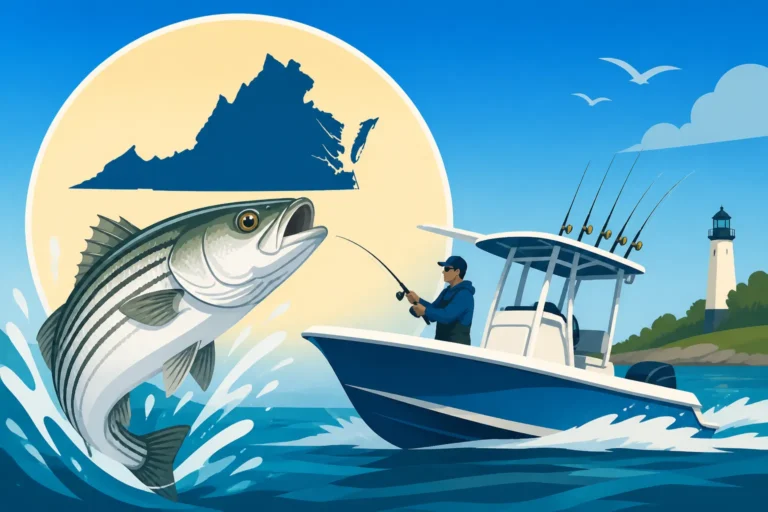
Think about striped bass, or "rockfish" as they're often called in Virginia. Their behavior changes dramatically with the seasons, water temperatures, and baitfish movements. A guide specializing in Virginia Striped Bass Season and Slot Limit Guide will know exactly whether to troll with umbrella rigs in deeper channels, cast live baits near structure, or jig spoons over schools of baitfish. They bring a lifetime of experience to bear, translating into more hookups for you. Similarly, if you're keen on trout, a fly fishing guide on the Shenandoah River will understand exactly which hatches are occurring and what patterns will entice a bite.
Furthermore, guides often have an arsenal of high-quality gear that far surpasses what the average angler might own. They have specialized rods, reels, and electronics (like fish finders and GPS mapping) that pinpoint fish with incredible accuracy. This combination of intimate knowledge, tailored techniques, and professional equipment means you're not just hoping to get lucky; you're actively putting yourself in the best position for a productive and exciting fishing trip, aligning perfectly with the rhythms of Virginia Fishing Seasons Explained.
Access to Specialized Gear and Boats
Let's face it, owning a boat and all the necessary fishing gear can be a significant investment, both financially and in terms of maintenance. From baitwells and trolling motors to high-end sonar and safety equipment, the cost can quickly add up. For many, a charter or guide offers a fantastic way to experience top-tier fishing without the burden of ownership.
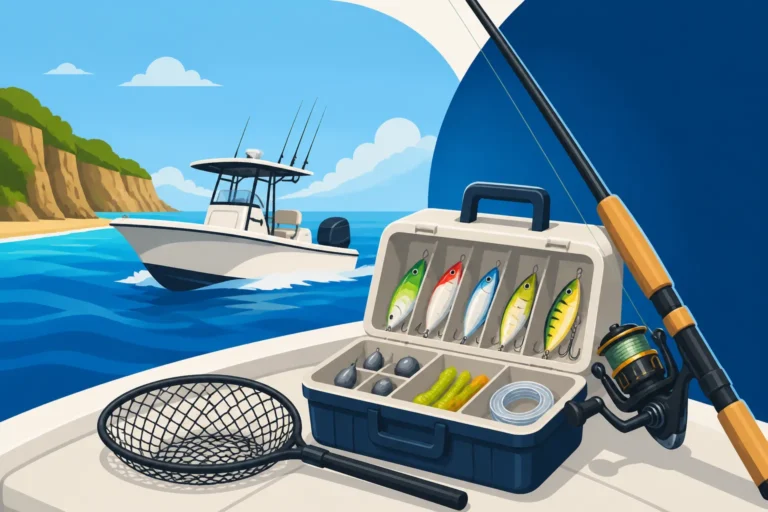
When you book a charter, almost everything you need is provided. This typically includes a well-maintained, species-appropriate boat, high-quality rods and reels, fresh bait (live or artificial), and all the necessary safety equipment like life jackets. You don't have to worry about trailering a boat, launching it, cleaning it afterwards, or making sure your reels are spooled with fresh line. The guide handles all the logistics, allowing you to simply show up, step aboard, and start fishing.
This convenience extends to specialized gear you might not even know you needed. Want to try deep-dropping for offshore species? A charter boat will have the heavy-duty electric reels and specialized rigs required. Hoping to fly fish a tricky stream? A guide will have the right weight rods, lines, and an array of flies perfectly matched to local insects. This access to specialized equipment, combined with the guide's expertise, opens up fishing opportunities that would be difficult, if not impossible, to pursue on your own. It removes barriers, making world-class fishing accessible to everyone, regardless of their personal gear collection.
Types of Fishing Charters and Guides in Virginia
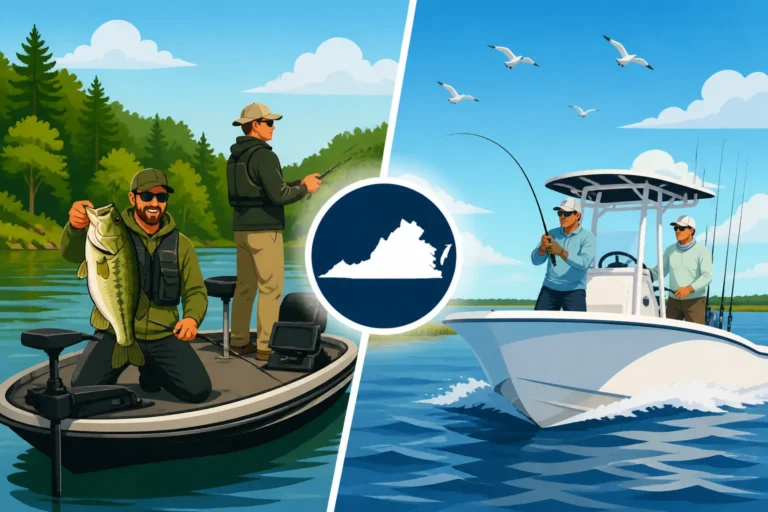
Virginia's diverse geography means there's a fishing experience for every preference, from the serene mountain streams to the bustling tidal waters. Each type of charter or guide caters to specific environments and target species, offering unique adventures.
Freshwater Guides: Lakes and Rivers
Virginia's freshwater fishing scene is incredibly vibrant, with an abundance of lakes and rivers teeming with various species. Hiring a freshwater guide is an excellent way to unlock the secrets of these inland treasures, especially if you're targeting specific fish or exploring new bodies of water.
On vast reservoirs like Smith Mountain Lake or Lake Anna, a guide can be invaluable for navigating the sprawling waters and finding productive structure. They know the seasonal patterns for species like largemouth bass, smallmouth bass, and striped bass, guiding you to submerged timber, humps, or creek channels where these fish ambush bait. For instance, a Smith Mountain Lake Fishing Guides in Virginia will often specialize in the lake's famed striped bass fishery, using advanced sonar to locate schools and employing techniques like trolling or live-bait presentations. They can also put you on crappie hiding in brush piles or channel catfish in deeper holes, making the trip productive and fun for all skill levels.
River systems like the James, Shenandoah, and Rappahannock offer a different kind of freshwater challenge, primarily known for smallmouth bass, musky, and various panfish. A river guide is crucial for safely navigating currents, understanding riverine structure, and knowing the subtle holding lies where fish gather. If you're looking for a unique experience, a Shenandoah River Fly Fishing for Trout and Smallmouth Bass in Virginia guide can teach you the intricacies of fly casting, identifying insect hatches, and presenting flies to finicky fish. They often use specialized drift boats or rafts to provide access to stretches of river that are difficult to reach otherwise, giving you an immersive and often solitary angling adventure away from the crowds.
Saltwater Charters: Chesapeake Bay and Coastal Waters
For those drawn to the vastness of the ocean or the rich estuaries, Virginia's saltwater charters offer thrilling opportunities. The Chesapeake Bay, in particular, is a world-renowned fishery, brimming with striped bass, flounder, red drum, and more. Going with a seasoned captain here is not just a luxury; it's often a necessity due to the size and complexity of the waters.
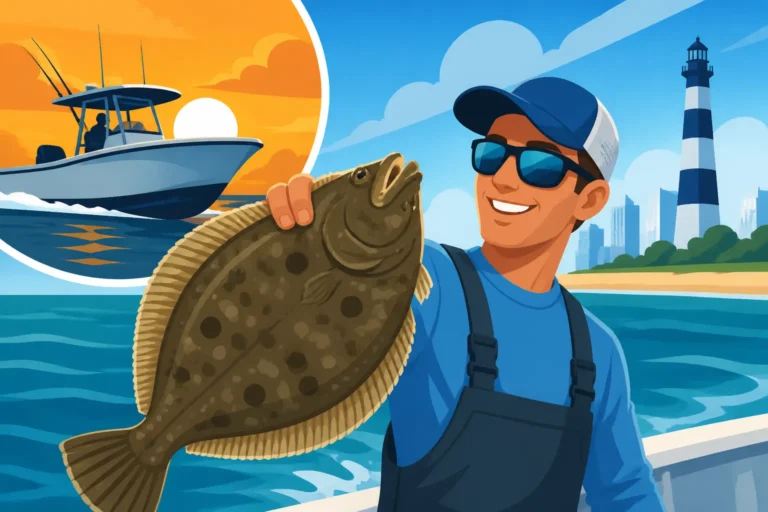
Chesapeake Bay Fishing Charters in Virginia provide access to some of the most productive fishing grounds on the East Coast. These charters specialize in targeting species like the iconic striped bass (rockfish), which migrate through the Bay and its tributaries. Captains have an intimate understanding of the Bay's channels, wrecks, and artificial reefs, using their knowledge to put you directly on schools of fish. Beyond stripers, they'll also guide you to flounder hiding on sandy bottoms, red drum cruising the shallows, or even cobia in the warmer months. These trips often involve live baiting, trolling, or bottom fishing, depending on the target species and time of year.
Further out, along the coast, Virginia Beach Fishing Charters and Trip Costs open up opportunities for offshore adventures. These larger, more powerful boats can take you to the Atlantic Ocean for pelagic species like tuna, mahi-mahi, and wahoo, or to deep wrecks for sea bass and tautog. Nearshore trips also target red drum, cobia, and large schools of striped bass during their migratory runs. The expertise of a coastal captain is paramount for navigating open ocean conditions, understanding offshore currents, and safely finding big game fish. These charters are equipped with advanced navigation and safety systems, ensuring both a productive and secure experience far from shore.
Specialty Trips: Fly Fishing, Kayak, and Night Fishing
Beyond the traditional boat-based fishing experiences, Virginia offers a variety of specialty trips that cater to specific interests and provide unique ways to connect with nature and fish. These guides often focus on a particular technique or environment, offering a more tailored adventure.
Fly fishing guides, particularly in the mountain regions, offer immersive trips focused on the art and skill of fly casting. Whether you're a complete beginner eager to learn the basics or an experienced angler looking to hone your technique on challenging wild trout streams, a fly fishing guide can make all the difference. They teach you about entomology (insect life), reading water, and proper presentation, helping you target species like rainbow, brown, and brook trout, or even smallmouth bass in warmwater rivers. These trips are often about more than just catching fish; they're about the serene experience of being in nature and mastering a beautiful angling discipline.
Kayak fishing has exploded in popularity, offering a stealthy and intimate way to explore both freshwater and saltwater environments. Several guides now specialize in kayak fishing trips, providing all the necessary equipment, including kayaks, paddles, and safety gear. They'll take you to quiet coves on lakes for bass and crappie, or through shallow marshy areas in the Bay tributaries for red drum and speckled trout that larger boats can't access. These trips are fantastic for those seeking a more adventurous and eco-friendly fishing experience, combining paddling with angling.
Finally, night fishing trips offer a completely different perspective on the sport. Many species, particularly catfish and striped bass, become more active after dark. Guides specializing in night fishing know the best spots to set up, understand how fish behave under moonlight or artificial light, and can provide a truly unique and often thrilling experience. Whether it's casting for stripers under bridge lights in the Chesapeake Bay or setting lines for big flathead catfish on a lake, night fishing provides cooler temperatures and often less pressure, making for a memorable and productive outing.
What to Expect When Booking a Virginia Fishing Charter
Booking a fishing charter or guide for the first time can feel a little daunting. You want to make sure you're getting a good value, that the experience will match your expectations, and that all your questions are answered. Understanding the typical arrangements and what's generally provided will help you plan with confidence.
Understanding Trip Lengths and Costs
One of the first things you'll notice when looking at Virginia fishing charters and guides is the variation in trip lengths and, consequently, their costs. The most common options are half-day, three-quarter-day, and full-day trips, each offering a different experience.
Half-day trips typically last around four hours. These are excellent for beginners, families with young children, or those with limited time. They offer a taste of the action without committing to an entire day on the water. While they might limit how far a captain can travel, they can still be incredibly productive, especially if targeting species close to port. The cost for a half-day is usually the most budget-friendly. Three-quarter-day trips, often lasting six hours, offer a nice middle ground. They allow more time for travel to potentially better fishing grounds and more opportunities for diverse techniques, without the full commitment of a whole day. Finally, full-day trips, typically eight hours or more, are for the serious angler. They provide ample time to pursue multiple species, travel to distant spots, or truly dial in a specific technique. These are generally the most expensive but offer the most comprehensive fishing experience. Our guide to Half-Day vs Full-Day Fishing Charters in Virginia dives deeper into what each option entails.
Pricing structures can also vary. Some charters charge a flat rate per boat, regardless of the number of anglers (up to a certain maximum). Others might have a base rate for a certain number of people, with an additional per-person fee for more anglers. It's crucial to clarify this upfront. Factors influencing cost include the size and type of boat, the species targeted (some require more expensive bait or fuel), the experience level of the captain, and the time of year (peak seasons can be pricier). Remember, you're not just paying for a boat ride; you're paying for expertise, specialized gear, and a carefully planned experience designed for success.
What's Typically Included and What to Bring
One of the biggest advantages of booking a charter is the "turnkey" nature of the trip: much of what you need is already provided. This greatly simplifies your preparation and reduces the amount of gear you need to haul around.
Generally, a reputable Virginia fishing charter or guide will include:
- Boat and Fuel: A well-maintained vessel with a knowledgeable captain.
- Fishing Gear: High-quality rods, reels, and tackle appropriate for the target species.
- Bait and Lures: Live bait, cut bait, or artificial lures as needed.
- Safety Equipment: Life jackets (for all ages), first-aid kit, and other safety gear required by the Coast Guard.
- Fishing License: In many cases, the charter boat operates under a blanket license, meaning you might not need an individual state license. Always confirm this with your captain before the trip, especially if you plan to fish from shore or on your own outside of the charter.
While the essentials are covered, there are definitely things you'll want to bring to make your trip more comfortable and enjoyable:
- Food and Drinks: Pack snacks, sandwiches, and plenty of water or other beverages in a small cooler. Alcohol might be permitted, but check with the captain first.
- Sun Protection: Sunscreen, a wide-brimmed hat, sunglasses (polarized are great for spotting fish!), and long-sleeved shirts are crucial, even on cloudy days.
- Appropriate Clothing: Dress in layers. It can be significantly cooler on the water than on land, especially in the mornings or evenings. Bring a rain jacket, even if the forecast looks clear.
- Cooler for Your Catch: If you plan to keep fish, bring a separate cooler to transport your fillets home. The boat will likely have a cooler for drinks, but a separate one for fish is polite and practical.
- Camera: To capture those memorable catches and scenic views!
- Motion Sickness Medication: If you're prone to seasickness, take medication before you board the boat.
- Small Personal Bag: Keep your personal items (phone, wallet, keys) secure.
The Booking Process and Key Questions to Ask
Booking a Virginia fishing charter doesn't have to be complicated, but a little preparation goes a long way to ensure you find the perfect match for your trip. Many anglers start by searching online, and platforms like FishingBooker can be incredibly useful for browsing available charters, comparing options, and reading reviews from past customers.
Once you've identified a few potential guides or captains, the next step is direct communication. Don't hesitate to call or email them with your questions. Here are some essential things to ask and discuss:
- Availability: What dates are open for your preferred trip length?
- Target Species: What species are biting well during your desired timeframe, and what are the chances of catching them? This helps manage expectations.
- Trip Type: Do they specialize in trolling, casting, bottom fishing, fly fishing, or a combination?
- Inclusions: Confirm what's included (license, bait, tackle) and what you need to bring.
- Boat Amenities: Does the boat have a head (bathroom), covered seating, or other amenities important to your group?
- Cancellation Policy: What happens if the weather is bad, or if you need to cancel? Understand their policy regarding deposits and refunds.
- Kids/Beginners: If you have children or first-time anglers, ask if the trip is suitable and if the captain is good with teaching. This is especially important for finding Family-Friendly Fishing Charters in Virginia.
- Cleaning Your Catch: Do they offer fish cleaning services, and is there an additional charge for this?
- Payment: What payment methods do they accept, and when is final payment due?
Be upfront about your group's experience level and your primary goals for the trip. Do you want to learn new techniques? Catch a trophy fish? Simply have a relaxing day on the water with friends? The more information you provide, the better the captain can tailor the experience to your needs. A good captain will be happy to answer all your questions and help you feel confident about your booking.
Navigating Virginia's Fishing Regulations with a Guide
One of the often-overlooked benefits of hiring a Virginia fishing charter or guide is their intimate knowledge of the state's complex and ever-changing fishing regulations. Dealing with licenses, catch limits, and seasonal closures can be a headache for the casual angler, but for a professional guide, it's part of their daily routine.
Licenses and Permits
The thought of figuring out which Virginia fishing license you need, especially if you're an out-of-state visitor or crossing between freshwater and saltwater, can be a deterrent to even hitting the water. Do you need a freshwater license, a saltwater license, or a combination? What about special permits for trout fishing? Our Virginia Fishing License Guide delves into all these details.
When you book a charter or guide, this burden is largely lifted. Most licensed charter boats and professional guides operate under a commercial license that covers all passengers aboard for the duration of the trip. This means you typically do not need to purchase an individual state fishing license. This is a huge relief, especially for those unfamiliar with Virginia Fishing License Requirements for Residents and Nonresidents. However, it's always a good practice to confirm this with your captain when booking. While it's common for charters to cover your license, it's best to be absolutely sure to avoid any last-minute surprises or legal issues. This convenience allows you to focus solely on the fishing experience, knowing that you're legally covered.
Catch Limits and Slot Sizes
Virginia has specific regulations regarding the number of fish you can keep (daily creel limits) and often the size of those fish (length limits and slot sizes). These rules are in place to manage fish populations sustainably, and they can vary significantly by species, body of water, and even time of year. For example, striped bass in the Chesapeake Bay have a very specific slot limit, meaning you can only keep fish within a certain size range, and usually only one per person.
A professional guide is not only aware of all these regulations but is often instrumental in enforcing them on board. They will ensure that any fish you catch are measured accurately and released carefully if they don't meet the legal requirements. They know the difference between a legal speckled trout and one that needs to go back, or which bass can be kept from a specific lake. This expertise removes the stress of inadvertently violating a regulation, which could result in fines or penalties.
Their guidance ensures a responsible and legal fishing trip, contributing to the conservation efforts that keep Virginia's fisheries healthy for future generations. You can fish with confidence, knowing that your guide is an expert on the rules and will help you comply with all local, state, and federal regulations for your specific catch.
Conservation and Responsible Angling
Beyond simply following the rules, good Virginia fishing guides are passionate advocates for conservation and responsible angling practices. They understand that their livelihood, and the sport itself, depends on healthy fish populations and pristine habitats. This commitment often translates into teaching their clients how to be better stewards of the environment.
Guides are excellent at demonstrating proper catch-and-release techniques. They'll show you how to handle fish gently, minimize stress, and safely return them to the water if they are undersized, out of season, or if you've already met your creel limit. This includes using appropriate hooks (like circle hooks for some species to reduce gut-hooking) and tools for quick, efficient release. They also often share insights into the local ecosystem, explaining why certain regulations exist and how angler behavior impacts fish health.
Their vessels are typically equipped with waste receptacles, and they encourage clients to leave no trace, packing out everything they brought in. By fishing with a guide, you're not just going on a trip; you're often receiving an education in sustainable fishing practices that you can apply to all your future angling endeavors. This focus on ethical angling ensures that the thrill of the catch is balanced with a deep respect for the resource, leaving the waters in excellent condition for everyone.
Choosing the Right Charter or Guide for Your Trip
Selecting the perfect Virginia fishing charter or guide is crucial for a successful and enjoyable experience. With so many options available, taking the time to define your needs and thoroughly research your choices will pay off immensely.
Defining Your Fishing Goals
Before you even start looking at specific captains or boats, take a moment to clearly define what you want to get out of your fishing trip. Are you hoping to catch a trophy fish of a particular species, like a citation-sized striped bass or a monster flathead catfish? Are you looking for a relaxing day on the water with the family, where catching lots of panfish is more important than size? Or perhaps you're a serious angler looking to learn advanced techniques for a specific type of fishing?
Your goals will heavily influence the type of guide you need. If it's a family outing with young kids, you'll want a captain who is patient, has a safe boat, and specializes in Family-Friendly Fishing Charters in Virginia where the focus is on fun and action, perhaps targeting easier-to-catch species like croaker, spot, or bluegill. If you're after a specific record-breaking fish, you'll need a guide known for targeting that species, who understands its behavior, and has the equipment to handle a big catch. On the other hand, if learning is your priority, look for a guide who is also an effective teacher and enjoys sharing their knowledge about specific techniques, local ecology, and fish behavior. Being clear about your intentions from the start will significantly narrow down your options and help you communicate effectively with potential guides.
Researching and Vetting Guides
Once you have a clear idea of your goals, it's time to start researching. This is where online resources and word-of-mouth become invaluable. Don't just pick the first listing you see; invest a little time into vetting your choices.
Start by checking out online platforms like FishingBooker, which consolidate many charters and guides in one place. These sites often feature detailed profiles, photos of catches, and, most importantly, client reviews. Pay close attention to what previous customers say about the guide's demeanor, their ability to find fish, the condition of their boat, and their overall professionalism. Look for consistent positive feedback and specific examples that align with your fishing goals. Does a review mention how great the captain was with kids? Or how skilled they were at locating a specific species? These details are key.
Beyond online platforms, ask for referrals from local bait and tackle shops, marinas, or fellow anglers. Personal recommendations often lead to the best experiences. Once you have a shortlist, visit the guide's personal website or social media pages. A professional online presence, updated fishing reports, and recent photos of catches are good indicators of an active and reputable operation. Don't hesitate to contact the guide directly, as discussed earlier. A quick phone call or email exchange can give you a real sense of their personality and willingness to answer questions, which is a great indicator of how they'll perform on the water.
Considering Group Size and Dynamics
The size and dynamics of your group are another major factor in choosing the right charter. Are you going solo or with one other hardcore angler? Are you planning a corporate outing with a dozen colleagues? Or is it a multi-generational family trip with grandparents and small children?
Most charter boats have a maximum capacity, usually limited by Coast Guard regulations, so always confirm that the boat can comfortably accommodate your entire party. If you have a larger group, you might need to book a bigger boat, which can impact the cost. For smaller groups or solo anglers, you might have the option of a "shared" or "head boat" trip, where you pay per person and join other anglers. This can be more budget-friendly but offers less flexibility in terms of target species or trip customization.
Consider the comfort level and experience of everyone in your group. If you have beginners or those prone to seasickness, a calmer, inshore trip on the Chesapeake Bay might be preferable to an offshore ocean excursion. If some members of your party are more interested in sightseeing than hardcore fishing, discuss this with the captain; some guides offer a more relaxed pace. The right guide will be adept at managing different expectations and ensuring everyone, from the most seasoned angler to the youngest beginner, has a memorable and positive experience on the water.
Making the Most of Your Guided Fishing Experience
You've done your research, booked your charter, and the day is finally here! To ensure your Virginia fishing trip is everything you hoped for and more, there are a few key things you can do to contribute to a fantastic experience for everyone on board.
Communication is Key
While you've likely communicated with your guide during the booking process, ongoing communication, both before and during your trip, is paramount. Don't assume anything; when in doubt, just ask!
Before the trip, confirm your meeting time and location. If anything has changed on your end (e.g., someone in your party dropped out, or you have a last-minute request), inform the guide as soon as possible. On the day of the trip, reiterate your primary goals and preferences. For example, if you specifically want to try a certain technique or are really hoping to catch a particular species, a gentle reminder helps the guide tailor the experience. During the trip, if you have questions about the techniques, the fish, or the local area, ask away! Most guides love to share their knowledge and are excellent teachers. If you're feeling unwell, too cold, or just need a break, communicate that too. They want you to be comfortable and enjoy your time.
Good communication fosters a positive atmosphere and ensures that everyone is on the same page. It helps the guide manage expectations, adapt to conditions, and ultimately deliver the best possible fishing adventure for you and your group. Remember, they are there to help you, and clear communication is the fastest way to success and satisfaction.
Being Prepared on the Day
Beyond bringing the essentials we discussed earlier, being mentally and physically prepared for your day on the water will greatly enhance your enjoyment and comfort. Fishing can involve long periods of standing, exposure to the elements, and sometimes early mornings or late nights.
Firstly, listen to your guide's instructions. They are the expert on the water, know the boat, and prioritize your safety. Pay attention to safety briefings, casting directions, and how to handle fish. If you're new to fishing, don't be afraid to admit it! A good guide will patiently teach you the basics of casting, reeling, and fighting a fish. Dress in layers, as temperatures can change quickly, especially on the water. Start with a base layer, add a fleece or sweatshirt, and have a waterproof outer shell handy. Even on sunny days, wind can make it feel much colder.
Eat a good breakfast before you arrive, but avoid overly greasy or heavy foods if you're prone to seasickness. Stay hydrated throughout the day by drinking plenty of water, even if you don't feel thirsty. Motion sickness medication, if needed, should be taken well in advance of boarding the boat, as it's often less effective once symptoms begin. Pack light but smart, bringing only what you genuinely need. Being prepared allows you to relax, focus on the fishing, and fully immerse yourself in the experience without distractions or discomfort.
Tipping and Showing Appreciation
After a fantastic day on the water, it's customary and greatly appreciated to show your gratitude to your guide and any crew members. Tipping is a long-standing tradition in the charter fishing industry, much like in the restaurant or service industry.
The standard tipping range for a good charter fishing experience is typically 15-20% of the trip's total cost. If the crew went above and beyond – worked tirelessly to find fish in tough conditions, cleaned your catch beautifully, were exceptionally patient with children, or provided outstanding service – consider tipping at the higher end of that scale, or even more. Remember, your tip goes directly to the captain and mate, supplementing their income and acknowledging their hard work, expertise, and long hours, many of which are spent preparing the boat and gear before you even arrive.
Beyond a monetary tip, there are other ways to show your appreciation. A heartfelt "thank you" goes a long way. If you had an exceptional experience, consider leaving a positive review on platforms like FishingBooker or the guide's social media pages. A glowing review not only boosts their reputation but also helps future clients make informed decisions. Sharing your photos and tagging the charter can also be a great gesture. Showing genuine appreciation helps foster a positive relationship and ensures that excellent guides continue to thrive, providing incredible fishing experiences for everyone.
Common Questions and Misconceptions About Charters
It's natural to have questions, especially if you're new to the world of fishing charters. Let's tackle some of the most common concerns and clear up a few misconceptions.
Do I Need Fishing Experience?
One of the most frequent questions people ask is whether they need prior fishing experience to book a charter. The resounding answer is: absolutely not! This is a common misconception that holds many potential anglers back from experiencing the joys of a guided trip.
Virginia fishing charters and guides cater to all skill levels, from complete novices to seasoned pros. In fact, many guides genuinely enjoy teaching beginners. They'll patiently walk you through how to hold a rod, cast a line, set the hook, and properly reel in a fish. They'll explain the tackle, the bait, and the techniques in an easy-to-understand way. For families, guides are often exceptionally good with children, making the experience fun, engaging, and educational for the younger generation. It's a fantastic, low-pressure way to learn the ropes of fishing without the frustration of trying to figure everything out on your own.
Think of it as a fishing school on the water. You'll gain practical experience, learn invaluable tips and tricks, and build confidence that you can then apply to your own future fishing adventures. Don't let a lack of experience deter you; a charter is arguably the best way to get started.
What if the Weather is Bad?
Weather is an unpredictable element of any outdoor activity, and fishing is no exception. It's a valid concern, and reputable Virginia fishing charters always have clear policies regarding adverse weather conditions.
First and foremost, your captain prioritizes safety. If the weather forecast indicates unsafe conditions – such as high winds, heavy seas, or dangerous thunderstorms – a good captain will make the call to cancel or reschedule the trip. This decision is typically made in consultation with the clients, but ultimately, the captain has the final say for the safety of everyone on board. It's important to trust their judgment; they are experienced in evaluating marine conditions.
Most charters have a clear cancellation policy that outlines what happens in such situations. Typically, if the captain cancels due to weather, you'll be offered the option to reschedule for another date or receive a full refund of your deposit. If you, as the client, decide to cancel for reasons other than weather (e.g., a change of plans, a last-minute emergency), the policy might differ, often resulting in a forfeiture of your deposit if sufficient notice isn't given. Always clarify the charter's weather cancellation policy and their personal cancellation policy when you book, so you know exactly what to expect.
Can I Keep My Catch?
The desire to bring home some fresh fish for dinner is a big motivator for many anglers, and generally, the answer is yes, you can keep your catch on a Virginia fishing charter, within legal limits.
However, there are important caveats. The ability to keep fish is entirely dependent on the species you're targeting and the current Virginia fishing regulations for that species. As discussed earlier, different fish have different daily creel limits (how many you can keep) and length limits (minimum or slot sizes). For example, while you might be able to keep several croaker or spot, you might only be allowed one striped bass within a very specific size slot. Some species might be entirely catch-and-release during certain seasons to protect spawning populations.
Your guide is the expert on these rules and will help you understand what you can and cannot keep. They will measure fish, explain limits, and advise on which fish are best for eating. Many charters also offer fish cleaning services, either included in the price or for a small additional fee, which is a huge convenience. So, while you can definitely anticipate bringing home some delicious fillets, remember that it's all subject to the laws designed to keep Virginia's fisheries healthy and productive for everyone.
| Trip Type | Target Species (Examples) | Typical Duration | Price Basis | Ideal For | Key Benefit |
|---|---|---|---|---|---|
| Freshwater Lake Guide | Largemouth Bass, Striped Bass, Crappie, Catfish | 4-8 hours | Per boat | Families, Bass Anglers, Beginners | Access to prime lake structures, specific techniques |
| River Drift Guide | Smallmouth Bass, Musky, Trout, Walleye | 4-8 hours | Per boat | Fly Fishers, Smallmouth Enthusiasts, Scenic Trips | Navigating currents, accessing remote sections |
| Chesapeake Bay Charter | Striped Bass (Rockfish), Flounder, Red Drum, Speckled Trout | 4-8 hours | Per boat/per person | Diverse groups, Inshore/Nearshore action, Variety | Bay expertise, diverse species, close to shore |
| Coastal Offshore Charter | Tuna, Mahi-Mahi, Wahoo, Deep Sea Bass | 8-12+ hours | Per boat | Big Game Anglers, Experienced Groups, Thrill Seekers | Deepwater access, pelagic species, big catches |
| Kayak Fishing Guide | Red Drum, Speckled Trout, Bass, Panfish | 4-6 hours | Per person | Adventurous anglers, Eco-conscious, Shallow water | Stealthy access to skinny water, unique perspective |
Disclaimer
This article is for general informational purposes only and does not constitute professional advice. Laws, prices and regulations vary by location and change over time. Consult a qualified professional for guidance on your specific situation.