Shenandoah River Fly Fishing for Trout and Smallmouth Bass in Virginia
There's a unique frustration that comes with standing on the banks of a truly magnificent river, fly rod in hand, and feeling completely overwhelmed by its vastness and the myriad possibilities it presents. The Shenandoah River, with its gentle flows and dramatic turns, holds that special kind of mystery for many anglers. If you've ever dreamt of the satisfying tug of a native brook trout on a dry fly or the explosive strike of a feisty smallmouth bass, but weren't sure where to start on this iconic Virginia waterway, you've come to the right place. This comprehensive guide will demystify fly fishing the Shenandoah, equipping you with the knowledge and confidence to pursue both its revered trout and its abundant smallmouth bass, making your next outing not just a trip, but an adventure.
The Allure of Fly Fishing the Shenandoah River
The Shenandoah River isn't just a geographical feature; it's a living, breathing artery of Virginia's natural heritage, whispering tales of history and beckoning anglers with its diverse aquatic life. For fly fishermen, it represents a remarkable confluence of opportunity, offering experiences that range from delicate trout presentations in its colder reaches to aggressive retrieves for powerful smallmouth bass further downstream. It's this unique blend that draws so many to its waters, often leading to lifelong passions and unforgettable memories.
Why the Shenandoah Stands Out
What makes the Shenandoah River truly special for fly fishing isn't just its scenic beauty, though that certainly plays a significant role. It's the sheer diversity and accessibility that truly sets it apart from many other rivers. Unlike some highly specialized fisheries that cater to only one species or technique, the Shenandoah presents a broad canvas. You can start your day stalking wary trout in a serene mountain tributary, and by afternoon, be casting large streamers for bronze-backed bass in the main stem. This versatility means you rarely have to choose between your preferred target species; often, you can pursue both in the same general area, adjusting your approach as you move between different sections of the river.
Beyond its fish, the river corridor itself offers a rich experience. Wildlife abounds, from soaring eagles and ospreys to deer and river otters, providing a constant sense of connection to the wild. The river's character also shifts dramatically along its length, from narrow, boulder-strewn headwaters to wide, placid pools and riffles, each section demanding a slightly different strategy and offering a new challenge. It's this ever-changing personality that keeps anglers coming back, always learning, always exploring. Furthermore, its proximity to major population centers means that a world-class fly fishing experience isn't an arduous journey, making it a viable option for a quick escape or a dedicated weekend trip, validating the feeling that world-class fishing can indeed be close to home.
A Tale of Two Fisheries: Trout and Smallmouth
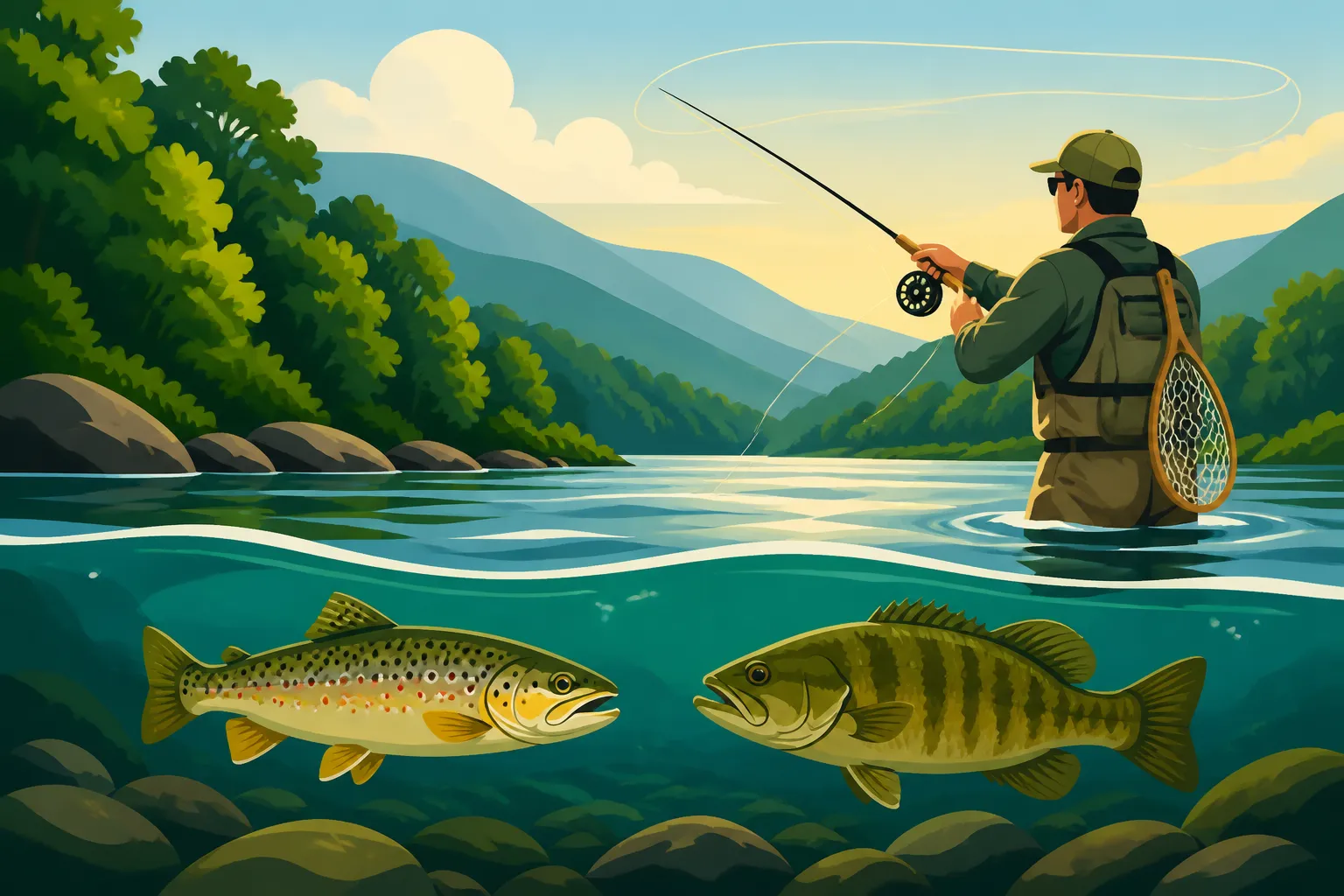
The Shenandoah River, famously known as the "River of the Stars," actually hosts two distinct and equally compelling fly fishing opportunities: its native and stocked trout, and its prolific smallmouth bass. This dual fishery is a dream for anglers who appreciate variety and the chance to switch gears throughout the day or season. The upper reaches and numerous cold-water tributaries are where you'll find trout, often wild brook trout, rainbow trout, and brown trout, thriving in the oxygen-rich, cooler waters. This requires a more delicate touch, precise presentations, and an understanding of insect hatches – the classic fly fishing experience that many dream of.
As you move downstream and into the main stem of the North Fork and South Fork of the Shenandoah, the water warms and broadens, giving way to an incredible smallmouth bass fishery. These feisty, hard-fighting fish are aggressive and can be incredibly rewarding on a fly rod, often hitting streamers and topwater bugs with a violent enthusiasm that gets the adrenaline pumping. The transition from a quiet, subtle trout stream to a lively, bass-filled river is a profound one, offering a complete contrast in tactics and excitement. It’s not uncommon for an angler to pack both trout and bass gear, ready to adapt to whatever the river presents, truly making it a comprehensive angling destination.
Understanding the River's Unique Character
To truly connect with the Shenandoah River, you need to appreciate its unique characteristics. It’s largely a freestone river, meaning its flow is dictated by rainfall and snowmelt, leading to fluctuations in water levels and clarity. This can be a source of frustration for anglers used to more stable tailwater fisheries. One day it might be crystal clear and wadeable, the next it could be high and muddy after a heavy rain, requiring different approaches or even a shift in plans. However, this natural variability also contributes to its wild charm and dynamic ecosystems.
The riverbed itself is a mosaic of different habitats: shallow riffles that oxygenate the water and hide insect larvae, deep pools that offer refuge to larger fish, and boulder fields that create current breaks and ambush points. Understanding these features and how fish utilize them is key to success. For trout, look for clear, cold feeder streams and areas with undercut banks and submerged logs. For smallmouth, focus on current seams, eddy lines behind large rocks, and deep pockets where they can ambush baitfish. The geology of the surrounding Blue Ridge Mountains and Allegheny Front also plays a role, influencing water quality, temperature, and the types of insects and forage available, all contributing to the distinct character of the fishing. Being able to read the water effectively is arguably more important than any specific fly pattern you might tie on.
Essential Gear for Shenandoah Fly Fishing
Getting your gear dialed in for the Shenandoah River can feel like a daunting task, especially when you're trying to prepare for both delicate trout and hard-hitting smallmouth. But don't fret! The key is versatility and selecting equipment that can handle the diverse conditions and fish you'll encounter. Having the right tools won't just improve your chances of success; it'll make your time on the water much more enjoyable and less stressful.
Rods, Reels, and Lines for Versatility
When it comes to your fly rod, versatility is paramount on the Shenandoah. For trout in the colder tributaries, a lighter rod, typically a 3-weight or 4-weight, between 7.5 and 9 feet long, will offer the delicate presentation needed for wary fish and smaller dry flies or nymphs. This lighter setup allows you to feel subtle takes and enjoy the fight of even a modest brook trout. For smallmouth bass in the main stem, you'll want something with more backbone to cast larger, wind-resistant flies and handle a more aggressive fight. A 6-weight or 7-weight rod, 9 feet in length, is often considered the sweet spot. It provides enough power to throw big streamers or poppers, yet still offers sensitivity for those finicky bass. If you're looking for a true all-around rod, a fast-action 5-weight or 6-weight can often bridge the gap, allowing you to chase both species, though it will be a compromise. You might find great options on Amazon that fit your budget and fishing style.
Matching your reel to your rod is less about drag power for Shenandoah trout and bass (they're not bonefish!) and more about balance and line storage. A good quality, lightweight large-arbor reel will balance your rod, retrieve line efficiently, and hold enough backing. For lines, a weight-forward floating line is your bread and butter for both trout and smallmouth. For trout, you'll use it for dry flies and for nymphing with an indicator. For smallmouth, it's perfect for poppers and most streamers. However, if you plan to target deeper bass with larger, weighted streamers, a sinking tip line in a matching weight can be a game-changer, helping your fly get down quickly in faster currents or deeper pools. Carrying an extra spool with a different line type for your main reel is a smart way to maximize versatility without bringing multiple setups.
Leader and tippet selection also requires thought. For trout, a 9-foot tapered leader ending in 5x or 6x tippet is standard for delicate presentations. When nymphing, you might extend this with an indicator rig. For smallmouth, you can beef things up considerably. A 7.5-foot tapered leader ending in 0x to 2x (or 8-12 lb test fluorocarbon) is usually sufficient. Remember, smallmouth aren't as leader-shy as trout, and you'll appreciate the heavier tippet when casting bulky flies or wrestling a strong bass out of cover. Always carry spools of various tippet sizes, from 6x for tiny dries to 0x or even heavier for bass, as conditions and target species can change rapidly.
Waders, Boots, and Safety Essentials
Wading the Shenandoah River can be an incredibly immersive and effective way to fish, but it demands the right gear for comfort and, more importantly, safety. Breathable chest waders are essential for staying dry and comfortable, whether you're in the cool waters of a trout stream or navigating the deeper sections of the bass river. Look for waders with reinforced knees and seat, as you'll likely be kneeling, scrambling over rocks, and maybe even taking a tumble or two. Investing in a good pair from a reputable brand like Simms or Orvis will save you headaches in the long run.
Accompanying your waders, sturdy wading boots with felt soles or rubber soles with studs are absolutely critical. The Shenandoah's riverbed can be notoriously slick, covered in algae-coated rocks, and a nasty fall can quickly ruin a day or worse. Felt offers excellent grip on slippery rocks, but can transfer invasive species, so rubber soles with aggressive treads or added studs are often a more environmentally conscious and versatile choice. Always wear quick-drying socks underneath your waders to prevent blisters and enhance comfort.
Beyond staying dry and upright, safety on the river is paramount. A wading staff is highly recommended, especially when exploring new sections or when the water is running higher. It provides an extra point of contact and can help you gauge depth and stability. Always wear a personal flotation device (PFD) if you're fishing from a boat or kayak, or even when wading in deep, swift currents. A small backpack or sling pack to carry water, snacks, a first-aid kit, a headlamp, and your phone is also crucial. Telling someone where you're going and when you expect to return is not just good practice, it's essential. The Shenandoah, while beautiful, is still a wild river and warrants respect and preparedness.
Must-Have Fly Patterns for Shenandoah Success
Building a fly box for the Shenandoah doesn't have to be overwhelming, but it does require a strategic approach to cover both trout and smallmouth bass. For trout, especially in the cold-water tributaries, you'll want a selection of classic attractor dry flies like Elk Hair Caddis (tan, olive, brown, sizes 12-16), Parachute Adams (sizes 14-18), and perhaps some terrestrials like foam hoppers or crickets for late summer. Nymphs are often more productive, so carry patterns like a Pheasant Tail Nymph, Hare's Ear Nymph, Prince Nymph (sizes 12-18), and micro-egg patterns for stocked trout. Don't forget a few small midge patterns and emergers.
When you shift your focus to smallmouth bass, your flies are going to get bigger and often more colorful. Streamers are incredibly effective, mimicking baitfish. Patterns like Clouser Minnows (chartreuse/white, olive/white, blue/white, sizes 2-6), Woolly Buggers (black, olive, brown, sizes 4-8), and small Deceivers are essential. For topwater action, which can be absolutely thrilling, bring a variety of poppers and Chernobyl Ants or Gurgler patterns (sizes 2-8). These create a disturbance on the surface that drives bass wild. You can find a vast array of these effective flies on Amazon, often in convenient multi-packs.
The beauty of the Shenandoah is that there's often overlap in what works. A larger Woolly Bugger might entice both a hungry brown trout in a deeper pool and an aggressive smallmouth. Similarly, a well-presented hopper pattern can bring up a large trout or a smallmouth cruising near the bank. Pay attention to local conditions, water clarity, and insect activity to help narrow down your selection. Having a few different sizes and colors of your core patterns is always a good idea, as fish can be surprisingly picky on any given day. Local fly shops in towns like Front Royal or Waynesboro are fantastic resources for up-to-the-minute hatch reports and specific fly recommendations, often validating those frustrating moments when nothing seems to be working.
Mastering Techniques for Trout on the Shenandoah
Trout fishing on the Shenandoah River and its tributaries is a classic fly fishing experience, demanding a blend of patience, observation, and precise execution. Unlike their aggressive bass counterparts, trout are often more wary and selective, requiring a more nuanced approach. However, the reward of fooling a wild brook trout or a brightly colored rainbow on a well-presented fly is one of fly fishing's greatest joys.
Locating Trout: Understanding Their Habits
Trout in the Shenandoah system, particularly the wild varieties, are creatures of specific habitats. They thrive in colder, cleaner, well-oxygenated water, which means you'll typically find them in the upper reaches of the main river forks and, more reliably, in the numerous mountain tributaries that feed into them. Look for areas where the water temperature remains cooler, especially during warmer months. Structure is key: trout love to hold in places where they can conserve energy while waiting for food to drift by, and where they feel secure from predators. This means targeting undercut banks, deep pools, log jams, large boulders that break the current, and pockets of calm water behind obstacles.
Understanding the current is also crucial. Trout often position themselves in current seams, where faster water carrying food meets slower water where they can rest. The "head" of a pool, where the riffle pours in, is often a prime feeding lane. Likewise, the "tailout" of a pool, where the water shallows and quickens before the next riffle, can also hold actively feeding fish. Unlike bass which might cruise more widely, trout often have specific lies, so presenting your fly accurately to these spots is paramount. Don't overlook the smaller, seemingly insignificant pockets of water – a surprisingly large trout can sometimes be found tucked away in a tiny eddy or behind a submerged branch, especially in the tight confines of a mountain stream.
Nymphing and Dry Fly Strategies
When fishing for trout on the Shenandoah, you'll likely rely on two primary techniques: nymphing and dry fly fishing. Nymphing, which involves fishing subsurface flies that imitate aquatic insect larvae and pupae, is often the most consistent method for catching trout, especially when fish aren't actively rising to surface insects. A common setup involves a strike indicator (like a small bobber) placed on your leader, with one or two weighted nymph patterns (such as a Pheasant Tail or Hare's Ear) suspended beneath it. The goal is to achieve a natural, drag-free drift, mimicking a real insect tumbling downstream. This often means making upstream casts and mending your line to avoid the current pulling your indicator too quickly or slowly.
Dry fly fishing, while perhaps less consistently productive, is arguably the most exciting method. It involves presenting a floating fly pattern that imitates an adult insect on the water's surface. This technique is most effective when trout are actively rising to a specific hatch, like caddis, mayflies, or stoneflies. Observation is key here: watch for rising fish, try to identify the size and color of the natural insects, and then "match the hatch" with your chosen fly. The presentation must be delicate and precise, with a drag-free drift being the ultimate goal. For fish in tricky currents, a well-placed reach cast or parachute cast can make all the difference. Sometimes, even if no fish are rising, an attractor dry fly, like an Elk Hair Caddis or Parachute Adams, can tempt a curious trout, especially in riffle water.
Seasonal Considerations for Trout Anglers
The seasons dramatically influence trout fishing on the Shenandoah. Spring is often considered prime time for trout, especially as insect hatches become more prolific and water temperatures are ideal. Mayflies, caddis, and stoneflies can hatch in profusion, leading to excellent dry fly opportunities. This is also when many stocked trout are released, providing an easier target for anglers. As detailed in the Shenandoah River Trout Fishing Season in Virginia guide, early spring often sees fish more active.
Summer can be challenging for trout, particularly in the lower elevations and main river sections, as water temperatures rise. During this period, it's best to focus on the highest, coldest tributaries and fish early mornings or late evenings when temperatures are at their coolest. Terrestrial patterns like hoppers, beetles, and ants can be highly effective during these months. Fall brings cooler temperatures again, invigorating trout and often producing some of the year's best fishing, especially for larger browns and rainbows as they become more active before the winter. Dry fly fishing can still be excellent, and nymphing is consistently productive. Winter can be tough due to cold water and dormant insects, but milder days can offer opportunities for subsurface nymphing in deeper, slower pools, often for larger, less pressured fish. Remember, trout often hold in different locations depending on the season and water temperature, shifting from fast, oxygenated water in summer to slower, deeper pools in winter.
Targeting Smallmouth Bass with a Fly Rod
Smallmouth bass are arguably the Shenandoah River's most celebrated fly rod quarry. These feisty, hard-hitting fish offer an exhilarating experience, often striking flies with a violent aggression that can surprise even seasoned anglers. They are abundant throughout the main stems of the Shenandoah, making them an accessible and rewarding target.
Where to Find Bronzebacks in the Current
Smallmouth bass are quintessential river fish, perfectly adapted to life in moving water. Unlike trout, they often prefer warmer temperatures and faster currents, using the river's flow to their advantage. When you're fly fishing for smallmouth on the Shenandoah, focus your efforts on areas with current breaks, eddies, and structure that provide ambush points. Classic smallmouth lies include the downstream side of large boulders, submerged logs, rock gardens, and the seams where faster current meets slower water. These spots allow them to rest while watching for unsuspecting baitfish or crayfish to be swept past.
Don't overlook riffles and rapids, especially those with deeper pockets. Smallmouth will often hold at the base of these faster sections, ready to dart out and grab a meal. Drop-offs into deeper pools can also be highly productive, particularly during hotter parts of the day when bass might retreat to cooler, darker water. Bridge pilings, old submerged foundations, and even healthy weed beds can also hold good numbers of fish. In essence, think like a predator: where would you hide to ambush prey in a moving river? That's likely where you'll find the bronze-backed beauties. Their widespread presence makes the Best Smallmouth Bass Rivers in Virginia an easy search, with the Shenandoah always high on the list.
Streamer and Topwater Tactics
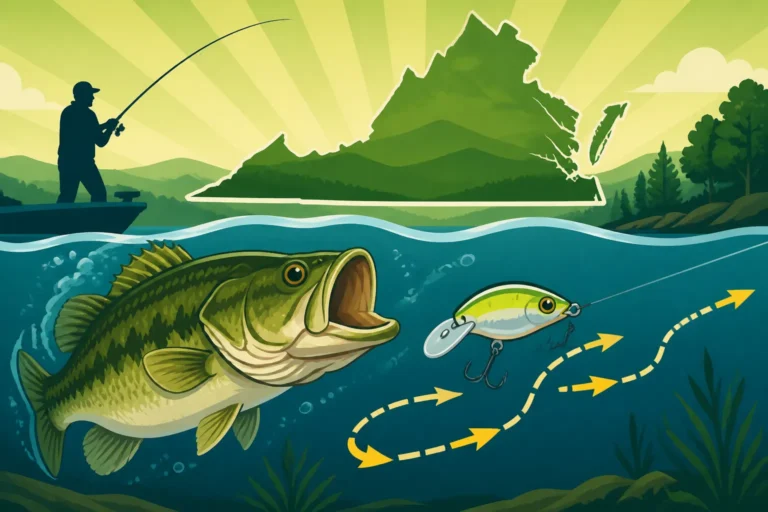
Fly fishing for smallmouth bass on the Shenandoah typically involves two incredibly fun and effective techniques: throwing streamers and working topwater flies. Streamers, which imitate baitfish or crayfish, are a go-to for smallmouth. Casting a Clouser Minnow, Woolly Bugger, or similar baitfish pattern across and downstream, then stripping it back with an erratic retrieve, can often trigger aggressive strikes. Vary your retrieve speed and depth until you figure out what the fish are looking for on that particular day. Sometimes a fast, jerky strip is key, while other times a slower, more deliberate retrieve will draw them out. The beauty of streamer fishing is that you can cover a lot of water and tempt fish holding in various types of structure.
Topwater fishing for smallmouth bass is, for many, the pinnacle of the experience. The explosive splash and violent tug of a bass hitting a popper or Gurgler on the surface is simply addictive. This technique is particularly effective during low-light conditions (dawn, dusk) or on overcast days, but aggressive bass will often hit topwater throughout the day, especially if the water is a bit choppier. Cast your topwater fly near structure, along current seams, or close to the bank, and then let it sit for a moment before imparting some action. A "pop-pop-pause" or a steady retrieve with occasional twitches can be deadly. Watch for wakes behind your fly, as bass will often follow before committing to a strike. This kind of visual fishing offers an unparalleled thrill. For more specific insights, consult resources like Fly Fishing for Smallmouth Bass.
Reading the Water for Smallmouth Success
Successfully fly fishing for smallmouth bass on the Shenandoah River largely hinges on your ability to "read the water" – interpreting its currents, depths, and structures to predict where fish might be holding. It's a skill that develops with experience, but some basic principles can give you a significant head start and reduce those frustrating moments of casting into empty water.
Start by identifying the main current and then look for anything that disrupts it. Large rocks create distinct current seams and eddies directly downstream. The bass will often sit in the calmer water of the eddy, darting out into the faster current to snatch prey. Similarly, fallen trees, brush piles, and undercut banks offer both cover and current breaks. Focus your casts on the edges of these structures, allowing your fly to drift into or past the prime ambush points.
Pay attention to changes in depth and bottom composition. A riffle spilling into a deeper pool is a classic smallmouth lie. Look for dark spots in the water, which often indicate deeper holes or larger boulders. These are prime holding areas. Also, observe the surface for any signs of feeding activity – a boil, a splash, or even a subtle swirl could indicate an active fish. The river's character also changes with its flow; during high water, bass might move closer to the banks or into calmer backwaters, while during low water, they'll concentrate in deeper pools and runs. Adjusting your strategy based on these subtle cues will significantly improve your catch rates and transform random casting into targeted angling.
Navigating the Shenandoah: Access and Regulations
Getting out on the Shenandoah River is one thing, but knowing where you can legally access it and understanding the rules that govern fishing is another entirely. Virginia has a well-defined system of regulations, and being informed is not just about avoiding fines, but also about being a responsible steward of the resource.
Key Access Points and Public Lands
The Shenandoah River offers numerous access points for anglers, ranging from designated public boat ramps to smaller, unimproved spots perfect for wade fishing or launching a kayak. The Virginia Department of Wildlife Resources (DWR) maintains many of these sites, making it relatively easy to find places to put in or walk in. In the North Fork, towns like Edinburg, Strasburg, and Front Royal offer good access. For the South Fork, look for access points around Luray, Bentonville, and Front Royal. Many of these points are ideal for floating the river in a canoe or kayak, allowing you to cover significant stretches of water and reach less-pressured areas.
Additionally, several state parks and national forest lands border the Shenandoah, providing excellent public access for wade fishermen and bank anglers. For example, Shenandoah River State Park offers miles of river frontage and multiple access points. Always consult DWR maps or local guides for the most current information on public access points, as conditions can change. Remember that while the riverbed and public access areas are fair game, much of the land bordering the river is privately owned. Understanding Virginia's Rules for Fishing on Public and Private Waters is crucial to avoid trespassing, which can be a frustrating and preventable mistake.
Understanding Virginia Fishing Regulations Explained and Trout Fishing License Rules Explained
Before you even think about casting a line, securing the proper Virginia fishing license is non-negotiable. The frustration of being caught without one is far greater than the cost of the license itself. You can purchase a Virginia fishing license online through the DWR website, at various sporting goods stores, or from authorized agents across the state. The type of license you need will depend on your residency status (resident or nonresident), the duration of your trip (annual, multi-day), and what species you intend to target. For most fly fishermen on the Shenandoah, a basic freshwater fishing license is sufficient. Details about this can be found in a comprehensive Virginia Fishing License Guide.
However, if you're specifically targeting trout in designated trout waters, you'll need an additional trout license or stamp. The Shenandoah system has both designated stocked trout waters and wild trout streams, and the regulations for each can vary. For instance, some wild trout streams have special catch-and-release only rules, or specific lure and fly restrictions. Understanding these nuances is critical. The Trout Fishing License Rules Explained document provides a thorough breakdown of these requirements, ensuring you're legally prepared for your trout pursuit. Always carry your license with you when fishing, either a physical copy or a digital one on your phone, as wildlife officers do frequent checks.
Respecting Private Property and River Etiquette
One of the biggest sources of tension and potential problems on any river system, including the Shenandoah, is the issue of private property. While the public has the right to navigate navigable waterways, walking on privately owned banks or accessing the river through private land without permission is trespassing. This is where a lot of misunderstandings and frustrations arise. Always look for clear signage, consult DWR maps for public access points, and if in doubt, choose another location. Being respectful of landowners is essential for maintaining good relationships and ensuring continued public access in the future.
Beyond private property, practicing good river etiquette is part of being a responsible angler. This includes "Leave No Trace" principles: pack out everything you pack in, and even pick up any litter you find. Be mindful of other anglers – give them plenty of space, especially if they are already fishing a run. If you're floating, try not to motor or paddle directly over someone who is wading or casting. Practice catch-and-release with care, especially for wild trout and larger smallmouth bass, ensuring fish are handled gently and released quickly. Understanding how to responsibly handle and release fish contributes directly to conservation efforts, a topic further explored in How Fishing License Fees Support Wildlife Conservation in Virginia. These small actions collectively preserve the beauty and quality of the Shenandoah for everyone.
Seasonal Strategies for Year-Round Fly Fishing
The Shenandoah River, much like Virginia's climate, changes dramatically with the seasons. What works like magic in spring might be completely ineffective in the dog days of summer. Adapting your strategies and expectations to these seasonal shifts is crucial for consistent success and for making the most of your time on the water.
Spring: Hatches, Spawns, and Prime Opportunities
Spring on the Shenandoah is a time of renewed life and, for fly fishermen, incredible opportunity. As the snow melts and rains swell the river, water temperatures begin to rise, triggering insect hatches and fish activity. Early spring can be marked by cold, high water, making nymphing the most productive trout technique, particularly with larger stonefly or caddis larvae patterns. As spring progresses, usually from April into May, the famous caddis hatches emerge, leading to explosive dry fly fishing for trout in the tributaries and sometimes even in the main stem where conditions are right. Mayfly hatches, though often more sporadic, can also provide fantastic dry fly opportunities.
For smallmouth bass, spring is also a prime time, especially as they move into their pre-spawn and spawning phases. As water temperatures climb into the 50s and low 60s Fahrenheit, bass become incredibly active, feeding aggressively to build energy for spawning. This is an excellent time to target them with streamers, working them slowly through deeper pools and current breaks. Once they begin to spawn (typically late May into June, depending on water temperature), they become highly territorial. While tempting, it's best to avoid targeting bedding bass directly, as this can disrupt their reproduction. Instead, focus on aggressive post-spawn fish that are often very willing to chase a fly. This period offers some of the year's best chances for hooking a trophy smallmouth.
Summer: Low Water, Topwater Action, and Early Mornings
Summer on the Shenandoah brings longer days, warmer temperatures, and often, lower water levels. While this can make trout fishing challenging in the main river due to rising water temperatures, it can create fantastic conditions for smallmouth bass. In the trout-specific tributaries, focus your efforts on the coolest, most shaded sections, fishing at dawn or dusk when temperatures are at their lowest. Terrestrial patterns like hoppers, beetles, and ants are often the most productive dry flies during summer for trout and can also tempt smallmouth.
For smallmouth bass, summer means topwater action! As temperatures stabilize and baitfish become abundant, bass eagerly chase poppers, Gurglers, and deer hair bugs on the surface, particularly during early mornings, late evenings, and overcast days. During the heat of midday, bass will often retreat to deeper, cooler pools, or hold tight to shaded structure like fallen trees and undercut banks. Switching to weighted streamers and fishing them deep and slow during these times can still be very productive. Look for concentrated groups of bass in these cooler refuges. Remember, low water can make fish warier and expose more riverbed, so stealthy approaches are key. The Best Time to Fly Fish the Shenandoah River in Virginia often points to summer for exciting bass action.
Fall and Winter: Fewer Crowds and Big Fish Potential
As autumn arrives, the Shenandoah undergoes another transformation. Cooler temperatures reinvigorate both trout and smallmouth, and the vibrant fall foliage creates an absolutely stunning backdrop for fishing. For trout, fall can be a golden season, particularly for brown trout which often become more aggressive as they prepare for their spawn. Nymphing remains highly effective, and occasional late-season hatches can still provide dry fly opportunities. This is also a fantastic time to target the Best Trout Streams in Virginia in the Shenandoah Valley, as fishing pressure typically eases.
Winter, while often overlooked, can be a time for solitude and the chance at a truly large fish. Both trout and smallmouth become less active in the cold water, but they still need to feed. This means your approach needs to be slower and more methodical. For trout, focus on deep, slow pools with small, subtle nymph patterns. For smallmouth, larger, heavier streamers fished slowly along the bottom of the deepest pools can entice a lethargic but hungry bass. The key is to fish during the warmest parts of the day, often midday, and to make repeated casts to known holding areas. Winter fishing often means fewer casts, but potentially bigger rewards, and the quiet beauty of the snow-dusted river can be incredibly peaceful. Don't let the cold deter you; with the right gear, winter fly fishing can be immensely rewarding.
Environmental Factors and Conservation
As fly fishermen, we are inherently tied to the health of the aquatic environments we cherish. The Shenandoah River is a precious resource, and understanding the environmental factors that influence it, along with our role in its conservation, is paramount. Our actions, both on and off the water, directly impact the fishing experiences of today and for generations to come.
The Impact of Water Levels and Clarity
Water levels and clarity are perhaps the most significant environmental variables affecting fly fishing on the Shenandoah River, and they can be a source of constant frustration if not understood. Being a freestone river, its flow is largely dependent on recent rainfall. After heavy rains, the river can rise rapidly, become muddy, and be unfishable for several days. This high, turbid water reduces visibility for both fish and anglers, makes wading dangerous, and can scatter fish. Conversely, during extended dry spells, water levels can drop significantly, making fish wary and concentrating them in deeper pools. Low water also means less current, which can reduce oxygen levels and make fish lethargic, particularly in warmer summer months.
Experienced Shenandoah anglers learn to monitor river gauges and weather forecasts closely. Websites like the USGS National Water Information System provide real-time data on river flows and levels. When the water is high and muddy, it's often best to wait it out or seek out smaller, clearer tributaries. If the water is low and clear, a stealthy approach, longer leaders, and more delicate presentations are required. These fluctuations highlight the dynamic nature of the river; it's rarely the same two days in a row. Adapting to these conditions, rather than fighting them, is a mark of a truly knowledgeable angler, and it helps reduce the feeling of powerlessness when faced with unfavorable conditions.
Catch and Release Best Practices
While the Shenandoah River provides opportunities to harvest certain fish, practicing catch and release is a cornerstone of fly fishing ethics, especially for wild trout and larger smallmouth bass, ensuring the long-term health of the fishery. Properly executed catch and release minimizes stress and injury to the fish, significantly increasing its chances of survival after being caught. It can be disheartening to see a fish you've fought hard to land not make it after release.
Here are some best practices:
- Minimize Fight Time: Use appropriate tackle that allows you to land the fish quickly, reducing exhaustion.
- Keep Fish in Water: Avoid removing the fish from the water as much as possible. Even a few seconds out of water can cause significant stress, especially to internal organs.
- Wet Your Hands: Always wet your hands before touching a fish. Dry hands can remove the protective slime layer, leaving the fish vulnerable to disease.
- Handle Gently: Support the fish horizontally, never vertically by the jaw or tail alone. Avoid squeezing, especially around the gills or belly.
- Remove Hook Quickly: Use forceps or a hemostat to quickly remove the hook. If the hook is deeply embedded and cannot be removed without causing further damage, cut the leader as close to the hook as possible. Barbless hooks greatly facilitate quick and easy removal.
- Revive Carefully: If the fish seems stressed, hold it gently facing into the current in calm water until it regains its strength and can swim away on its own. Don't pump it back and forth, as this can force water the wrong way through its gills.
- No Photo Op Distress: If you must take a photo, do it quickly with the fish barely out of the water for a brief moment, then immediately return it. Prioritize the fish's life over a perfect picture.
How Fishing License Fees Support Wildlife Conservation in Virginia
Many anglers, especially beginners, often grumble about the cost of a fishing license, not realizing the profound impact their fees have. The truth is, that every dollar spent on a How to Get a Fishing License in Virginia and subsequent license purchase directly contributes to the conservation and management of Virginia's fisheries and wildlife resources. This funding is crucial, often forming the backbone of state wildlife agency budgets, like the Virginia Department of Wildlife Resources (DWR).
These license fees are not simply revenue; they are specifically earmarked for vital programs that directly benefit the Shenandoah River and its fish populations. This includes:
- Fish Stocking Programs: The DWR uses funds to stock trout and other species in various waters, including parts of the Shenandoah system, ensuring sustained fishing opportunities.
- Habitat Restoration and Protection: Funds go towards projects that improve aquatic habitats, such as restoring riparian zones, removing barriers to fish migration, and enhancing spawning grounds.
- Research and Monitoring: Essential scientific studies on fish populations, water quality, and environmental impacts are funded to ensure sustainable management practices.
- Law Enforcement: The salaries and equipment for game wardens who patrol rivers like the Shenandoah, enforce regulations, and deter poaching are supported by these fees, ensuring fair and legal fishing for everyone.
- Public Access Development: Funds are used to acquire, develop, and maintain public boat ramps, fishing piers, and wade access points, ensuring anglers have places to fish.
- Education Programs: DWR also runs educational initiatives to teach responsible angling, conservation ethics, and fishing techniques to the next generation of anglers.
So, the next time you purchase your license, remember that you're not just buying permission to fish; you're actively investing in the health and future of the Shenandoah River and all of Virginia's incredible fishing resources. It’s an essential part of being a true conservation-minded angler, turning a perceived cost into a real contribution.
Planning Your Shenandoah Fly Fishing Adventure
A successful fly fishing trip on the Shenandoah River, whether for trout or smallmouth, is about more than just having the right gear and knowing the techniques. It's about careful planning, leveraging local knowledge, and preparing for the unexpected. Even seasoned anglers can get tripped up by overlooked details, so taking the time to plan ensures a smoother, more enjoyable, and ultimately more rewarding experience.
Finding Local Resources and Virginia Fishing Charters and Guides The Complete Guide
One of the best ways to shorten the learning curve and maximize your success on the Shenandoah is to tap into local knowledge. Before you even leave home, spend some time online researching local fly shops in towns like Front Royal, Luray, or Edinburg. These shops are goldmines of up-to-the-minute information on hatches, water conditions, and the most effective fly patterns. They can tell you if the river is high and muddy, if a specific section is fishing well, or what local anglers are having success with. Often, a quick phone call can save you a wasted trip or guide you to a fantastic day.
If you're new to the Shenandoah, or to fly fishing in general, consider hiring a guide. While it's an investment, a good guide can provide invaluable instruction, put you on fish, teach you how to read the specific waters of the Shenandoah, and show you access points you might never find on your own. Resources like the Virginia Fishing Charters and Guides The Complete Guide can help you find reputable local outfits specializing in fly fishing for both trout and smallmouth. They provide the boat, the gear, and the expertise, allowing you to focus on the fishing and learning. This can be particularly beneficial for Is the Shenandoah River Good for Fly Fishing Beginners?, as an experienced guide can prevent initial frustrations. Even for experienced anglers, a guide can reveal new spots and techniques specific to the Shenandoah that elevate your fishing.
Essential Packing List and Contingency Planning
Beyond your core fly fishing gear (rod, reel, flies, waders), a well-thought-out packing list and some contingency planning can make or break your Shenandoah adventure. Start with clothing: layers are always best, as mountain weather can change quickly. Quick-drying fabrics are preferred, and always pack a rain jacket, even if the forecast looks clear. Sun protection is crucial: a wide-brimmed hat, sunglasses (polarized are a must for spotting fish and protecting your eyes), and sunscreen will save you from a miserable sunburn.
Food and water are non-negotiable. Bring plenty of water, more than you think you'll need, especially in warmer months. Snacks like energy bars, nuts, or fruit will keep you fueled throughout the day. A small first-aid kit with essentials like bandages, antiseptic wipes, pain relievers, and any personal medications is also vital. A multi-tool or knife can come in handy for various tasks. For contingency planning, always let someone know your float plan or where you intend to wade, and when you expect to return. Have a fully charged phone, but don't rely on it for navigation or emergencies in remote areas where service can be spotty. Consider a small power bank. Pack a headlamp or flashlight if there's any chance you'll be on the water near dusk. And, of course, ensure your Virginia Fishing License Guide is readily accessible. Being prepared for minor inconveniences can prevent them from becoming major headaches, turning potential frustrations into minor bumps in the road.
Overcoming Common Fly Fishing Frustrations
Let's be real: fly fishing can be frustrating. Between tangles, missed strikes, flies not drifting right, and the fish seemingly disappearing, it's easy to get discouraged. The Shenandoah River, with its diverse conditions, can present its own set of challenges. But understanding common frustrations and having strategies to overcome them is key to staying positive and enjoying your time.
- Knots and Tangles: This is almost inevitable. When a knot hits, take a deep breath. Don't try to force it. Take off your sunglasses, find good light, and carefully work it out. If it's too bad, cut it and re-tie. Consider investing in a good knot-tying tool. For leader tangles, stretch out your leader before you start fishing.
- No Bites: If you're not getting any action, don't keep doing the same thing. Change flies, adjust your depth (for nymphs/streamers), change your retrieve speed, or move to a different type of water. Sometimes, a tiny change in fly color or size can make all the difference. Remember, fish are often holding in spots you least expect.
- Reading the Water: It's a skill that takes time. If you're struggling, slow down. Watch the current, look for subtle breaks, and observe where any rising fish or baitfish are congregating. If you're wading, move slowly and deliberately, observing the bottom for fish or structure before you cast.
- The Weather: Unpredictable weather can be a pain. If it's too hot, too cold, or too windy, adjust your expectations and techniques. Focus on shaded areas in heat, deeper spots in cold, and heavier flies/shorter casts in wind. Sometimes, embracing the "challenge" of adverse conditions can lead to unexpected rewards and a deeper appreciation for the experience.
Remember, fly fishing is a journey, not just a destination. Each outing on the Shenandoah, even the frustrating ones, is an opportunity to learn and grow as an angler. Embrace the challenge, enjoy the stunning scenery, and celebrate every small success along the way. That's the true spirit of fly fishing the Shenandoah.
Disclaimer
The information provided in this guide is for general informational purposes only and should not be considered a substitute for official regulations. Fishing regulations, license requirements, and access points can change frequently. Always consult the most current Virginia Department of Wildlife Resources (DWR) regulations and maps before planning your fishing trip. Ensure you have the appropriate licenses and stamps for your target species and location. Adhere to all local, state, and federal laws, and respect private property. Fishing inherently carries risks; always prioritize your safety and inform others of your plans.