Best Techniques for Fishing After a Cold Front
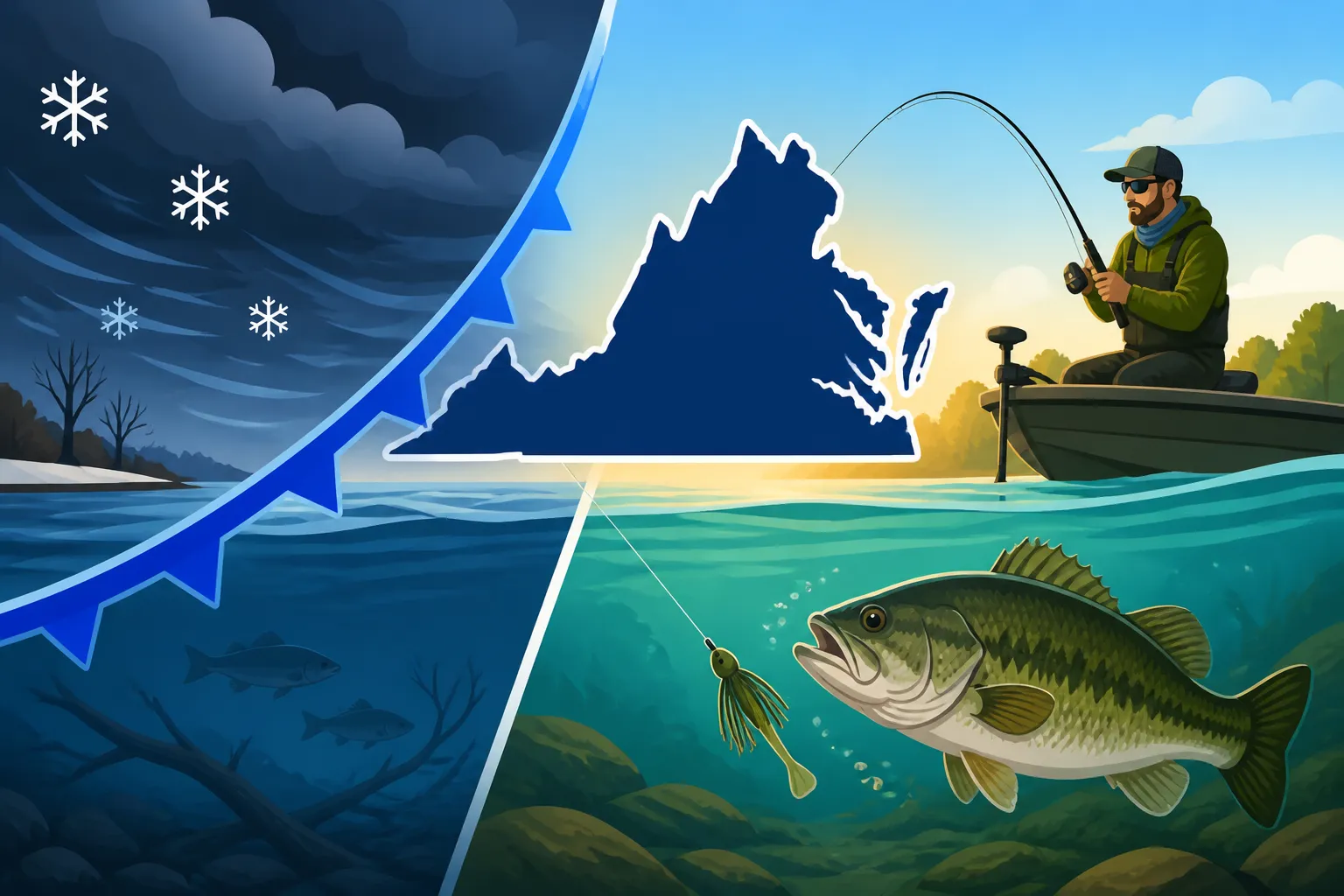
There's nothing quite like the crushing disappointment of planning a perfect fishing trip, only for a sudden cold front to roll in and seemingly shut everything down. That beautiful, active bite you were anticipating vanishes, leaving you wondering if you should just pack up and go home. But don't despair! Fishing after a cold front isn't about giving up; it's about adapting. This guide will help you understand how these weather changes impact our finned friends in Virginia and equip you with the best techniques to still find success, even when the thermometer plummets.
Understanding How Cold Fronts Impact Fish Behavior
A cold front isn't just a drop in air temperature; it's a complete shift in environmental conditions that profoundly affects fish. Anglers often feel like fish vanish entirely, but in reality, their behavior simply changes dramatically. Knowing why they react this way is the first step to figuring out how to catch them.
Barometric Pressure Changes and Fish Metabolism
One of the most significant, yet often unseen, impacts of a cold front is the rapid change in barometric pressure. Before a front arrives, the pressure often drops, which can make fish more active and willing to feed aggressively. This is why some of the best fishing days happen right before a storm or major weather change. However, once the cold front passes, the barometric pressure typically rises sharply and stabilizes at a higher level. This high-pressure system can make fish feel uncomfortable, causing them to become lethargic and less inclined to chase prey.
Think of it like us feeling a sudden shift in air pressure – it can give you a headache or make you feel sluggish. Fish experience something similar. Their swim bladders, which help them maintain buoyancy, are highly sensitive to these pressure changes. When the pressure stabilizes at a higher point, it can compress their swim bladders, making them feel uneasy and less inclined to move around. They often seek deeper water where the pressure changes are less abrupt, or they simply hunker down in dense cover. Understanding how vital this is to their behavior can inform your strategy, as explored further in our article on Does Barometric Pressure Affect Fishing?.
Water Temperature Drops and Fish Metabolism
Alongside the atmospheric pressure, cold fronts inevitably bring a drop in water temperature, which directly impacts a fish's metabolism. Fish are cold-blooded creatures, meaning their body temperature is regulated by their environment. When the water cools rapidly, their metabolic rate slows down significantly. This means they need less food, digest slower, and have less energy to expend on chasing down fast-moving prey.
A sudden chill can send fish into a state of shock, or at least a severe case of sluggishness. You'll notice this most acutely with species like largemouth bass, which thrive in warmer waters. They won't be actively cruising the shallows or ambushing baits with their usual vigor. Instead, they'll conserve energy, often moving to areas where the water temperature is more stable or slightly warmer. This often means deeper water, or spots with dark bottoms that absorb more heat. You'll definitely want to understand Water Temperature and Fish Feeding Patterns to really dial in your approach.
Adjusting Your Approach: Lure, Bait, and Presentation
Since fish are less active and more lethargic after a cold front, your typical go-to lures and aggressive retrieves are likely to be ignored. This is the time to slow down, scale back, and focus on finesse.
Slower, More Subtle Presentations
The biggest mistake anglers make after a cold front is continuing to fish as they would on a warm, sunny day. Fast retrieves, noisy topwater lures, and aggressive jigging will often spook or simply be ignored by cold-shocked fish. The key here is to present your bait as slowly and subtly as possible, making it an easy meal that doesn't require much effort to catch.
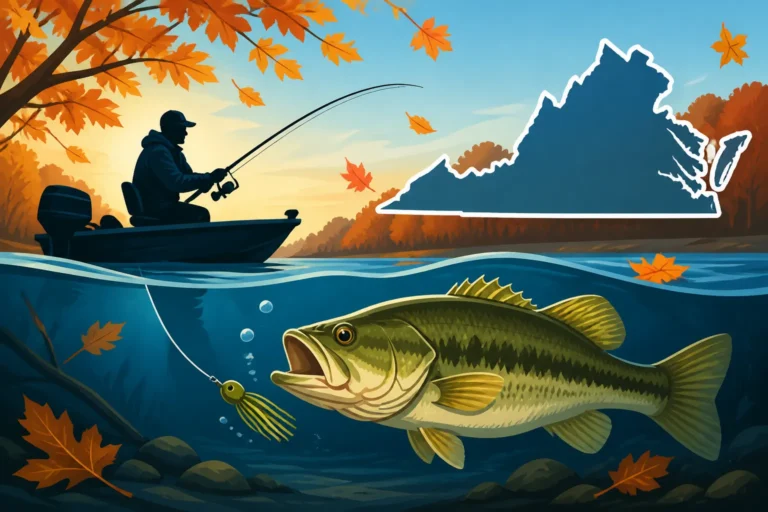
Imagine a bass hunkered down in a brush pile, barely moving. It's not going to chase a crankbait zipping by. Instead, a plastic worm or jig slowly dragged along the bottom, pausing for extended periods, is much more likely to draw a strike. You want your bait to appear vulnerable, an effortless meal for a fish trying to conserve energy. This might mean letting a jig sit for 10-15 seconds on the bottom, barely twitching it, or slowly crawling a soft plastic lure. Remember, the fish aren't actively hunting; they're reacting to an opportunity right in front of them. For specific bass tips, check out How to Catch Bass After a Cold Front.
Downsizing Baits and Lures
Another effective strategy when the bite gets tough is to downsize your offerings. Smaller baits require less effort for a fish to consume, and they often present a less intimidating profile to a wary, inactive fish. While you might typically throw a 6-inch plastic worm, try a 4-inch version. If you're using a large spinnerbait, switch to a smaller, more compact jig.
Finesse presentations often involve smaller hooks and lighter lines as well, allowing for a more natural presentation. Consider subtle plastic baits like Ned rigs, small grubs, or tiny hair jigs. Even live bait like minnows or worms can be presented on smaller hooks under a tiny float, allowing them to drift naturally with the current or slowly sink to the fish's depth. Many excellent finesse baits, from tiny jigs to micro-plastics, can be found readily available on platforms like Amazon.
Natural Baits and Scent Enhancements
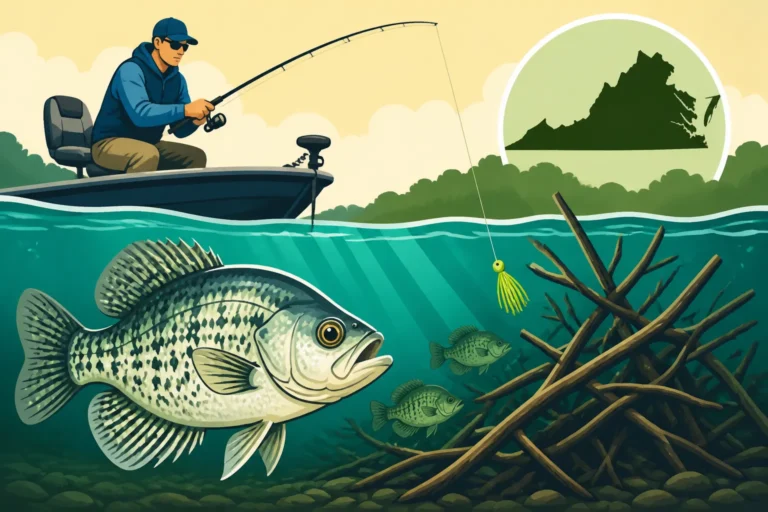
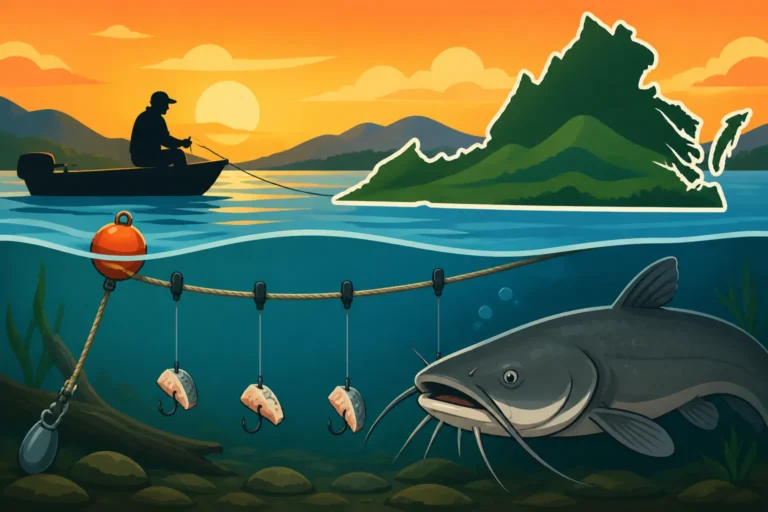
When fish are sluggish and not actively feeding, their sense of smell can play a more crucial role. This is where natural baits and scent attractants truly shine. Live bait such as nightcrawlers, minnows, or shiners are often irresistible because they smell, taste, and look like real food. For crappie, a small minnow under a bobber can be deadly. For catfish, stink baits or cut bait are always a reliable choice, especially when they've retreated to deeper holes, as discussed in Catfish Bottom Fishing Techniques.
If you prefer using artificial lures, consider adding a scent enhancer. These come in various sprays, gels, or pastes and can be applied directly to your soft plastics, jigs, or even hard baits. The added scent can entice a finicky fish to hold onto the lure longer, giving you more time to set the hook, even if they're not hitting it with their usual enthusiasm. Stocking up on a variety of scents from a retailer like Amazon before a trip can sometimes make all the difference.
Finding Fish After a Cold Front: Where to Look
Fish don't disappear after a cold front; they simply move to different locations where conditions are more tolerable. Your success depends on finding these sanctuaries.
Deeper Water Sanctuaries
One of the most common reactions of fish to a cold front is to move to deeper water. There are several reasons for this. First, deeper water tends to be more stable in temperature; it cools down slower and warms up slower than shallow water. This provides a more consistent environment for fish when surface temperatures are fluctuating wildly. Second, as mentioned earlier, the higher barometric pressure often drives fish deeper where the pressure changes are less drastic.
Look for deep holes, channel bends, submerged timber, or ledges where fish can hold comfortably. For bass, this might mean moving from a shallow cove to the main lake channel edge or a deep brush pile. For crappie, they'll often suspend over deep water near structure or congregate in brush piles on the bottom. Catfish will almost certainly be in the deepest holes available. This is where having good electronics, like a fish finder, really pays off, allowing you to see what's happening beneath the surface and identify these holding areas. Our guide on How to Find Fish From a Boat With a Fish Finder offers more insight.
Cover and Structure for Ambush Points
Even in deeper water, fish will still relate to cover and structure. This provides them with a sense of security from predators, a place to escape the light, and potential ambush points for passing prey, however infrequent those opportunities might be. Fallen trees, rock piles, docks, bridge pilings, and weed lines can all hold fish.
After a cold front, fish will often hug these structures very tightly. You might need to make multiple, very precise casts to the same piece of cover to elicit a strike. Think about pitching a jig into the thickest part of a submerged tree, or slowly working a soft plastic along the bottom right next to a dock post. Don't be afraid to try multiple angles and let your bait sit for extended periods right in the strike zone. This is a common tactic used for Best Techniques for Winter Fishing, and it applies here too.
Focusing on Northern Shores and Warmer Pockets
While fish generally move deeper, there are exceptions, especially in lakes and ponds. On clear, sunny days immediately following a cold front, the sun's rays can penetrate the water and warm up shallow areas, particularly on north-facing banks or in shallow coves that are protected from cold winds. Dark bottom materials like mud or rocks will absorb more solar radiation, warming the water slightly.
These subtle temperature increases, even just a degree or two, can be enough to draw some fish into shallower water for short feeding windows. Consider these "warm pockets" as potential goldmines. They won't be as active as during normal conditions, but a well-placed bait fished slowly can still trigger a bite. This is a nuanced approach that requires understanding subtle environmental cues.
Gear and Patience: Essential for Success
Fishing after a cold front demands specific gear and, perhaps even more importantly, a mindset of extreme patience. You're not looking for an aggressive bite; you're looking for subtle taps and nudges.
Importance of Sensitive Equipment
When fish are barely biting, a sensitive rod and reel combination is paramount. You need to be able to feel the lightest tap, the subtle weightlessness of a fish picking up your bait, or the slight tick as your lure grazes a piece of cover. A medium-light or medium-action rod with a fast tip, made from graphite, will transmit these subtle sensations much better than a fiberglass rod.
Pair this with a good quality spinning reel spooled with fluorocarbon or braided line. Fluorocarbon is nearly invisible underwater and has very low stretch, which enhances sensitivity. Braided line offers even more sensitivity due to its zero stretch, but you might want to tie a fluorocarbon leader to it for stealth. Investing in good quality gear, perhaps from a trusted outdoor retailer on Amazon, will give you a significant advantage when the bite is tough. For a broader overview of the species you might encounter, delve into Virginia Bass Fishing: Largemouth, Smallmouth, Spotted, and Alabama Bass.
The Virtue of Slow and Steady
Patience isn't just a virtue when fishing after a cold front; it's a non-negotiable requirement. You'll likely go for long stretches without a bite. You might question your techniques, your bait, or even your sanity. But resist the urge to speed up your retrieve or abandon a promising spot too quickly. Remember, fish are lethargic. They're not going to hit your lure on the first pass.
Make multiple casts to the same piece of cover. Work your bait agonizingly slow. Let it sit. Then move it just a tiny bit. Then let it sit again. The bite will often feel like a subtle "thump," a slight sideways movement of your line, or simply a feeling of added weight. It won't be the aggressive smash you're used to. Stay focused, watch your line for any unusual movement, and be ready to set the hook at the slightest indication. This slow, methodical approach is often the only way to entice a strike under these challenging conditions. For more general advice on timing, consider Virginia Fishing Seasons Explained.
Comparing Pre-Front vs. Post-Front Fishing Strategies
To truly highlight the shift in approach needed, let's look at how your strategies change drastically from before a cold front hits to after it has passed and stabilized.
| Strategy Aspect | Before Cold Front | After Cold Front |
|---|---|---|
| Fish Activity | High, active, aggressive feeding | Low, lethargic, inactive, cautious |
| Preferred Depth | Often shallower, cruising coves and flats | Deeper water, tight to bottom or structure |
| Lure Size | Larger, bolder profiles | Smaller, finesse-oriented |
| Retrieve Speed | Faster, erratic, power fishing | Extremely slow, subtle, painstaking |
| Bait Type | Reaction baits (crankbaits, spinnerbaits) | Finesse soft plastics, small jigs, natural bait |
| Focus Area | Active feeding lanes, schooling fish | Isolated cover, deep structure, thermal refuges |
| Line Visibility | Less critical | More critical (fluorocarbon leader preferred) |
| Patience Level | Moderate, anticipating quick bites | Extreme, long waits between subtle bites |
This table clearly illustrates why trying to fish the same way after a cold front as you did before is a recipe for frustration. A complete mental and tactical shift is required.
Disclaimer
This article is for general informational purposes only and does not constitute professional advice. Laws, prices and regulations vary by location and change over time. Consult a qualified professional for guidance on your specific situation.