Does Barometric Pressure Affect Fishing?
Have you ever had one of those days on the water in Virginia where everything felt right – the sun was shining, your favorite lure was tied on, and you just knew you were going to crush it – only to find the fish completely shut down? Or, conversely, found yourself in less-than-ideal weather, only for the fish to be biting like crazy? It's incredibly frustrating when you can't pinpoint why the fish are acting the way they are. This often leaves anglers scratching their heads, wondering if there's some secret sauce they're missing. Well, one of the most talked-about, yet often misunderstood, factors affecting fish behavior is barometric pressure. Let's dive deep into what it is and how it truly impacts your fishing success here in Virginia.
Understanding Barometric Pressure and How It Works
Before we can talk about how it affects fishing, we need to get a handle on what barometric pressure actually is. Don't worry, we're not going to turn this into a physics lesson, but a basic understanding will make all the difference in connecting the dots to fish behavior.
What Exactly Is Barometric Pressure?
Think of barometric pressure as the weight of the air pressing down on the Earth's surface, and by extension, on the water. Our atmosphere is a massive blanket of air, and that air has weight. This weight isn't constant; it changes based on atmospheric conditions. When we talk about high pressure, it means there's a heavier column of air pressing down. When it's low pressure, the air column is lighter. These changes in air pressure are directly linked to the weather patterns we experience every day. A high-pressure system typically brings clear skies, calm winds, and fair weather, while a low-pressure system is often associated with clouds, rain, and stormy conditions. It's this subtle, invisible force that plays a huge role in the natural world, including the underwater realm.
The Fisherman's Barometer: Interpreting the Readings
For us anglers, understanding barometric pressure isn't about memorizing weather maps, but about interpreting what a rising, falling, or stable reading means for the fish. A barometric pressure reading is usually given in inches of mercury (inHg) or millibars (mb). You'll often see readings somewhere in the 29-31 inHg range.
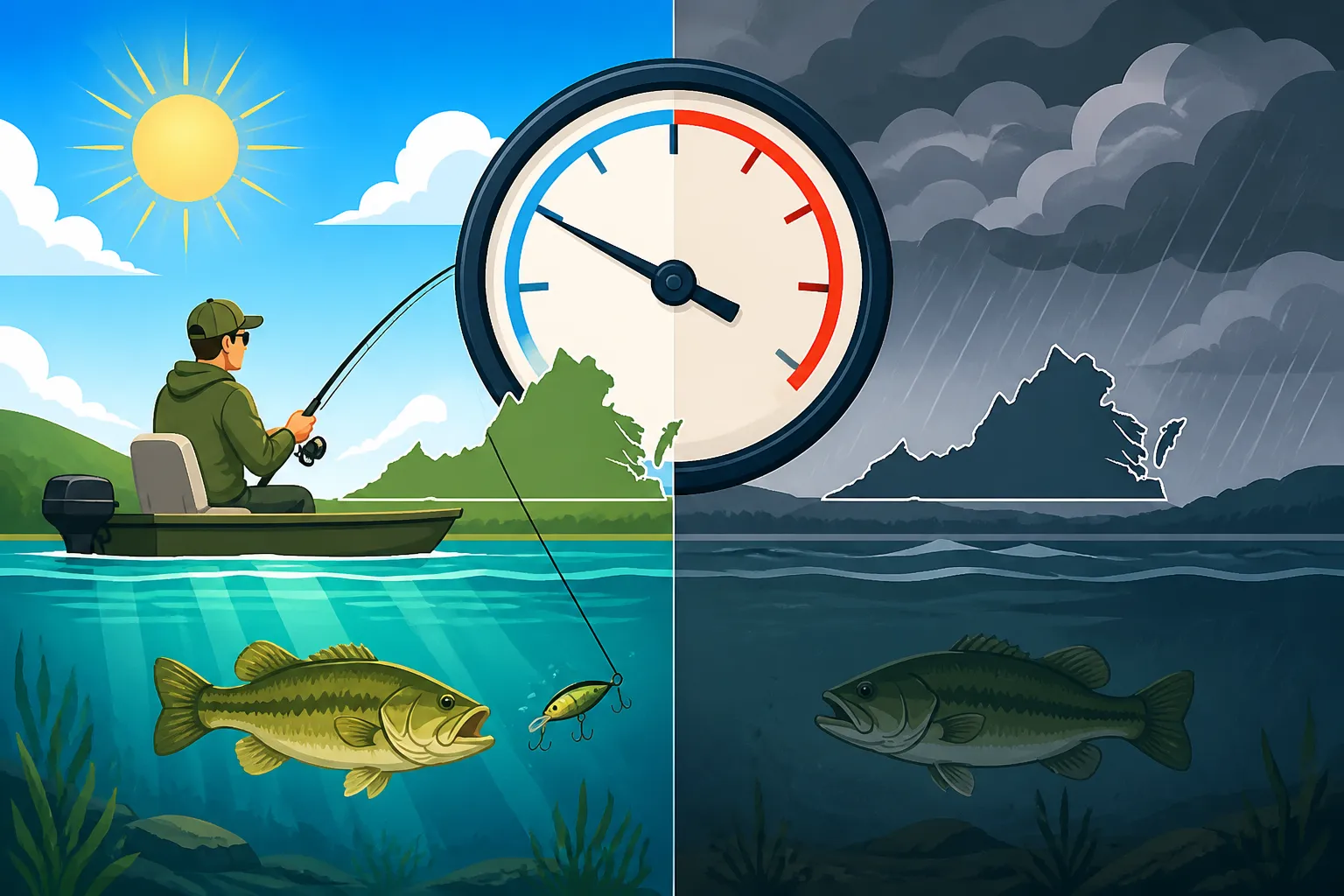
- High Pressure (e.g., 30.50 inHg and rising/stable): Generally indicates fair weather. Fish may become less active, moving deeper or tighter to cover. They might feel more "pressure" (pun intended) and be less inclined to feed aggressively.
- Falling Pressure (e.g., 30.10 inHg and dropping): This is often associated with approaching bad weather, like a storm front. Many anglers believe this is a prime feeding time as fish sense the impending change and feed aggressively before conditions worsen.
- Low Pressure (e.g., 29.80 inHg and stable/falling): Indicates unsettled or stormy weather. Fish can become lethargic and less inclined to bite during or immediately after a major low-pressure system.
- Rising Pressure (e.g., 29.90 inHg and rising): This typically follows a low-pressure system, signaling improving weather. Fishing can be slow immediately after a storm as conditions stabilize, but often picks up as the pressure continues to rise and stabilize.
Understanding these simple interpretations can give you a significant edge, helping you decide whether to throw a big, noisy topwater or a tiny, finesse worm.
The Science Behind Barometric Pressure and Fish Behavior
It's not just folklore; there's real biological and ecological science explaining why barometric pressure has such an impact on our finned friends. Fish aren't just swimming around aimlessly; they're constantly reacting to their environment.
How Pressure Changes Affect Fish Physiology
The primary reason fish are so sensitive to barometric pressure changes lies in their swim bladder. Most fish species have a swim bladder, an internal gas-filled organ that helps them maintain buoyancy in the water column. Think of it like a built-in submarine ballast tank. When atmospheric pressure changes, it directly affects the pressure on the water, which in turn affects the pressure exerted on the fish's swim bladder.
When barometric pressure falls, the external pressure on the water decreases, causing the gas in a fish's swim bladder to expand slightly. This can make the fish feel buoyant, perhaps a little uncomfortable, and they might need to move deeper to equalize the pressure, or expel some gas. Conversely, when barometric pressure rises, the increased external pressure compresses the swim bladder, making the fish feel heavier. They might then move shallower or take in more gas to adjust. These physiological adjustments can make them feel out of sorts, less energetic, and less interested in feeding. This is why many anglers observe a dip in activity during a stable high-pressure system; the fish are simply less inclined to chase a meal.
The Impact on Baitfish and the Food Chain
It’s not just the game fish that feel these pressure changes; baitfish and even smaller aquatic organisms are also affected. When barometric pressure changes, it can influence the depth at which plankton and small invertebrates congregate. This, in turn, can cause baitfish, which feed on these organisms, to shift their locations in the water column.
If the baitfish move deeper or scatter due, for example, to rising pressure after a storm, the larger predatory fish will naturally follow them, or they may become more dispersed as their food source is harder to find. This ripple effect up the food chain is crucial. If the bass or striped bass can't easily locate their primary food source, they're less likely to be in an aggressive feeding mood, regardless of what lure you're throwing. Understanding these subtle shifts means you can often anticipate where the food is, and therefore, where the fish should be.
Water Column Movements and Fish Location
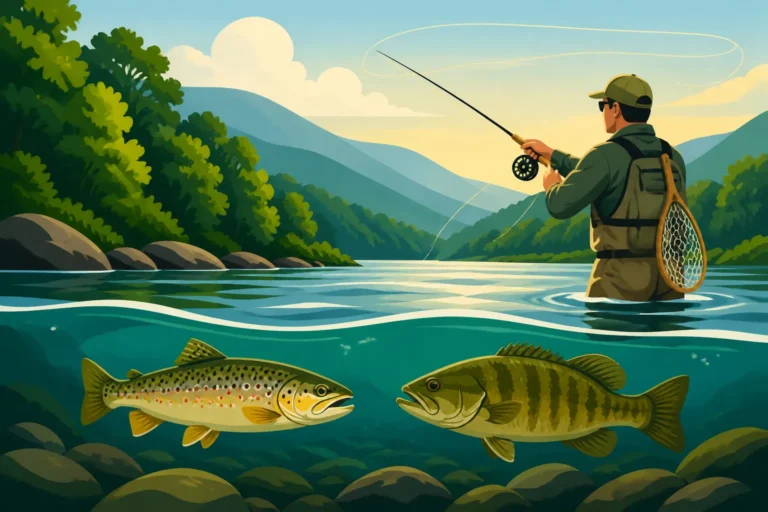
Barometric pressure doesn't just make fish uncomfortable; it often dictates their preferred depth. During periods of stable high pressure, fish often retreat to deeper, more comfortable water where the pressure differential on their swim bladder is less pronounced. They might hug the bottom or tight to submerged structure. This is especially true for species like trout in Virginia's cool mountain streams or even bass in our larger reservoirs like Smith Mountain Lake.
Conversely, a falling barometer, often preceding a storm, frequently brings fish shallower and makes them more active. They might be sensing the impending weather change and trying to "fill up" before conditions get rough. This is when you might see fish actively schooling and feeding on the surface or ambushing bait in shallower coves. Once the low pressure hits and the storm is active, they often retreat to very deep water or thick cover, waiting for the weather to pass. As the pressure begins to rise again after the storm, they slowly become more active, moving towards comfortable depths and starting to feed again, albeit often cautiously at first.
Fishing Strategies for Different Barometric Conditions in Virginia
Knowing what barometric pressure does is one thing, but knowing how to use that knowledge on the water is where the magic happens. Adapting your Virginia fishing techniques to the current pressure conditions can drastically improve your catch rates.
High and Stable Pressure: Clear Skies, Tricky Bites
Those beautiful, clear "bluebird" days after a cold front passes through often coincide with high, stable barometric pressure. While it's lovely weather to be outside, fishing can become incredibly tough. The fish often feel the increased pressure, become lethargic, and can be easily spooked. They'll frequently move deeper, seek out heavy cover, or suspend in open water away from direct light.
For bass, especially largemouth and smallmouth across Virginia's lakes and rivers, this means slowing down your presentation. Think finesse: light line, small baits, and a very subtle approach. Jigs, drop shots, and Carolina rigs worked painstakingly slowly on the bottom can entice a reluctant bite. If you're targeting trout in a clear mountain stream, try smaller nymphs or dry flies presented with utmost stealth. For these tough conditions, having a variety of smaller baits on hand, easily purchased from Amazon, can make a huge difference. Sometimes, fish will only react to a very small, natural-looking offering when the pressure is high. Remember, stealth and patience are your best friends here. You'll often find that the advice for Best Techniques for Fishing After a Cold Front closely aligns with these high-pressure scenarios.
Falling Pressure: The Pre-Front Feeding Frenzy
This is arguably the most exciting time to be on the water! As a low-pressure system approaches, the barometer begins to fall. Fish often sense this change hours, or even a day, before the storm actually hits. They seem to know that uncomfortable conditions are coming, and they'll go on a serious feeding binge to stock up. This is when you can really capitalize on aggressive bites.
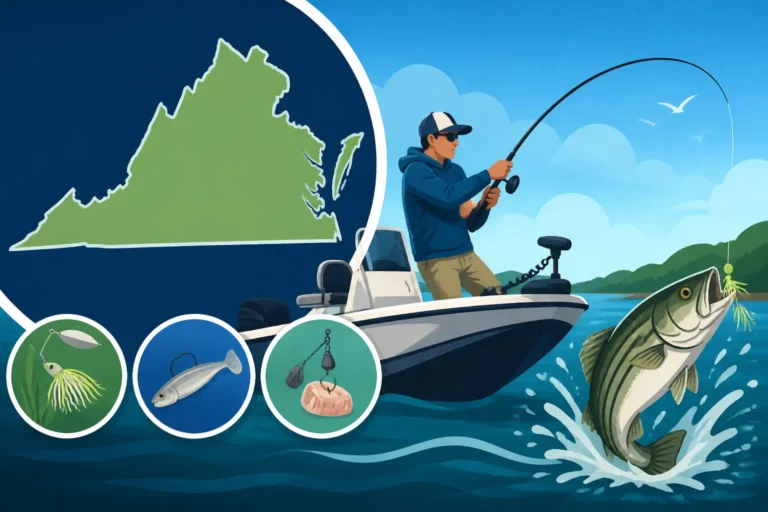
For bass and striped bass, this is the time to throw those reaction baits. Crankbaits, spinnerbaits, chatterbaits, and topwater lures can draw explosive strikes. Fish will often move shallower and be more willing to chase. This is the prime opportunity to try out those big, flashy lures you might otherwise hesitate to use. Many anglers find that Do Bass Bite Better Before a Storm? is not just a question, but a resounding "yes!" Focus on high-percentage areas like points, humps, and the edges of weed lines where fish can easily ambush bait. This pre-front activity can make for some of the most memorable days of the year, often aligning with the Best Time of Year for Bass Fishing in Virginia.
Low and Unstable Pressure: Tough Fishing, but Not Impossible
When a storm front has fully moved in, and the barometer is low and unstable (or actively falling during the heart of a storm), fishing can become very challenging. Fish are often lethargic, hunkered down, and unwilling to move far for a meal. They may be deep in cover or tight to the bottom, trying to escape the unstable conditions and the discomfort of their swim bladders.
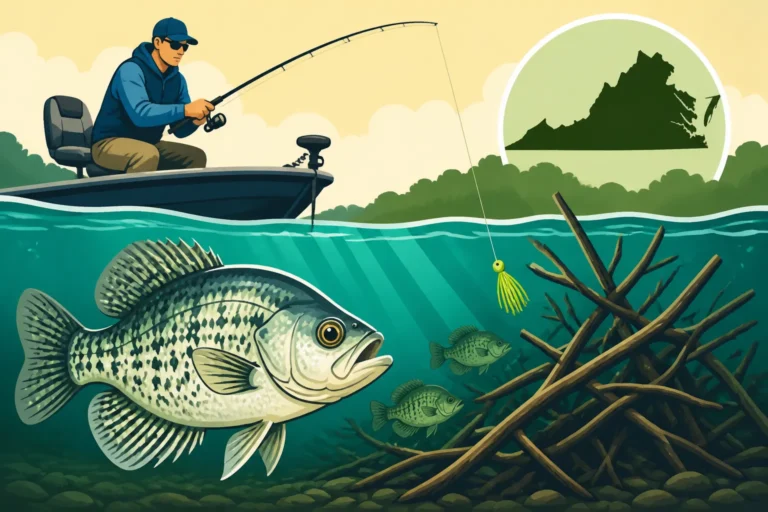
During these times, your best bet is to target fish in heavy cover – thick brush, submerged timber, or deep rock piles. Use baits that can be presented right in front of their noses and left there for a while. Jigs, soft plastics, or even live bait fished slowly are often the most effective. Focus on areas that offer shelter from the elements, like protected coves or leeward banks on larger lakes. While it might be tempting to stay home, venturing out after heavy rain can still yield results if you know How to Fish After Heavy Rain, focusing on runoff areas and transitions. Don't expect fast action, but a persistent, deliberate approach can still put fish in the boat.
Rising Pressure: The Post-Storm Shift
After a storm passes and the low-pressure system moves out, the barometer will start to rise. This is a transition period. Immediately after the storm, fishing might still be slow as the water clears and conditions stabilize. However, as the pressure continues to rise and approach a stable high, fish will gradually become more active, albeit often cautiously at first.
This is a time for observation and adaptation. Fish might still be a bit deep or tucked into cover, but they'll slowly start to venture out and look for food. Transition from your low-pressure tactics to more moderate approaches. Consider moving from heavy cover to the edges of that cover, or from the deepest holes to slightly shallower humps and points. You might find success with baits that offer a bit more action than a dead-sticked jig, but aren't as aggressive as pre-front crankbaits. Medium-diving crankbaits, spinnerbaits fished slowly, or even a Wacky rigged worm can be effective. Keep an eye on How Water Temperature Affects Fish Feeding as well, because after a storm, water temps can fluctuate, further influencing fish behavior.
Practical Tips for Anglers: Integrating Barometric Pressure into Your Virginia Fishing Trip
So, how do you actually use this information to catch more fish on your next trip to the James River or Lake Anna? It's all about preparation, observation, and flexibility.
Monitoring the Pressure: Tools and Resources
In today's world, monitoring barometric pressure is easier than ever. You don't need a fancy analog barometer for your boat, though many anglers swear by them.
- Smartphone Apps: Numerous weather apps (like AccuWeather, The Weather Channel) provide barometric pressure readings and trends. Some dedicated fishing apps even integrate this data with moon phases and solunar tables.
- Marine Electronics: Many modern fish finders and GPS units on boats have built-in barometers that can track trends over time, giving you real-time data right at your fingertips.
- Portable Handheld Barometers: Small, inexpensive handheld barometers are available, often from outdoor retailers or online stores like Amazon, allowing you to get a precise reading wherever you are.
- Local Forecasts: Pay attention to local weather forecasts, especially those that discuss approaching fronts, rising or falling pressure systems, and overall weather trends. Understanding that a cold front is coming in a day or two can tell you a lot about how the fish might behave.
The key isn't just knowing the current pressure, but understanding the trend. Is it rising, falling, or stable? The change is often more important than the absolute number.
Combining Pressure with Other Factors
While barometric pressure is a powerful influence, it's crucial to remember it's not the only factor affecting fish behavior. An experienced angler knows that fishing success is a puzzle with many pieces. You need to combine pressure readings with other critical environmental factors to form a complete picture.
Consider the Water Temperature and Fish Feeding Patterns, which often dictates metabolism and activity levels more than anything else. A falling barometer in winter might still result in slow fishing if the water is frigid, whereas a rising barometer in spring with ideal water temperatures could mean explosive action. The Best Times to Fish in Virginia Throughout the Year are also highly dependent on species-specific spawning cycles and seasonal migrations, which can temporarily override some pressure effects. Don't forget the Dawn and Dusk Fishing Patterns, when light levels are low, often making fish more active regardless of pressure. Always take into account factors like wind, current, water clarity, and cloud cover. Barometric pressure is a significant piece of the puzzle, but it rarely acts in isolation.
Here's a quick table to help you combine factors:
| Barometric Condition | Weather Outlook | General Fish Behavior | Recommended Strategy |
|---|---|---|---|
| Falling Rapidly | Approaching storm, clouds | Highly active, aggressive feeding | Fast-moving reaction baits, topwaters, target shallow ambush points |
| Low & Stable/Falling | During storm, unsettled | Lethargic, deep in cover, uncomfortable | Slow presentations, jigs, soft plastics, live bait, target heavy cover and sheltered areas |
| Rising Rapidly | Clearing after storm | Gradually increasing activity, cautious | Transition baits, slow roll spinnerbaits, Wacky rigs, target cover edges and primary points |
| High & Stable | Clear, bluebird skies | Lethargic, deep, tight to cover, easily spooked | Finesse techniques, light line, small baits, very slow retrieves, subtle presentations |
Adjusting Your Approach: Be Flexible!
The most successful anglers are those who are flexible and willing to adapt. Don't go into a fishing trip with a rigid plan. Check the barometric pressure trends before you leave, and even on the water, if your electronics allow. If the pressure is falling rapidly, start with aggressive baits and cover water quickly. If it's high and stable, immediately switch to a more methodical, finesse approach.
This might mean changing your lure choices entirely, altering your retrieve speed, or adjusting your fishing depth. For instance, if you usually throw a spinnerbait but the barometer is high and stable, you might switch to a plastic worm or a small jig. You might even consider purchasing a variety of different lures, from a small finesse worm to a noisy topwater, from an online retailer like Amazon to ensure you're prepared for any condition. The fish will tell you what they want; your job is to listen by experimenting with different techniques until you find what works for that specific day and those specific conditions. Remember, every day on the water is a new learning experience, and barometric pressure is just one more tool in your angler's toolbox.
Disclaimer
This article is for general informational purposes only and does not constitute professional advice. Laws, prices and regulations vary by location and change over time. Consult a qualified professional for guidance on your specific situation.