Dawn and Dusk Fishing Patterns
Anyone who's spent a fair amount of time on the water knows that fishing can sometimes feel like a puzzle. You buy the right gear, pick a promising spot, and yet, the fish just aren't biting. It’s frustrating, isn't it? But what if I told you that often, the secret isn't what you're using or where you are, but simply when you're casting? This guide is all about unlocking the magic of dawn and dusk, the two most overlooked windows that can utterly transform your Virginia fishing experience.
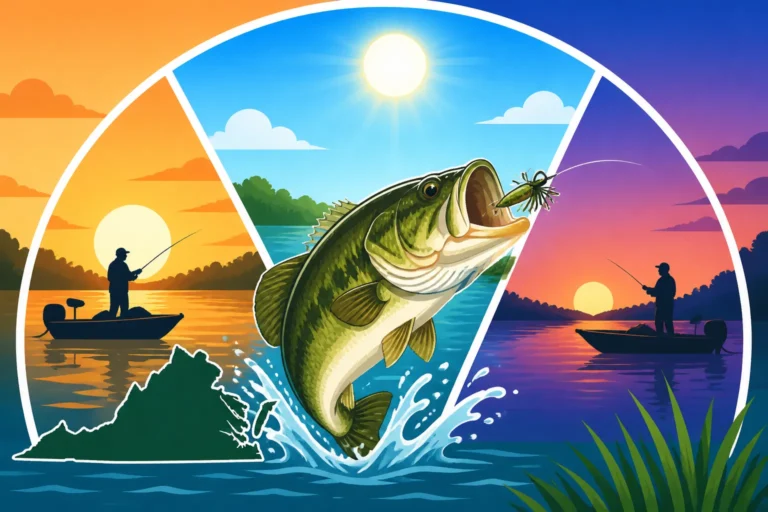
Why Dawn and Dusk are Prime Fishing Times
There's a reason why seasoned anglers often set their alarms for pre-dawn starts or wait until the golden hour before heading out. It’s not just for the beautiful scenery (though that's a huge bonus!). These transitional periods offer a unique cocktail of environmental factors that make fish, well, fishier. They become more active, more willing to chase a lure, and less wary of predators. Ignoring these windows means you're potentially missing out on the best bite of the day.
Light Conditions and Fish Vision
Think about how your eyes adjust to dim light. Fish are no different, and in many cases, their eyes are even more finely tuned to low-light conditions than ours. As the sun rises or sets, the light penetrates the water at a shallower angle, creating shadows and reducing visibility. For many game fish, this is a distinct advantage. Predators like bass, striped bass (or "rockfish" as we often call them here in Virginia), and even crappie use these low-light conditions to ambush unsuspecting prey. Their eyes are often designed to see better in dim light, giving them an edge over baitfish that might rely more on direct sunlight.
During the brightest parts of the day, especially in clear Virginia waters, fish can become lethargic and seek deeper, shadier cover to avoid both predators and the intense glare. But at dawn and dusk, that instinct to hide gives way to a more aggressive feeding pattern. The reduced light also helps camouflage your presence, making it harder for fish to spot your boat, your shadow, or even the movement of your rod tip. This means you can often approach prime spots with a bit more confidence than you could mid-day.
Water Temperature Fluctuations
The sun isn't just about light; it's also about heat. Throughout the day, especially during the warmer months, the sun beats down on Virginia's lakes and rivers, raising the water temperature. While some species tolerate warmer water, many of our most sought-after game fish, particularly trout and smallmouth bass, prefer cooler temperatures. At dawn, the water is at its coolest point after the long night. This invigorates fish, making them more active and comfortable exploring shallower areas where they might find food.
Conversely, as the sun begins to dip below the horizon at dusk, the water temperature starts to cool down again after the day's peak. This gradual cooling signals to fish that it's safe to move out from deeper, cooler sanctuaries and begin their evening patrols. In summer, this temperature shift is critical. Imagine trying to run a marathon in the midday heat versus in the cooler morning or evening. Fish feel the same way! These temperature transitions stir up insect activity in streams and baitfish movement in lakes, creating a dynamic feeding environment that simply doesn't exist during the stagnant heat of noon. Understanding these subtle temperature shifts is key to knowing Best Times to Fish in Virginia Throughout the Year.
Prey Activity and Feeding Frenzies
This is perhaps the most crucial factor. The low light and comfortable temperatures at dawn and dusk trigger a burst of activity among baitfish, insects, and other prey animals. Minnows, shad, and other small fish often move into shallower, more vulnerable areas to feed on microscopic organisms, while insects hatch and flutter above the water's surface, particularly in freshwater streams and ponds. This sudden increase in available food signals a prime hunting opportunity for larger fish.
It's during these periods that you'll often witness those tell-tale splashes and boils on the water's surface – a sure sign that predators are actively chasing prey. From the explosive strikes of a largemouth bass gulping down a topwater lure to the subtle sips of a trout feeding on emergers, the evidence of an active food chain is undeniable. This heightened activity can lead to what anglers call "feeding frenzies," where fish are less cautious and more likely to strike anything that resembles a meal. If you've ever felt like fish disappear mid-day, it's often because their prey have disappeared too, taking refuge from the harsh sun, only to re-emerge at these magical hours.
Mastering Dawn Fishing in Virginia
There’s nothing quite like the stillness of a Virginia morning, the mist rising off the water, and the first rays of sunlight painting the sky. It's not just beautiful; it's often the most productive time you'll spend fishing all day. The cool air, the breaking light, and the waking ecosystem create an irresistible invitation for fish to feed. Being prepared and knowing what to target can make all the difference between a peaceful sunrise and a truly memorable catch.
Early Morning Tactics for Bass
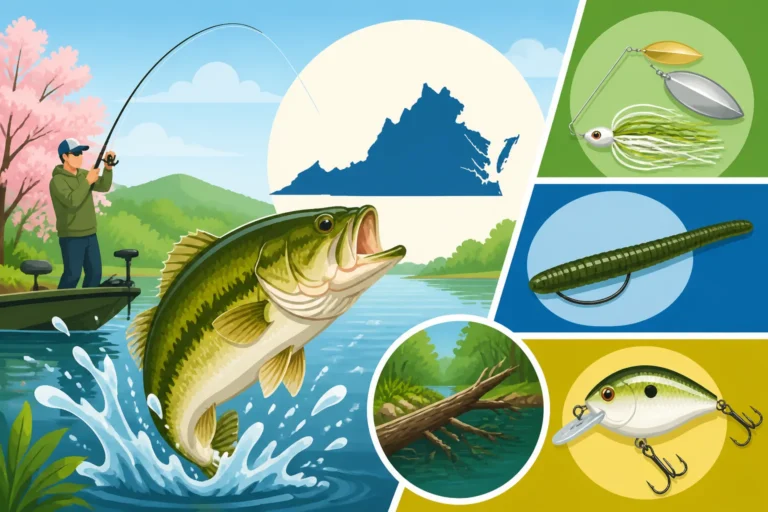
Largemouth and smallmouth bass are kings of the dawn bite in Virginia. As the night's chill gives way to the first warmth of the sun, bass become incredibly active. They've often spent the night ambushing prey in the shallows and will continue to do so as long as the light remains dim. Your best bet here is often topwater lures. Think about throwing a Zara Spook, a Whopper Plopper, or a popper right along weed lines, submerged timber, or rocky shorelines. The silhouette of these lures against the dim sky, combined with their commotion on the surface, can trigger explosive strikes.
As the sun climbs a bit higher, but still before it's full-on daylight, you might transition to spinnerbaits or shallow-diving crankbaits. These lures cover water efficiently and mimic baitfish fleeing for cover. Focus on transitional areas – points, submerged humps, and the edges of drop-offs where bass might be moving from their nighttime shallow feeding grounds to deeper daytime haunts. In lakes like Smith Mountain Lake Fishing Guide or Lake Anna, you'll find largemouth bass eager to strike a well-presented jig-and-trailer combo bounced along the bottom near cover. For smallmouth bass, especially in rivers like the Shenandoah, twitching a soft plastic jerkbait or a small crankbait through riffles and current breaks can be incredibly effective as they emerge from their overnight resting spots.
Chasing Stripers and Other Game Fish at Sunrise
Striped bass, our beloved "rockfish," are another species that absolutely loves the dawn. Whether you're in the tidal rivers of the Chesapeake Bay or in landlocked reservoirs, stripers are opportunistic predators that take full advantage of low light. In saltwater, from the mouth of the Bay up into the James and York Rivers, topwater plugs can draw aggressive strikes from schooling stripers as they push baitfish to the surface. Look for birds diving – that's often a tell-tale sign of a striper blitz beneath. Trolling umbrella rigs or large bucktails in these areas is also a popular and highly effective method for covering ground and intercepting cruising schools. You can learn more about their specific seasons in the Virginia Striped Bass Season and Slot Limit Guide.
For freshwater stripers, particularly in large reservoirs like Smith Mountain Lake, the dawn bite is legendary. They'll often push schools of shad to the surface, creating spectacular feeding frenzies. Throwing large topwater plugs, lipless crankbaits, or even live bait like gizzard shad or herring in these areas can be incredibly productive. Beyond stripers, species like walleye, especially in places like Claytor Lake, will be more active in the low light, moving shallower to feed. Vertical jigging with spoons or blade baits near humps and points can entice them. Crappie also become bolder at dawn, moving out of deeper brush piles to feed closer to structure, making them susceptible to small jigs and minnows.
Gear and Preparation for the Morning Bite
Being ready before the sun even thinks about rising is crucial. You don't want to be fumbling with your tackle box in the dark, spooking fish or missing precious fishing time. Pre-rigging a few rods with different lure types – one for topwater, one for a subsurface bait, and perhaps one for live bait – will save you valuable minutes. Investing in a good headlamp is non-negotiable for navigating in the dark, tying knots, or just setting up your gear. A reliable cooler filled with ice for your catch (and perhaps some coffee for yourself) is also essential.
Consider your clothing as well. Even in summer, early mornings can be chilly, especially on the water. Layers are your friend. A waterproof jacket might also be wise, as dew can be heavy, and unexpected showers aren't uncommon. Check your tackle the night before – make sure hooks are sharp, lines aren't frayed, and your reels are smoothly working. Having everything in its place allows you to focus on the fishing itself and truly immerse yourself in the serene, yet often exhilarating, experience of a Virginia sunrise bite. You can find excellent headlamps, fishing vests, and tackle organizers on sites like Amazon, which can be delivered right to your door.
Unlocking the Evening Bite at Dusk in Virginia
As the day begins to wind down, and the sun dips below the horizon, a new wave of activity washes over Virginia's waterways. The evening bite offers a different kind of magic – often less frantic than the dawn, but equally, if not more, productive. It’s a time when many fish relax their guard, moving into areas they might avoid during the harsher light of day, and offering anglers a final, golden opportunity to connect before night truly sets in.
Evening Strategies for Panfish and Catfish
Dusk is an absolutely fantastic time to target panfish like bluegill and crappie, especially if you're looking for a relaxing, family-friendly fishing experience. As the sun fades, these smaller fish often move into shallower areas, closer to docks, fallen trees, and weed beds, where they can forage for insects and small crustaceans without the intense sun bearing down on them. A simple setup with a small hook, a bit of nightcrawler or crickets, and a bobber can lead to non-stop action. Crappie, which can be found in abundance in many of Virginia's lakes, will stage around submerged brush piles and timber, becoming more aggressive as the light dims. Crappie Fishing Techniques for Beginners often include light jigging or slow-trolling tiny jigs or minnows around these structures.
Catfish are another species that truly come alive as evening approaches. Channel catfish, flathead catfish, and white catfish are primarily nocturnal feeders, relying on their keen sense of smell rather than sight. As dusk turns into twilight, they begin to move out of their daytime hiding spots – deep holes, log jams, and undercut banks – and actively patrol shallower flats and river bends in search of a meal. This is when stink baits, cut bait, chicken livers, or even chunks of hot dogs shine. Casting these baits into deeper channels, current seams, or even just off a bank or pier can yield excellent results as the evening progresses. Targeting these species can be a blast, and knowing your Catfish Fishing Techniques and Bait Guide can significantly improve your success.
Targeting Larger Predators as the Sun Sets
Just like at dawn, larger predatory fish also capitalize on the diminishing light at dusk. Largemouth bass will often return to their shallow feeding grounds, ambushing baitfish that are also moving closer to shore. Throwing spinnerbaits, buzzbaits, or dark-colored soft plastics like worms and jigs can be incredibly effective during this period. The silhouette of a dark lure against the fading light is hard for a bass to resist. In rivers, smallmouth bass will position themselves in current breaks, ready to dart out and grab any prey washed downstream. Spinnerbaits, small crankbaits, or even fly fishing with streamers can be productive for smallies during the golden hour.
For striped bass, especially in the Chesapeake Bay and its tributaries, the evening can bring another round of intense feeding. Similar to dawn, look for signs of baitfish on the surface or birds diving. Trolling or casting artificial lures like large swimbaits, jerkbaits, or even live spot or eels can entice a strike from a cruising striper. The cooler water and reduced light make them feel secure, leading to bolder and more aggressive strikes. This is particularly true during the warmer months when the midday heat keeps them deep. Dusk offers a prime window for them to really start chasing.
Safety and Lighting for Nightfall Angling
As magical as the dusk bite can be, it's paramount to prioritize safety, especially if you plan to extend your fishing into full darkness. Visibility decreases rapidly after sunset, and what might seem clear during twilight can become a hazard in true darkness. If you're fishing from a boat, ensure all your navigation lights are in perfect working order. A powerful spotlight or an auxiliary light bar can be invaluable for illuminating hazards or navigating back to the ramp. Always have a reliable PFD (Personal Flotation Device) readily accessible for everyone on board.
For bank anglers, a good headlamp with a red-light option (to preserve your night vision) is a must. A portable lantern or a camping light can help illuminate your immediate fishing area without spooking fish too much. Be mindful of your surroundings – uneven terrain, slippery banks, and unseen obstacles become much more dangerous in the dark. Tell someone where you're going and when you expect to return. Packing a first-aid kit, insect repellent, and plenty of water or hot coffee (depending on the season) are also smart precautions. Brands like Coleman offer portable battery-powered lanterns perfect for bank fishing, easily found on Amazon.
Seasonal Considerations for Dawn and Dusk Fishing in Virginia
The beauty of Virginia's diverse fisheries means that dawn and dusk fishing patterns can shift dramatically with the seasons. What works wonders in the spring might be a bust in the dead of winter, and vice versa. Understanding these seasonal nuances is key to consistently hitting that low-light bite and maximizing your success throughout the year.
Spring and Fall: Peak Times for Low Light
Without a doubt, spring and fall are the absolute prime seasons for dawn and dusk fishing in Virginia. These transitional periods offer stable, moderate temperatures and often high levels of fish activity. In spring, as waters warm, fish are moving into shallower areas for spawning (bass, crappie) or actively feeding after a long, cold winter (trout, stripers). The low light of dawn and dusk provides the perfect cover for these movements. Bass, in particular, will be incredibly active in the shallows, making topwater and spinnerbait presentations irresistible. Trout streams, as covered in the Virginia Stocked Trout Season Guide, will see increased insect hatches at these times, bringing fish to the surface for fly anglers.
Fall is equally, if not more, productive. As water temperatures begin to cool, many species go on a pre-winter feeding frenzy, trying to pack on as much weight as possible. Baitfish schools are often at their largest, and predatory fish like striped bass, largemouth bass, and walleye will aggressively chase them at dawn and dusk. This is when you'll often see spectacular surface activity, especially on the larger lakes and reservoirs. Crankbaits, jerkbaits, and swimbaits become incredibly effective as fish actively hunt for larger meals. The mild air temperatures also make these times incredibly pleasant for anglers, allowing for comfortable, extended fishing sessions.
Summer's Early and Late Windows
Summer in Virginia can be brutally hot, and the midday sun often sends fish deep, making fishing tough. This is where dawn and dusk become not just good times to fish, but often the only productive times. In the morning, as the water is at its coolest point, fish will move into shallower, oxygenated areas to feed before retreating to deeper, cooler sanctuaries or heavy cover as the sun rises. Focusing on the first hour or two after sunrise can yield excellent results for bass, panfish, and even some striped bass before the heat sets in.
Similarly, as the sun begins to set, and the water starts to cool, fish will emerge from their deep-water haunts and move back into the shallows to feed. The period from an hour before sunset until well after dark can be incredibly productive for species like catfish, crappie, and especially bass using topwater or noisier lures. Night fishing, which naturally follows dusk, is also a highly effective summer strategy for many species, particularly catfish and largemouth bass, which become much bolder under the cover of darkness. This means summer low-light windows are less about avoiding the crowds and more about avoiding the heat-induced lull.
Winter's Brief Opportunities
Winter fishing in Virginia can be challenging, but dawn and dusk still offer distinct advantages, albeit with different considerations. In colder water, fish metabolism slows down, meaning they don't need to feed as often or as aggressively. However, the warmest parts of a winter day are often found around midday, so fish might not be as active right at dawn when temperatures are lowest. The key here is often the transition from extreme cold to slightly less extreme cold, or vice versa.
For many species, the hour before sunset can still trigger a brief feeding window, especially if there's a slight warming trend or a prolonged period of stable weather. Fish might move into slightly shallower, sun-warmed areas (even if the sun is setting) to grab a quick meal before the coldest part of the night. For trout in particular, a mild, overcast winter dusk can still provide opportunities, especially if there are any aquatic insect hatches. For bass and stripers, slow-moving baits in deeper water are often the ticket during these brief, cold-water feeding windows. Patience is definitely a virtue in winter low-light fishing, and being prepared for the cold with appropriate gear is essential.
Comparing Dawn and Dusk Fishing by Species and Season in Virginia
| Species | Season | Dawn Tactics | Dusk Tactics | Best Locations |
|---|---|---|---|---|
| Largemouth Bass | Spring | Topwater, Spinnerbaits, Jigs | Spinnerbaits, Wacky Worms, Buzzbaits | Shallow coves, weed lines, docks, lily pads |
| Summer | Topwater (early), Shallow Crankbaits | Topwater, Dark Jigs, Frogs (over pads) | Shady banks, deep cover edges, brush piles, main lake points | |
| Fall | Crankbaits, Jerkbaits, Swimbaits | Crankbaits, Spinnerbaits, Jig-N-Pigs | Points, submerged humps, creek channels, schooling baitfish | |
| Smallmouth Bass | Spring | Jerkbaits, Small Crankbaits, Tube Jigs | Spinnerbaits, Grubs, Hair Jigs | River eddies, current breaks, rocky banks, bluff walls |
| Summer | Topwater (early), Small Poppers | Dark Jigs, Soft Plastics, Streamers (fly) | Riffles, deeper pools, rock gardens, current seams | |
| Fall | Crankbaits, Spinnerbaits, Live Minnows | Jerkbaits, Tubes, Ned Rigs | Deeper river sections, transition zones, rocky drop-offs | |
| Striped Bass | Spring | Topwater, Umbrella Rigs, Bucktails, Live Bait | Large Swimbaits, Eels, Cut Bait, Trolling | Chesapeake Bay, tidal rivers (James, York), main lake points |
| Summer | Topwater (early), Deep Trolling | Large Plugs, Live Bait, Jigging Spoons | Deep main lake humps, ledges, cooler estuary waters | |
| Fall | Trolling (umbrella rigs), Live Bait, Poppers | Large Topwater Plugs, Soft Plastics, Jigging | Baitfish schools, deep channels, river mouths, coastal areas | |
| Crappie | Spring | Small Jigs, Minnows (under bobber) | Minnows, Small Jigs, Spider Rigging | Brush piles, docks, submerged timber, bridge pilings |
| Summer | Tiny Jigs (deep), Minnows (deep) | Minnows (shallow), Small Jigs (around lights) | Deep brush piles, shaded docks, bridge pilings | |
| Fall | Minnows, Small Jigs, Trolling | Minnows, Small Jigs, Tightlining | Creek channels, brush piles, submerged structure | |
| Catfish | Year-Round | Cut Bait, Stink Bait, Worms (pre-dawn check) | Cut Bait, Stink Bait, Chicken Livers, Live Perch | River channels, deep holes, log jams, reservoir flats |
| Trout | Spring | Fly Fishing (Nymphs, Dry Flies), Spinners | Fly Fishing (Emergers, Caddis), Small Spoons | Mountain streams, stocked ponds, riffles, pocket water |
| Fall | Fly Fishing (Streamers, Nymphs), Small Lures | Fly Fishing (Terrestrials, Wet Flies), Small Spinners | Runs, pools, transition zones, areas with fallen leaves |
Location-Specific Tips for Virginia Waters
Virginia is incredibly diverse when it comes to fishing environments, from the vast tidal plains of the Chesapeake Bay to the rushing mountain streams of the Appalachians. Each type of water body presents its own unique challenges and opportunities for dawn and dusk fishing, requiring anglers to adapt their strategies accordingly. What works on the James River might be completely different from what you'd do on Lake Anna.
Tidal Rivers and Estuaries
Virginia's tidal rivers and estuaries, such as the James, York, Rappahannock, and Potomac, are dynamic environments heavily influenced by the moon's gravitational pull. For dawn and dusk fishing here, understanding the tides is just as important as the light conditions. The periods around slack tide (the brief pause between incoming and outgoing tides) or the first few hours of a moving tide often trigger strong feeding windows. As the water moves, it dislodges baitfish and nutrients, creating a buffet for predators.
At dawn or dusk, target areas where current creates eddies, points, or oyster reefs. These are natural ambush points for species like striped bass, speckled trout, and red drum. Topwater lures can be incredibly effective in these shallow, current-swept areas, especially during the warmer months. As the light fades, consider fishing closer to structure like bridge pilings, jetties, or submerged wrecks where fish can hide and ambush prey. For anglers looking to explore these rich waters, knowing the Chesapeake Bay Striped Bass Fishing Guide can be a game-changer. Don't forget that many species in these brackish waters respond well to soft plastics or live bait, too.
Lakes and Reservoirs
Virginia's numerous lakes and reservoirs, from the vast expanse of Kerr Lake to the popular Lake Anna, offer fantastic dawn and dusk fishing, especially for bass, crappie, and landlocked striped bass. In these stiller waters, the light and temperature transitions are even more pronounced. At dawn, focus on shallow coves, main lake points, and areas with submerged cover like brush piles or stump fields. Bass will often patrol these areas, making them perfect for topwater presentations.
As dusk settles, fish will often move from their deeper daytime haunts back into the shallower feeding zones. Target the same types of structures you would at dawn, but also consider fishing around docks that have lights, as these can attract baitfish and, in turn, predatory game fish. Drop-offs, creek channels, and humps that are close to deeper water are excellent transition areas for schooling fish like stripers and crappie to move in and feed. Best Fishing Spots in Virginia often highlight these productive lake areas. During summer evenings, fishing beneath a full moon can be surprisingly effective for bass, extending the low-light bite well into the night.
Mountain Streams and Ponds
For those who prefer the tranquility of freshwater streams and smaller ponds, dawn and dusk are equally, if not more, important. In the cooler, clearer waters of Virginia's mountain streams, trout and smallmouth bass are highly sensitive to light. Early mornings and late evenings are when they are most comfortable moving into open runs, riffles, and shallow pools to feed on aquatic insects and minnows. Fly anglers will find this particularly true, as bug hatches often coincide with these low-light periods. A well-presented dry fly at dawn or a streamer at dusk can lead to incredible action.
Small ponds, which often warm up quickly during the day, become little havens for active fish at dawn and dusk. Largemouth bass will patrol the edges, around lily pads and submerged timber, while panfish will gather near shore. Simple techniques like casting a plastic worm for bass or a tiny jig for bluegill can be highly productive. The quiet nature of these smaller waters means you need to be stealthy, as fish are easily spooked by sudden movements or bright lights. For a truly immersive experience, exploring some of the Best Rivers for Fishing in Virginia during these prime times is a must.
Beyond the Basics: Advanced Low-Light Strategies
Once you've mastered the fundamentals of dawn and dusk fishing, there are always ways to refine your approach and gain an even greater edge. These advanced strategies delve into how fish perceive their environment beyond just sight, and how you can exploit those senses to increase your catch rate during those magical low-light hours.
Reading the Water in Dim Light
Reading the water is a skill that develops with experience, but it takes on a whole new dimension in dim light. You're not just looking for obvious structure; you're looking for subtle cues. At dawn, pay attention to subtle ripples or dimples on the surface, which might indicate fish feeding on insects. Watch for flashes beneath the surface, which could be baitfish being harassed. Look for irregularities in current seams or weed lines that create small eddies – these are prime ambush points that fish utilize regardless of how much light there is.
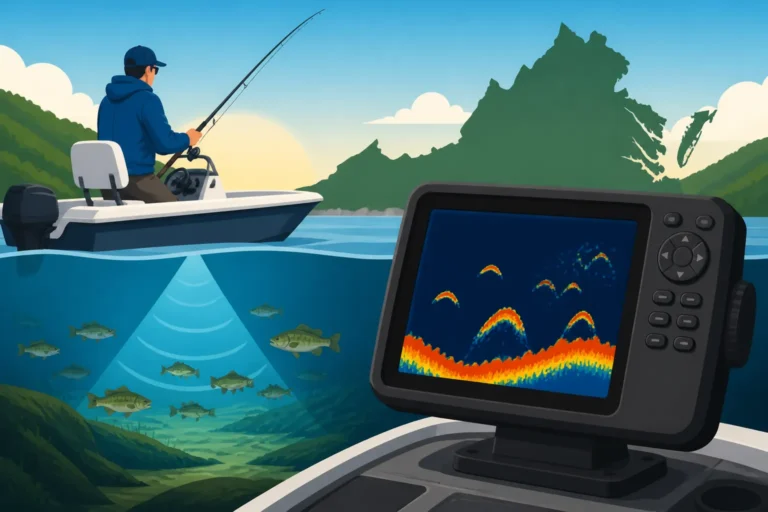
At dusk, as shadows lengthen and depth perception becomes challenging, try to visualize the underwater structure you know is there. If you're familiar with a spot from midday, mentally mark where the drop-offs, rock piles, or submerged timber are. Use your casting to feel the bottom. A good fishing app or a fish finder, even a portable one, can be invaluable for identifying these features in low light. Learning to interpret these faint visual and tactile cues is crucial for effective placement of your lure when you can't rely on clear sight.
Scent and Sound in Low-Light Fishing
When visibility is reduced, fish rely more heavily on their other senses, particularly scent and sound. This is where you can truly gain an advantage. For many species, especially catfish and some bass, adding scent to your lures can make a significant difference. Scented soft plastics are a common choice, but you can also apply scent sprays or gels to hard baits, jigs, or even live bait. Companies like Berkley often produce excellent scented baits that are readily available on Amazon. This helps fish home in on your offering even if they can't clearly see it in the dim light or murky water.
Sound is equally important. Lures that create vibrations or noise become much more effective in low light. Topwater lures with propellers, rattles, or chugging actions are designed precisely for this purpose. Spinnerbaits and chatterbaits send out strong vibrations that bass can feel through their lateral lines. Rattling crankbaits, especially those with loud, deep thuds, can draw strikes from aggressive predators. Even a simple jig bounced off the bottom creates subtle thumps that can attract attention. Experiment with different sound profiles to see what the fish respond to on any given morning or evening.
Matching the Hatch During Transitional Periods
While general lure categories are effective, paying attention to what the fish are actually feeding on during these transitional periods can elevate your game. This is known as "matching the hatch" in fly fishing, but the principle applies to all types of angling. If you see small minnows jumping, use a lure that mimics their size, color, and action. If you notice a particular insect hatching, whether it's mayflies or caddis, try to find a lure or fly that imitates that specific bug.
At dawn, inspect the water's surface and edges for any signs of insect activity. Are there small shad schooling up? Are frogs active around the lily pads? At dusk, these observations become even more critical. The changing light often triggers different prey items to become active. For instance, sometimes a specific baitfish will move shallow only at twilight, and if you have a lure that perfectly mimics it, you’re in for a treat. This keen observation, combined with a versatile tackle box, will ensure you're always presenting the most appealing meal to the hungry fish that come out to feed in the magical hours of dawn and dusk. If you're after bass, knowing How to Catch Largemouth Bass Year-Round often involves adapting to these "match the hatch" principles.
Disclaimer
Please note that all fishing activities in Virginia are subject to regulations set by the Virginia Department of Wildlife Resources (DWR). Always consult the latest DWR fishing regulations guide for specific rules on licensing, seasons, creel limits, and size limits before you head out. Fishing safely and legally is the responsibility of every angler.