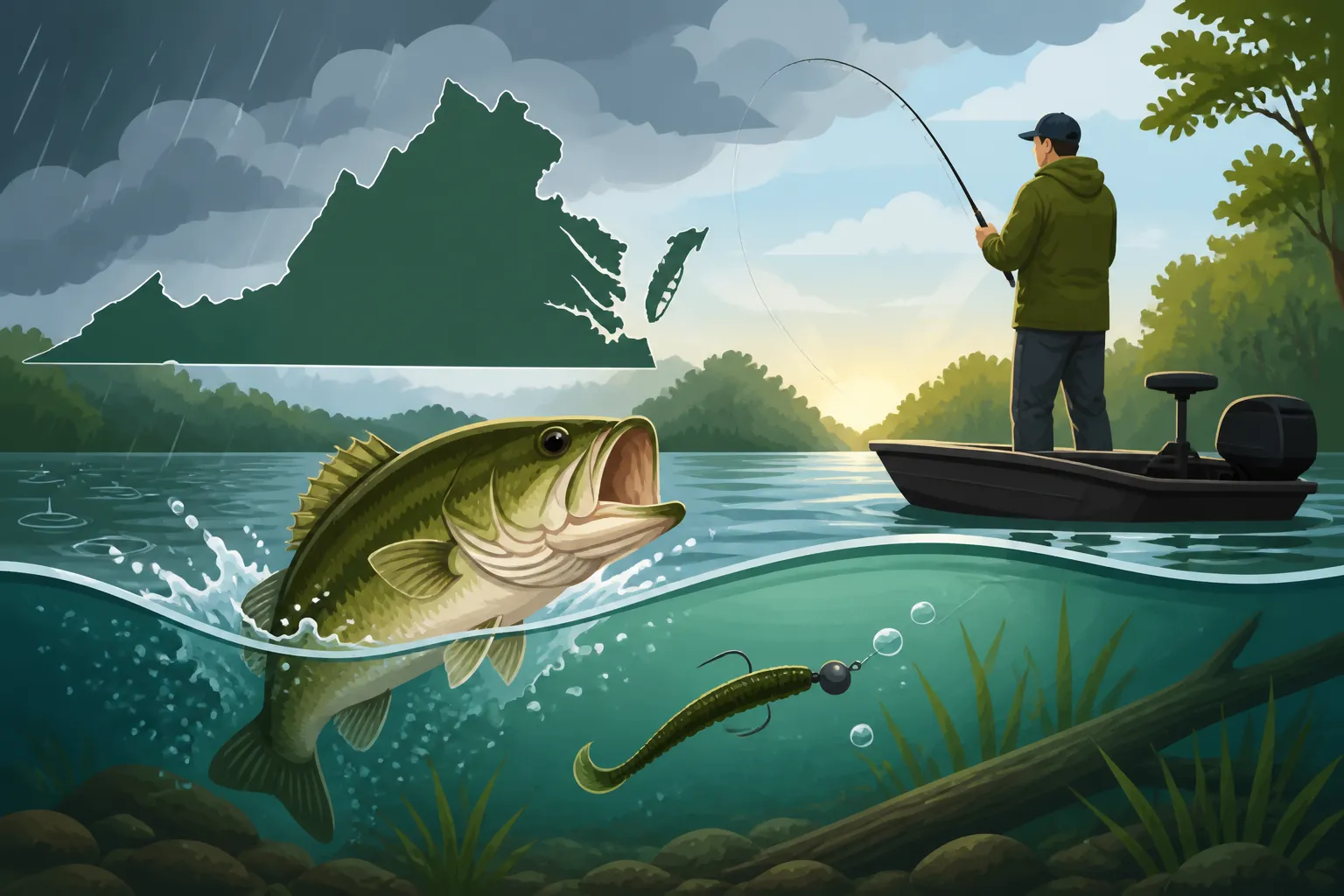
Fishing Techniques After Rain
Oh, the age-old dilemma: you've been eagerly awaiting a fishing trip, the weather finally breaks, and then… rain. A lot of us just pack it in, figuring the fish are hunkered down, or the conditions are too difficult. But what many anglers don't realize is that rain, far from being a trip-killer, can actually kick-start some incredible fishing opportunities if you know how to adjust. This guide is all about helping you understand the unique changes rain brings to Virginia's diverse waters and, most importantly, how to adapt your techniques to put more fish in the net when the clouds finally clear.
Understanding How Rain Impacts Virginia Waters and Fish Behavior
It’s not just about the water getting wet; rain triggers a cascade of changes in the aquatic environment. From the smallest mountain stream to the vast Chesapeake Bay, understanding these shifts is key to successful post-rain fishing.
Water Clarity and Temperature Changes
When rain hits, especially a heavy downpour, it stirs things up, literally. The clear, calm waters you might be used to can quickly become muddy and opaque. This turbidity is caused by runoff carrying sediment, leaves, and other debris into the water. For fish, this means their visibility is drastically reduced, affecting how they hunt and react to lures.
Beyond clarity, rain can also bring significant temperature shifts. A summer thunderstorm, for instance, often carries cooler rain that can drop surface water temperatures, which can actually be a good thing. Cooler water, especially in the dog days of summer, can invigorate sluggish fish, making them more active. Conversely, a prolonged cold rain in spring could further cool already chilly waters, making fish more lethargic. You really need to pay attention to Water Temperature and Fish Feeding Patterns to figure out how the specific rain event might be influencing your target species. The key is to remember that fish are highly sensitive to these changes, and their metabolism and comfort zones are directly tied to water temperature.
Increased Flow and Current
One of the most immediate and noticeable impacts of rain, particularly in rivers and streams, is increased water flow. Small trickles turn into rushing currents, and even large rivers swell, often overflowing their banks. This surge in current can be a mixed bag for anglers. On one hand, it dislodges food sources from the banks and bottom, washing them into the main current, which can trigger a feeding frenzy. Think worms, insects, and other creatures getting washed into the water – a buffet for hungry fish!
On the other hand, strong currents can make it challenging to present your bait or lure effectively. It can sweep lighter presentations away too quickly, making it difficult for fish to see or react. Fish themselves will often seek refuge from the main flow, tucking into eddies, behind structure, or in calmer pockets where they can ambush passing food without expending too much energy fighting the current. Even in lakes and reservoirs, significant rain can create temporary currents and draw fish towards the influx of fresh, often oxygenated, water from feeder creeks.
Fish Reaction to Post-Rain Conditions
So, how do fish actually feel about all this post-rain commotion? It really depends on the species and the severity of the rain. Generally, many fish species become more active after a rain. The increased turbidity provides cover, making them feel safer to venture out from deeper, more protected areas. They're less wary of predators and, crucially, less wary of your fishing line. This reduced visibility can actually be an advantage for anglers, allowing for a more aggressive presentation.
The influx of new food sources, as mentioned earlier, is a huge draw. Baitfish might congregate near these runoff areas, and larger predatory fish like bass and striped bass will follow, looking for an easy meal. However, in extremely heavy, prolonged downpours that cause massive flooding, fish might temporarily retreat to deeper, less turbulent waters or even spread out into flooded areas, making them harder to locate. It’s a delicate balance, but generally, a moderate rain or the period immediately following it can be fantastic for fishing, offering a "reset" button that revitalizes the aquatic ecosystem and the fish within it.
Essential Gear Adjustments for Rainy Day Fishing
Fishing after rain means you can't just stick with your usual setup. You'll need to make some smart adjustments to your tackle and personal gear to stay effective and comfortable. Trust me, there’s nothing worse than being cold, wet, and not catching anything.
Line, Lures, and Baits for Murky Water
When the water turns murky, visibility for fish drops significantly, and that means your brightly colored, natural-looking lures might not cut it. This is where you need to go for contrast and vibration. Darker colors or fluorescent hues that stand out against the cloudy water become your best friends. Think black, blue, chartreuse, or even bright orange. Lures that create a lot of vibration are also incredibly effective. Spinnerbaits, chatterbaits, and crankbaits with rattles send out sensory signals that fish can detect even if they can't see them clearly. These vibrations mimic struggling prey, making them irresistible.
As for bait, natural offerings that emit strong scents are highly recommended. Live worms, cut bait, or even strongly scented artificial baits will draw fish in when visual cues are limited. For example, when targeting catfish, you'll want to use something with a robust smell. Check out Best Bait for Catfish in Summer for some great ideas. Don't be afraid to experiment with slightly larger profiles, either. A bigger lure might be easier for fish to detect in the reduced visibility. If you're wondering about specific color choices, take a moment to read How to Choose Lure Color for Murky Water – it’s a game-changer! You can find a huge variety of these specialized lures and scented baits on platforms like Amazon, often with quick shipping so you're ready for the next rainy spell.
Rod and Reel Considerations for Increased Current
When the water is flowing faster, managing your line and presentation becomes more challenging. You might need to step up your tackle a bit. A slightly heavier action rod can give you more control when casting heavier lures or fishing in strong currents, helping you feel subtle bites through the vibration. Similarly, a reel with a good, smooth drag system is crucial, especially if you hook into a strong fish that decides to take advantage of the current.
Line choice is also paramount. You'll often want to consider a slightly heavier monofilament or fluorocarbon line, not necessarily for strength, but for its resistance to abrasion from debris in the water. Braided line can also be excellent in these conditions, as its lack of stretch allows for better sensitivity, helping you detect those fainter bites in turbulent water. Just make sure to use a fluorocarbon leader with braid in clearer sections to maintain stealth.
Personal Gear to Stay Dry and Comfortable
This might seem obvious, but it's often overlooked in the excitement of a fishing trip: stay dry and comfortable! Cold, wet hands and feet will ruin a trip faster than anything. Invest in good quality waterproof outerwear – a sturdy rain jacket and pants are non-negotiable. Look for breathable options that keep moisture out but still allow sweat to escape.
Waterproof boots with good traction are also essential, especially if you're Shore Fishing Access Points in Virginia, as banks can become incredibly slippery after rain. A waterproof hat with a brim will keep rain out of your eyes and off your face. And don't forget waterproof bags or containers for your phone, keys, and other electronics. You can find excellent options for all these items, from reliable brands like Columbia or Frogg Toggs, on Amazon, ensuring you're prepared for whatever Mother Nature throws your way. Being prepared physically means you can focus entirely on the fishing, not on shivering.
Top Fishing Techniques for Freshwater After Rain
Freshwater fishing after a rain can be incredibly productive, but it requires a change in strategy. Different species will react in unique ways to the altered conditions.
Targeting Bass in High and Muddy Water
Largemouth and smallmouth bass, our beloved Virginia stalwarts, often become much more active and aggressive after a rain. The increased turbidity gives them confidence, reducing their wariness. They'll often move closer to the banks and into shallower, newly flooded areas to ambush prey. These are the moments you've been waiting for!
When the water is high and muddy, focus on baits that make a lot of noise and vibration, or have a large profile. Spinnerbaits with large thumping blades, chatterbaits, and squarebill crankbaits are fantastic choices. For presentation, retrieve them a bit slower than usual, allowing the fish more time to locate them in the reduced visibility. Don't be afraid to target flooded cover like submerged bushes, grass lines, and even flooded timber – these are prime ambush points. In rivers, look for eddies, current breaks behind rocks or logs, and the mouths of feeder creeks where nutrient-rich runoff is pouring in. These areas are fish magnets. For more specific advice, check out the guide on How to Catch Bass in Muddy Water After Rain – it's full of practical tips.
Crappie and Panfish Strategies Post-Rain
Crappie, bluegill, and other panfish can also offer fantastic action after a rain, though their behavior might be slightly different. Like bass, they'll appreciate the reduced visibility and the influx of new food. They often congregate around structure, but they might move shallower, especially if the rain brought warmer temperatures to the surface or stirred up the bottom.
When targeting crappie, consider using small jigs tipped with scent or a minnow. Bright colors like chartreuse, white, or orange can be very effective in murky water. Focus your efforts around brush piles, submerged trees, dock pilings, and bridge abutments. In lakes, the mouths of creeks that are dumping in runoff can be particularly productive. For bluegill and other panfish, simple setups with a bobber and a worm or cricket can be deadly. They're often less picky, but presentation in the current and the ability to find them in new, shallower feeding zones is key. Remember that these fish are often schooling, so if you catch one, there are likely more nearby.
Catfish Tactics in Swollen Rivers and Lakes
Catfish absolutely thrive in post-rain conditions, especially in swollen rivers. They are masters of scent detection and are perfectly equipped to navigate murky, fast-moving water. The increased current washes out all sorts of delicious treats – worms, insects, and even small fish – making them go into a feeding frenzy.
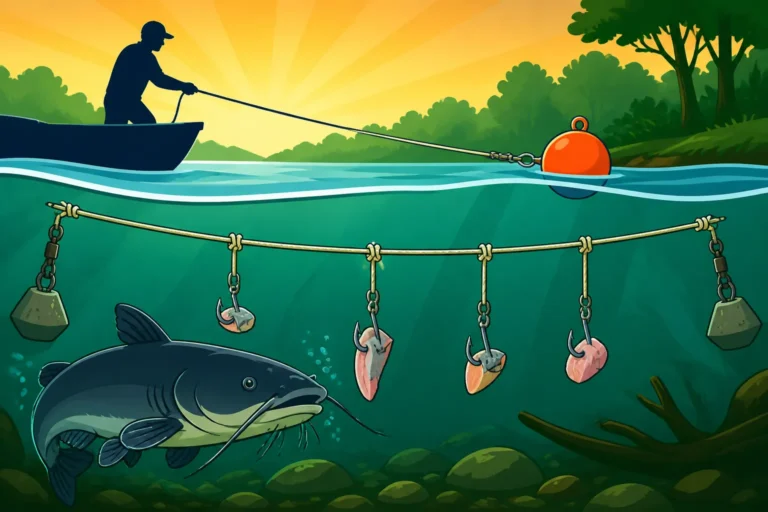
For channel catfish and blue catfish, look for deeper holes, the outsides of bends in rivers, and behind any large structure that breaks the current. Cut bait (shad, herring, or even chicken liver) is incredibly effective, as its strong scent will travel far in the murky water. Use a heavy enough sinker to hold your bait on the bottom in the current, and be prepared for strong bites. Flathead catfish prefer live bait, so a lively bluegill or sunfish fished near log jams or rocky structure can be deadly. Don't be surprised if you catch some of your biggest catfish after a good rain; these conditions often bring out the monsters. Learning the nuances of Catfish Bottom Fishing Techniques will serve you well in these scenarios.
Adapting to Post-Rain Conditions in Virginia's Saltwater Environments
Virginia's saltwater fishing scene, particularly in the vast Chesapeake Bay and its tributaries, is equally affected by rain, but with its own unique dynamics. Heavy freshwater runoff can dramatically alter salinity levels and introduce significant turbidity.
Striped Bass and Rockfish in Estuaries After Runoff
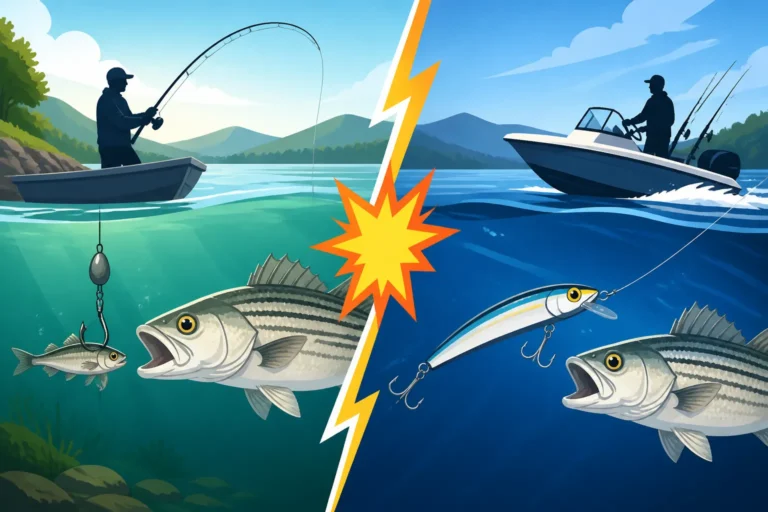
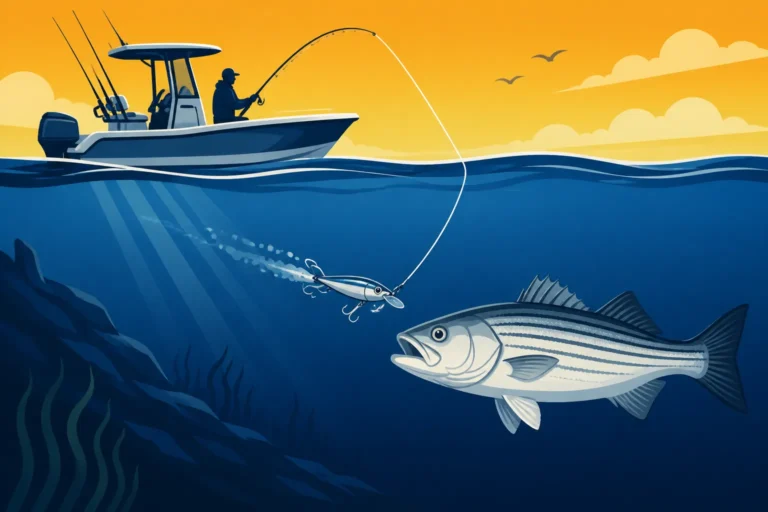
The iconic striped bass, or "rockfish" as they're affectionately known in Virginia, are a prime target after rain, especially in the brackish waters of the Chesapeake Bay and its tidal rivers like the James, York, and Rappahannock. When heavy rain hits, it pushes a large volume of freshwater into these estuaries, creating plumes of muddy, lower-salinity water. This might sound bad, but stripers often follow these plumes because they concentrate baitfish and provide excellent camouflage for ambushing prey.
Focus your efforts near the edges of these muddy freshwater lines, where the clear water meets the murky runoff. Stripers will patrol these transition zones, looking for confused baitfish. Also, pay attention to current breaks around points, jetties, and bridge pilings where they can sit and wait for food to come to them. Topwater lures, big swimbaits, and live bait (like eels or bunker) can be incredibly effective. Remember to keep an eye on Striped Bass Season and Slot Limit in Virginia, as well as Rockfish Rules Along the Virginia Coast, to ensure you're compliant with all regulations. The reduced visibility means you can often get away with heavier leaders and more aggressive presentations.
Flounder and Red Drum in Murky Coastal Waters
Flounder and red drum (redfish) also react to post-rain conditions, albeit differently. Flounder, being bottom dwellers, rely heavily on camouflage. While increased turbidity can provide more cover, excessively muddy water might make them less active if they can't effectively see or ambush prey. However, the churned-up bottom can also expose buried bait, drawing them in. Look for them in slightly deeper channels or near structure where they can settle into the bottom and wait. Scented baits like squid, cut bait, or Gulp! lures jigged slowly on the bottom can be very productive.
Red drum, known for their powerful runs and bronze scales, are quite adaptable to murky water. They often use their keen sense of smell to hunt. Like stripers, they'll often be found near the mouths of creeks and rivers emptying into the bay or ocean, where the runoff creates feeding opportunities. Cut bait, shrimp, or scented soft plastics are excellent choices. Concentrate on oyster beds, grass flats (if not too muddy), and tidal creeks. The key is to present your bait in a way that allows them to find it by scent, so a slow retrieve or letting your bait sit in a prime ambush spot is often best.
Locating Fish After a Downpour
Finding fish can be the biggest challenge after a good soaking, but by understanding how water levels and currents redistribute food and cover, you can pinpoint productive areas.
Focusing on Structure and Cover
When the water rises, fish will instinctively seek shelter and ambush points. In rivers, this means focusing heavily on any form of structure that breaks the current. Submerged logs, rock piles, bridge pilings, and even erosion points along the bank create eddies and slack water where fish can rest and ambush prey. Look for trees or bushes that are now partially submerged – these offer excellent cover and new feeding grounds.
In lakes and ponds, the rising water floods new terrestrial vegetation, creating temporary "new" cover. Bass, in particular, will often push into these newly inundated areas, cruising the edges of flooded grass or bushes. Docks and piers that once offered deep-water access might now be surrounded by shallower, murkier water, but the pilings still offer vertical structure for fish to orient to. Don't overlook the obvious; fish will always gravitate towards something that provides protection and a food source. Remember, the fish aren't just hiding from the current, they're often hiding in it to conserve energy while waiting for food.
Identifying New Feeding Opportunities
Rainfall, especially heavy runoff, creates a feast for fish. All sorts of worms, insects, and small critters get washed into the water from the banks. This creates new and temporary feeding opportunities that fish are quick to exploit. Pay close attention to any area where runoff water is entering the main body of water, whether it's a small ditch, a culvert, or a major creek. These "freshwater inflows" are often hotspots, bringing both food and often cooler, more oxygenated water.
Baitfish will congregate around these inflows, and predatory fish like bass, stripers, and catfish will be right behind them. Cast your lures or bait into these runoff plumes and work them out. The discoloration and debris in the water also provide excellent cover for predatory fish, making them less shy about feeding in shallower, more open areas. Additionally, the stirred-up bottom can dislodge benthic invertebrates, which means bottom-feeding species like catfish and carp will be particularly active. Thinking about Where to Find Fish in High Water After Rain will help you mentally map out these prime locations before you even get to the water.
Safety First: Navigating Post-Rain Fishing Hazards
While post-rain fishing can be fantastic, it's absolutely crucial to prioritize safety. The very conditions that make fishing productive can also make them dangerous.
Swift Currents and Debris
Increased water flow, especially in rivers and streams, can be incredibly powerful and deceptively dangerous. What looked like a gentle ripple before the rain can become a raging torrent afterward. If you're wading, always use a wading staff and test the depth and stability of the bottom before each step. Never wade in water that looks too fast or too deep, or if you're unsure of the bottom. Remember that strong currents can sweep you off your feet faster than you think.
Beyond the current itself, heavy rain also brings a lot of debris into the water. This can include logs, branches, trash, and even larger objects. These can pose a direct hazard to boats (damaging propellers or hulls), and they can also create dangerous snags for lines or even become floating hazards to waders. Keep an eye upstream for anything coming your way, and always wear a PFD (personal flotation device) if you're in a boat or wading in unfamiliar or fast-moving water.
Slippery Banks and Unexpected Depths
The banks of rivers, lakes, and ponds become incredibly slippery after rain. Mud, wet grass, and slick rocks can lead to nasty falls. Wear appropriate footwear with good traction, and always watch your footing, especially when carrying gear or moving quickly. A pair of sturdy, waterproof boots, easily found on Amazon, can be a real lifesaver here.
Additionally, rising water levels can obscure familiar landmarks and create unexpected depths. Areas that were shallow wading spots before the rain might now be shoulder-deep. Be extremely cautious if you're exploring new areas or if the water level has risen significantly. Never assume you know the depth or bottom contour, especially in areas with strong current. It’s always better to err on the side of caution. Consider bringing a friend, especially if you plan to venture into less accessible areas, and always let someone know where you're going and when you expect to return. Safety isn't just a suggestion; it's a non-negotiable part of enjoying the outdoors, especially after a good rain.
| Virginia Freshwater Species | Post-Rain Behavior | Recommended Lure/Bait Types | Key Locations to Target |
|---|---|---|---|
| Largemouth/Smallmouth Bass | More aggressive, reduced wariness, move to shallow cover | Spinnerbaits, Chatterbaits, Squarebill Crankbaits (dark/bright colors), Worms | Flooded vegetation, current breaks, creek mouths, structure |
| Crappie | Active, move shallower, schooling | Small jigs (chartreuse, white), Minnows, Scented soft plastics | Brush piles, submerged trees, dock pilings, creek mouths |
| Catfish (Channel, Blue) | Highly active, feeding frenzy, rely on scent | Cut bait (shad, chicken liver), Live bait (bluegill), Scented dough baits | Deep holes, outside bends, current breaks, log jams |
| Panfish (Bluegill, Perch) | Active, schooling, move to new food sources | Worms, Crickets, Small jigs, Tiny spinners | Flooded grass, shallow edges, structure, runoff inflows |
| Trout (Stocked) | Can be disoriented, may feed on washed-in insects | Worms, Corn, PowerBait, Small spinners (dark colors) | Eddies, slower pools, stream banks with new insect flow |
Disclaimer
Fishing regulations, license requirements, and local conditions in Virginia can change. Always consult the most current Virginia Department of Wildlife Resources (DWR) regulations before heading out. This guide is for informational purposes only and does not replace official rules and guidelines.